
The Pollinator Vault: 5 Best Forensic Plants for Texas Bees
In our 2026 Supermarket Showdown, we frequently discuss “Varietal Sources.” But where does that flavor come from? To understand the nectar profiles of brands like Kirkland Texas Honey, you have to understand the Texas landscape. These are 5 of the best plants for bees in Texas
Whether you are a hobbyist gardener or a honey enthusiast, installing a bee-friendly buffet is the first step in supporting the local enzyme producers we track in The Lab. Here are the 5 best high-yield nectar sources for the Lone Star State, updated for the 2026 season.
1. The Bluebonnet (Lupinus texensis)
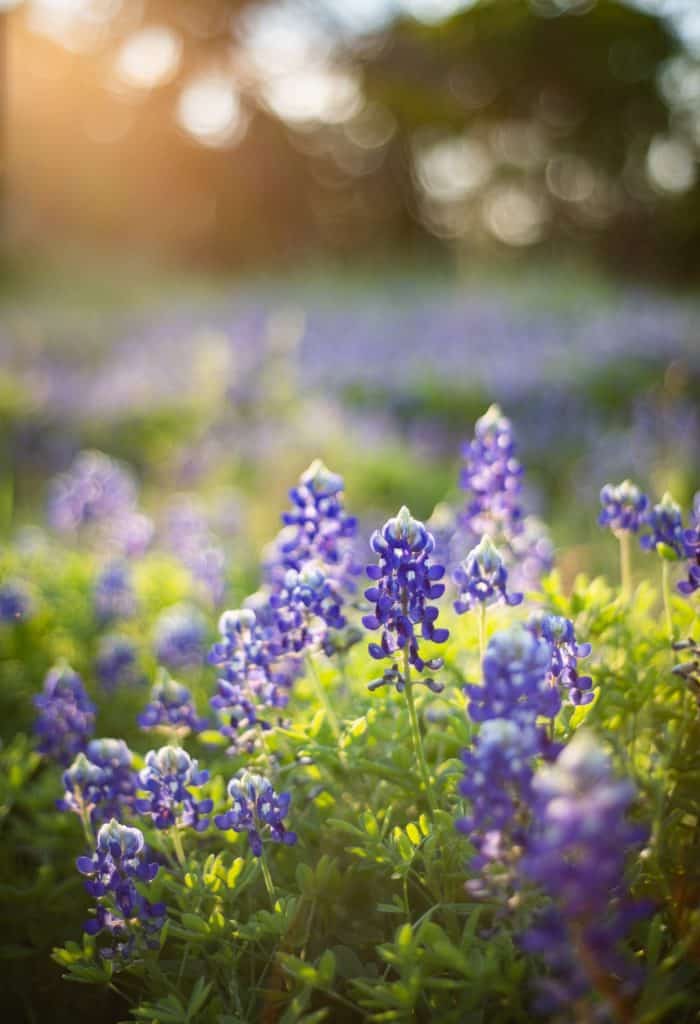
The Forensic Profile: The official state flower is more than just a photo op. Bluebonnets are the “Early Season Powerhouse” for Texas bees.
- Bloom Window: Late February to early April.
- The Honey Connection: While rarely sold as a monofloral honey, Bluebonnet nectar is a primary component in “Early Spring Wildflower” blends.
- Grower’s Note: Plant in October. They thrive in rocky, alkaline soil—the same soil profile that gives Texas honey its distinct mineral “zing.”
2. Texas Betony (Stachys coccinea)
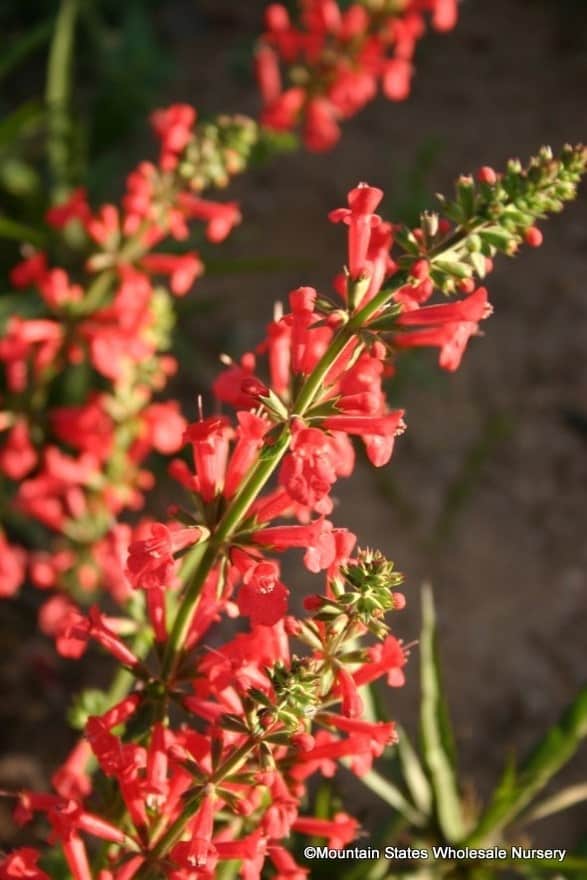
The Forensic Profile: A member of the mint family, this is the “Resilience King.” It withstands harsh Texas heat better than almost any other ornamental.
- Bloom Window: March through October.
- The Honey Connection: High nectar concentration. Bees love the tubular flowers, and the long bloom cycle ensures a steady supply of functional food for the hive.
- Grower’s Note: Deer-resistant and requires almost no fertilizer. Perfect for border landscapes.
3. Prickly Pear Cactus (Opuntia)
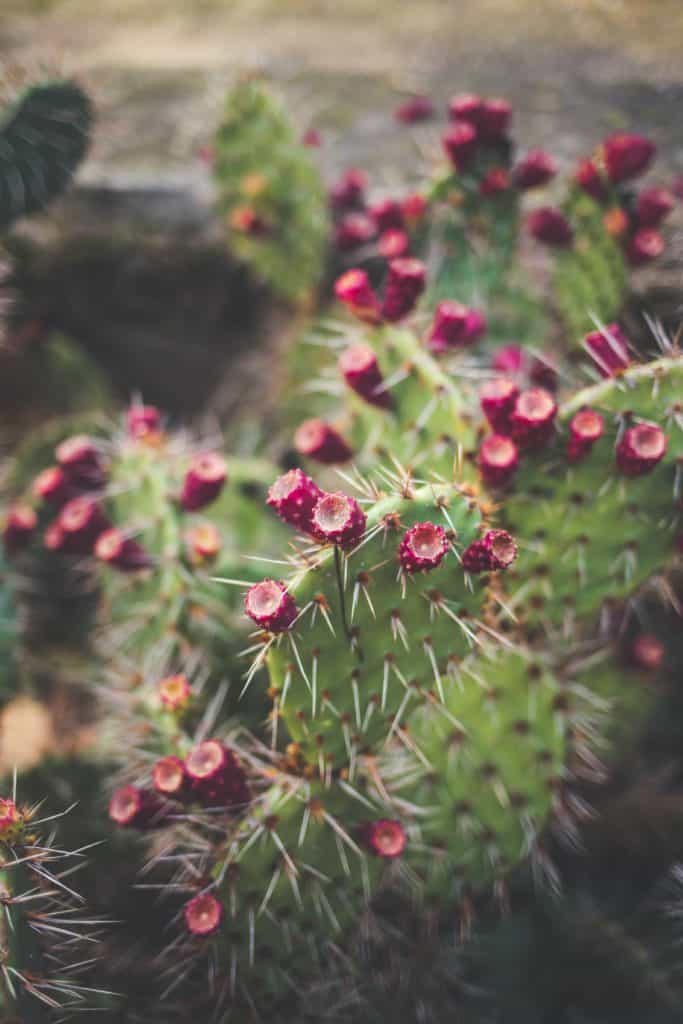
The Forensic Profile: Often overlooked, the Prickly Pear is a critical “Desert Nectar” source.
- Bloom Window: June to July.
- The Honey Connection: Prickly Pear honey is rare and highly prized in forensic circles for its vibrant color and unique fruitiness.
- Grower’s Note: Extreme drought tolerance. Start from cuttings for the fastest results—seeds can take up to 4 years to flower.
4. Indian Blanket (Gaillardia pulchella)
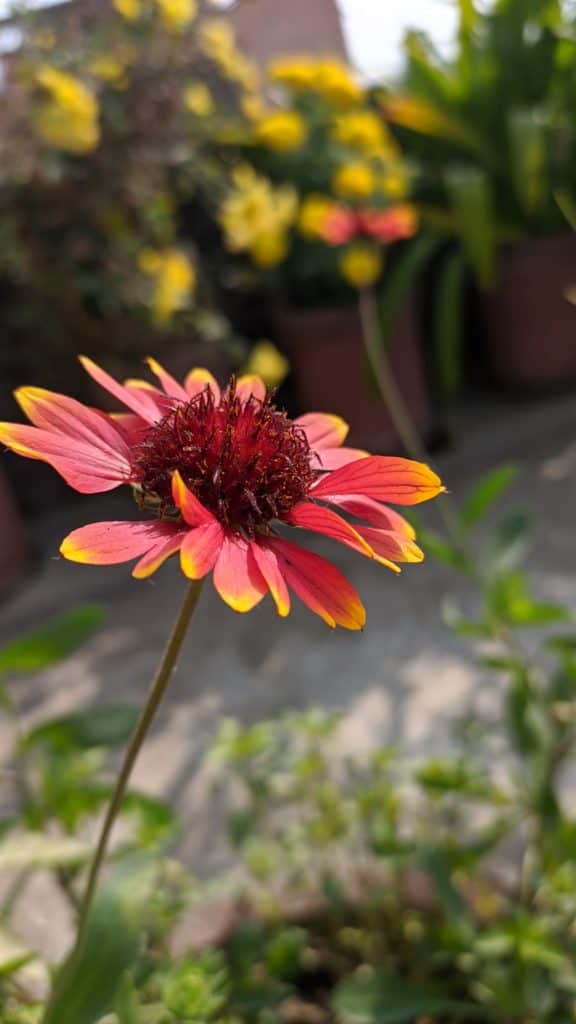
The Forensic Profile: Also known as Firewheel, this is the “Summer Heat Specialist.”
- Bloom Window: May through August.
- The Honey Connection: This plant is responsible for the “Fourth of July” flavor spike in Central Texas honey. It provides a deep, reddish-amber hue to late-summer harvests.
- Grower’s Note: Heat and drought-tolerant. They are easy to plant and offer moderate deer resistance.
5. Verbena (Verbena officinalis)
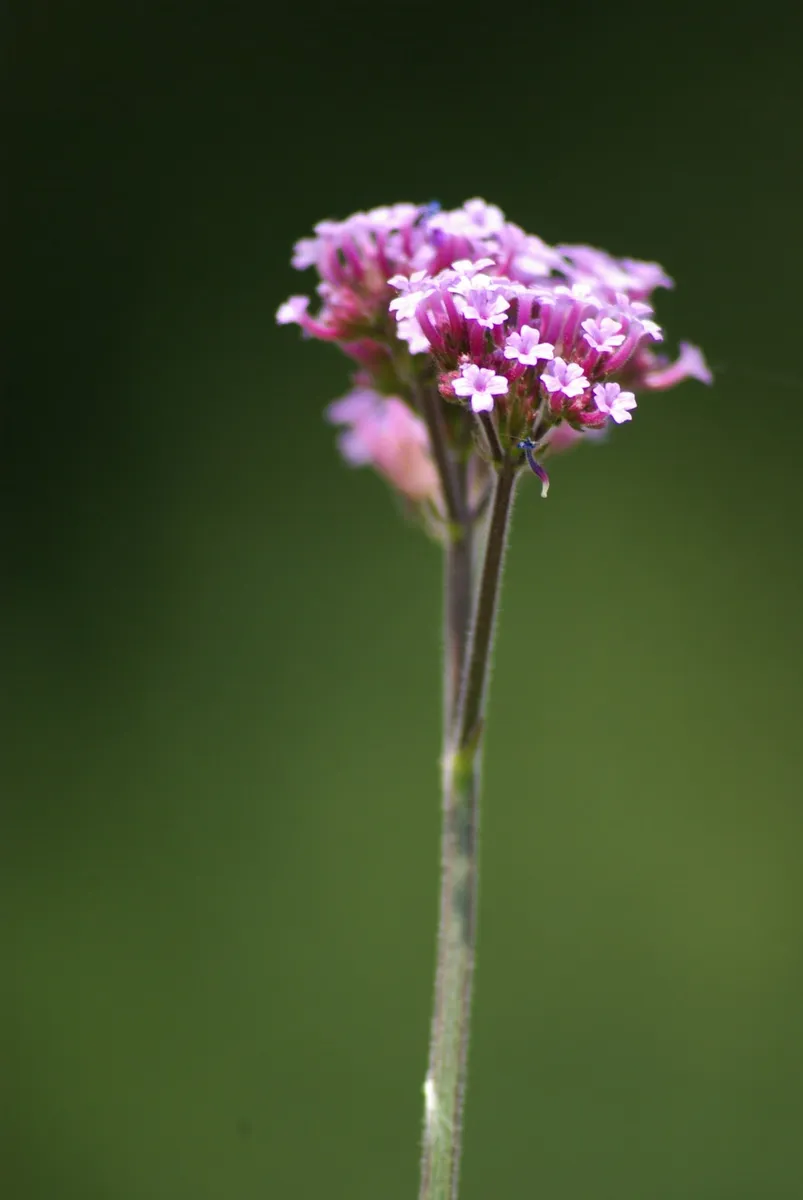
The Forensic Profile: The “Pollinator Magnet.” Verbena attracts not just honeybees, but also the native solitary bees and butterflies crucial for a healthy ecosystem.
- Bloom Window: All season long (Mid-spring through first frost).
- The Honey Connection: A foundational nectar source for many “Multi-Floral” commercial honeys.
- Grower’s Note: Requires good drainage. Trim back vigorously mid-season to promote a secondary flush of blooms.
The Forensic Bloom Calendar
Use this table to ensure your “Pollinator Vault” has zero gaps in food supply.
| Plant | Spring | Summer | Fall | Forensic Value |
| Bluebonnet | Peak | Seed | Dormant | Early Nectar Kickstart |
| Texas Betony | Bloom | Peak | Bloom | Sustained Hive Maintenance |
| Prickly Pear | Growth | Peak | Fruit | Unique Varietal Potential |
| Indian Blanket | Bloom | Peak | Seed | High-Heat Pollen Source |
| Verbena | Start | Peak | Peak | Generalist Support |
Why Planting Native Matters for Honey Quality
When we audit “Local” honey in The Lab, we are looking for specific pollen markers. By planting these five species, you are directly contributing to the purity and flavor complexity of your local ecosystem.
Pro Tip: If you’re currently auditing your own local jars, keep an eye out for these floral notes. A honey that tastes “light and floral” in April is likely heavy on Bluebonnet, while a “spicy and deep” July honey is likely driven by Indian Blanket.
- See how these plants influence the flavor of Kelley’s Texas Honey.
- Learn about the regional varietals created by these blooms in our Texas Honey Guide.