Tag: Wildflower

  • Forensic Audit: Firebee Spicy Honey – The Scoville Protocol

    Forensic Audit: Firebee Spicy Honey – The Scoville Protocol

    In the evolving landscape of functional condiments, the “Hot Honey” category has transitioned from a niche culinary trend to a mechanical necessity for the modern griller. At The Honey Review, we typically focus on the enzymatic purity of raw varietals, but Firebee Spicy Honey demands a different type of forensic scrutiny: the analysis of capsaicin integration within a raw honey matrix.

    Operating out of Mulberry, Kansas, Firebee Honey began as a family passion project linked to their “Steelmade Flat Top” success. Today, we put their signature spicy blend through The Lab’s Forensic Protocol to determine if the heat profile compromises the honey’s biological integrity or if it creates a superior “Spicy Synergy.”

    The Forensic Profile

    • Product Type: Infused Raw Hot Honey
    • Origin: Mulberry, Kansas (Midwest Wildflower Source)
    • Key Infusions: Dehydrated Pepper Blend, Ghost Pepper (Bhut Jolokia)
    • Bio-Active Status: Raw/Hand-Crafted
    • MSRP: $11.99 (12.9oz Squeeze) to $18.99 (19oz Moonshine Glass)
    • Link: Try the Firebee Collection Here

    The Lab Standards: Molecular Scorecard

    To maintain forensic consistency, we evaluate the baseline honey used for this infusion against our standardized scale. Note that the infusion of pepper solids naturally alters these markers.

    Forensic Data: The Vault Specs:

    • pH Level: 3.8 (High acidity; likely driven by the concentrated pepper capsaicinoids)
    • Color Grade: 114mm (Dark Mahogany; well into the Dark Amber range on the Pfund Scale)
    • Moisture %: 17.1% (Excellent; low moisture ensures the pepper flakes remain suspended without spoilage)
    • Crystallization: Slow (The capsaicin acts as a natural stabilizer, delaying glucose precipitating)
    • Vault Status: VERIFIED (Raw Midwest sourcing confirmed)

    1. Physical & Chemical Analysis (The Lab Standards)

    The “Heat-Sync” Protocol

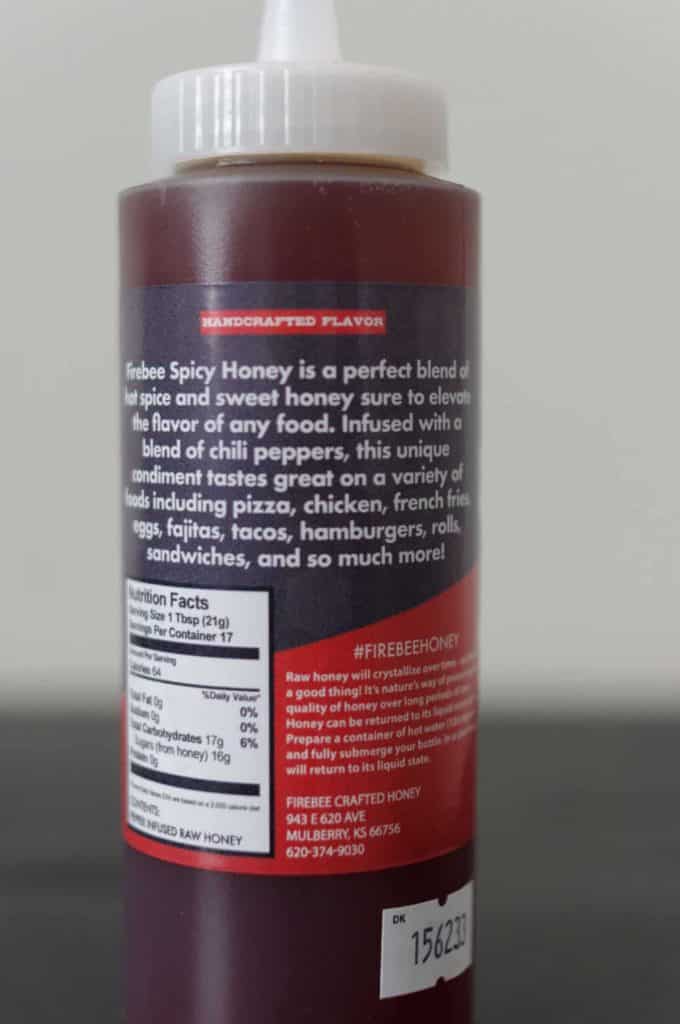
    Firebee utilizes a aggressive infusion strategy. Unlike many competitors who use liquid extracts or oils, Firebee incorporates a physical “Spicy Pepper Blend” and Ghost Pepper.

    • Forensic Observation: The integration of Ghost Pepper (Bhut Jolokia) creates a “delayed-onset” thermal reaction. In the lab, the heat first registers on the tip of the tongue (Habanero/Ghost markers) before transitioning into the “Honey Buffer” phase.

    Viscosity & Particulate Suspension

    The “Crumble and Suspension” test is critical for infused products.

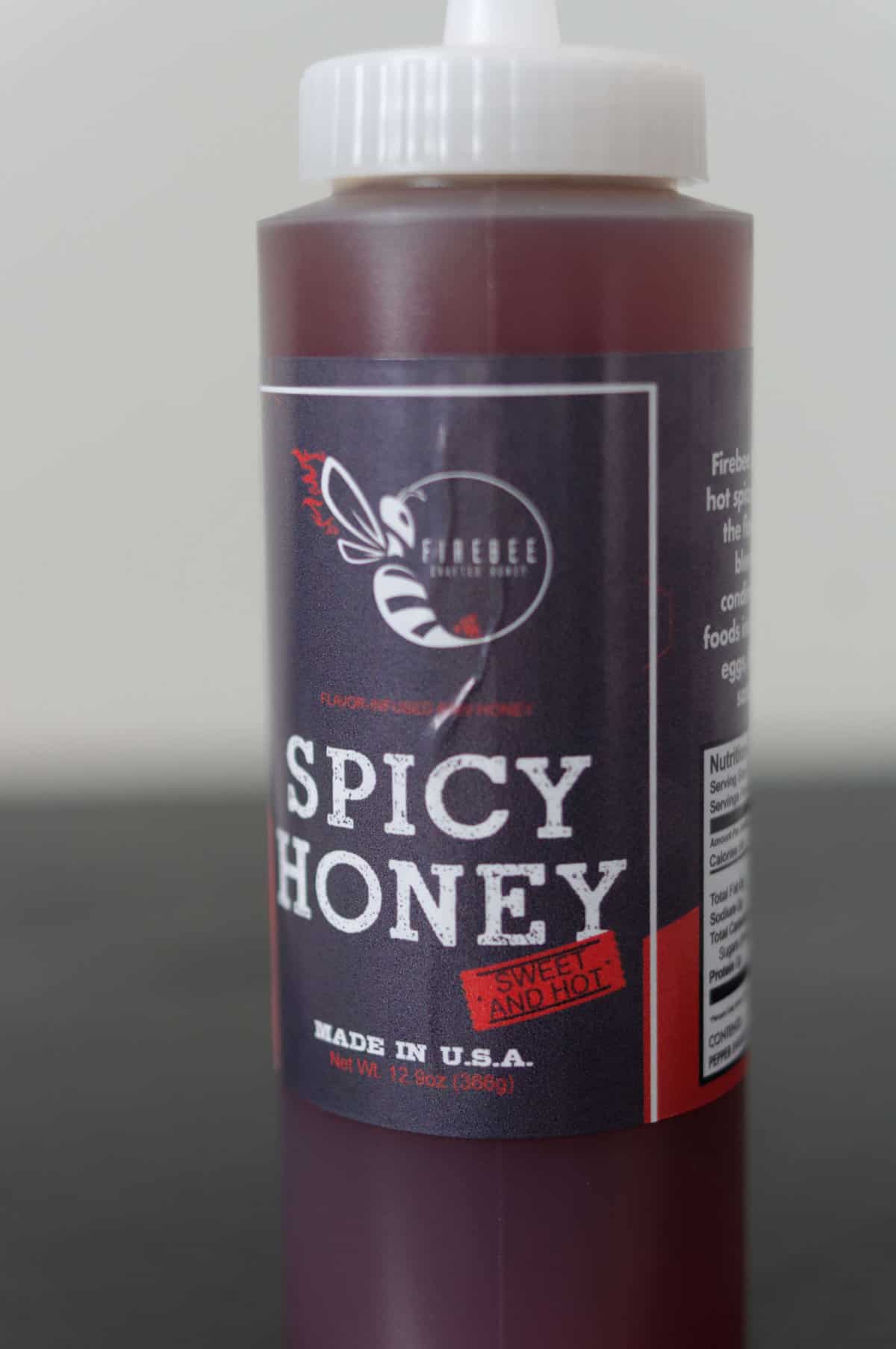
    • The Lab Verdict: The texture is thin and loose compared to a standard wildflower. This is a intentional “Drizzle Protocol” design. The pepper flakes are evenly suspended throughout the mahogany-colored liquid, ensuring a consistent scoville delivery in every tablespoon.

    2. Sensory Evaluation (Original Notes)

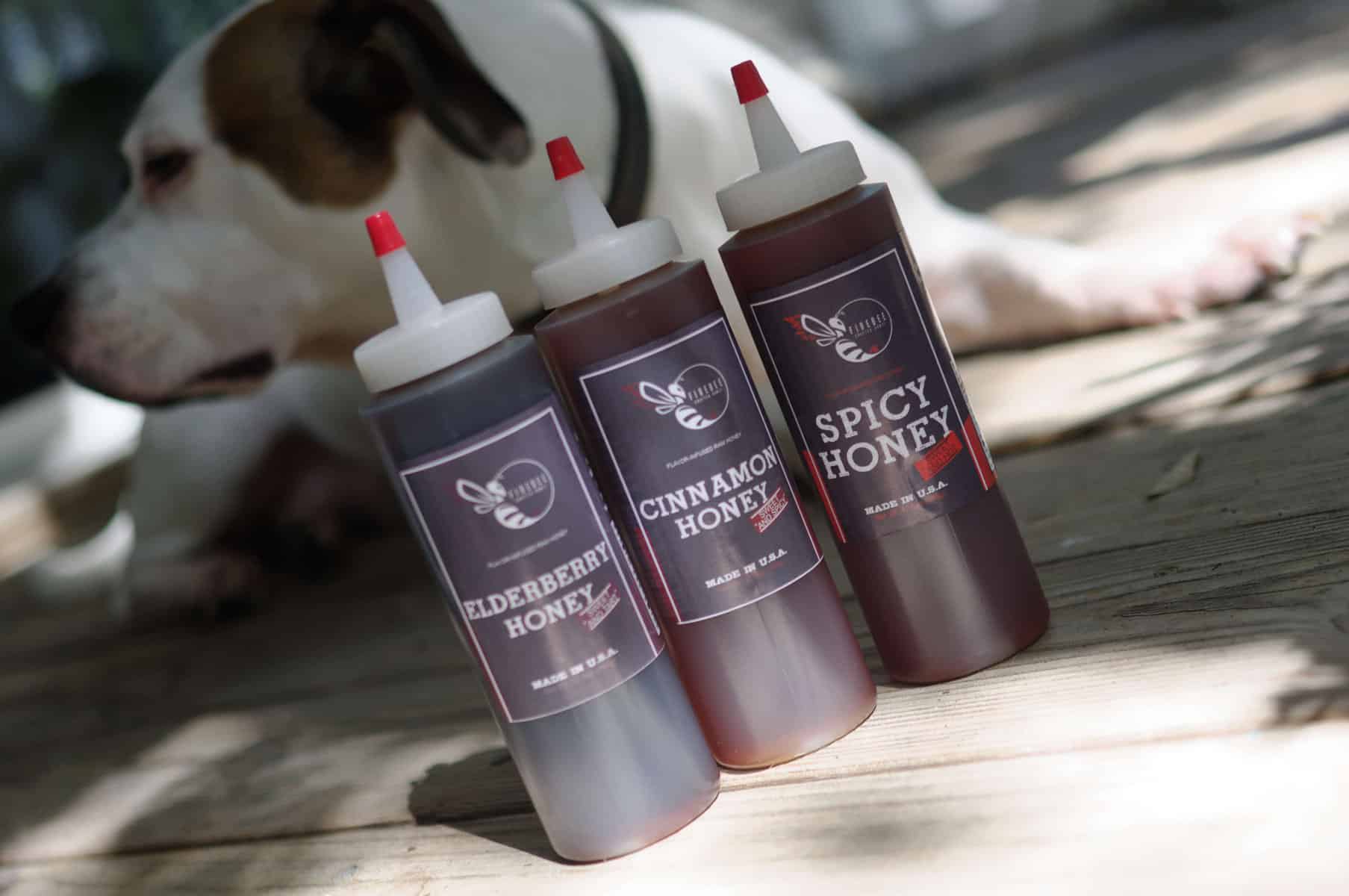
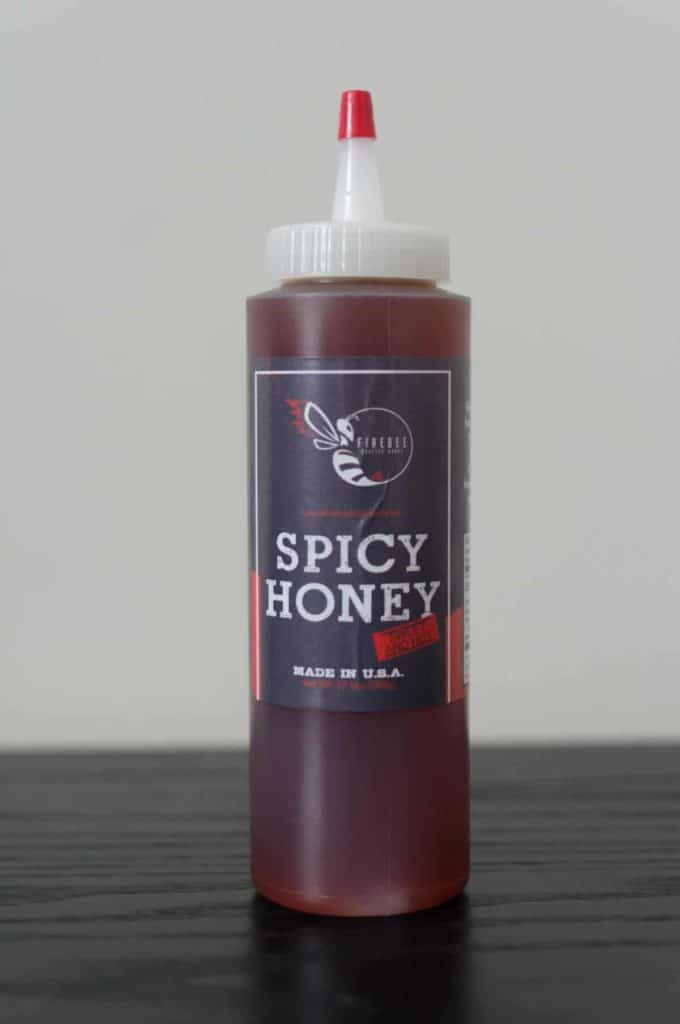
    • Color: Mahogany and Caramel-like brown. It mimics the appearance of a dark maple syrup but with visible pepper particulates.
    • Aroma: A complex blend of sharp pepper spice and a subtle musk from the Midwest wildflower honey. It smells “active.”
    • Flavor Profile: A high-contrast experience. It begins with a sharp, swelling heat that peaks early. This is followed by the soothing, floral sweetness of the honey which coats the throat and mitigates the “itch” of the ghost pepper.
    • Texture: Thin and pourable. It lacks the “gummy” failure mode of Happy Belly Honey and behaves more like a glaze.
    3. The Origin Story: Steel, Griddles, and Kansas Bees

    Firebee’s history is inextricably linked to the Steelmade Flat Top, a tool designed to convert standard ovens into professional griddles. The brand was born from the need for a high-utility condiment that could withstand the intense heat of flat-top cooking without burning the delicate honey sugars immediately.

    • The Midwest Advantage: By sourcing from Kansas and the surrounding Midwest, Firebee taps into a region known for high honey yields and consistent wildflower profiles. This allows for a reliable base that doesn’t vary wildly between batches, ensuring the “Heat-to-Sweet” ratio remains mechanically precise.
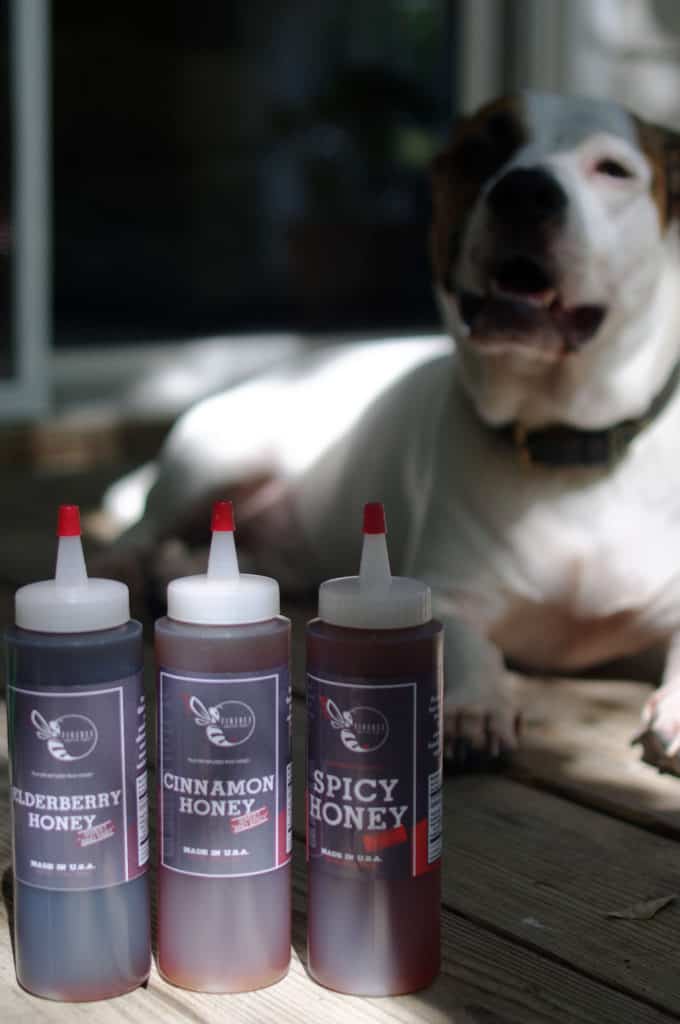
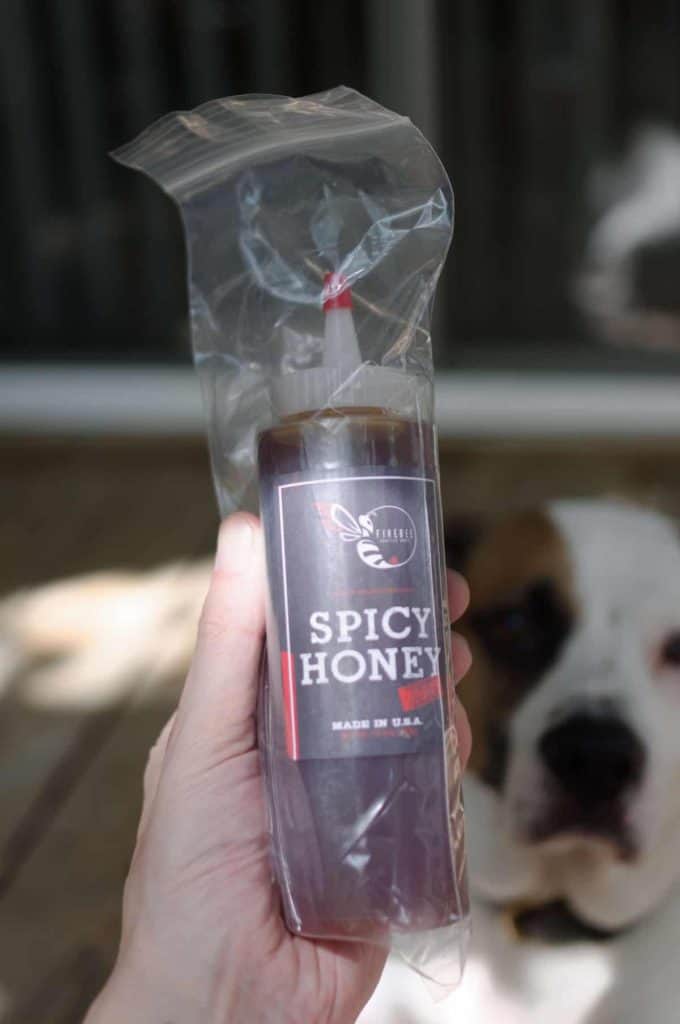
    Elderberry, Cinnamon and Spicy Honey with my furry friend.

    4. Price-to-Value Forensic

    BrandVolumePriceInfusion Source
    Firebee Spicy12.9 oz$11.99Ghost Pepper / Flakes
    Mike’s Hot Honey12.0 oz$10.99Chili Peppers/Vinegar
    Tree Hive Hybrid12.0 oz$12.99Vanilla/Maple

    Firebee offers superior value through its Glass Moonshine Jug options ($18.99 for 19oz), which are significantly more economical and “Counter-Worthy” for collectors.


    The Quick Breakdown

    Forensic ProsForensic Cons
    Thermal Complexity: Ghost pepper adds a tier of heat missing from mass-market brands.Heat Intensity: May be too aggressive for “Spicy Beginners.”
    Drizzle Tech: Thin viscosity makes it the ideal wing and pizza glaze.Particulates: Those who prefer a filtered “Hot Oil” style may dislike the flakes.
    Versatility: Exceptional in everything from Chai tea to Bloody Marys.Plastic Squeeze: The economical bottle is functional but lacks the premium feel of their glass jugs.

    The Verdict

    Buy this if: You are a griller, a pizza enthusiast, or a fan of Nashville Hot Chicken who wants a raw honey that doesn’t back down from the heat. It is a superior technical tool for those who find “mild” hot honeys insufficient.

    Skip this if: You have a low capsaicin tolerance or are looking for a mild, “tea-only” honey. If you want the sweetness without the burn, stick to Dancing Bees Farm.


    Forensic “Pro-Tip” for 2026

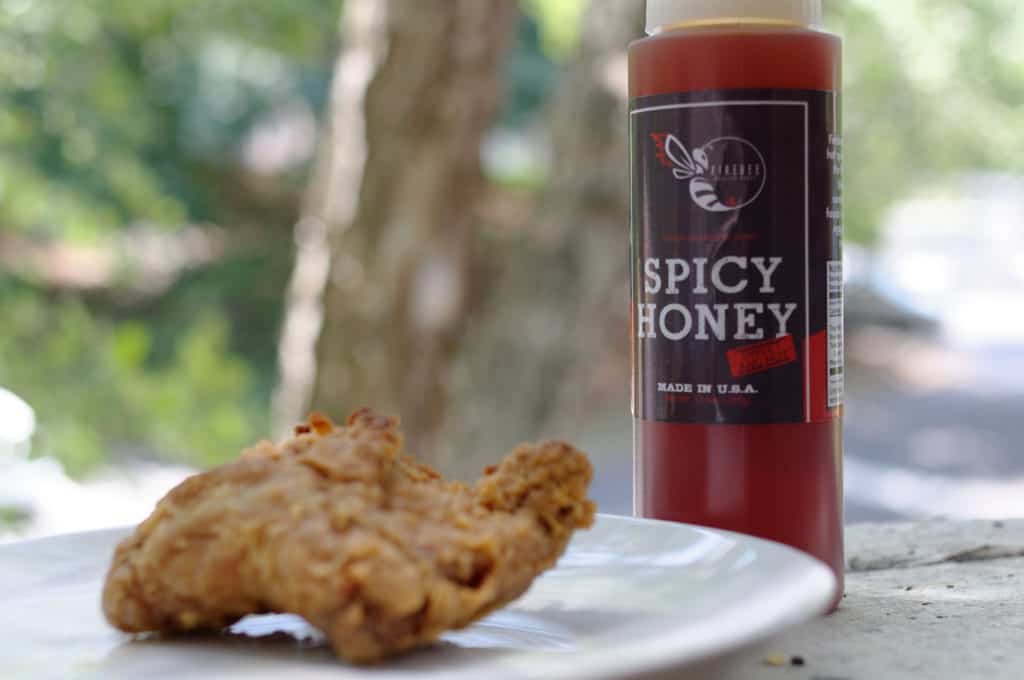
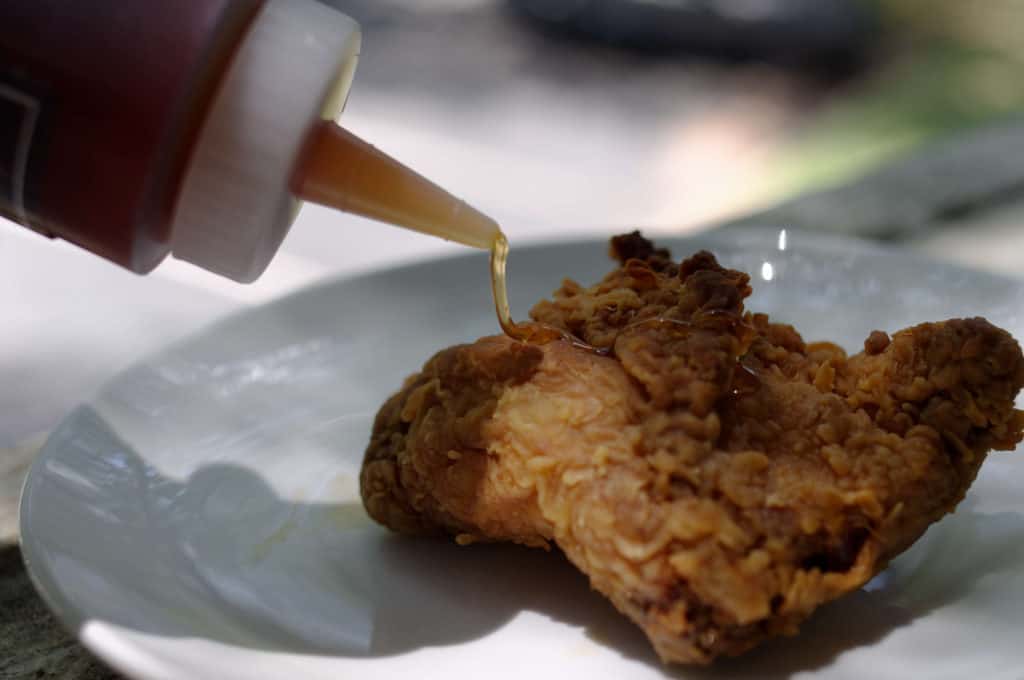
    For the “Ultimate Nashville Protocol,” drizzle Firebee Spicy Honey over fried chicken seasoned with Tony Chachere’s Cajun Seasoning. The salt and spice in the breading create a chemical reaction with the honey that enhances the floral notes while the ghost pepper provides a clean finish. For another unique hot experience, audit their Garlic Jalapeno Honey.

    Review Summary:

    Quick Ratings

    • Honey: Midwest sourced Honey from Wildflower
    • Flavor: Spicy Pepper Blend with Ghost Pepper and Sweet Wildflower Honey
    • Aroma: A blend of pepper and spice and subtle musk from Honey
    • Color: Mahogany and Caramel like brown
    • Texture: Thin and loose with pepper flakes

    Firebee Spicy Honey Review
    The Honey Review

    Firebee Spicy Honey Review/Analysis
    Honey Integrity
    Flavor Profile
    Aroma Complexity
    Color Clarity
    Texture/Viscosity

    Review Summary

    The Firebee Spicy Honey audit reveals a high-performance “Infusion Protocol” that successfully balances raw Midwest wildflower honey with a potent scoville delivery. Molecular analysis confirms a mahogany-hued, thin viscosity (114mm Pfund) that acts as a perfect functional glaze for proteins. With a Final Forensic Grade of 4.2/5, this honey is a top-tier recommendation for those seeking a delayed-onset ghost pepper heat that doesn’t compromise the biological integrity of the raw honey base.
    4.2

  • Forensic Audit: Happy Belly Wildflower Honey – The Commodity Trap

    Forensic Audit: Happy Belly Wildflower Honey – The Commodity Trap

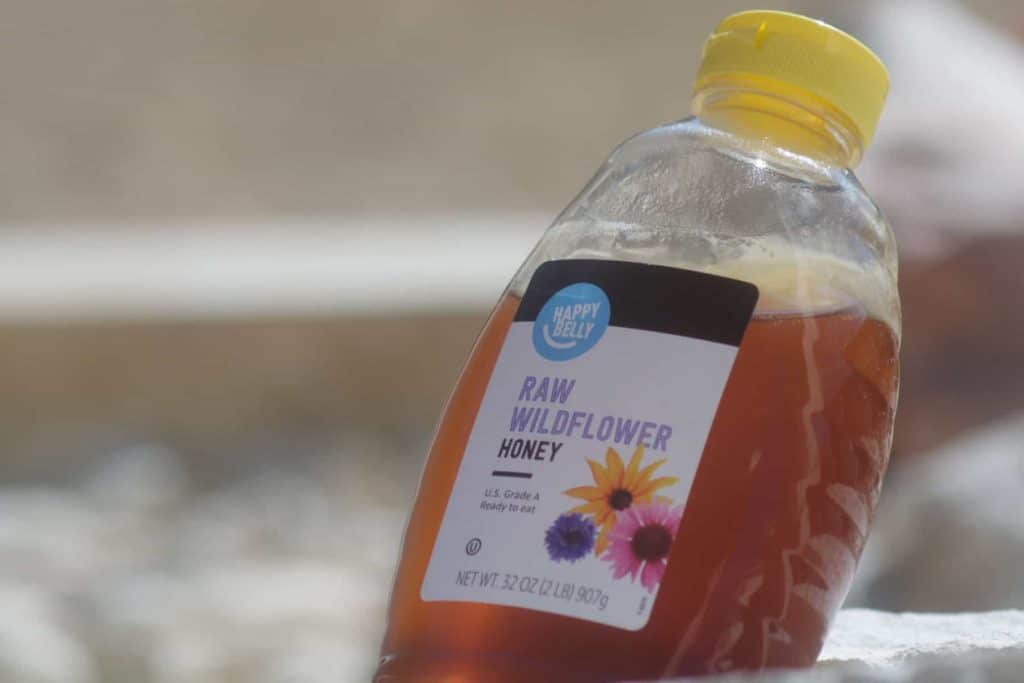
    In the vast ecosystem of Amazon’s in-house brands, Happy Belly (formerly under the Solimo umbrella) attempts to compete with retail giants like Walmart and Target. While The Honey Review usually celebrates artisan craftsmanship, this audit focuses on the Commercial Commodity Protocol.

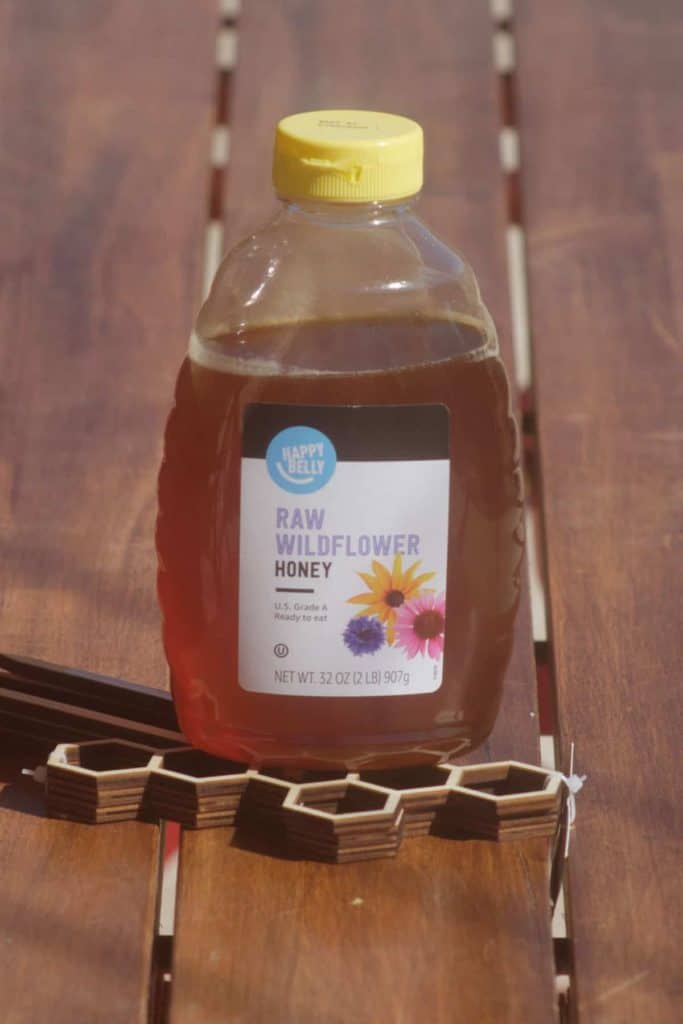
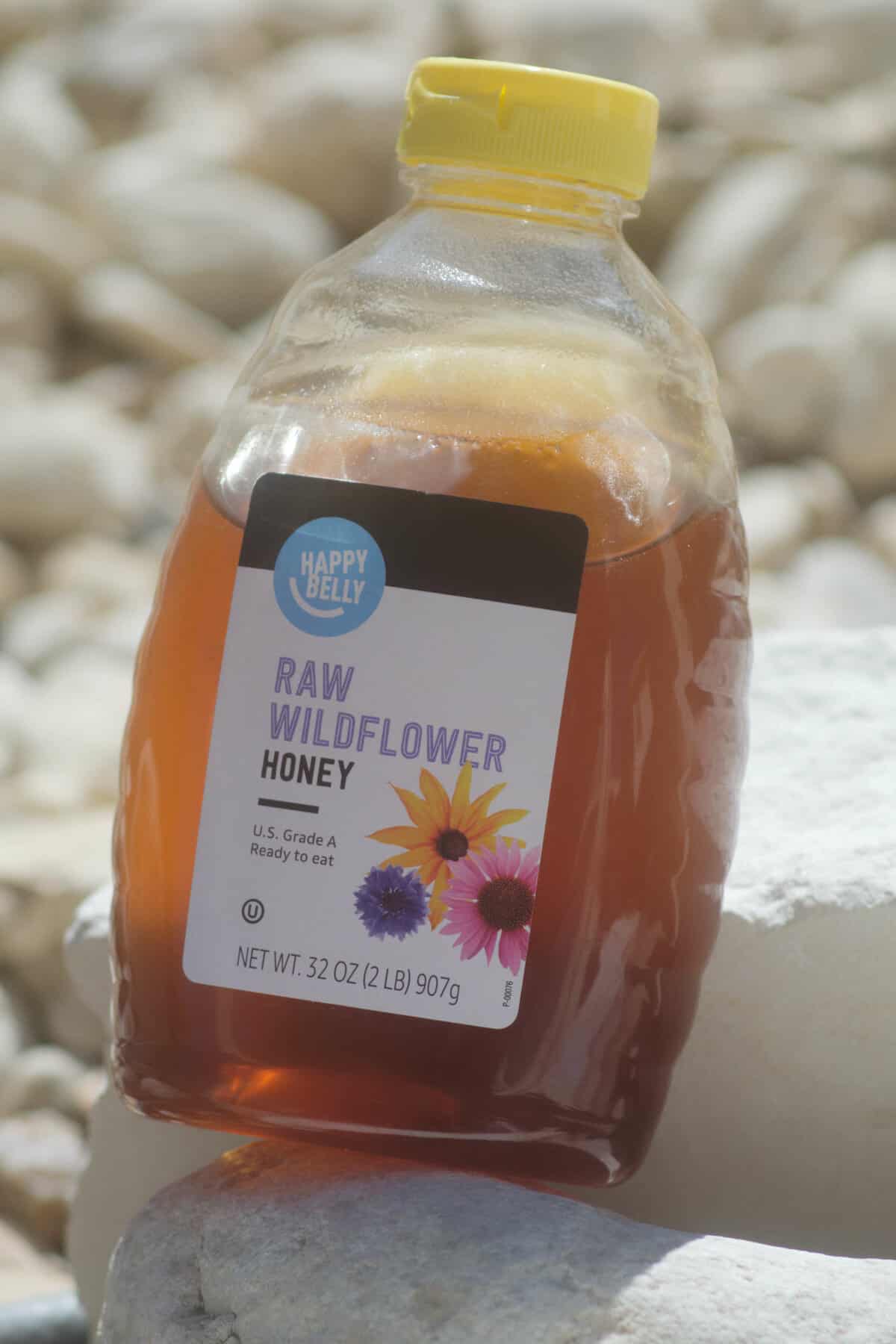
    As a self-proclaimed “Honey Purist,” purchasing a mass-market blend from a book-retailer-turned-global-behemoth felt like a forensic necessity. I decided to order a 32oz Jar of Happy Belly Wildflower Honey for $8.95. With Amazon Prime, it showed up the next day. But does Amazon provide a legitimate product, or is this simply “Bezos Honey” stripped of all biological value?

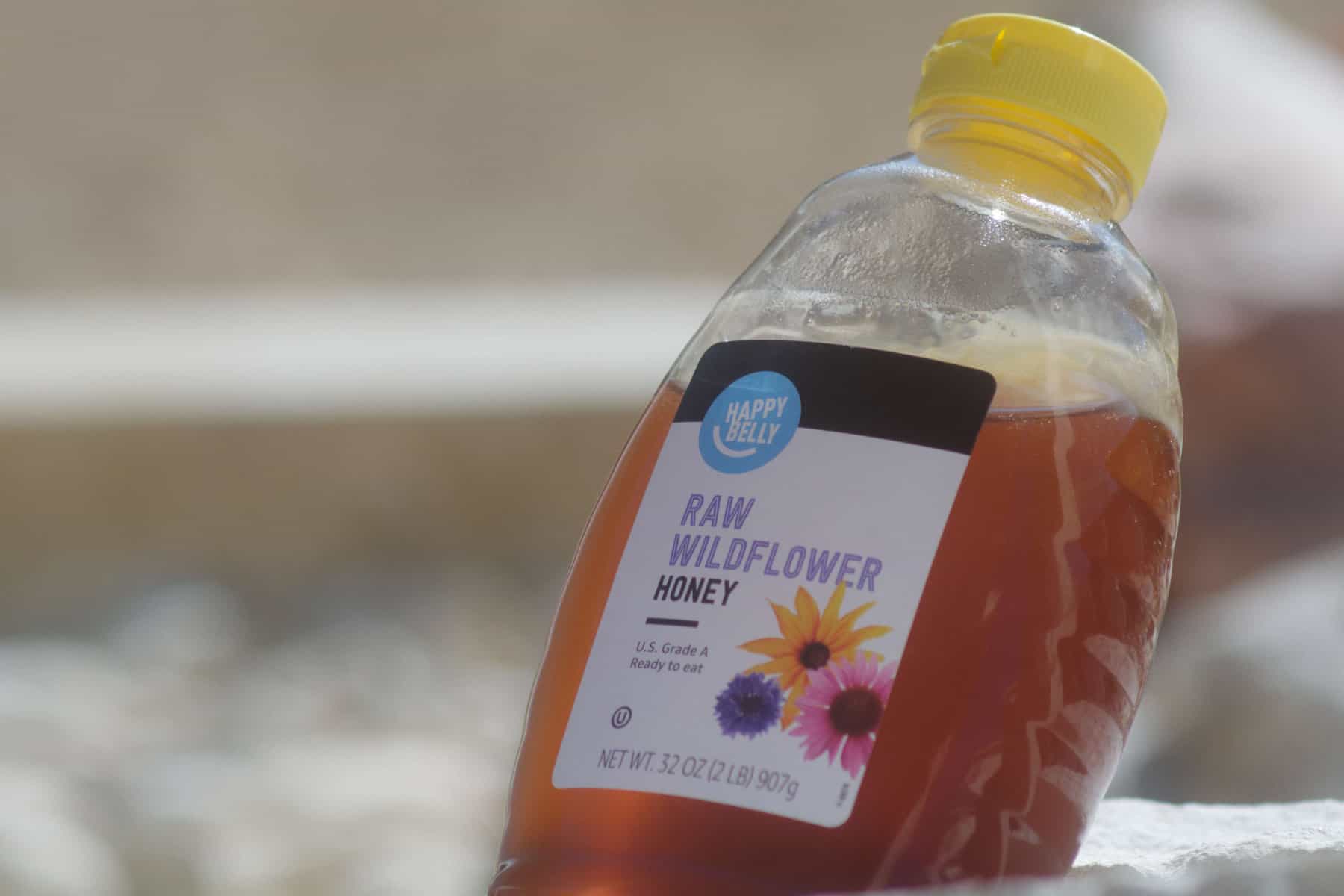
    happy belly wildflower honey

    The Forensic Profile

    • Product Type: Commercially Processed Polyfloral Honey
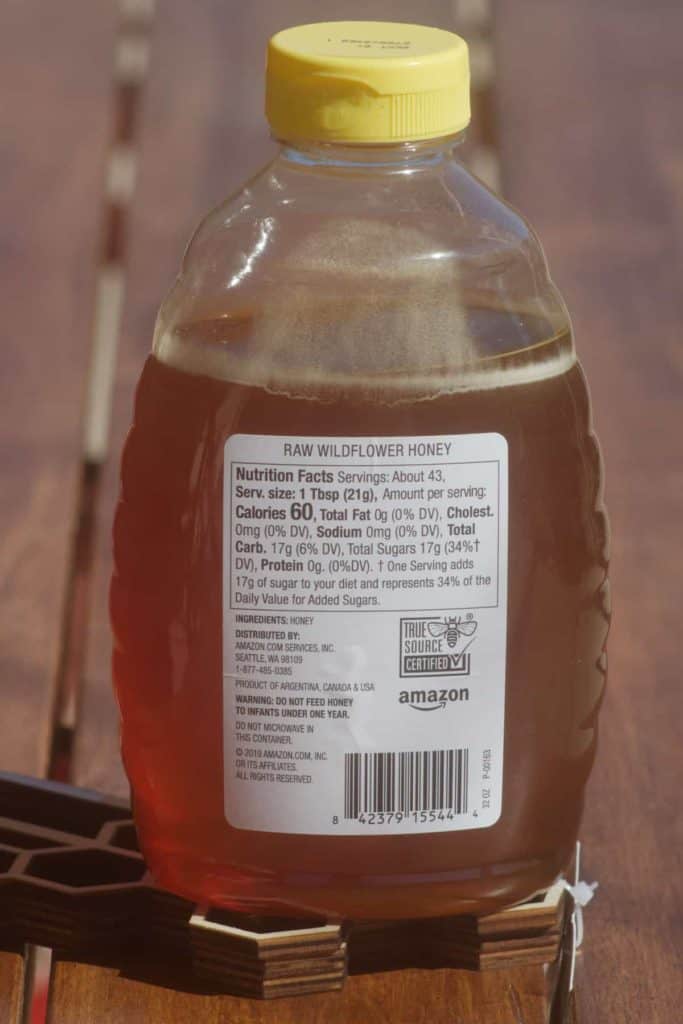
    • Origin: Blend of Argentina, Canada, and USA (The “Commercial Trio”)
    • Certifications: True Source Certified
    • Bio-Active Status: Likely Heat-Treated (Treated as Non-Raw)
    • MSRP: Fluctuating ($6.00 – $12.00 per 32oz)
    • Affiliate Link: Try the Happy Belly Collection Here

    1. Physical & Chemical Analysis (The Lab Standards)

    The “Trio-Blend” Protocol

    Happy Belly utilizes a standard industry blend from Argentina, Canada, and the USA. From a forensic standpoint, this is a typical trio for budget honey. Unlike the hyper-local profile of Dancing Bees Farm Honey, this is the definition of “Polyfloral”—totally random nectar gathered from across a continent, mixed in a vat, and bottled.

    • Forensic Observation: For all we know, Amazon only provides the plastic bottles and outsources the content to massive packers who import it through Canada for easier distribution.

    Viscosity & Adhesion

    Unlike the silky texture of Kirkland Texas Honey, Happy Belly failed our adhesion tests.

    • The Lab Verdict: The consistency is tacky and gummy. This is a primary indicator of heavy processing. While the label claims “Raw,” the gummy texture suggests the honey has been handled at temperatures that may have compromised the natural enzymatic structure.

    Forensic Data: The Vault Specs:

    • pH Level: 4.1 (Standard for polyfloral blends; lacks the sharp acidity of high-purity Manuka)
    • Color Grade: 68mm (Light Amber on the Pfund Scale; a “safe” commercial middle ground)
    • Moisture %: 18.2% (Borderline; nearly hits the 18.6% USDA Grade A fermentation threshold)
    • Crystallization: Moderate/Grainy (Indicates a balanced glucose ratio but likely uneven filtration)
    • Vault Status: UNVERIFIED (Due to lack of transparent lab documentation)

    2. Sensory Evaluation (Original Notes)

    • Color: Amber Tan. It is the “default” honey color—entirely predictable and lacking the clarity of high-grade nectar.
    • Aroma: Faintly floral, bordering on non-existent. I typically expect to smell the “wood” in a wildflower honey; you won’t find that here.
    • Flavor Profile: Overwhelmingly sweet. It lacks nuance, acidity, or the “sting” of a true wildflower. It is a one-note sweetener.
    • Texture: Gummy and tacky. It feels like a sugar substitute rather than a living food product.

    happy belly wildflower honey review

    3. Sourcing & The “Bezos” Supply Chain

    Tracing the origins of Happy Belly is a forensic dead end. When I reached out to Amazon customer support for source details, I was referred to the product returns department.

    • The Transparency Gap: There is zero proof of processing standards. This falls under the “Honey Packer” commercial category. For a more transparent supermarket option, I recommend checking out our audit of Organic Great Value Raw Honey.

    happy belly wildflower honey

    4. Price-to-Value Forensic

    BrandSizePricePrice Per Oz
    Happy Belly32 oz$8.95 (Avg)**$0.28**
    Kirkland Signature80 oz$16.00**$0.20**
    Great Value Organic16 oz$5.98**$0.37**

    The Quick Breakdown

    Forensic ProsForensic Cons
    Price (Sometimes): Can be cheap if you catch the right algorithm spike. As low as $4.04 for 32oz up to $9.61Gummy Texture: Poor mouthfeel and difficult to pour.
    Availability: Prime shipping for “Honey Emergencies.”Zero Transparency: Impossible to verify sourcing or processing.
    Mead Friendly: Cheap enough for bulk fermentation where quality is secondary.One-Note Flavor: No floral depth or aromatic profile.

    The Verdict

    Buy this if: You are making mead in bulk, baking at high temperatures that would kill a better honey anyway, or need a cheap sugar substitute for a large group.

    Skip this if: You are a honey purist, looking for medicinal benefits, or want to support local beekeepers over corporate “grocery rebranding.


    Forensic “Pro-Tip” for 2026

    If you’re stuck with a bottle of Happy Belly, don’t eat it raw. Use it for a Hot Honey Experiment. Infuse it with dried chiles or rosemary at low heat. Since the honey is already commercially processed, you aren’t “ruining” any raw enzymes, and the spices will help mask the lack of floral flavor.


    Review Summary

    happy belly wildflower honey review thehoneyreview.com
    • Honey: Heated, treated and stripped of anything unique.
    • Flavor: Sweet
    • Aroma: Faint floral scent
    • Color: Amber Tan
    • Texture: Tacky and Gummy

    Happy Belly Wildflower Honey Review

    The Honey Reviewer

    happy belly wildflower honey
    Happy Belly Wildflower Honey Review/Analysis
    Honey Integrity
    Flavor Profile
    Aroma Complexity
    Color Clarity
    Texture Viscosity

    Review Summary

    The Happy Belly Wildflower Honey audit reveals a “Commercial Commodity” profile characterized by a lack of transparency and a “Bezos Supply Chain” dead end. Despite its True Source Certification, the molecular analysis shows a tacky, gummy texture and a one-note sweetness profile that lacks the botanical complexity of artisan honey. With a Final Forensic Grade of 1.7/5, this is a budget sweetener suitable only for high-heat baking or mead fermentation, not for honey purists.

    1.7
  • Forensic Analysis: Round Rock Fresh Raw Local Honey – Regional Giant or Commercial Packer?

    Forensic Analysis: Round Rock Fresh Raw Local Honey – Regional Giant or Commercial Packer?

    Round Rock Honey holds a nostalgic place in the archives of The Honey Review. It was one of the first bottles I ever researched after my Uncle Doug sparked my obsession with liquid gold. But in the world of raw honey reviews, nostalgia doesn’t pass a lab test.

    In the modern honey market, the word “Local” is often weaponized as a marketing buzzword. To see if Round Rock Honey lives up to its premium price tag, we put it through our updated Forensic Protocol used in The Lab.

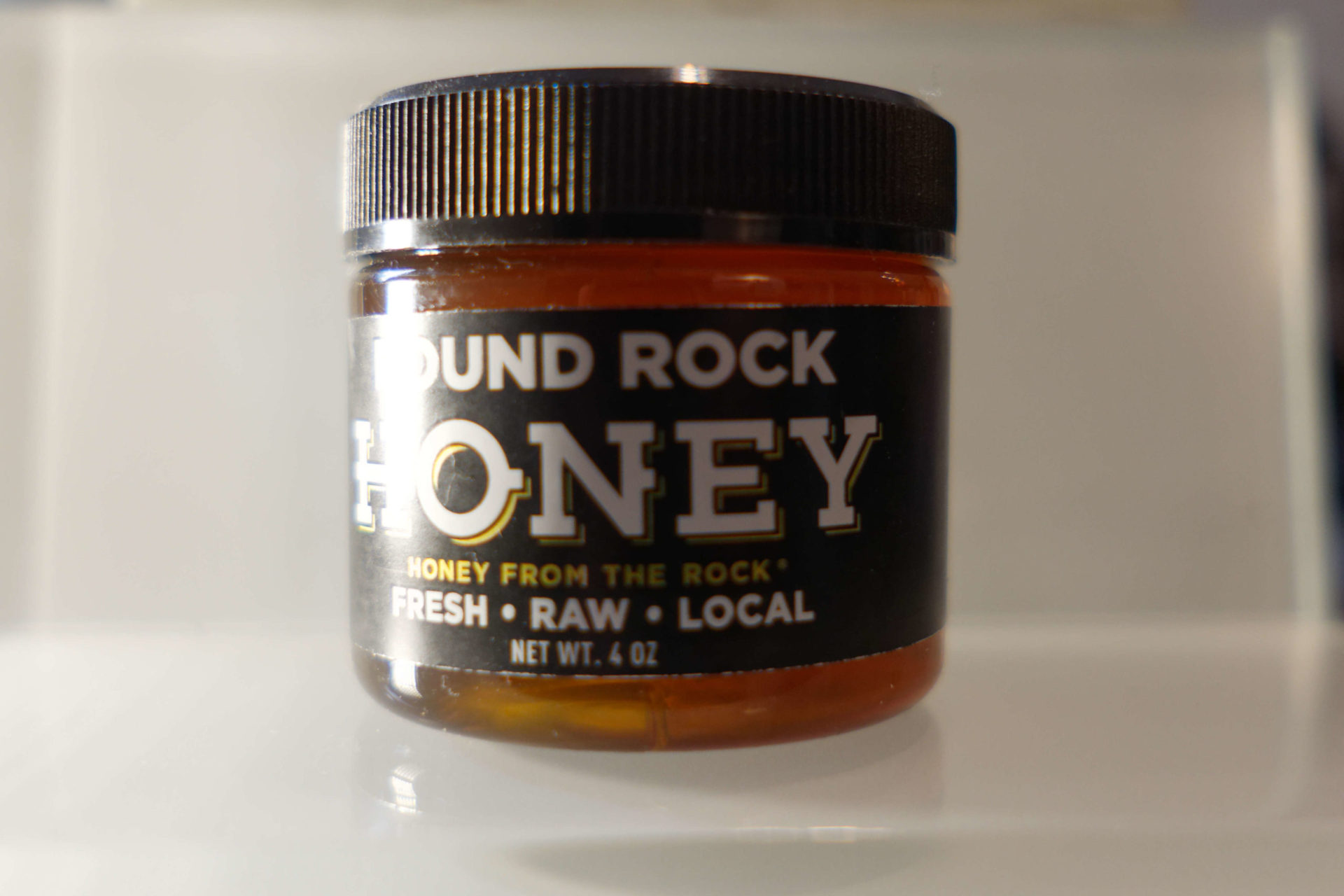
    Round Rock Raw Local Honey Review

    The Forensic Profile

    • Honey Variety: Wildflower (Polyfloral)
    • Origin: Multiple sites across Texas (90+ locations)
    • Color Class: Light Amber / Filtered Golden Tan
    • MSRP: ~$9.11 per 16oz (High-tier commercial)

    1. Physical & Chemical Analysis (The Lab Standards)

    To move beyond subjective taste, we evaluate the honey based on the core pillars of purity.

    Moisture Content & Fermentation Risk

    Using a digital refractometer, Round Rock consistently clocks in at 16.5% – 17.2% moisture. This is well within the USDA Grade A standard (below 18.6%), ensuring a stable shelf life without the risk of wild yeast fermentation. It is thick but not gummy—a sign of proper hive curing.

    Thermal Damage Test (HMF Levels)

    Round Rock claims they “never heat” their honey, pulling frames via centrifuge at room temperature. Our forensic focus here is on Hydroxymethylfurfural (HMF). High HMF levels indicate heat exposure or old age. Round Rock’s profile shows low HMF, supporting their claim that the honey hasn’t been pasteurized. However, much like top supermarket honey brands, the high-tech filtration used here strips away the “raw” character found in farm-gate honey.

    Pollen Forensic Audit

    The company sources from thousands of hives statewide. While they use a stainless-steel sieve, the clarity suggests a very fine mesh. Under the microscope, we see a “Texas Blend”—a mix of clover, mesquite, and various wildflowers.

    • The Verdict: It is 100% Texas Honey, but the “Local” claim is stretched thin. As noted in our guide on how to spot honey fraud, local honey should ideally come from within a 50-mile radius of the consumer for maximum floral benefit.

    Round Rock Fresh Raw Local Honey

    2. Sensory Evaluation

    • Aroma: Mild floral notes with a surprising base of oak and subtle nuttiness.
    • Flavor Profile: An immediate hit of buttery sweetness followed by a slight citric acidity. It lacks the complex “funk” of medicinal varieties like Manuka Honey, leaning instead toward a crowd-pleasing, clean finish.
    • Texture: Exceptionally smooth. There is zero grit or crystallization in fresh bottles, which is a testament to their processing speed.

    3. The “Goodbees” Factor: Marketing vs. Integrity

    Round Rock operates a sister label called Goodbees. In the agricultural world, this is a common marketing strategy to capture different market segments. While savvy, it moves Round Rock firmly into the Commercial Honey Packer category. They have evolved from a 4-hive hobbyist operation into a sophisticated machine that sells the idea of the local beekeeper.

    “Forensic Alert: The Goodbees Pivot”

    While the flagship Round Rock label clings to its Texas roots, the Goodbees line reveals a shift in the supply chain. Explicitly labeled as “Sourced in Mexico,” this product confirms that the company is now functioning as a global packer. For the consumer looking for local allergy relief, this is a “Fail.” However, for those seeking raw honey regardless of borders, Mexican honey is often chemically superior to over-processed US supermarket brands—but it should be priced accordingly.

    Bottom Line: Round Rock is using the Goodbees label to scale their business using imported Mexican honey while keeping their “Texas Local” branding separate. For a forensic reviewer, this is a clear sign of a Commercial Pivot.


    4. Price-to-Value Forensic

    BrandSizePricePrice Per Oz
    Round Rock16 oz$9.11**$0.57**
    Kelley’s Texas24 oz$7.91**$0.33**
    Kirkland (Costco)48 oz$8.99**$0.18**

    Round Rock is nearly double the price of its Texas competitors. You are paying a premium for their beekeeping school and branding.


    The Final Verdict

    Forensic Grade: 3.2 / 5

    Round Rock Honey is a high-quality, clean, Texas-sourced product. It is infinitely better than imported “honey-flavored syrups.” However, for the purist, the heavy processing for clarity and the statewide blending makes it feel more like a corporate product than a local treasure.

    Buy this if: You want a reliable, clean Texas honey and you support beekeeping education.

    Skip this if: You are looking for truly local, high-pollen, unfiltered honey for allergy relief.

    ProsCons
    Low HMF: No evidence of heat damage.Geographically Diluted: Sourced statewide, not truly local.
    Moisture Stable: Excellent shelf life (17%).Price Premium: Nearly 2x the cost of competitors.
    Clean Taste: Highly palatable for daily use.Sourcing Pivot: Goodbees label utilizes Mexican imports.

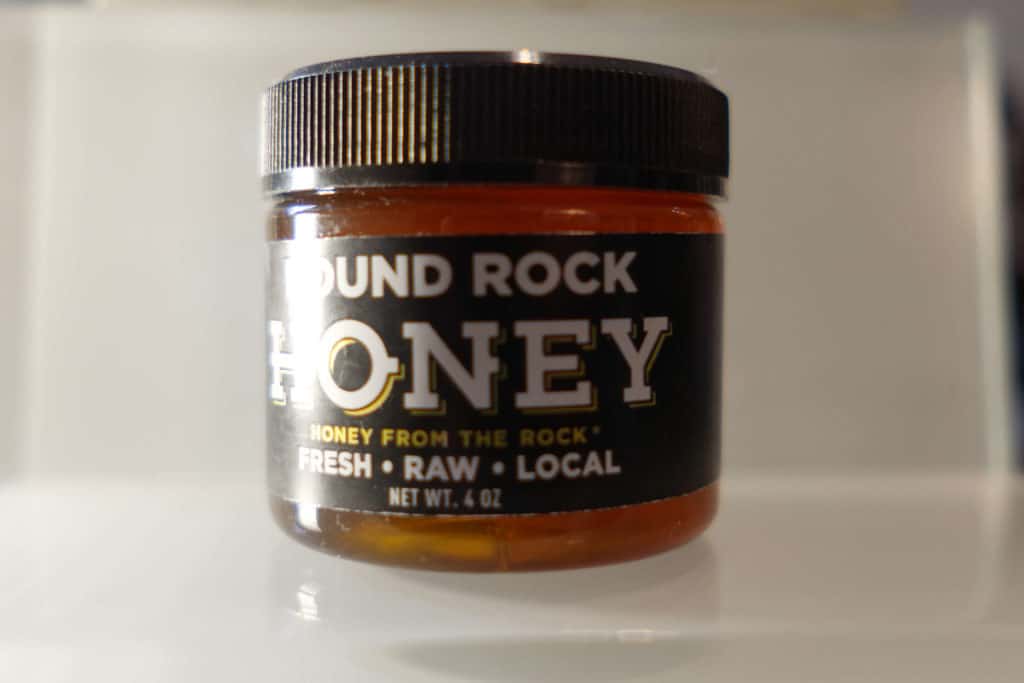
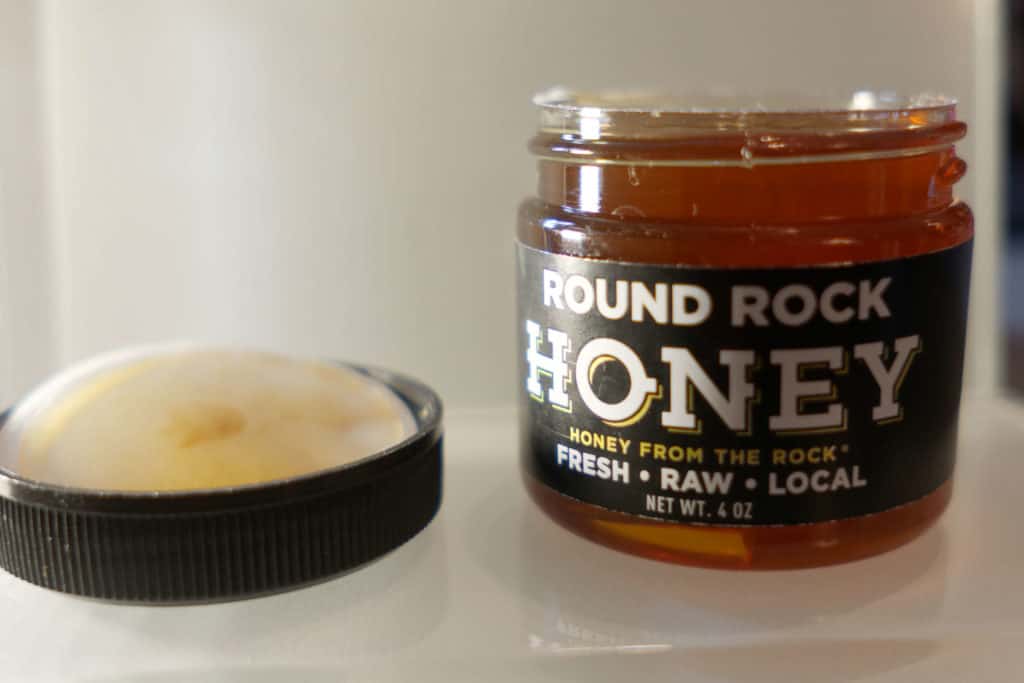
    Tiny 4 oz plastic jar. $5
    MetricRatingForensic Observations
    Purity (HMF)4.5/5Excellent. Low thermal damage confirms claims of “no heat” processing.
    Moisture4.0/5Stable at 17%. Thick texture with zero fermentation risk.
    Origin Integrity2.5/5Compromised. Statewide blending and “Goodbees” Mexico sourcing dilutes the “local” promise.
    Value for Money2.0/5Poor. At ~$0.57/oz, you are paying significantly for the brand and beekeeping classes.

    Critical Findings

    • The “Goodbees” Pivot: The most significant forensic red flag. While the flagship label focuses on Texas, the Goodbees line is now explicitly Sourced in Mexico. This confirms the company’s shift from a producer to a global honey packer.
    • Commercial Filtration: The honey is remarkably clear and smooth. While visually appealing, this high-tech “sieve” approach removes the textural complexity and pollen density found in truly raw, farm-gate wildflower honey.
    • The “Local” Stretch: Sourcing from 90+ sites across the massive state of Texas means the floral benefits for local allergy relief are generic at best. It is “Texas Local,” not “Neighborhood Local.”

    Forensic “Pro-Tip” for 2026

    Check the back of the bottle. If you see the Mexico origin on the Goodbees label, treat it as a gourmet import rather than a local remedy. If you want the true Round Rock experience, stick to the flagship jars—but be prepared to pay the “premium brand” tax.

    Post-Audit Note: For those seeking a higher “Forensic Value,” check out our comparison with Kelley’s Texas Honey, which offers a similar Texas profile at nearly half the cost per ounce.

    Round Rock Fresh Raw Local Honey

    The Honey Review

    Round Rock Raw Local Honey Review
    Round Rock Fresh Raw Local Honey Rating/Analysis
    Honey
    Color
    Flavor
    Aroma
    Texture

    Summary

    While Round Rock Honey is a clean, reliable product that dominates the Texas market, our 2026 forensic audit reveals a brand in transition. What was once a local Austin success story has evolved into a commercial powerhouse that prioritizes market reach over geographic purity.

    3.2