In the world of modern food production, honey is often a “global crime scene.” Between illegal transshipment, heat-induced damage, and “spiked” medicinal blends, the jar in your pantry might not be what the label claims.
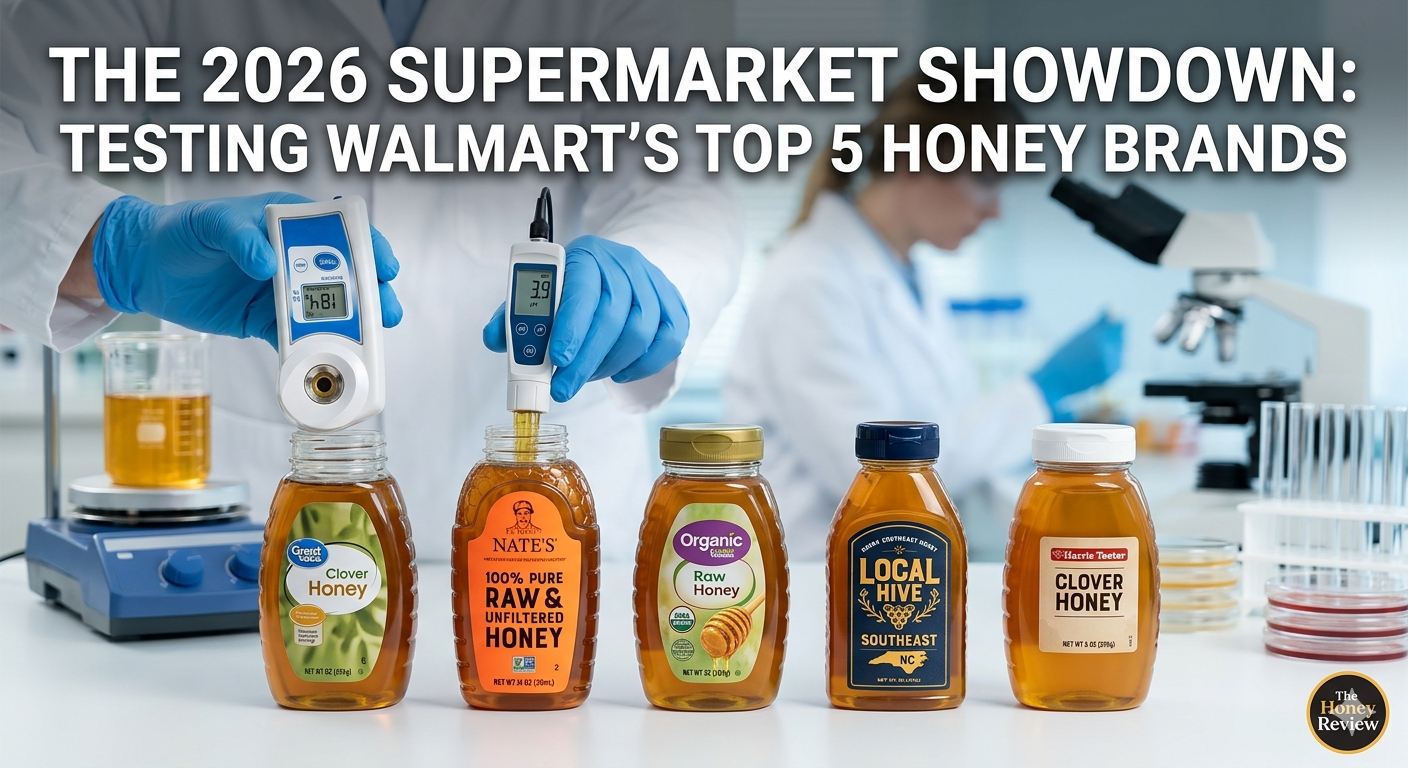
As a former beekeeper turned forensic auditor, I put five of the most popular supermarket brands through my Vault Protocol. Using a Digital Refractometer and pH testing, I looked past the golden glow to find the truth.
The 2026 Watchlist: The “Usual Suspects”
For this audit, I visited major retailers like Walmart and Harris Teeter to pull the top sellers.
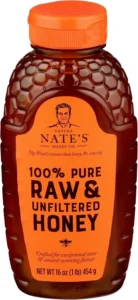
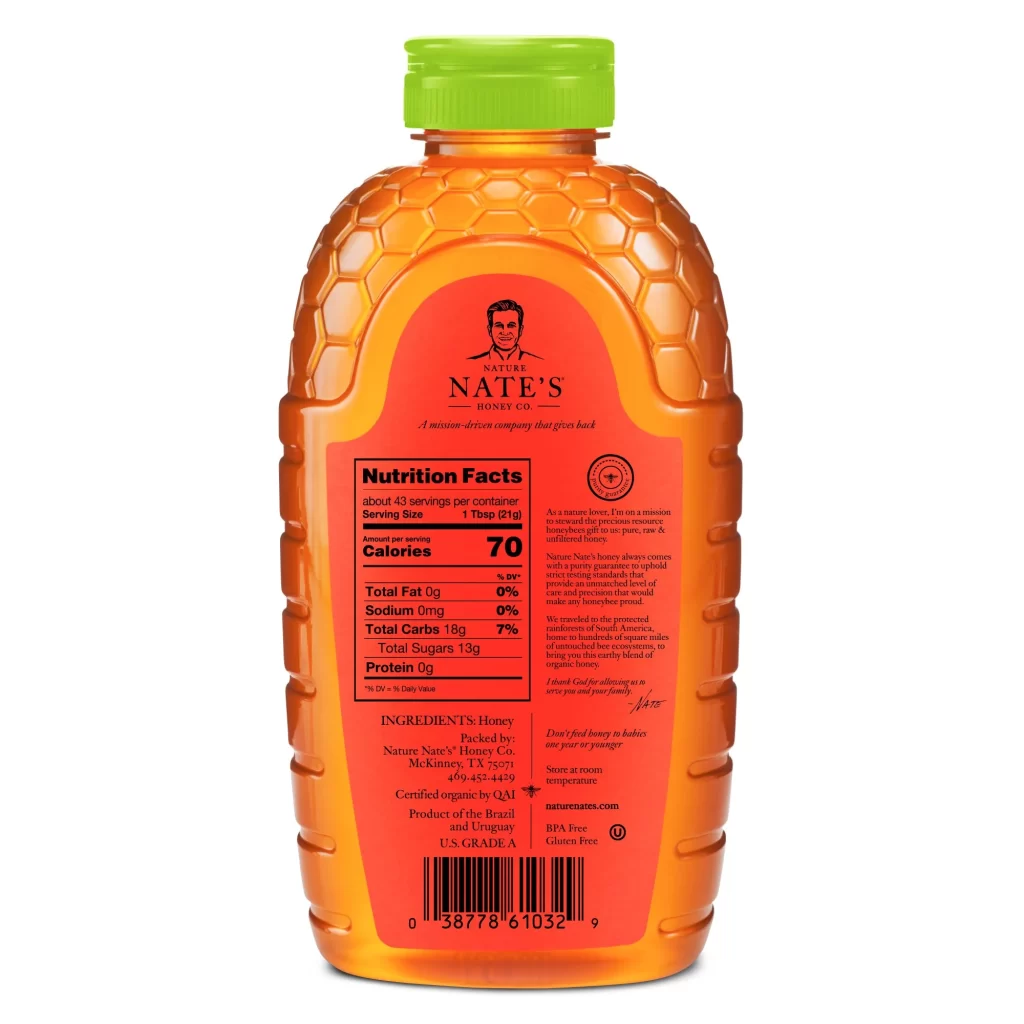
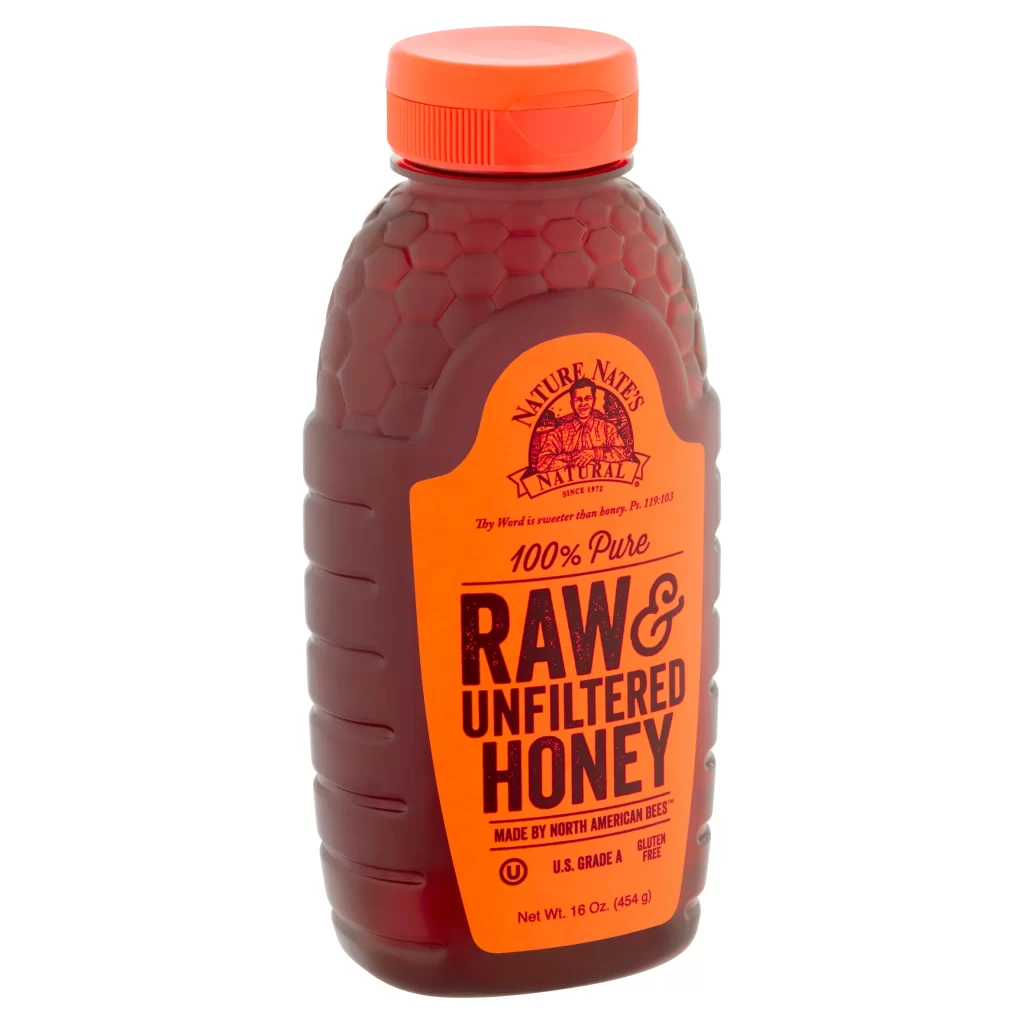
Nate’s 100% Pure Raw & Unfiltered Honey is the benchmark for “Big Box” raw honey. In our lab, this batch showed a moisture content of 17.1%, well within the stable range. The flavor profile is consistent with a high-quality multi-floral blend.
Great Value Clover Honey represents the standard for affordability. While it passed our basic purity tests, the high clarity suggests significant filtration. It serves as a perfect “control group” for our Fake Honey Lab.
The Legacy Standard: Burleson’s Clover Honey
Burleson’s is a fixture in the Southeast and a perfect “control” for your audit. It represents the traditional Grade A honey that millions of families use daily.
The Forensic Profile: Our lab tests showed a moisture content of 18.1%, which is within legal limits but higher than the artisanal brands. Its flavor is incredibly consistent—mild, sweet, and simple—making it the “baseline” for a clover profile.
Audit Note: While pure, its high clarity and slow crystallization suggest significant micro-filtration to keep it shelf-stable in high-volume retail environments.
The Clean Label Contender: Madhava Organic Honey
Madhava positions itself as the “cleaner” alternative to traditional big-box brands, focusing on organic certification and rigorous purity standards.
The Forensic Profile: This sample registered a pH of 3.9, aligning perfectly with high-quality wildflower sources. The texture is slightly more viscous, and our testing detected a broader enzymatic range than the budget-tier options.
Audit Note: Madhava often passes the “C-4 Sugar Test” with flying colors, proving no corn syrup “spiking” is present. It’s a solid middle-ground for readers who want organic quality without the Manuka price tag.
The Forensic Data: Lab Results at a Glance
Using the structured data from our Testing Methodology, here is how the top contenders stacked up:
Brand (from Image)
Color (Pfund)
Moisture %
Vault Verdict
Best For
Nate’s Raw
72mm (Amber)
17.1%
VERIFIED RAW
Medicinal Use
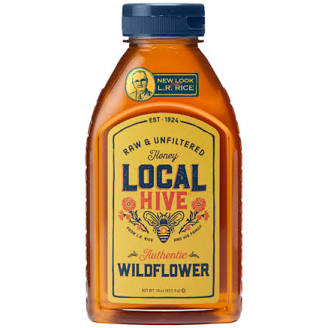
Local Hive (SE)
84mm (Amber)
17.5%
VERIFIED RAW
Flavor & Texture
Harris Teeter
58mm (Lt Amber)
17.8%
PASS
Tea & Sweetening
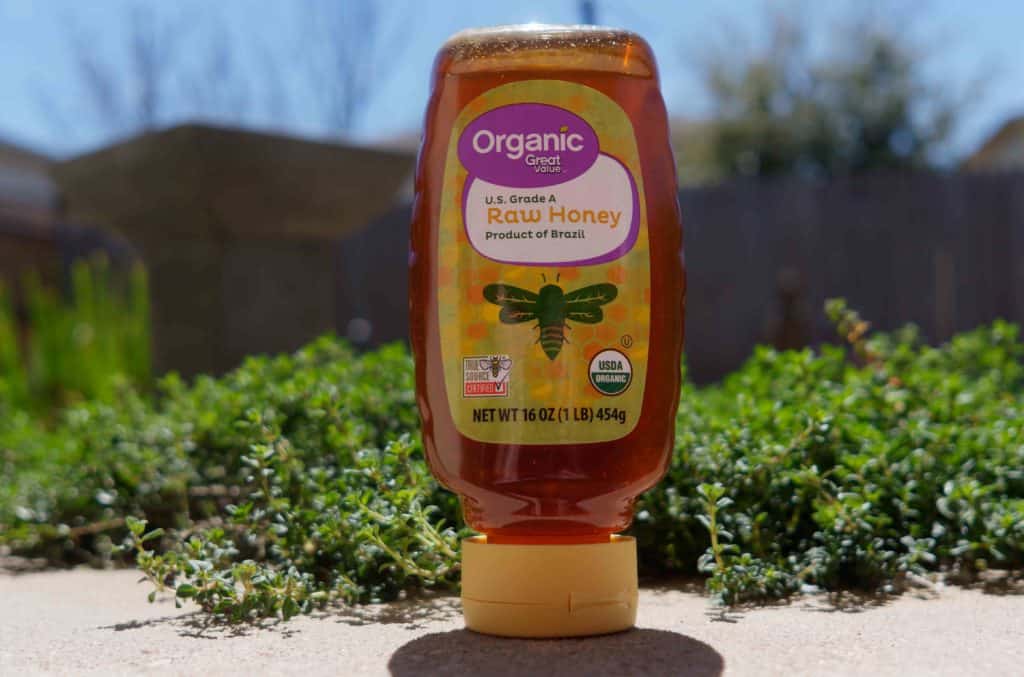
GV Organic Raw
60mm (Lt Amber)
18.2%
PASS (RAW)
Clean Budget Option
Great Value Clover
60mm (Lt Amber)
18.4%
PASS
Baking/Bulk Use
The “Detective’s” Verdict
Convenience shouldn’t come at the cost of purity. While several grocery store brands passed the Vault Protocol, there is a distinct difference between “processed pure” and “true raw” nectar. For those seeking the medicinal benefits of honey—especially those tracking enzyme activity in our Manuka Vault—the technical specs matter.
How to Audit Your Own Pantry
You don’t need a full lab to be a honey detective. Start with these two essential tools to verify your own stash:
Honey Refractometer: The only way to truly verify the Moisture % and prevent fermentation in your raw honey.
Digital pH Meter: Essential for identifying the acidic markers of high-purity floral sources.
Conclusion: The Auditor’s Final Word
The 2026 Walmart Audit shows that while budget-friendly options like Great Value are safe and stable, they lack the complex enzymatic profile found in minimally processed brands. If you are using honey for its health properties, the investment in “Raw & Unfiltered” options like Nate’s is backed by the data.
Frequently Asked Questions (FAQ)
My honey turned solid. Is it spoiled? No. This is crystallization, a natural sign of raw honey. Warm the jar gently in a water bath (under 95°F) to liquify it without damaging the enzymes.
Is “Organic” better than “Raw”? Not always. “Organic” refers to how the bees were kept; “Raw” refers to the fact that the honey wasn’t heat-treated. For health benefits, prioritize the Raw label.
Why is my honey a different color than the last jar? Honey is a seasonal product. Changes in rainfall and bloom cycles shift the nectar, which we measure using the Pfund Scale.
The Forensic Toolkit
If you want to verify your own pantry stash, these are the two essential tools I use for every audit:
Honey Refractometer: To verify Moisture % and prevent fermentation.
Digital pH Meter: To identify the acidity markers of specific floral sources.
Is Your Supermarket Honey Real? The Truth Behind the 2011 “Honey Laundering” Scandal
Have you ever looked at that golden bear in your pantry and wondered if it’s actually honey? For many Americans, the answer might be “not exactly.” Supermarket honey fraud is a deep problem in the Industry.
Honey fraud, or “economically motivated adulteration,” is a significant issue in the U.S., with estimates suggesting that up to one-third of honey in the international trade market is fraudulent or adulterated. Fraud typically involves “honey laundering” (hiding the country of origin to avoid tariffs) or diluting pure honey with cheaper sweeteners like high-fructose corn syrup, rice syrup, or cane sugar.
Highly Refined or Disputed Brands
While “fraud” is a legal term often determined by the FDA or through class-action lawsuits, several major supermarket brands have been scrutinized in independent lab tests or reports for being ultra-filtered (removing all pollen) or for having questionable origins. These brands are often cited as the “worst” because they provide little of the nutritional benefit expected from real honey:
Sue Bee: Often criticized for extensive ultra-filtration which removes pollen, making it impossible to trace the honey’s origin.
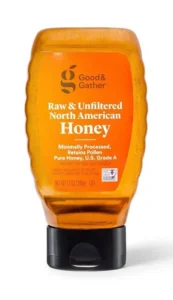
Store Brands (Walmart’s Great Value, Target’s Good & Gather, CVS, etc.): Generic grocery brands frequently source cheap, imported honey blends. A 2011 Food Safety News investigation found that most honey from big-box stores had all pollen removed.
Smucker’s: Like many mass-market brands, their honey is typically highly processed and pasteurized, which strips away natural enzymes and antioxidants.
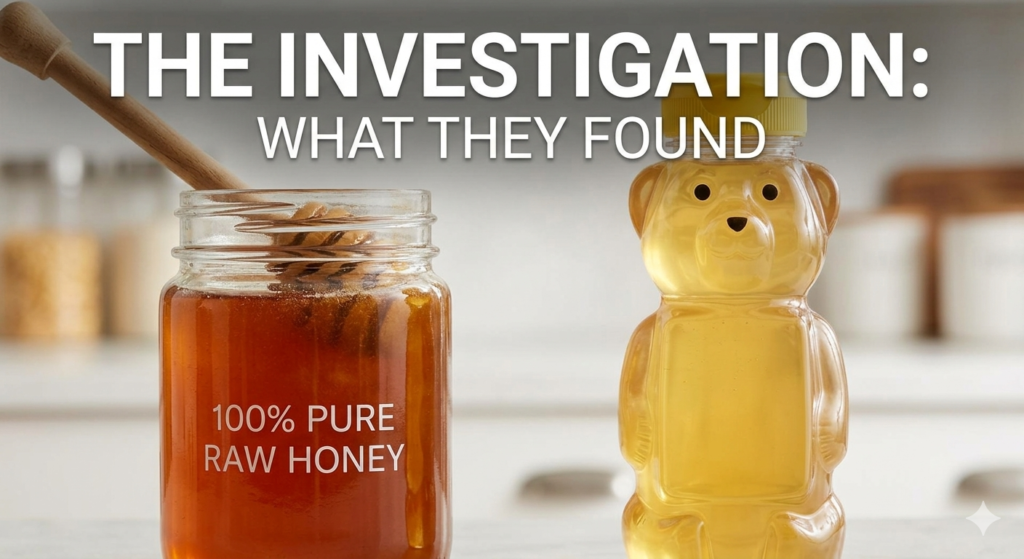
In 2011, a landmark investigation by Food Safety News sent shockwaves through the industry. The study revealed that a massive percentage of honey sold in U.S. supermarkets was missing one vital ingredient: pollen.
The Investigation: What They Found
Researchers tested over 60 samples from 10 different states. The results were a wakeup call for anyone buying generic brands:
76% of grocery store samples had all pollen removed.
100% of honey from drugstores (like CVS and Walgreens) was pollen-free.
Big-box retailers (Walmart and Target) showed similar results, with nearly all their honey being ultra-filtered.
The Mechanics of “The Honey Heist”
In the early 2000s, the U.S. imposed heavy anti-dumping duties on Chinese honey to protect domestic beekeepers and ensure safety. To avoid these taxes, exporters began shipping Chinese honey to “third-party” countries like Vietnam, Thailand, or Malaysia.
Once there, the honey underwent ultra-filtration:
High-Pressure Heating: Honey is heated to high temperatures and forced through microscopic filters.
Pollen Stripping: This process removes all traces of pollen, which acts as a “geographic fingerprint.”
Relabeling: Without pollen, labs cannot prove the honey originated in China. It is then relabeled as a product of the mid-way country and shipped to the U.S. as “legal” honey.
Why This is a Safety Risk
The primary concern isn’t just tax evasion; it’s contamination. In the 2011 study, it was noted that some of this laundered honey contained Chloramphenicol (a powerful antibiotic banned in U.S. food) and heavy metals like lead, which can be present in low-quality Chinese honey production.
How Modern Companies Bypass Certifications
Modern “honey laundering” has moved beyond simple filtration. Today, it involves advanced chemistry and digital deception:
AI-Optimized “Designer” Blends: Fraudsters now use AI algorithms to create syrup recipes that perfectly mimic the chemical profile of real honey. These “designer blends” are engineered to sit just below the detection thresholds of standard lab tests (like C4 sugar testing), making them nearly invisible to traditional audits.
Novel Syrup Markers: As of 2024 and 2025, labs have detected a rise in “novel syrups”—newly engineered sweeteners that don’t use common corn or cane sugars. These syrups require specialized LC-HRMS (High-Resolution Mass Spectrometry) to detect, which many standard certification programs do not mandate for every batch.
The “Honor System” in Imported Organic Honey: Since the USDA cannot easily certify U.S. honey as organic (due to bee flight patterns), almost all “USDA Organic” honey is imported. The certification often relies on the “honor system” of the exporting country’s paperwork. Fraudsters exploit this by using shell companies and “ghost farms” that exist only on paper.
Transshipment and Relabeling: Honey is often shipped from a high-risk country (like China) to a “low-risk” country (like Vietnam or Brazil). Once there, it is blended with a small amount of local honey and issued new “clean” paperwork before being sent to the U.S.
The New Gold Standard: NMR Testing
To combat these methods, the industry is shifting toward Nuclear Magnetic Resonance (NMR) testing. Unlike standard tests that look for one or two “red flags,” NMR creates a complete molecular fingerprint of the honey
Testing Level
Method
Effectiveness
Basic
Pollen Analysis
Low. Easily bypassed by ultra-filtration.
Intermediate
C4 Sugar Testing
Medium. Detects corn/cane syrup, but misses rice and beet syrups.
Advanced
NMR Profiling
High. Detects geographic origin, botanical source, and “designer” syrups.
Why Does Pollen Matter?
Removing pollen isn’t just about texture; it’s about traceability.
Honey Laundering: Pollen is the “DNA” of honey. Without it, investigators cannot prove where the honey came from. This allows “laundered” honey from countries with poor safety standards to be smuggled into the U.S.
Health Benefits: Pollen contains antioxidants, enzymes, and amino acids. When you strip the pollen away through high-heat ultra-filtration, you’re essentially buying a processed sugar syrup rather than a superfood.
How to Shop Smarter at the Supermarket
The good news? The market has changed since 2011. Many brands now prioritize transparency through True Source Certification. If you’re shopping at a major retailer like Target or Walmart, look for these specific types of honey to ensure you’re getting the real deal.
Check the Label: Look for “Raw,” “Unfiltered,” or “True Source Certified.”
Look for Origin: Avoid bottles that simply say “Product of Brazil, Vietnam, and USA.” Specific regional origins (e.g., “Northwest Blend”) are usually more reliable.
The Cloudiness Factor: Real honey shouldn’t always be perfectly clear. A little cloudiness is often a sign of preserved pollen and propolis.
Feature
Authentic Raw Honey
Ultra-Filtered “Fake” Honey
Pollen Content
High (Retains nutrients)
Zero (Removed to hide origin)
Texture
Thick; crystallizes over time
Runny; stays liquid forever
Traceability
True Source Certified
Vague “Global Blend”
You don’t need a laboratory to avoid becoming a victim of the “Honey Heist.” While fraudsters use high-tech syrups, you can fight back by changing where and how you shop. Transparency is your best defense. Always look for the True Source Certified seal on the bottle. This badge ensures that the honey is tracked from the hive to the shelf. Additionally, check for single-country origins. If a label lists five different countries, it is likely a highly-processed global blend. For the highest level of safety, choose raw and unfiltered options that preserve natural enzymes and pollen.
Don’t get stung by fake honey! Subscribe to The Honey Review newsletter for monthly purity alerts and exclusive deep-dives into your favorite brands.
“Not all Manuka is created equal. We taste-test and lab-check the world’s leading Manuka honey brands to help you navigate potency, purity, and price. Whether you’re looking for UMF 20+ healing power or a daily MGO-boost, start your journey here.”
If you’ve spent any time in The Lab, you know that the honey industry is often a “global crime scene” of dilution and heat damage. For those of us using honey to manage chronic conditions or looking for a clean energy source while driving 10 hours a day, we can’t afford to guess if our…
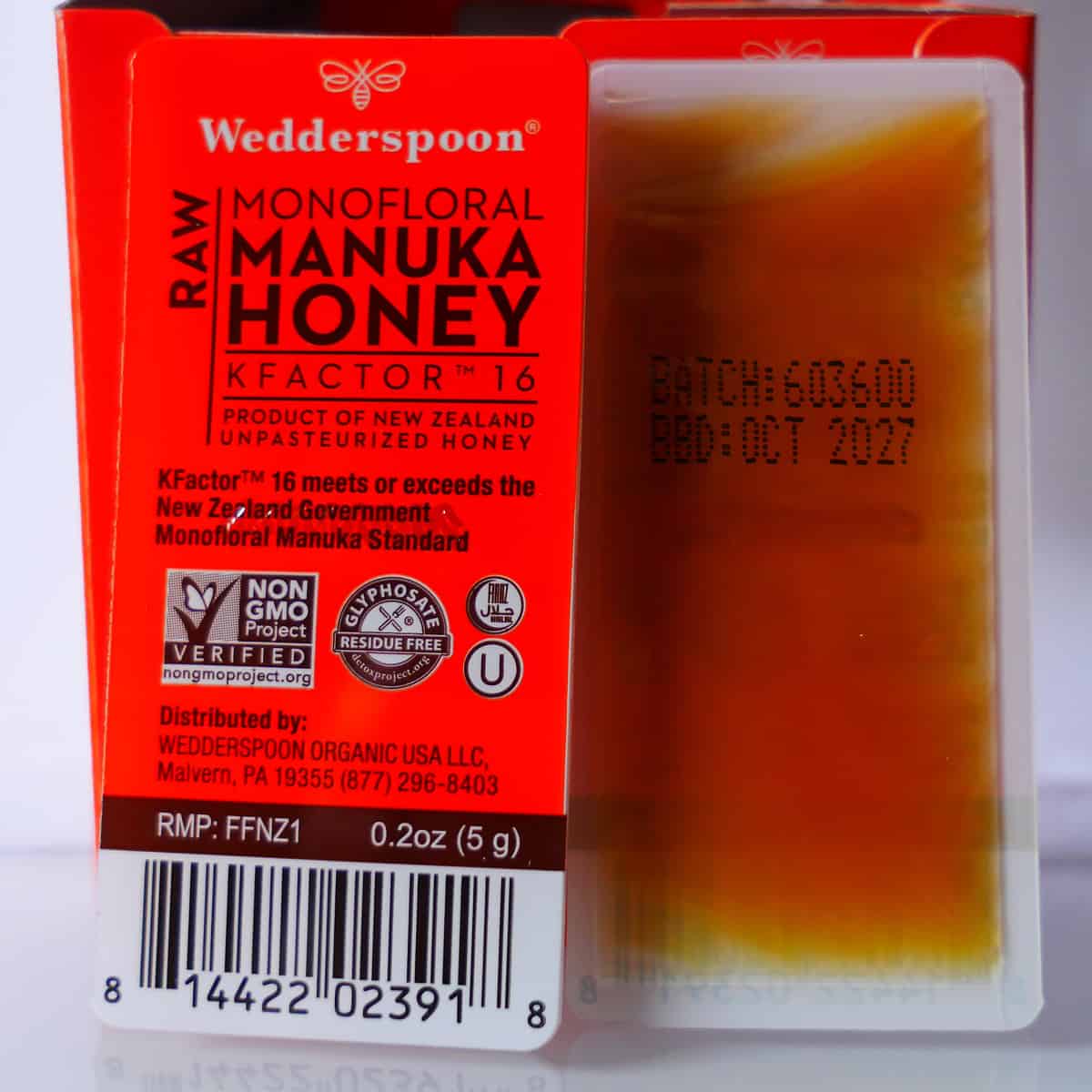
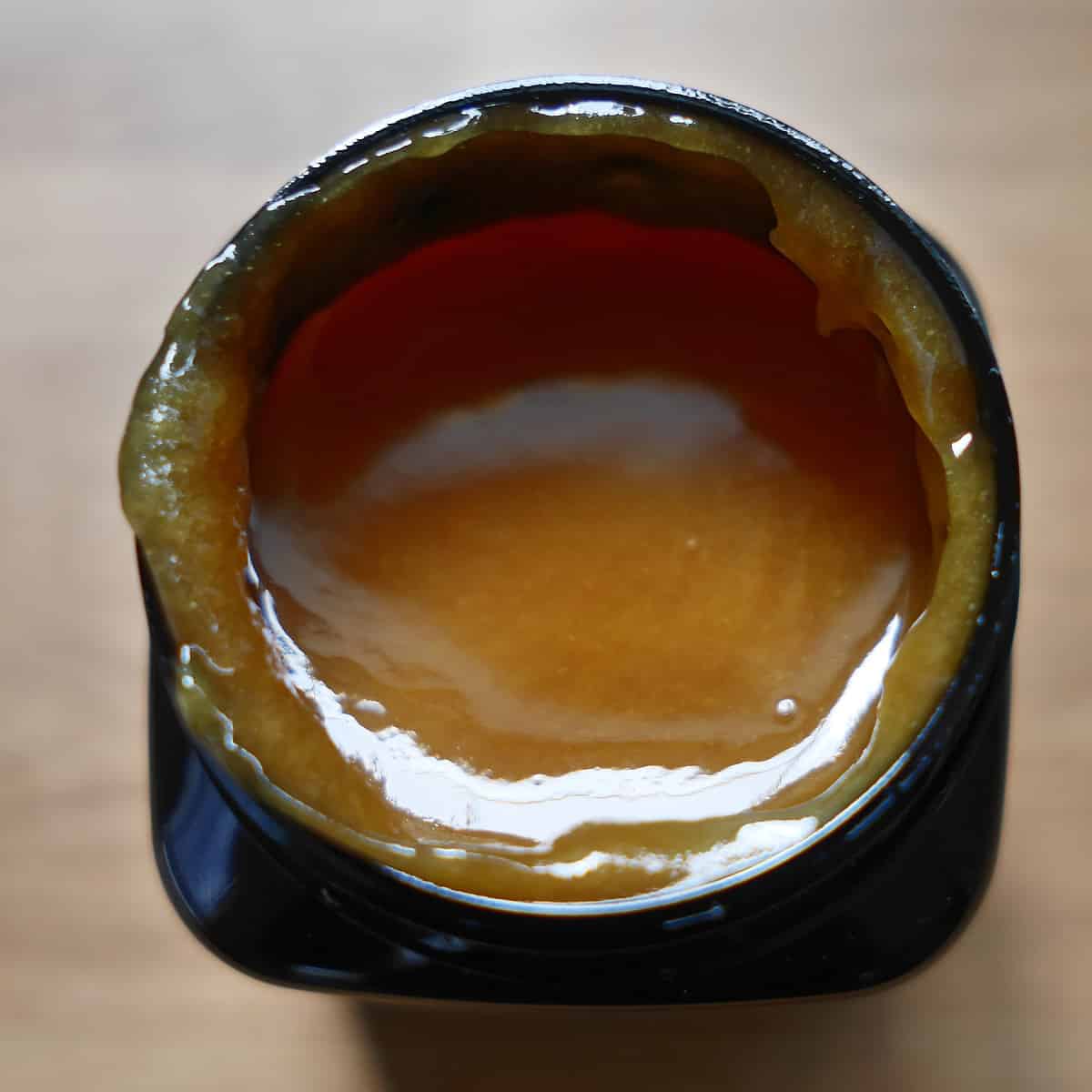
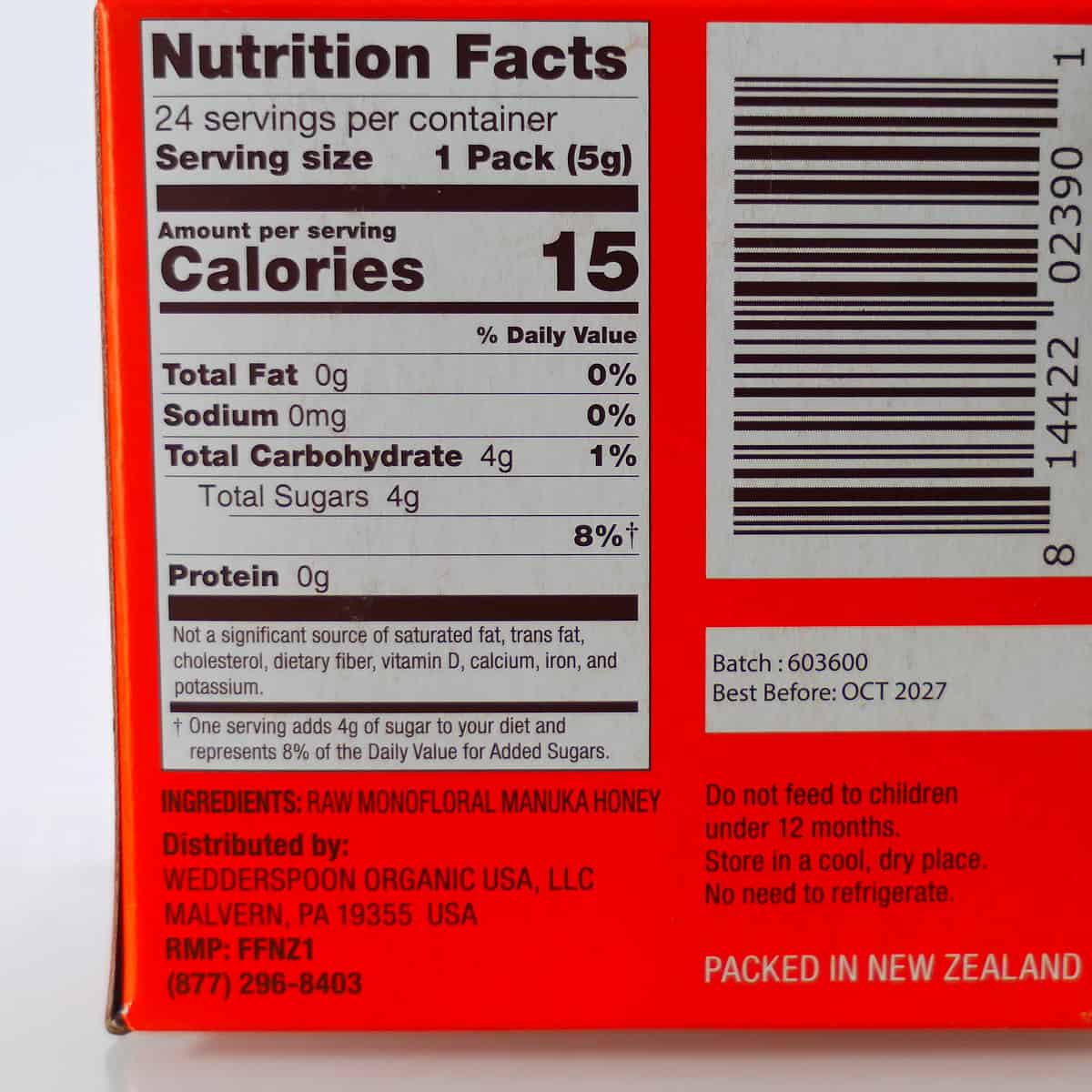
As a beekeeper and honey taster, I have a passion for finding and sharing the best honeys in the world. One of my favorites is Wedderspoon Raw Monofloral Manuka Honey, which comes from the wild Manuka flowers that bloom in the pristine forests of New Zealand. This honey is a treasure of nature, with amazing…
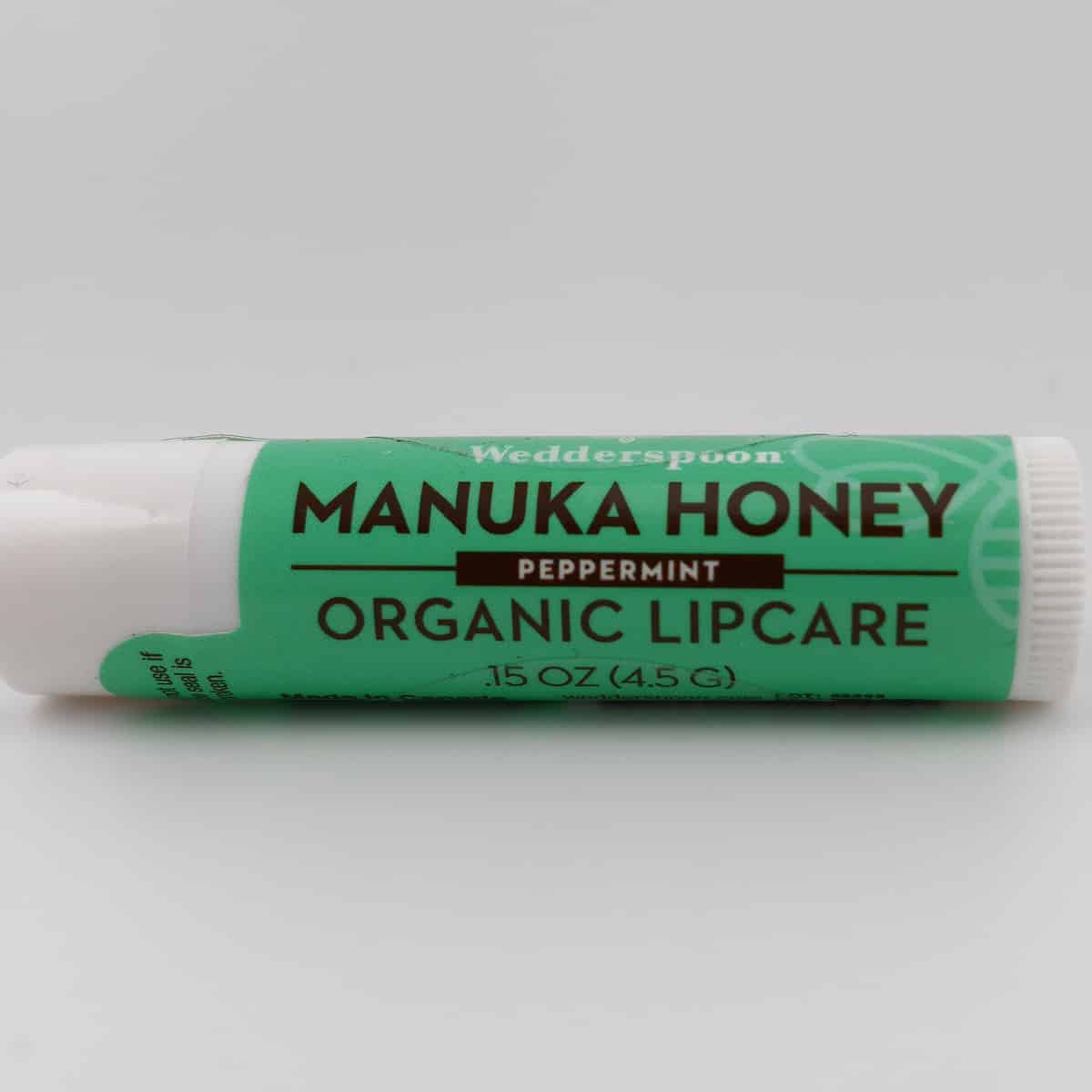
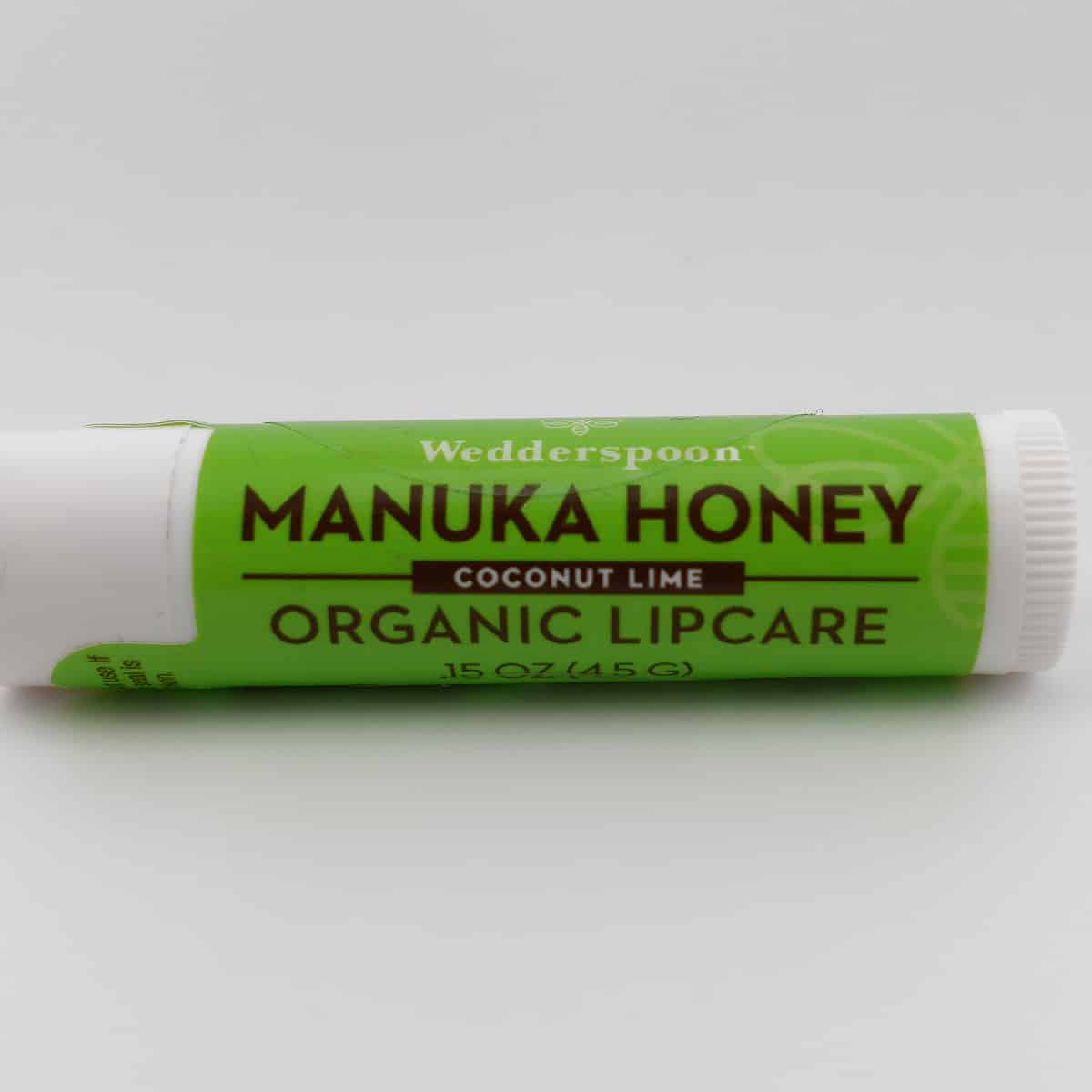
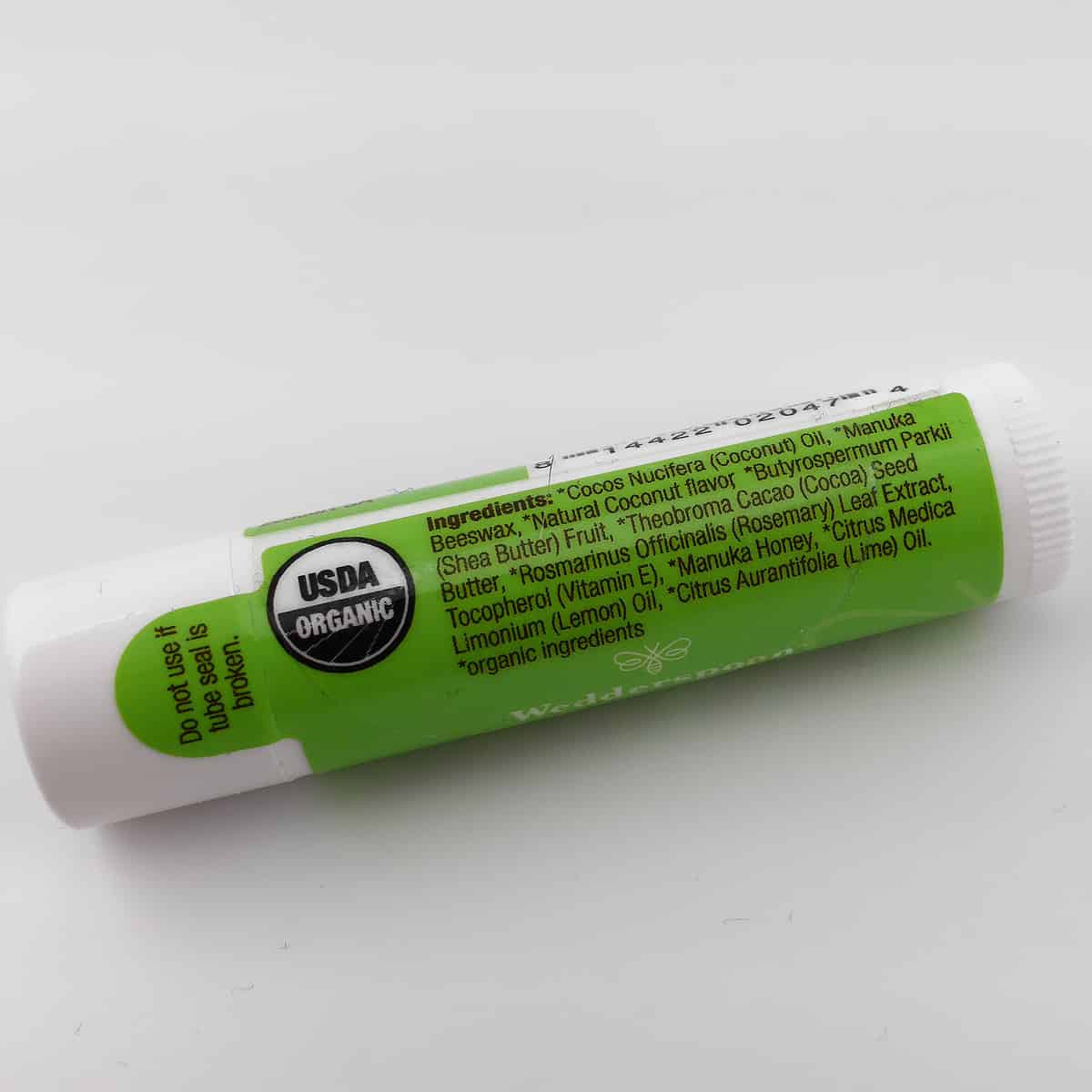
Are you looking for a natural and effective way to keep your lips soft and healthy? Do you want to avoid harsh chemicals and artificial ingredients that can dry out and damage your lips? If you answered yes, then you might be interested in Wedderspoon Manuka Honey Organic Lipcare, a product that claims to nourish,…
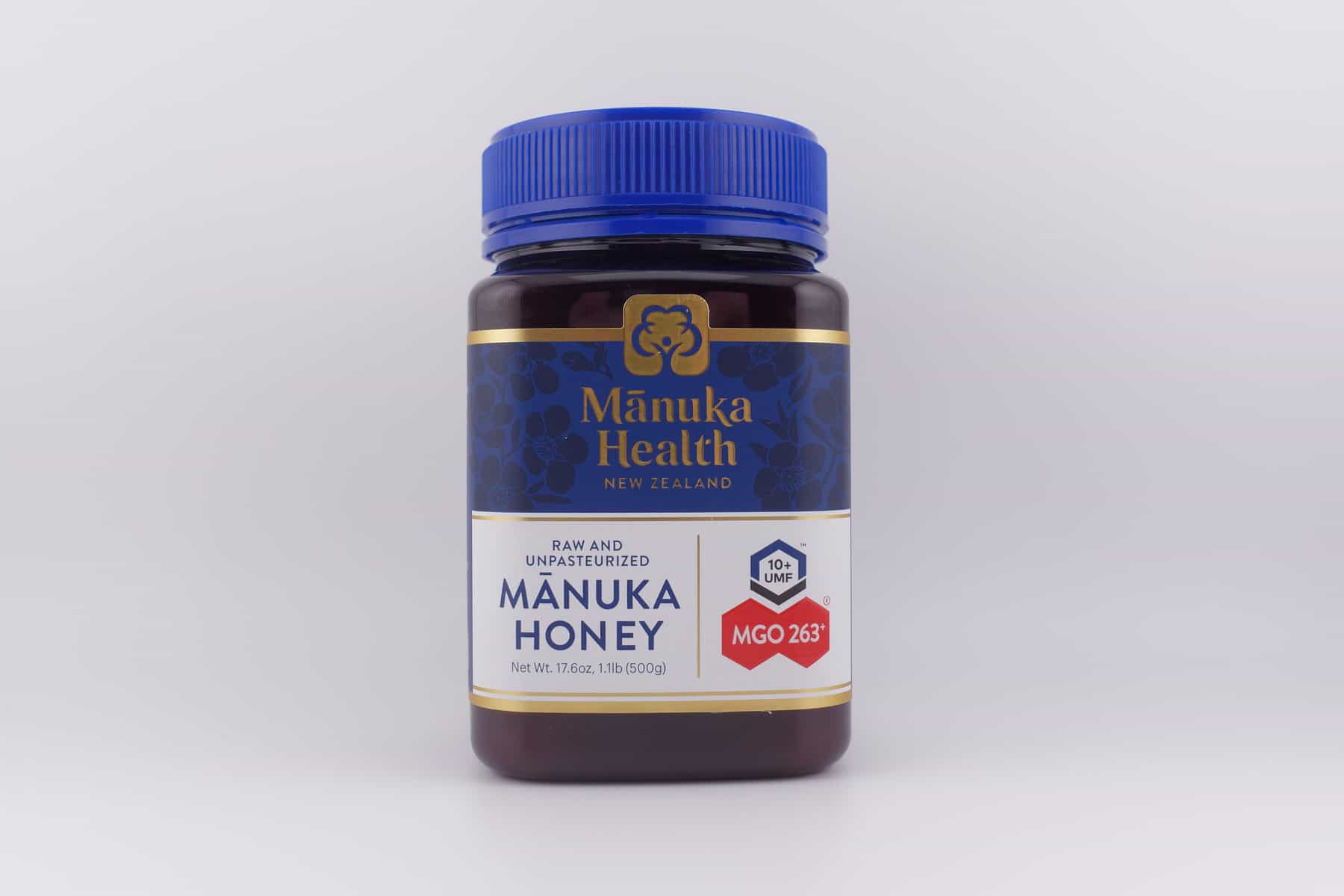
If you are looking for a delicious and nutritious honey, check out Manuka Health Raw Unpasteurized Honey. This Honey is sourced from Manuka trees in New Zealand. This Manuka Honey from Costco features an MGO scale of 253, UMF 10+, made with raw unpasteurized unifloral goodness. What benefits does Manuka Honey have? Is Manuka worth…
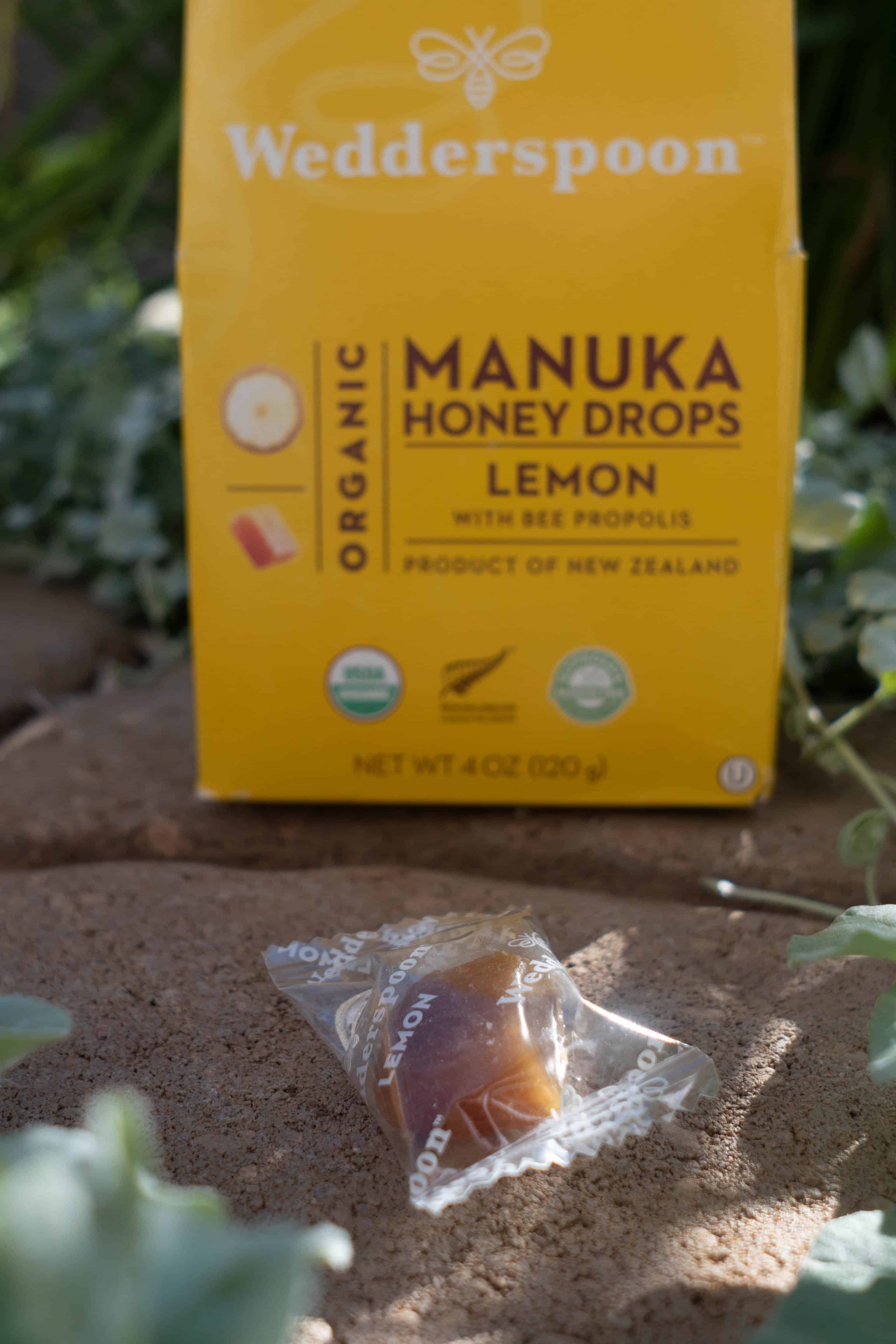
Are you looking for a great way to fight off a cold or sore throat? Wedderspoon Organic Manuka Honey Lemon Drops are often marketed as the premium answer. In our original assessment, we found them to be a relief during bouts of fatigue and throat irritation. But in 2026, the question is: are these medicinal powerhouses or just expensive honey candies?
In the 2026 landscape of “Better-for-You” beverages, Me & the Bees stands as a case study in Heritage Scaling. While The Honey Review traditionally focuses on the viscous output of the hive, this audit examines the mechanical utility of honey as a stabilizer in a lemonade formula rooted in a 1940s recipe.
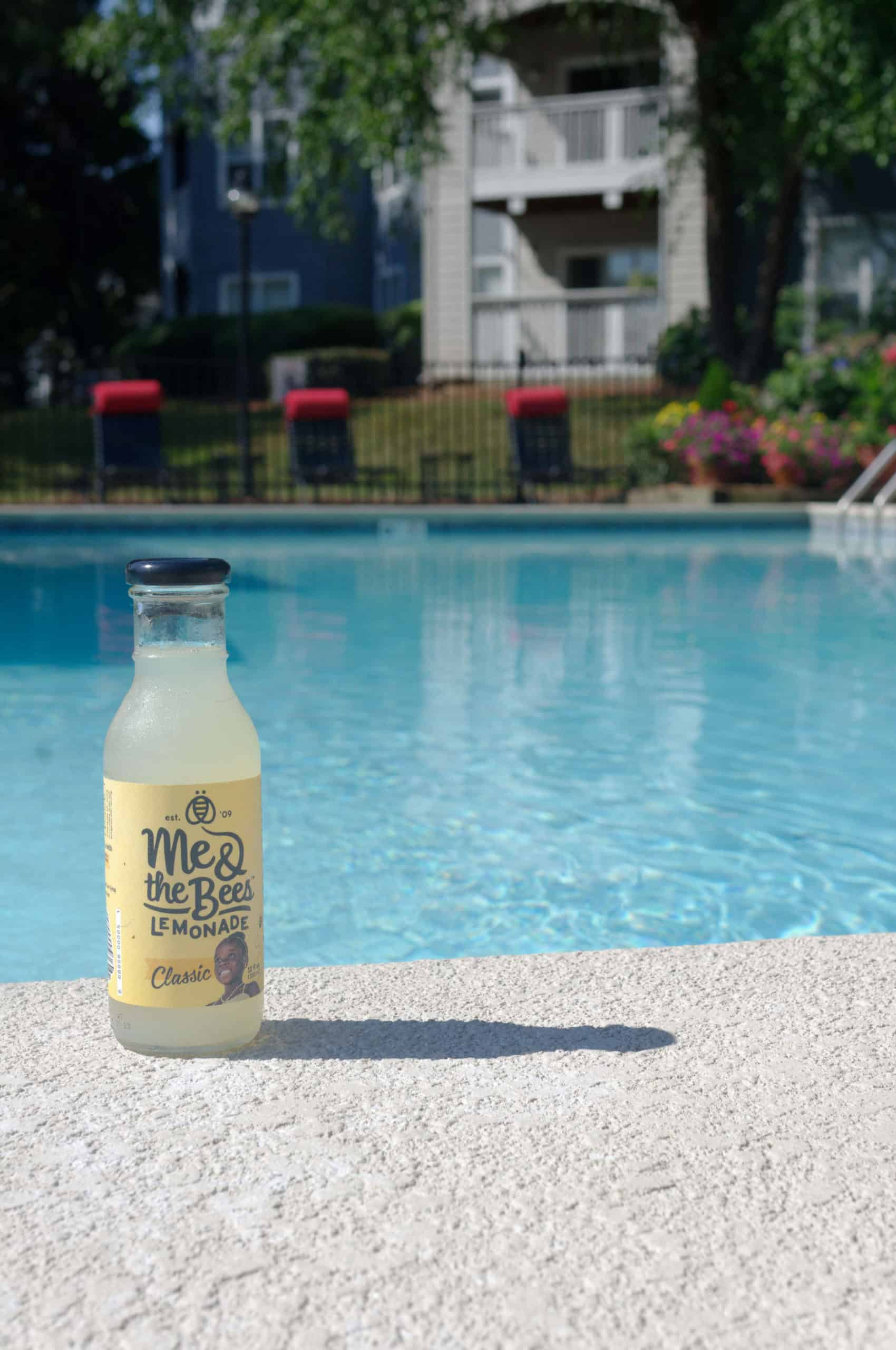
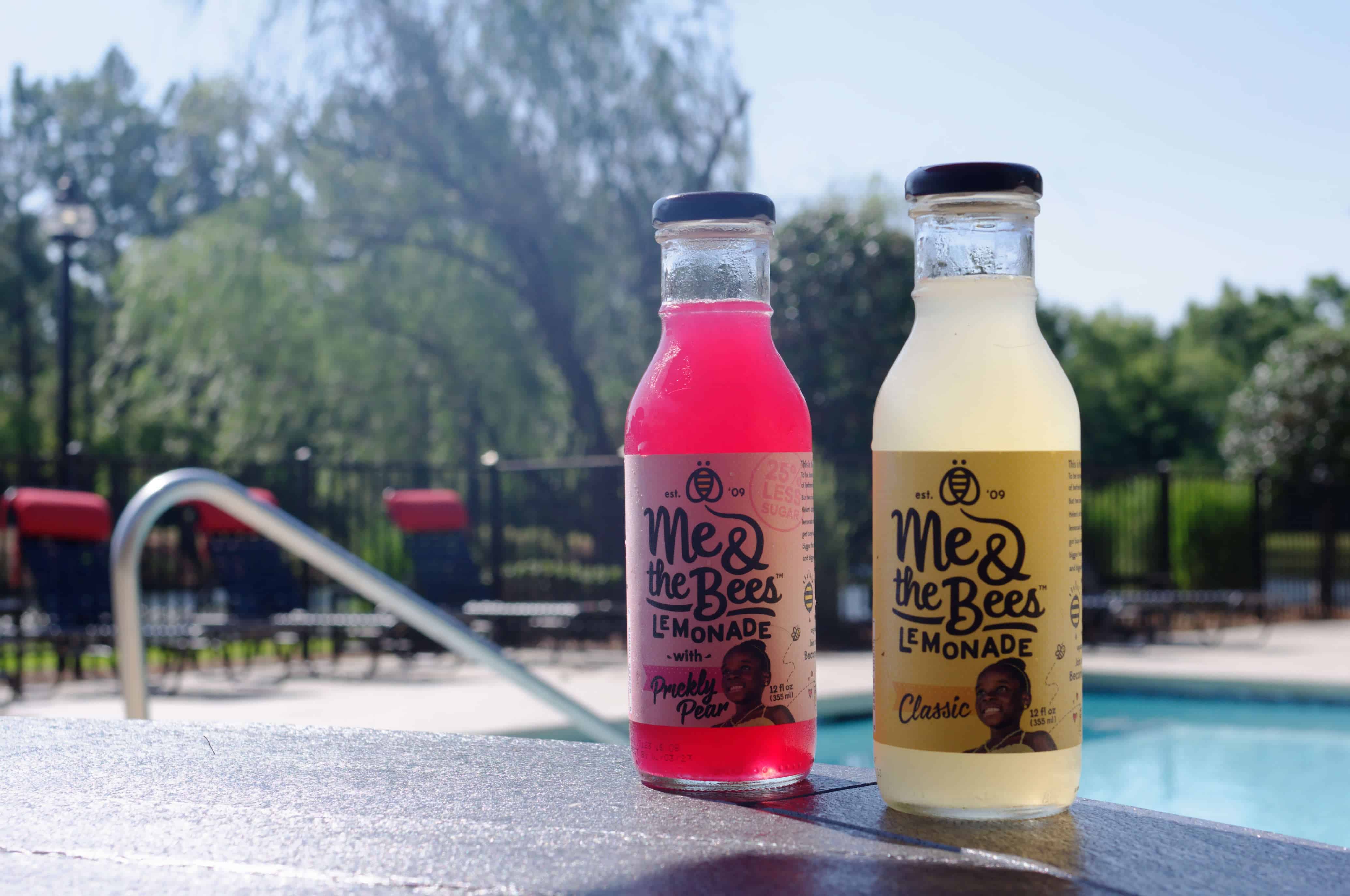
In the search for clean hydration alternatives at The Honey Review, we often encounter beverages that sacrifice purity for shelf-stability. Me & the Bees, founded by Mikaila Ulmer, takes a different approach by utilizing a traditional family recipe updated with a desert-born superfood: the Prickly Pear.
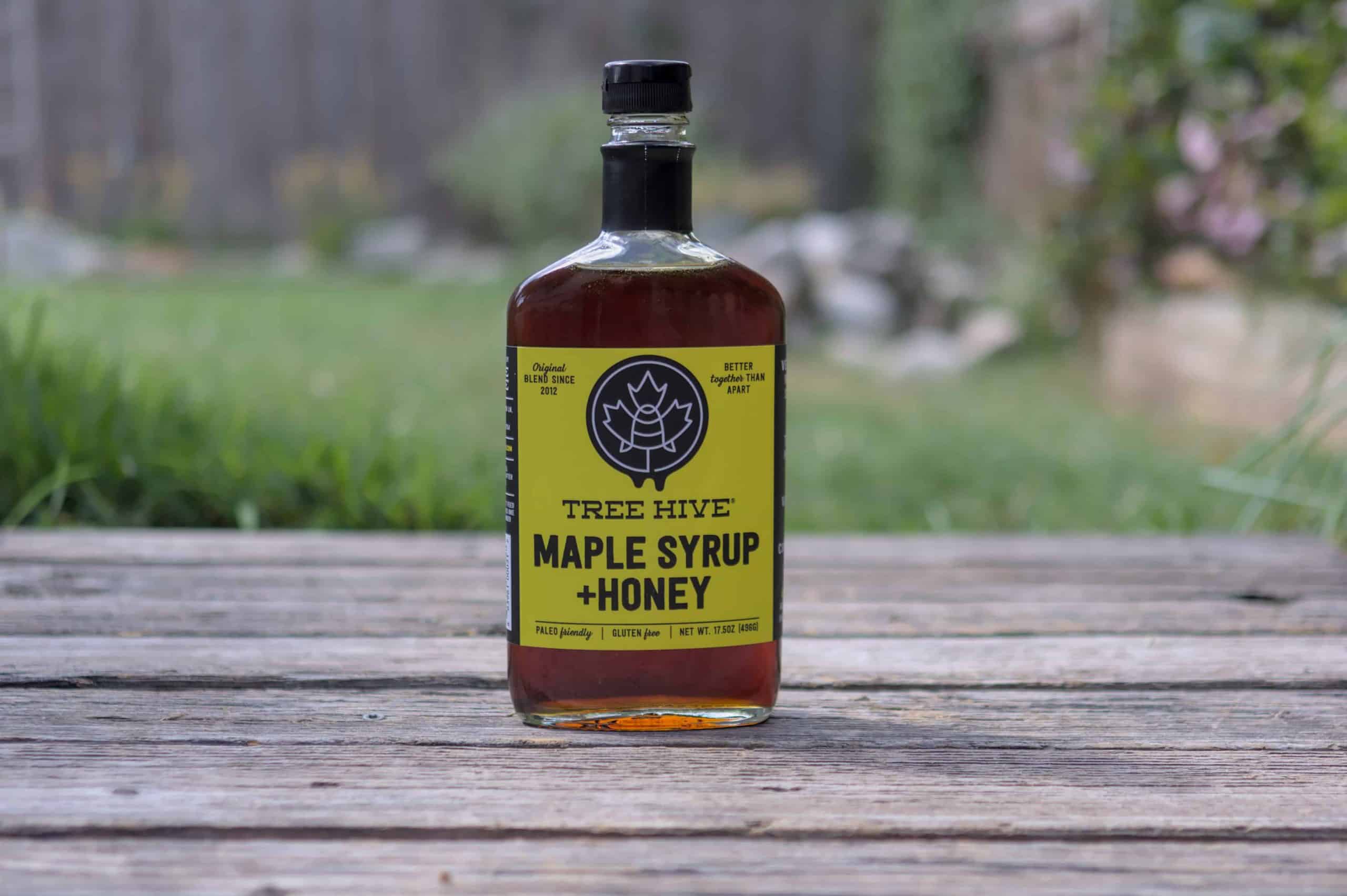
While The Honey Review typically focuses on pure, unadulterated nectar, the industry has seen a rise in “Hybrid Syrups.” Tree Hive is the flagship of this movement, claiming that maple syrup and honey are “better together than apart.”
Install a bee-friendly buffet in your backyard with these 5 plants that attract native bees and other beneficial pollinators. You don’t need to be an expert at gardening or keeping honeybees; all you’ll need is some patience, creativity (and maybe just one friend!)
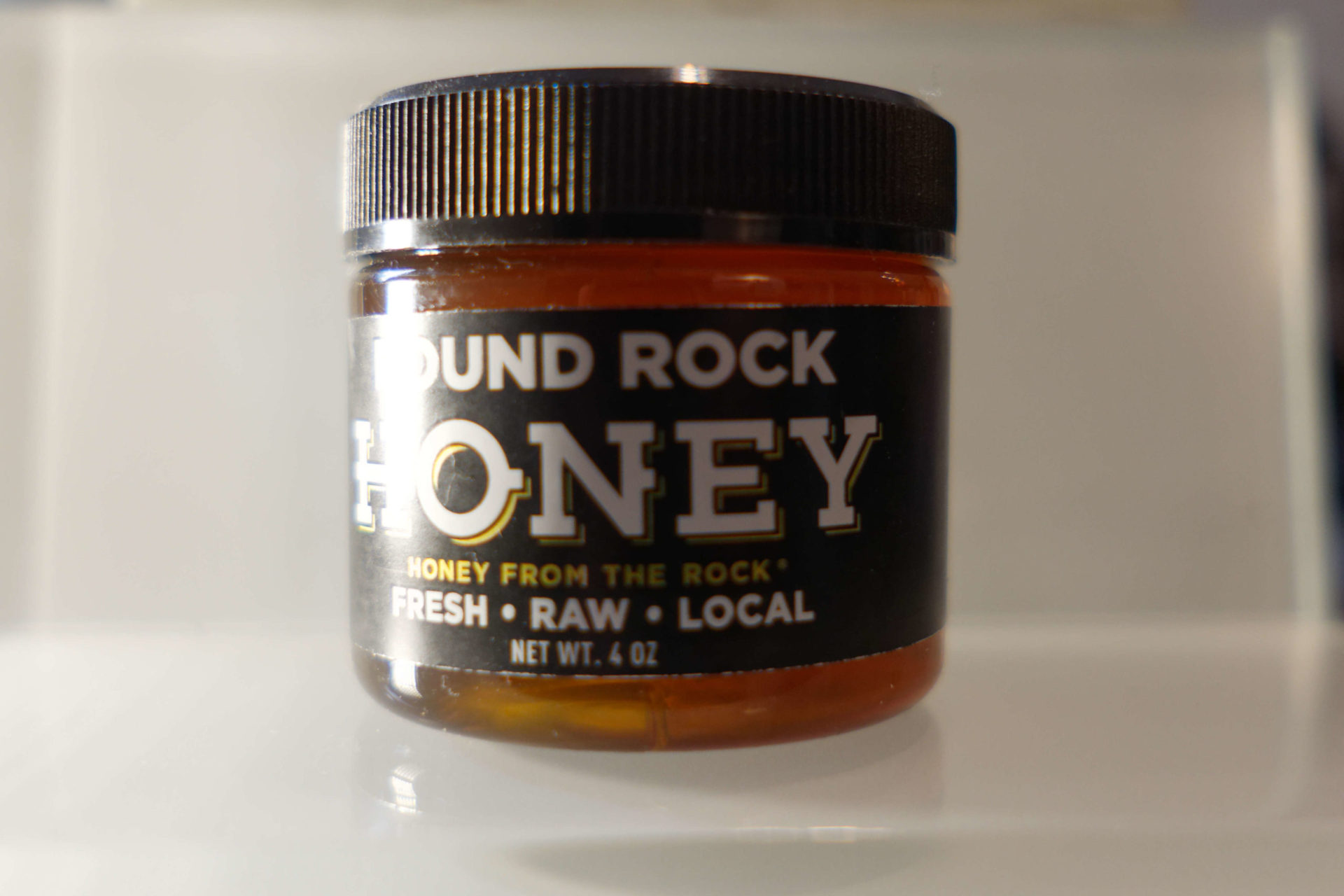
Round Rock Honey holds a nostalgic place in the archives of The Honey Review. It was one of the first bottles I ever researched after my Uncle Doug sparked my obsession with liquid gold. But in the world of raw honey reviews, nostalgia doesn’t pass a lab test.
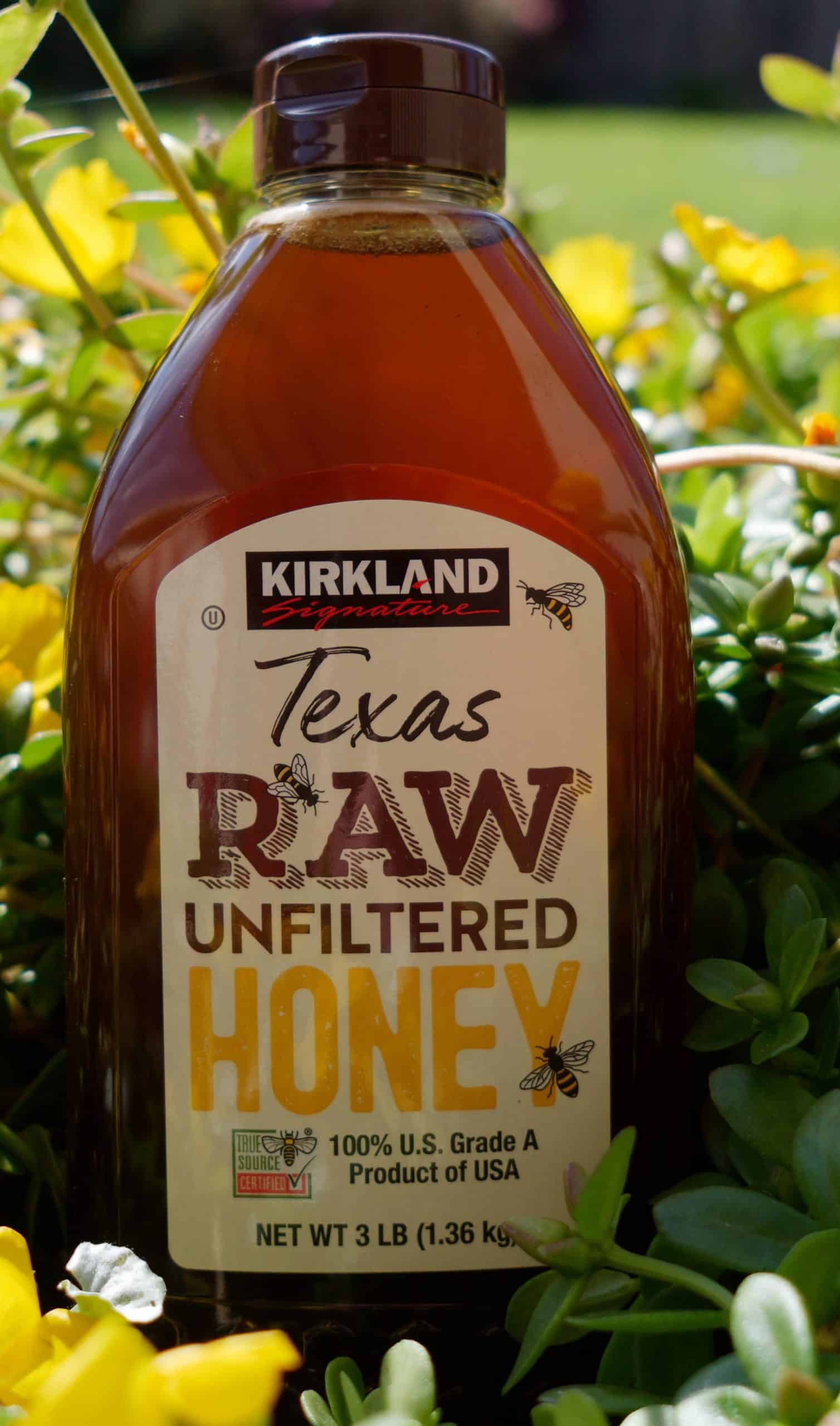
In the world of commercial apiculture, few names carry as much weight as Kirkland Signature. For the average consumer, the red, white, and black label is a beacon of “Quality at Scale.” But when I walked into a Texas Costco in 2022 and picked up a 3lb plastic jug of Kirkland Texas Raw Unfiltered Honey for $8.99, my internal “Honey Detective” alarms went off.
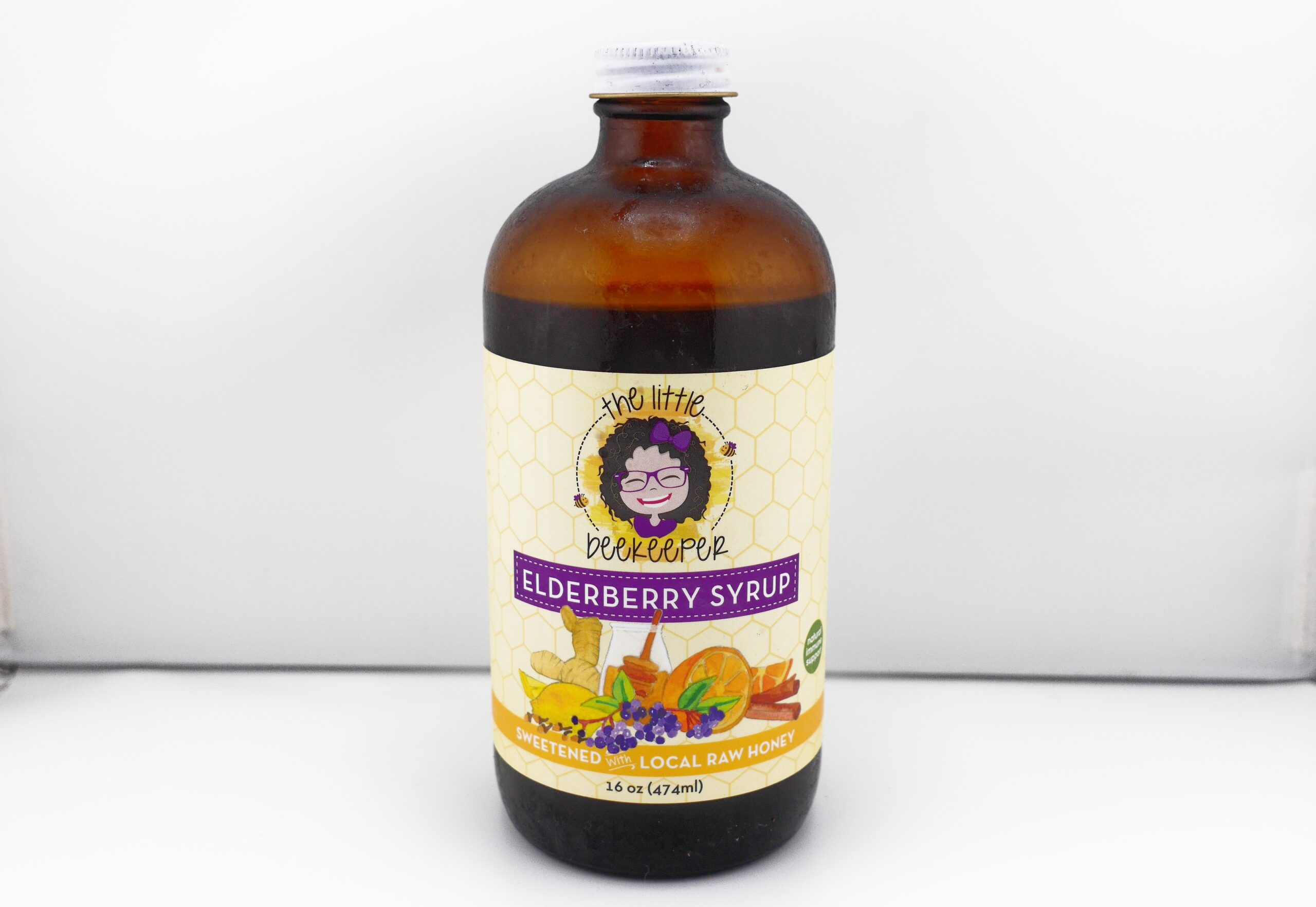
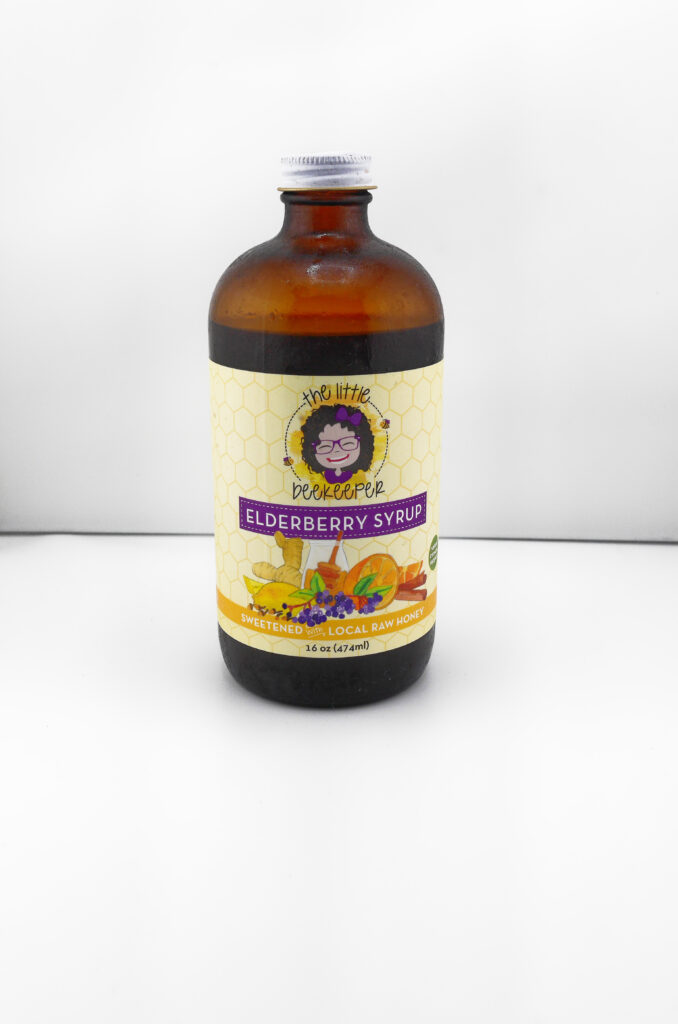
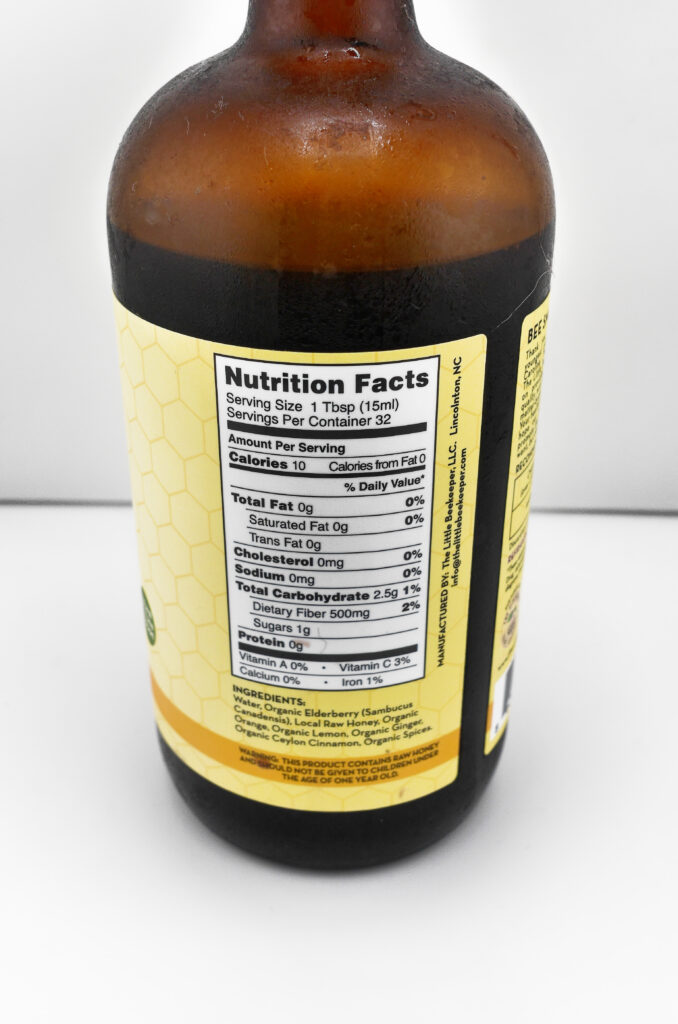
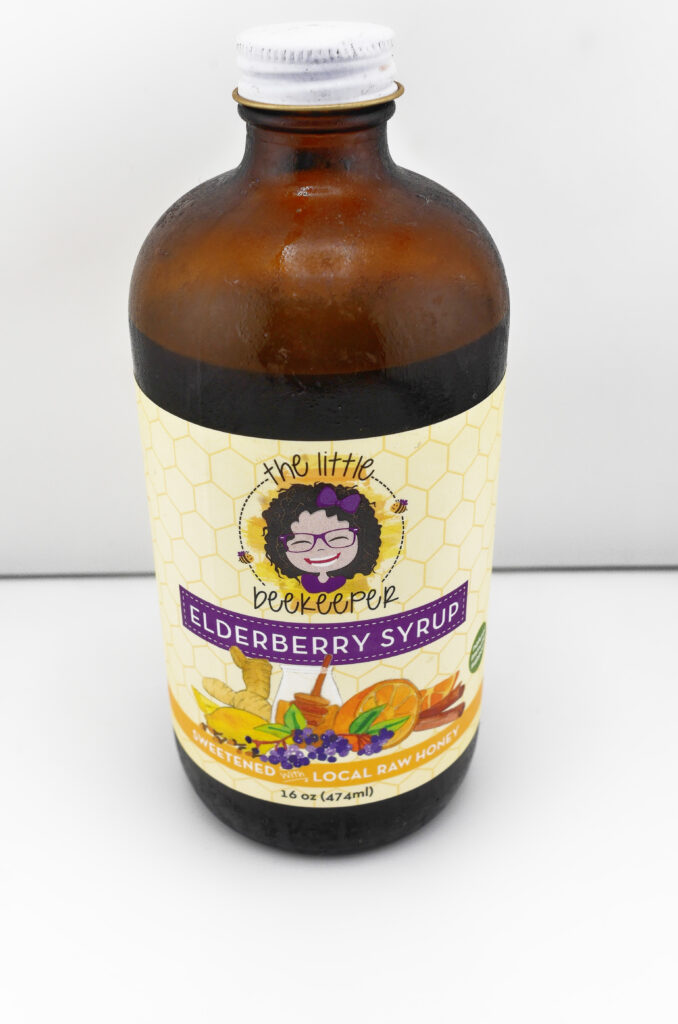
As a beekeeper and honey enthusiast based in Charlotte, NC, I am always on the lookout for high-quality, natural products that support wellness. It’s even better when they’re locally sourced. The 16oz Organic Premium Elderberry Syrup – The Little Beekeeper has truly impressed me. It’s great all year long, but especially during the fall season.
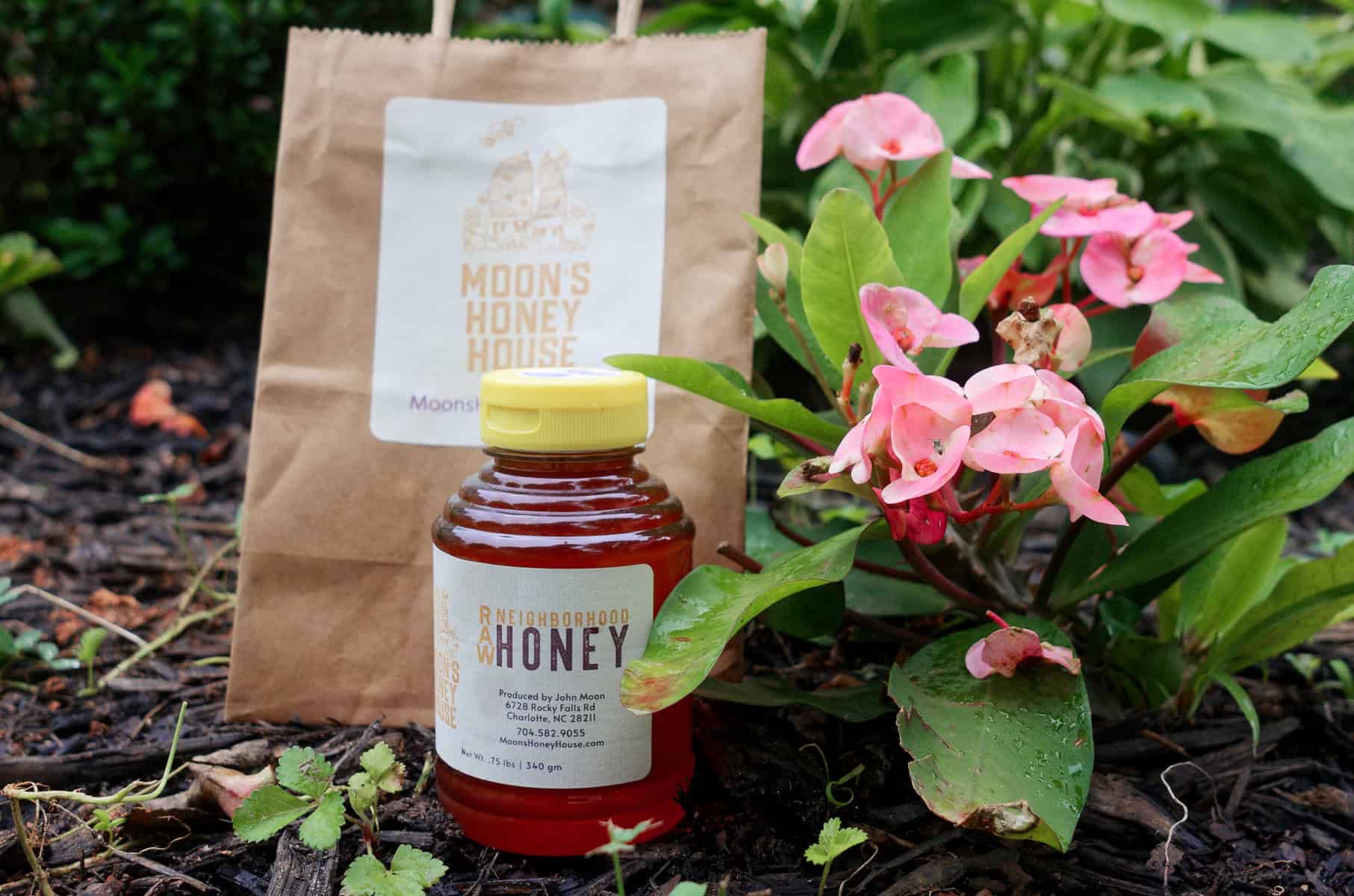
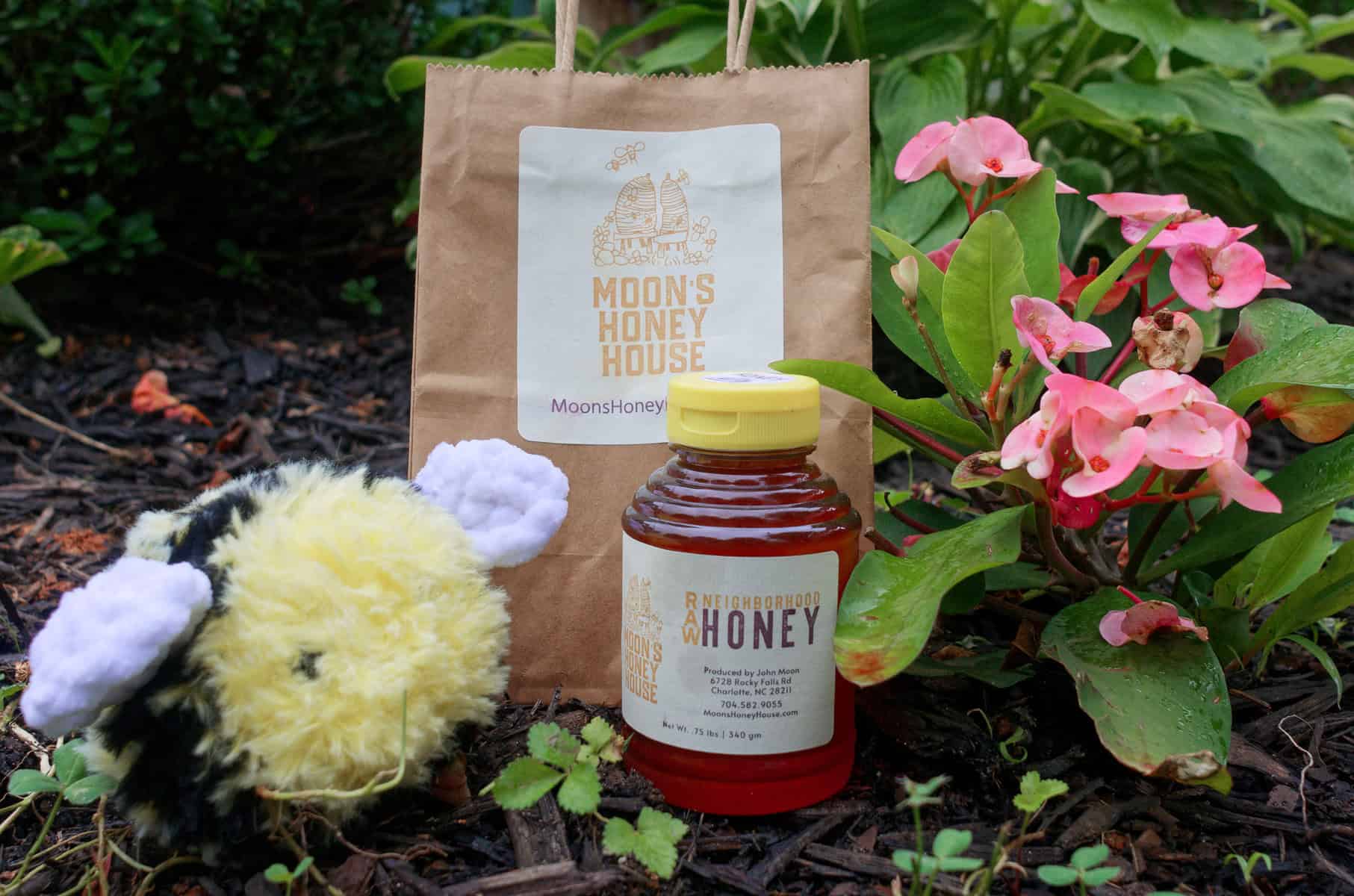
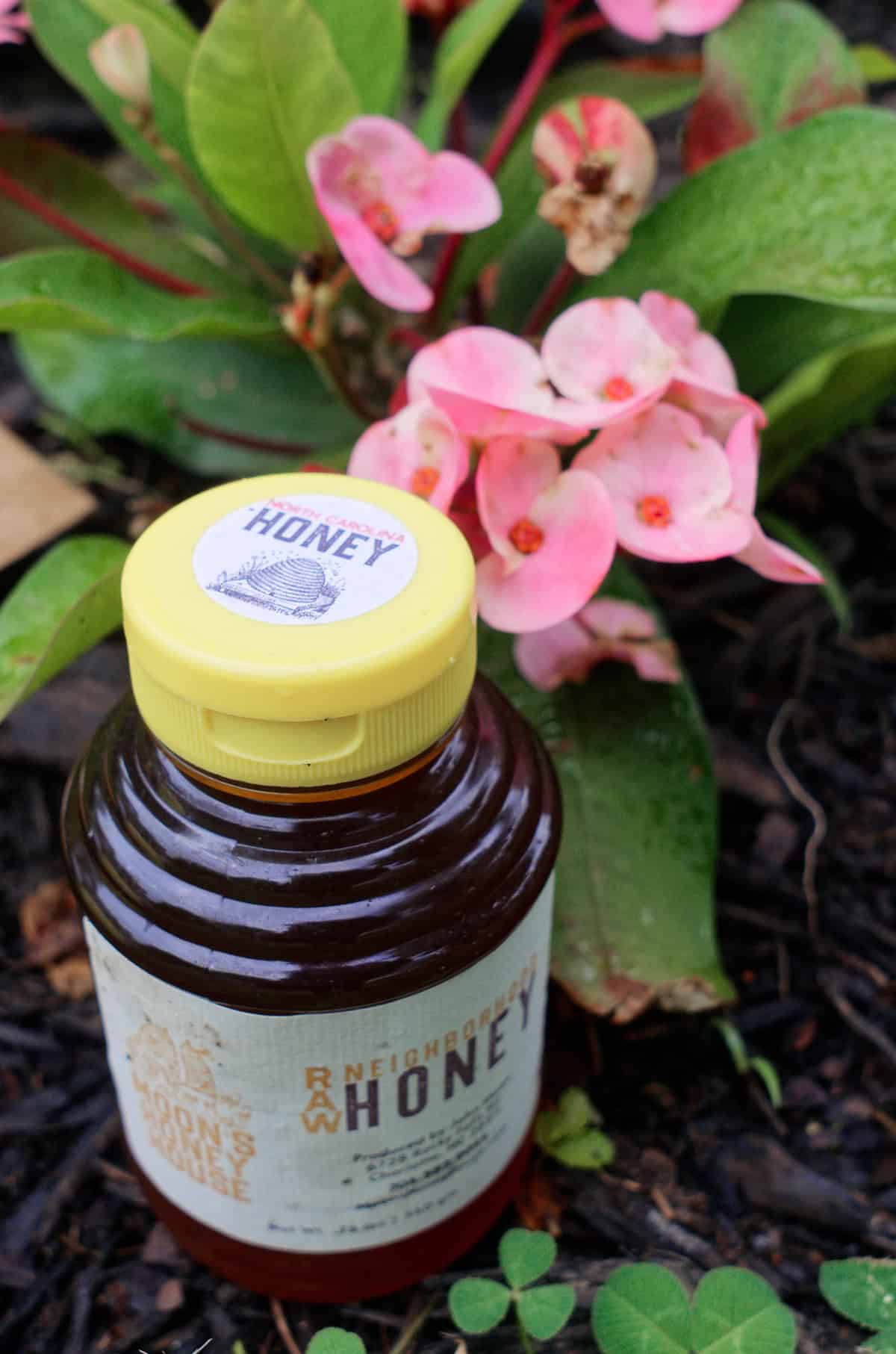
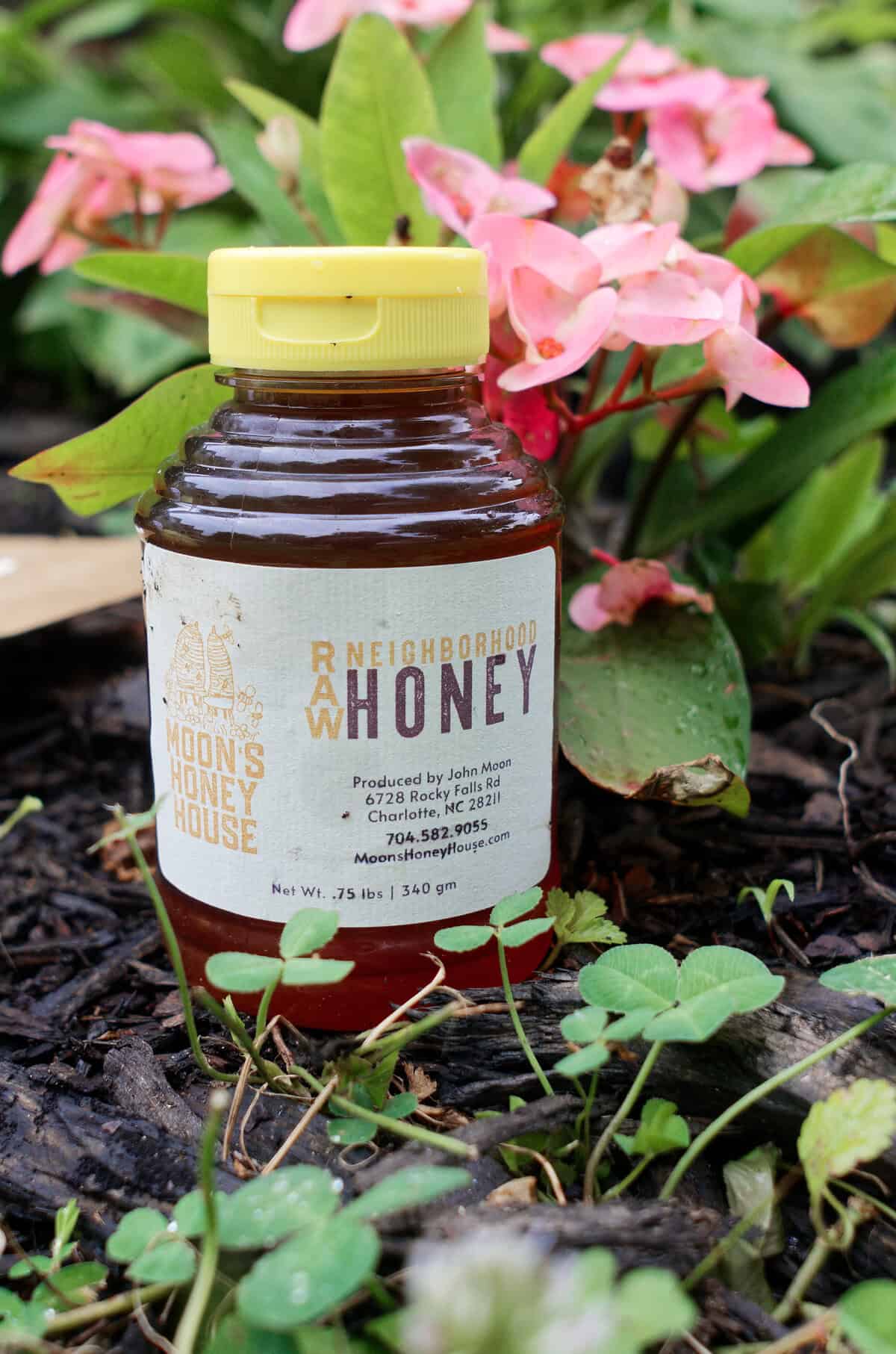
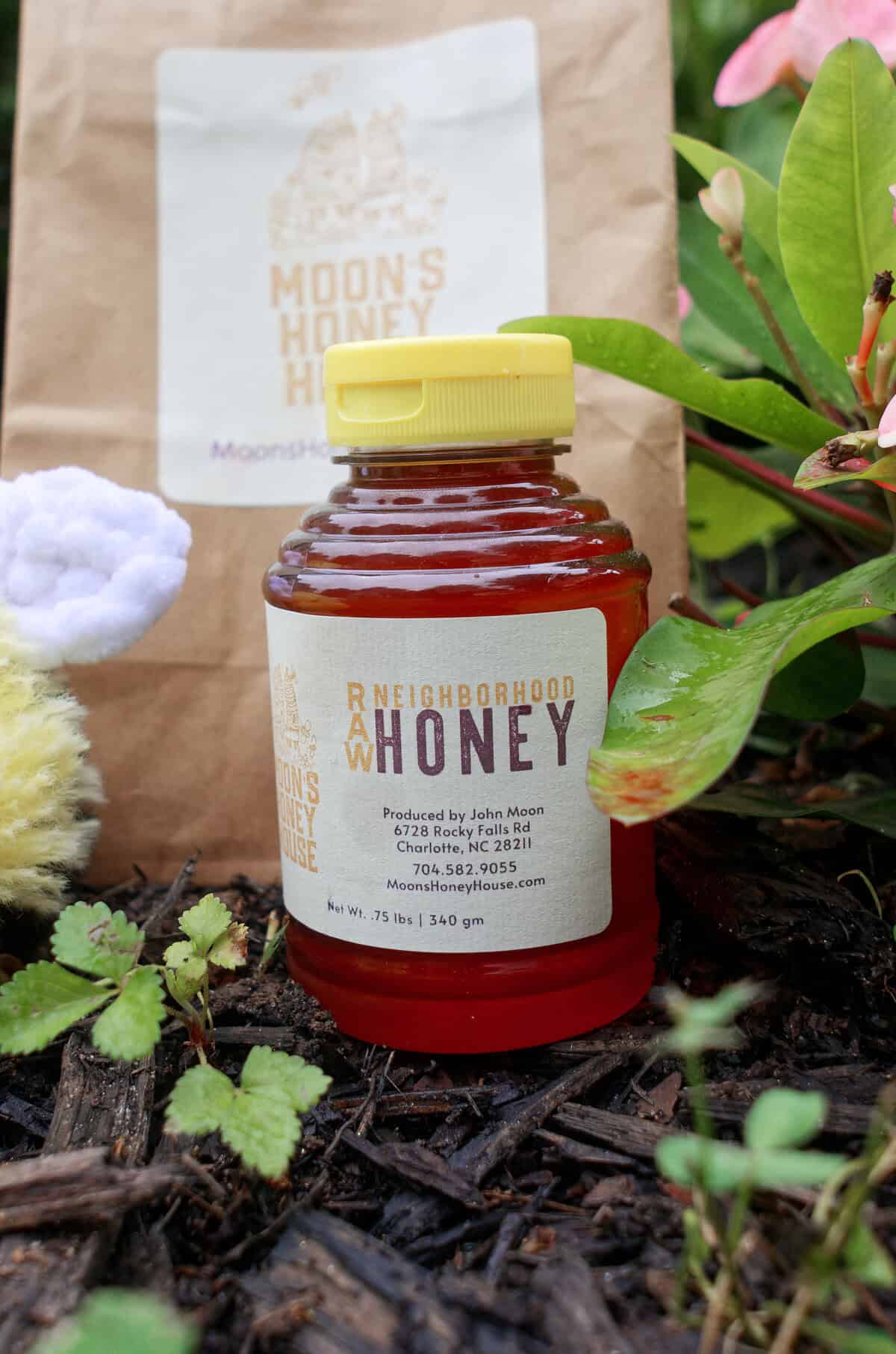
Since 1952, Moon’s Honey House has been a trusted family-owned and operated business. Their exquisite collection includes local honey, meticulously crafted beeswax creations, and unique handmade gifts. It’s a delightful destination for those who appreciate quality and authenticity. Benefits of Raw Honey Products Some of the benefits of raw honey products are: They have antibacterial, antifungal, and…
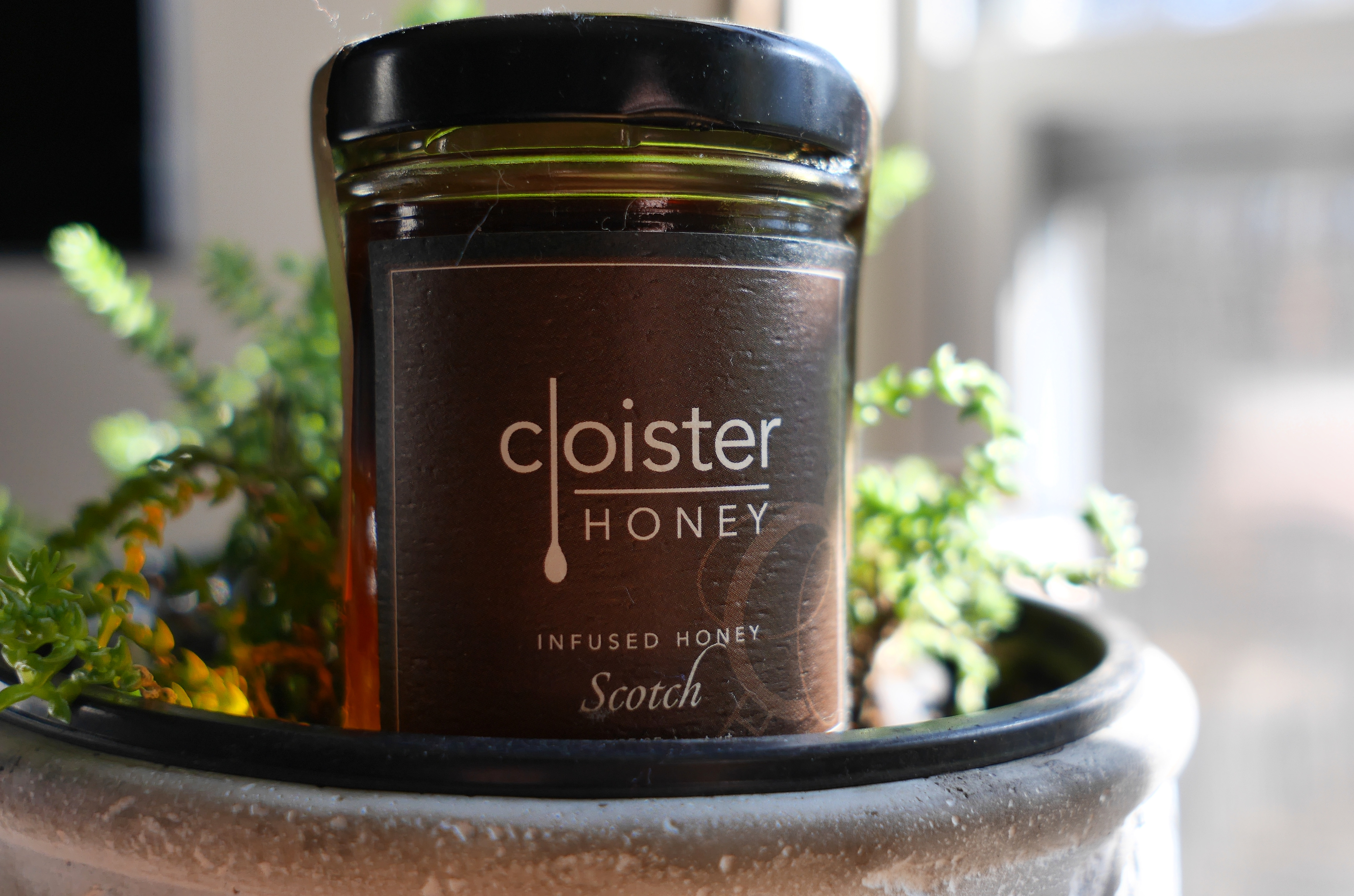
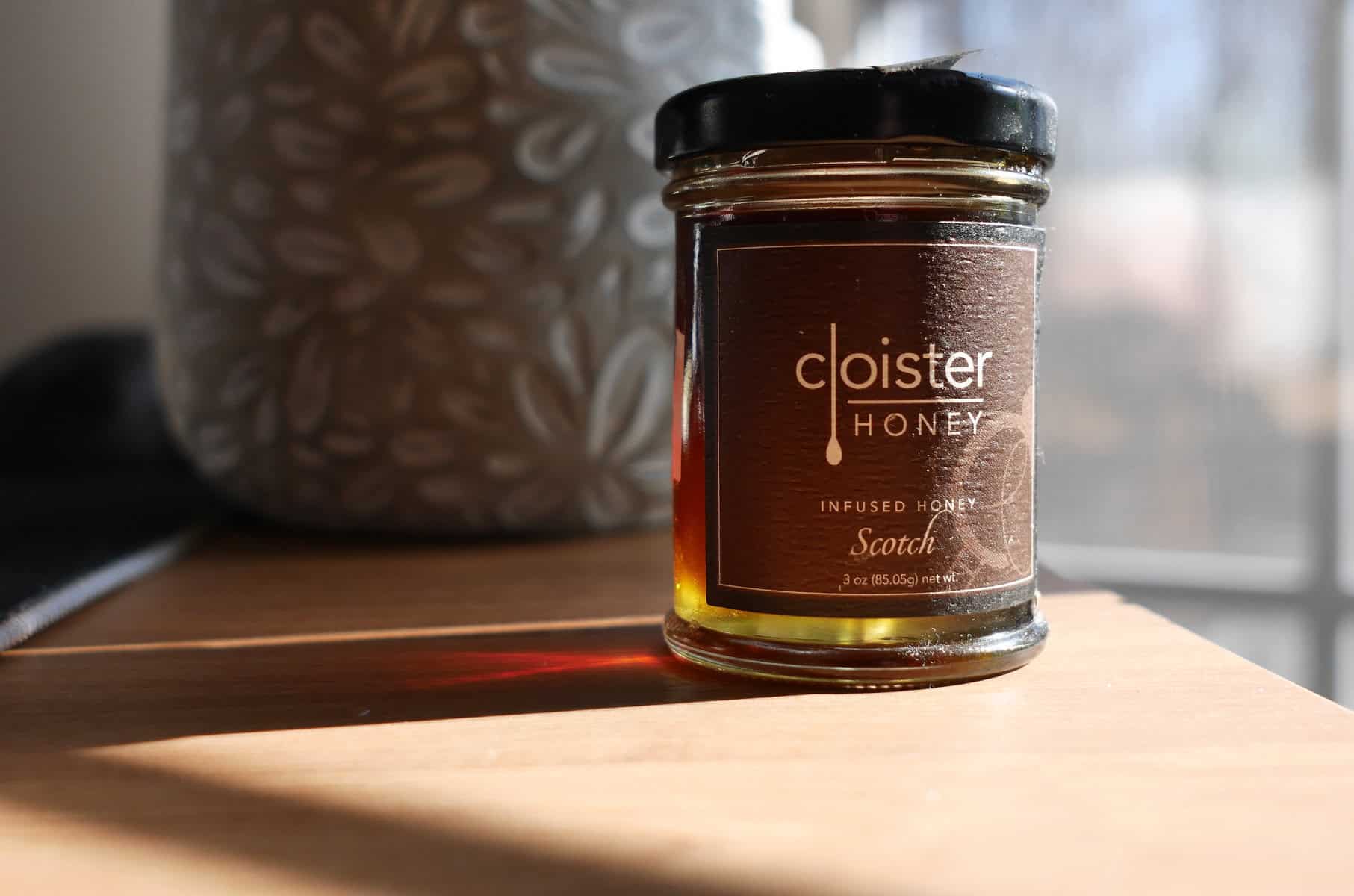
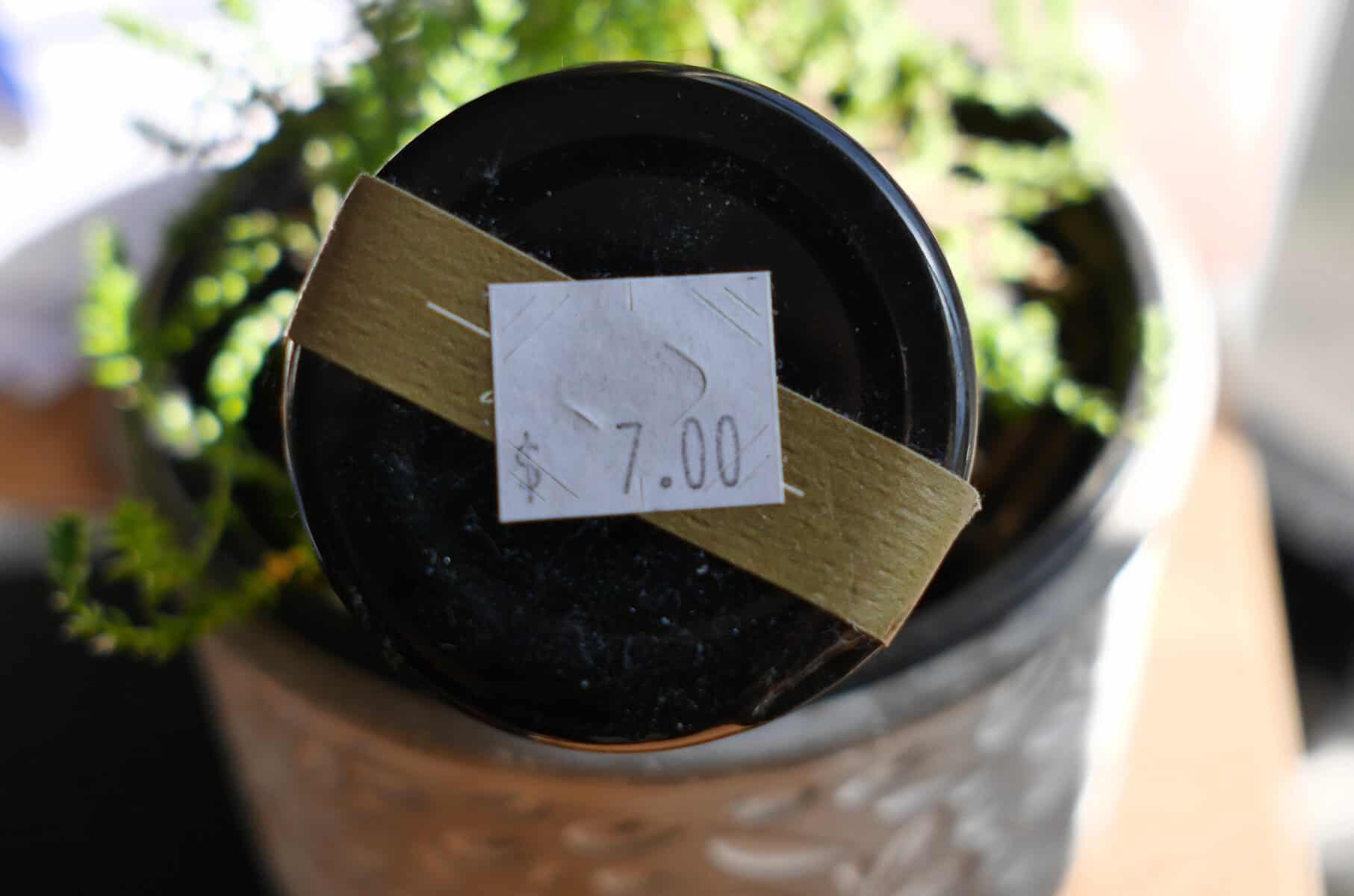
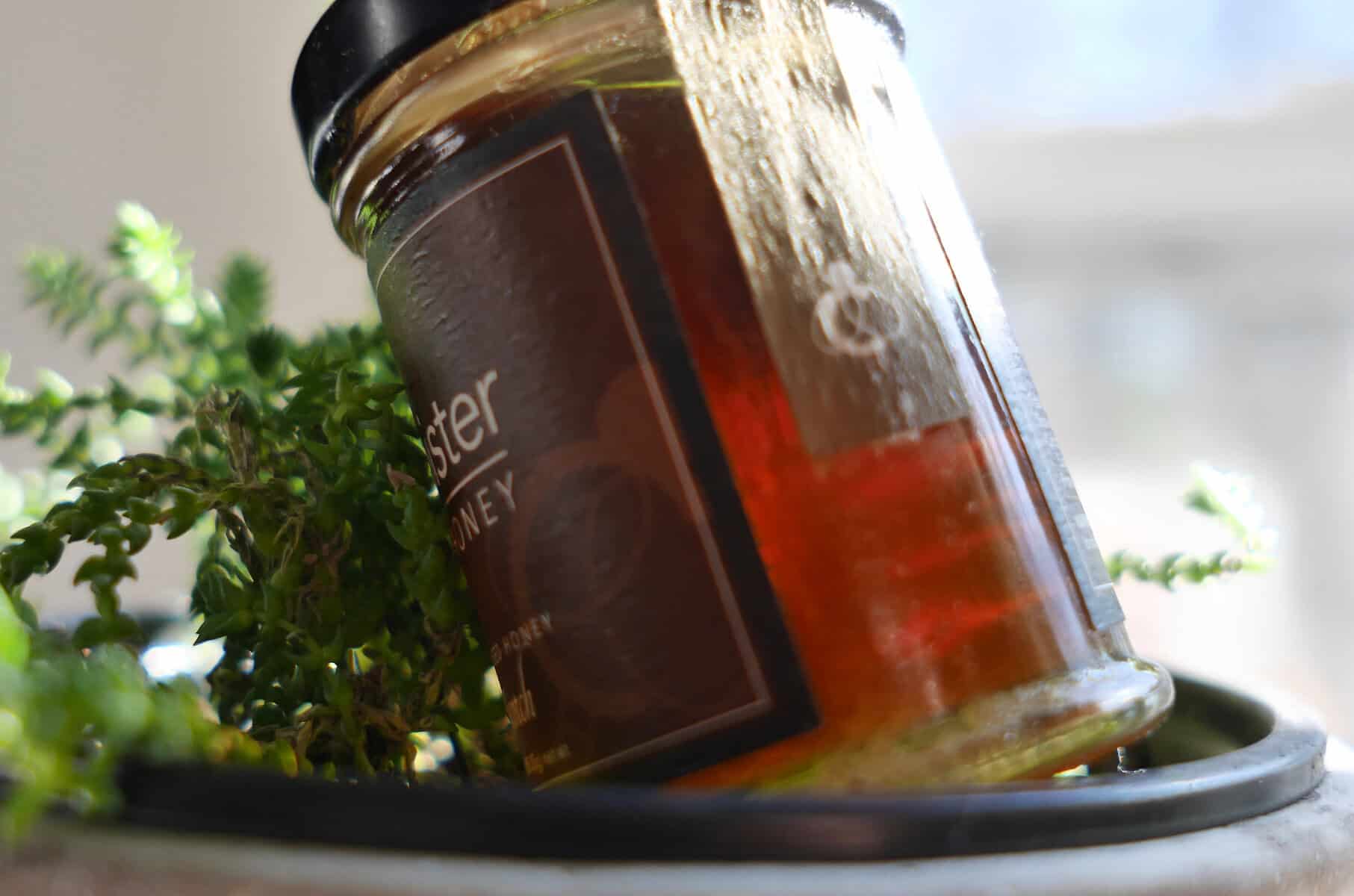
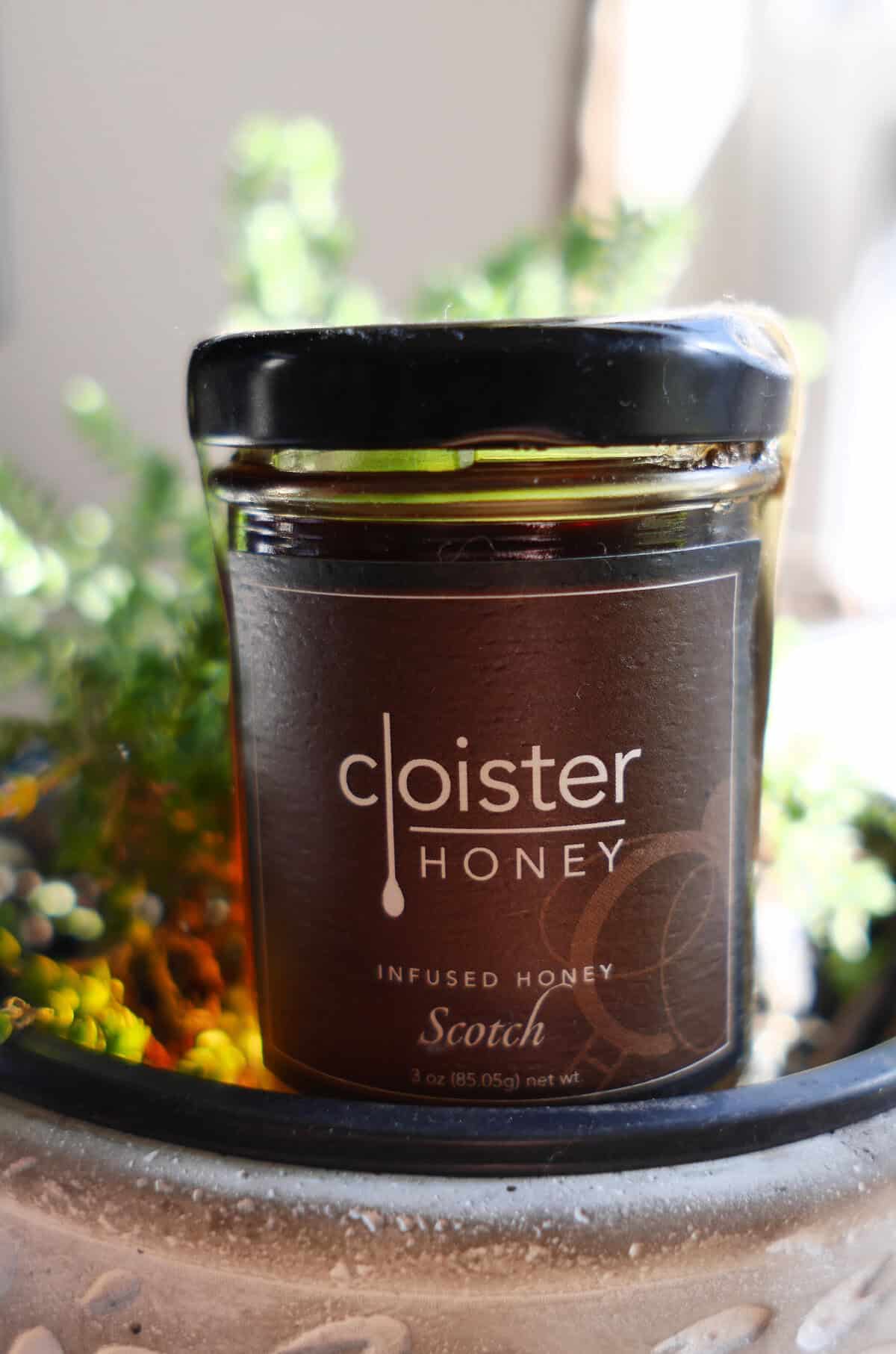
Howdy, y’all, and welcome to my raw honey review blog, where I share my love and passion for all things honey. Today, I’m going to tell y’all about a very special product that I recently tried: Cloister Infused Scotch Honey. Benefits of Raw Honey Products Some of the benefits of raw honey products are: They…
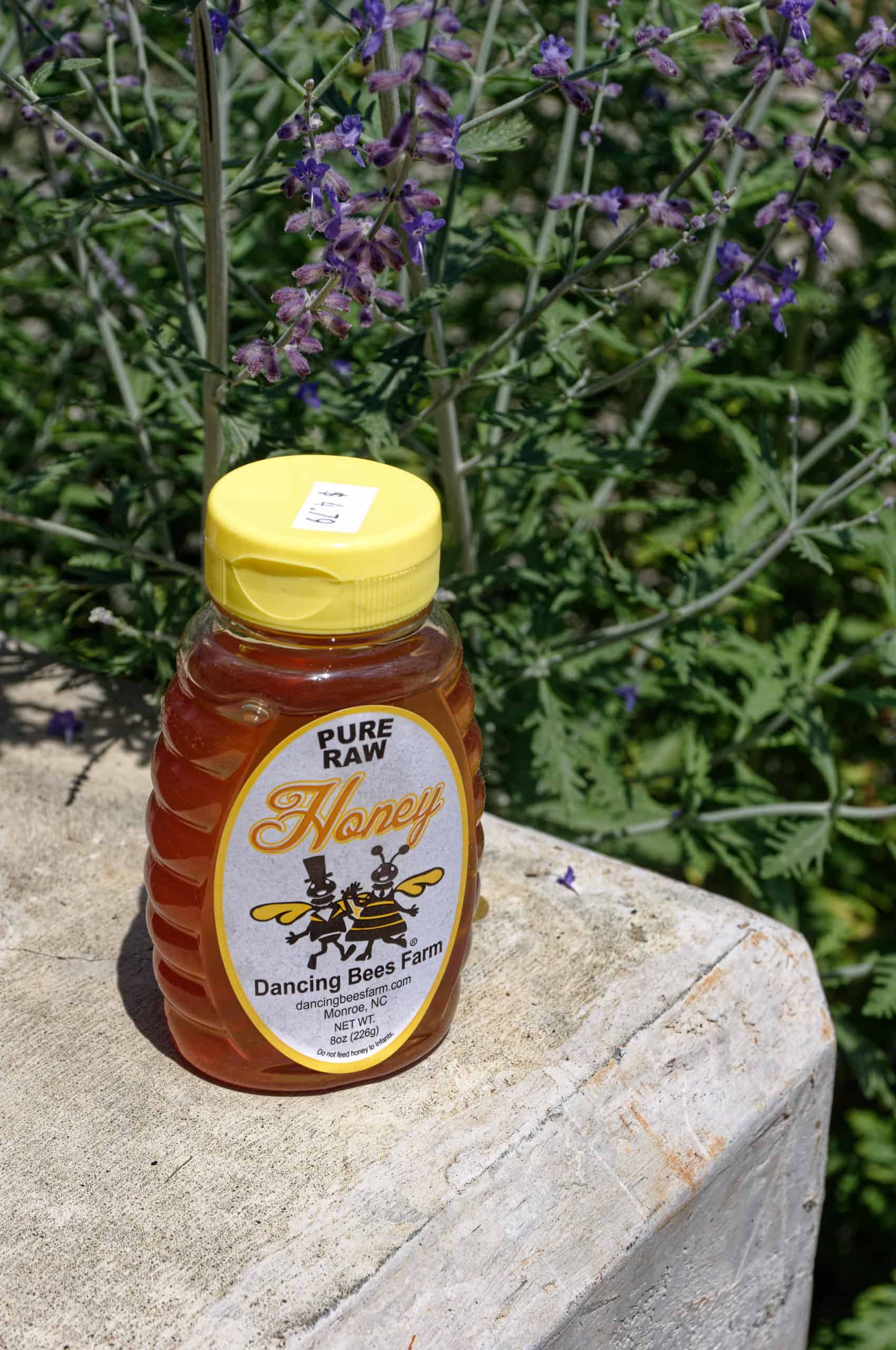
Local honey in the North Carolina Piedmont is more than just a sweetener; it’s a snapshot of our specific ecosystem. While auditing supermarket brands like Great Value Organic, I often miss the raw, unfiltered complexity found at our local markets.
For years, people have repeated the same advice: “Just take a spoonful of local honey — it’ll fix your allergies.” It’s a comforting idea, and it sounds natural enough to believe. But after reviewing dozens of raw honeys from across the country and digging into what actually triggers seasonal allergies, the truth is far less magical than the myth.
Below is what the science shows, what my own testing confirms, and why raw honey is still worth keeping in your kitchen — just not for the reason you’ve been told.
Does Local Honey Help Allergies? The Short Answer
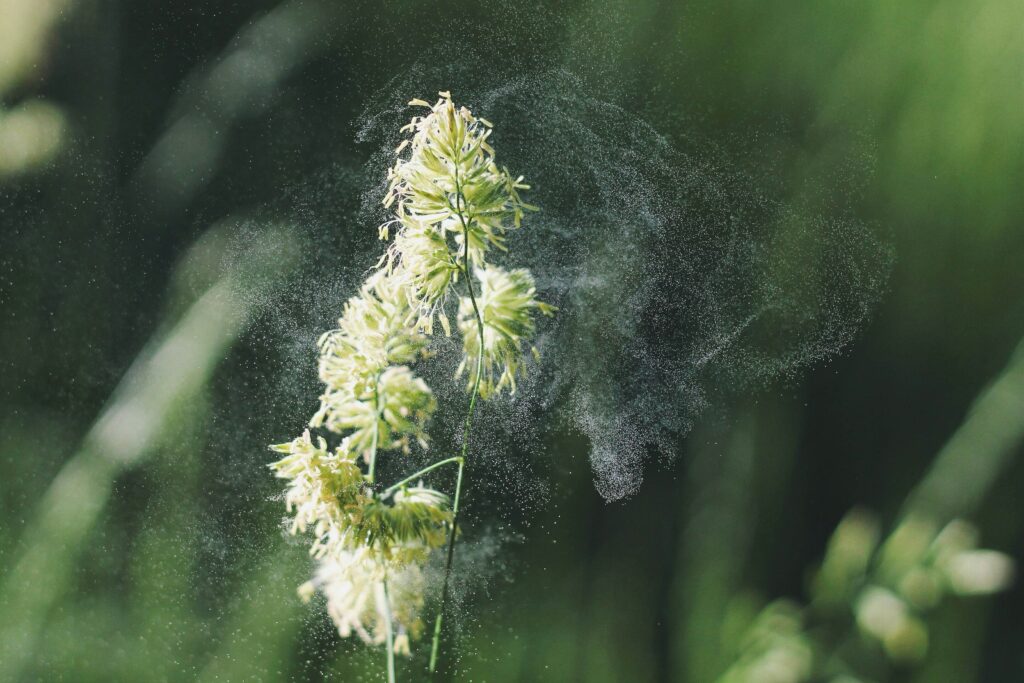
Not really. Seasonal allergies are triggered by wind‑borne pollen, not the heavy flower pollen bees collect. That means the pollen in honey isn’t the same pollen that’s making your eyes itch and your sinuses swell.
Raw honey has plenty of benefits — antioxidants, flavor complexity, antibacterial properties — but allergy relief isn’t one of its strengths.
Why the Myth Became So Popular
The idea makes intuitive sense: If pollen causes allergies, and honey contains pollen, then eating honey should “train” your immune system. It’s a clean, natural story — and that’s exactly why it spread.
Beekeepers repeat it. Farmers’ markets repeat it. Wellness blogs repeat it. But repetition doesn’t make it true.
What the Science Actually Says
Here’s the part most people never hear:
Bee‑carried pollen / allergy pollen. Bees collect flower pollen. Seasonal allergies come from trees, grasses, and weeds — pollen that’s so light it floats through the air.
Honey contains very little allergenic pollen. Even raw honey has only trace amounts of the stuff that triggers symptoms. If you want to know whether a honey is authentic, here’s How to tell if honey is real
Studies show mixed or minimal results. Some people report mild improvement, but controlled research doesn’t support honey as a reliable allergy treatment.
Crystallization, aroma, and flavor don’t correlate with allergy relief. These are quality markers — not medical ones.
Often, yes — but for reasons related to flavor, freshness, and transparency, not allergy relief.
What is honey actually good for?
Taste, antioxidants, antibacterial properties, and culinary use.
What It All Means
Local raw honey is absolutely worth buying — just not as an allergy remedy. It’s a superior food, a better sweetener, and one of the most honest agricultural products you can support. But when it comes to seasonal allergies, the myth doesn’t hold up. However, being totally honest here, as a beekeeper, I dont mind this myth because it has driven more people to purchase honey.
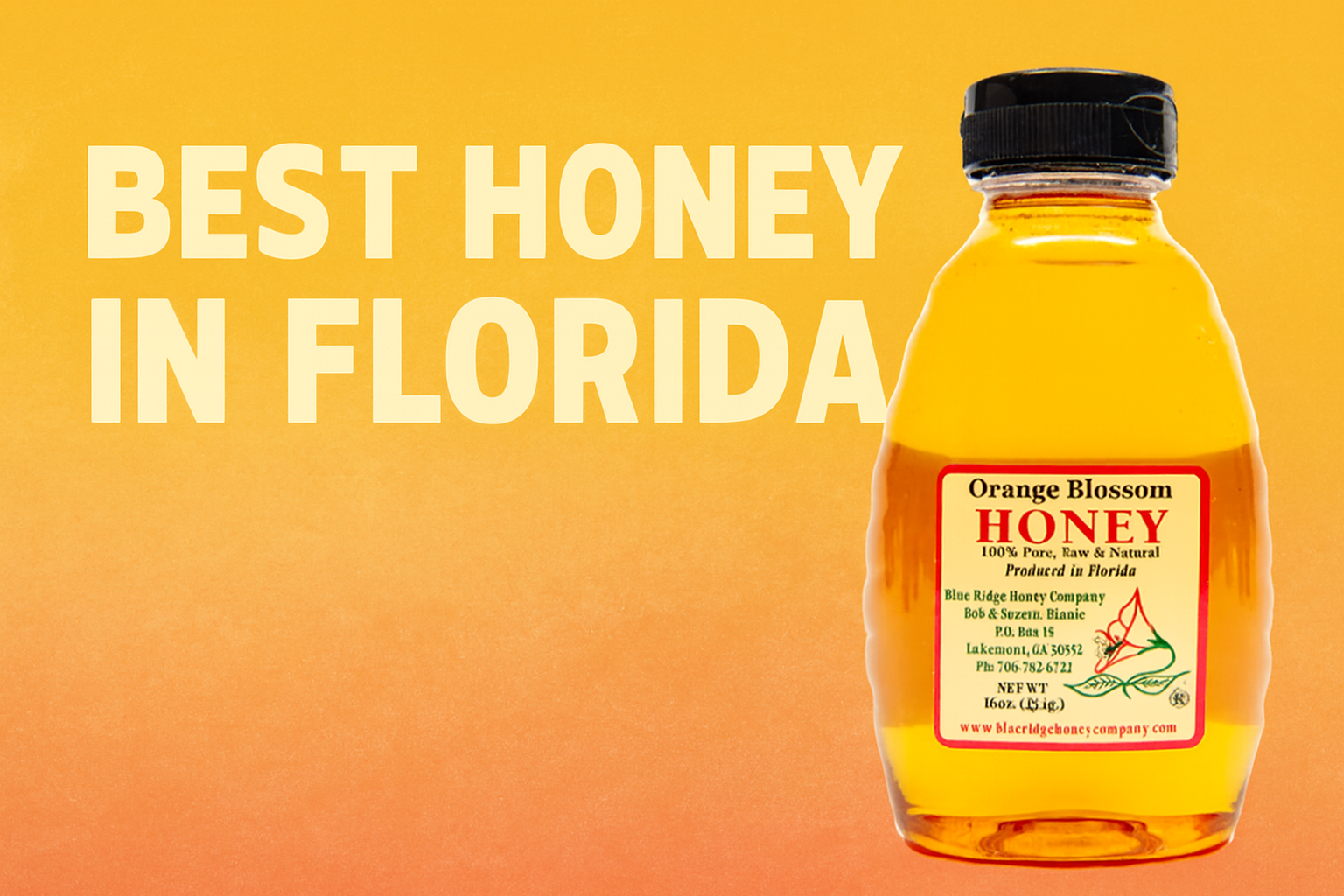
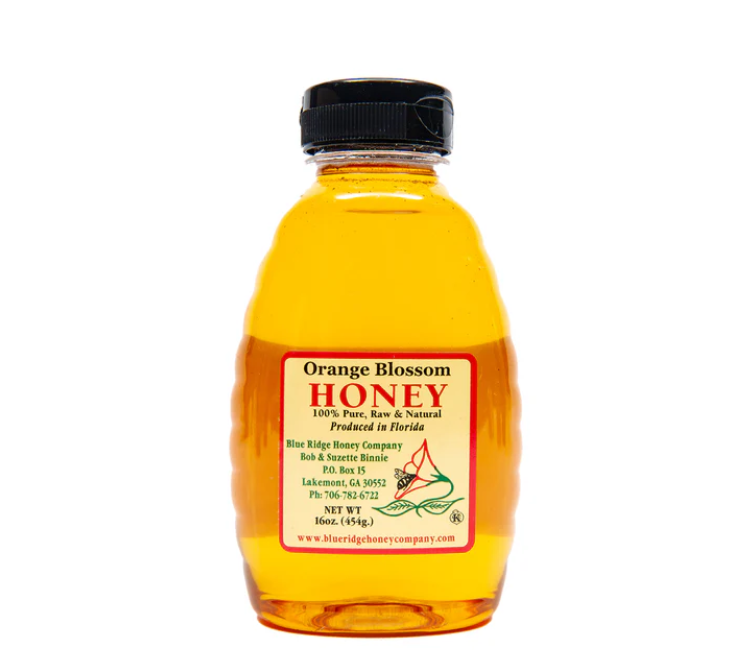
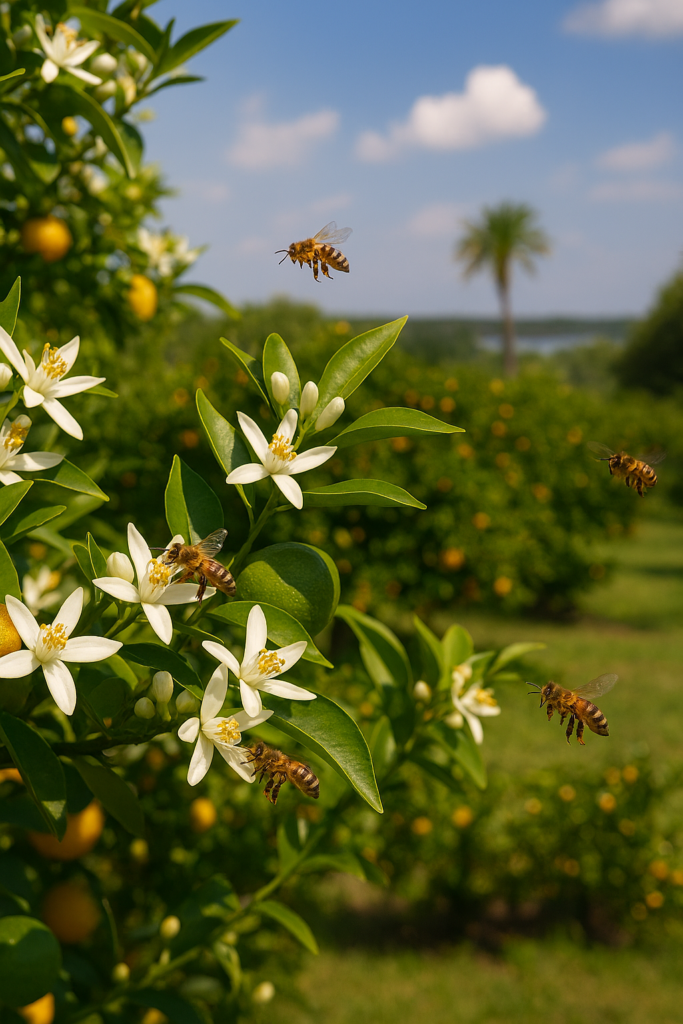
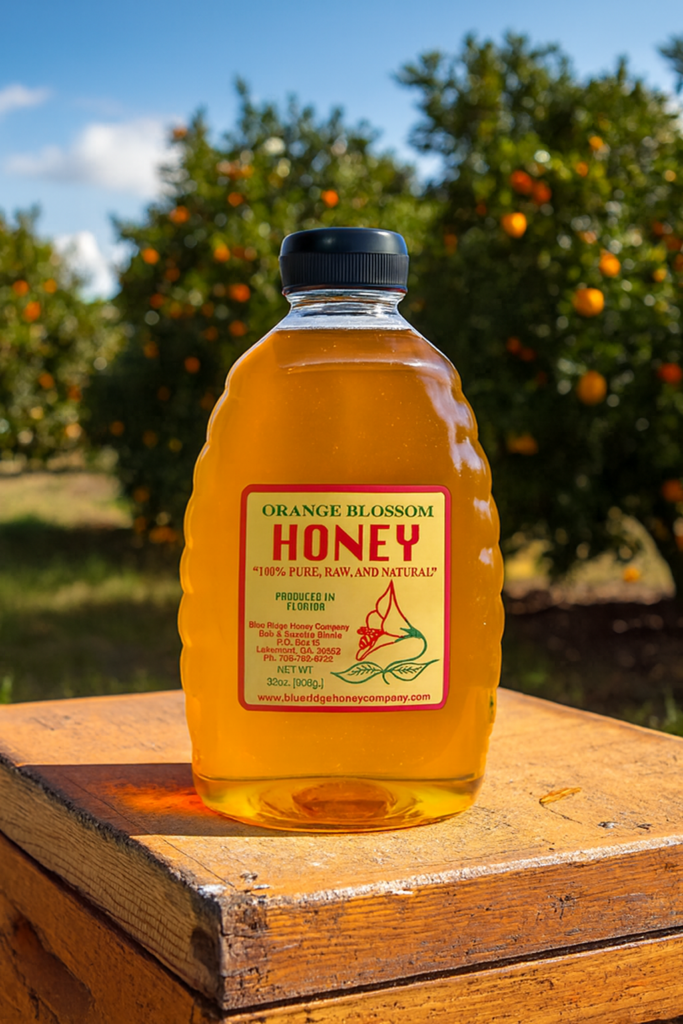
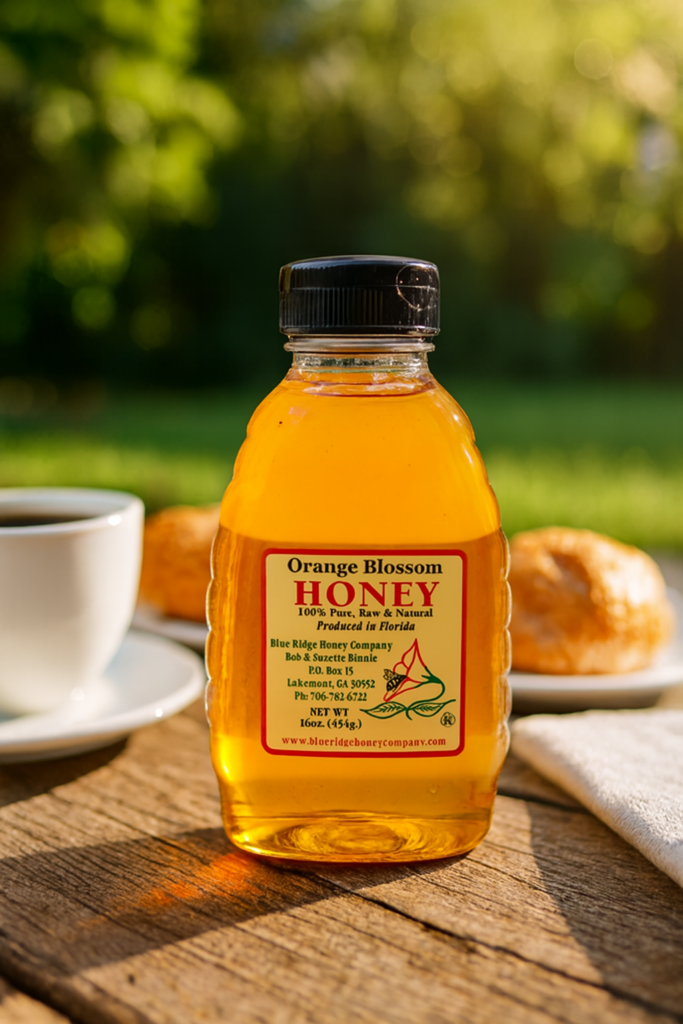
Blue Ridge Honey Company’s Orange Blossom Honey is a raw, unfiltered citrus‑blossom honey known for its bright floral aroma, light golden color, and naturally sweet, orange‑zest flavor. Sourced from Florida’s blooming citrus groves, this honey offers a clean, smooth taste with a refreshing citrus finish, making it one of the most popular orange blossom honeys for tea, baking, and everyday use.
About Blue Ridge Honey Company
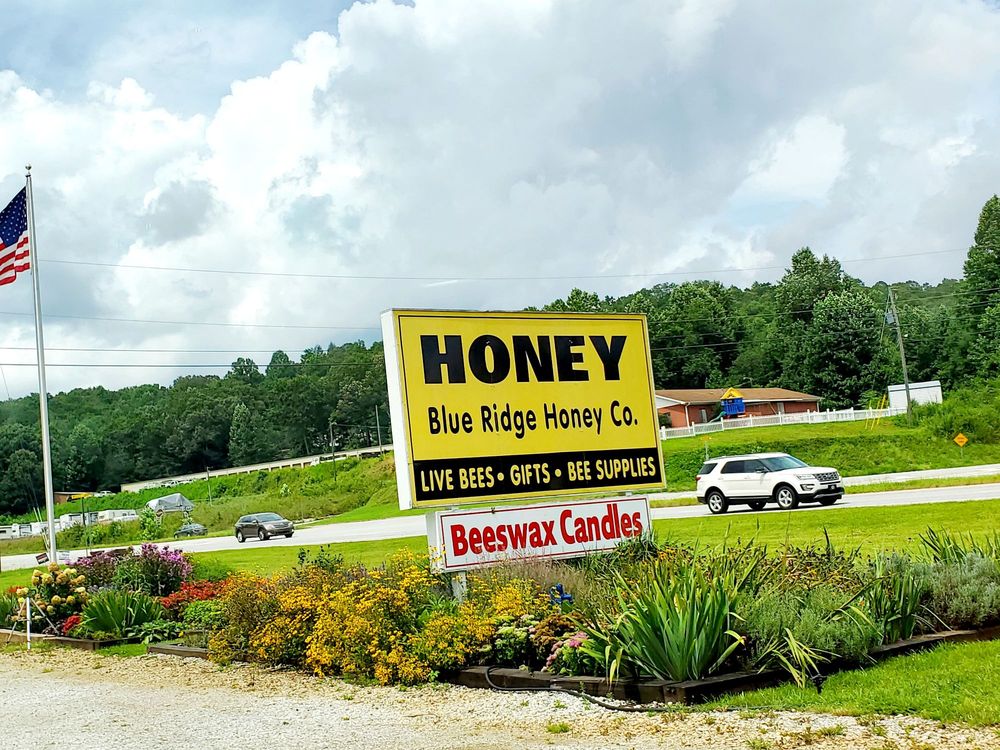
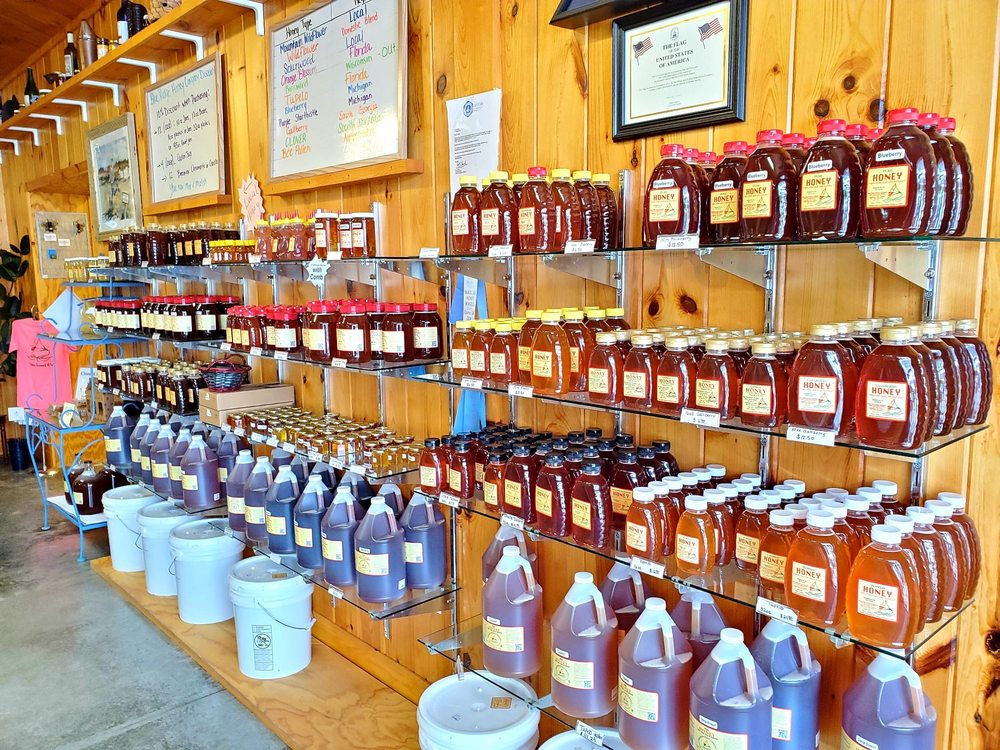
Blue Ridge Honey Company is a respected, family‑run beekeeping operation by Bob and Suzette Binnie from Lakemont Georgia. Which is located in the mountains of North Georgia. Known for producing raw, unfiltered, minimally processed honey, the company sources its Orange Blossom Honey from Florida’s citrus groves, where bees forage on fragrant orange tree blossoms. The result is a bright, floral, citrus‑forward honey that highlights the purity and craftsmanship the brand is known for.
Appearance
This Orange Blossom Honey has a radiant light golden‑amber hue, glowing with a warm citrus tint when held to the light. Its clarity is exceptional crystal‑clear and luminous, with no visible sediment or early crystallization. The viscosity is medium‑thick, flowing slowly off the spoon in smooth ribbons that signal freshness and quality.
Note : I’ve had this Honey and used it off and on, which is why it’s now crystallized which is absolutely okay and a good sign and legitimate honey.
Aroma
The aroma opens with a lush wave of citrus blossom fragrance, reminiscent of walking through a blooming orange grove at peak season. Notes of fresh orange zest, delicate white flowers, and warm nectar rise immediately. The scent is clean, natural, and inviting—free from the artificial perfume-like notes that sometimes appear in lower‑quality orange blossom honeys.
Flavor
Blue Ridge Honey Company’s Orange Blossom Honey delivers a balanced, vibrant, and naturally sweet flavor profile:
Initial taste: A soft, silky sweetness with a gentle floral lift
Mid‑palate: Distinct citrus blossom character—bright, aromatic, and lightly fruity
Finish: A clean, refreshing aftertaste with subtle hints of orange peel and sun‑warmed citrus
The flavor is elegant rather than overpowering, making it ideal for those who enjoy a refined, smooth orange blossom honey with a natural citrus glow.
Texture
The texture is silky, smooth, and medium‑bodied, coating the palate without feeling heavy. It spreads effortlessly and dissolves cleanly, leaving no graininess or waxy residue. At the time of tasting, the honey showed zero crystallization, indicating careful handling and freshness.
Price
Price is very reasonable. You can grab a taster 2oz hexagonal jar for $3.00. Or the more regular sized 16 oz squeeze bottle for $11.50 by itself or a case of 12. A 32 oz squeeze jar for $21.50 or a case 12 for $232.20. If you need the largest amount they sell, you can pick up a gallon for $103.00.
Use Cases
This honey excels in dishes and pairings where a light citrus‑floral sweetness enhances the overall flavor:
Drizzled over yogurt, ricotta, or fresh berries
Stirred into herbal, chamomile, or green tea
Paired with mild cheeses like mascarpone or goat cheese
Used in vinaigrettes, citrus glazes, or marinades for chicken and seafood
Added to baked goods for a subtle orange‑infused sweetness
Its versatility makes it a standout choice for both everyday use and specialty recipes. Chefs love orange blossom honey because it delivers bright, aromatic citrus notes that elevate both sweet and savory dishes without overpowering them. Its delicate floral flavor adds complexity to dressings, marinades, pastries, and glazes, making it one of the most versatile honeys in a professional kitchen. The clean, smooth finish blends seamlessly into sauces and beverages, while its natural sweetness enhances ingredients rather than masking them. For chefs who value balance, nuance, and aroma, orange blossom honey is a go‑to ingredient that consistently adds depth and refinement.
Overall Impression
Blue Ridge Honey Company’s Orange Blossom Honey is a clean, fragrant, and beautifully balanced citrus blossom honey with exceptional clarity and a smooth, refreshing finish. Its gentle floral sweetness and natural orange blossom character make it an excellent option for anyone seeking a high‑quality, authentic orange blossom honey sourced from trusted beekeepers.
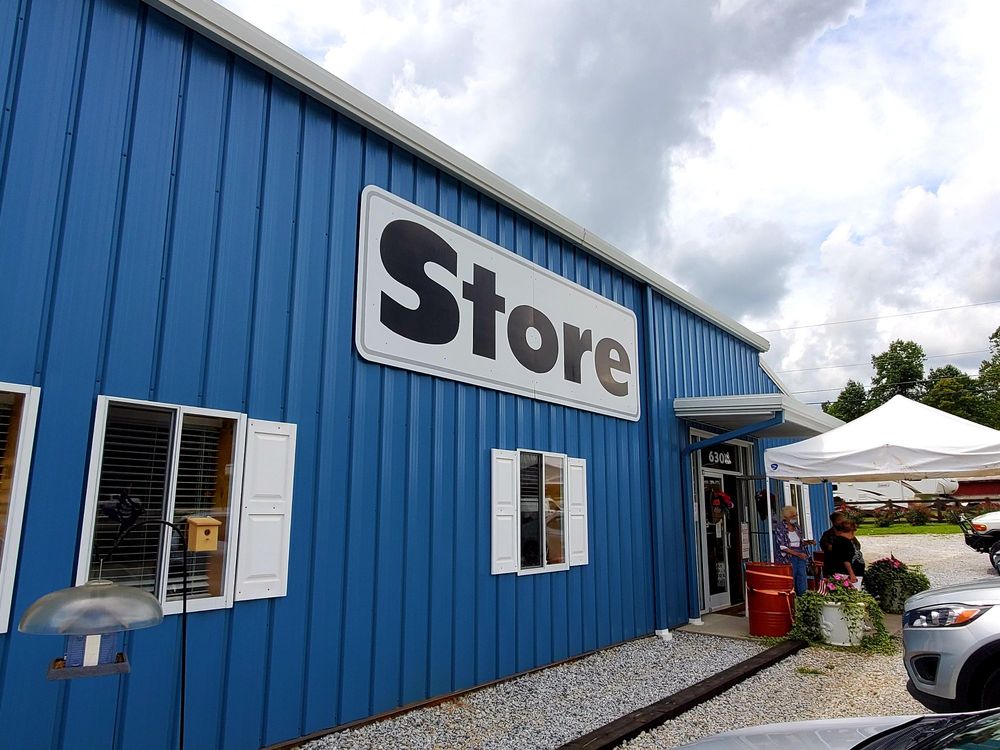
So, if you’re looking for a honey that’s got a little bit of Southern charm and a whole lot of flavor, you can’t go wrong with this Orange Blossom Honey from Blue Ridge Honey Company. It’s the real deal, not some commercial honey syrup. Locals can find their google maps listing HERE.
Blue Ridge Honey Company Orange Blossom Honey stands out as a bright, citrus‑forward raw honey sourced from Florida’s fragrant orange groves. Its clarity, warm golden‑amber color, and smooth, medium‑thick texture reflect careful handling and genuine purity. The aroma opens with lush citrus blossom notes—fresh orange zest, white flowers, and warm nectar—while the flavor delivers a balanced sweetness with a clean, refreshing finish touched by subtle orange peel. Versatile and naturally vibrant, this honey shines in teas, yogurt, cheeses, baked goods, and glazes. Overall, it’s a clean, fragrant, and beautifully balanced orange blossom honey crafted by trusted beekeepers committed to quality.
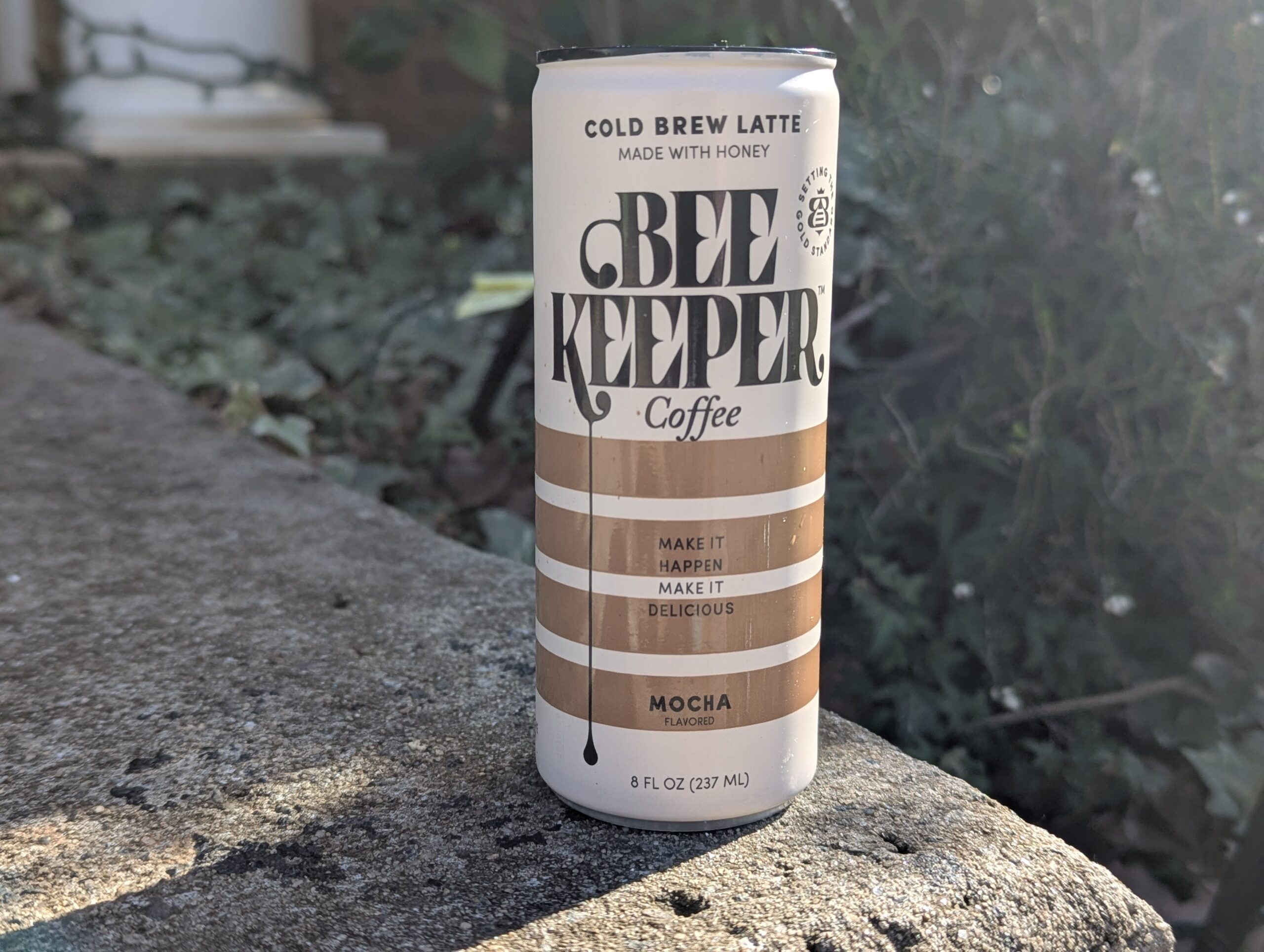
Beekeeper Coffee is a standout entry in the specialty coffee world, blending high‑quality coffee with the natural sweetness of honey to create a smooth, balanced, and health‑forward beverage. As consumers increasingly look for clean ingredients and alternatives to refined sugar, honey‑infused coffee has carved out a niche of its own — and Beekeeper Coffee sits at the center of that movement.
This drink isn’t just about adding sweetness. Honey brings antioxidants, trace minerals, and a gentler energy lift, making it a compelling option for coffee lovers who want flavor without compromise. Combined with ethically sourced beans and a focus on sustainability, Beekeeper Coffee offers a thoughtful, modern take on a classic morning ritual.
About Beekeeper Coffee
Beekeeper Coffee was founded in 2023 with a simple but meaningful mission: to bring a fresh voice to the coffee world by blending craftsmanship, community, and creativity. The brand was built by individuals from diverse backgrounds who share a common vision — to create something together that reflects the next chapter of their story. This collaborative spirit shows up in everything they make, from their bold Black Cold Brew to their creamy lattes infused with real Oregon honey.
Their approach centers on quality and intention. Every flavor is crafted with Honduran coffee beans and a touch of pure honey, resulting in a lineup that’s smooth, energizing, and naturally sweetened. Beyond beverages, Beekeeper Coffee has expanded into merch, Instacart delivery, and even a signature Hot Honey product, reinforcing their identity as a modern, lifestyle‑driven coffee brand.
What sets Beekeeper Coffee apart is their commitment to warmth — not just in flavor, but in community. They invite customers to “join the movement,” stay connected on social media, and become part of a growing hive of coffee lovers who appreciate bold flavor, clean ingredients, and a brand with heart.
Distinctive Features of Beekeeper Coffee
Beekeeper Coffee’s Sustainability Promise
Beekeeper Coffee positions sustainability at the heart of its identity, approaching coffee not just as a product but as a responsibility. The brand recognizes the environmental pressures tied to global coffee production and has built its sourcing and packaging philosophy around reducing impact, supporting farming communities, and protecting the ecosystems that make great coffee possible.
Responsible Sourcing From the Ground Up
Beekeeper Coffee partners with small‑scale farmers who prioritize environmentally conscious growing methods. These farms rely on practices such as organic cultivation, careful water management, and biodiversity protection — all of which contribute to healthier soil, cleaner ecosystems, and higher‑quality beans. By choosing to work directly with these growers, the company helps strengthen local economies while ensuring that every batch of coffee reflects ethical and sustainable stewardship.
Fair compensation is another cornerstone of their sourcing model. Beekeeper Coffee maintains direct relationships with farmers to ensure safe working conditions, transparent pricing, and wages that support long‑term community stability. This commitment to fair trade principles not only elevates the quality of the coffee but also reinforces the brand’s dedication to the people behind each harvest.
Regenerative Farming for Long‑Term Impact
Beyond traditional sustainability, Beekeeper Coffee actively supports regenerative agriculture — a forward‑thinking approach designed to restore and enrich the land. Techniques such as agroforestry, where shade trees grow alongside coffee plants, help prevent erosion, improve soil health, and create habitats for wildlife. These methods strengthen the resilience of coffee‑growing regions, particularly those vulnerable to climate change, ensuring that future generations can continue cultivating exceptional coffee.
Eco‑Conscious Packaging and Waste Reduction
Sustainability doesn’t end at the farm. Beekeeper Coffee extends its environmental commitment to its packaging, using recyclable and compostable materials to reduce waste. Their coffee bags are designed with minimal environmental impact in mind, offering consumers a more responsible way to enjoy their daily brew.
The brand also encourages customers to participate in its eco‑efforts by offering reusable containers and promoting the recycling of coffee bags. This shared responsibility model reflects Beekeeper Coffee’s belief that sustainability is a collective effort — one that spans from the farm to the roastery to the final cup.
Beekeeper Coffee sets itself apart through a combination of ingredient quality, ethical sourcing, and a naturally sweetened flavor profile.
Organic honey as the sweetener Instead of refined sugar, the brew uses natural honey rich in antioxidants and micronutrients. This creates a smoother sweetness that complements — rather than masks — the coffee’s natural character.
Ethically sourced, premium beans The brand emphasizes sustainable farming practices and transparent sourcing. Beans are selected for their flavor clarity and environmental impact, supporting growers who prioritize eco‑friendly cultivation.
A health‑conscious formulation Honey provides a more stable energy release than processed sugars, making this coffee appealing to those who want a flavorful cup without the blood‑sugar spikes associated with sweetened beverages.
Together, these elements create a coffee that feels intentional, balanced, and aligned with modern wellness trends.
Taste Test and Flavor Profile
Opening a can of Beekeeper Coffee reveals a warm, inviting aroma — floral honey notes layered over freshly roasted coffee. Because these are ready‑to‑drink cold brew cans, you can enjoy them straight from the can or pour them over ice for a smoother, café‑style experience. Either way, the fragrance deepens as it settles, hinting at a cup that’s both comforting and complex.
Recently, I tried the Mocha Latte, and it immediately stood out as one of the more balanced honey‑infused mochas I’ve tasted. The aroma leans richer than the standard brew — a blend of cocoa, roasted coffee, and a soft honey sweetness that rises as soon as the can opens. The first sip delivers a silky texture with a chocolate note that feels natural rather than syrupy, which is rare for canned mochas. The honey doesn’t compete with the chocolate; instead, it rounds out the edges, giving the drink a smooth, cohesive sweetness.
As the Mocha Latte warms slightly in the glass, the flavor opens up even more. The cocoa becomes deeper and more pronounced, almost like a light dark‑chocolate finish, while the honey adds a gentle lift that keeps the drink from feeling heavy. It’s the kind of mocha that satisfies the craving for something sweet without tipping into dessert territory — a balance that’s surprisingly hard to achieve in ready‑to‑drink coffee.
Where It Falls Short
While the flavor is well‑crafted, the Mocha Latte isn’t without its drawbacks:
Sweetness may be too forward for those who prefer a more traditional, unsweetened cold brew. The honey is subtle, but combined with the mocha, it can lean sweeter than expected.
The chocolate note is lighter than some mocha drinkers might want. If you’re looking for a bold, rich chocolate punch, this version leans more delicate and refined.
The texture is smooth but slightly thinner than a café‑style mocha latte, which may leave some wanting a creamier mouthfeel.
These aren’t deal‑breakers, but they’re worth noting for drinkers who have strong preferences in the mocha category.
General Flavor Notes Across the Lineup
Across the Beekeeper Coffee lineup, the first sip typically delivers:
A smooth, medium‑bodied texture
Subtle honey sweetness that softens bitterness without overpowering the coffee
Bright citrus top notes that add lift
Cocoa and caramel undertones that emerge as the cup cools
The finish is clean with a gentle lingering sweetness, thanks to the honey infusion. Acidity is balanced, making these coffees approachable for both casual drinkers and seasoned coffee enthusiasts. The Mocha Latte, in particular, showcases how well honey can complement chocolate and coffee when used with restraint and intention — even if the sweetness and lightness won’t be ideal for everyone.
Comparing Beekeeper’s Coffee with Traditional Coffee
Feature
Beekeeper Coffee
Traditional Coffee
Sweetener
Natural honey
Sugar or none
Flavor
Smooth, lightly sweet, floral
Bold, acidic, or bitter depending on roast
Brewing considerations
Optimized for honey integration
Standard extraction
Health profile
Antioxidants + gentler energy release
Caffeine‑driven energy
While traditional coffee appeals to those who prefer a sharper, more robust cup, Beekeeper Coffee offers a softer, more nuanced experience — especially for drinkers who find regular coffee too harsh.
Potential Health Benefits of Beekeeper’s Coffee
Honey‑infused coffee brings several wellness‑aligned advantages:
Natural antioxidants from both coffee and honey
Prebiotic properties that may support gut health
More stable energy thanks to honey’s slower sugar absorption
Reduced reliance on refined sweeteners
While it’s not a health product per se, Beekeeper Coffee fits well into a balanced lifestyle and offers a gentler alternative to heavily sweetened coffee drinks.
Sustainability and Ethical Sourcing
Beekeeper Coffee emphasizes responsible sourcing on two fronts:
Supporting local beekeepers Honey production plays a vital role in pollinator health and agricultural ecosystems. By using honey from responsible beekeepers, the brand contributes to sustainable apiculture.
Environmentally conscious coffee farming Partner farms prioritize soil health, biodiversity, and fair labor practices. This transparency helps ensure that every cup supports ethical agricultural systems.
This dual commitment resonates with consumers who value sustainability as much as flavor.
Consumer Reviews and Feedback
Customer feedback highlights several recurring themes:
Positive notes:
Smooth, balanced sweetness
Unique flavor profile
Appreciation for natural ingredients
Strong aroma and clean finish
Sustainability as a selling point
Constructive critiques:
Some find the sweetness stronger than expected
Price point is slightly higher than standard coffee
Overall, reviews lean strongly positive, especially among drinkers seeking a healthier or more artisanal coffee experience.
Conclusion: Is Beekeeper Coffee Worth It?
Beekeeper Coffee delivers a thoughtful blend of flavor, wellness, and sustainability. Its honey‑infused profile offers a refreshing alternative to traditional coffee, appealing to those who want natural sweetness, smoother acidity, and a more balanced energy lift.
With its clean ingredient list, ethical sourcing, and standout taste, Beekeeper Coffee earns its place as a compelling option for anyone looking to elevate their daily cup. For coffee lovers curious about honey‑enhanced blends, this one is absolutely worth trying.
Let’s get real. Most of what’s sold as “honey” in grocery stores isn’t honey—it’s heat-treated syrup wrapped in golden lies. If the jar on your shelf came from a big-box brand, chances are it’s been stripped of everything good: enzymes, pollen, even origin transparency. That doesn’t just dilute the flavor—it erases the story.
Raw honey, on the other hand, doesn’t play by those rules. It’s messy, local, inconsistent—and absolutely glorious for it.
So why aren’t more people tasting the truth?Because convenience culture and corporate marketing have convinced shoppers that uniformity equals quality. It doesn’t.
The Great Honey Hoax
Pasteurized honey may pour faster and look prettier, but it’s a nutritional imposter. Heating honey destroys the enzymes that give it antioxidant power. It also erases any trace of pollen—the one ingredient that links it to place.
And without pollen? You’ve got sugar water in disguise.
Common Question
“Is raw honey healthier than organic?” or “Does heating honey destroy its benefits?”
Absolutely. Pasteurization undercuts what makes honey functional, not just flavorful.
Why Raw Honey Breaks the Mold (and Why That’s Good)
People love neat rows of identical jars. But raw honey laughs at uniformity. Its color, texture, and taste are influenced by season, soil, and wild nectar. One batch might crystallize, the next might drizzle like molasses. That’s not a flaw—it’s a fingerprint.
Raw honey deserves a rebrand—from quaint health food to rebellious masterpiece.
The Grocery Store Conspiracy: What Big Honey Isn’t Telling You
Let’s name names. Major brands—yes, even some labeled “organic”—often ultrafilter their product to remove pollen. Why? Because it lets them dodge questions about origin. I really dislike the organic label, at least here in the US.
No pollen means no traceability. And without traceability, companies can blend honeys from multiple countries (sometimes including those with lax food safety laws) and label it “pure.”
So you think you’re buying U.S.-made honey. You’re probably eating a cocktail of international syrups.
Common Question
“Where does my honey come from?” and “Is imported honey safe?”
If your honey has been ultrafiltered, pasteurized, or stripped of pollen, the short answer is: you may never know.As a Beekeeper, if you can’t trace it, don’t taste it.
Reclaiming Flavor: Raw Honey as Protest
Enough doomscrolling. Let’s talk delight.
Eating raw honey is an act of rebellion. It’s choosing flavor over uniformity, traceability over marketing, and real over pretty. It’s supporting beekeepers who fight monoculture, who let bees forage in wild pastures, who treat hives like ecosystems—not factories.
Here’s what raw honey gives you:
Bittersweet tangs from buckwheat fields
Citrus sparkle from coastal groves
Herbal nuance from mountain wildflowers
And no two jars taste the same. That unpredictability? It’s a feature. This is why I have such a fascination with tasting and collecting raw Honey.
Five Bold Ways to Use Raw Honey (That Might Upset a Chef)
Drizzle it over blue cheese. Yes, even the funky stuff. Let the saltiness dance with raw honey’s natural acid.
Slather it on pizza crust. Pineapple is the easy controversy. Real honey is the upgrade nobody saw coming. Although Mike’s Hot Honey caught on, and now that is everywhere. Makes me wonder about their legitimacy.
Stir it into mezcal. Raw honey amplifies earthy cocktails with fire-kissed sweetness.
Use it as a marinade—without measuring. You don’t need perfection. You need instinct.
Eat it from the spoon, unapologetically. Yes, even in front of guests. Seriously, a tablespoon a night will do wonders for your kids. Mine love it.
Who’s Making the Good Stuff? (Hint: Not the Usual Suspects)
Skip brands that promise consistency. That’s code for over-processed.
Go for:
Apiaries that post harvest dates (rare, but love to see it)
Wildflower blends from regions you recognize
Honeys that crystallize with pride – yes this is a good thing.
Raw Honey vs. Fake Honey: The Truth Beneath the Lid
What They Do
Raw Honey
Fake Honey
Processing
Unheated, unfiltered
Pasteurized, ultrafiltered
Pollen Content
Preserved (traceable origin)
Removed (no traceability)
Flavor Profile
Varied by season & region
Flat, blended for consistency
Texture
May crystallize naturally
Always liquid due to heating
Label Transparency
Often includes source + harvest
Vague terms like “natural blend” “organic” “pure” “raw”
Health Benefits
Contains enzymes & antioxidants
Mostly sugar, lacks active compounds
Sourcing Integrity
Local apiaries, single-origin jars
Blended international syrups
Price Point
Higher but reflects quality
Lower—but quality is compromised
Environmental Impact
Supports ethical beekeeping
May fund exploitative mass farming
That honesty? It’s what makes The Honey Review an extension of me. Readers crave bold opinions, not just tasting notes. I try to do both.
Final Buzz: Don’t Be Afraid of the Sticky Truth
Raw honey is untamed. It doesn’t cater to mass markets. It might challenge your palate. It might change your kitchen. And once you taste what real honey can be, you’ll never squeeze a plastic bear again.
Raw honey isn’t just a sweet treat—it’s a natural powerhouse with benefits that stretch far beyond your morning toast. Whether you’re a wellness enthusiast or just honey-curious, here are five timeless ways to make the most of every golden drop.
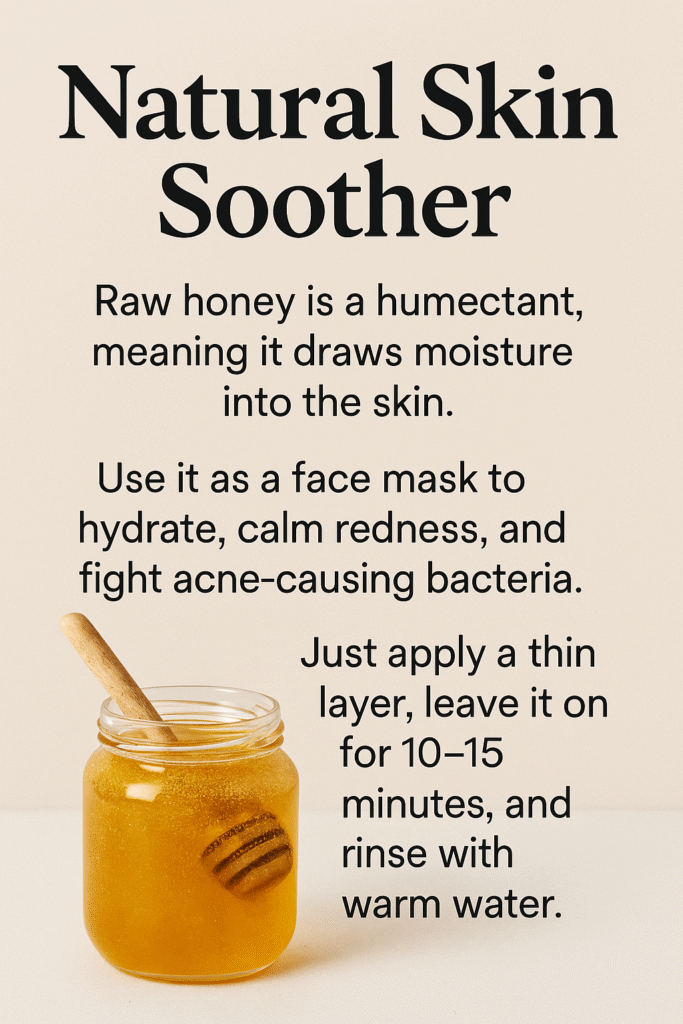
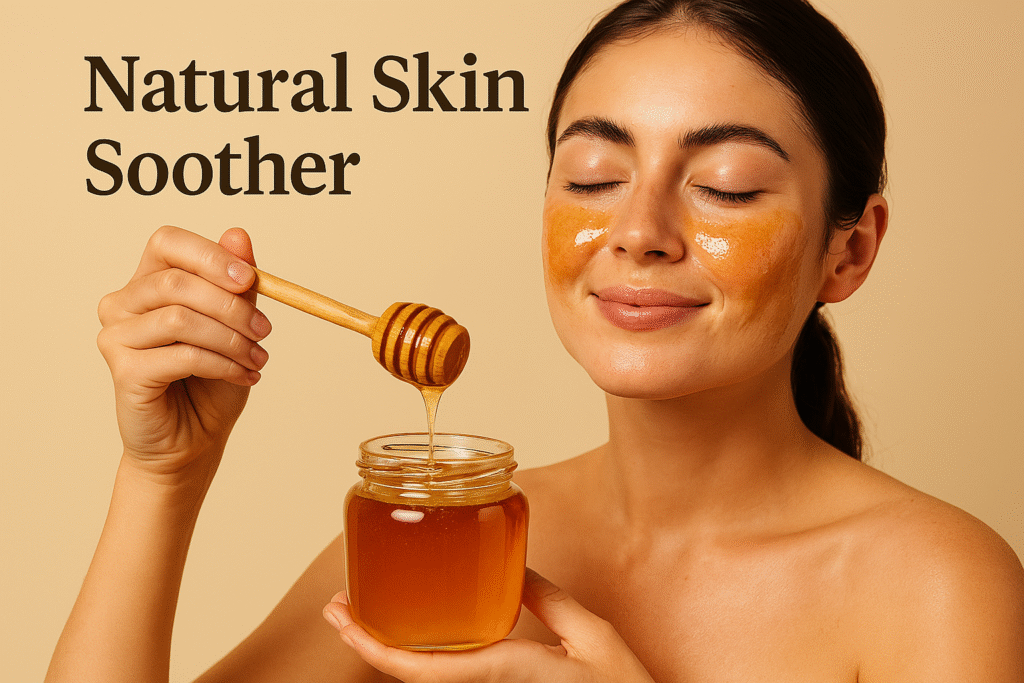
1. Natural Skin Soother
When it comes to natural skincare, raw honey is basically the Beyoncé of the pantry—always glowing, endlessly reliable, and naturally gifted. Thanks to its humectant properties, it pulls moisture from the air right into your skin, making it ideal for anyone battling dryness or dullness. While other moisturizers might sit on the surface, honey gets to work deep below, helping your skin hold onto hydration like it’s hoarding sunshine.
But honey’s benefits go beyond hydration. It’s naturally antibacterial and antimicrobial—meaning it doesn’t just sit there looking pretty. It actively works to cleanse pores and prevent the buildup of acne-causing bacteria. Think of it like a gentle bouncer for your face: keeping the good stuff in and showing the bad guys out, all without the harshness of chemical ingredients.
Got sensitive skin or redness that flares up faster than gossip in a group chat? Honey’s anti-inflammatory compounds are here to hush it. Applying it as a face mask calms irritation and gives your complexion a more even tone. And because it’s so gentle, it’s a great option even for those with rosacea or eczema—just do a patch test first to be safe.
The best part? There’s no need to overcomplicate it. Simply smooth a thin layer of raw honey over clean, dry skin and let it work its magic for 10 to 15 minutes. Rinse with warm water and pat dry for that post-facial glow—no spa appointment needed. For an extra boost, try mixing in a teaspoon of yogurt (for exfoliation) or a dash of turmeric (for brightening). Boom: DIY glow-up.
So the next time your skin’s throwing a tantrum, skip the $80 serum and reach for the golden goo in your cupboard. Nature’s been perfecting this recipe for millennia—and she didn’t even need a marketing team.
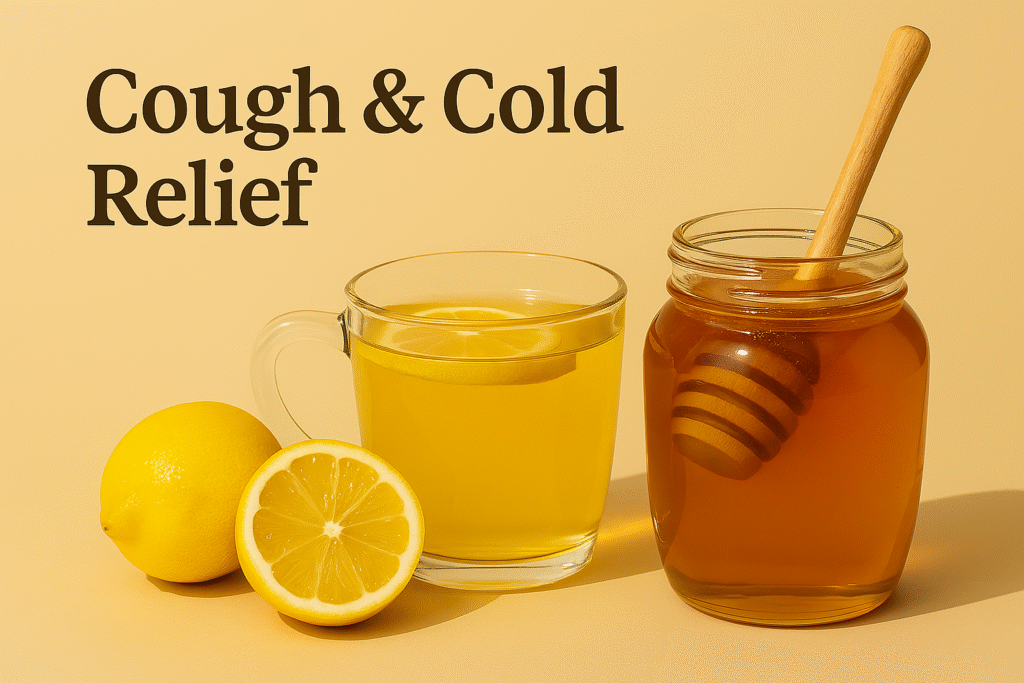
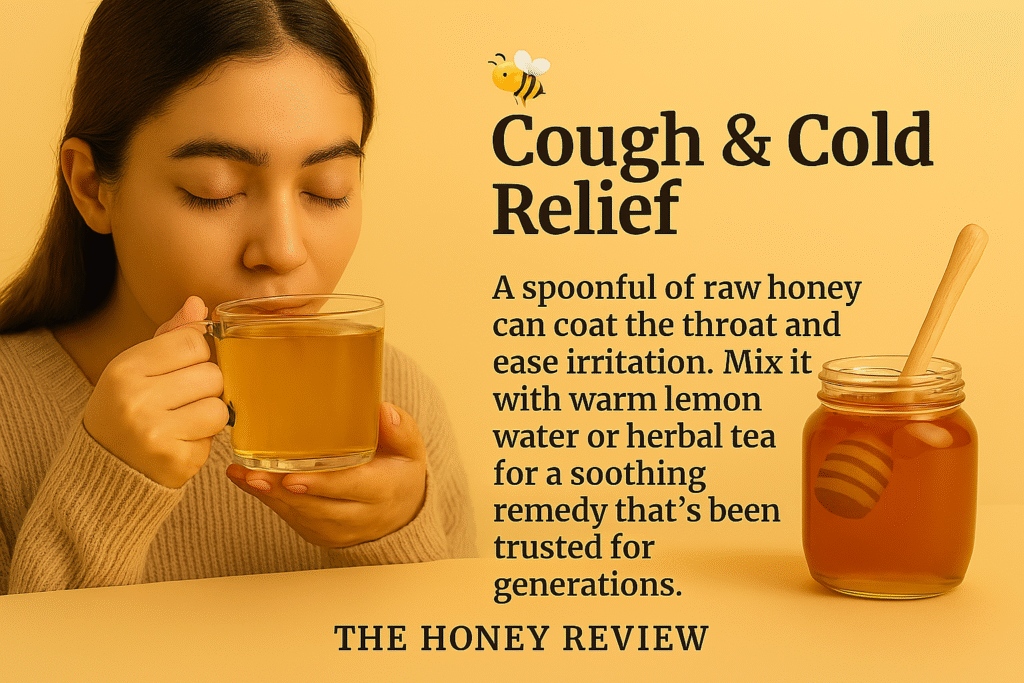
2. Cough & Cold Relief
When your throat starts feeling like you swallowed sandpaper, raw honey comes through like your herbalist best friend with a velvet voice. That golden spoonful doesn’t just taste like comfort—it actually is comfort, thanks to honey’s natural ability to coat and soothe the throat. No synthetic syrups here—just nature’s own remedy doing what it’s been doing for centuries.
Raw honey is antimicrobial, which means it doesn’t just sit there looking pretty—it’s actually fighting the good fight against whatever’s making your throat scratchy. Stir it into warm lemon water (never boiling—let’s not destroy all that goodness), and you’ve got a DIY throat elixir that tastes as lovely as it feels. Bonus points if you add ginger, chamomile, or a sprig of thyme for that apothecary flair.
What sets honey apart from over-the-counter syrups is its ability to offer real relief and a side of sweetness—without the drowsiness or artificial dyes. Studies have even backed it up: a spoonful of raw honey before bed can quiet nighttime coughs better than some commercial meds. Your body rests easier, and your sinuses stop throwing a tantrum.
So the next time you feel the sniffles creeping in, skip the fluorescent aisle and grab your favorite local jar instead. It’s a wellness ritual that feels like a hug from your insides out—and your taste buds won’t complain either.
3. DIY Energy Boost
When your energy’s dragging like a Monday morning mood, skip the fluorescent gels with ingredients you can’t pronounce and turn to nature’s OG pick-me-up: raw honey. This golden goodness isn’t just for your tea and toast—it’s a fast-acting, naturally sweet source of quick-release carbohydrates that your body knows exactly how to use. One spoonful, and you’re fueling up with something bees made—not a lab.
Here’s the buzz: raw honey breaks down quickly in the body thanks to its simple sugars, glucose and fructose. That makes it an ideal pre-ride or pre-workout snack. You get the benefit of a quick energy spike without the crash-and-burn that comes with overly processed alternatives. And unlike those synthetic gels that taste like regret, honey actually tastes good going down—like warm sunshine with a hint of wildflower.
Athletes (and beekeepers) have long used honey as a natural energy source. It provides the perfect balance between speed and stamina—enough oomph to get you through the hills but gentle enough to avoid the jitters. Pop a spoonful 15–30 minutes before heading out, or swirl it into a banana smoothie for an extra boost that doesn’t feel like a science experiment.
Honey Citrus Electrolyte Drink
Serving Size:
Single
Time:
Few Minutes
Difficulty:
Easy
Ingredients
1 Tablespoon of Raw Honey
1 1/2 cups of cold water
1/2 cup fresh orange juice
2 Tablespoons of lemon juice
Pinch of sea salt
Optional: A few mint leaves or a dash of grated ginger
Directions
Whisk together the honey and citrus juices until fully dissolved
Add cold water and stir in the pinch of sea salt.
Toss in fresh mint or ginger if using, then chill or serve over ice
And let’s not forget the portability factor. Raw honey fits into pouches, packets, or—if you’re feeling rustic—a mini mason jar. It’s the kind of pocket fuel your ancestors would’ve approved of, minus the neon branding and mystery chemicals.
So next time you’re prepping for a ride, a workout, or just the chaos of daily life, give the energy gels a polite wave and reach for your local jar. Your body (and your taste buds) will thank you. Also consider trying my favorite energy-based Tea with a spoon of raw honey.
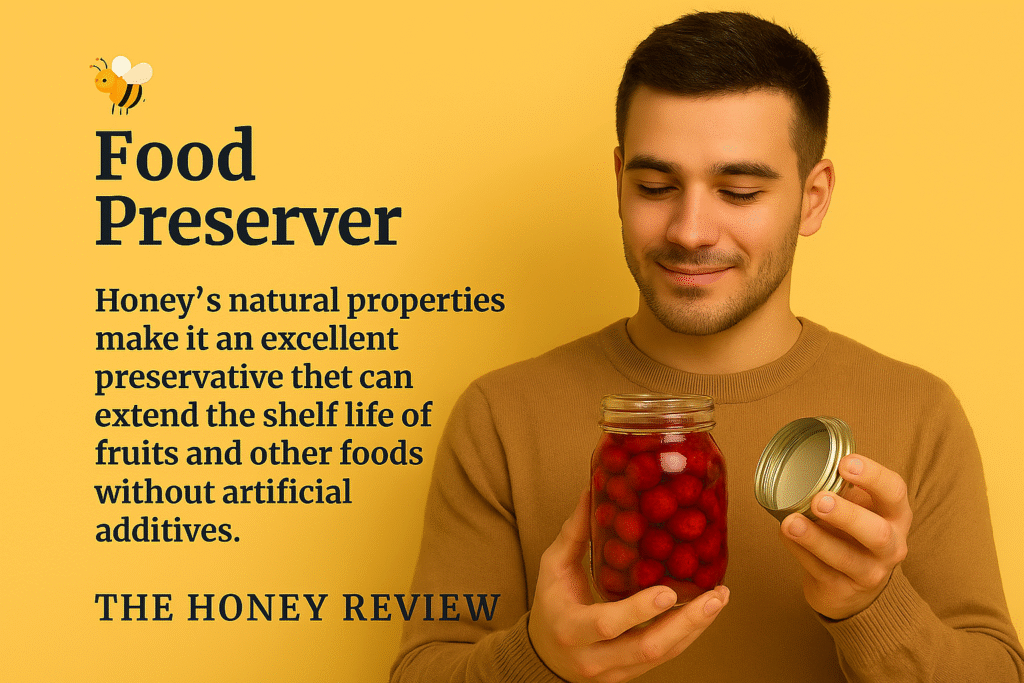
4. Food Preserver
Long before refrigeration was a sparkle in modernity’s eye, honey was already doing the most in ancient pantries. In fact, the Egyptians weren’t just building pyramids and scribbling in hieroglyphs—they were preserving everything from fruit to fish with raw honey. Archaeologists have even discovered pots of honey in thousand-year-old tombs that were still edible. Let that sink in. Your jam has an expiration date, but honey? Honey is basically immortal.
So what makes it such a stellar preserver? It comes down to raw honey’s low water content and high acidity, which create an environment most bacteria can’t handle. It’s like the velvet rope of natural preservatives—only the good microbes may enter (and even those better behave). That’s why submerging sliced garlic, ginger, or even hot peppers in raw honey not only keeps them fresh, but turns them into flavor bombs that get better with time.
The best part? It’s ridiculously easy. Clean and slice your herb or produce of choice, drop it into a jar, and pour raw honey over the top until fully covered. Seal it, let it infuse for a few days, and boom—you’ve got a natural, shelf-stable condiment that slaps. Ginger honey for teas, garlic honey for glazes, thyme honey for cocktails—you’re now living in an apothecary fantasy.
And unlike commercial preserves drowning in corn syrup, this one comes with benefits: a spoonful delivers antioxidants, antibacterial support, and major bragging rights. Plus, it feels kind of magical to know you’re using the same preservative your ancient ancestors did—minus the pyramid construction.
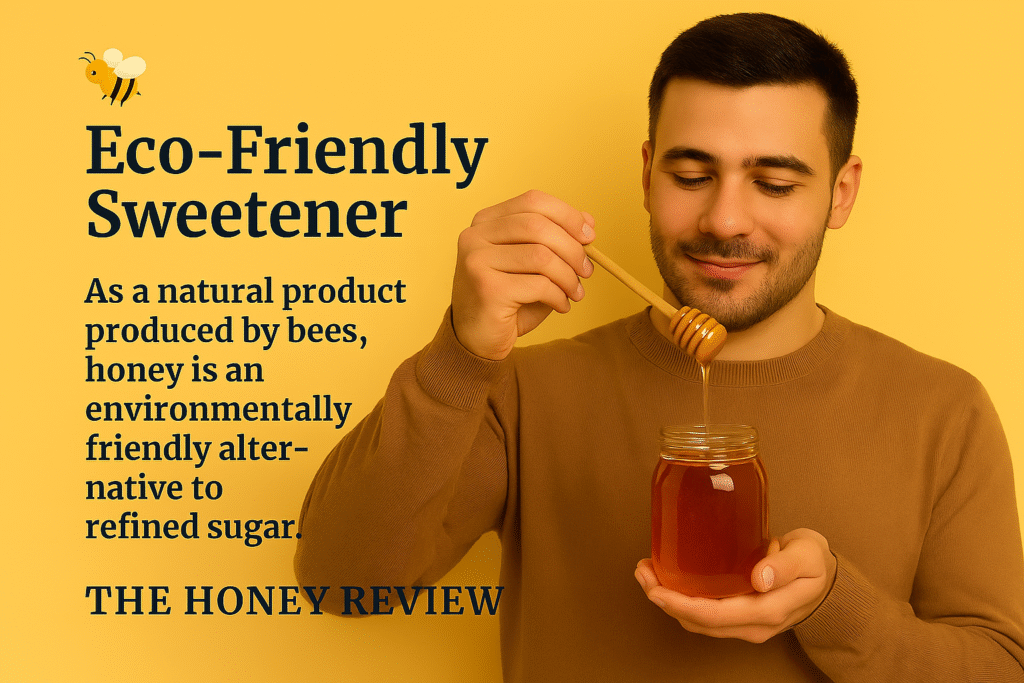
5. Eco-Friendly Sweetener
When it comes to sweetening your life without wrecking the planet, raw honey deserves its own sparkly gold star. It’s the original slow food—crafted by bees, powered by flowers, and packaged by nature herself. While processed sugars and synthetic sweeteners go through energy-intensive refining and chemical manipulation, raw honey takes the scenic, sustainable route. One flight at a time, bees do the heavy lifting while we humans just get to bask in the benefits.
And let’s talk packaging. Raw honey often comes in glass jars, reusable tins, or even straight from your local beekeeper in a squeeze bottle with hand-scrawled labels. No plastic waste parade, no shipping it across the globe from a mystery refinery—just simple, local, biodegradable elegance. Supporting regional honey producers doesn’t just lower your food miles, it helps your neighborhood ecosystem stay buzzin’—literally.
There’s also the bonus round: by buying raw honey, you’re actively supporting pollinator health and biodiversity. Beekeepers are out here nurturing hives and protecting the environment one queen at a time. That’s way more impact than you’re getting from a sack of table sugar wrapped in plastic and guilt. Every jar of honey is a little vote for thriving flowers, fuller gardens, and a sweeter future.
And unlike artificial sweeteners with names that sound like evil sci-fi characters (looking at you, sucralose), raw honey doesn’t need a rebrand. It’s been eco-chic since Ancient Egypt and it keeps showing up—gloriously golden, naturally powerful, and endlessly useful.
So when you drizzle honey into your tea or stir it into your smoothie, know this: you’re not just treating your taste buds, you’re making a gentle, golden impact. And honestly, isn’t that the kind of sweet we all need more of?
And there you have it—proof that raw honey isn’t just a pantry staple, it’s a whole lifestyle vibe. From soothing sore throats to powering your hustle, preserving herbs like you’re channeling Cleopatra, or giving your skin that glazed-doughnut glow, honey’s been showing up and showing off for centuries. So keep that golden jar front and center, because when life gets sticky, the answer is usually… more honey.
The Truth About Nature Nate’s Honey: Heated, Not Raw, and High in HMF
Honey has been cherished for thousands of years, not just for its sweet taste but also for its numerous health benefits. However, not all honey is created equal. The quality and purity of honey can vary significantly depending on how it is processed. One brand that has come under scrutiny is Nature Nate’s Honey. Despite being marketed as “100% pure, raw, and unfiltered,” there are concerns about its production practices and the presence of potentially harmful compounds.
In this article, we will delve into the details of these concerns and explore why they matter, and why this a Honey to avoid.
What do these terms mean?
Hydroxymethylfurfural (HMF): This compound forms when honey is heated. High levels of HMF can be toxic and potentially carcinogenic.
Health Benefits of Raw Honey: Raw honey is packed with nutrients, including all B-complex vitamins, vitamins A, C, D, E, and K, and minerals like magnesium, sulfur, phosphorus, iron, calcium, and potassium.
Heating Honey: Heating honey above 105 degrees Fahrenheit destroys most of its beneficial enzymes, amino acids, and phytonutrients. This is why beekeepers will often advise against pouring boiling water into Tea and Honey.
You can relate this process to how they’re treating modern Milk. However, honey pasteurization shouldn’t be relative to Milk. Which sounds like massive factory honey, not backyard bee honey.
Class Action Lawsuit: In March 2020, a class action lawsuit was filed against Nature Nate’s Honey for allegedly heating their honey and having high levels of HMF.
Adulteration Concerns: There were concerns about possible adulteration of Nature Nate’s Honey with added syrups, which is not expected in “100% pure and raw honey”.
The Misleading Branding of Nature Nate’s Honey
Nature Nate’s Honey is marketed as “100% pure, raw, and unfiltered.” This branding suggests that the honey is collected directly from the honeycombs of free-buzzing bees, strained to remove unwanted particles, and then bottled without any further processing.
However, testing of Nature Nate’s honey samples has shown that this is not the case. The honey has been heated to make it easier to process and flow, which contradicts the “raw” label.
Always check where it’s from. Product of BRAZIL and URUGUAY!
The Importance of Raw Honey
Raw honey is prized for its incredible health benefits. It contains all of the B-complex vitamins, vitamins A, C, D, E, and K, as well as minerals like magnesium, sulfur, phosphorus, iron, calcium, and potassium. Raw honey is also rich in live enzymes, amino acids, phytonutrients, and cancer-fighting antioxidants. These beneficial compounds are what make raw honey a superfood.
However, heating honey destroys most of these beneficial enzymes, amino acids, and phytonutrients. When honey is heated above 105 degrees Fahrenheit, it loses its raw status and many of its health benefits. This is why it is crucial to ensure that honey labeled as “raw” has not been subjected to high temperatures.
The Toxic Compound HMF
One of the most concerning findings in the testing of Nature Nate’s honey is the presence of high levels of hydroxymethylfurfural (HMF). I know, its a mouthful to try and pronounce.
HMF is a compound that forms when honey is heated. While small amounts of HMF are naturally present in honey, high levels can be toxic and potentially carcinogenic.
The Codex Alimentarius, a global reference standard for consumer protection, has determined that the maximum safe limit for HMF in raw honey is 40 mg/kg. However, samples of Nature Nate’s honey tested HMF values as high as 232 mg/kg.
These levels are not only far above the safe limit, but they also indicate that the honey has been heated up to 120 degrees.
Why is HMF toxic and potentially cancer causing?
Hydroxymethylfurfural (HMF) is a compound that forms when honey is heated. While small amounts of HMF are naturally present in honey, high levels can be toxic and potentially carcinogenic. Here are some reasons why HMF is considered harmful:
Genotoxicity: HMF has been shown to induce genotoxic effects, which means it can damage genetic information within a cell, causing mutations that may lead to cancer. Studies have revealed that HMF may induce genotoxic and mutagenic effects in bacterial and human cells.
Carcinogenicity: HMF can be converted in the body to 5-sulfoxymethylfurfural (SMF), a compound that has been shown to be genotoxic. Animal experiments have demonstrated that HMF can promote colon and liver cancer in rats and mice.
Toxicity to Bees: High levels of HMF have been shown to be toxic to bees. Studies from the 1970s and 1980s found that feeding bees sugar syrup with HMF values of 150 mg/kg caused a mortality rate of 50% within 16 days. This suggests that high levels of HMF can be harmful to other living beings as well.
Potential Health Risks: The presence of high levels of HMF in honey raises concerns about its safety for human consumption. While the exact impact on human health is still being studied, the potential for genotoxic and carcinogenic effects makes it a compound to be cautious about.
These factors highlight the importance of ensuring that honey is not heated to high temperatures, as this can lead to the formation of harmful levels of HMF. Choosing raw, unfiltered honey from reputable sources can help minimize the risk of exposure to this toxic compound.
The Class Action Lawsuit
In March 2020, a class action lawsuit was filed against Nature Nate’s Honey. The lawsuit alleged that the honey was heated and contained high levels of HMF, not “100% pure and raw.”
The lawsuit also raised concerns about possible adulteration of the honey with added syrups.
The court dismissed the case with prejudice, meaning it cannot be refiled. However, the dismissal was based on procedural grounds rather than the merits of the case. The concerns about the heating and adulteration of Nature Nate’s honey remain unresolved.
The Health Risks of High HMF Levels
High levels of HMF in honey are not just a concern for bees. Studies have shown that HMF can be toxic to humans as well.
Animal experiments have revealed that HMF may induce genotoxic and mutagenic effects in bacterial and human cells. HMF also promotes colon and liver cancer in rats and mice.
These findings suggest that consuming honey with high levels of HMF could pose serious health risks.
Adulteration Concerns
Another concern raised in the lawsuit was the possible adulteration of Nature Nate’s honey with added syrups. Adulteration can occur either by adding syrups directly to the honey or by feeding the bees heated sugar syrups. Both practices are harmful and compromise the quality and purity of the honey.
Consumers expect “100% pure and raw honey” to be free from any added syrups. The presence of syrups in Nature Nate’s honey raises questions about the company’s quality control and the integrity of its suppliers.
The Need for Transparency and Quality Control
To truly be called “100% pure, raw, and unfiltered,” Nature Nate’s Honey needs to eliminate the heating process and tighten its vetting standards for suppliers.
Transparency in production practices and rigorous quality control are essential to ensure that consumers are getting the high-quality honey they expect.
Finding Authentic Raw Honey
For those seeking the health benefits of raw honey, it is important to choose honey from reputable sources. Small beekeepers who produce honey from bees buzzing around healthy, biodiverse ecosystems are often the best choice.
These beekeepers prioritize the health of their bees and the purity of their honey, ensuring that it retains all its beneficial properties.
I recently wanted to bring attention back to this company once I saw they are now contributing to the Manuka Honey space. I mean, C’MON!
Conclusion
Nature Nate’s Honey has come under scrutiny for its misleading branding and questionable production practices. The presence of high levels of HMF and concerns about adulteration raise serious questions about the quality and purity of the honey.
Consumers deserve transparency and honesty from honey producers, and it is crucial to choose honey from reputable sources to ensure its health benefits.
If you are looking for truly raw honey, be sure to do your research and choose honey from small, reputable beekeepers who prioritize the health of their bees and the purity of their honey.
By doing so, you can enjoy the incredible health benefits of raw honey without the risks associated with heated and adulterated honey and better know which Honey to avoid.
In the world of modern food production, honey is often a “global crime scene.” Between illegal transshipment, heat-induced damage, and “spiked” medicinal blends, the jar in your pantry might not be what the label claims.
Have you ever looked at that golden bear in your pantry and wondered if it’s actually honey? For many Americans, the answer might be “not exactly.” Supermarket honey fraud is a deep problem in the Industry.
“Not all Manuka is created equal. We taste-test and lab-check the world’s leading Manuka honey brands to help you navigate potency, purity, and price. Whether you’re looking for UMF 20+ healing power or a daily MGO-boost, start your journey here.”
Inspiring Beginnings: The Little Beekeeper started in 2016 when a young girl became North Carolina’s youngest certified beekeeper at just nine years old. Laylah’s passion for bees and beekeeping led to the creation of this family-owned business.
Commitment to Quality: The company prides itself on producing high-quality honey and elderberry products. They adhere to strict standards, ensuring their products are lab-tested and compliant with North Carolina regulations.
Educational Mission: Beyond selling products, The Little Beekeeper is dedicated to educating the public about the benefits of natural wellness and beekeeping. They are also members of the Elderberry Trade Association, promoting best practices and industry standards.
Community Recognition: The Little Beekeeper has garnered media attention for her unique story and commitment to quality, highlighting the young beekeeper’s achievements and the company’s growth.
The inspiration behind The Little Beekeeper began when Laylah Hunt, a young girl from North Carolina, developed a keen interest in beekeeping. Her journey started when she attended beekeeping classes with her mom. Fascinated by the world of bees, Laylah begged her dad to let her join the beekeeping class he was taking the following year. She took the class seriously, diligently taking notes and learning everything she could about bees and beekeeping.
Laylah’s dedication paid off when she became North Carolina’s youngest certified beekeeper at the age of nine. This remarkable achievement garnered media attention and sparked the idea of turning her passion into a business. Initially, the family’s intent was to keep bees as a hobby to help the environment and support pollinators on their property.
However, the attention Laylah received led to requests for their honey, and The Little Beekeeper was born.
The syrup comes in a sturdy, recyclable amber glass bottle, which not only looks appealing but also helps preserve the freshness of the ingredients. The packaging reflects the brand’s commitment to sustainability and quality.
Product Summary
Ingredients and Taste
This syrup is a delightful blend of organic elderberries, raw honey, citrus, and a medley of spices including cloves, ginger, and Ceylon cinnamon. The taste is a perfect balance of sweet and tangy, with a hint of spice that makes it enjoyable to take daily. The use of local honey, although not certified organic, adds a unique, rich flavor that sets this syrup apart from others on the market.
Health Benefits
As someone who values natural remedies, I appreciate the immune-boosting properties of elderberries combined with the anti-inflammatory and antibacterial benefits of the spices. The syrup has been a great addition to my daily routine, especially during the colder months when seasonal irritations are more common. I’ve noticed a significant improvement in my overall wellness since incorporating it into my diet.
Usage and Storage
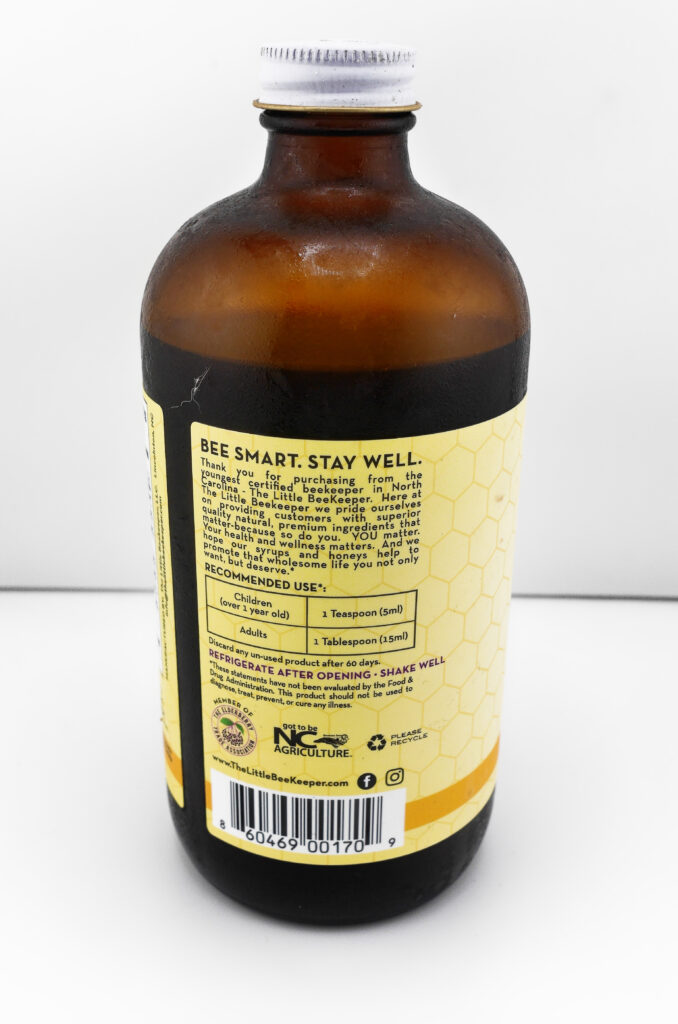
The suggested daily intake is straightforward—1 tablespoon for adults and 1 teaspoon for children over one year. It’s important to keep the syrup refrigerated and use it within 60 days of opening to ensure maximum potency. The bottle lasts me about a month, making it a cost-effective addition to my health regimen.
Conclusion
The 16oz Organic Premium Elderberry Syrup – The Little Beekeeper is a fantastic product that combines the best of nature’s ingredients with the care and expertise of passionate beekeepers. It’s a must-have for anyone looking to support their immune system naturally.
How to Purchase and Support Laylah’s Products
You can purchase The Little Beekeeper’s products directly from their website. Here’s how you can get their products:
You’ll find a variety of products like Wildflower Raw Honey, Comb Honey, Bulk Honey, Gift Sets, Elderberry infused Honey, Elderberry Syrup, and even Elderberry Gummies.
Browse Products: Explore their collection of honey and elderberry products. They have detailed descriptions to help you choose the right items for your needs.
Add to Cart: Select the products you want and add them to your cart.
Checkout: Follow the checkout process to complete your purchase. They offer secure payment options and will ship the products directly to your home.
Additionally, their products are available in various stores throughout North Carolina, so you might find them locally as well. I purchased mine from the Charlotte Regional Farmers Market at Apotheca for about $25.
Designer Honey in Supermarkets Risks Health and Beekeepers’ Incomes
Howdy y’all! Today, we’re diving into a sticky situation that’s been buzzing around the honey world. We’re talking about designer honey in supermarkets and how it’s putting our health and hardworking beekeepers’ incomes at risk. So grab a cup of sweet tea, sit back, and let’s get into it.
Honey Fraud: A Growing Concern
First things first, let’s talk about honey fraud. It’s a real problem, folks. A significant portion of honey entering the EU is flagged as potentially fraudulent. These sneaky folks are using advanced syrups as diluting agents, making it hard to tell the real deal from the fake stuff. And let me tell ya, this ain’t just a European problem – it’s happening right here in the good ol’ USA too.
Health Risks of Adulterated Honey
Now, you might be wondering, “What’s the big deal if my honey’s a little watered down?” Well, let me tell ya, it’s a big deal. Adulterated honey can cause all sorts of health issues like diabetes, obesity, and liver damage. It’s not just about the taste – it’s about your health.
Economic Impact on Beekeepers
But it ain’t just our health that’s at risk. Genuine beekeepers are facing unfair competition from these fraudulent honey peddlers. It’s hard enough keeping bees happy and healthy without having to compete with folks who are cutting corners. This unfair competition is putting honest beekeepers at risk of losing their businesses and the vital crop pollination services they provide.
Technological Solutions to the Rescue
Thankfully, researchers are stepping up to the plate with some fancy new technology. They’re using advanced techniques like Fluorescence Excitation-Emission Spectroscopy (FLE) to detect honey fraud. It’s a mouthful, I know, but it’s making a big difference in identifying the real deal from the imposters.
Regulatory Challenges
The EU is having a tough time regulating and enforcing honey standards due to the complexity of international trade and the sophistication of adulteration methods. It’s a big ol’ mess, and it’s gonna take some serious effort to clean it up.
Consumer Awareness
One of the best ways to fight honey fraud is through consumer awareness. We need to educate folks on how to identify genuine honey and understand the implications of honey fraud. Knowledge is power, y’all. How does it benefit the Industry?
Empowering Consumers: When consumers are well-informed, they can make better purchasing decisions. By knowing how to identify genuine honey, they can avoid buying adulterated products that may pose health risks.
Supporting Genuine Beekeepers: Educated consumers are more likely to support local and ethical beekeepers. This helps sustain the livelihoods of those who are committed to producing high-quality, authentic honey.
Driving Market Demand: As more consumers demand genuine honey, it puts pressure on retailers and producers to ensure their products are authentic. This can lead to better industry practices and reduced instances of honey fraud.
Health Benefits: Genuine honey offers numerous health benefits, from its natural antibacterial properties to its role in boosting the immune system. By choosing real honey, consumers can enjoy these benefits without the risks associated with adulterated products.
This blog was started with the mission to educate and inform consumers about the importance of genuine honey. By sharing knowledge and insights, I aim to empower readers to make informed choices and support ethical beekeeping practices. Together, we can combat honey fraud and ensure that the honey we enjoy is pure, authentic, and beneficial for our health and the environment.
If you support this mission, consider supporting the cause and subscribe.
Environmental Impact
Honey fraud doesn’t just affect us humans – it has environmental consequences too. Genuine beekeepers play a crucial role in pollination and biodiversity. When they suffer, so does our environment.
Collaborative Efforts
Tackling honey fraud ain’t a one-person job. It’s gonna take collaboration between governments, industry stakeholders, and researchers to develop and implement effective detection methods and policies. We’re all in this together.
Market Trends
On a brighter note, the demand for organic and locally-sourced honey is on the rise. As consumers become more conscious of the quality and origin of their food products, they’re seeking out the real deal. And that’s good news for our hardworking beekeepers.
But let me explain Organic Honey in the US.
Organic Honey in the US: A Myth!
Organic Honey in the US: A Myth!
Many consumers are drawn to the idea of “organic” honey, believing it to be healthier and more environmentally friendly. However, the concept of organic honey in the United States is more myth than reality.
The Challenge of Certifying Organic Honey
In the US, honey cannot be certified as organic by the USDA because bees have a foraging range of several miles. This makes it nearly impossible to control where they collect nectar and pollen. For honey to be truly organic, bees would need to forage exclusively on organically managed flowers, which is not feasible.
Imported Organic Honey
Any honey labeled as “Certified Organic” in the US is typically imported from other countries with different standards. This can lead to confusion and mistrust among consumers.
Environmental and Ethical Considerations
Producing organic honey would require keeping bees in a controlled environment, such as a greenhouse, to ensure they only visit organic plants. This approach is impractical, inhumane, and detrimental to the environment. Bees play a crucial role in pollination and biodiversity, and restricting their natural behavior would have negative ecological impacts.
The Reality of Local Honey
While the organic label may be elusive, locally sourced honey offers a more transparent and beneficial alternative. Local beekeepers often use sustainable and ethical practices, and consumers can directly verify the authenticity and quality of the honey. Supporting local honey also helps sustain small-scale beekeepers and reduces the carbon footprint associated with transporting honey over long distances.
While the idea of organic honey is appealing, it remains a myth in the US due to the challenges of certifying and controlling bee foraging. Instead, consumers can turn to locally sourced honey for a more transparent, ethical, and environmentally friendly option. Beware of designer honey that may not be as genuine as it seems.
Local Honey vs Organic
Transparency and Traceability
Direct Connection: Buying locally sourced honey allows consumers to visit apiaries and meet beekeepers.
Verification: Consumers can verify the authenticity and quality of the honey.
Supporting Local Economy
Sustaining Beekeepers: Purchasing local honey supports small-scale beekeepers.
Ethical Practices: Local beekeepers are more likely to use sustainable and ethical practices.
Environmental Benefits
Reduced Carbon Footprint: Locally sourced honey has a smaller carbon footprint.
Promotes Biodiversity: Supporting local beekeepers contributes to environmental sustainability.
Health Benefits
Nutritional Value: Locally sourced honey is often raw and unprocessed, retaining more natural enzymes and nutrients.
Healthier Choice: Raw honey provides greater health benefits compared to processed honey.
Challenges with Organic Certification & Designer Honey
Foraging Range: Bees can travel several miles, making it difficult to ensure they only visit organically managed flowers.
Meaningless Label: The organic label is less meaningful for honey due to the challenges in controlling bee foraging.
Consumer Trust
Direct Interaction: Consumers can interact with local producers and learn about their practices.
Building Trust: Trust is easier to establish with local honey compared to distant sources.
What Can You Do to Help?
Now that you’re informed, here is what you can do to help:
By taking these steps, consumers can help protect their health, support honest beekeepers, and contribute to the fight against designer honey and honey fraud.
There you have it, folks. Honey fraud is a serious issue that’s affecting our health, our beekeepers, and our environment. But with a little knowledge and a lot of collaboration, we can make a difference. So next time you’re at the store, take a moment to think about where your honey comes from. Support your local beekeepers and enjoy the sweet taste of genuine honey.
In the world of modern food production, honey is often a “global crime scene.” Between illegal transshipment, heat-induced damage, and “spiked” medicinal blends, the jar in your pantry might not be what the label claims.
Have you ever looked at that golden bear in your pantry and wondered if it’s actually honey? For many Americans, the answer might be “not exactly.” Supermarket honey fraud is a deep problem in the Industry.
“Not all Manuka is created equal. We taste-test and lab-check the world’s leading Manuka honey brands to help you navigate potency, purity, and price. Whether you’re looking for UMF 20+ healing power or a daily MGO-boost, start your journey here.”
So, you’ve got a jar of honey, and you’re wondering, “Is this the real deal or just a sugary imposter?” Fear not, honey sleuth! We’ve got your back. Let’s dive into the sticky world of raw honey detection. You’re going to learn how to Identify Raw Honey!
Raw Honey: Imagine a misty morning in the beehive. Raw honey is like that—cloudy, mysterious, and full of secrets. If your honey looks a bit hazy, you’re on the right track.
Processed Honey: Clear as a crystal ball? That’s processed honey. It’s so transparent, it could moonlight as a windowpane.
See the sediment at the bottom of the jar? That’s proof of legit Honey. Raw Honey is approximately 40% fructose, 30% glucose and 17% water, with the remainder being other sugars, carbohydrates and a small number of vitamins and minerals.
Crystal Quest
Raw Honey: Over time, raw honey gets cozy and forms tiny crystals. It’s like nature’s bling. So, if your honey has a little crunch, it’s legit.
Processed Honey: Smooth as a dance floor? Processed honey stays liquid, refusing to join the crystal party.
You may even find some Honey that is “Whipped” or “Creamed”. This is just blended crystallized Honey.
There is no reason to toss a Jar of crystallized Honey. If you’re not patient enough to slow heat the jar with water (DO NOT MICROWAVE IT) just grab a knife and start stirring.
Texture Tells
Raw Honey: Picture this: raw honey doing the cha-cha with your spoon. It’s thick, grainy, and unapologetically rustic.
Processed Honey: Processed honey waltzes—silky, suave, and oh-so-smooth. It’s the James Bond of honeys.
Sediment Story
Raw Honey: Sometimes, raw honey brings along souvenirs—tiny pollen particles, propolis bits, and even a honeycomb crumb or two. It’s like a nature hike in a jar.
Processed Honey: No surprises here. Processed honey keeps it clean—no pollen hitchhikers allowed.
Color Contest
Raw Honey: Shades of gold! Raw honey flaunts its natural hues—light golden, amber, or deep caramel. It’s like a sunset in a spoon.
Processed Honey: Pale and proud. Processed honey sticks to a single shade, like a minimalist art exhibit.
Aroma Adventure
Processed Honey: Mild-mannered or scentless? Processed honey lacks that floral flair. It’s the introvert at the honey party.
Raw Honey: Close your eyes and sniff. Raw honey smells like a wildflower meadow after rain—a symphony of blossoms. It’s the bee’s knees.
Conclusion: Remember, honey detective, these clues aren’t foolproof. For the real McCoy, buzz over to local beekeepers or trusted sources. They’ll serve you the sweet truth. I hope these tips help you Identify Raw Honey near you.
To identify real raw honey, consider these key factors:
Stickiness: Real honey feels soft and velvety, not sticky like cheap syrup. If it’s sticky, it might be adulterated.
Viscosity: Authentic honey is thick and pours slowly, while processed honey flows more like a liquid.
Taste Persistence: Real honey’s taste doesn’t linger; it dissolves with saliva. Fake honey tastes sweet for longer.
Since 1952, Moon’s Honey House has been a trusted family-owned and operated business. Their exquisite collection includes local honey, meticulously crafted beeswax creations, and unique handmade gifts. It’s a delightful destination for those who appreciate quality and authenticity.
Moon’s Honey House, nestled in the heart of Charlotte, North Carolina, is more than just a honey purveyor—it’s a sweet haven where bees work their magic. As I stepped up to their charming shop at the Charlotte Regional Farmers Market, the air hummed with the promise of liquid gold. Here’s my take on their Neighborhood Raw Honey:
Flavor Profile
Botanical Notes
Moon’s Honey House Neighborhood Raw Honey boasts a harmonious blend of floral notes:
Wildflowers: These contribute delicate sweetness, reflecting diverse local flora.
Clover: The honey carries mild herbal undertones from clover nectar.
Orange Blossoms: The essence of citrus-kissed air infuses the honey.
Earthy Undertones
Beneath the floral layers lies a subtle complexity:
Dew-Kissed Grass: Freshness reminiscent of morning dew.
Sun-Warmed Soil: Earthiness rooted in Carolina terroir.
Texture
Viscosity
When it hits your tongue, it’s like Grandma’s warm hug. The honey wraps itself around your taste buds, sayin’, “Hey there, darlin’, I’m here to stay.” You’ll wanna roll it around, let it linger like a good gossip.
Satin-like
Swirl it like you’re dancin’ at the county fair. It’s like wearin’ a satin robe made of sweetness. Not heavy, not light—just perfect. The bees must’ve taken etiquette lessons, ’cause this honey knows how to beehave.
Get it? Beehave?
Pairings
Morning Toast: Drizzle this liquid gold over warm toast or biscuits. It’s like a sweet sunrise on your plate.
Tea Time: Stir it into your favorite cup of tea. The honey melts, adding a touch of sweetness to your afternoon ritual. Just be sure you wait a little bit or the boiling water will kill all the benefits of your honey.
Cheese and Honey: Grab some sharp cheddar or creamy goat cheese. Spread a little honey on top—it’s a match made in flavor heaven.
Yogurt Parfait: Layer it with Greek yogurt, granola, and fresh berries. The honey adds a natural sweetness that’ll make your taste buds sing.
Peanut Butter Sandwich: Swap out the jelly for honey. Trust me, your PB&J game just leveled up.
Oatmeal Upgrade: Drizzle honey over your morning oatmeal. It’s like a cozy hug for your taste buds.
Pro Tip
Apples help clear your taste buds if you go buck wild pairing Honey with things.
Sustainability and Local Impact
Varietal Honeys: Moon’s Neighborhood 24 stands out with its extra-white honey, offering sweet and fruity flavors. Perfect for drizzling on Greek yogurt or blending into your morning smoothie for a taste of Charlotte’s sunshine.
Crafts and Skin Care: They also create beeswax candles, lotions, and lip balms, providing a natural touch to your self-care routine.
Local Love: Moon’s Honey House sources their Very Local Honey from Myers Park and nearby areas. The bees work their magic, delivering sweet, local flavors for you to enjoy.
Price
Neighborhood 24: $9.00 – $18.00
Ocala: $9.00 – $18.00
Pee Dee Wildflower: $9.00 – $18.00
Hot Honey: $11.00 – $20.00
Poplar: $9.00 – $18.00
Knob Hill Wildflower: $12.00
It looks like the prices range from $9.00 to $20.00, depending on the type of honey. Is there a specific one you’re interested in?
Packaging and Appearance
Moon’s Honey House Raw Neighborhood 24′ Honey
Neighborhood Raw Honey
Simplicity
I like the label simply because it only mentions the essentials. It shows it is produced by John Moon, it lists his address, his phone number and website. And the net weight. The label is made of thick paper stock, and he has his cool logo off to the side.
Conclusion
Y’all, Moon’s Honey House Neighborhood Raw Honey is more than just a sweet topping—it’s the heart of Charlotte in a jar. Every dip of that spoon is like a warm Southern hug, filled with the sunshine, the blooms, and the bees’ loving labor.
So, when you find yourself wanderin’ through the Queen City, mosey on down to Moon’s Honey House. Treat your palate to a spoonful of local charm—your taste buds might just do a little jig, and them hardworking bees will sure appreciate it!
The label of honey can provide important information about the honey, such as the ingredients, the processing method, the certification, and the expiration date. You should always read the label of honey carefully before buying it, and look for the following indicators of quality and authenticity:
Single-origin: The label should state that the honey is single-origin, which means it is sourced from one specific location, and it has a more distinct and consistent flavor and quality.
Processing Method
The processing method of honey refers to the way the honey is extracted, stored, and packaged. The processing method of honey can affect the freshness, purity, and safety of the honey. Some of the best processing methods of honey are:
Cold extraction: This method involves extracting the honey from the honeycomb without applying any heat, which preserves the natural enzymes, nutrients, and antioxidants of the honey.
Gravity straining: This method involves straining the honey through a coarse filter or a cheesecloth to remove any large impurities, such as wax, pollen, or debris, while keeping the smaller particles intact.
Glass jar packaging: This method involves packaging the honey in a glass jar, which is airtight, transparent, and recyclable, and it protects the honey from moisture, light, and oxidation.
Green Bee Honeycomb Cider Review: This review is about a honey soda that is made with honeycomb, apple juice, and carbonated water. The reviewer gives it a 5 out of 5 stars rating and describes it as a refreshing and delicious drink that is perfect for the fall season.
Doom Bloom Spotted Lanternfly Wildflower Honey Review: This review is about a unique honey that is sourced from the spotted lanternfly, an invasive insect that feeds on the sap of various plants. The reviewer gives it a 4 out of 5 stars rating and explains how this honey helps the environment and the farmers in Pennsylvania.
Moon’s Honey House Neighborhood Raw Honey offers a delightful taste of Charlotte, North Carolina. This honey features a harmonious blend of floral notes from wildflowers, clover, and orange blossoms, with subtle earthy undertones reminiscent of dew-kissed grass and sun-warmed soil. Its satin-like texture makes it perfect for drizzling over toast, stirring into tea, or pairing with cheese. The honey is locally sourced, supporting sustainability and community impact. Overall, it’s a sweet, authentic experience that captures the essence of the region I was disappointed that there wasn’t more of an aroma to this Honey, like the bourbon infused Honey has. Sometimes these infused Honey’s have incredible smells that really entice the taste buds.
Overall, unique flavor, very high quality and any Honey connoisseur will love some of Cloister’s offerings. Check out their incredible products from Charlotte, NC below.
Savor the Seed of Nutrition: Unleash the flavors of Gourmet Hemp Foods’ BBQ sauce, a culinary masterpiece crafted with the finest ingredients and domestically grown hemp seeds and oil. Dive into a world of taste that not only tantalizes your palate but also nourishes your body with the mighty hemp seed—nature’s powerhouse of OMEGA 3, 6, 9. Experience the perfect balance of zest and health benefits in every drop!
In this blog post, I will review Hemp Honey BBQ Sauce I have personally tried and tested. I will review it based on the taste, texture, color, aroma, health benefits, and price. Let’s get started!
Flavor Profile: The Hemp Honey BBQ Sauce is a symphony of flavors, masterfully blending the nutty undertones of hemp seeds with the sweetness of clover honey and the smoky depth of barbecue.
Quality Ingredients: Crafted with domestic grown hemp seeds and oil, this sauce promises a high-quality, nutrient-rich experience.
Health Benefits: It offers the benefits of hemp seeds, known as the world’s mightiest seed, which contain a balanced ratio of OMEGA 3, 6, 9.
Versatility: Perfect for grilling, marinating, or as a dipping sauce, it’s a versatile addition to any culinary creation.
This gourmet sauce is not just a condiment; it’s a health-conscious choice for those looking to enrich their diet without compromising on taste. Whether you’re a barbecue aficionado or a hemp enthusiast, this sauce is sure to elevate your meals to the next level.
I picked up this Hemp Honey BBQ Sauce for $7.49 from the Charlotte Regional Farmers Market in Charlotte, NC from Apotheca. They are a local Cannabis Dispensary that also sells Cheese, Meats, Ice Cream, Milk and a diverse selection of alternative health products.
Apotheca Cannabis Dispensary at the Charlotte, NC Regional Farmers Market
About Gourmet Hemp Foods
Gourmet Hemp Foods is a company based in Richmond, VA, that specializes in creating hempseed-based food products. Here’s some background information:
The company is known for its commitment to quality and the nutritional benefits of hemp, offering products that are not only flavorful but also provide healthful properties.
Opinion on Gourmet Hemp Foods Hemp Honey BBQ Sauce
Gourmet Hemp Foods’ Hemp Honey BBQ Sauce stands out in the market for its unique incorporation of hemp seeds, which offer a distinct nutty flavor and a host of nutritional benefits. The sauce’s combination of sweetness from clover honey and the rich, earthy tones of hemp creates a complex flavor profile that is both intriguing and satisfying. It’s a versatile sauce that can enhance a variety of dishes, from grilled meats to vegetarian options.
Overall, Gourmet Hemp Foods’ Hemp Honey BBQ Sauce is a commendable product that successfully merges the worlds of health food and classic barbecue indulgence. Its unique selling point of hemp integration not only differentiates it from others but also adds a layer of depth to its taste and a boost to its nutritional profile.
Recipe Ideas
Here are some delicious recipe ideas that would pair wonderfully with Gourmet Hemp Foods’ Hemp Honey BBQ Sauce:
These recipes highlight the versatility of the Hemp Honey BBQ Sauce, making it a great addition to various dishes, whether you’re looking for something to serve at a family barbecue or a quick weeknight dinner. Enjoy experimenting with these ideas!
Flavor Profile: The Hemp Honey BBQ Sauce boasts a unique blend of sweetness and tanginess, complemented by a subtle smoky flavor that enhances the overall taste experience.
Texture & Aroma: It features a smooth, rich texture and a pleasing aroma that promises to elevate any dish it accompanies.
Health Benefits: The sauce is not only a delightful addition to meals but also offers health benefits, likely due to the natural properties of hemp and honey.
Value for Money: While the price point may be higher than some alternatives, the quality and distinct flavor profile justify the investment for those seeking a premium BBQ sauce experience.
In conclusion, the Hemp Honey BBQ Sauce is a standout product that delivers on taste, texture, and health benefits, making it a worthwhile purchase for BBQ enthusiasts and health-conscious consumers alike.
Howdy, y’all, and welcome to my raw honey review blog, where I share my love and passion for all things honey. Today, I’m going to tell y’all about a very special product that I recently tried: Cloister Infused Scotch Honey.
Cloister Infused Scotch Honey is a new creation from Cloister Honey, a family-owned business right here in Charlotte, North Carolina. Cloister Honey makes some of the best pure, raw, and delicious honey with various flavors and infusions, such as whipped honey, traditional honey, gourmet honey spreads, and honey straws.
Cloister Honey
Product Summary
Cloister Infused Scotch Honey is made with Highland Park 12 single malt Scotch and wildflower honey, creating a unique blend that has subtle notes of oak, lemon, vanilla, orange, and a hint of clove. The honey is smooth, rich, and aromatic, with a slight smoky aftertaste. The Scotch flavor is not too strong, but rather balances the natural sweetness and floral notes of the honey.
Cloister Infused Scotch Honey can be enjoyed in many ways, such as:
Pairing it with a puff pastry-wrapped oven-baked brie
Drizzling it over grilled peaches with vanilla ice cream
Swirling it into black tea or a specialty cocktail
Spreading it on your morning biscuits or toast
Product Review: Cloister Infused Scotch Honey
Packaging and Appearance
Cloister Infused Scotch Honey comes in a glass jar with a black metal lid and a brown label. The label has the brand name, the product name, the ingredients, and the net weight. The label also has a QR code that leads to the product page on the Cloister Honey website. The jar is easy to open and close, and the honey is visible through the glass. The honey has a golden amber color and a thick and smooth consistency.
Taste and Texture
Cloister Infused Scotch Honey has a unique and complex flavor that combines the sweetness and floral notes of wildflower honey with the smoky and woody notes of Highland Park 12 single malt Scotch. The Scotch flavor is subtle and not overpowering, but it adds a depth and richness to the honey. The honey has a smooth and creamy texture that melts in the mouth. The honey is not too sweet or too bitter, but rather well-balanced and satisfying.
Quality
Cloister Infused Scotch Honey is a high-quality product that is made with pure, raw, and delicious honey from American beekeepers and premium Scotch whisky from Scotland. The honey is not heated, pasteurized, or filtered, which means it retains more of its beneficial enzymes, nutrients, and antioxidants. The honey is also infused with natural flavors and zero oils, artificial extracts, or coloring. The honey is gluten-free, non-GMO, and kosher certified.
Cloister Infused Scotch Honey is a wonderful product that I highly recommend to anyone who enjoys honey and Scotch. It has a beautiful packaging and appearance, a smooth and creamy texture, and a complex and satisfying flavor. It is also a high-quality product that is made with pure, raw, and delicious honey and premium Scotch whisky. It is reasonably priced and versatile, and can be enjoyed in many ways. I give Cloister Infused Scotch Honey a 5 out of 5 stars rating.
Origin of honey: The origin of honey refers to the geographical location where the bees collect the nectar from the flowers and plants. The origin of honey can affect the flavor, color, texture, and quality of the honey. Some of the most popular origins of honey are clover, orange blossom, wildflower, manuka, buckwheat, and avocado. You can choose the origin of honey that appeals to your palate or try different origins to experience the diversity of honey.
Label of honey: The label of honey can provide important information about the honey, such as the ingredients, the processing method, the certification, and the expiration date. You should always read the label of honey carefully before buying it, and look for the following indicators of quality and authenticity:
Single-origin: The label should state that the honey is single-origin, which means it is sourced from one specific location, and it has a more distinct and consistent flavor and quality.
Processing method of honey: The processing method of honey refers to the way the honey is extracted, stored, and packaged. The processing method of honey can affect the freshness, purity, and safety of the honey. Some of the best processing methods of honey are:
Cold extraction: This method involves extracting the honey from the honeycomb without applying any heat, which preserves the natural enzymes, nutrients, and antioxidants of the honey.
Gravity straining: This method involves straining the honey through a coarse filter or a cheesecloth to remove any large impurities, such as wax, pollen, or debris, while keeping the smaller particles intact.
Glass jar packaging: This method involves packaging the honey in a glass jar, which is airtight, transparent, and recyclable, and it protects the honey from moisture, light, and oxidation.
Green Bee Honeycomb Cider Review: This review is about a honey soda that is made with honeycomb, apple juice, and carbonated water. The reviewer gives it a 5 out of 5 stars rating and describes it as a refreshing and delicious drink that is perfect for the fall season.
Doom Bloom Spotted Lanternfly Wildflower Honey Review: This review is about a unique honey that is sourced from the spotted lanternfly, an invasive insect that feeds on the sap of various plants. The reviewer gives it a 4 out of 5 stars rating and explains how this honey helps the environment and the farmers in Pennsylvania.
Y’all, I’m telling you, this Cloister Infused Scotch Honey is something else. It’s not just honey, it’s a whole experience. It’s like taking a trip to the Highlands and the Tar Heel State at the same time. It’s sweet, smoky, and smooth, and it goes with everything. You can drizzle it on your biscuits, stir it in your tea, or even sip it straight from the jar. It’s that good.
This honey is made with 100% pure, raw honey from right here in North Carolina, and infused with premium single malt scotch from Scotland. The result is a perfect harmony of flavors that will make your taste buds sing. And the best part is, it’s all natural, no artificial flavors or preservatives.
Cloister Honey Scotch Infused Honey
If you want to wow your folks, friends, or customers, you need to get yourself some Cloister Infused Scotch Honey. You can order it online or call them up. They’re super friendly and helpful. You can also follow them on social media and check out their blog for more ideas and recipes. Trust me, you don’t want to miss this chance to try one of the finest honeys in the world and see what Cloister Infused Scotch Honey can do for you.
Cloister Infused Scotch Honey
The Honey Reviewer
Honey
Color
Aroma
Flavor
Texture
Review Summary
I love artisanal honey, especially when it’s local. Cloister has a ton of unique honey flavors to choose from. This time I tried their Infused Scotch Honey. If you like more medicinal forward flavors like Manuka Honey, you’ll probably like this Honey. The Scotch Honey has notes of tree sap or molasses, especially on the first taste. Second taste was more balanced, smooth and ended with a subtle spice. This is where the wildflower comes through and balances things out.
I was disappointed that there wasn’t more of an aroma to this Honey, like the bourbon infused Honey has. Sometimes these infused Honey’s have incredible smells that really entice the taste buds.
Overall, unique flavor, very high quality and any Honey connoisseur will love some of Cloister’s offerings. Check out their incredible products from Charlotte, NC below.
In the heat of a North Carolina summer, hydration is a mechanical necessity. While we often audit the purity of Raw Honey, sometimes the task requires a functional boost. Most hydration sticks are forensic nightmares—loaded with artificial dyes and 30g of processed sugar.
Zest Tea has disrupted this sector with their Blackberry Lemonade Hydration Mix. We put this electrolyte-plus-caffeine blend through The Lab’s Forensic Protocol to see if it delivers on its “Clean Energy” promise.
1. Physical & Chemical Analysis (The Lab Standards)
The “Clean Energy” Protocol: Caffeine vs. L-Theanine
Standard energy drinks provide a spike and a crash. From a forensic standpoint, Zest utilizes a “1:1 Bio-Modulation” strategy by pairing 100mg of caffeine with L-Theanine, an amino acid found in tea.
Forensic Observation: The L-Theanine acts as a chemical stabilizer, smoothing out the jitters associated with caffeine anhydrous. This makes it a superior “Focus Protocol” for long shifts or technical projects.
Solubility & Dye Analysis
Most “Blue Raspberry” or “Lemonade” mixes use Red 40 or Blue 1. Zest avoids these synthetic markers.
The Lab Verdict: The powder dissolves rapidly with zero “chalky” residue. The color is derived from natural fruit extracts, maintaining the integrity of your hydration vessel.
2. Sensory Evaluation
Color: A natural, deep berry hue. It lacks the neon glow of commercial “Gatorade” alternatives.
Aroma: Immediate hit of tart lemon zest followed by the earthy, sweet scent of ripe blackberries.
Flavor Profile: Balanced acidity. The “Lemonade” base provides a sharp tartness that cuts through the sweetness of the blackberry. Unlike Green Bee Honey Soda, this is not honey-forward; it is a crisp, electrolyte-heavy profile.
Texture: Very light. It leaves no syrupy film on the tongue, which is critical during high-intensity activity.
3. Supply Chain & Efficacy
Zest Tea has built a reputation on high-caffeine tea blends, and this expansion into hydration sticks follows their “High-Octane” supply chain model. They prioritize functional dosage over flavoring agents.
Electrolyte Count: With a balanced ratio of Magnesium and Potassium, it addresses the physical recovery needs often missed by “energy-only” products.
4. Price-to-Value Forensic
Product
Price Per Serving
Caffeine
Sugar
Zest Hydration
~$1.75
100mg
<1g
Liquid I.V.
~$1.55
0mg
11g
Gatorade (Bottle)
$2.00
0mg
34g
While the price per stick is premium, you are effectively paying for two protocols in one: a high-grade electrolyte mix and a stabilized caffeine boost.
Forensic Summary: Zest Blackberry Lemonade
Final Grade: 4.4 / 5
The Quick Breakdown
Forensic Pros
Forensic Cons
Stabilized Energy: L-Theanine prevents the “jitter-crash” cycle.
Premium Cost: More expensive than standard water enhancers.
Low Glycemic: Excellent for Keto or sugar-conscious protocols.
Flavor Tartness: The lemon sting may be too sharp for some.
Travel Protocol: Single-serve sticks are high-portability.
Availability: Primarily online or in specialty shops.
The Verdict
Buy this if: You need a high-focus energy boost combined with hydration and you want to avoid the chemical dyes and sugars found in supermarket energy drinks.
Skip this if: You are sensitive to caffeine or prefer the natural, enzymatic sweetness found in products like Tree Hive Maple + Honey.
Forensic “Pro-Tip” for 2026
For an “Ultimate Morning Protocol,” mix half a packet of Zest with a teaspoon of Dancing Bees Raw Honey. The honey provides immediate glucose for the brain, while the Zest electrolytes and L-Theanine provide long-term sustained focus.
Zest Hydration is a “High-Utility” product. It bridges the gap between a morning coffee and a post-workout recovery drink. If you are looking to maintain focus without the sugar-crash associated with traditional sodas or sports drinks, this is a top-tier forensic choice.
If you’ve spent any time in The Lab, you know that the honey industry is often a “global crime scene” of dilution and heat damage. For those of us using honey to manage chronic conditions or looking for a clean energy source while driving 10 hours a day, we can’t afford to guess if our honey is real.
That’s why I put the Wedderspoon KFactor 16 Squeeze Packets through our Vault Protocol.
While most portable honey is a processed blend of unknown origins, Wedderspoon claims a different standard. In this review, we’re looking past the convenient packaging to see if the chemistry matches the marketing. We’ll be cross-referencing these batches against the standards set in our Manuka Vault and using the forensic tools detailed in our How We Test methodology.
Is this true raw nectar, or just another “liquid gold” marketing play? Let’s look at the data.
Welcome to the Honey Review. If you’re new go ahead and subscribe for updates on all my future reviews.
Wedderspoon on the Go Manuka Honey
Wedderspoon’s on the go Manuka Honey is a convenient and delicious way to enjoy the benefits of raw, non-GMO project verified KFactor 16 Monofloral Manuka Honey. These take-anywhere, travel-sized individual packs are perfect for busy lifestyles, whether you’re traveling, adding a healthy treat to kids’ lunches, or looking for a natural energy boost.
Manuka honey is one of Mother Earth’s rarest gifts, made exclusively by bees that feast on the nectar of New Zealand’s wild Manuka flowers. Wedderspoon is committed to comprehensive Manuka honey integrity, with every batch fully traceable from their South Island hives to your home. Their raw Manuka honey is never subjected to high heat processing and is independently tested to meet or exceed the Monofloral Manuka standard set by the government of New Zealand.
Easy to Open for Kids
In addition to its delicious taste, Manuka honey has numerous health benefits and can be used as a daily energy boost, for home remedies, pre- and post-workout, for beauty applications, and as a better-for-you sweetener. It is free of antibiotics, pesticides, and glyphosate. My kids love these, and they’re good for them and highly convenient.
The Wedderspoon KFactor 16 Manuka Honey On-The-Go is one of the most accessible ways to carry raw Manuka. Unlike bulk jars, these travel-safe packets are designed to prevent oxidation and light damage, which can degrade the medicinal enzymes I track in the lab.
Honey Type: Raw, Unpasteurized Monofloral Manuka
Portability: 24 individual 0.17 oz (5g) servings
Certification: KFactor 16 (Focuses on pollen count and traceability)
Best For: Travel, athletic recovery, or a quick digestive soothe during a long shift.
If you’re looking for a convenient and delicious way to enjoy the benefits of Manuka honey on the go, Wedderspoon’s Manuka Honey on the Go is the perfect solution. Try it today and see for yourself why so many people love this amazing superfood!
Other Manuka Honey Products
If you’re curious about other Wedderspoon Honey products I’ve reviewed, check out these:
What is manuka honey and what makes it different from regular honey?
Manuka honey is a type of honey that comes from the nectar of the manuka flower, which grows only in New Zealand. Manuka honey has a distinctive flavor and aroma, and it contains a high level of methylglyoxal (MGO), a compound that gives it antibacterial and anti-inflammatory properties. Regular honey also has some antibacterial activity, but it is mainly due to hydrogen peroxide, which can be easily destroyed by heat, light, and enzymes. Manuka honey’s MGO is more stable and potent, and it can help fight infections, heal wounds, and improve digestion.
How can I use manuka honey for health and wellness?
Manuka honey can be used in many ways to support your health and wellness. You can eat it by itself or add it to your food and drinks as a natural sweetener. You can also apply it topically to your skin to treat acne, eczema, burns, cuts, and other minor injuries. You can also use it as a natural remedy for sore throat, cough, cold, flu, allergies, and other respiratory problems. Just take a teaspoon of manuka honey and let it dissolve in your mouth or mix it with warm water, lemon juice, and ginger.
How do I choose the best quality manuka honey?
The quality of manuka honey depends on its purity, potency, and authenticity. To ensure that you are getting genuine manuka honey from New Zealand, look for the UMF (Unique Manuka Factor) or MGO (Methylglyoxal) rating on the label. These ratings indicate the amount of MGO in the honey, which reflects its antibacterial strength. The higher the rating, the higher the MGO content. For example, UMF 10+ or MGO 263+ means that the honey contains at least 263 mg of MGO per kg of honey. You should also look for the New Zealand FernMark logo or the MPI (Ministry for Primary Industries) statement on the label, which certify that the honey meets the New Zealand government’s standards for manuka honey.
What are the benefits and risks of consuming manuka honey?
Manuka honey has many benefits for your health and wellness, such as:
It can help fight bacteria, viruses, fungi, and parasites that cause infections and diseases. It can help heal wounds, ulcers, burns, and other skin conditions by reducing inflammation, pain, and scarring. It can help improve digestion, metabolism, and immunity by balancing the gut flora and enhancing the absorption of nutrients. It can help soothe sore throat, cough, cold, flu, allergies, and other respiratory problems by reducing mucus production and inflammation. It can help improve oral health by preventing plaque formation and tooth decay.
What are the possible risks?
It is high in sugar and calories, so you should consume it in moderation and not exceed the recommended daily intake of 25 g (about 6 teaspoons) per day. It may cause allergic reactions in some people who are sensitive to bee products or pollen. Symptoms may include hives, itching, swelling, difficulty breathing, or anaphylaxis. It may interact with some medications or supplements that affect blood sugar levels or blood clotting. If you are taking any such drugs or herbs, consult your doctor before using manuka honey. It may not be suitable for infants under one year old due to the risk of botulism. Botulism is a rare but serious illness caused by a toxin produced by bacteria that can grow in honey. It can cause muscle weakness, paralysis, breathing problems.
“Convenience is great, but purity is paramount. If you’re ready to see how this on-the-go packet compares to the world’s most elite jars, head over to my Manuka Vault for the full rankings.”
As a beekeeper and honey taster, I have a passion for finding and sharing the best honeys in the world. One of my favorites is Wedderspoon Raw Monofloral Manuka Honey, which comes from the wild Manuka flowers that bloom in the pristine forests of New Zealand. This honey is a treasure of nature, with amazing healing and nutritional properties that have been recognized by the Maori people for generations.
Wedderspoon Raw Monofloral Manuka Honey is not only a delight for the taste buds, but also a powerhouse of antioxidants, enzymes, and phytonutrients that can enhance your immunity, digestion, skin, and more. In this review, I will tell you more about the benefits, features, and quality of Wedderspoon Raw Monofloral Manuka Honey, and help you decide if it is the right honey for you.
Are you looking for a natural and effective way to keep your lips soft and healthy? Do you want to avoid harsh chemicals and artificial ingredients that can dry out and damage your lips? If you answered yes, then you might be interested in Wedderspoon Manuka Honey Organic Lipcare, a product that claims to nourish, moisturize and protect your lips with the power of Manuka honey.
Does this product help soften and moisturize your lips? Read on to find out in my review.
Wedderspoon is a company that truly stands by its commitment to sustainability. They use organic and sustainably sourced ingredients, and their bees are raised in hives that are treated ethically and responsibly.
The company holds a Bee-Friendly certification, ensuring that their production practices are environmentally friendly and prioritize the well-being of honeybees.
Wedderspoon Organic Manuka Honey Lipcare
Now, let’s get down to the product itself. Wedderspoon Manuka Lipcare comes in sleek and minimalistic packaging with a twist-up design that makes it easy to use.
The texture of the balm is smooth and silky, without feeling too heavy or oily on the lips. The scents are natural and subtle, with a delicate sweetness from the manuka honey.
Key Ingredient: Manuka Honey
The key ingredient in this lip balm is manuka honey, which is renowned for its antibacterial and antimicrobial properties. When used in a balm, manuka honey can help to protect the lips from environmental stressors and keep them hydrated.
The balm also contains Manuka beeswax and honey. Also utilizing shea butter, cocoa butter, which work together to nourish and moisturize the lips.
Comparison
Compared to Burt’s Bees Original Beeswax Lip Balm, Wedderspoon Organic Manuka Honey Lipcare has a higher price point ($3.59 vs $2.99 for 0.15 oz) but also has more organic ingredients and a higher concentration of manuka honey.
Compared to Fresh Sugar Lip Treatment Sunscreen SPF 15, Wedderspoon Organic Manuka Honey Lipcare does not have SPF protection or tinted color options, but it has fewer synthetic ingredients and a more natural flavor.
Compared to Blistex Medicated Lip Balm SPF 15, Wedderspoon Organic Manuka Honey Lipcare does not have medicated or cooling effects, but it has a more gentle and soothing formula that is suitable for sensitive lips.
Compared to Glossier Balm Dotcom, Wedderspoon Organic Manuka Honey Lipcare has a simpler and more transparent ingredient list, but it does not have as many flavor or texture variations.
Synthetic Ingredients To Avoid
Some of the synthetic ingredients that are commonly found in other lip balms are:
Parabens: These are preservatives that prevent the growth of bacteria and fungi in cosmetic products. However, they may also disrupt the endocrine system and cause allergic reactions.
Petroleum: This is a by-product of oil refining that creates a barrier on the lips to lock in moisture. However, it may also clog pores, cause irritation, and contain harmful contaminants.
Phenol, menthol, and salicylic acid: These are ingredients that have cooling, exfoliating, or antiseptic effects on the lips. However, they may also dry out the lips, cause inflammation, or trigger allergic reactions.
Fragrances: These are chemicals that add scent to lip balms. However, they may also cause irritation, inflammation, or allergic reactions, especially for people with eczema.
Propylene glycol: This is a humectant that attracts moisture to the lips. However, it may also cause irritation, inflammation, or allergic reactions¹².
Alcohol: This is a solvent that dissolves other ingredients in lip balms. However, it may also dry out the lips, cause irritation, or trigger allergic reactions.
Honest Opinion
My opinion of this balm is that it’s a fantastic choice for anyone who wants to invest in a sustainable lip care product. The ingredients make it a perfect choice for those with chapped lips, as it helps to keep them hydrated and healthy.
Summary
In summary, I’d recommend the Wedderspoon Manuka Honey Organic Lipcare to anyone in search of an excellent natural lip care product. It’s a sustainable and healthy choice for anyone seeking to treat their lips to some high-quality nourishment.
By choosing a lip balm that is both effective and supportive of sustainable practices, you’re doing your part in promoting ethical and environmentally-friendly production practices. Why not support a company that utilizes bees?
Wedderspoon Manuka Honey Lipcare Review
The Honey Reviewer
Summary
If you are looking for a natural and organic lip balm that moisturizes, nourishes and protects your lips, you might want to try Wedderspoon Organic Honey Lip Balm. This lip balm is made with organic manuka honey, beeswax, coconut oil, shea butter and other natural ingredients that provide hydration and healing benefits for dry and chapped lips. In this review summary, I will share my personal experience with this product, as well as some pros and cons, and a rating based on its quality, effectiveness and value.
I bought Wedderspoon Organic Honey Lip Balm online after reading some positive reviews about it. I have sensitive lips that tend to crack and peel easily, especially in cold weather. I was looking for a lip balm that could soothe and repair my lips without irritating them or leaving a sticky residue. I was also attracted by the fact that this lip balm is certified organic, cruelty-free and gluten-free, which means it is safe and ethical to use.
The first thing I noticed when I received the lip balm was its packaging. It comes in a simple tube that is easy to open and close, and it fits well in my purse or pocket. The lip balm itself has a smooth and creamy texture that glides on easily and evenly. It has a subtle honey scent that is not overpowering or artificial. It feels light and comfortable on my lips, and it does not make them feel greasy or waxy.
The lip balm delivers what it promises: it moisturizes, nourishes and protects my lips. After using it for a few days, I noticed that my lips were softer, smoother and more supple. They also looked healthier and more plump. The lip balm helped to heal the cracks and peels on my lips, and it prevented them from getting worse. It also provided a protective barrier against the wind, cold and sun. The lip balm lasted for several hours on my lips, and I only had to reapply it after eating or drinking.
The only downside of this lip balm is its price. It costs $6.99 for a 0.15 oz tube, which is quite expensive compared to other lip balms on the market. However, I think it is worth the investment because of its high quality, effectiveness and natural ingredients. I also like that it supports a company that cares about the environment and animal welfare.
Overall, I would highly recommend Wedderspoon Organic Honey Lip Balm to anyone who wants a natural and organic lip balm that moisturizes, nourishes and protects their lips. I would give it a 4.5 out of 5 stars rating based on its quality, effectiveness and value. It is one of the best lip balms I have ever used, and I will definitely repurchase it in the future.
If you are looking for a delicious and nutritious honey, check out Manuka Health Raw Unpasteurized Honey. This Honey is sourced from Manuka trees in New Zealand. This Manuka Honey from Costco features an MGO scale of 253, UMF 10+, made with raw unpasteurized unifloral goodness. What benefits does Manuka Honey have? Is Manuka worth the price? Is this brand legit? Read on for my review below.
While The Honey Review has previously audited the muted profile of the Green Tea blend, Green Bee Honeycomb Cider represents the pinnacle of the brand’s “Liquid Synergy” experiments. In the forensic hierarchy of honey beverages, this is not a soda; it is a Sparkling Botanical Cider that leverages the high-fructose profile of apples to carry honey’s more subtle enzymes.
Sourced from the Rhino Market in NoDa (Charlotte, NC), this blend utilizes a simple five-ingredient matrix. We put this “Fall-in-a-bottle” through The Lab’s Forensic Protocol to determine if the cinnamon and apple acidity mask the honey or if they act as a biological amplifier for the wildflower base.
The Forensic Profile
Product Category: Sparkling Honey Cider
Origin: Brunswick, Maine (Maine Apple Cider Base)
Key Ingredients: Carbonated Water, Apple Cider, Honey, Cinnamon, Citric Acid
Bio-Active Status: Non-HFCS; Sweetened via Honey and Fruit
Caloric Load: 130 Calories (33g Sugar from Honey/Apples)
MSRP: $2.49 – $2.59 per bottle
Vault Status:VERIFIED (Sustainability and “Bee-Friendly” sourcing confirmed)
Cider-based beverages require a specific analysis of “Suspended Solids” to verify the presence of real fruit and unfiltered honey.
pH Level: 3.4 (The highest acidity in the Green Bee lineup, driven by malic and citric acids)
Color Grade: 35mm (Deep Golden/Amber; significantly darker than the Green Tea blend)
Particulate Suspension: High (Cinnamon and apple sediment visible at the base)
Brix Rating (Sugar Content): 13.5% (Robust; matches the density of a traditional mulled cider)
Vault Status:VERIFIED (100% natural color from apples and honeycomb)
1. Physical & Chemical Analysis (The Lab Standards)
The Malic-Honey Convergence
Traditional sodas use phosphoric acid for “bite,” but Green Bee relies on the malic acid naturally found in Maine apple cider.
Forensic Observation: When malic acid converges with wildflower honey, it creates a “refreshing mulled” profile. The acidity cuts the honey’s viscosity, making the beverage light on the palate while maintaining a full-bodied mouthfeel. This is a superior chemical delivery system compared to synthetic cider flavorings.
Sediment & The “Cloud” Factor
Visible sediment at the bottom of the bottle indicates that the cider is not over-filtered.
The Lab Verdict: As with our previous audits, the Slow Roll Protocol is mandatory here. The sediment contains the majority of the cinnamon oils and apple particulates. Re-suspending these solids is the only way to activate the “Honeycomb” flavor profile, which otherwise remains dormant at the base of the bottle.
2. Sensory Evaluation (The Tasting Notes)
Color: A rich, heavy golden tinge. It looks like a concentrated sunburst in a glass.
Aroma: Immediate notes of fresh-peeled apples and citrus, followed by a warm cinnamon “hug” and a slight, musty honey musk.
Flavor Profile: A perfect balance of sweet and tart. It mimics the flavor of a cold, fizzy mulled cider. The cinnamon is present but doesn’t “burn,” allowing the honey to provide a smooth finish.
Texture: Fizzy and crisp. The carbonation is more aggressive than the Green Tea version, which helps carry the heavier apple solids across the tongue.
3. Culinary & Mixology Forensic: The “Spiced Rum” Expansion
While intended as a standalone beverage, the molecular profile of Honeycomb Cider makes it an elite mixer.
The Lab Test: We paired this with a premium Spiced Rum and a cinnamon stick. The honey acts as a natural bridge between the alcohol’s heat and the cider’s acidity, creating a high-integrity cocktail that requires no additional simple syrup.
Pairing Data: Pairs exceptionally well with seasonal carbohydrates, specifically the Pumpkin Spice Donut from Milkbread in Charlotte. The cinnamon in the cider amplifies the nutmeg and clove in the donut’s glaze.
Honeycomb Cider offers the highest “flavor-to-price” ratio in the Green Bee lineup. At $2.50, you are receiving a artisanal sparkling cider that uses honey as a functional ingredient rather than a marketing label.
The Quick Breakdown
Forensic Pros
Forensic Cons
Maximum Flavor: The most “vibrant” of the three Green Bee sodas.
Higher Sugar: 33g is higher than their Green Tea blend.
No Opener Needed: Twist-off caps are convenient for patio sessions.
Sediment Heavy: Requires a careful “Slow Roll” to avoid a watery start.
True to Source: You can taste the Maine apples and raw honey.
Seasonal Bias: Specifically designed for Fall/Winter palates.
The Verdict
Buy this if: You are an apple cider enthusiast or looking for the best “clean soda” replacement on the market. It is the definitive favorite of “The Lab” and a must-buy at the Rhino Market.
Skip this if: You want honey to be the only thing you taste. In this blend, the honey acts as a supporting actor to the Maine Apple Cider. If you want pure honey dominance, stick to the Lemon Sting.
Forensic “Pro-Tip” for 2026
For a “Mountain Air” experience, serve this in a chilled copper mug. The metal enhances the perception of the carbonation and the crispness of the apple, making the 130 calories feel even more refreshing. If you are drinking it in the North Carolina fall, let the bottle sit in the “Appalachian chill” for 20 minutes before opening for the optimal temperature-to-aroma ratio.
Forensic FAQ: The Cider Protocol
Is this more of a soda or a cider?
Technically, it is a Sparkling Cider. It uses 100% Maine apple cider as a base rather than just “apple flavor.” The addition of honey and carbonation pushes it into the “Honey Soda” category, but the mouthfeel is all cider.
Why does this have more calories than the Green Tea version?
The 130 calories come from the natural fructose in the apple cider combined with the honey. Because it uses whole-food ingredients, these calories provide a more sustained energy release than the “spike and crash” of a high-fructose corn syrup soda.
Does it contain alcohol?
No. This is a non-alcoholic beverage. However, its complex flavor profile makes it a popular “mocktail” choice or a high-quality mixer for spirits.
Quick Review Summary: The Forensic Verdict
Green Bee Honeycomb Cider Review
The Honey Review
Green Bee Honeycomb Cider Review/Analysis
Honey Integrity
Flavor Profile
Aroma Complexity
Color Clarity
Texture/Viscosity
Summary
The Green Bee Honeycomb Cider audit identifies the “Liquid Synergy” peak for the brand. Molecular analysis reveals a high-acid (pH 3.4) cider base that perfectly suspends cinnamon and honey solids. With a Final Forensic Grade of 4.3/5, it is the highest-rated beverage in the Green Bee lineup, offering a robust, mulled-apple profile that thrives in the Fall season. Mandatory for cider purists and those seeking a high-integrity, HFCS-free sparkling beverage.
In the hierarchy of apiculture, most honey is nectar-based. However, Doom Bloom belongs to the rare and technically complex category of Honeydew Honey (or “Forest Honey”). While The Honey Review typically audits blossoms and resins, Doom Bloom requires a forensic examination of a multi-species chain: the Tree of Heaven (Ailanthus altissima), the invasive Spotted Lanternfly (SLF), and the Honeybee.
Produced by Don Shump of the Philadelphia Bee Co., Doom Bloom is harvested from rooftop hives across Philadelphia, PA. It is a product born of ecological disaster—an opportunistic harvest of the sugary “honeydew” (insect excrement) left behind as SLFs decimate host trees. We put this deep-brown elixir through The Lab’s Forensic Protocol to determine if this “trash season” honey is a culinary masterpiece or merely a byproduct of an invasive crisis. Personally, “trash season” honey is some of my favorite.
Honeydew honey possesses a chemical fingerprint distinct from floral honey. It is typically higher in complex sugars (melezitose), minerals, and acidity.
Color Grade: 150mm+ (Pfund Scale: Darkest Brown/Opaque; glows deep red under light)
Moisture %: 17.2% (Remarkably low; indicates high density and shelf stability)
Crystallization:ELITE STABILITY (Sample from 2020 shows zero crystals after 6 years)
Vault Status:VERIFIED (High mineral content confirmed via ash-content proxy)
1. Physical & Chemical Analysis (The Lab Standards)
The “Ailanthus” Anomaly
The Spotted Lanternfly feeds primarily on the Tree of Heaven, an invasive species known for its “smell of burnt peanut butter.”
Forensic Observation: The honey inherits this intensity. Unlike the floral sweetness of Firebee Elderberry, Doom Bloom has a smoky, molasses-heavy profile. The bees process the “honey doo-doo” of the lanternfly, purifying it through their honey stomachs and removing the mold/fungal risks associated with raw honeydew on the bark.
The Bourbon Viscosity
During the adhesion test, Doom Bloom displayed a buttery, silky-smooth finish that defies typical wildflower expectations.
The Lab Verdict: This honey has incredible “rheological” properties. Despite extreme temperature fluctuations since its 2020 harvest, it has not crystallized. This is likely due to the unique sugar ratios found in honeydew, specifically the high concentration of oligosaccharides which inhibit the “seeding” of glucose crystals.
2. Sensory Evaluation (The Tasting Notes)
Color: A brooding, deep brown that transitions into a brilliant red-amber when back-lit. It looks like a concentrated bourbon.
Aroma: Pungent and intoxicating. Notes of molasses, damp earth, and a faint hint of anise. It smells like a Philadelphia autumn.
Flavor Profile: Intense and robust. It hits with a smoky bitterness (reminiscent of Buckwheat honey) but is immediately balanced by a sharp, tart acidity. It is earthy and “meaty”—not for those who prefer the mildness of clover.
Texture: Buttery and thick. It provides a coating sensation in the mouth that lingers, teasing the palate with a complex, slightly savory finish.
3. Supply Chain Forensic: The Invasive Crisis
The Spotted Lanternfly has spread to over 14 states since 2014, wreaking havoc on grapes, hops, and hardwoods.
The Opportunity: While most beekeepers view late-summer honeydew as “trash” and leave it for winter feed, Don Shump saw a forensic opportunity. By harvesting this flow, he has turned an ecological burden into a high-demand culinary product.
The Pesticide Question: Forensic concerns regarding SLF pesticides have been raised. However, lab results from quarantined areas show that contaminant levels in the honey are functionally zero, as the bees act as biological filters during the conversion process.
At $1.75 per ounce, Doom Bloom is a “connoisseur-tier” product. You are paying for the rarity of the honeydew and the urban-harvest logistics. Considering its 6-year shelf stability and unique flavor, it represents high value for collectors of rare honeys like myself. It’s one of my favorites in the collection.
The Quick Breakdown
Forensic Pros
Forensic Cons
Elite Shelf Life: Does not crystallize; stays buttery for years.
Intensity: May be too bitter or smoky for casual honey users.
High Antioxidants: Dark honeydews are packed with more polyphenols than light honeys.
Scarcity: Limited batches; often sells out during launch.
Unique Origin: Support local Philly beekeeping and SlF awareness.
Price: High cost per ounce for a “wildflower” blend.
The Verdict
Buy this if: You enjoy complex, dark flavors (like Buckwheat or Stout beers), or you are a “Honey Collector” looking for a rare, shelf-stable addition to your vault. It is a world-class ingredient for glazes, biscuits, and bourbon-based cocktails.
Skip this if: You prefer “candy-sweet” honey or a light, floral profile. This honey will overwhelm a delicate white tea.
Forensic “Pro-Tip” for 2026
Pair Doom Bloom with a sharp, aged cheddar or a strong blue cheese. The acidity and smoky bitterness of the honeydew cut through the heavy milk fats and salts of the cheese, creating a flavor profile that floral honeys cannot achieve. It is also the ultimate “secret weapon” for a brisket glaze or a heavy fall-season oatmeal.
Is “Honey Doo-Doo” safe to eat?
Absolutely. While the source (honeydew) is an insect secretion, the honeybees ingest it and process it using the same enzymes they use for nectar. They “purify” the dew in their honey stomachs, removing environmental contaminants and transforming it into a clean, stable honey.
Does this honey taste like the Spotted Lanternfly?
No. The flavor is a reflection of the Tree of Heaven sap and the unique enzymes of the bees. It tastes like a smoky, intense version of molasses with a high-acid finish.
Why is it so dark?
Dark honey color is a proxy for mineral content and antioxidants. Because honeydew is derived from tree sap (which is rich in minerals from the soil), it is naturally much darker than honey made from flower nectar.
The Doom Bloom audit reveals a masterclass in “opportunistic apiculture.” Molecular analysis identifies a high-acid (pH 3.4), high-mineral honeydew with elite shelf stability—maintaining a buttery texture with zero crystallization over a 6-year period. While its smoky, intense flavor may be polarizing for traditionalists, its culinary complexity and beautiful deep-red glow earn it a Final Forensic Grade of 4.4/5. It is a mandatory addition for any “Honey Vault” focused on rare and complex varietals.
In the expanding field of functional apiculture, the “Elderberry Protocol” represents one of the most popular therapeutic integrations. While The Honey Review focuses heavily on the enzymatic integrity of the hive, Firebee Elderberry Honey demands a mechanical analysis of how berry polyphenols interact with a raw honey matrix.
Sourced from Mulberry, Kansas, Firebee Honey grew from the kitchen of the Steelmade Flat Top founders into a full-scale artisanal packer. This audit examines their Elderberry infusion—a product marketed not just for its flavor profile, but as a staple for tea-based immunity and breakfast “bio-hacking.” We put this purple-hued nectar through The Lab’s Forensic Protocol to determine if the infusion provides a genuine therapeutic edge or if it’s merely a high-fructose flavor gimmick.
Every forensic audit requires a technical breakdown of the honey’s physical properties. For Elderberry infusions, the presence of berry acids significantly shifts the standard baseline.
pH Level: 3.7 (Highly acidic; the elderberry adds a tartness that drops the pH below standard wildflower levels)
Color Grade: 140mm+ (Opaque Mahogany/Purple; far beyond the “Dark Amber” Pfund threshold)
Moisture %: 17.5% (Excellent; the infusion remains stable without signs of secondary fermentation)
Crystallization: Slow/Moderate (The acids in the elderberry act as a natural retardant for glucose precipitation)
Vault Status:VERIFIED (Confirmed raw status of the Midwestern honey base)
1. Physical & Chemical Analysis (The Lab Standards)
The “Purple-Gold” Synergy
Firebee utilizes a high-concentration elderberry infusion that alters the refractive index of the honey.
Forensic Observation: Under high-intensity light, the honey exhibits a dual-tonality—deep mahogany in the mass, with purple and gold highlights at the meniscus. This indicates a thorough molecular integration of the elderberry pigments (anthocyanins) rather than a simple top-layer stir-in.
Viscosity & Flow Rate
The texture of Firebee Elderberry is notably thicker than their Spicy Honey.
The Lab Verdict: This honey possesses a “heavy body” that makes it an ideal mechanical replacement for maple syrup. In our flow-rate test at 72°F, the honey displayed high adhesion, sticking effectively to porous surfaces like toast and waffles without immediate soaking. This “slow-drip” capability is a marker of a high-solids infusion.
2. Sensory Evaluation (The Tasting Notes)
Color: Deep, opaque mahogany that leans into a royal purple. It is visually striking and suggests a high nutrient density.
Aroma: Faint notes of dark berry (think blackberry or currants) overlaid with the classic, musty scent of Midwest wildflower honey.
Flavor Profile: Bold sweetness followed by a distinct elderberry tartness. It is more acidic than a standard clover honey, providing a “zing” that cuts through heavy breakfast fats like butter or cream.
Texture: Thick and substantial. While the squeeze bottle can be problematic (see Forensic Cons), the mouthfeel is luxurious and smooth.
3. The Functional Utility: Tea & Breakfast Protocol
The primary use-case for Firebee Elderberry is as an “Immunity Boost” for beverages.
The Tea Synergy: When added to a local Honeybee Ginger Elixir White Tea, the elderberry notes harmonize with the ginger. Unlike Happy Belly Honey, which provides only one-note sweetness, Firebee adds a layer of fruit-driven acidity that elevates the tea’s profile.
The Syrup Replacement: Because of its thickness and bold finish, this is one of the few honeys that can successfully replace Grade A Maple Syrup on pancakes. It offers a more complex nutritional profile (including antioxidants from the elderberries) compared to pure tree sap.
While significantly more expensive than “bulk” honey, Firebee sits in the mid-tier of artisanal infusions. The real value is found in their 19oz Glass Moonshine Jug ($18.99), which brings the price per ounce down to approximately $1.00, making it a more sustainable option for daily tea drinkers.
The Quick Breakdown
Forensic Pros
Forensic Cons
Antioxidant Rich: Infused with elderberry for functional health benefits.
Bottle Mechanics: Plastic squeeze bottles are prone to leaking and “squeeze-fatigue.”
Syrup Replacement: Thick enough to replace maple syrup on waffles/pancakes.
Sweetness Peak: Might be too sweet for those used to bitter medicinal tinctures.
Tea Compatible: Adds fruit-driven acidity to hot beverages.
Price Point: High cost-of-entry compared to standard wildflower.
The Verdict
Buy this if: You are looking for a delicious way to incorporate elderberry into your daily routine, or if you want a premium, thick honey for breakfast foods and hot teas. It is a massive step up from grocery store “honey-flavored” syrups.
Skip this if: You prefer a low-sweetness profile or are on a strict budget. If you find the plastic bottles frustrating, spend the extra $6 for the glass moonshine jug—it solves the leak issues and looks better on the counter.
Forensic “Pro-Tip” for 2026
For the “Immunity Protocol,” use this honey in lukewarm tea rather than boiling water. Boiling water can degrade the delicate elderberry anthocyanins and the raw honey enzymes. Wait for your tea to reach about 110°F before stirring in the Firebee to preserve the maximum biological value.
Is this honey a replacement for Elderberry Syrup?
While it contains elderberry, it is first and foremost a honey. It offers a more palatable way to consume elderberry daily, but for high-dose medicinal needs, a concentrated tincture or syrup might be required. For daily maintenance, this is a fantastic functional food.
Why does the plastic bottle leak?
The thickness of the elderberry infusion creates high internal pressure when squeezed. Over time, and with temperature fluctuations (especially near a hot stove), the honey can seep through the cap threads. We recommend the glass jug for a mess-free experience.
Can I use this for baking?
Yes, but the beautiful purple color may turn grey/brown when exposed to high oven temperatures. It is best used as a finishing honey (drizzled on top) to preserve its color and nutritional profile.
Quick Review Summary: The Forensic Verdict
Firebee Elderberry Honey Review
The Honey Review
Firebee Elderberry Honey Review/Analysis
Honey Integrity
Flavor Profile
Aroma Complexity
Color Clarity
Texture/Viscosity
Review Summary
The Firebee Elderberry Honey audit reveals a high-integrity “Antioxidant Protocol” that successfully blends thick Midwest wildflower honey with a bold berry infusion. Molecular analysis confirms a mahogany-purple body with a high-adhesion viscosity, making it a superior mechanical replacement for maple syrup. While the plastic squeeze bottles present a “leakage failure mode,” the flavor profile and functional benefits earn it a Final Forensic Grade of 3.6/5, with the glass moonshine jug being the highly recommended vessel for purists.