
The Sticky Truth: Honest Honey Reviews for People Who Actually Eat the Stuff
Stop buying “dead-zone” syrup. I’m Taylor, and I crack open jars from across the country, expose supermarket fakes, and spotlight the raw honey actually worth putting on your shelf. No lab coat. No jargon. Just a collector’s eye, a taster’s tongue, and a serious grudge against marketing lies.

Real Raw Honey Reviews – Test, Rated & 100% Unbiased
Every jar gets the same treatment: I look at it, smell it, taste it, and then dig into what the label isn’t telling you. Some pass. Some fail. A few get the spotlight. Most supermarket brands get exposed.
You have Beekeepers, and Honey Packers, do you know the difference?
The Collectors Corner
Learn to Spot the Real Stuff
I’ve spent years collecting, storing, and tasting raw honey. Along the way, I’ve learned what the bottle won’t tell you: how to read a label like a detective, why crystallization is a good thing, and what “raw” actually means (spoiler: not much, legally). This is where I share what I’ve learned.
The Manuka Vault
Access the Gold Standard
Manuka is the most expensive honey on earth—and the most faked. I’ve curated an archive of high-potency jars that have passed the sniff test, the taste test, and the paperwork test. If you’re going to spend $80 on a jar, you deserve to know what you’re getting.

The Sommelier’s Terroir Guide: Identify Honey Like a Pro
To really know honey, you have to look beyond “sweet.” Think of it like wine. Every region, every flower, every season leaves a fingerprint. Here’s how I categorize the iconic profiles of the hive:
- The Traditionalists (Clover & Alfalfa): The “White Wine” of honey—delicate, grassy, and clean. Perfect for everyday use.
- Appalachian Gold (Sourwood): The “Bourbon” of the South—aromatic with a distinctive “twang.” A collector’s favorite.
- The Bold & Earthy (Buckwheat): The “Stout Beer”—medicinal powerhouses with notes of dark chocolate and molasses. Not for beginners.
Read the Full Terroir Guide →
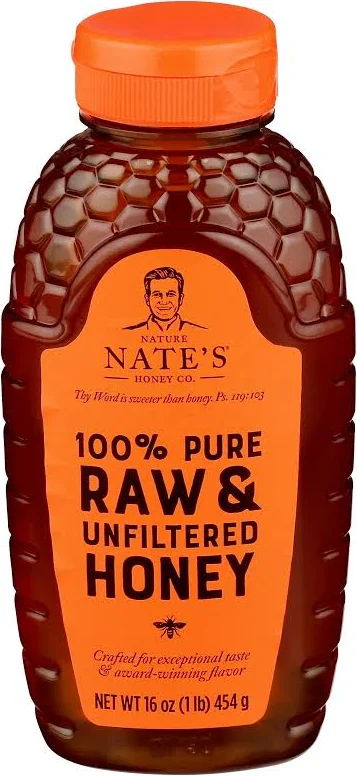
Honey To Avoid?
Independent testing tells a very different story than the bottle. If you care about real raw honey, this is a must‑read.
Forensic Audit Report: Federal Enforcement Actions Targeting Fraudulent and Adulterated Honey Markets (2013–2025 FY)

This forensic audit examines honey fraud, adulteration, tariff evasion, FDA surveillance, authenticity testing, and federal enforcement actions from 2013 through 2025.
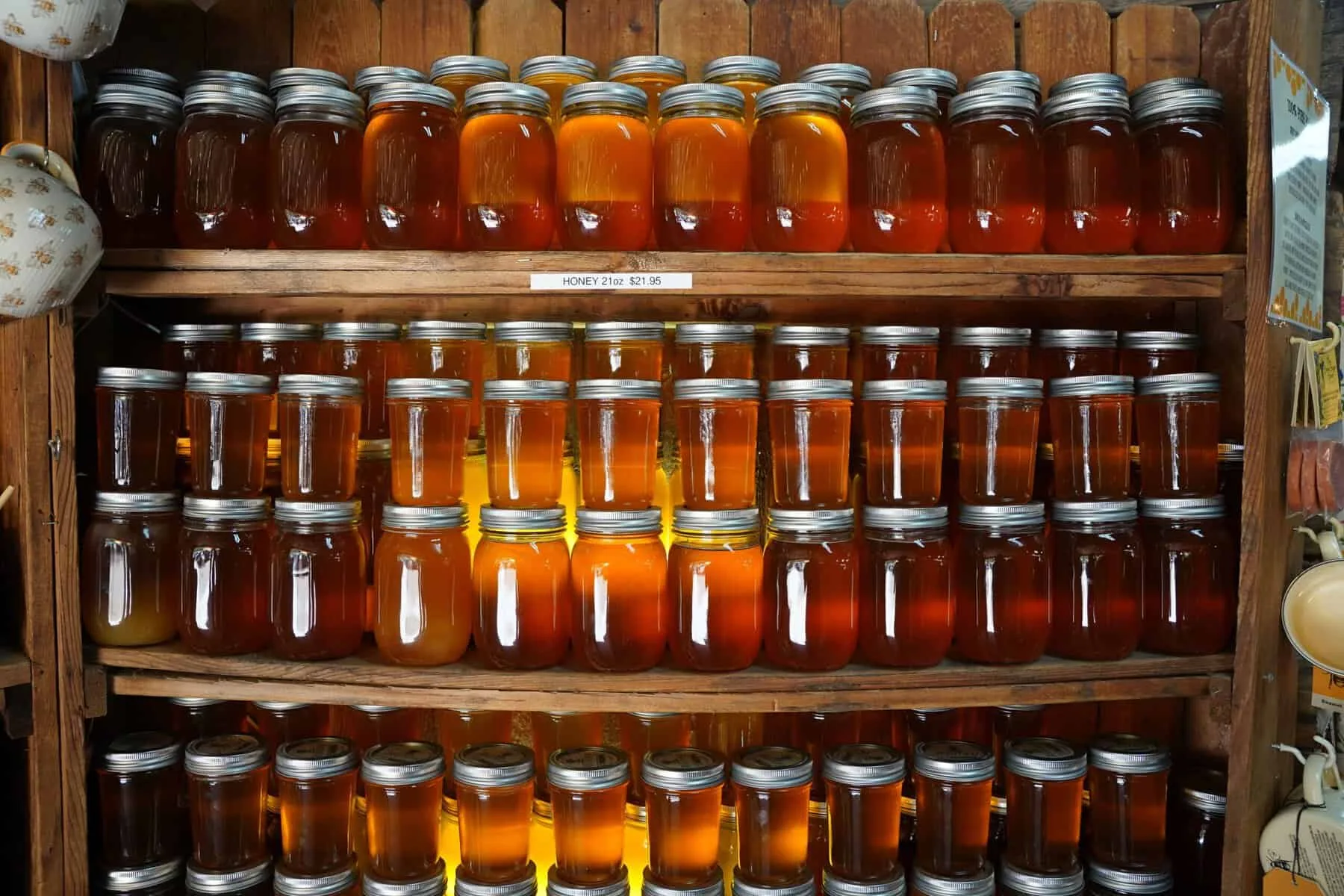
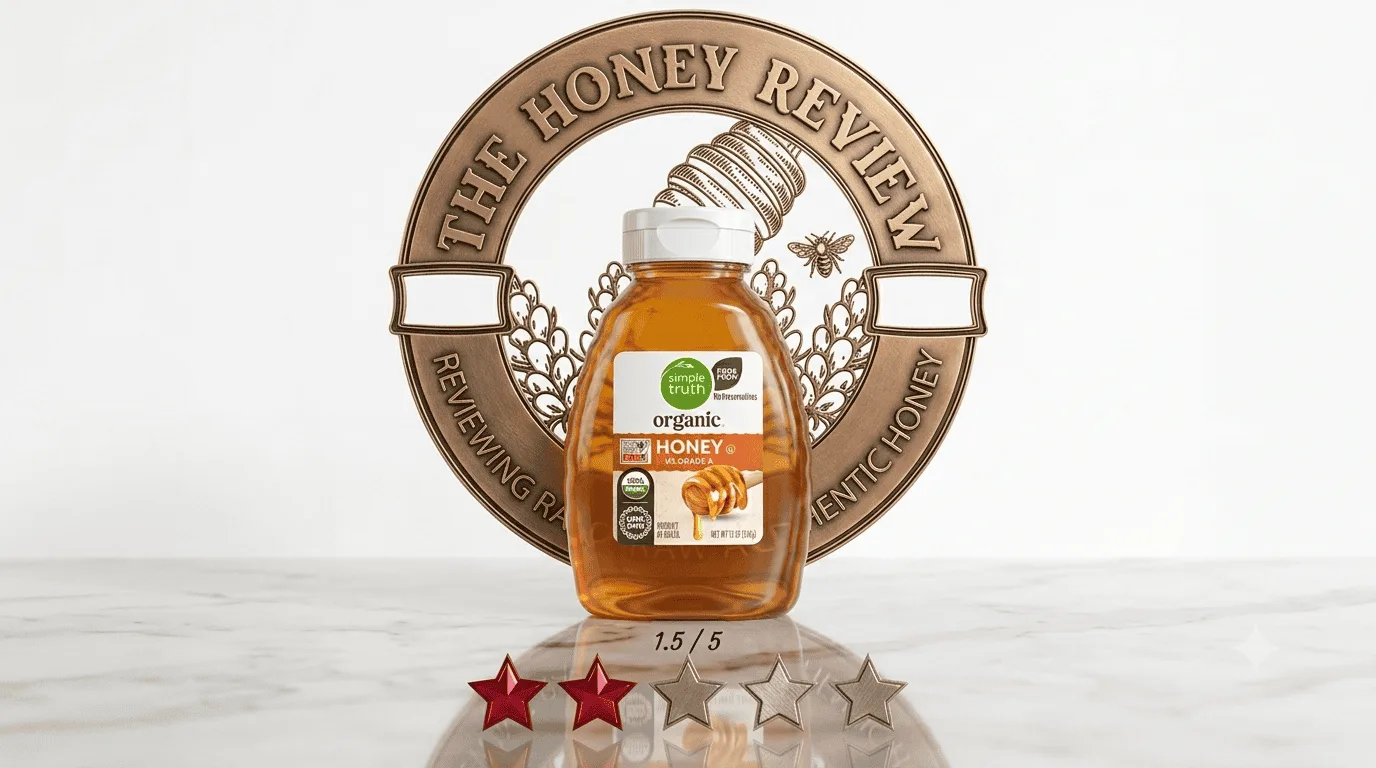
Honey to Avoid: Simple Truth Organic Honey (The Greenwashed Pseudo-Raw Audit)

Honey to Avoid: Simple Truth Organic Honey (The Greenwashed Pseudo-Raw Audit) Howdy y’all, and welcome back to my raw honey review blog, where I share my love and passion for all things honey! If you’ve been following my journey, you know I’m always on a mission to find the best honeys in the world, tasting…
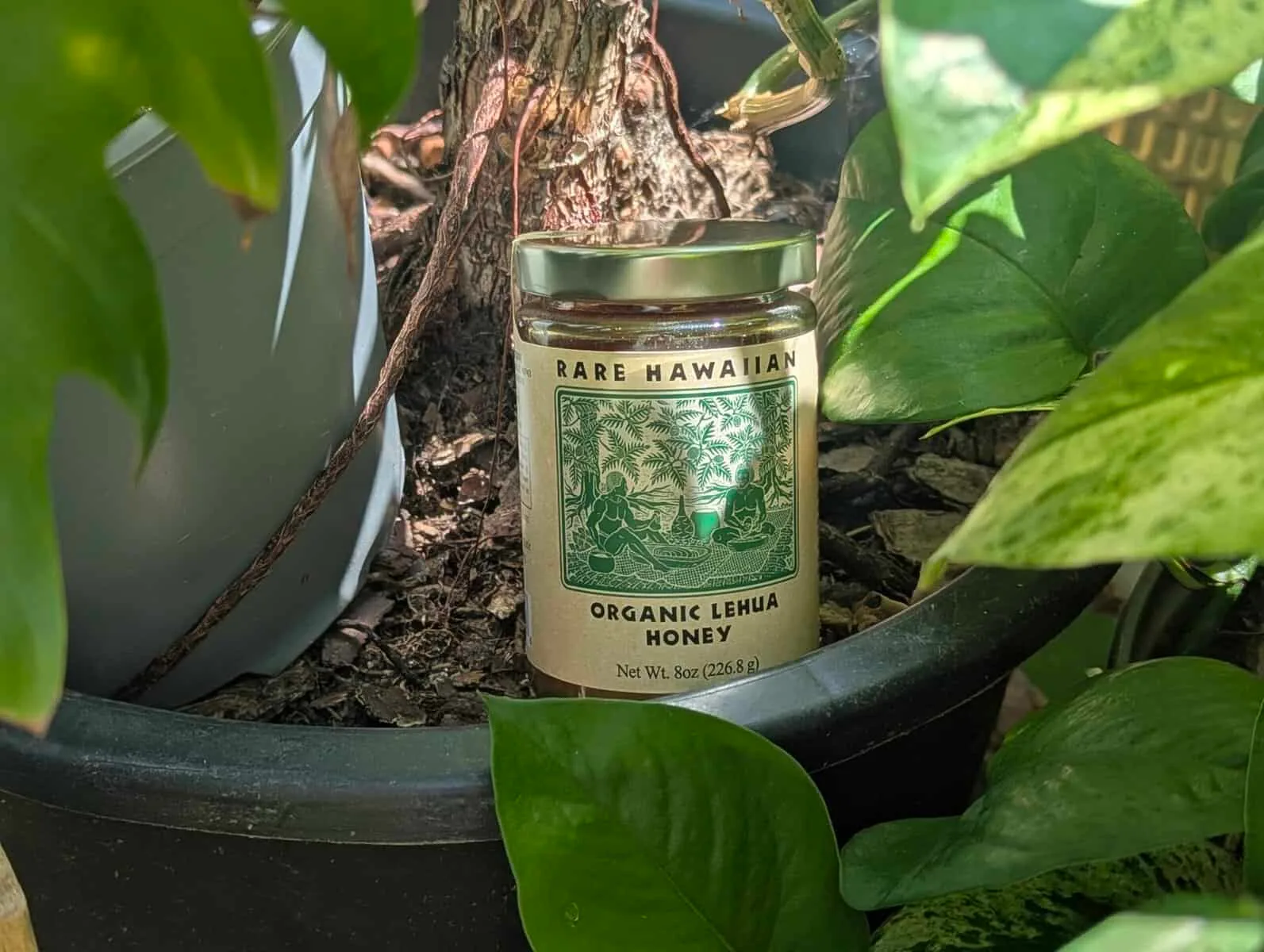
The Liquid Gold of Mauna Loa: ‘Ōhi‘a Lehua Hawaiian Honey Audit

If you have spent any time reading the forensic audits here on The Honey Review, you know how quickly mass-market supermarket shelf-staples get torn apart. Industrial processing, mass aggregation, ultra-filtration, and suspicious flash-heating usually turn what should be a living, complex food into nothing more than dead, liquid sugar. When evaluating high-volume grocery brands, the…

Honey Education Hub
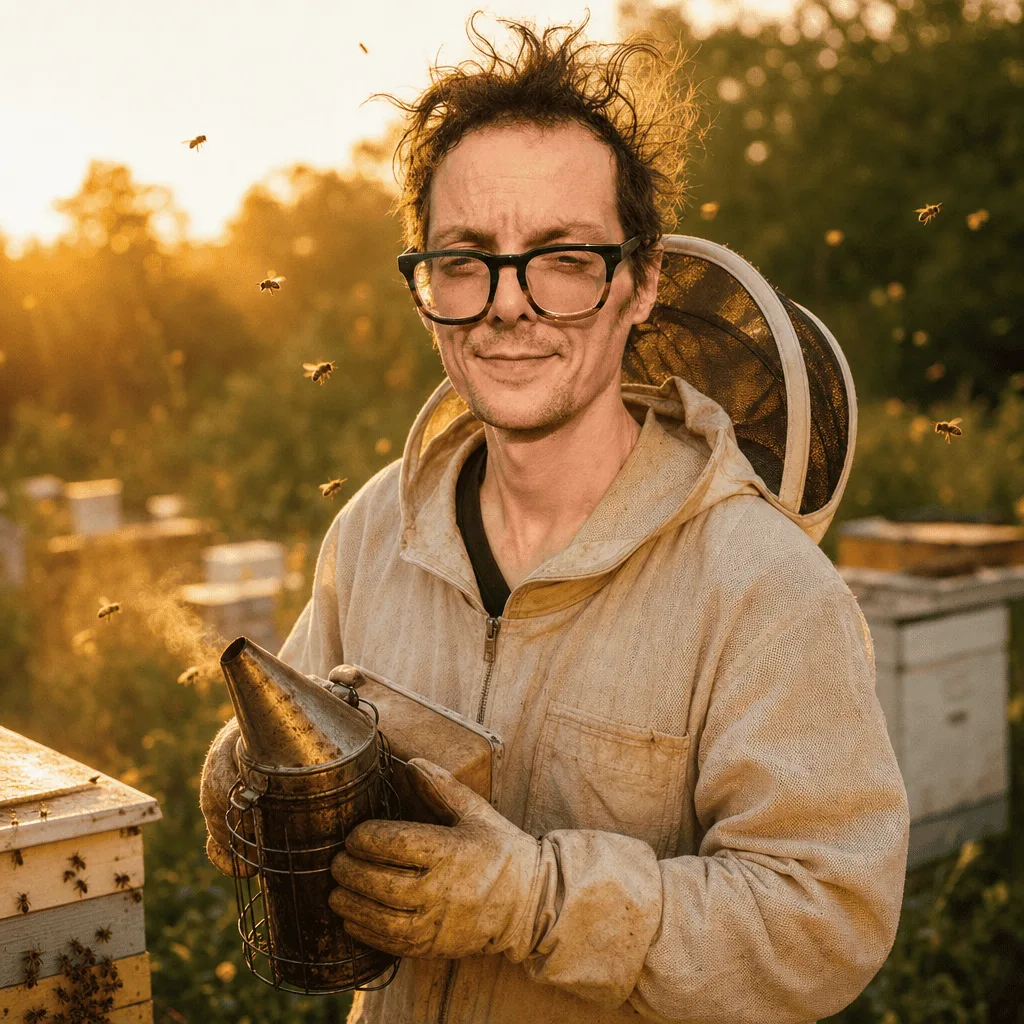
Hi, I’m Taylor — and I taste a lot of honey.
Honest reviews. No paid promotions. Just pure, unfiltered truth. I’m not a scientist. I’m a collector. I’m a preserver. I’m someone who has spent years learning what real honey tastes like—and what it doesn’t. If you’re tired of being lied to by the label, you’re in the right place.
Honey Finder Tool
Most grocery‑store honey is heated, blended, or ultra‑filtered — even when the label says “raw.” Our reviews break down which brands pass real raw‑honey standards and which fail.
Look for signs like high HMF levels, loss of aroma, and unusually smooth texture. We test and report these indicators, so you don’t have to guess.
Because U.S. labeling laws are loose. Companies can legally use the word “raw” even if the honey has been heated. That’s why independent testing matters.
Local honey is fresher, less processed, and more traceable. It also supports small beekeepers instead of large blending operations.
Crystallization is a natural sign of unheated honey. If your honey never crystallizes, it may have been heated or ultra‑filtered.
HMF (Hydroxymethylfurfural) increases when honey is heated or aged. High HMF = not raw. We include HMF data in our reviews whenever available.
Sometimes — but only if it’s independently tested for MGO/UMF. Many cheap Manuka products are diluted or mislabeled.
Uniform flavor often means blending from multiple countries. Real raw honey varies by season, region, and floral source.
We analyze lab reports, HMF levels, pollen content, sourcing transparency, and real‑world user experience.
Start Your Honey Journey
Begin your journey into the world of real, unheated, unblended honey. Whether you’re here to find the best raw honey brands or to learn how to avoid the marketing tricks big companies use, this is the place to start. Explore our in‑depth reviews, discover what truly makes honey “raw,” and feel confident knowing you’re getting honest, data‑backed guidance every step of the way.