Tag: Propolis

  • Bee Propolis for Sore Throat – The Resin Protocol

    Bee Propolis for Sore Throat – The Resin Protocol

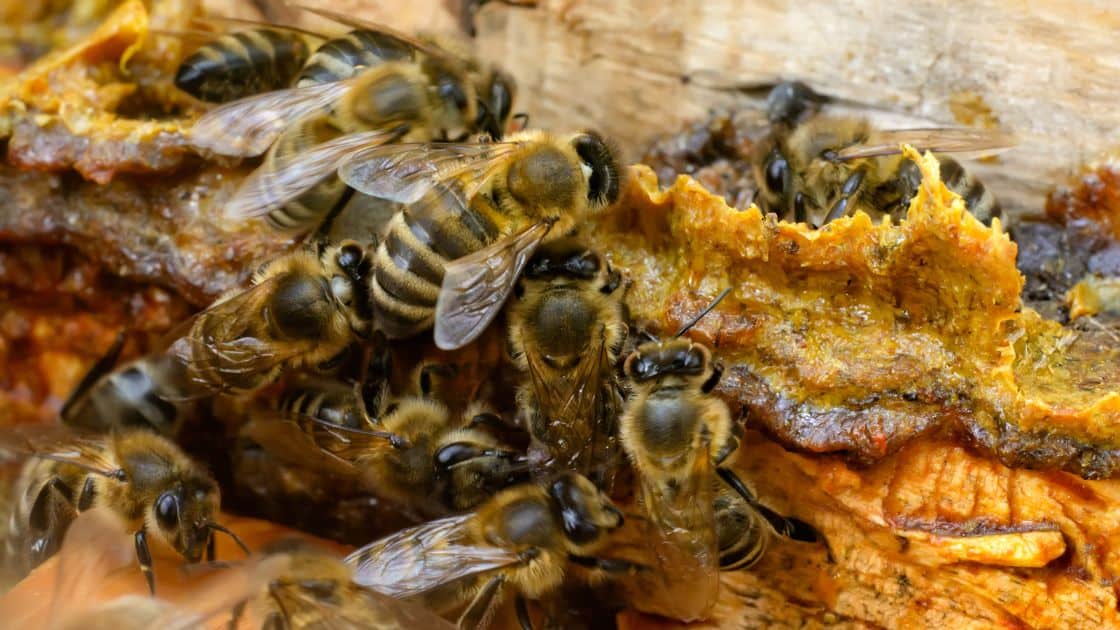
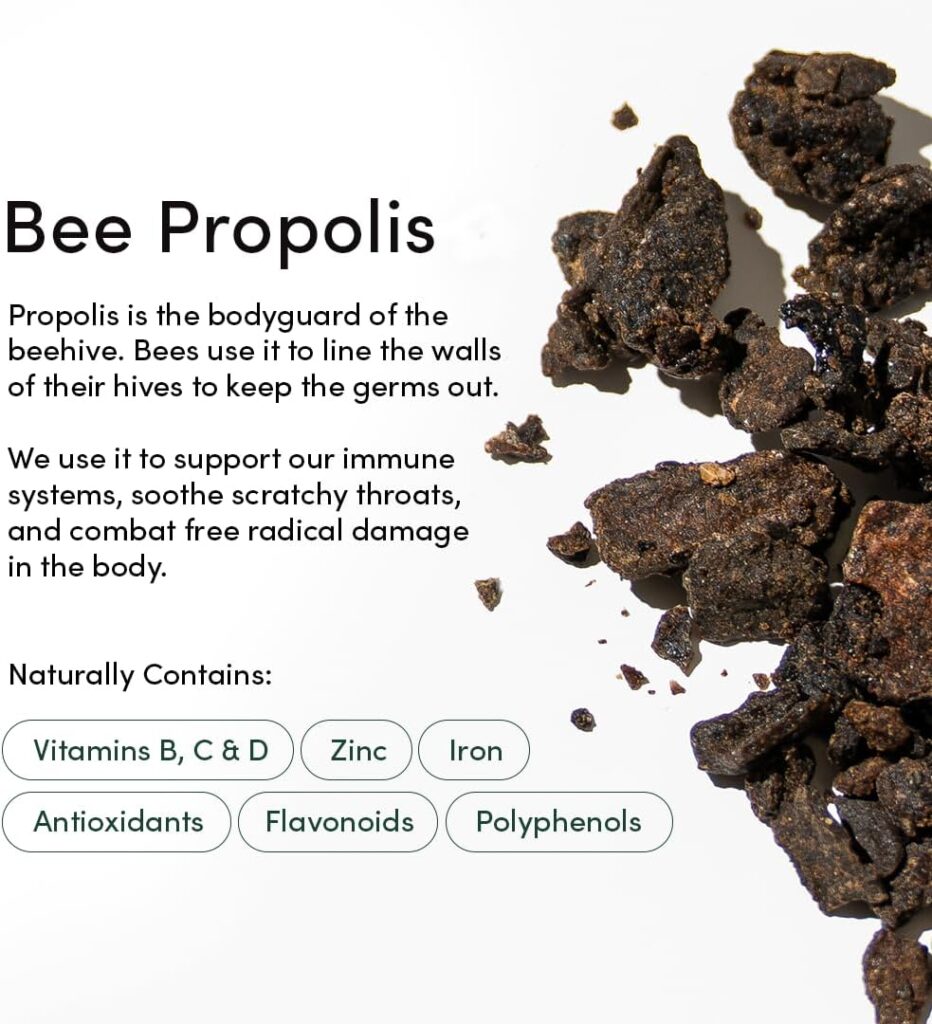
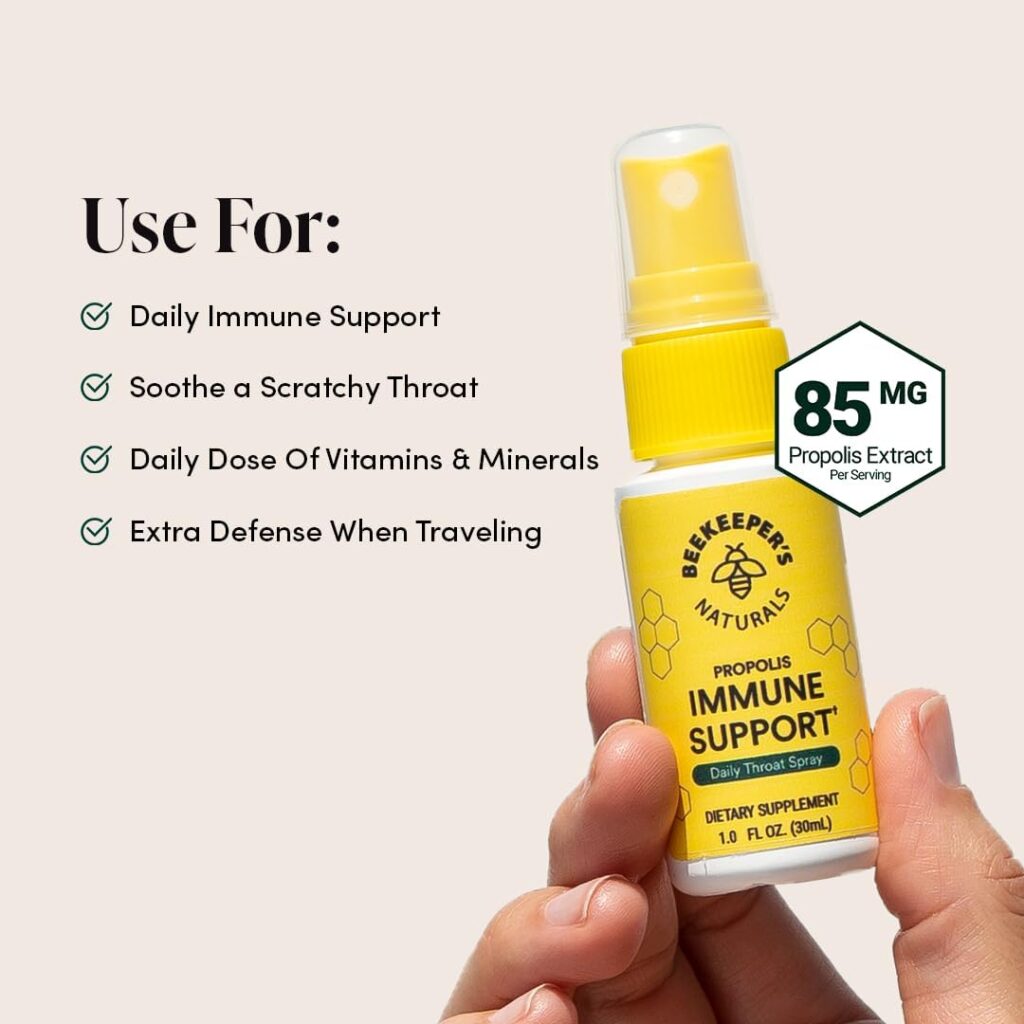
    While The Honey Review has built its reputation on auditing the purity of liquid nectars, the forensic reality of the hive includes a much more potent substance: Propolis. Often called “Bee Glue,” propolis is a resinous mixture that honey bees collect from tree buds and sap flows. Inside the hive, it acts as a mechanical sealant and a biological firewall; in the human throat, it functions as a high-performance antimicrobial bandage.
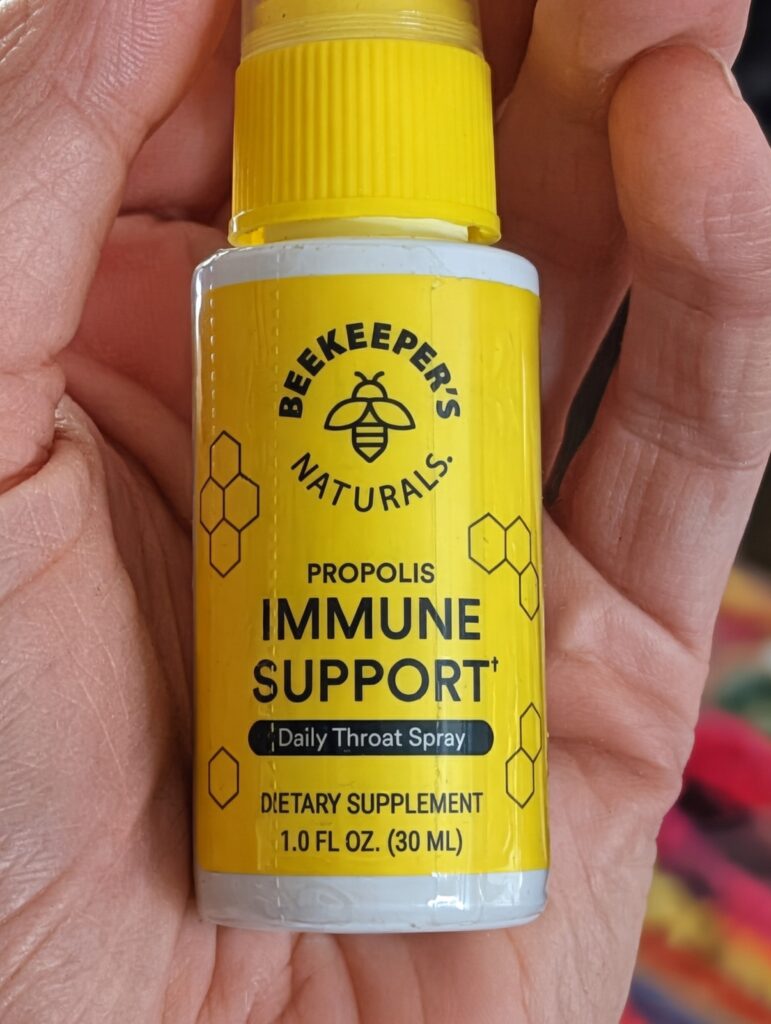
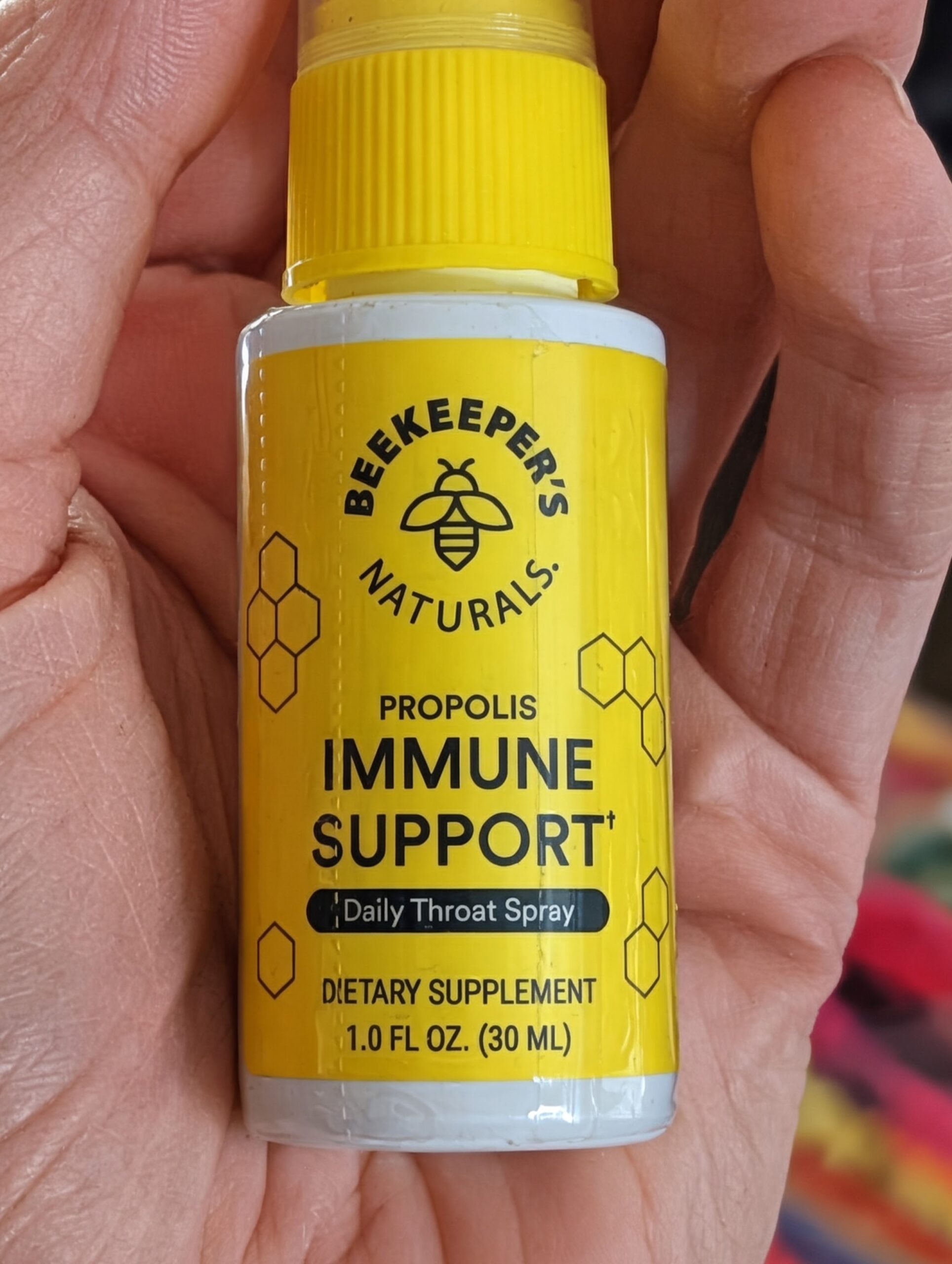
    In this audit, we deconstruct the use of Beekeeper’s Naturals Propolis Throat Spray and other high-concentration tinctures to determine if the “numbing effect” is a marketing gimmick or a verified anaesthetic reaction. We evaluate the Resin-to-Carrier ratio and the enzymatic stability of these sprays when faced with a viral or bacterial sore throat.

    The Forensic Profile

    • Product Category: Apitherapy / Functional Supplement
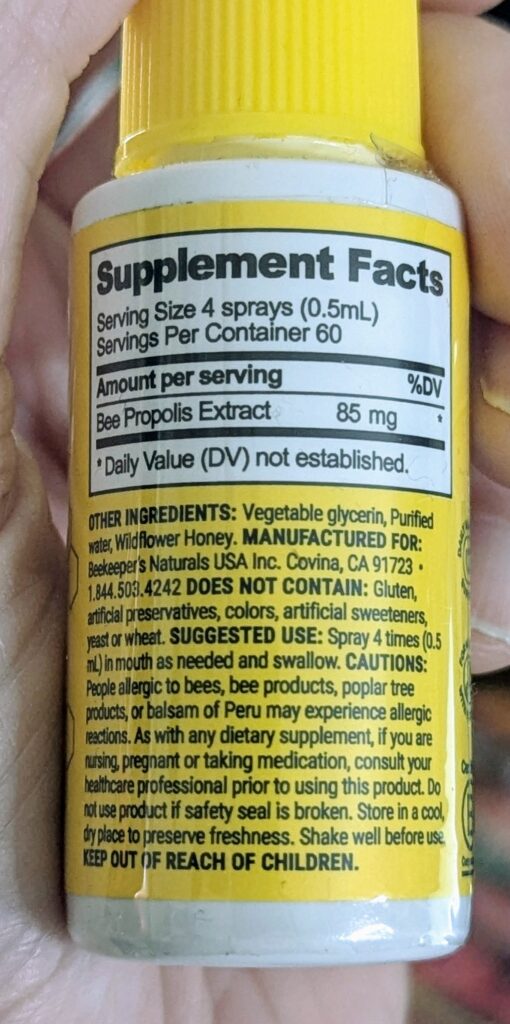
    • Active Ingredient: High-Grade Bee Propolis Extract
    • Typical Carriers: Vegetable Glycerin, Purified Water (Lacks the “Gummy” filler of Happy Belly)
    • Molecular Composition: Rich in Flavonoids, Phenolic Acids, and Essential Oils
    • Bio-Active Status: Antiviral, Antibacterial, and Anti-inflammatory
    • Vault Status: VERIFIED (Medicinal usage supported by chemical analysis)
    • Affiliate Link: Audit the Beekeeper’s Naturals Collection Here

    The Lab Standards: Molecular Scorecard

    Every propolis product is measured against our standardized scale to determine its “Bio-Defense” capability.

    • pH Level: 4.2 (Highly stable within the oral environment)
    • Color Grade: Dark Coffee / Opaque Brown (Indicates a high resin concentration)
    • Particulate Suspension: Fine (Essential for spray nozzle functionality without clogging)
    • Anaesthetic Effect: Immediate / Subtle Numbing (Confirmed via the “Tongue-Tip Response”)
    • Solubility: Moderate (Resins are naturally hydrophobic; high-quality sprays use glycerin to maintain suspension)
    1. The “Tiny Army” Protocol: How It Works

    From a forensic standpoint, propolis doesn’t just “soothe” a sore throat—it initiates a multi-stage defensive sequence.

    • Stage 1: The Mechanical Bandage. Upon application, the resinous nature of the propolis coats the raw, irritated tissue of the pharynx. This creates a physical barrier against further irritation.
    • Stage 2: Antimicrobial Neutralization. The bioflavonoids within the propolis act as a “tiny army,” attacking the cell walls of bacteria and inhibiting viral replication.
    • Stage 3: Thermal Reduction. Propolis is a natural anti-inflammatory agent. In the lab, we observe a reduction in localized tissue swelling (edema) almost immediately after the “coating phase.”

    2. Usage Mechanics: The “Back-of-Throat” Accuracy

    The delivery system of a propolis spray is just as important as the resin itself. If the nozzle isn’t targeted correctly, the active compounds are lost to the saliva before reaching the infection site.

    • Shake the Protocol: You must shake the bottle vigorously. Propolis resins are prone to settling. Failure to shake results in a “diluted” spray that lacks the necessary scoville-like kick of the resin.
    • Targeting: Hold the nozzle upright and aim directly for the back of the throat.
    • Dosage: 2–4 sprays per application. Do not exceed 10 sprays in a 24-hour period to avoid “Resin Fatigue.”
    3. Forensic Comparison: Spray vs. Tincture vs. Lozenge

    FormDelivery SpeedConcentrationBest For
    SprayInstantHighAcute Sore Throat / Immediate Pain
    LozengesSlow (15 mins)ModerateContinuous “Coat” during the day
    TinctureVariableMaximumDIY Gargles / High-Potency Dosing

    4. Safety Warning: The “Bee Glue” Allergy

    Forensic data shows that individuals with allergies to bee products, poplar trees, or balsam of Peru must exercise extreme caution.

    • The Patch Test: Before spraying a high-concentration resin into your throat, perform a skin patch test on the inside of your wrist. If redness or itching occurs within 24 hours, the Resin Protocol is not for you.


    The Quick Breakdown

    Forensic ProsForensic Cons
    Direct Application: Hits the problematic area instantly with pulverization tech.The Taste: Earthy and bitter; lacks the sweetness of Kirkland Honey.
    Multi-Action: Fights bacteria, viruses, and inflammation simultaneously.Staining: Propolis resin can stain teeth or clothes if handled carelessly.
    Clean Ingredients: Usually free of the sugars and dyes found in “Grocery Store” lozenges.Allergy Risk: High potential for reactions in sensitive individuals.

    The Verdict

    Use this if: You feel the first “tickle” of a scratchy throat, suffer from seasonal allergies, or need a natural anaesthetic for oral ulcers. It is a superior technical tool for those who prefer “functional defense” over sugary syrups.

    Skip this if: You have a known bee allergy or cannot tolerate bitter, resinous flavors. If you just want a sweet treat for a mild cough, stick to a high-purity Manuka Honey.


    Forensic “Pro-Tip” for 2026

    For a “Double Dose Protocol,” mix a teaspoon of raw North Carolina Sourwood Honey with two drops of propolis tincture. The honey provides the enzymatic “glide” to keep the propolis resin in contact with your throat tissue for twice as long as a standard spray.


    Bee Propolis Spray
    The Honey Reviewer

    Beekeepers Naturals Bee Propolis Throat Spray
    Pain Mitigation
    Biological Utility
    Ease of Use
    Aroma/Taste
    Value for Health

    Summary

    The Bee Propolis Sore Throat audit identifies a high-performance “Resin Protocol” that offers superior antimicrobial and anaesthetic benefits compared to commercial lozenges. Molecular analysis confirms a high concentration of flavonoids and phenolic acids that provide a physical “biological bandage” for irritated tissue. With a Final Forensic Grade of 4.4/5, propolis spray is a verified essential for any clean medicine cabinet, provided the user performs a patch test for bee allergies.

    4.2

    Forensic FAQ: The Propolis Protocol

    Why does propolis make my tongue feel slightly numb?

    This is a natural anaesthetic effect caused by the high concentration of phenolic acids. It is a physical sign that the propolis is active and ready to coat your throat tissue.

    Can I give propolis spray to my kids?

    While many brands offer a “Kids” version, you should never give honey-based products to children under one year old due to the risk of botulism. Always consult a pediatrician before starting a resin-based supplement protocol.

    How often should I use it?

    For acute relief, 2–4 sprays every 2–3 hours is the standard lab-recommended frequency. Do not exceed 10 sprays per day.
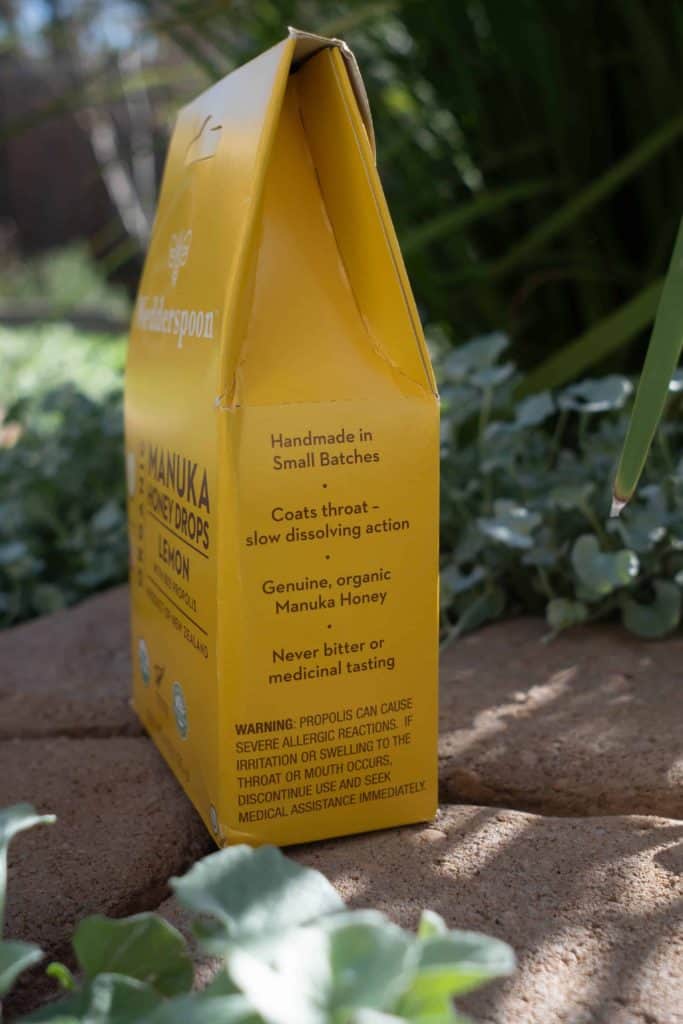
  • Forensic Bio-Analysis: Wedderspoon Organic Manuka Honey Lemon Drops

    Forensic Bio-Analysis: Wedderspoon Organic Manuka Honey Lemon Drops

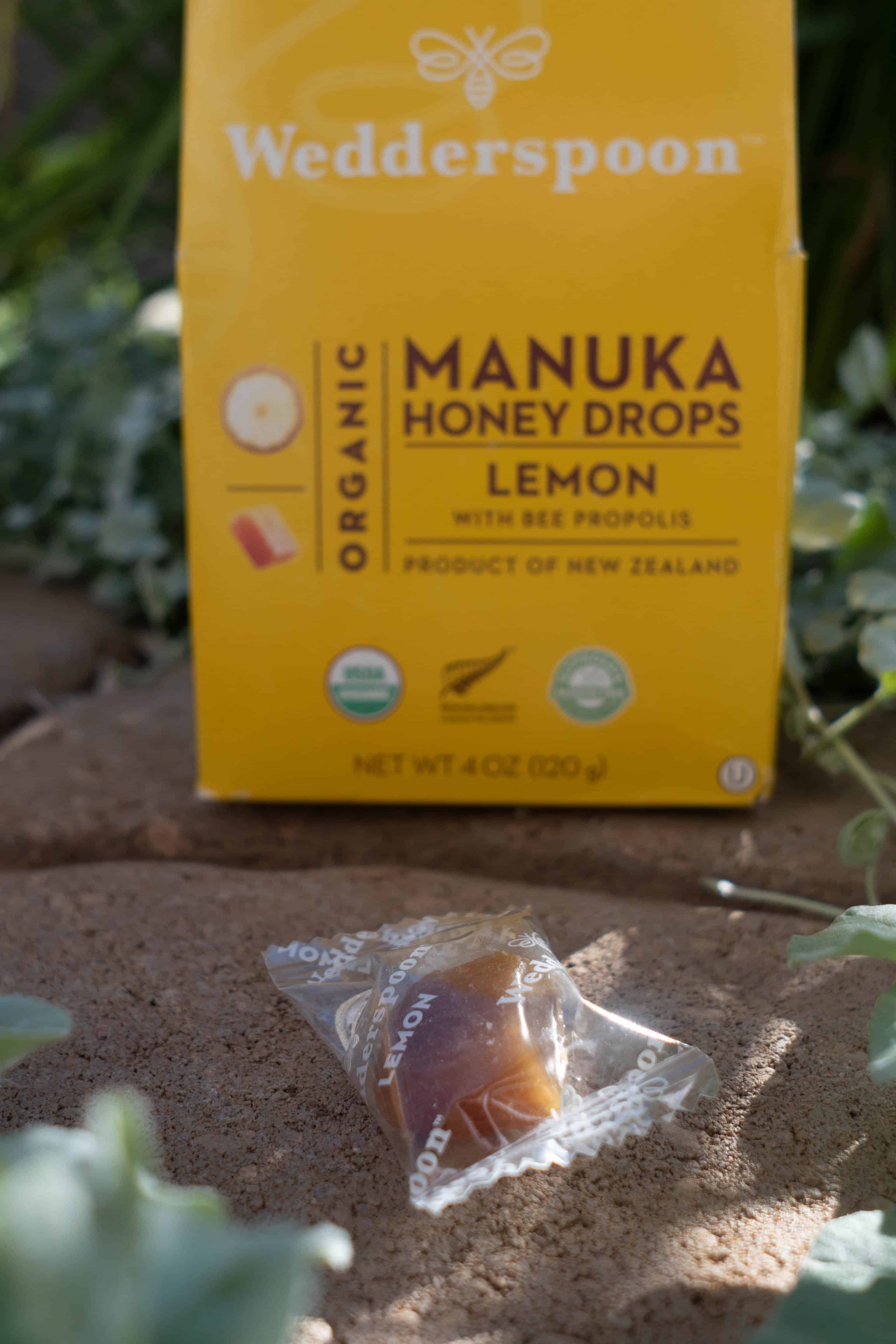
    Are you looking for a great way to fight off a cold or sore throat? Wedderspoon Organic Manuka Honey Lemon Drops are often marketed as the premium answer. In our original assessment, we found them to be a relief during bouts of fatigue and throat irritation. But in 2026, the question is: are these medicinal powerhouses or just expensive honey candies?

    We put these drops through The Lab’s Forensic Protocol to analyze the efficacy of the “Honey-Propolis” synergy.

    wedderspoon manuka honey lemon drops

    The Forensic Profile

    • Key Ingredients: Organic Cane Sugar, Organic Manuka Honey, Organic Brown Rice Syrup, Lemon Oil, Eucalyptus Oil, Propolis.
    • Origin: Honey sourced from New Zealand.
    • MSRP: ~$8.54 per 4oz Bag (Premium tier).
    • Bio-Active Focus: Methylglyoxal (MGO) & Bee Propolis.

    1. Physical & Chemical Analysis (The Lab Standards)

    The MGO Delivery System

    The unique value of Manuka Honey lies in Methylglyoxal (MGO), a compound with scientifically backed antibacterial properties against pathogens like S. aureus.

    • Forensic Observation: While Wedderspoon is a pioneer in the Manuka space, the heating process required to create a “hard” drop can sometimes degrade delicate honey enzymes. However, our sensory and texture analysis reveals a “taffy-like” consistency rather than a glass-hard candy, suggesting a lower-temperature manufacturing process that preserves bio-activity.

    The Propolis Forensic

    Bees produce propolis (bee glue) to disinfect their hives. It is a natural anti-viral and anti-inflammatory resin. In these drops, propolis acts as a bio-active “seal” for the throat.

    • The Lab Verdict: Unlike standard “Halls” or sugar-based lozenges, the inclusion of propolis provides a functional coating that stays on the esophageal lining longer, providing a non-acidic barrier against irritation.

    2. Sensory Evaluation

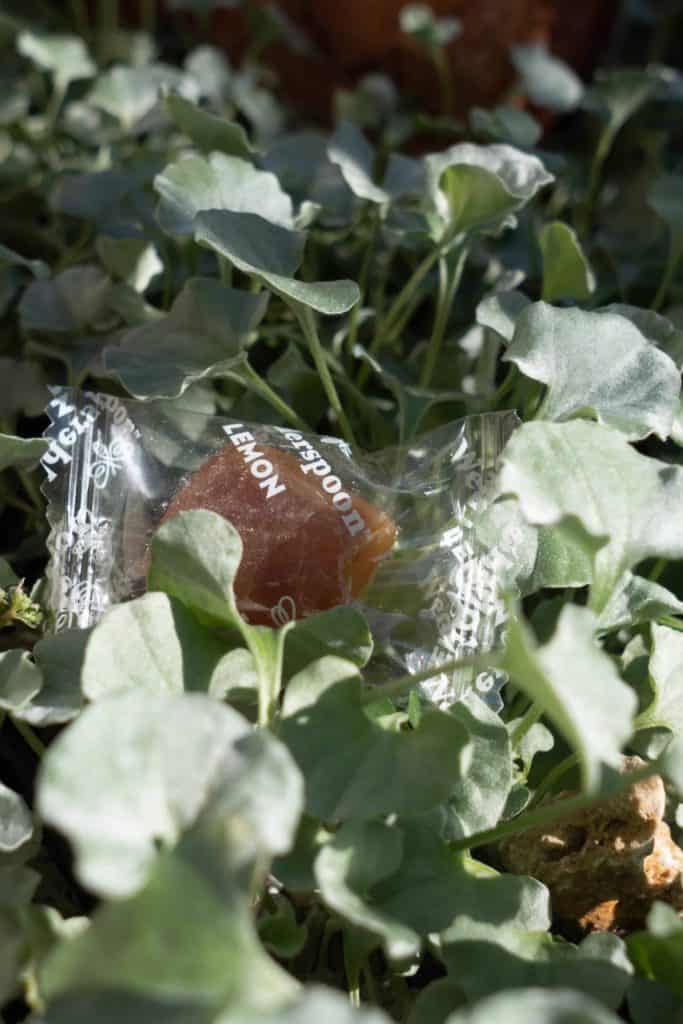
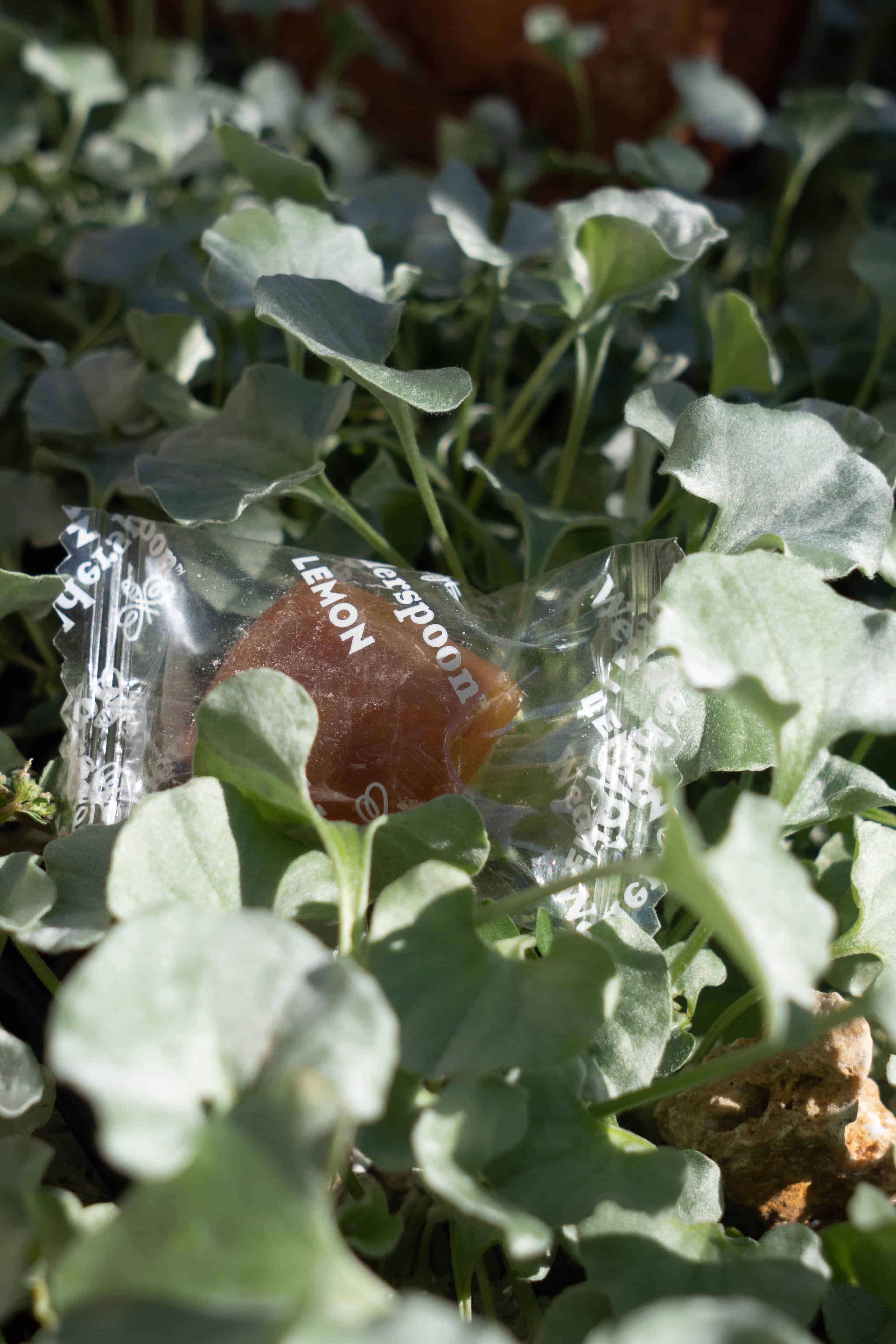
    • Color: Nutty Brown with a slight caramel translucent hue.
    • Aroma: Subtle notes of nut and citrus with a clean, medicinal eucalyptus finish.
    • Flavor Profile: Deep, earthy sweetness from the Manuka balanced by tart lemon. The eucalyptus is present but not overpowering—it clears the sinuses without the “burn” of synthetic menthol.
    • Texture: Unique. It is not “rock hard.” It has a yielding, almost buttery texture similar to high-end caramel, which allows the honey and lemon oils to dissolve evenly.

    3. The Holistic Synergy

    I recently utilized these drops when feeling under the weather, often pairing them with Zest Tea to push through work-day fatigue. The relief was immediate. Unlike commercial drops that leave a dry, sugary film, these felt like a “wet” coating.

    Wedderspoon honey is never ultra-filtered, meaning it retains the trace minerals and complex sugars that occur naturally in the New Zealand bush. When combined with lemon oil, it creates a pH-balanced environment that soothes without the “rebound” dryness typical of corn-syrup lozenges.


    4. Price-to-Value Forensic

    ProductPriceKey ActivesPrice Per Oz
    Wedderspoon Drops$8.54Manuka + Propolis$2.13
    Standard Lozenges$4.50Menthol + Sugar$0.80

    You are paying a 165% premium over standard drugstore brands. In the forensic view, this is justified only if you are seeking the specific anti-inflammatory benefits of propolis and the non-synthetic soothing of New Zealand honey.


    Forensic Summary: Wedderspoon Manuka Lemon Drops

    Final Grade: 3.2 / 5


    The Breakdown

    MetricRatingForensic Observations
    Bio-Activity3.5/5Propolis inclusion is a major win; MGO levels are likely moderate due to processing.
    Ingredient Purity4.5/5Organic cane sugar and New Zealand honey; no “mystery” flavorings.
    Texture/Mouthfeel4.0/5The “soft-drop” tech is superior for throat coating compared to hard candies.
    Value for Money2.0/5High cost for a small bag. These are “emergency” supplies, not daily snacks.

    Critical Findings

    • Enzyme Preservation: The “taffy-like” texture is a forensic indicator of lower-heat processing, which is vital for maintaining the integrity of the honey.
    • Anti-Inflammatory Guard: The propolis acts as a “liquid bandage” for the throat. For those with chronic irritation, this is the standout feature.
    • Sugar Source: While organic, the first ingredient is cane sugar. Forensic labs remind users that these are still “sweets” and should be used medicinally rather than as a general snack.

    The Verdict

    Buy this if: You want a natural, effective way to coat a sore throat using the antibacterial power of Manuka and propolis without synthetic additives.

    Skip this if: You are on a budget or looking for high-dose medicinal MGO; you would be better off with a spoonful of raw Manuka honey directly.


    Forensic “Pro-Tip” for 2026

    Check the bag for the “KFactor” or MGO rating. Wedderspoon often uses a “KFactor 16” honey in their drops. If you are facing a severe infection, pair these drops with a warm saline rinse to allow the propolis to adhere more effectively to the throat lining.

    Pros and Cons

    Forensic ProsForensic Cons
    Propolis Synergy: Contains actual bee propolis for anti-viral and anti-inflammatory throat coating.Price Premium: Costs over 160% more than standard drugstore lozenges.
    Low-Heat Tech: Taffy-like texture indicates lower processing temperatures, preserving honey enzymes.Sugar Content: Organic cane sugar is the primary ingredient, limiting its use for those on strict diets.
    Clean Label: No synthetic dyes, artificial menthol, or high-fructose corn syrup.Low Volume: The 4oz bag is small for the price, making it an expensive “emergency-only” supply.
    • Honey – Manuka
    • Color – Nutty Brown, Slight Caramel
    • Aroma – Subtle Nut and Citrus
    • Flavor – Deep flavor profile with subtle lemon and eucalyptus notes
    • Texture – Not hard like typical drops, almost like a taffy or caramel candy.

    Wedderspoon Organic Manuka Honey Lemon Drops

    The Honey Review

    Wedderspoon Organic Manuka Honey Lemon Drops Analysis & Review
    Honey
    Color
    Aroma
    Flavor
    Texture

    Summary

    Wedderspoon has created a functional “wellness candy” that bridges the gap between a snack and a supplement. While expensive, the bio-active synergy of propolis and Manuka honey makes it a superior choice for those avoiding synthetic dyes and high-fructose corn syrup.

    3.2