Tag: Texas

  • Tree Hive Maple Syrup Honey Review

    Tree Hive Maple Syrup Honey Review

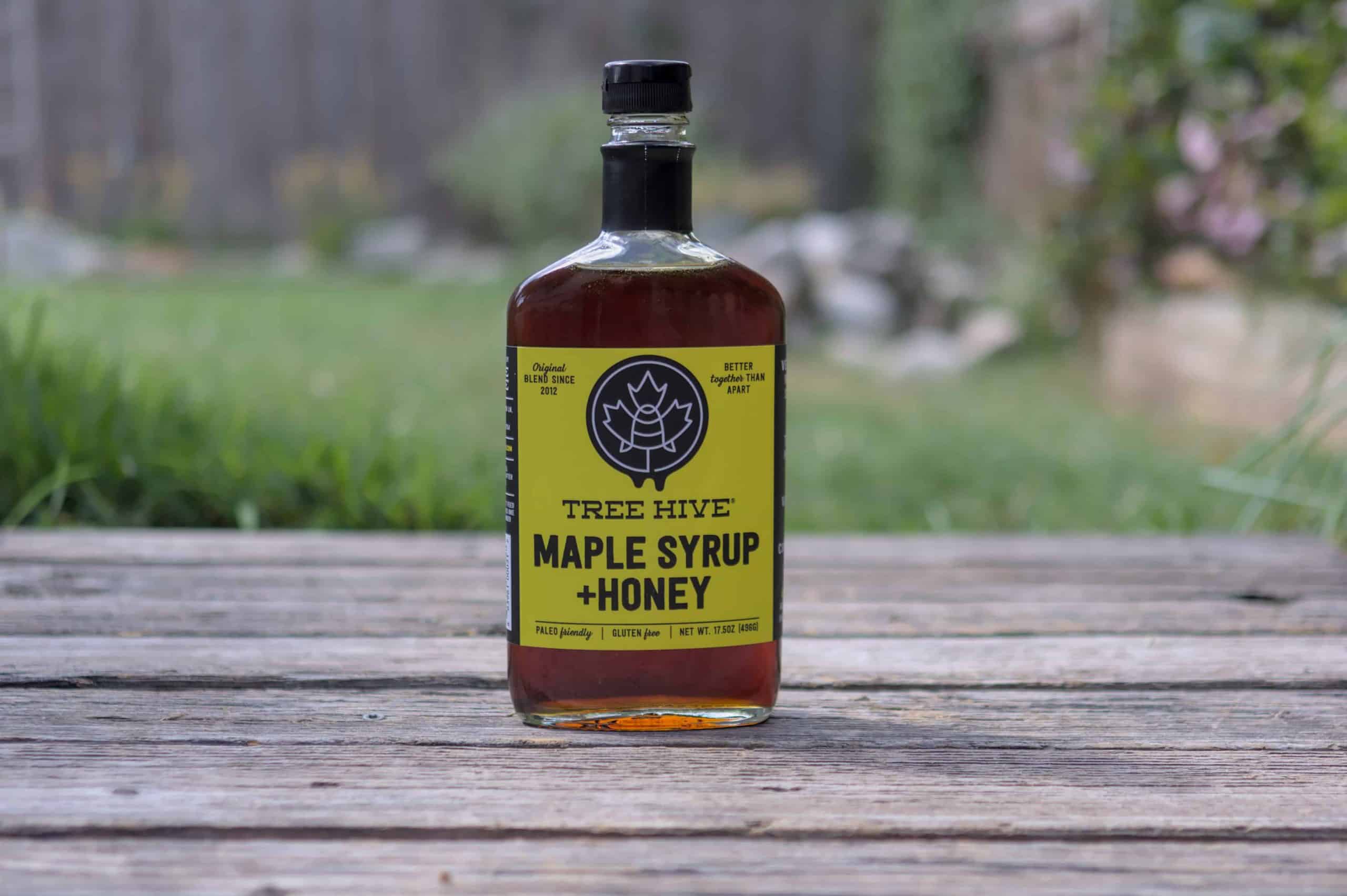
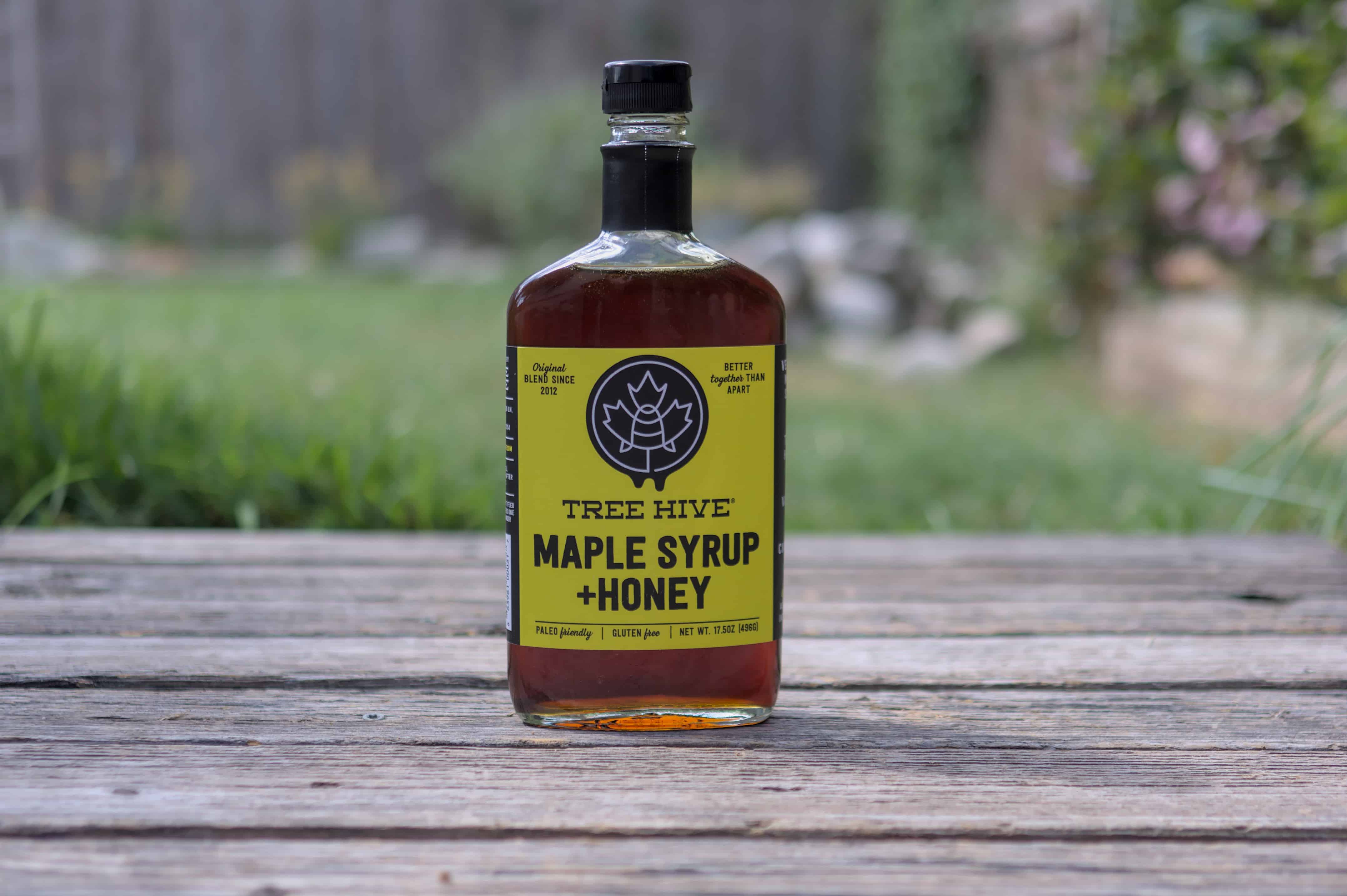
    Tree Hive Maple Syrup Honey is a delicious blend of pure Vermont maple syrup, Texas honey, Madagascar bourbon vanilla and cinnamon. Tree Hive is handcrafted in Austin, Texas. Spoiler: It’s one of my favorite Honey products I’ve ever tasted.

    This is my review and thoughts of their Maple Syrup + Honey below.
    Tree Hive Maple Syrup Honey Review
    • Honey – Maple Syrup and Infused Honey from Austin, Texas.
    • Color – Rich Maple and Cinnamon tones.
    • Aroma – Maple and rich Madagascar vanilla and bourbon
    • Flavor – Simple and decadent. Maple, Bourbon and Vanilla with subtle Cinnamon.
    • Texture – Silky and Smooth. No Crystallization or separation. Chill if you’d rather have a thicker texture.

    About Tree Hive

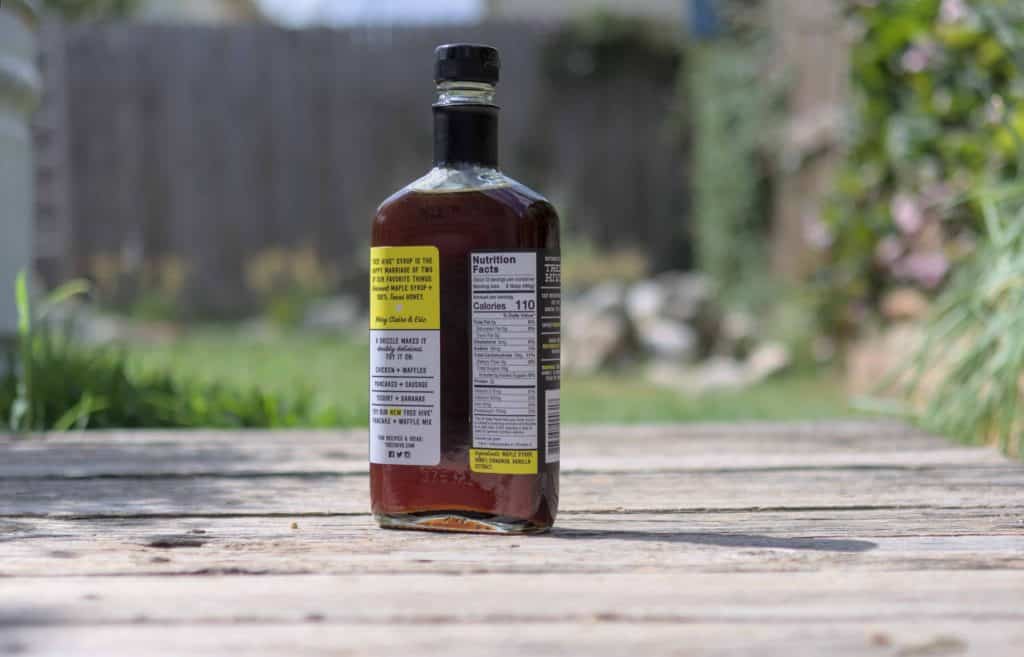
    Honey and Maple Syrup together in one Bottle. Tree Hive was started by Mary Claire and her Husband Eric, in Austin, Texas in 2013. It was a morning ritual with their family to have breakfast, and often they’d mix syrup and honey together. The end result was Tree Hive Syrup + Honey.

    I love that they include an address on the side label with a contact email. Always a good sign!

    I came across Tree Hive Maple Syrup Honey by chance at Walmart in East Austin, Texas. This was one of those hidden treasures you’d find by accident.

    Price

    It cost me just under $9 for a 17.5 oz bottle.

    Nostalgia Every Day

    I spent several years growing up in Vermont. I’ve always loved maple flavors. Maple is probably my favorite doughnut flavor with a heavy sprinkle of Bacon on top.

    Honestly, I wasn’t even that crazy about doughnuts until I had a Maple Bacon after my Hospital recovery.

    Apparently, I am a lover of saps and nectars. In time, I came to discover that I really love Honey as well.

    A bottle of Tree Hive Maple Syrup Honey is still in rotation at our house. We always keep a bottle in stock. It’s a favorite with Coffee, Hashbrowns or Oatmeal. It’s super light, and has perfect sweetness and consistency. This is such a balanced mix and there isn’t a week we don’t crack open the bottle.

    A Tale of Two Sweeties

    Tree Hive Maple Syrup + Honey is a unique product that combines the sweetness of maple syrup with the health benefits of honey. We make Maple syrup by harvesting sap from maple trees and then boiling it down to concentrate the sugars.

    Next, they add our beloved Honey to the syrup, which helps to preserve the natural vitamins and minerals.

    The final result is a delicious, all-natural sweetener that can be used in a variety of ways.

    Tree Hive Maple Syrup + Honey can be used to sweeten coffee or tea, drizzled over pancakes or waffles, or even used as a marinade for meats or vegetables.

    It’s such a versatile product that can help add a touch of sweetness to any dish. Plus, it’s a great way to support local beekeepers and maple producers. If you purchase Tree Hive Maple Syrup + Honey, you’re getting a delicious product that also helps to support sustainable agriculture.
    Tree Hive Maple Syrup Honey Review

    Tree Hive has great customer service and social media presence.

    They even shouted out this review! The owner Eric is really nice and appreciated my input.

    Breakfast is love

    They have a Pancake and Waffle mix out as well. I highly recommend them if you’re a big breakfast person, Coffee and Tea drinker. Check out Zest Tea if you need a good boost in the morning. They’re my favorite Tea Company.

    Tree Hive Maple Syrup Honey is a delightful blend of honey from Texas and pure Vermont maple syrup that is sure to please everyone at the table. Eric and Mary recommended Parker’s Real Maple Butter too as you explore recipes! Sounds like both of these would go great in my Homemade Bread.

    Try it on pancakes, in tea or coffee, or even on oatmeal or Cheerios. You can use this syrup as a great sugar substitute for baking, thanks to its naturally complex sweet flavor. You’ll find Tree Hive Maple Syrup and Honey at Walmart, Whole Foods Market, H-E-B, Gelson’s, Central Market, Erewhon, Natural Grocers, Con’ Olio, and more.

    You can head over to Tree Hives website which also has a direct to customer shop. Check it out HERE.

    Tree Hive Maple Syrup Honey Review

    The Honey Review

    Honey
    Color
    Aroma
    Flavor
    Texture

    Final Thoughts

    You can find so many good uses for Tree Hive Syrup. Whether it’s baking, breakfast, or a touch of sweet to your favorite meat marinade. They have a simple refined product and it’s a pretty reasonable price, considering how expensive Honey and Maple Syrup can be on their own. Nothing is imported, they use the best maple in the world (in my biased opinion) from Vermont and real Texas Honey.

    Tree Hive’s Syrup also contains less sugar since they substituted Honey into the mix. Surprisingly you’d find this less sweet than Log Cabin or Aunt Jemima. That’s where the Vanilla comes in. I can’t rave about this product enough. It’s incredibly well balanced. I don’t think I’ll ever get sick of it. I would buy bourbon barrels of this stuff if I could.
    4.8
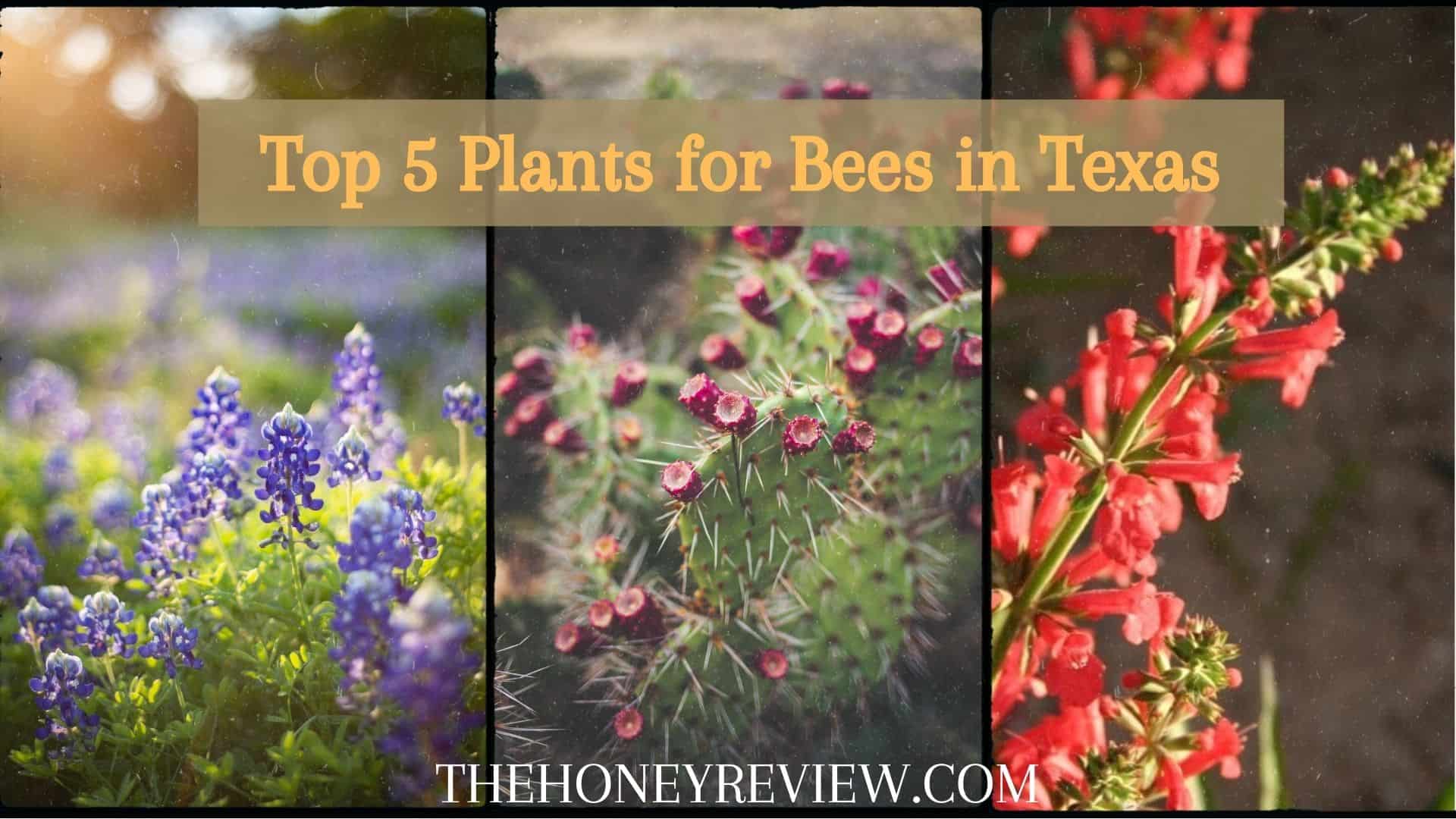
  • The 5 Best Plants for Bees in Texas

    The 5 Best Plants for Bees in Texas

    Courtesy of Bee Mindful

    Install a bee-friendly buffet in your backyard with these 5 best plants in Texas that attract native bees and other beneficial pollinators. You don’t need to be an expert at gardening or keeping honeybees; all you’ll need is some patience, creativity (and maybe just one friend!)

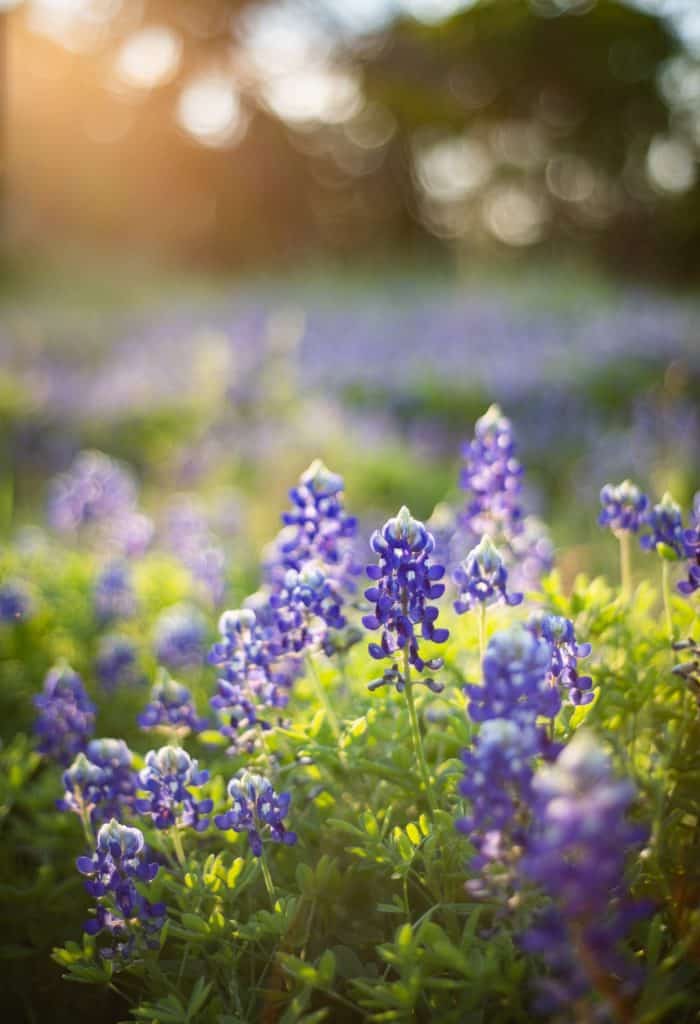
    Bluebonnet

    Bluebonnet Flower Best Plants for Bees in Texas

    The official flower of the lone star state. Bluebonnets are also known as Lupinus texensis in their latin name.

    If the winter is mild, Bluebonnets start blooming in late February or March. Typically, it’s early April when they bloom in mass. They bloom for a few weeks and then trade for other wildflowers.

    Plant them in rocky alkaline soil, and plan to plant them in October. Winter rain and weather will impact how many will actually bloom. Bluebonnets became the state flower in 1901! It beat out the Prickly Pear Cactus and Cotton Boll.

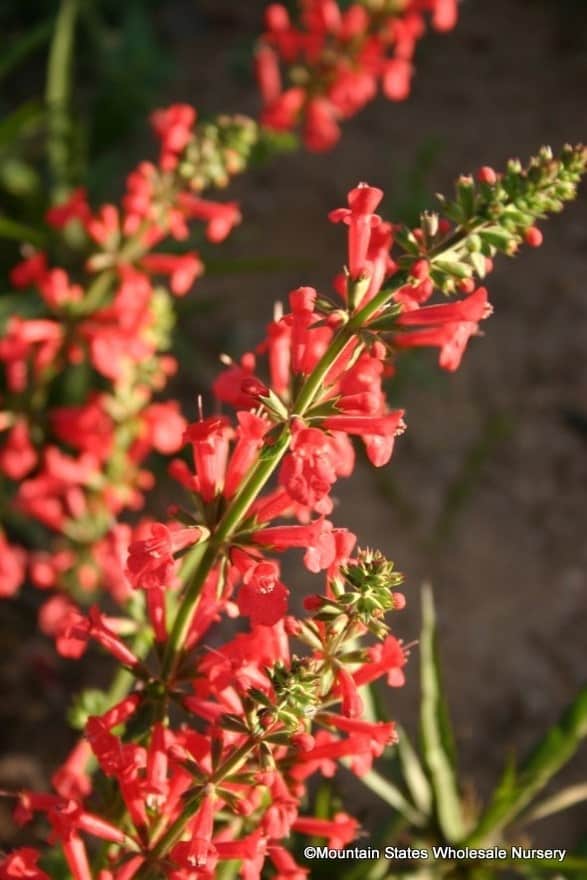
    Texas Betony

    Texas gardening at times is tough, and may require more resilient plants. The Texas Betony pairs great with the Bluebonnets and can withstand some of the harsh Texas weather periods. Texas Betony is a known as Stachys coccinea in latin, and is a member of the mint family. It requires little water after its initial planting period, doesn’t require fertilizer, is deer resistant and has a long bloom cycle.

    It grows 1 to 3 feet high and likely will sprawl. Commonly used as a border plant in landscapes. It’s one of the favored Texas plants typically used by local gardeners. Blooms start in March through October. It’s also an excellent pot plant.

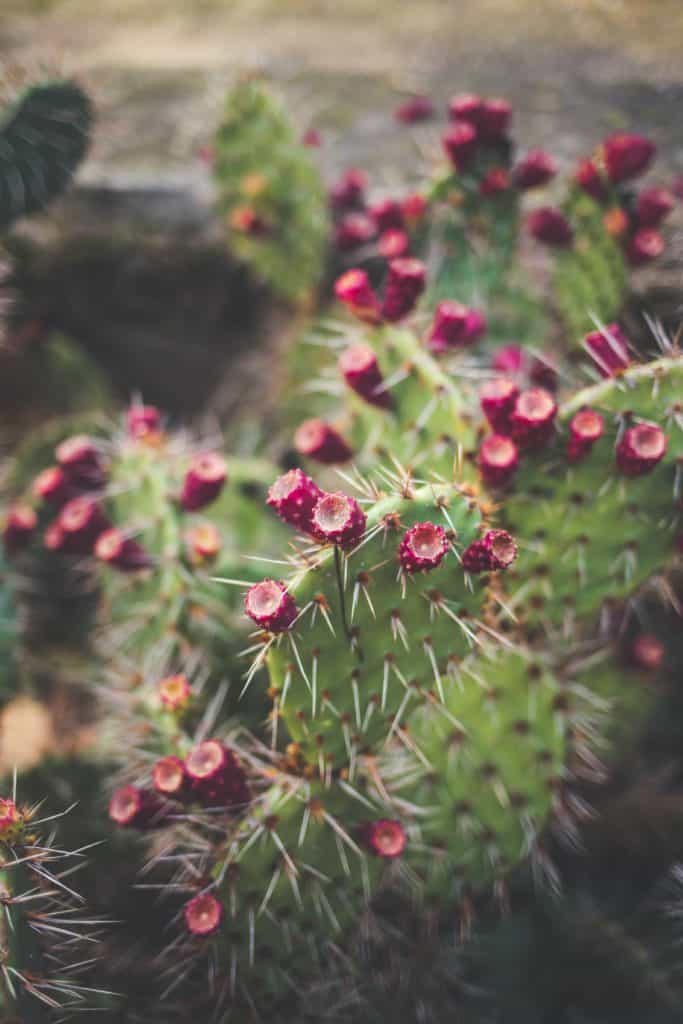
    Prickly Pear

    Best Plants for Bees in Texas Prickly Pear

    One of the better-known Cactus in Texas. Bees love these flowers. Plus, the pads, flowers, and most of the fruit varieties are edible after careful cleaning. Also known as Opuntia in latin, or Nopal Cactus or Paddle Cactus. Typically found in warm dry climates in the southwest, but they even extend to eastern regions withstanding colder seasons. They prefer alkaline to neutral soil, and you can plant cuttings pretty much any time of the year. Keep in mind initial growth from seed is slow. The seeds need shade and should be kept moist. Expect 3-4 years before it produces flowers and fruit.

    These are extremely drought tolerant and you don’t want to water them for the first month. Then you can water every 2-4 weeks for the first year, however rainfall is often enough to sustain them.

    Cuttings are likely your better bet for starting them. They need full sun and well-draining soil for a bloom in June to July.

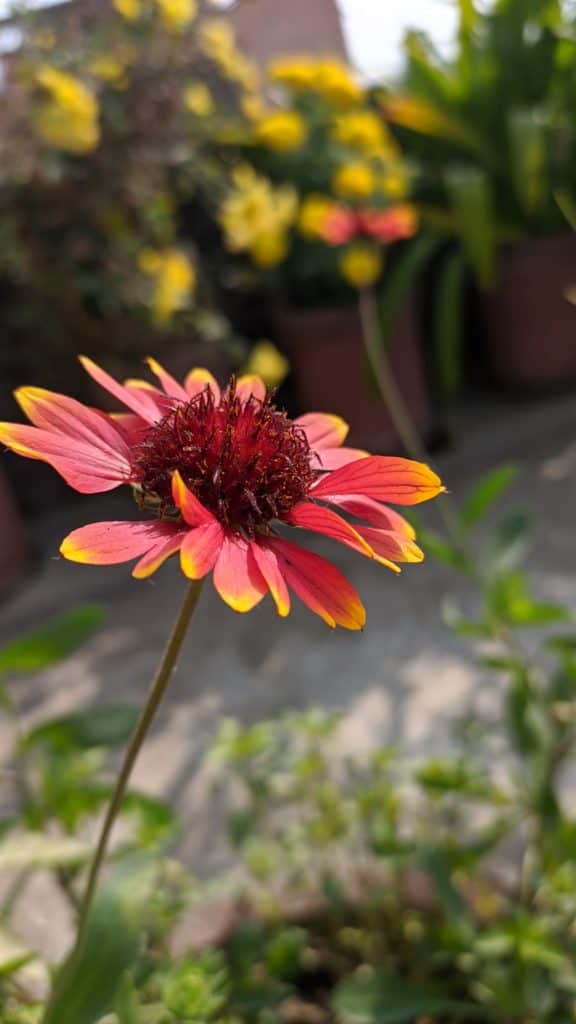
    Indian Blanket ( Firewheel )

    Indian Blanket, Firewheel Best Plants in Texas for Bees

    Often accompanied with Bluebonnets, Indian Blankets are popular annuals often seen alongside southwestern roads.

    These wildflowers resemble something of Fourth of July fireworks. Varieties are popular in Texas for their ability to tolerate heat and drought.

    Some are even entirely yellow, but most just have yellow or orange tips. Known as Gaillardia pulchella in latin. It’s part of the Aster family. Bloom times are long with months all through summer. May through August. Flowers grow longer if rain is abundant. Requires good drainage, Firewheels are super easy to plant. Moderate Deer resistance attracts butterflies and bees.

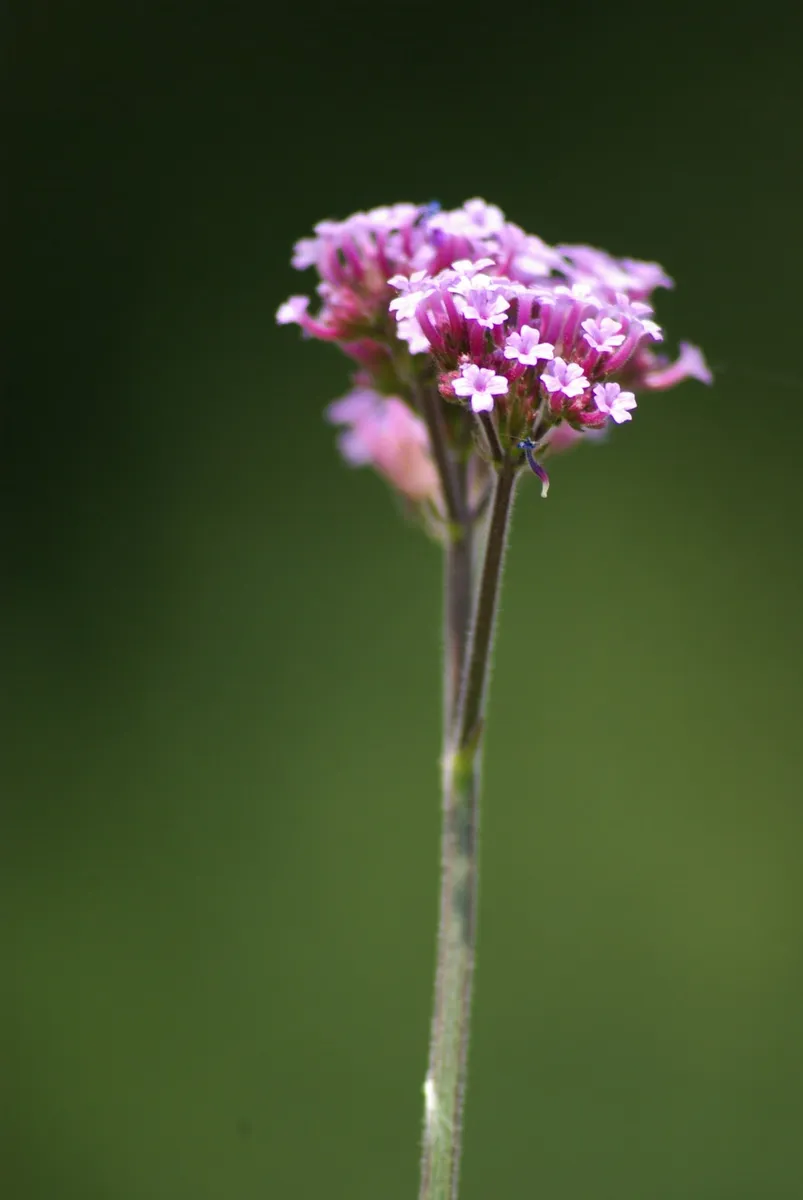
    Verbena

    Vibrant hardy and capable of withstanding Texas seasons, Verbena is a great option for Bees, Hummingbirds and Butterflies. It blooms all season long, and can withstand winter climates. Verbena even tolerates drought seasons with ease.

    Plant Verbena, also known as vervain or Verviene, or Verbena officinalis in latin, should be planted after the looming possibility of frost has passed. Generally mid spring or early summer. You can start them as seeds indoors for about 8-10 weeks if temperatures aren’t promoting outdoor planting. You can plant them in Hanging Baskets, Planters or as Landscape borders and used as groundcover.

    They do well with regular watering, especially container grown plants. Ensure good drainage is present as these can get mildewy and moldy. It’s probably a good idea to plant with others that have similar watering requirements.

    You can trim them back if they become too vigorous and it will promote more flowering and full blooms. Proven Winners have lots of good Verbena to look into. Verbena has over 150 different species so there is lots of variety to pick your favorite.

    Bring the Buzz Home

    Now that you have an idea of some easy flowers to plant in the lone star state, enjoy the company of Butterflies, Hummingbirds, and native Bees. Occasionally you’ll see moths, wasps and flies helping out as well. The feeling of having a garden and watching local wildlife utilize that space is really fulfilling and it’s something I think everyone deserves to participate in. Hopefully these 5 Best Plants for Bees in Texas gives you a couple ideas.

    Do you have any favorite seasonal blooms in Texas? Feel free to share what the pollinators seem to love in your garden. Check out what I thought of Kirklands Texas Honey, and Kelley’s Honey.

  • Round Rock Fresh Raw Local Honey Review

    Round Rock Fresh Raw Local Honey Review

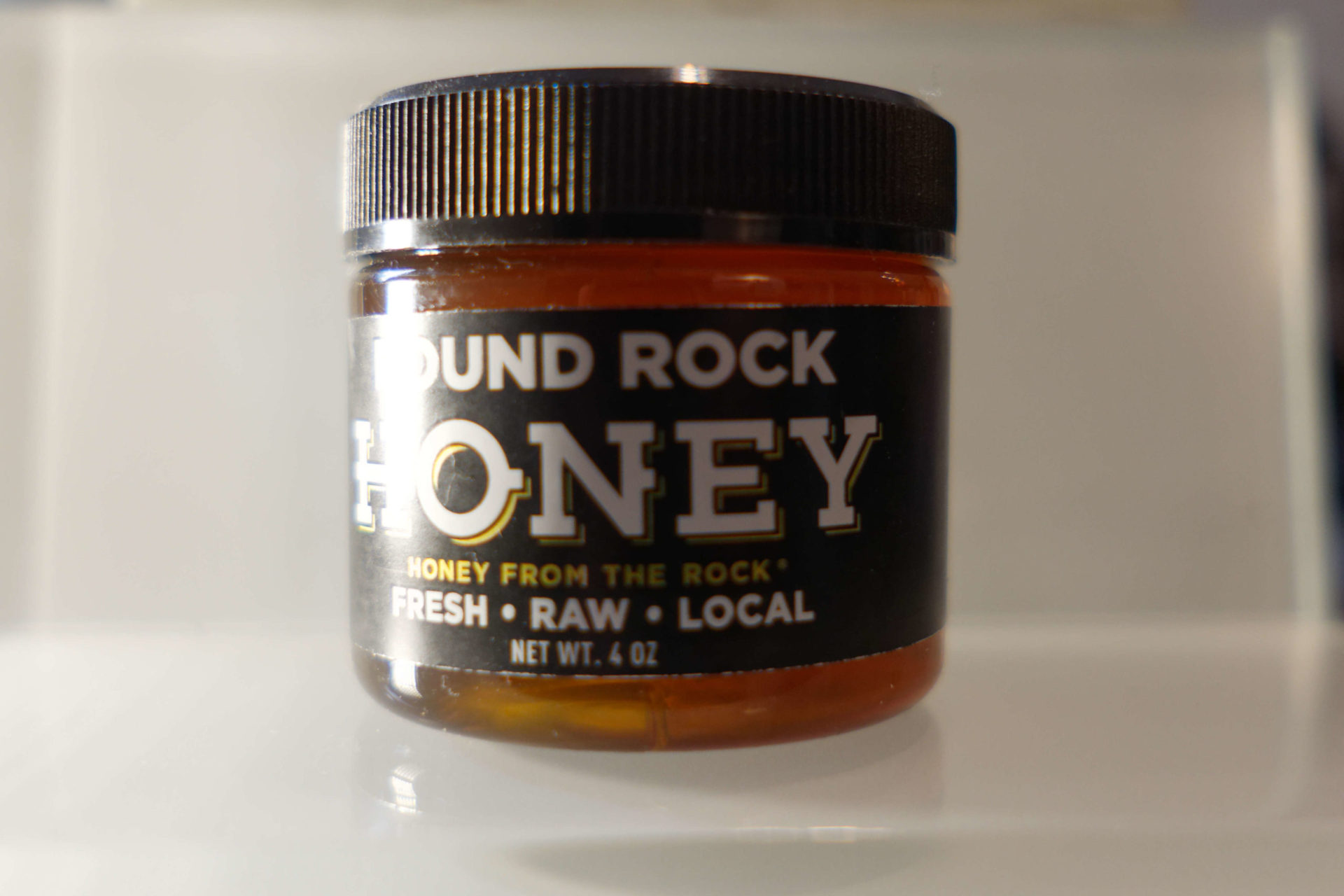
    Round Rock Fresh Raw Local Honey has a special place in my heart. Not because of their company, product or even the Honey itself. It holds meaning that reaches back a few years ago, before I started The Honey Review.

    Round Rock Honey is one of the first products I received back when I told my Uncle Doug about my excitement for starting thehoneyreview. It’s one of the first Honey products I tested and researched. I’ve had it several times since then, how well has it been favored in my opinion?

    “Honey From the Rock”

    Read below for my review of Round Rock Fresh Raw Local Honey.

    Round Rock Fresh Raw Local Honey Review

    Round Rock Raw Local Honey Review
    • Honey: Its Wildflower, Clover, Common.
    • Color: Light, Filtered Golden Tan.
    • Aroma: Mild Floral Notes, Subtle Oak and Nuttiness.
    • Flavor: Very Sweet, Buttery, Slight Acidity.
    • Texture: Very Smooth, High-Tech Filtration, Not Gummy.

    If you’re native to the Austin Area, chances are you’ve seen Round Rock Honey before. It’s commonly available at HEB and most Farmers Markets. They source from over 90 various sites across Texas with thousands of Hives statewide. While this is not local Honey by my standards, it is local by State (However Texas is enormous). Round Rock Honey does bottle Honey locally on Site for HEB, and is very active with Farmers Markets. But who knows where that Honey comes from or whose it is?

    The Owners Konrad and Elizabeth Bouffard started with just 4 Hives in Austin. Now they run a commercial operation with a physical store and web store.

    There are Beekeeping Classes, Tours, Soaps and Skincare products, and most recently Christmas Trees? In fact, their Beekeeping school is one of the largest in Texas. These guys like to educate, and I’m cool with that.

    Round Rock Honey sells Beekeeping Supplies and Nucs as well for new or existing Beekeepers.

    They’ve been promoting Tours of their Facility in Round Rock since 2014. Availability of Factory Tours has dwindled since the Pandemic in 2020. But you may be able to book one or two every month.

    They are $5 per person. Keep in mind this is just a factory tour with no live hives, just a demonstration of beekeeping practices and the manufacturing of Honey. I always appreciate companies that allow customers to check out the factories to give you a glimpse of how it’s made. Hershey has been doing this for decades, and my favorite, Ben & Jerry’s in Vermont.

    Round Rock Fresh Raw Local Honey

    In a way, I’d compare Round Rock Honey to Kelley’s Local Texas Honey. It’s local of Texas state, but not neighboring local or county local. Making them commercial and bordering a Honey Packer. They’ve expanded into another sister label called Goodbees as well, which is the same product, with a different name. Wine companies do this all the time. It’s so they can expand marketing through a different name, while funneling the profits into the same entity. And I’d say if you’re selling well at HEB, you know how to market. Maybe it has something to do with Taxes, I’m not sure.

    The prices are definitely on the expensive side. Almost at $1 per lb. Comparing Round Rock Honey to Kelley’s Local Texas Honey at HEB, you’ll find that Round Rock Honey charges $7 for 8oz or $9.11 for 16 oz. Kelley’s, however, charges $4.68 for 12 oz or $7.91 for 24 oz. I’d say you get what you pay for in this case. To an extent… Even Kirkland Honey at Costco just states its Local Texas Honey and that’s a 3lb jar for $8.99!

    Effective Marketing leads to sales, it also educates potential Customers.

    Round Rock Honey has very clear and concise wording on their product line. It encourages those that should know important details like the processing treatment. Round Rock Honey states they don’t heavily filter or heat their Honey. They pull frames of uncapped Honey from a big Centrifuge at room temp. Because I’m a beekeeper, I know this is the proper treatment, however many consumers don’t.

    If you read about the product on HEB’s website, Round Rock has a lot of updated and direct information. There’s a lot of copy and paste with the same statement being made multiple times even on their own website. I guess that’s something they really want to emphasize though.

    Producing wildflower honey is difficult, and yields unpredictable, but in the opinion of Round Rock Honey owners Konrad and Elizabeth Bouffard, it is more important to focus on quality than on quantity! The emphasis on quality at Round Rock Honey extends to the harvest and packaging as well. Honey is “robbed” on a regular basis (season & weather permitting), and promptly bottled. Although all our honey is poured through a stainless-steel sieve to remove bee legs and wings as well as wax caps, it is never heated or filtered. We remove honey from the hives by centrifuge, at room temperature. This is done so that pollen, trace minerals, and complex sugars that occur naturally in our honey are never compromised.

    – ROund Rock Honey – HEB Product Page

    I appreciate they use their names, proper terminology, and why. This all reflects why they advocate for Tours so often and promote their beekeeping school. This is awesome. Kelley’s, however, their description is adequate, but not as informative.

    Kelley Honey Farms products are 100% U.S.A. We are proud to provide our consumers with all-natural raw products, harvested completely in the United States of America. Our Texas bees produce honey from all regions of Texas including Greenville, McKinney, Weatherford, Lubbock, Pleasanton, Edinburg, Liberty and Chicota. Moving 14,000 hives to the best nectar flows across Texas produces Kelley Honey Farms over 1,000,000 pounds of honey per year.

    Kelley’s LOcal Texas Honey – HEB Product Page

    Kelley’s drives the point of being a USA product and not imported, which is fair, we get a ton of imported Honey. And they state the counties at which they harvest their Honey. It’s more than Round Rocks I’d assume as Kelley’s has 3 different brands under the same name, and a much lower retail price. Round Rock doesn’t even bother to state counties, so that’s nice of Kelley’s.

    Now this is just a comparison of two local Texas Honey suppliers, but its a good point to make in how different they are with some similarities. I thought Kelley’s branding was very misleading in my initial review. They didn’t have an active social media, they are missing important details on their labeling, they don’t offer tours or schools, and have several brands that somehow offer the same exact product for questionably low prices.

    I like the core of what Round Rock Honey is trying to resemble, but unfortunately, I’d still say they’re a commercial Honey Packer selling the idea of Raw Local Honey to those who don’t really know much about Honey or Bees.

    Misleading, but not a terrible product. That being said, as much as I want to love their Honey, I don’t love their prices or that they don’t sell local Honey. It’s overwhelmingly misleading with these Honey producers with commercial factories. In fact, I’ve never bought my own bottle of Round Rock Honey, it’s always been gifts. But free Honey is always sweet.

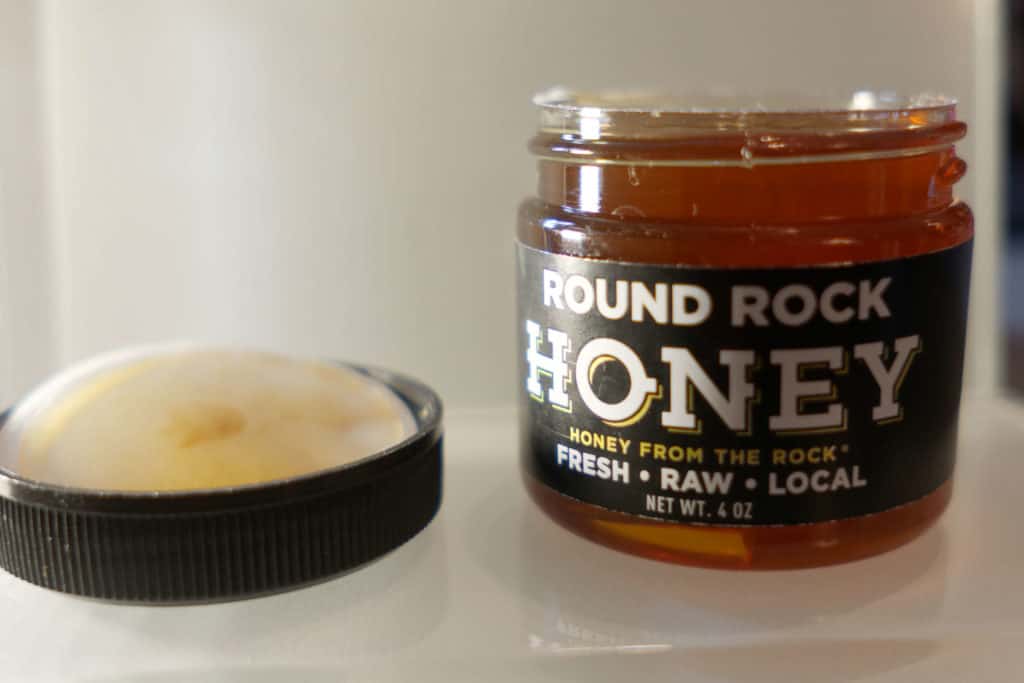
    Tiny 4 oz plastic jar. $5

    Round Rock Fresh Raw Local Honey

    The Honey Review

    Honey
    Color
    Flavor
    Aroma
    Texture

    Summary

    It’s real Honey, It’s Texas based. It’s rather generic, being only wildflower. They have a wide range of products though. Orange Cinnamon Honey, Bourbon Barrel, which I may try in the future. They offer factory tours, hive tours, classes, and even had enough overhead to do groupon offers. They provide educational information on their products.

    Round Rock Honey has become a product of commercial Honey Packers and promote their Honey at 6 Texas Farmers Markets. It’s hard to source how local this Honey is, but Texas is enough for people.

    I’d buy it over an import Honey from Brazil, but I’d look elsewhere for local Texas Honey.

    3.2