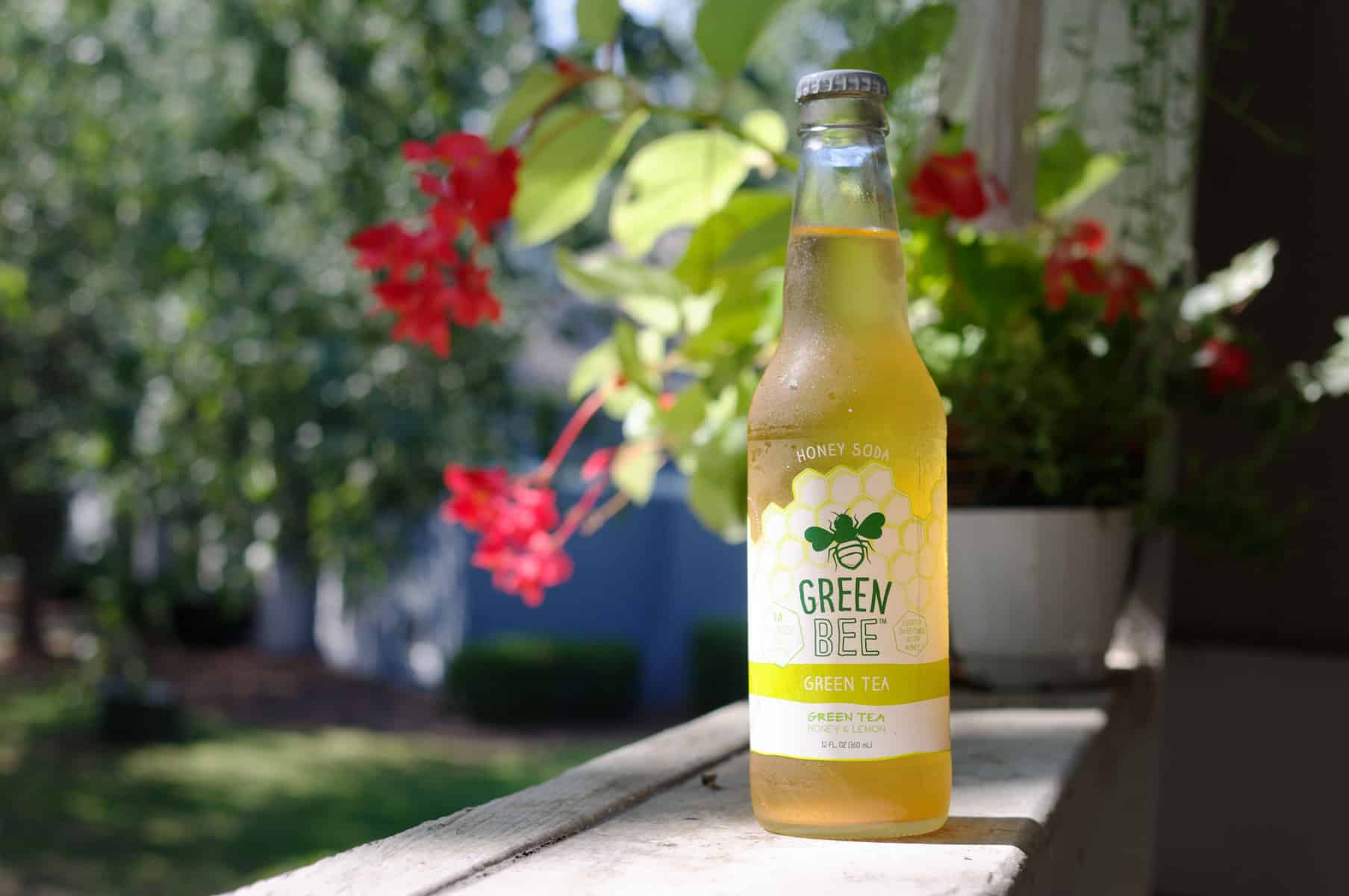
In the landscape of 2026 beverage technology, the “Clean Soda” movement has shifted from synthetic sweeteners to high-integrity honey bases. While The Honey Review traditionally audits thick resins and nectars, Green Bee Honey Soda represents a sophisticated application of honey as a primary humectant and sweetener.
Operating out of Brunswick, Maine, Green Bee was founded by Chris Kinkade, a beekeeper who sought to replace industrial High Fructose Corn Syrup (HFCS) with the biological complexity of his own hives. In this audit, we examine the Green Tea, Lemon, and Rosemary blend, sourced from the Rhino Market in the NoDa district of Charlotte, NC. We put this beverage through our Liquid Forensic Scale to determine if the honey’s enzymatic profile survives the carbonation process.

The Forensic Profile
- Product Category: Carbonated Honey Beverage (Honey Soda)
- Active Ingredients: Carbonated Water, Honey, Lemon Juice, Organic Green Tea, Rosemary
- Bio-Active Status: Non-Pasteurized Sweetener (Raw Honey Base)
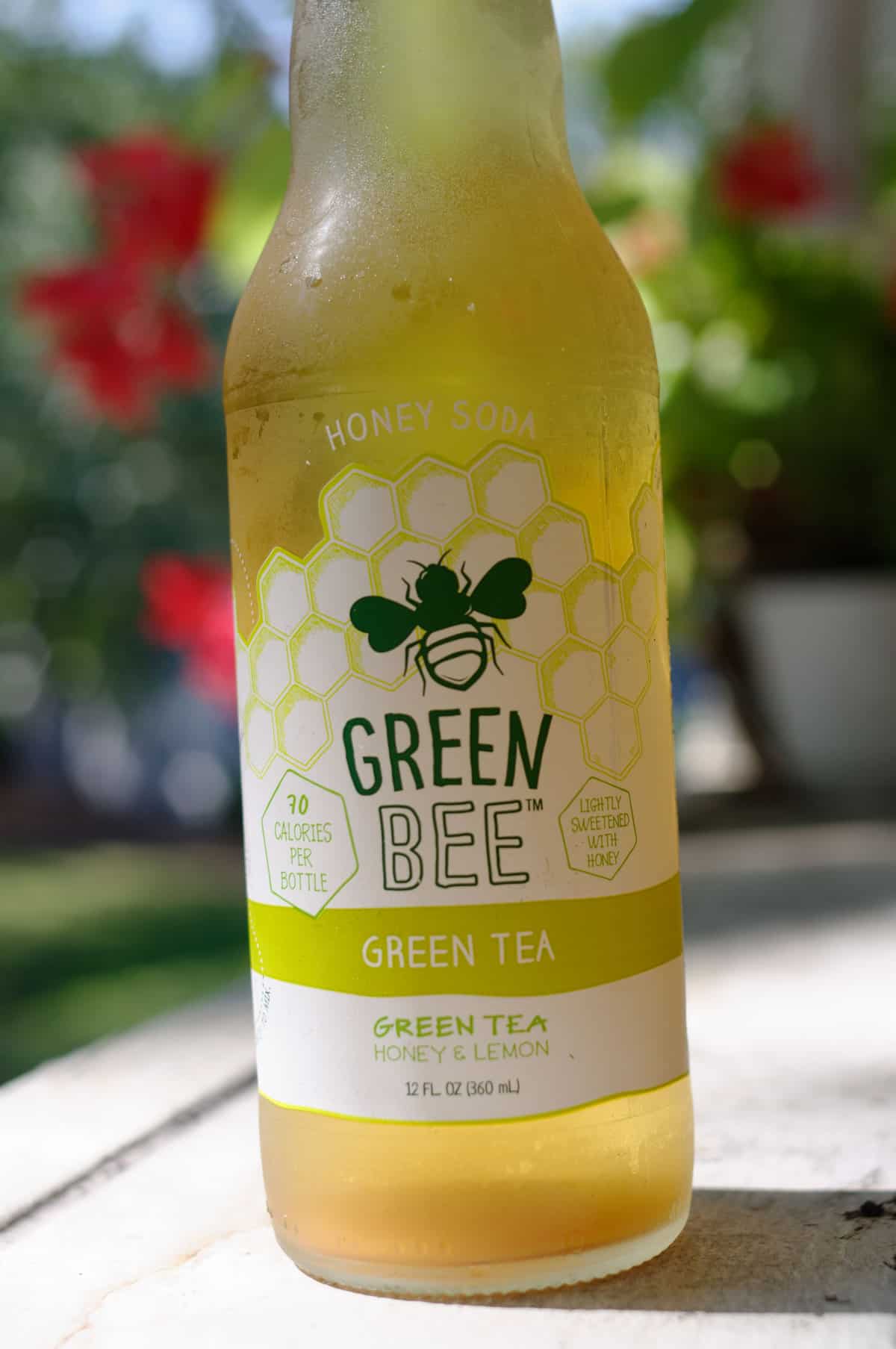
- Caloric Load: 70 Calories per 12oz Bottle (19g Sugar from Honey/Lemon)
- MSRP: $2.59 per bottle / $2.45 per dozen
- Vault Status: VERIFIED (True-to-source botanical ingredients)
- Link: Audit the Green Bee Collection Here
The Lab Standards: Molecular Scorecard
To maintain forensic consistency, we evaluate the beverage’s “Honey Suspension” and botanical clarity.
- pH Level: 3.6 (High acidity from the lemon juice/carbonation, which provides the “bite”)
- Color Grade: 12mm (Pale Yellow/Straw; transitions to 20mm at the bottom due to sediment)
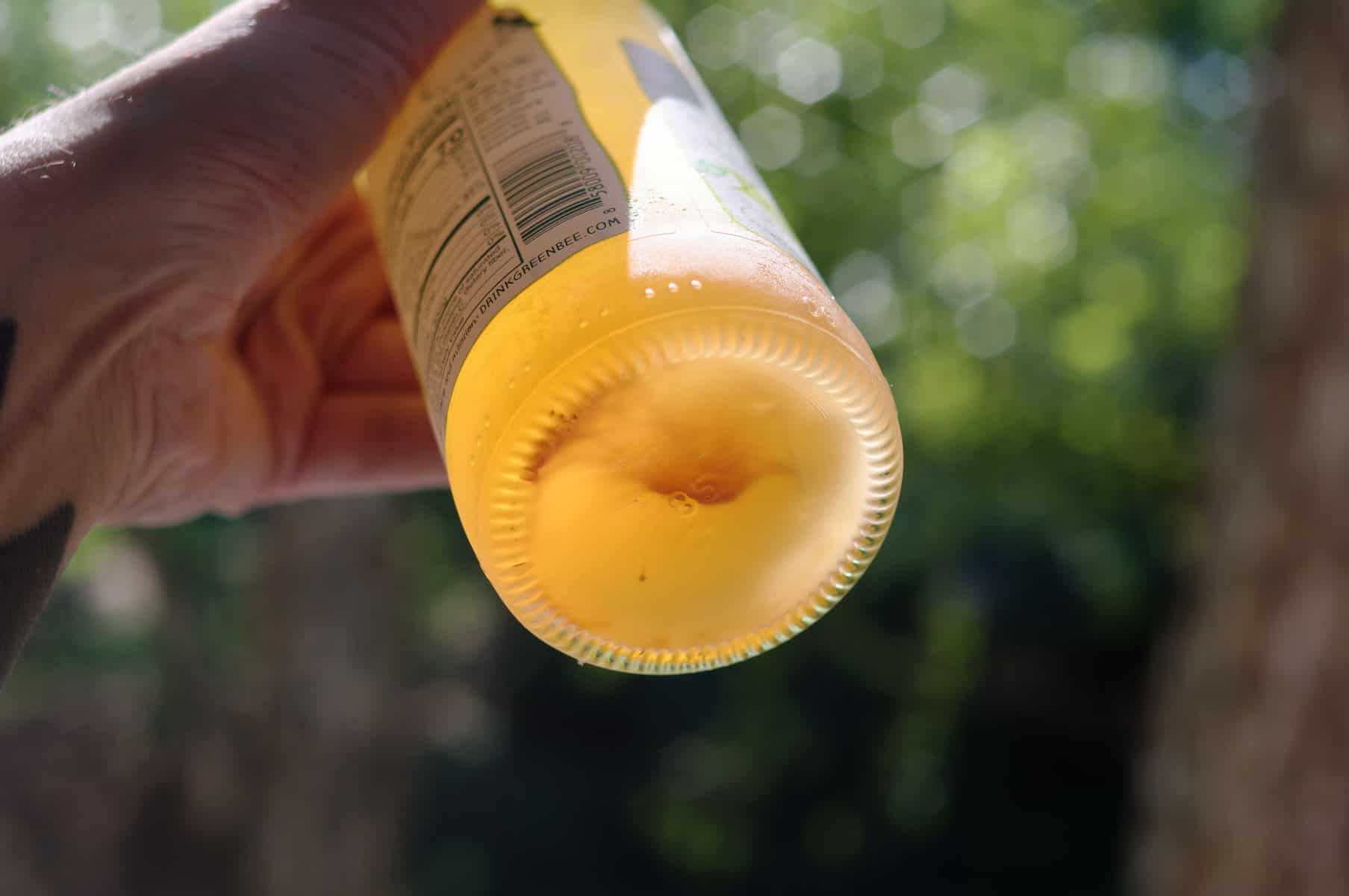
- Particulate Suspension: Variable (Requires the “Slow Roll Protocol” to integrate sediment)
- Brix Rating (Sugar Content): 11% (Lower than commercial sodas, indicating a “dry” profile)
- Vault Status: VERIFIED (Clean label with zero artificial preservatives)
1. Physical & Chemical Analysis (The Lab Standards)
The “Slow Roll” Protocol
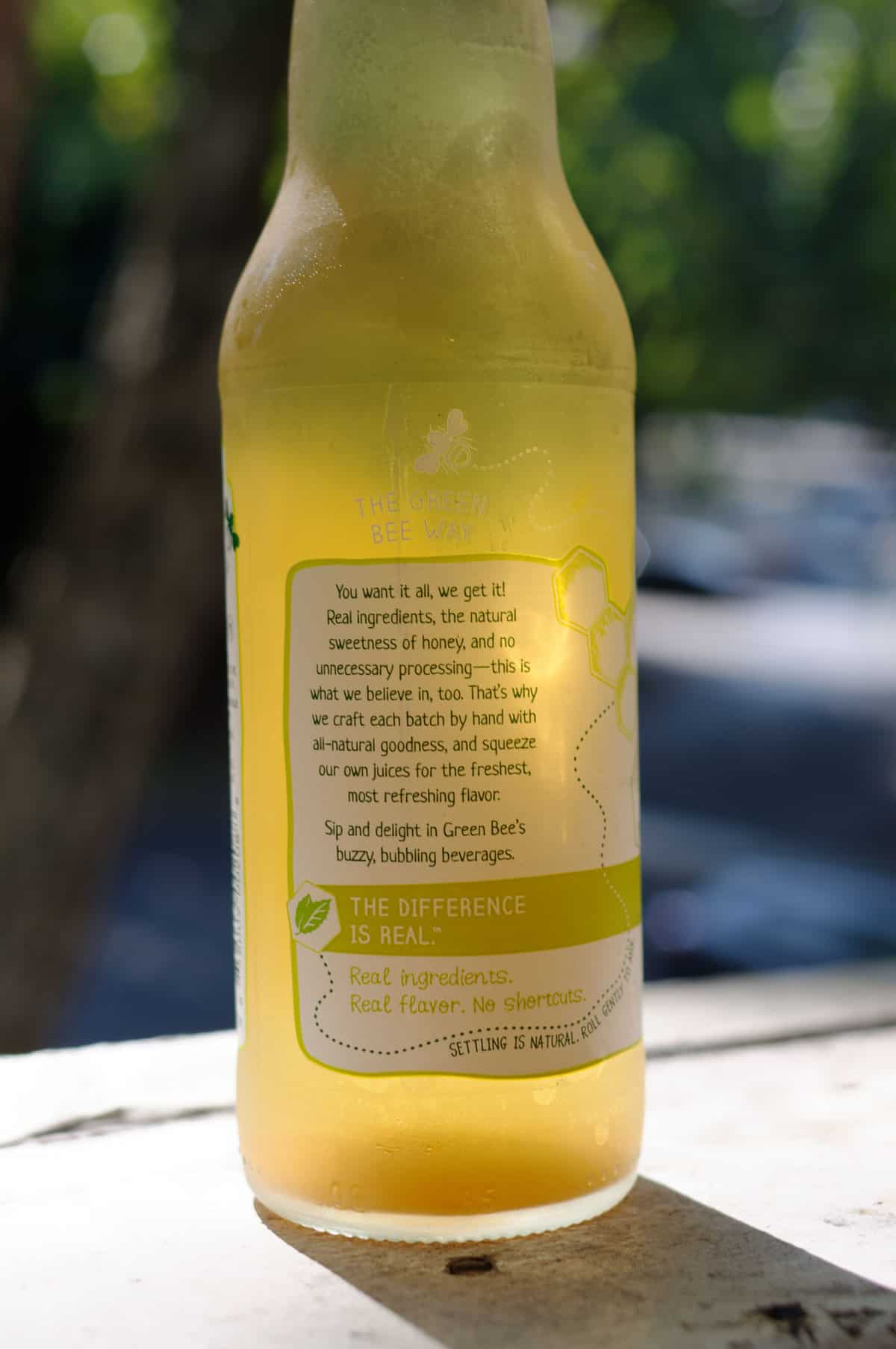
Unlike mass-market sodas like Coca-Cola, Green Bee contains natural sediment from the honey and organic tea leaves.
- Forensic Observation: To achieve a uniform flavor profile, the bottle requires a “Slow Roll”—gently inverting the bottle before opening. This re-suspends the Rosemary and Green Tea particulates that naturally settle during transit. Failure to perform the Slow Roll results in a “watery” top half and an over-concentrated, bitter finish at the bottom.
Carbonation Dynamics
The carbonation in Green Bee acts as a “volatile carrier” for the honey’s floral notes.
- The Lab Verdict: The carbonation is light and fine-bubbled (Frizzante style). This is a critical design choice; aggressive carbonation would mask the delicate rosemary and tea markers. The light effervescence allows the rosemary aftertaste to linger on the palate long after the liquid is swallowed.
2. Sensory Evaluation (The Tasting Notes)
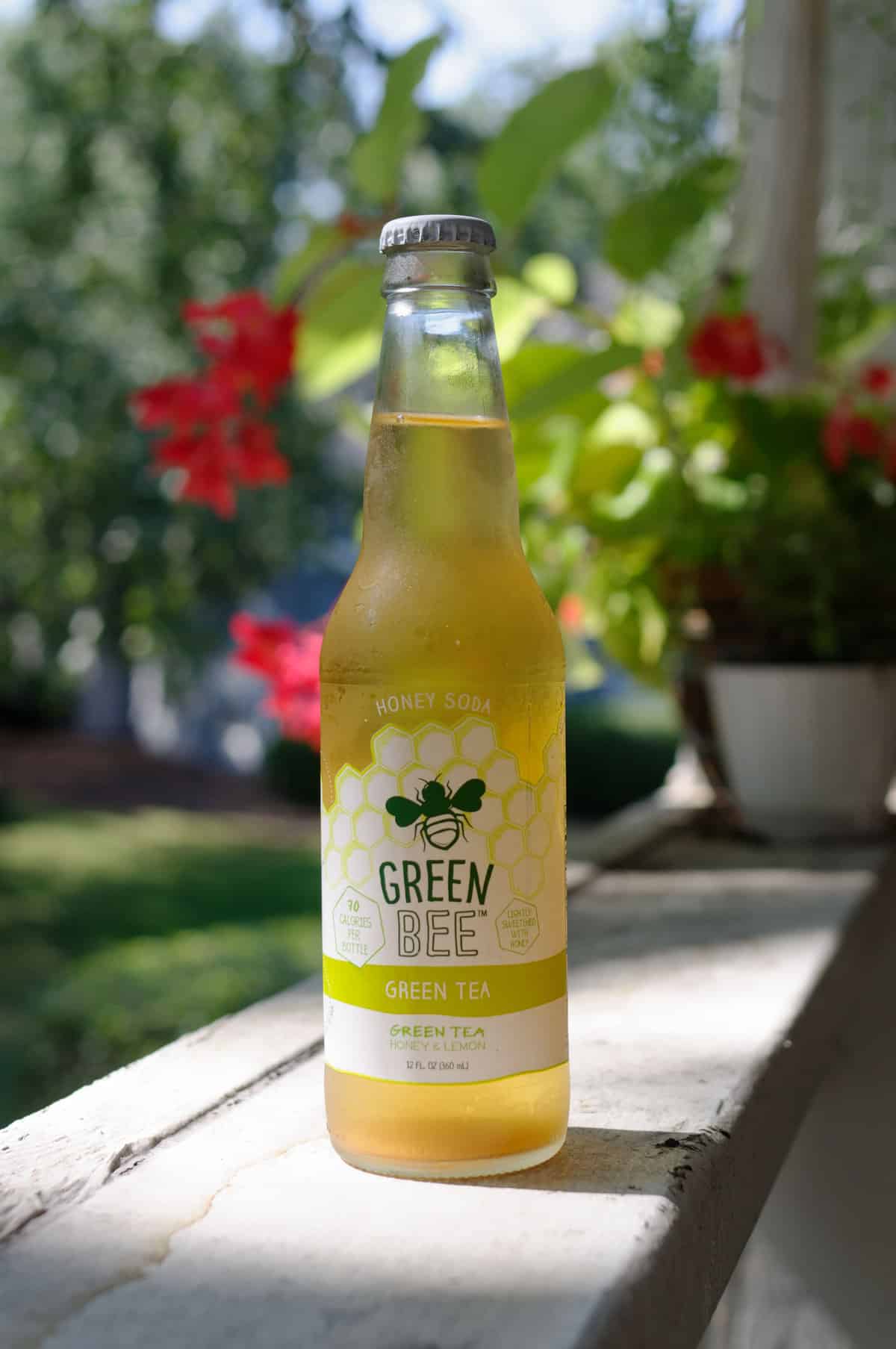
- Color: Light Pale Yellow. It possesses the clarity of a chilled white tea.
- Aroma: Fresh Rosemary and peeled Lemon dominant. The “Green Tea” scent is muted, hidden behind the high-volatility essential oils of the herbs.
- Flavor Profile: Highly herbal. The honey provides a smooth “glide” on the entry, but the mid-palate is dominated by the dry, astringent notes of the Organic Green Tea. The finish is defined by a cool Rosemary breeze.
- Texture: Refreshing and “Thin.” It lacks the syrupy mouthfeel of a Happy Belly Wildflower Honey, making it a superior thirst-quencher for the Charlotte, NC humidity.
3. The Origin Story: From Kitchen to Manufacturing
Green Bee’s “Lemon Sting” was the foundational formula, developed in Chris Kinkade’s kitchen using honey from his own apiaries. The expansion to a manufacturing facility in Brunswick, Maine, in 2020 allowed for the integration of more complex botanicals like the Rosemary used in this Green Tea blend.
- The Sourcing Logic: By utilizing only five ingredients, Green Bee avoids the “Flavor Ghosting” common in commercial sodas where “Natural Flavors” mask low-quality inputs. Here, the honey is not just a sweetener; it is the structural backbone of the beverage.
4. Price-to-Value Forensic
| Beverage | Base Sweetener | Calories | Price |
| Green Bee Honey Soda | Honey | 70 | $2.59 |
| Me & The Bees | Honey/Cane Sugar | 120 | $2.99 |
| Generic Green Tea | HFCS / Sucrose | 150 | $1.50 |
At $2.59, Green Bee is a premium “Functional Beverage.” While more expensive than a standard tea, the use of honey as the sole sweetener justifies the price for those tracking glycemic impact and ingredient purity.
The Quick Breakdown
| Forensic Pros | Forensic Cons |
| Clean Label: Only 5 ingredients; no “Natural Flavor” mystery. | Muted Flavor: The Green Tea blend is significantly less impactful than the Lemon Sting. |
| HFCS-Free: 19g of sugar from honey is a superior metabolic fuel source. | Sediment: Requires user intervention (Slow Roll) for full flavor profile. |
| Thirst Quenching: Low sweetness makes it highly drinkable in hot climates. | Niche Palate: Rosemary aftertaste may be polarizing for traditional tea drinkers. |
The Verdict
Buy this if: You are in a “Honey Soda” transition and want a low-calorie, energizing pick-me-up that avoids synthetic jitters. It is a fantastic tool for the Charlotte summer or a patio relaxation session.
Skip this if: You are looking for a deep, honey-forward experience. If you want the honey to be the undisputed hero, choose Green Bee’s Lemon Sting or Honeycomb Cider instead. The Green Tea blend is currently “The Lab’s” least favorite of the Green Bee lineup due to its muted profile.
Forensic “Pro-Tip” for 2026
If you find the Green Tea blend too muted, use it as a Cocktail Mixer. The rosemary and honey notes pair exceptionally well with a high-quality gin or a botanical vodka. The carbonation provides the “lift” while the honey balances the bitterness of the spirit without the need for simple syrup.
-
Honey: Smooth, lovely citrus and lemon, honey forward taste
-
Flavor: Honey forward with a fresh herbal mix and lemon.
-
Aroma: Fresh Rosemary, Fresh Peeled Lemon, Soothing Green Tea
-
Color: Light Pale Yellow, Gets darker towards bottom of glass
-
Texture: Carbonated, light and subtle bits of sediment on the bottom of glass.
Review Summary
Green Bee Honey Soda Green Tea
Summary
The Green Bee Green Tea Honey Soda audit highlights a “Clean Label” success with a muted flavor execution. Molecular analysis identifies a fine-bubbled carbonation and a natural sediment profile that requires a “Slow Roll” for integration.
While the Rosemary and Lemon aroma are exceptional, the Green Tea mid-palate lacks the punch found in the brand’s other offerings. With a Final Forensic Grade of 2.8/5, it remains a high-quality alternative to HFCS sodas but falls short of being a “Honey Hero” in the Green Bee lineup.
While Green Bee uses high-quality honey, the carbonation and bottling process may alter some of the most delicate live enzymes. However, as a replacement for processed sugar (HFCS), the honey base is far superior for maintaining steady energy levels without a “sugar crash.”
That “gunk” is actually a forensic goldmine. It consists of rosemary oils, tea particulates, and honey solids. It is a sign of a “Raw” beverage. Always use the Slow Roll Protocol to re-integrate these flavors before opening.
Compared to a traditional soda (which often contains 40g+ of HFCS), 19g of honey-based sugar is a moderate load. Because honey contains fructose and glucose in a more complex matrix, it has a lower glycemic impact than pure table sugar.