Blog

  • Blue Ridge Honey Company | Orange Blossom Honey Review

    Blue Ridge Honey Company | Orange Blossom Honey Review


    Blue Ridge Honey Company’s Orange Blossom Honey is a raw, unfiltered citrus‑blossom honey known for its bright floral aroma, light golden color, and naturally sweet, orange‑zest flavor. Sourced from Florida’s blooming citrus groves, this honey offers a clean, smooth taste with a refreshing citrus finish, making it one of the most popular orange blossom honeys for tea, baking, and everyday use.
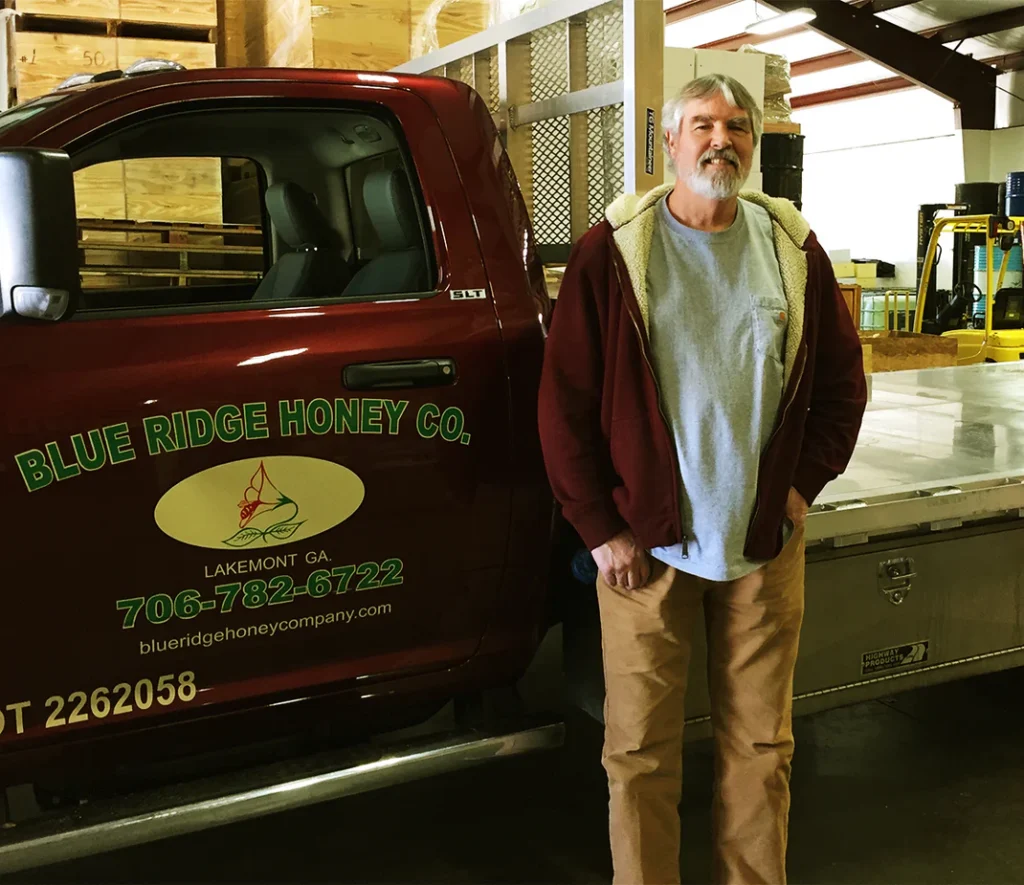
    Bob Binnie with Blue Ridge Honey Company Truck

    About Blue Ridge Honey Company

    Blue Ridge Honey Company is a respected, family‑run beekeeping operation by Bob and Suzette Binnie from Lakemont Georgia. Which is located in the mountains of North Georgia. Known for producing raw, unfiltered, minimally processed honey, the company sources its Orange Blossom Honey from Florida’s citrus groves, where bees forage on fragrant orange tree blossoms. The result is a bright, floral, citrus‑forward honey that highlights the purity and craftsmanship the brand is known for.
    Appearance

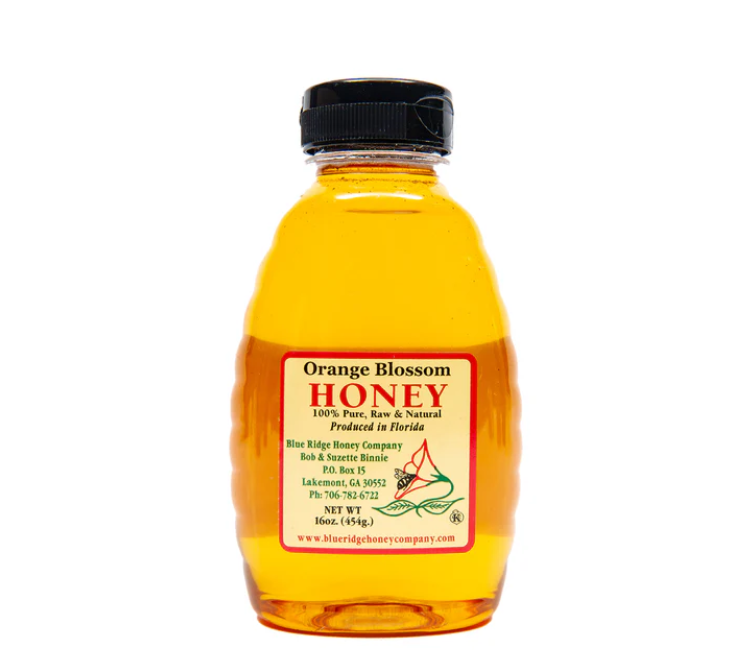
    This Orange Blossom Honey has a radiant light golden‑amber hue, glowing with a warm citrus tint when held to the light. Its clarity is exceptional crystal‑clear and luminous, with no visible sediment or early crystallization. The viscosity is medium‑thick, flowing slowly off the spoon in smooth ribbons that signal freshness and quality.

    Note : I’ve had this Honey and used it off and on, which is why it’s now crystallized which is absolutely okay and a good sign and legitimate honey.

    Aroma

    The aroma opens with a lush wave of citrus blossom fragrance, reminiscent of walking through a blooming orange grove at peak season. Notes of fresh orange zest, delicate white flowers, and warm nectar rise immediately. The scent is clean, natural, and inviting—free from the artificial perfume-like notes that sometimes appear in lower‑quality orange blossom honeys.
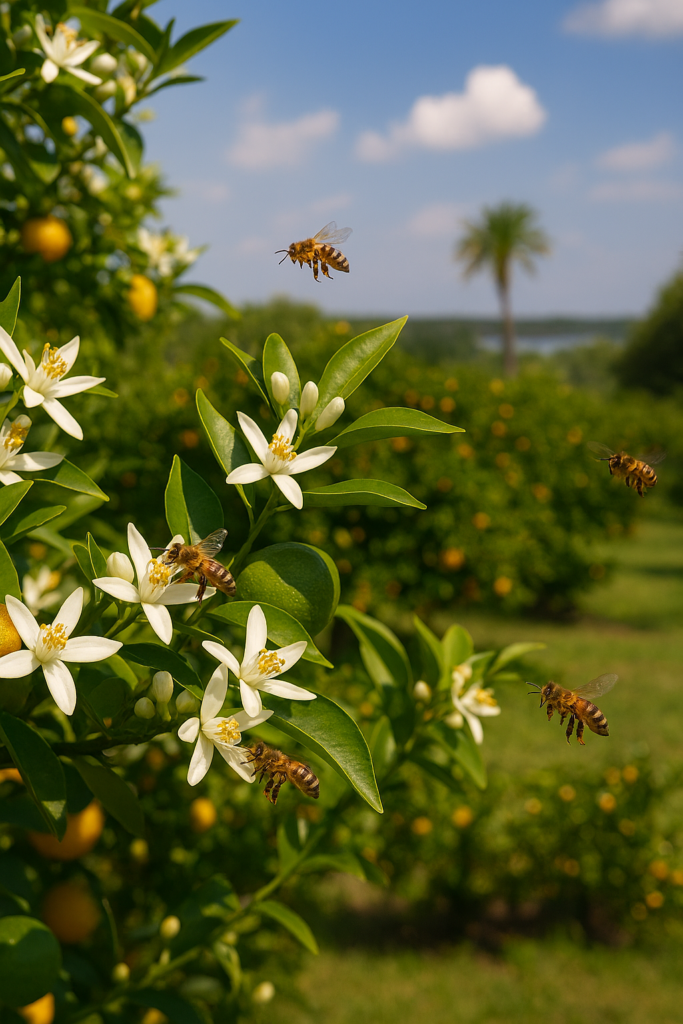

    Bees on an orange tree

    Flavor

    Blue Ridge Honey Company’s Orange Blossom Honey delivers a balanced, vibrant, and naturally sweet flavor profile:

    • Initial taste: A soft, silky sweetness with a gentle floral lift
    • Mid‑palate: Distinct citrus blossom character—bright, aromatic, and lightly fruity
    • Finish: A clean, refreshing aftertaste with subtle hints of orange peel and sun‑warmed citrus

    The flavor is elegant rather than overpowering, making it ideal for those who enjoy a refined, smooth orange blossom honey with a natural citrus glow.
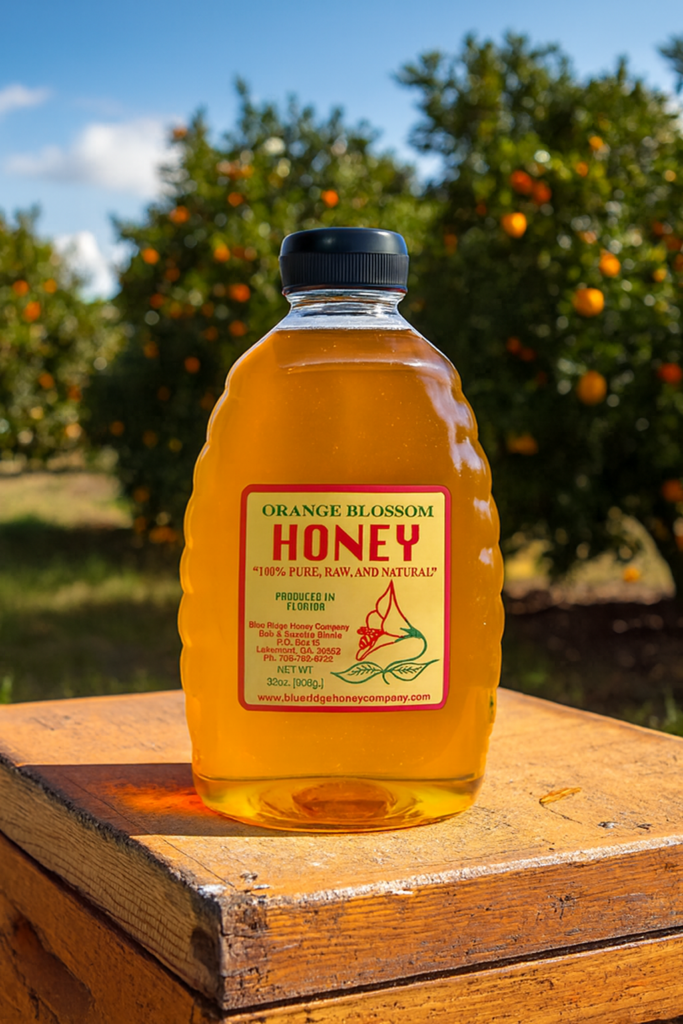
    Blue Ridge Honey Company 32 oz bottle on top of a hive

    Texture

    The texture is silky, smooth, and medium‑bodied, coating the palate without feeling heavy. It spreads effortlessly and dissolves cleanly, leaving no graininess or waxy residue. At the time of tasting, the honey showed zero crystallization, indicating careful handling and freshness.
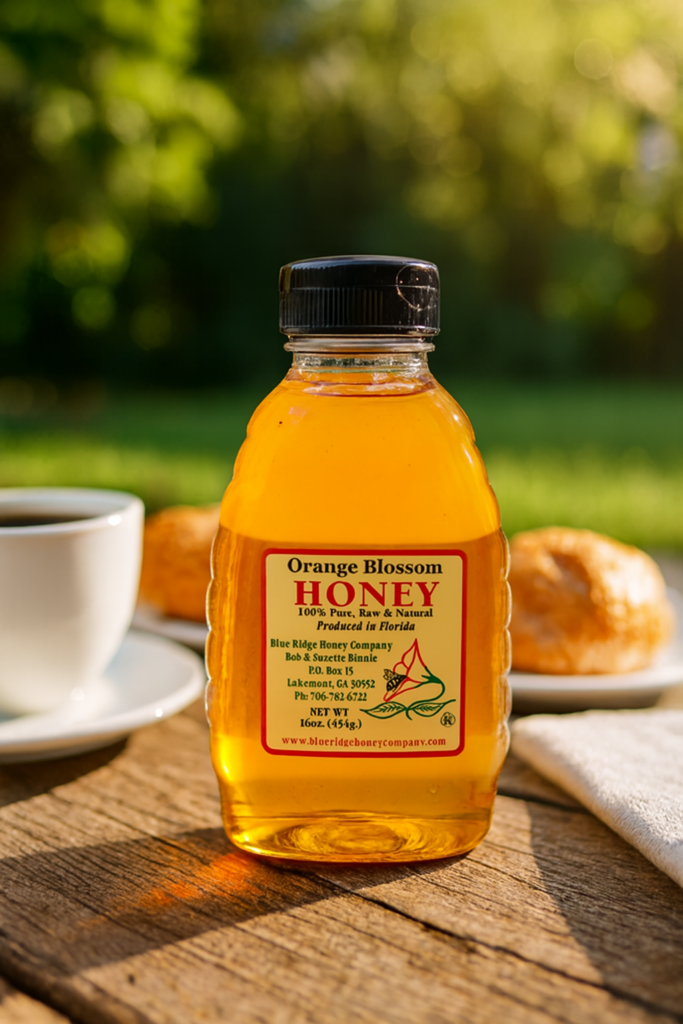

    Blue Ridge Honey Company Orange Blossom Bottle with Breakfast

    Price

    Price is very reasonable. You can grab a taster 2oz hexagonal jar for $3.00. Or the more regular sized 16 oz squeeze bottle for $11.50 by itself or a case of 12. A 32 oz squeeze jar for $21.50 or a case 12 for $232.20. If you need the largest amount they sell, you can pick up a gallon for $103.00.

    Use Cases

    This honey excels in dishes and pairings where a light citrus‑floral sweetness enhances the overall flavor:

    • Drizzled over yogurt, ricotta, or fresh berries
    • Stirred into herbal, chamomile, or green tea
    • Paired with mild cheeses like mascarpone or goat cheese
    • Used in vinaigrettes, citrus glazes, or marinades for chicken and seafood
    • Added to baked goods for a subtle orange‑infused sweetness

    Its versatility makes it a standout choice for both everyday use and specialty recipes. Chefs love orange blossom honey because it delivers bright, aromatic citrus notes that elevate both sweet and savory dishes without overpowering them. Its delicate floral flavor adds complexity to dressings, marinades, pastries, and glazes, making it one of the most versatile honeys in a professional kitchen. The clean, smooth finish blends seamlessly into sauces and beverages, while its natural sweetness enhances ingredients rather than masking them. For chefs who value balance, nuance, and aroma, orange blossom honey is a go‑to ingredient that consistently adds depth and refinement.


    Overall Impression

    Blue Ridge Honey Company’s Orange Blossom Honey is a clean, fragrant, and beautifully balanced citrus blossom honey with exceptional clarity and a smooth, refreshing finish. Its gentle floral sweetness and natural orange blossom character make it an excellent option for anyone seeking a high‑quality, authentic orange blossom honey sourced from trusted beekeepers.


    So, if you’re looking for a honey that’s got a little bit of Southern charm and a whole lot of flavor, you can’t go wrong with this Orange Blossom Honey from Blue Ridge Honey Company. It’s the real deal, not some commercial honey syrup. Locals can find their google maps listing HERE.

    Check out their other Honey flavors:

    Check out customers Reviews HERE

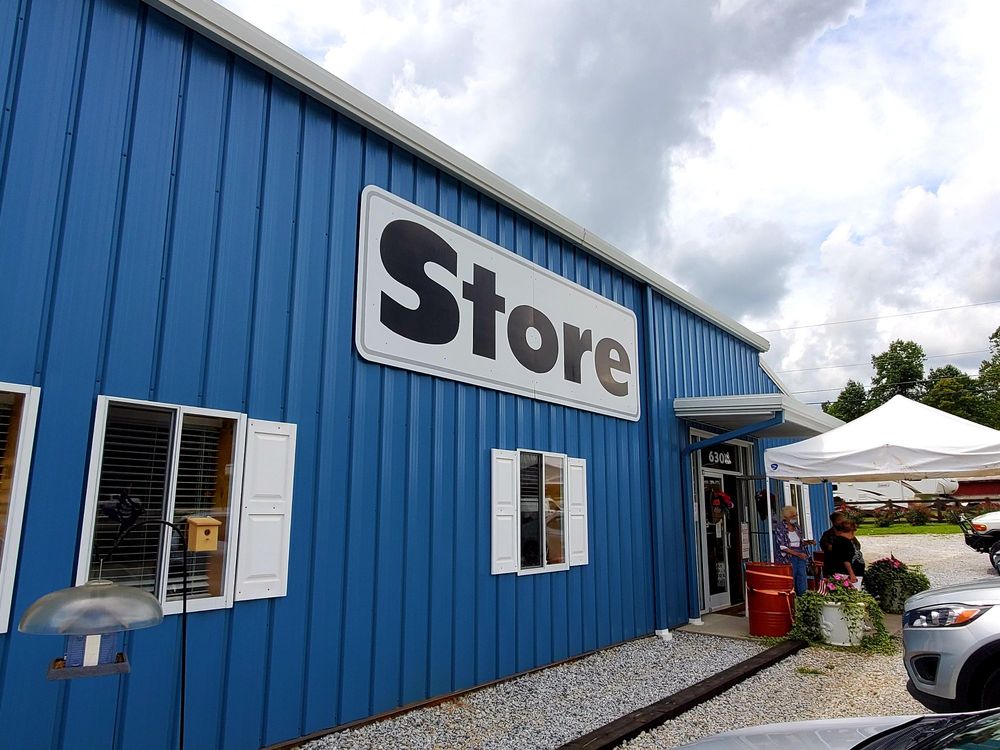
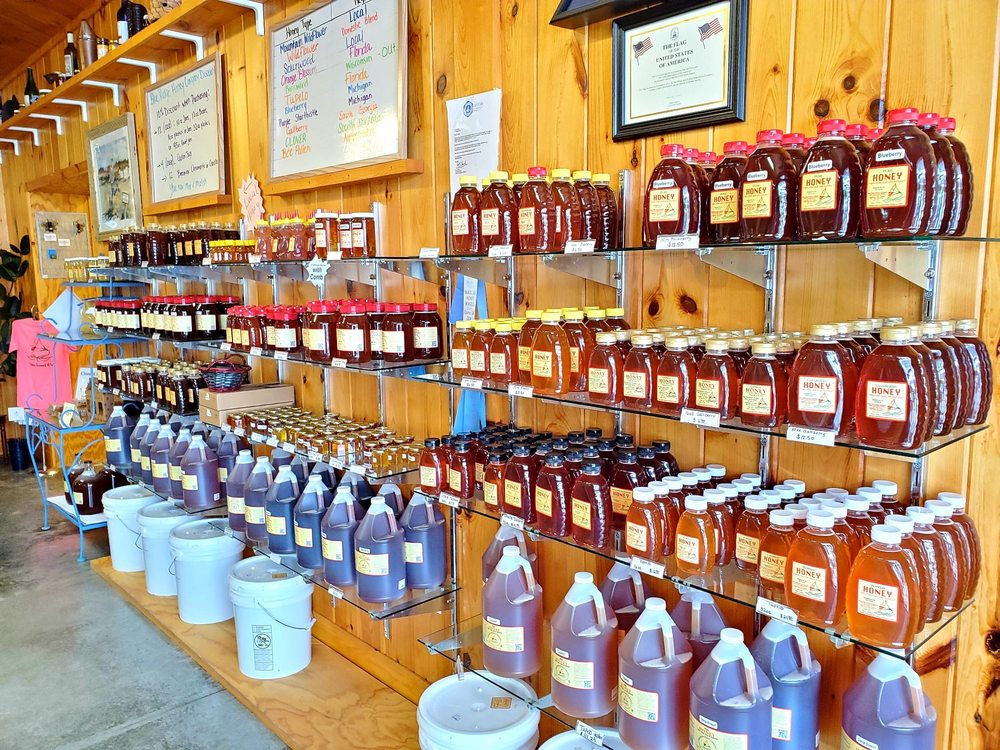
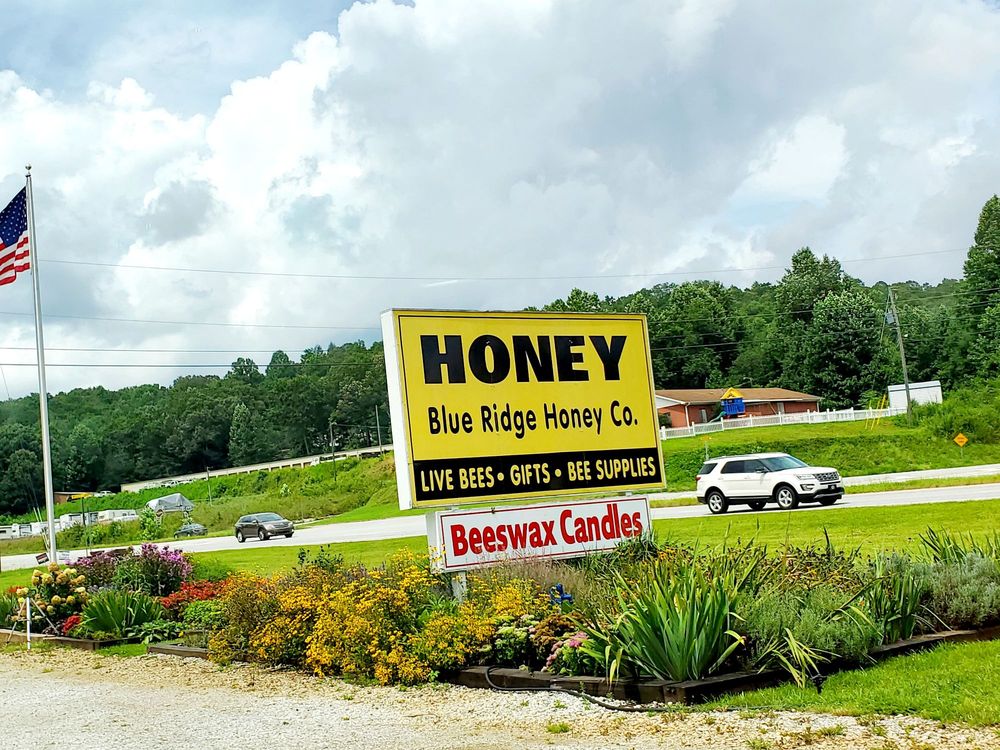
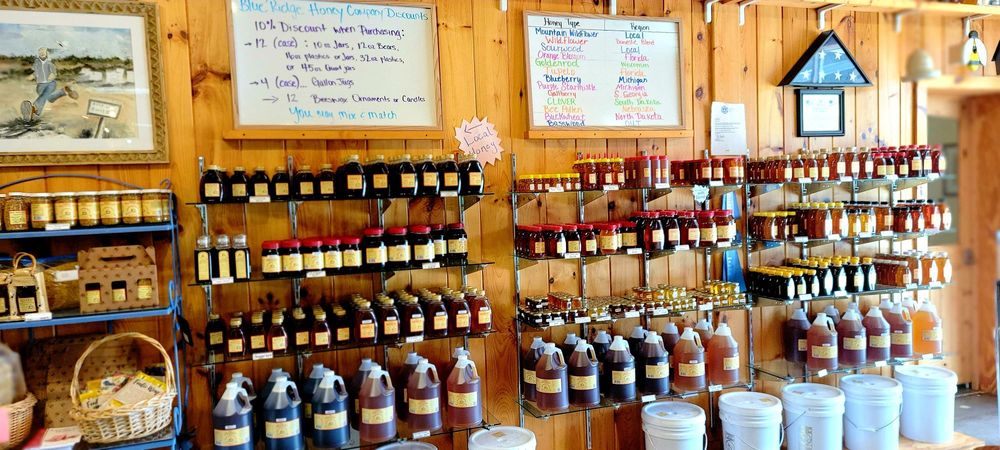
    Blue Ridge Honey Company Store, Lakemont Georgia
    Blue Ridge Honey Company Store, Lakemont Georgia

    Blue Ridge Honey Company Orange Blossom Honey

    The Honey Review

    Blue Ridge Honey Company Orange Blossom Honey
    Honey
    Color
    Aroma
    Flavor
    Texture

    Review Summary

    Blue Ridge Honey Company Orange Blossom Honey stands out as a bright, citrus‑forward raw honey sourced from Florida’s fragrant orange groves. Its clarity, warm golden‑amber color, and smooth, medium‑thick texture reflect careful handling and genuine purity. The aroma opens with lush citrus blossom notes—fresh orange zest, white flowers, and warm nectar—while the flavor delivers a balanced sweetness with a clean, refreshing finish touched by subtle orange peel. Versatile and naturally vibrant, this honey shines in teas, yogurt, cheeses, baked goods, and glazes. Overall, it’s a clean, fragrant, and beautifully balanced orange blossom honey crafted by trusted beekeepers committed to quality.
    4.6
  • Beekeeper Coffee Review: Flavor, Benefits, and Is This Honey‑Infused Coffee Worth It?

    Beekeeper Coffee Review: Flavor, Benefits, and Is This Honey‑Infused Coffee Worth It?


    Introduction to Beekeeper Coffee

    Beekeeper Coffee is a standout entry in the specialty coffee world, blending high‑quality coffee with the natural sweetness of honey to create a smooth, balanced, and health‑forward beverage. As consumers increasingly look for clean ingredients and alternatives to refined sugar, honey‑infused coffee has carved out a niche of its own — and Beekeeper Coffee sits at the center of that movement.

    This drink isn’t just about adding sweetness. Honey brings antioxidants, trace minerals, and a gentler energy lift, making it a compelling option for coffee lovers who want flavor without compromise. Combined with ethically sourced beans and a focus on sustainability, Beekeeper Coffee offers a thoughtful, modern take on a classic morning ritual.

    About Beekeeper Coffee

    Beekeeper Coffee was founded in 2023 with a simple but meaningful mission: to bring a fresh voice to the coffee world by blending craftsmanship, community, and creativity. The brand was built by individuals from diverse backgrounds who share a common vision — to create something together that reflects the next chapter of their story. This collaborative spirit shows up in everything they make, from their bold Black Cold Brew to their creamy lattes infused with real Oregon honey.

    Their approach centers on quality and intention. Every flavor is crafted with Honduran coffee beans and a touch of pure honey, resulting in a lineup that’s smooth, energizing, and naturally sweetened. Beyond beverages, Beekeeper Coffee has expanded into merch, Instacart delivery, and even a signature Hot Honey product, reinforcing their identity as a modern, lifestyle‑driven coffee brand.

    What sets Beekeeper Coffee apart is their commitment to warmth — not just in flavor, but in community. They invite customers to “join the movement,” stay connected on social media, and become part of a growing hive of coffee lovers who appreciate bold flavor, clean ingredients, and a brand with heart.

    Distinctive Features of Beekeeper Coffee

    Beekeeper Coffee’s Sustainability Promise

    Beekeeper Coffee positions sustainability at the heart of its identity, approaching coffee not just as a product but as a responsibility. The brand recognizes the environmental pressures tied to global coffee production and has built its sourcing and packaging philosophy around reducing impact, supporting farming communities, and protecting the ecosystems that make great coffee possible.

    Responsible Sourcing From the Ground Up

    Beekeeper Coffee partners with small‑scale farmers who prioritize environmentally conscious growing methods. These farms rely on practices such as organic cultivation, careful water management, and biodiversity protection — all of which contribute to healthier soil, cleaner ecosystems, and higher‑quality beans. By choosing to work directly with these growers, the company helps strengthen local economies while ensuring that every batch of coffee reflects ethical and sustainable stewardship.

    Fair compensation is another cornerstone of their sourcing model. Beekeeper Coffee maintains direct relationships with farmers to ensure safe working conditions, transparent pricing, and wages that support long‑term community stability. This commitment to fair trade principles not only elevates the quality of the coffee but also reinforces the brand’s dedication to the people behind each harvest.

    Regenerative Farming for Long‑Term Impact

    Beyond traditional sustainability, Beekeeper Coffee actively supports regenerative agriculture — a forward‑thinking approach designed to restore and enrich the land. Techniques such as agroforestry, where shade trees grow alongside coffee plants, help prevent erosion, improve soil health, and create habitats for wildlife. These methods strengthen the resilience of coffee‑growing regions, particularly those vulnerable to climate change, ensuring that future generations can continue cultivating exceptional coffee.

    Eco‑Conscious Packaging and Waste Reduction

    Sustainability doesn’t end at the farm. Beekeeper Coffee extends its environmental commitment to its packaging, using recyclable and compostable materials to reduce waste. Their coffee bags are designed with minimal environmental impact in mind, offering consumers a more responsible way to enjoy their daily brew.

    The brand also encourages customers to participate in its eco‑efforts by offering reusable containers and promoting the recycling of coffee bags. This shared responsibility model reflects Beekeeper Coffee’s belief that sustainability is a collective effort — one that spans from the farm to the roastery to the final cup.

    Beekeeper Coffee sets itself apart through a combination of ingredient quality, ethical sourcing, and a naturally sweetened flavor profile.

    • Organic honey as the sweetener
      Instead of refined sugar, the brew uses natural honey rich in antioxidants and micronutrients. This creates a smoother sweetness that complements — rather than masks — the coffee’s natural character.
    • Ethically sourced, premium beans
      The brand emphasizes sustainable farming practices and transparent sourcing. Beans are selected for their flavor clarity and environmental impact, supporting growers who prioritize eco‑friendly cultivation.
    • A health‑conscious formulation
      Honey provides a more stable energy release than processed sugars, making this coffee appealing to those who want a flavorful cup without the blood‑sugar spikes associated with sweetened beverages.

    Together, these elements create a coffee that feels intentional, balanced, and aligned with modern wellness trends.

    Taste Test and Flavor Profile

    Opening a can of Beekeeper Coffee reveals a warm, inviting aroma — floral honey notes layered over freshly roasted coffee. Because these are ready‑to‑drink cold brew cans, you can enjoy them straight from the can or pour them over ice for a smoother, café‑style experience. Either way, the fragrance deepens as it settles, hinting at a cup that’s both comforting and complex.

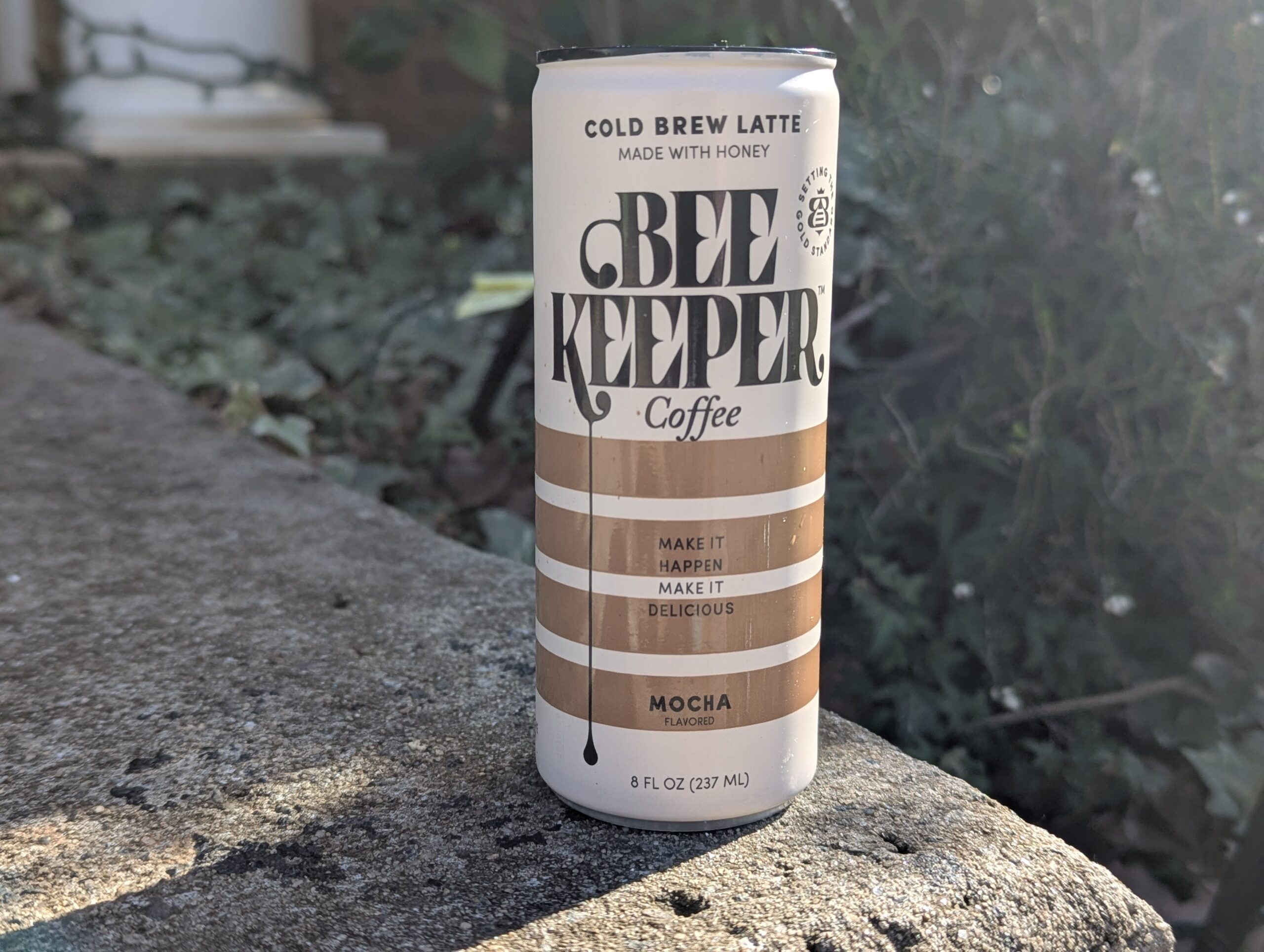
    Recently, I tried the Mocha Latte, and it immediately stood out as one of the more balanced honey‑infused mochas I’ve tasted. The aroma leans richer than the standard brew — a blend of cocoa, roasted coffee, and a soft honey sweetness that rises as soon as the can opens. The first sip delivers a silky texture with a chocolate note that feels natural rather than syrupy, which is rare for canned mochas. The honey doesn’t compete with the chocolate; instead, it rounds out the edges, giving the drink a smooth, cohesive sweetness.

    As the Mocha Latte warms slightly in the glass, the flavor opens up even more. The cocoa becomes deeper and more pronounced, almost like a light dark‑chocolate finish, while the honey adds a gentle lift that keeps the drink from feeling heavy. It’s the kind of mocha that satisfies the craving for something sweet without tipping into dessert territory — a balance that’s surprisingly hard to achieve in ready‑to‑drink coffee.

    Where It Falls Short

    While the flavor is well‑crafted, the Mocha Latte isn’t without its drawbacks:

    • Sweetness may be too forward for those who prefer a more traditional, unsweetened cold brew. The honey is subtle, but combined with the mocha, it can lean sweeter than expected.
    • The chocolate note is lighter than some mocha drinkers might want. If you’re looking for a bold, rich chocolate punch, this version leans more delicate and refined.
    • The texture is smooth but slightly thinner than a café‑style mocha latte, which may leave some wanting a creamier mouthfeel.

    These aren’t deal‑breakers, but they’re worth noting for drinkers who have strong preferences in the mocha category.

    General Flavor Notes Across the Lineup

    Across the Beekeeper Coffee lineup, the first sip typically delivers:

    • A smooth, medium‑bodied texture
    • Subtle honey sweetness that softens bitterness without overpowering the coffee
    • Bright citrus top notes that add lift
    • Cocoa and caramel undertones that emerge as the cup cools

    The finish is clean with a gentle lingering sweetness, thanks to the honey infusion. Acidity is balanced, making these coffees approachable for both casual drinkers and seasoned coffee enthusiasts. The Mocha Latte, in particular, showcases how well honey can complement chocolate and coffee when used with restraint and intention — even if the sweetness and lightness won’t be ideal for everyone.

    Comparing Beekeeper’s Coffee with Traditional Coffee

    FeatureBeekeeper CoffeeTraditional Coffee
    SweetenerNatural honeySugar or none
    FlavorSmooth, lightly sweet, floralBold, acidic, or bitter depending on roast
    Brewing considerationsOptimized for honey integrationStandard extraction
    Health profileAntioxidants + gentler energy releaseCaffeine‑driven energy

    While traditional coffee appeals to those who prefer a sharper, more robust cup, Beekeeper Coffee offers a softer, more nuanced experience — especially for drinkers who find regular coffee too harsh.

    Potential Health Benefits of Beekeeper’s Coffee

    Honey‑infused coffee brings several wellness‑aligned advantages:

    • Natural antioxidants from both coffee and honey
    • Prebiotic properties that may support gut health
    • More stable energy thanks to honey’s slower sugar absorption
    • Reduced reliance on refined sweeteners

    While it’s not a health product per se, Beekeeper Coffee fits well into a balanced lifestyle and offers a gentler alternative to heavily sweetened coffee drinks.

    Sustainability and Ethical Sourcing

    Beekeeper Coffee emphasizes responsible sourcing on two fronts:

    • Supporting local beekeepers
      Honey production plays a vital role in pollinator health and agricultural ecosystems. By using honey from responsible beekeepers, the brand contributes to sustainable apiculture.
    • Environmentally conscious coffee farming
      Partner farms prioritize soil health, biodiversity, and fair labor practices. This transparency helps ensure that every cup supports ethical agricultural systems.

    This dual commitment resonates with consumers who value sustainability as much as flavor.

    Consumer Reviews and Feedback

    Customer feedback highlights several recurring themes:

    Positive notes:

    • Smooth, balanced sweetness
    • Unique flavor profile
    • Appreciation for natural ingredients
    • Strong aroma and clean finish
    • Sustainability as a selling point

    Constructive critiques:

    • Some find the sweetness stronger than expected
    • Price point is slightly higher than standard coffee

    Overall, reviews lean strongly positive, especially among drinkers seeking a healthier or more artisanal coffee experience.

    Conclusion: Is Beekeeper Coffee Worth It?

    Beekeeper Coffee delivers a thoughtful blend of flavor, wellness, and sustainability. Its honey‑infused profile offers a refreshing alternative to traditional coffee, appealing to those who want natural sweetness, smoother acidity, and a more balanced energy lift.

    With its clean ingredient list, ethical sourcing, and standout taste, Beekeeper Coffee earns its place as a compelling option for anyone looking to elevate their daily cup. For coffee lovers curious about honey‑enhanced blends, this one is absolutely worth trying.

    Check out Beekeeper Coffee Unique Products

    Black $44.99 (12 pack)

    Bold, smooth, and unapologetically strong — Black packs 180mg of natural caffeine balanced with a subtle touch of honey.

    Horchata Latte -$44.99 (12 pack)

    Smooth cinnamon meets creamy vanilla, finished with a subtle touch of honey for a perfectly balanced Horchata Cold Brew Latte.

    Mocha Latte $44.99 (12 pack)

    Rich cocoa meets smooth cold brew, finished with a subtle touch of honey for a Mocha Latte that’s balanced, bold, and effortlessly delicious.

    Vanilla Latte $44.99 (12 pack)

    Creamy vanilla meets smooth cold brew, lightly sweetened with a subtle touch of honey for a refreshingly balanced latte.

    Mixed Flavor Pack $44.99 (12 pk)

    The full lineup of cold brew flavors, all crafted with Honduran coffee and finished with a touch of pure Oregon honey.

  • Raw Honey: A Sticky Truth They Don’t Want You to Taste

    Raw Honey: A Sticky Truth They Don’t Want You to Taste

    Let’s get real. Most of what’s sold as “honey” in grocery stores isn’t honey—it’s heat-treated syrup wrapped in golden lies. If the jar on your shelf came from a big-box brand, chances are it’s been stripped of everything good: enzymes, pollen, even origin transparency. That doesn’t just dilute the flavor—it erases the story.

    Raw honey, on the other hand, doesn’t play by those rules. It’s messy, local, inconsistent—and absolutely glorious for it.

    So why aren’t more people tasting the truth? Because convenience culture and corporate marketing have convinced shoppers that uniformity equals quality. It doesn’t.

    The Great Honey Hoax

    Pasteurized honey may pour faster and look prettier, but it’s a nutritional imposter. Heating honey destroys the enzymes that give it antioxidant power. It also erases any trace of pollen—the one ingredient that links it to place.

    And without pollen? You’ve got sugar water in disguise.

    Common Question

    “Is raw honey healthier than organic?” or “Does heating honey destroy its benefits?”

    Absolutely. Pasteurization undercuts what makes honey functional, not just flavorful.

    Why Raw Honey Breaks the Mold (and Why That’s Good)

    People love neat rows of identical jars. But raw honey laughs at uniformity. Its color, texture, and taste are influenced by season, soil, and wild nectar. One batch might crystallize, the next might drizzle like molasses. That’s not a flaw—it’s a fingerprint.

    Try explaining that to someone who thinks honey only comes in a plastic bear.
    FYI, Bears don’t make Honey. Bees do.

    Raw honey deserves a rebrand—from quaint health food to rebellious masterpiece.

    The Grocery Store Conspiracy: What Big Honey Isn’t Telling You

    Let’s name names. Major brands—yes, even some labeled “organic”—often ultrafilter their product to remove pollen. Why? Because it lets them dodge questions about origin. I really dislike the organic label, at least here in the US.

    Nature Nate’s : Criticized for heating and high HMF levels

    Sue Bee : Has faced scrutiny over blending and sourcing transparency

    Golden Blossom Honey : Marketed as premium, but often pasteurized and filtered.

    Busy Bee Honey : Frequently cited in studies for ultrafiltration and import blending.

    Trader Joe’s Honey : Mixed reviews, some jars pass muster, others raise questions.

    No pollen means no traceability. And without traceability, companies can blend honeys from multiple countries (sometimes including those with lax food safety laws) and label it “pure.”

    So you think you’re buying U.S.-made honey. You’re probably eating a cocktail of international syrups.

    Common Question

    “Where does my honey come from?” and “Is imported honey safe?”


    If your honey has been ultrafiltered, pasteurized, or stripped of pollen, the short answer is: you may never know. As a Beekeeper, if you can’t trace it, don’t taste it.

    Reclaiming Flavor: Raw Honey as Protest

    Enough doomscrolling. Let’s talk delight.

    Eating raw honey is an act of rebellion. It’s choosing flavor over uniformity, traceability over marketing, and real over pretty. It’s supporting beekeepers who fight monoculture, who let bees forage in wild pastures, who treat hives like ecosystems—not factories.

    Here’s what raw honey gives you:

    • Bittersweet tangs from buckwheat fields
    • Citrus sparkle from coastal groves
    • Herbal nuance from mountain wildflowers

    And no two jars taste the same. That unpredictability? It’s a feature. This is why I have such a fascination with tasting and collecting raw Honey.

    Five Bold Ways to Use Raw Honey (That Might Upset a Chef)

    1. Drizzle it over blue cheese. Yes, even the funky stuff. Let the saltiness dance with raw honey’s natural acid.
    2. Slather it on pizza crust. Pineapple is the easy controversy. Real honey is the upgrade nobody saw coming. Although Mike’s Hot Honey caught on, and now that is everywhere. Makes me wonder about their legitimacy.
    3. Stir it into mezcal. Raw honey amplifies earthy cocktails with fire-kissed sweetness.
    4. Use it as a marinade—without measuring. You don’t need perfection. You need instinct.
    5. Eat it from the spoon, unapologetically. Yes, even in front of guests.
      Seriously, a tablespoon a night will do wonders for your kids. Mine love it.

    Who’s Making the Good Stuff? (Hint: Not the Usual Suspects)

    Skip brands that promise consistency. That’s code for over-processed.

    Go for:

    • Apiaries that post harvest dates (rare, but love to see it)
    • Wildflower blends from regions you recognize
    • Honeys that crystallize with pride – yes this is a good thing.

    On The Honey Review, we’ve championed Texas Lemonade, local wildflower jars from NC, and even Costco’s raw honey when it passes the sniff test. But I call it like it is—and I’m not afraid to say, “this jar tastes like regret.”


    Raw Honey vs. Fake Honey: The Truth Beneath the Lid

    What They DoRaw Honey Fake Honey
    ProcessingUnheated, unfilteredPasteurized, ultrafiltered
    Pollen ContentPreserved (traceable origin)Removed (no traceability)
    Flavor ProfileVaried by season & regionFlat, blended for consistency
    TextureMay crystallize naturallyAlways liquid due to heating
    Label TransparencyOften includes source + harvestVague terms like “natural blend” “organic” “pure” “raw”
    Health BenefitsContains enzymes & antioxidantsMostly sugar, lacks active compounds
    Sourcing IntegrityLocal apiaries, single-origin jarsBlended international syrups
    Price PointHigher but reflects qualityLower—but quality is compromised
    Environmental ImpactSupports ethical beekeepingMay fund exploitative mass farming

    That honesty? It’s what makes The Honey Review an extension of me. Readers crave bold opinions, not just tasting notes. I try to do both.


    Final Buzz: Don’t Be Afraid of the Sticky Truth

    Raw honey is untamed. It doesn’t cater to mass markets. It might challenge your palate. It might change your kitchen. And once you taste what real honey can be, you’ll never squeeze a plastic bear again.