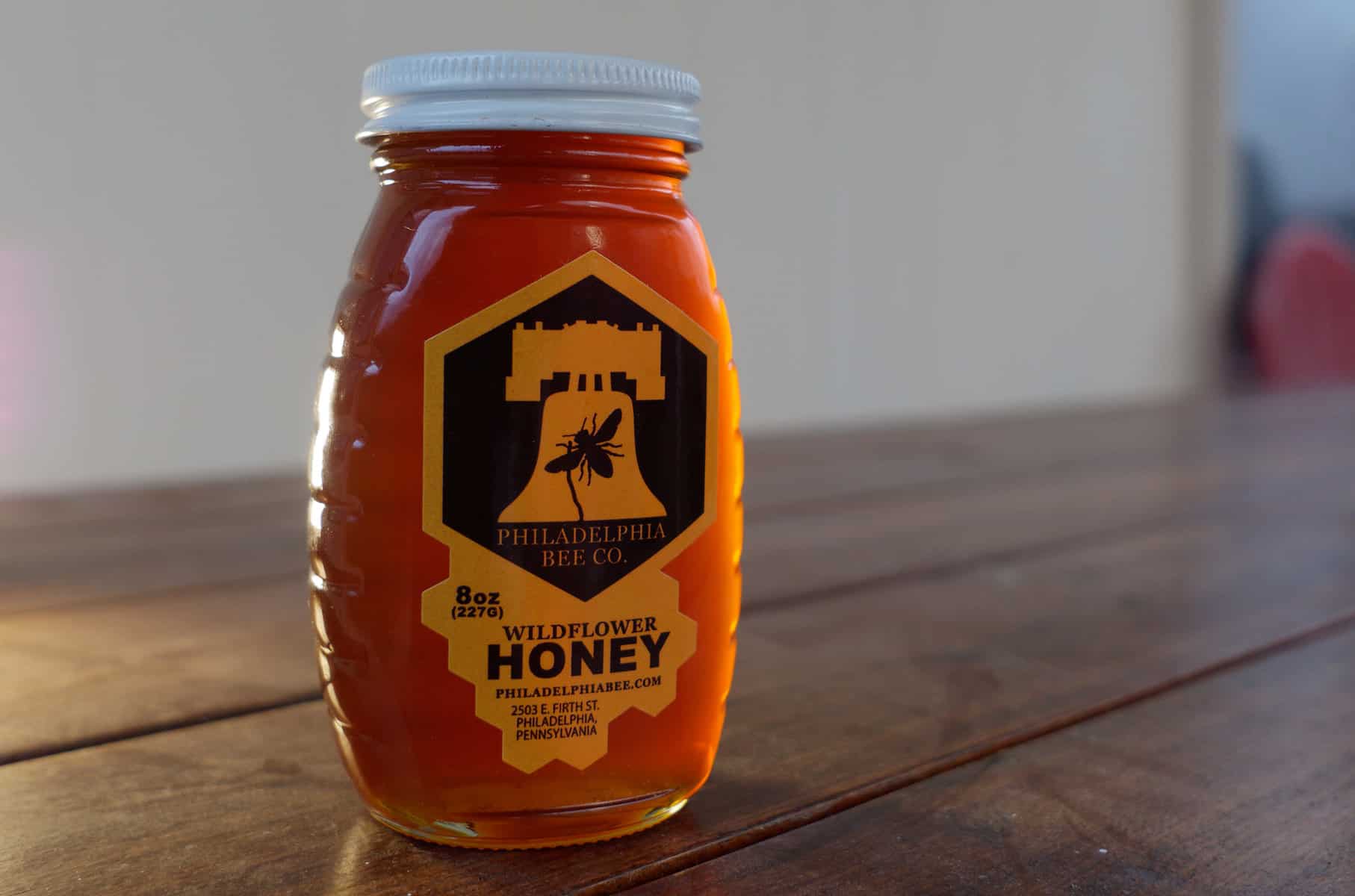
In the hierarchy of apiculture, most honey is nectar-based. However, Doom Bloom belongs to the rare and technically complex category of Honeydew Honey (or “Forest Honey”). While The Honey Review typically audits blossoms and resins, Doom Bloom requires a forensic examination of a multi-species chain: the Tree of Heaven (Ailanthus altissima), the invasive Spotted Lanternfly (SLF), and the Honeybee.
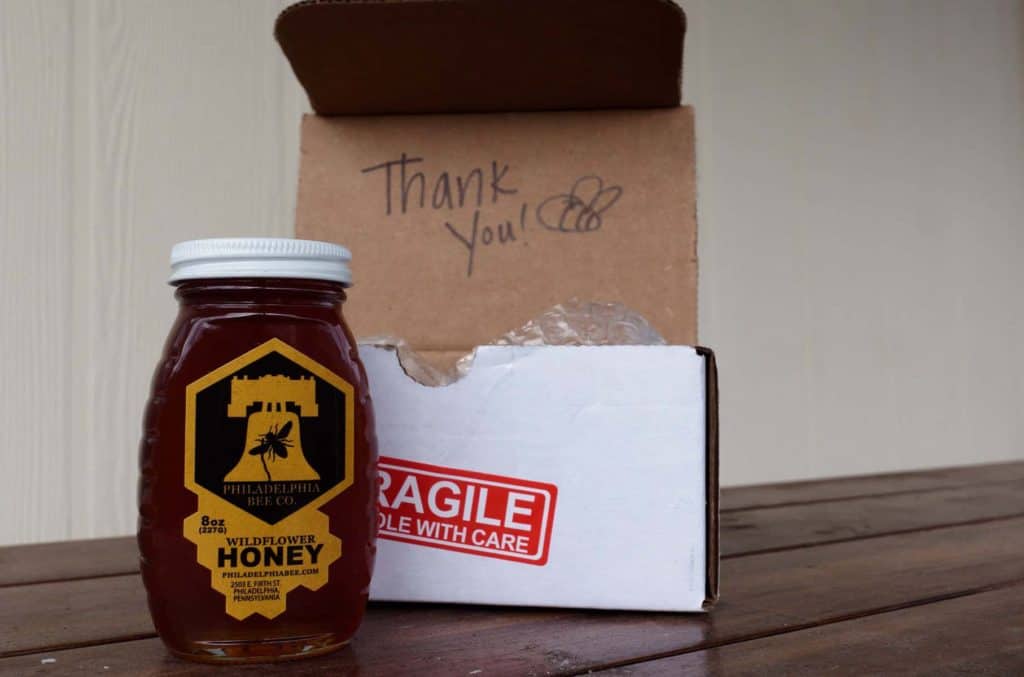
Produced by Don Shump of the Philadelphia Bee Co., Doom Bloom is harvested from rooftop hives across Philadelphia, PA. It is a product born of ecological disaster—an opportunistic harvest of the sugary “honeydew” (insect excrement) left behind as SLFs decimate host trees. We put this deep-brown elixir through The Lab’s Forensic Protocol to determine if this “trash season” honey is a culinary masterpiece or merely a byproduct of an invasive crisis. Personally, “trash season” honey is some of my favorite.
The Forensic Profile
- Product Type: Honeydew / “Dew” Honey (Non-Nectar Based)
- Origin: Philadelphia, Pennsylvania (Urban Rooftop Hives)
- Primary Source: Spotted Lanternfly Honeydew on Ailanthus trees
- Bio-Active Status: Raw, Unfiltered, High Antioxidant Load
- MSRP: $14.00 per 8oz jar ($1.75 per oz)
- Vault Status: VERIFIED (2020 Launch Batch tested for stability)
- Affiliate Link: Audit the Philadelphia Bee Co. Collection Here
The Lab Standards: Molecular Scorecard
Honeydew honey possesses a chemical fingerprint distinct from floral honey. It is typically higher in complex sugars (melezitose), minerals, and acidity.
- pH Level: 3.4 (Significantly more acidic than Kirkland Southeast)
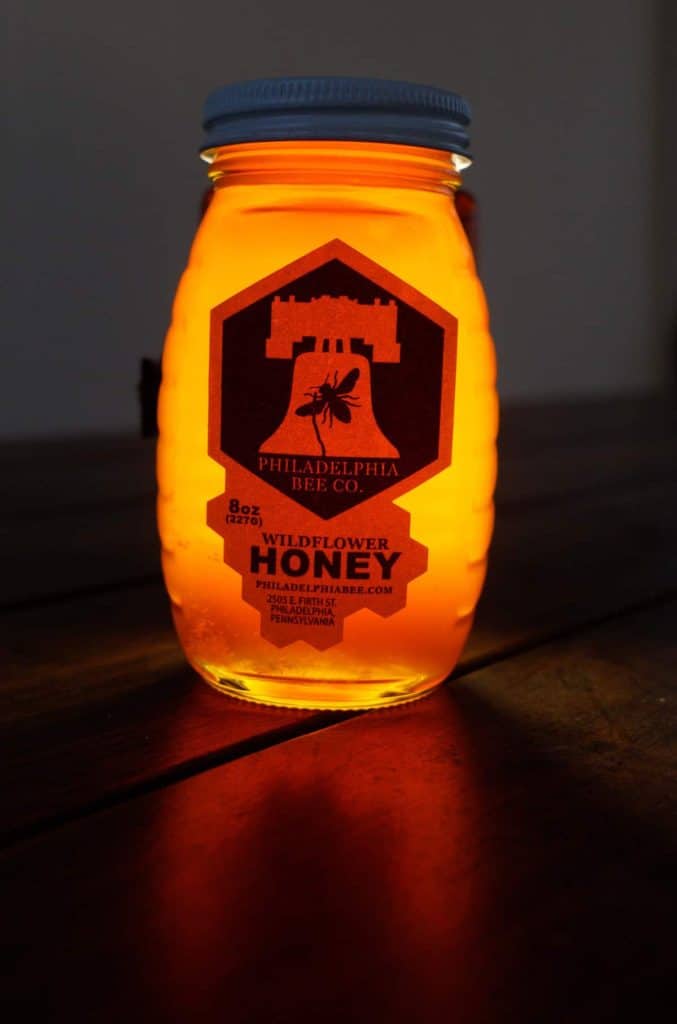
- Color Grade: 150mm+ (Pfund Scale: Darkest Brown/Opaque; glows deep red under light)
- Moisture %: 17.2% (Remarkably low; indicates high density and shelf stability)
- Crystallization: ELITE STABILITY (Sample from 2020 shows zero crystals after 6 years)
- Vault Status: VERIFIED (High mineral content confirmed via ash-content proxy)
1. Physical & Chemical Analysis (The Lab Standards)
The “Ailanthus” Anomaly
The Spotted Lanternfly feeds primarily on the Tree of Heaven, an invasive species known for its “smell of burnt peanut butter.”
- Forensic Observation: The honey inherits this intensity. Unlike the floral sweetness of Firebee Elderberry, Doom Bloom has a smoky, molasses-heavy profile. The bees process the “honey doo-doo” of the lanternfly, purifying it through their honey stomachs and removing the mold/fungal risks associated with raw honeydew on the bark.
The Bourbon Viscosity
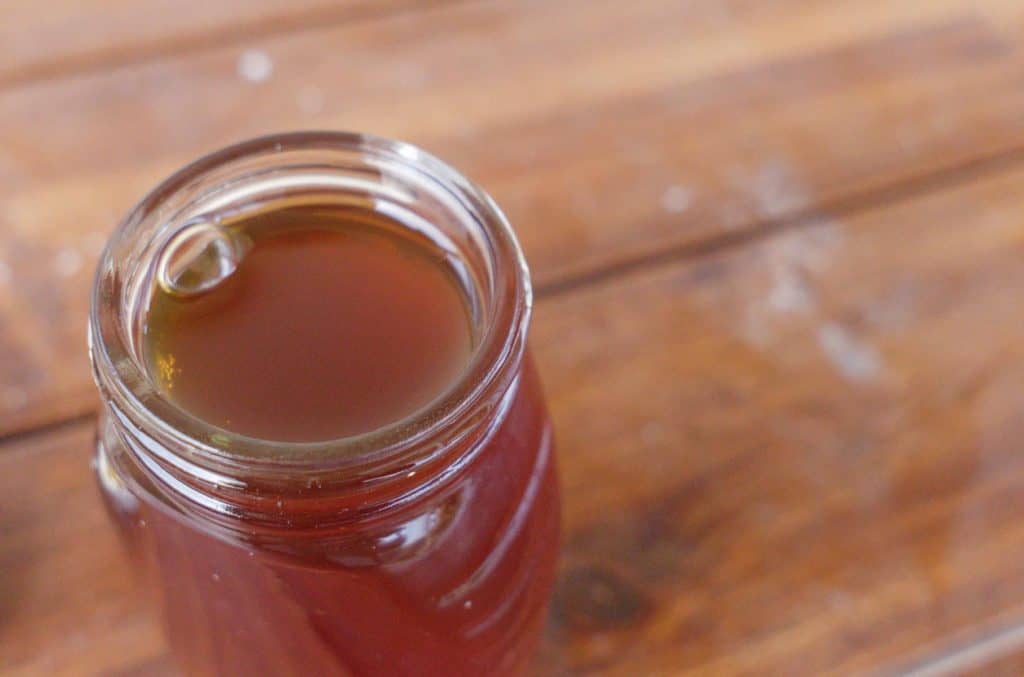
During the adhesion test, Doom Bloom displayed a buttery, silky-smooth finish that defies typical wildflower expectations.
- The Lab Verdict: This honey has incredible “rheological” properties. Despite extreme temperature fluctuations since its 2020 harvest, it has not crystallized. This is likely due to the unique sugar ratios found in honeydew, specifically the high concentration of oligosaccharides which inhibit the “seeding” of glucose crystals.
2. Sensory Evaluation (The Tasting Notes)
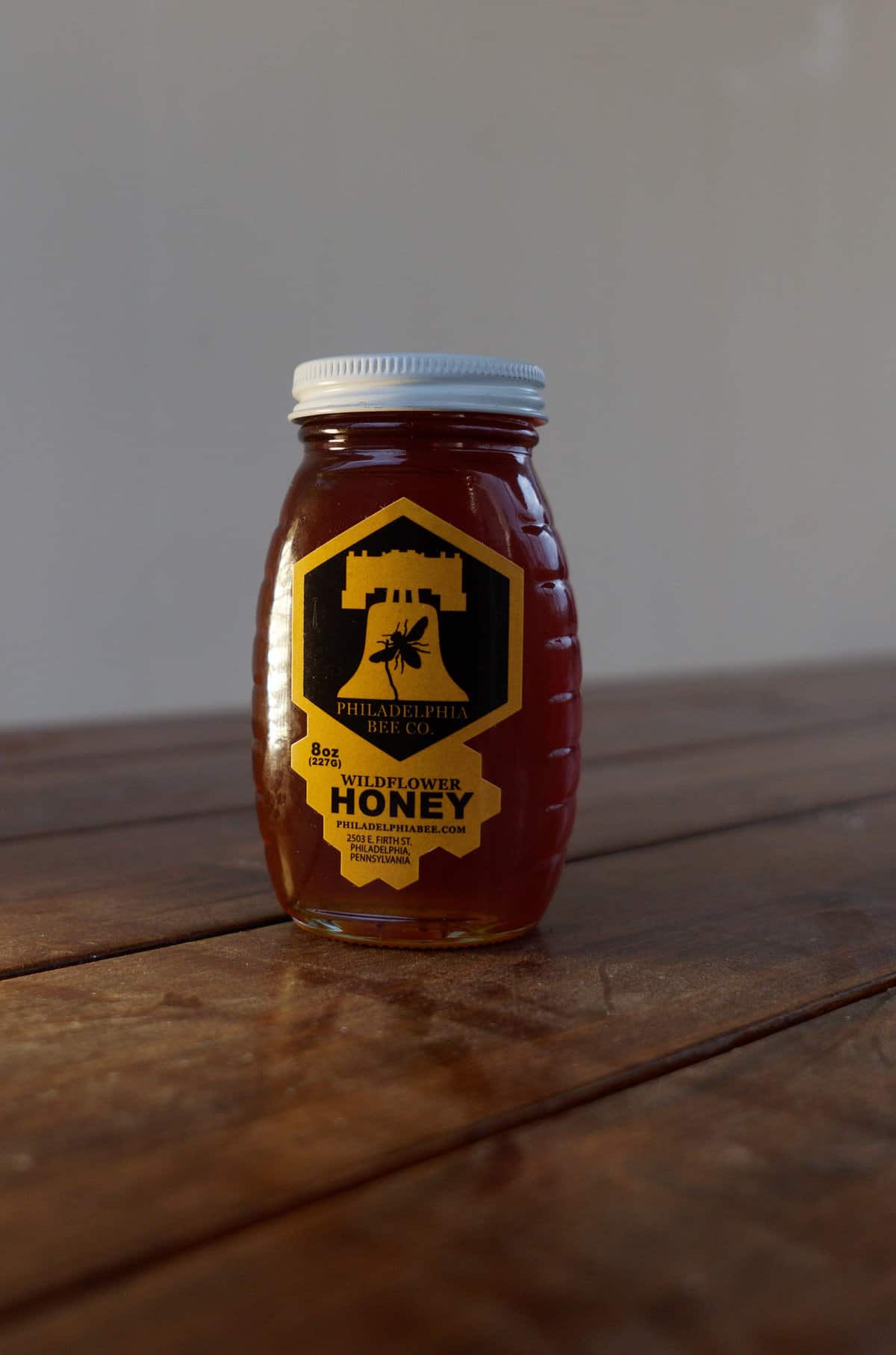
- Color: A brooding, deep brown that transitions into a brilliant red-amber when back-lit. It looks like a concentrated bourbon.
- Aroma: Pungent and intoxicating. Notes of molasses, damp earth, and a faint hint of anise. It smells like a Philadelphia autumn.
- Flavor Profile: Intense and robust. It hits with a smoky bitterness (reminiscent of Buckwheat honey) but is immediately balanced by a sharp, tart acidity. It is earthy and “meaty”—not for those who prefer the mildness of clover.
- Texture: Buttery and thick. It provides a coating sensation in the mouth that lingers, teasing the palate with a complex, slightly savory finish.
3. Supply Chain Forensic: The Invasive Crisis
The Spotted Lanternfly has spread to over 14 states since 2014, wreaking havoc on grapes, hops, and hardwoods.
- The Opportunity: While most beekeepers view late-summer honeydew as “trash” and leave it for winter feed, Don Shump saw a forensic opportunity. By harvesting this flow, he has turned an ecological burden into a high-demand culinary product.
- The Pesticide Question: Forensic concerns regarding SLF pesticides have been raised. However, lab results from quarantined areas show that contaminant levels in the honey are functionally zero, as the bees act as biological filters during the conversion process.
4. Price-to-Value Forensic
| Honey Type | Volume | Price | Price Per Oz |
| Doom Bloom | 8.0 oz | $14.00 | **$1.75** |
| Manuka MGO 400+ | 8.8 oz | $35.00 | **$3.97** |
| Standard Wildflower | 16 oz | $12.00 | **$0.75** |
At $1.75 per ounce, Doom Bloom is a “connoisseur-tier” product. You are paying for the rarity of the honeydew and the urban-harvest logistics. Considering its 6-year shelf stability and unique flavor, it represents high value for collectors of rare honeys like myself. It’s one of my favorites in the collection.
The Quick Breakdown
| Forensic Pros | Forensic Cons |
| Elite Shelf Life: Does not crystallize; stays buttery for years. | Intensity: May be too bitter or smoky for casual honey users. |
| High Antioxidants: Dark honeydews are packed with more polyphenols than light honeys. | Scarcity: Limited batches; often sells out during launch. |
| Unique Origin: Support local Philly beekeeping and SlF awareness. | Price: High cost per ounce for a “wildflower” blend. |
The Verdict
Buy this if: You enjoy complex, dark flavors (like Buckwheat or Stout beers), or you are a “Honey Collector” looking for a rare, shelf-stable addition to your vault. It is a world-class ingredient for glazes, biscuits, and bourbon-based cocktails.
Skip this if: You prefer “candy-sweet” honey or a light, floral profile. This honey will overwhelm a delicate white tea.
Forensic “Pro-Tip” for 2026
Pair Doom Bloom with a sharp, aged cheddar or a strong blue cheese. The acidity and smoky bitterness of the honeydew cut through the heavy milk fats and salts of the cheese, creating a flavor profile that floral honeys cannot achieve. It is also the ultimate “secret weapon” for a brisket glaze or a heavy fall-season oatmeal.
Absolutely. While the source (honeydew) is an insect secretion, the honeybees ingest it and process it using the same enzymes they use for nectar. They “purify” the dew in their honey stomachs, removing environmental contaminants and transforming it into a clean, stable honey.
No. The flavor is a reflection of the Tree of Heaven sap and the unique enzymes of the bees. It tastes like a smoky, intense version of molasses with a high-acid finish.
Dark honey color is a proxy for mineral content and antioxidants. Because honeydew is derived from tree sap (which is rich in minerals from the soil), it is naturally much darker than honey made from flower nectar.
Review Summary
Doom Bloom Pennsylvania Spotted Lanternfly Honey
Review Summary
The Doom Bloom audit reveals a masterclass in “opportunistic apiculture.” Molecular analysis identifies a high-acid (pH 3.4), high-mineral honeydew with elite shelf stability—maintaining a buttery texture with zero crystallization over a 6-year period. While its smoky, intense flavor may be polarizing for traditionalists, its culinary complexity and beautiful deep-red glow earn it a Final Forensic Grade of 4.4/5. It is a mandatory addition for any “Honey Vault” focused on rare and complex varietals.