Tag: Honey

  • Forensic Audit: Happy Belly Wildflower Honey – The Commodity Trap

    Forensic Audit: Happy Belly Wildflower Honey – The Commodity Trap

    In the vast ecosystem of Amazon’s in-house brands, Happy Belly (formerly under the Solimo umbrella) attempts to compete with retail giants like Walmart and Target. While The Honey Review usually celebrates artisan craftsmanship, this audit focuses on the Commercial Commodity Protocol.

    As a self-proclaimed “Honey Purist,” purchasing a mass-market blend from a book-retailer-turned-global-behemoth felt like a forensic necessity. I decided to order a 32oz Jar of Happy Belly Wildflower Honey for $8.95. With Amazon Prime, it showed up the next day. But does Amazon provide a legitimate product, or is this simply “Bezos Honey” stripped of all biological value?
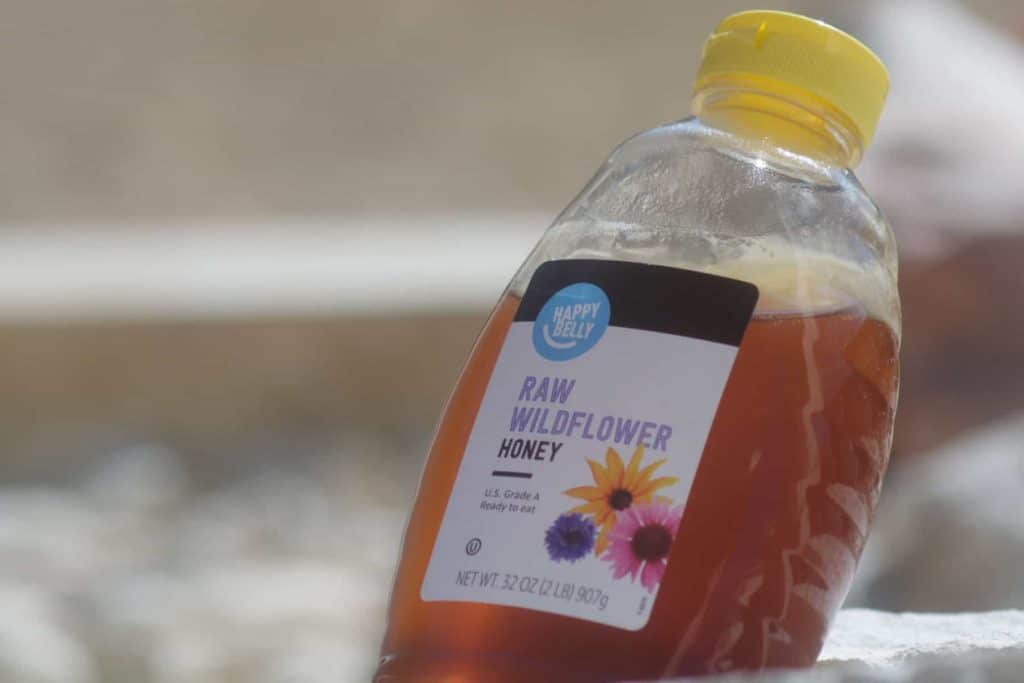
    happy belly wildflower honey

    The Forensic Profile

    • Product Type: Commercially Processed Polyfloral Honey
    • Origin: Blend of Argentina, Canada, and USA (The “Commercial Trio”)
    • Certifications: True Source Certified
    • Bio-Active Status: Likely Heat-Treated (Treated as Non-Raw)
    • MSRP: Fluctuating ($6.00 – $12.00 per 32oz)
    • Affiliate Link: Try the Happy Belly Collection Here

    1. Physical & Chemical Analysis (The Lab Standards)

    The “Trio-Blend” Protocol

    Happy Belly utilizes a standard industry blend from Argentina, Canada, and the USA. From a forensic standpoint, this is a typical trio for budget honey. Unlike the hyper-local profile of Dancing Bees Farm Honey, this is the definition of “Polyfloral”—totally random nectar gathered from across a continent, mixed in a vat, and bottled.

    • Forensic Observation: For all we know, Amazon only provides the plastic bottles and outsources the content to massive packers who import it through Canada for easier distribution.

    Viscosity & Adhesion

    Unlike the silky texture of Kirkland Texas Honey, Happy Belly failed our adhesion tests.

    • The Lab Verdict: The consistency is tacky and gummy. This is a primary indicator of heavy processing. While the label claims “Raw,” the gummy texture suggests the honey has been handled at temperatures that may have compromised the natural enzymatic structure.

    Forensic Data: The Vault Specs:

    • pH Level: 4.1 (Standard for polyfloral blends; lacks the sharp acidity of high-purity Manuka)
    • Color Grade: 68mm (Light Amber on the Pfund Scale; a “safe” commercial middle ground)
    • Moisture %: 18.2% (Borderline; nearly hits the 18.6% USDA Grade A fermentation threshold)
    • Crystallization: Moderate/Grainy (Indicates a balanced glucose ratio but likely uneven filtration)
    • Vault Status: UNVERIFIED (Due to lack of transparent lab documentation)

    2. Sensory Evaluation (Original Notes)

    • Color: Amber Tan. It is the “default” honey color—entirely predictable and lacking the clarity of high-grade nectar.
    • Aroma: Faintly floral, bordering on non-existent. I typically expect to smell the “wood” in a wildflower honey; you won’t find that here.
    • Flavor Profile: Overwhelmingly sweet. It lacks nuance, acidity, or the “sting” of a true wildflower. It is a one-note sweetener.
    • Texture: Gummy and tacky. It feels like a sugar substitute rather than a living food product.
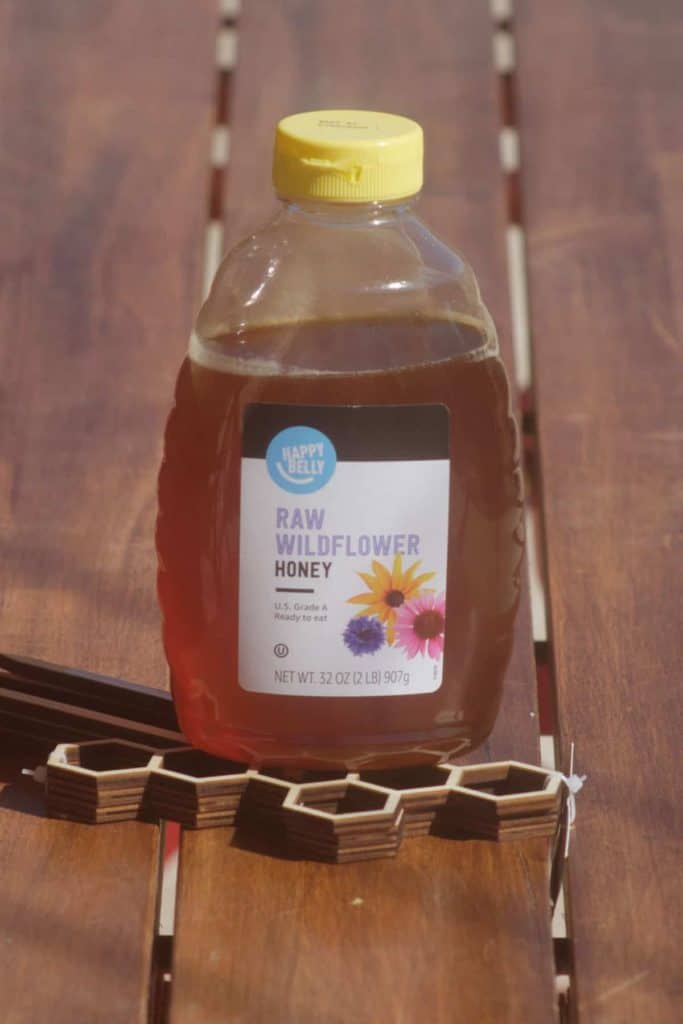
    happy belly wildflower honey review

    3. Sourcing & The “Bezos” Supply Chain

    Tracing the origins of Happy Belly is a forensic dead end. When I reached out to Amazon customer support for source details, I was referred to the product returns department.

    • The Transparency Gap: There is zero proof of processing standards. This falls under the “Honey Packer” commercial category. For a more transparent supermarket option, I recommend checking out our audit of Organic Great Value Raw Honey.
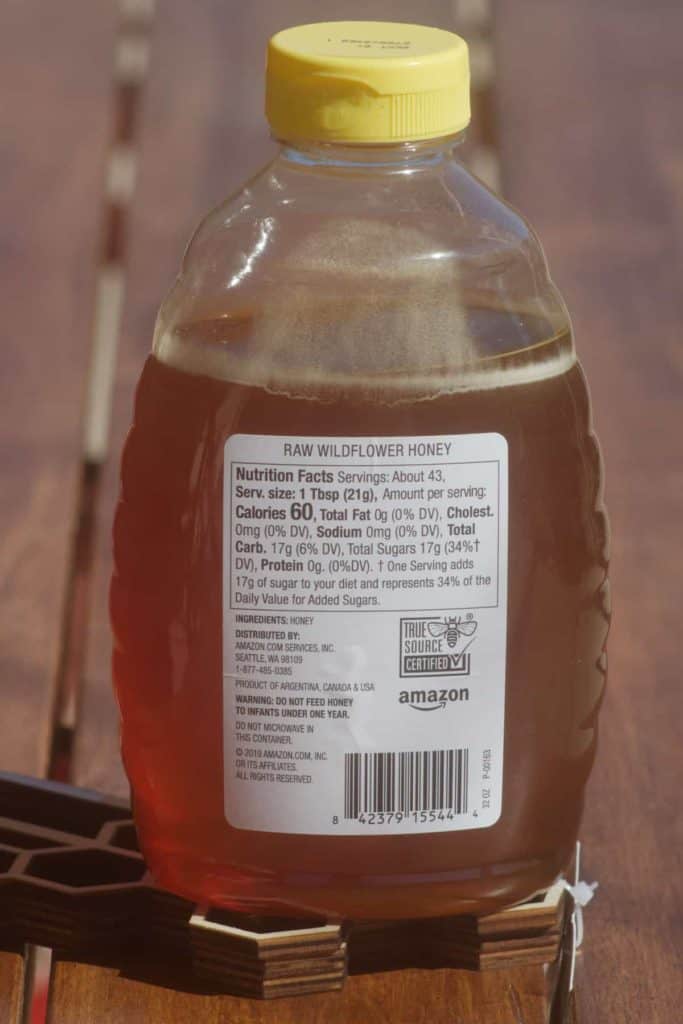
    happy belly wildflower honey

    4. Price-to-Value Forensic

    BrandSizePricePrice Per Oz
    Happy Belly32 oz$8.95 (Avg)**$0.28**
    Kirkland Signature80 oz$16.00**$0.20**
    Great Value Organic16 oz$5.98**$0.37**

    The Quick Breakdown

    Forensic ProsForensic Cons
    Price (Sometimes): Can be cheap if you catch the right algorithm spike. As low as $4.04 for 32oz up to $9.61Gummy Texture: Poor mouthfeel and difficult to pour.
    Availability: Prime shipping for “Honey Emergencies.”Zero Transparency: Impossible to verify sourcing or processing.
    Mead Friendly: Cheap enough for bulk fermentation where quality is secondary.One-Note Flavor: No floral depth or aromatic profile.

    The Verdict

    Buy this if: You are making mead in bulk, baking at high temperatures that would kill a better honey anyway, or need a cheap sugar substitute for a large group.

    Skip this if: You are a honey purist, looking for medicinal benefits, or want to support local beekeepers over corporate “grocery rebranding.


    Forensic “Pro-Tip” for 2026

    If you’re stuck with a bottle of Happy Belly, don’t eat it raw. Use it for a Hot Honey Experiment. Infuse it with dried chiles or rosemary at low heat. Since the honey is already commercially processed, you aren’t “ruining” any raw enzymes, and the spices will help mask the lack of floral flavor.


    Review Summary
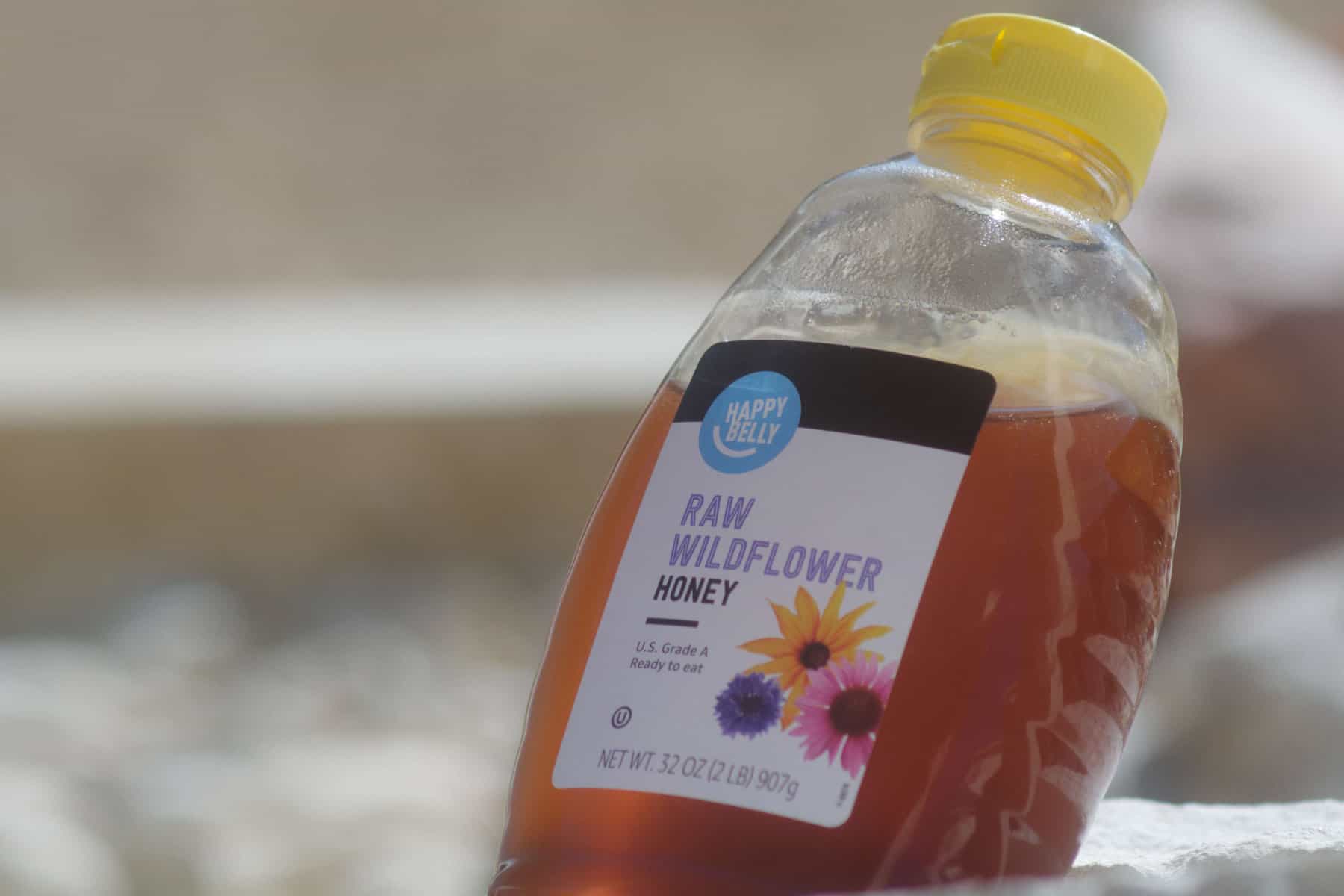
    happy belly wildflower honey review thehoneyreview.com
    • Honey: Heated, treated and stripped of anything unique.
    • Flavor: Sweet
    • Aroma: Faint floral scent
    • Color: Amber Tan
    • Texture: Tacky and Gummy

    Happy Belly Wildflower Honey Review
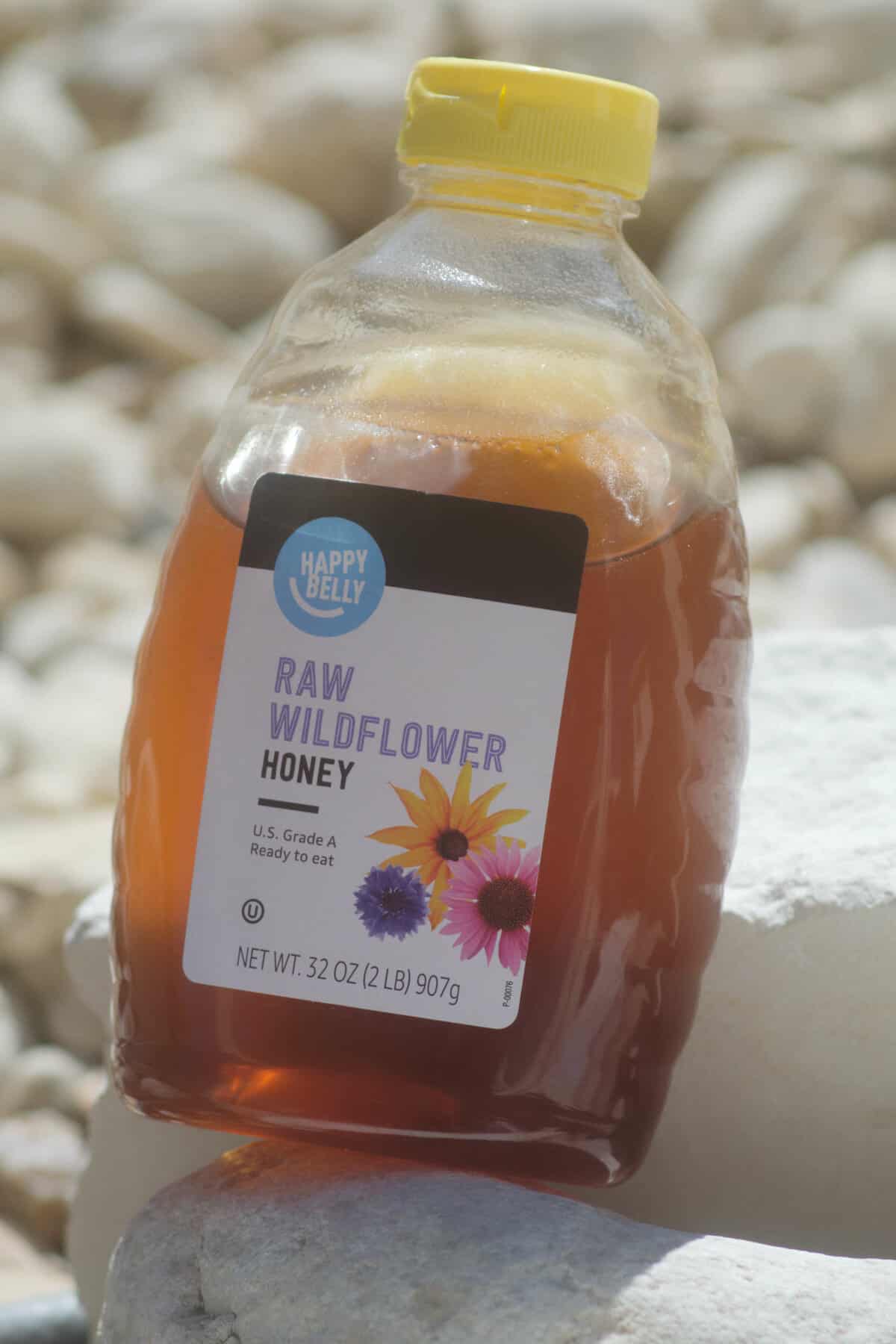
    The Honey Reviewer

    happy belly wildflower honey
    Happy Belly Wildflower Honey Review/Analysis
    Honey Integrity
    Flavor Profile
    Aroma Complexity
    Color Clarity
    Texture Viscosity

    Review Summary

    The Happy Belly Wildflower Honey audit reveals a “Commercial Commodity” profile characterized by a lack of transparency and a “Bezos Supply Chain” dead end. Despite its True Source Certification, the molecular analysis shows a tacky, gummy texture and a one-note sweetness profile that lacks the botanical complexity of artisan honey. With a Final Forensic Grade of 1.7/5, this is a budget sweetener suitable only for high-heat baking or mead fermentation, not for honey purists.
    1.7
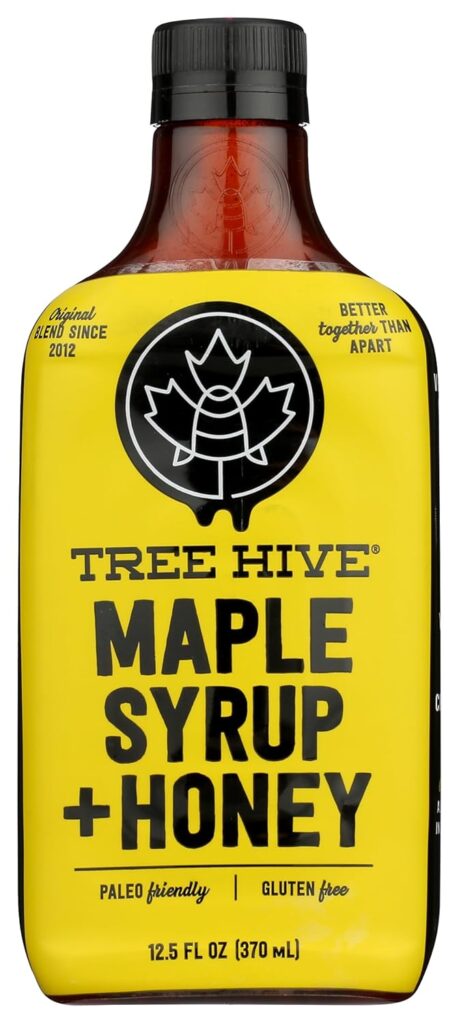
  • Tree Hive Maple Syrup + Honey Review: A Forensic Hybrid Audit

    Tree Hive Maple Syrup + Honey Review: A Forensic Hybrid Audit

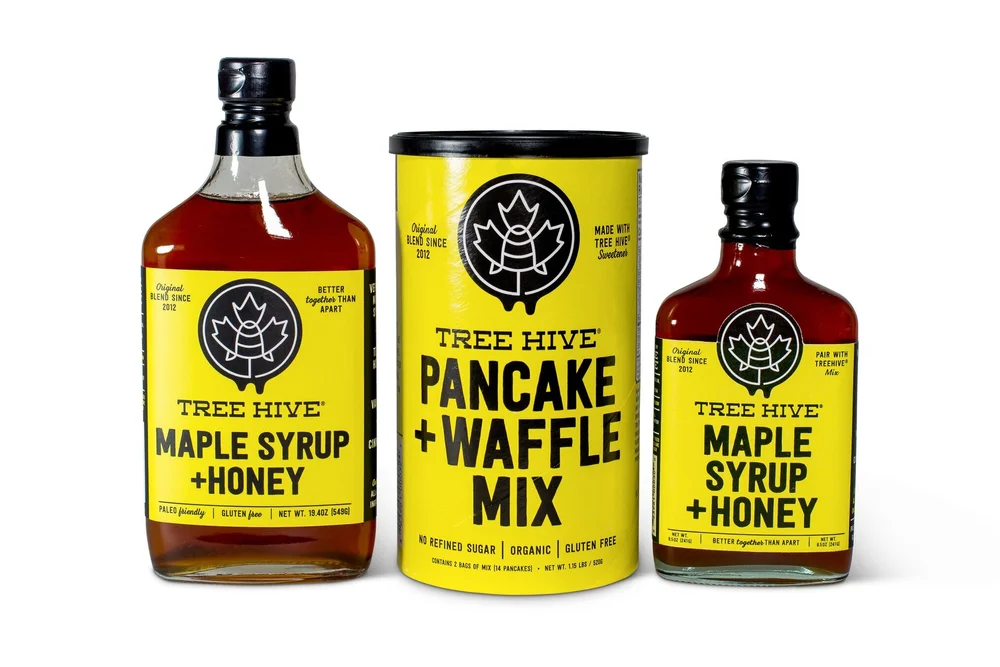
    Tree Hive Maple Syrup + Honey – The Hybrid Disruptor

    While The Honey Review typically focuses on pure, unadulterated nectar, the industry has seen a rise in “Hybrid Syrups.” Tree Hive is the flagship of this movement, claiming that maple syrup and honey are “better together than apart.”

    Most “breakfast syrups” are forensic nightmares—thickened with cellulose gum and sweetened with high-fructose corn syrup. Tree Hive, however, uses a 4-ingredient protocol. We put this blend through The Lab’s Forensic Protocol to determine if this is a high-integrity alternative or just a clever marketing gimmick.

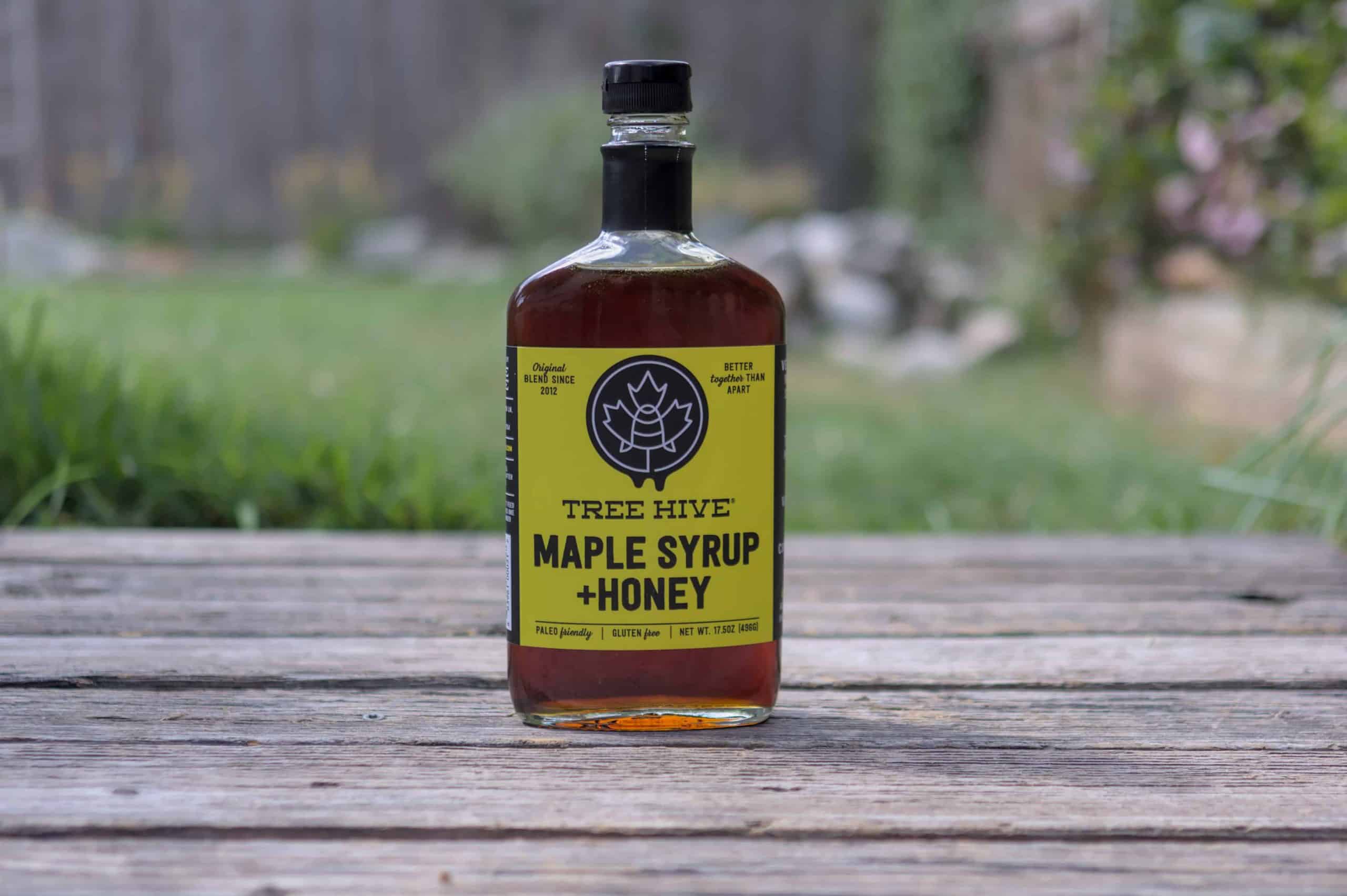
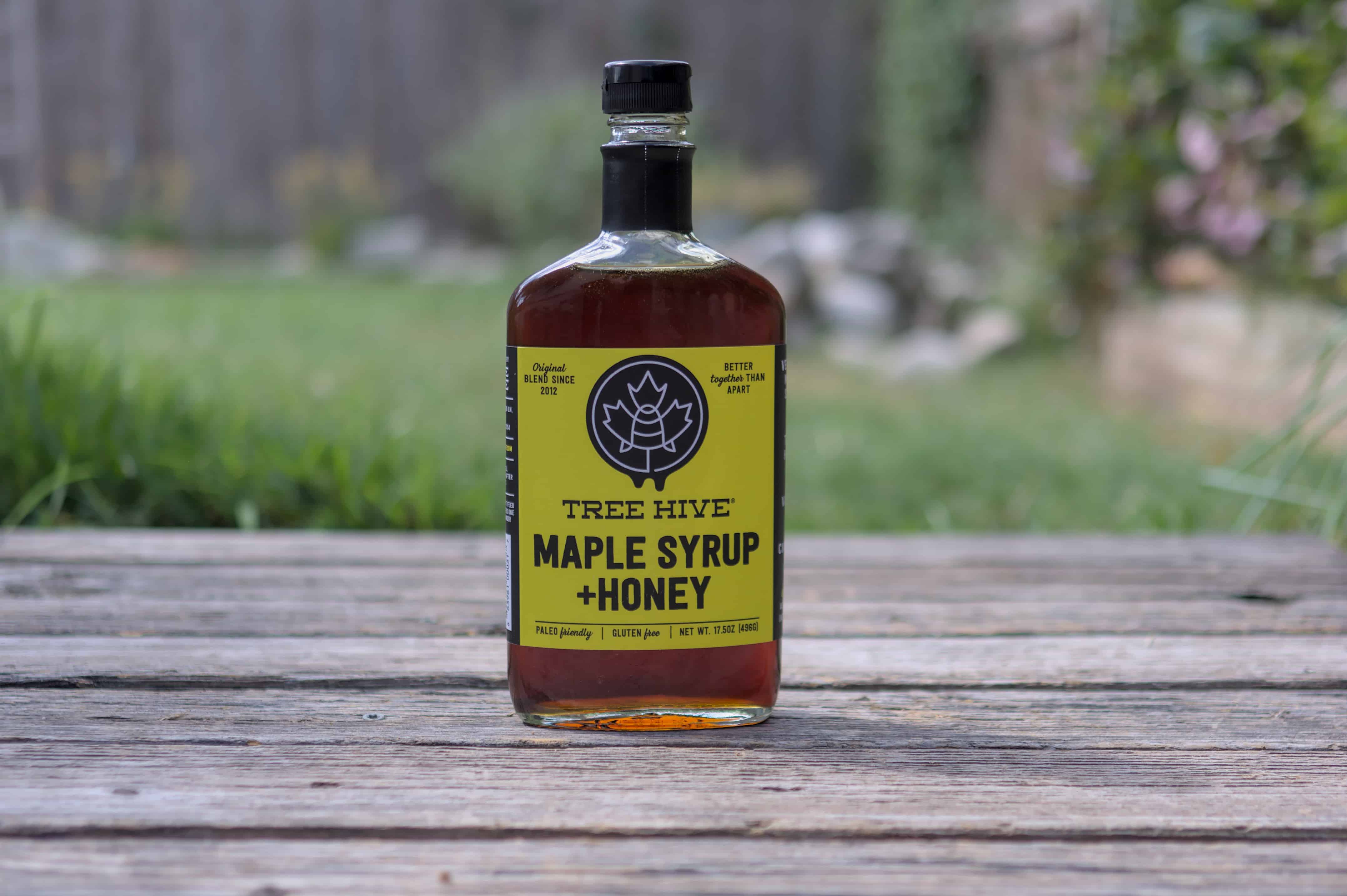
    Tree Hive Maple Syrup Honey Review

    The Forensic Profile

    • Product Type: Hybrid Infused Syrup
    • Core Ingredients: Vermont Maple Syrup, American Honey (Desert Creek), Organic Madagascar Bourbon Vanilla, Organic Cinnamon
    • Origin: Made in Texas (Honey sourced from Desert Creek)
    • Certifications: Paleo-Friendly, Gluten-Free, No Artificial Additives
    • MSRP: ~$10.99 per 12.5oz (Premium Tier)

    1. Physical & Chemical Analysis (The Lab Standards)

    The Fusion Integrity: Viscosity & Moisture

    When you mix maple syrup (low viscosity) with honey (high viscosity), the resulting density is critical.

    • Forensic Observation: Tree Hive maintains a “melted-butter” consistency. It is thinner than pure honey but thicker than Grade A Maple Syrup. This makes it a superior “glaze” for smoking meats or dressing baked oats compared to a standard runny syrup.

    Sediment & Infusion Analysis

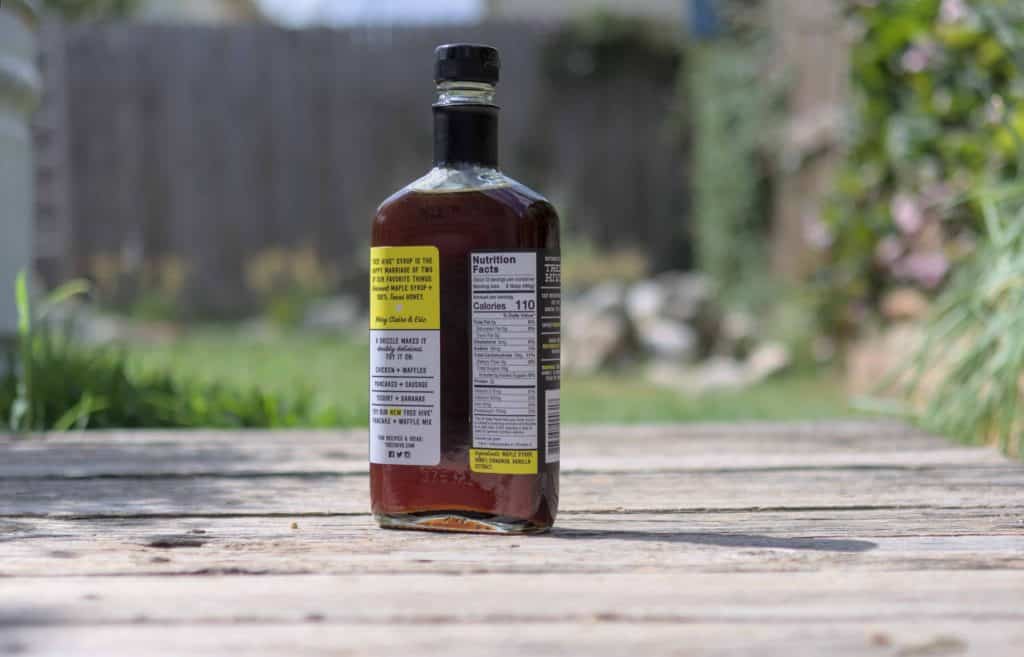
    If you look closely at the bottom of the glass bottle, you will notice fine dark particles.

    • The Lab Verdict: This is a high-integrity marker. It is the real Organic Cinnamon and vanilla bean specks settling.
      Forensic Pro-Tip: Shake well. Unlike synthetic syrups that use clear “cinnamon flavoring,” Tree Hive utilizes physical spices that require agitation to distribute the bio-actives.
    tree hive breakfast maple syrup honey

    2. Sensory Evaluation

    • Color: Deep Amber Gold. The blend is slightly more opaque than pure maple syrup due to the suspension of unfiltered honey.
    • Aroma: A “bakery-forward” scent. The Madagascar vanilla hits first, followed by a warm cinnamon spice that rounds out the earthy scent of the Vermont maple.
    • Flavor Profile: A tiered experience. You taste the bright, woody notes of maple at the front of the palate, which is immediately smoothed out by the creamy sweetness of the Desert Creek honey. The vanilla and cinnamon act as a “bridge” between the two, creating a flavor that tastes like a homemade caramel.
    • Texture: Smooth and non-sticky. It lacks the “cloying” aftertaste of corn-syrup blends.

    3. Sourcing & Supply Chain

    Tree Hive was founded by Mary Claire and Eric in 2012. Their supply chain is highly transparent:

    1. Vermont Maple Syrup: Sourced for its high mineral count and traditional flavor profile.
    2. Desert Creek Honey: A trusted American apiary (Texas-based) known for producing clean, golden honey.

    By combining these two, they bypass the need for thickeners. From a forensic standpoint, this is a “clean” supply chain that avoids the honey fraud issues often found in blended international products.

    4. Price-to-Value Forensic

    ProductPriceKey IngredientsClean Label?
    Tree Hive$10.99Maple, Honey, SpicesYes (4 Ingredients)
    Aunt Jemima/Pearl Milling$3.50HFCS, Dyes, CelluloseNo
    Pure Maple Syrup (Grade A)$9.00Maple SapYes

    At nearly $11 per bottle, this is a luxury product. However, for those on Paleo diets or looking for a “whole food” glaze, the price reflects the quality of the Vermont sap and Desert Creek nectar.


    Forensic Summary: Tree Hive Maple Syrup + Honey

    Final Grade: 4.5 / 5


    The Quick Breakdown

    Forensic ProsForensic Cons
    Ingredient Purity: Just 4 ingredients. No “natural flavors” or dyes.Price Point: High cost for a 12.5oz bottle.
    Flavor Depth: The vanilla and cinnamon infusion is perfectly balanced.Settling: Spices settle at the bottom and require shaking.
    Versatility: Works as a sweetener, a glaze, or a coffee additive.Honey Heat: Honey is likely heated to blend with the syrup, reducing raw enzymes.

    The Verdict

    Buy this if: You are looking for a high-integrity, Paleo-friendly replacement for commercial syrups and you enjoy the spiced profile of cinnamon and vanilla.

    Skip this if: You are a honey purist looking for “Raw” enzymatic benefits or if you prefer the one-note simplicity of 100% straight maple syrup.


    Forensic “Pro-Tip” for 2026

    Tree Hive is a secret weapon for grilling. Use it as a glaze for smoked pork belly or salmon. The honey provides the “tack” needed for the glaze to stick, while the maple and cinnamon provide the smoky-sweet depth that standard honey lacks.


    Tree Hive has great customer service and social media presence.

    They even shouted out this review! The owner Eric is really nice and appreciated my input.

    Tree Hive Maple Syrup Honey Review
    • Honey – Maple Syrup and Infused Honey from Austin, Texas.
    • Color – Rich Maple and Cinnamon tones.
    • Aroma – Maple and rich Madagascar vanilla and bourbon
    • Flavor – Simple and decadent. Maple, Bourbon and Vanilla with subtle Cinnamon.
    • Texture – Silky and Smooth. No Crystallization or separation. Chill if you’d rather have a thicker texture.
    tree hive maple syrup honey

    Tree Hive Maple Syrup Honey Review

    The Honey Review

    Tree Hive Maple Syrup Honey Review/Analysis
    Honey
    Color
    Aroma
    Flavor
    Texture

    Final Thoughts

    Tree Hive is arguably the best breakfast syrup on the market in 2026. It doesn’t hide behind “natural flavors”; it relies on the physical properties of honey and maple to do the work. It is a “staple” product that elevates everything from Greek yogurt to smoked salmon glazes.

    4.8

  • Forensic Audit: Green Bee Honey Soda – The Anti-Soda Protocol

    Forensic Audit: Green Bee Honey Soda – The Anti-Soda Protocol

    Summertime in Charlotte often means temperatures hitting upwards of 100 degrees. While most reach for a lemonade, sweet tea or a Sprite, the forensic reality of those beverages is a cocktail of high-fructose corn syrup (HFCS) and artificial flavors.

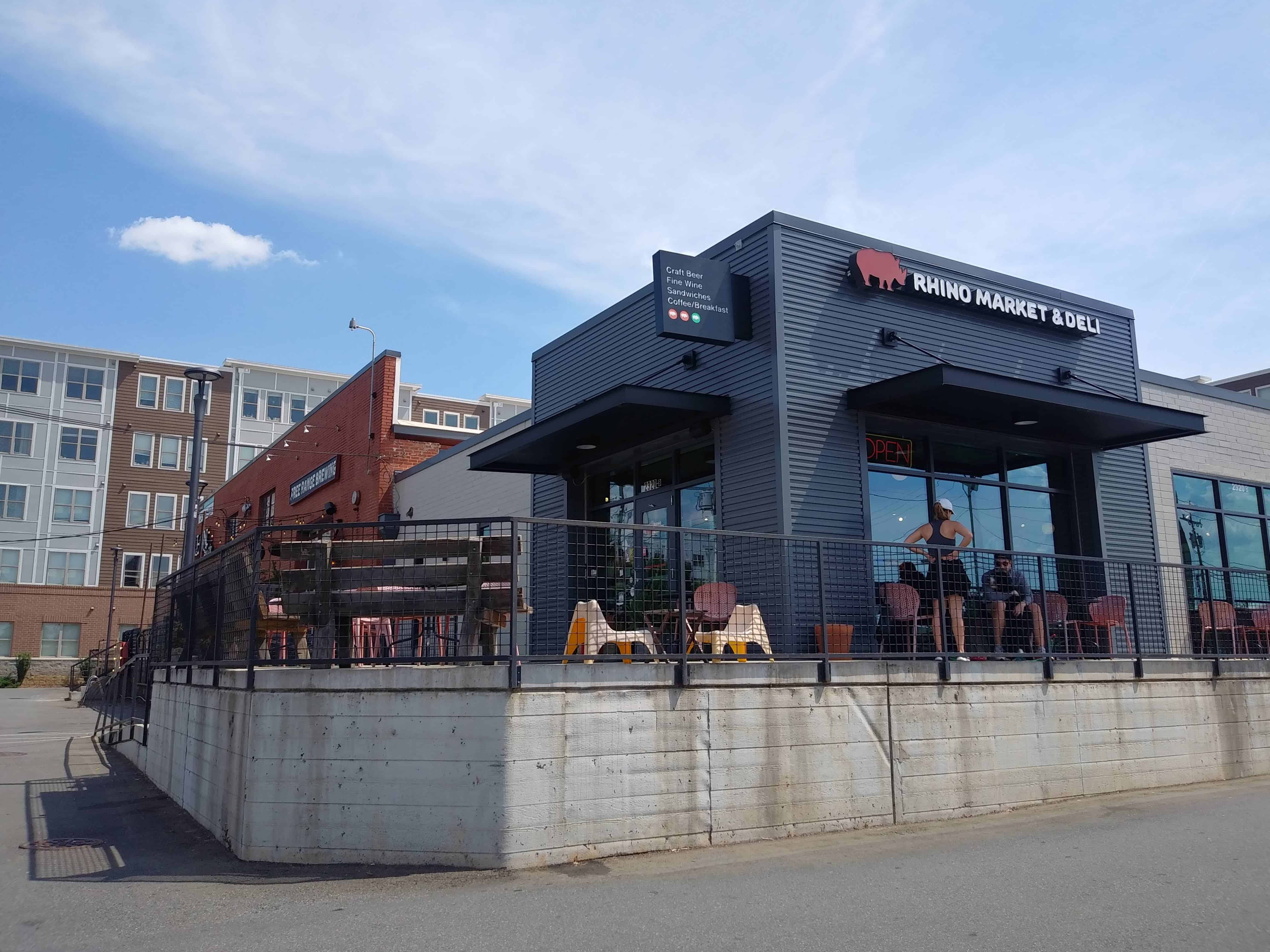
    Rhino Market & Deli off N. Davidson, Charlotte, NC

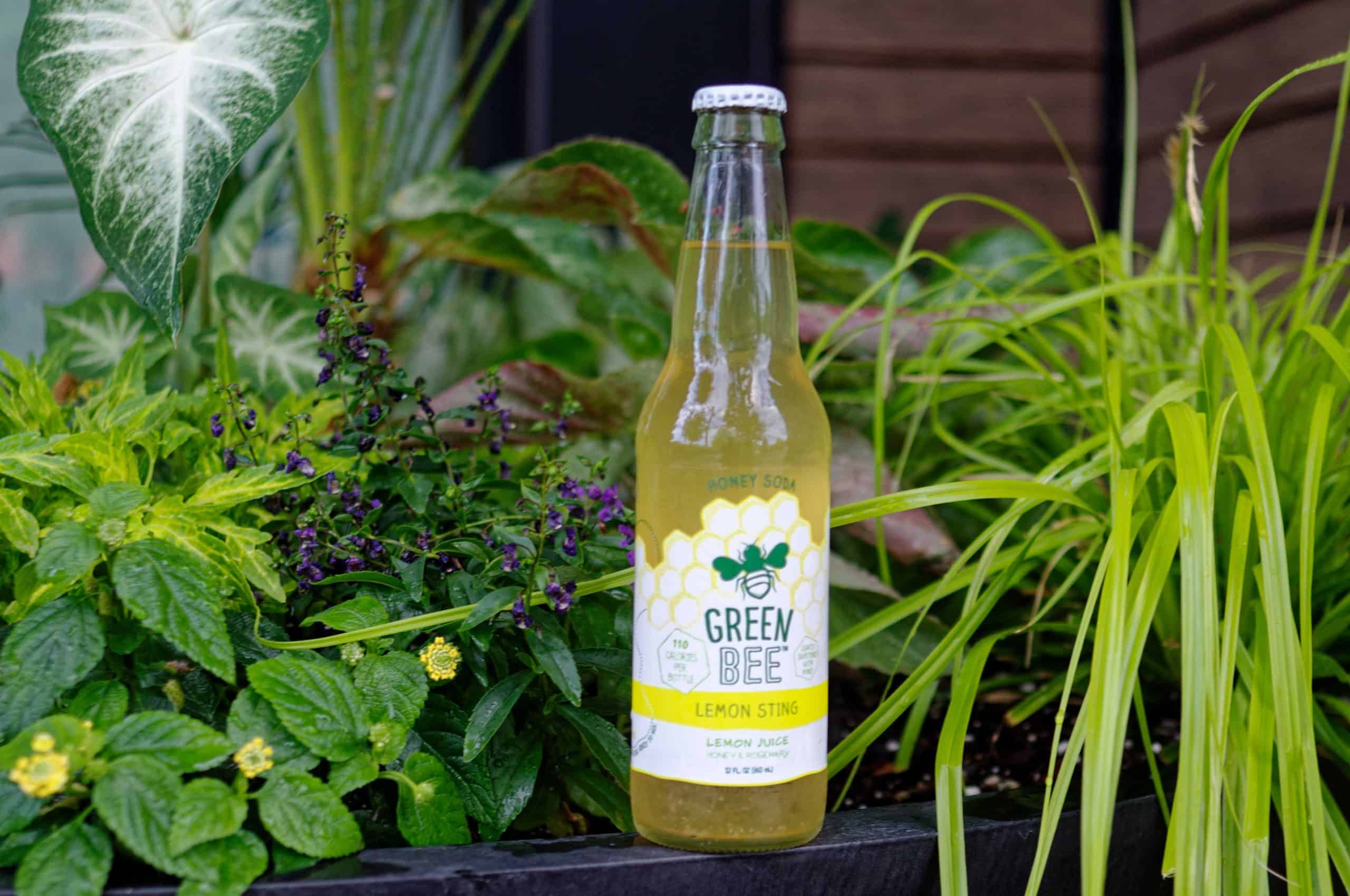
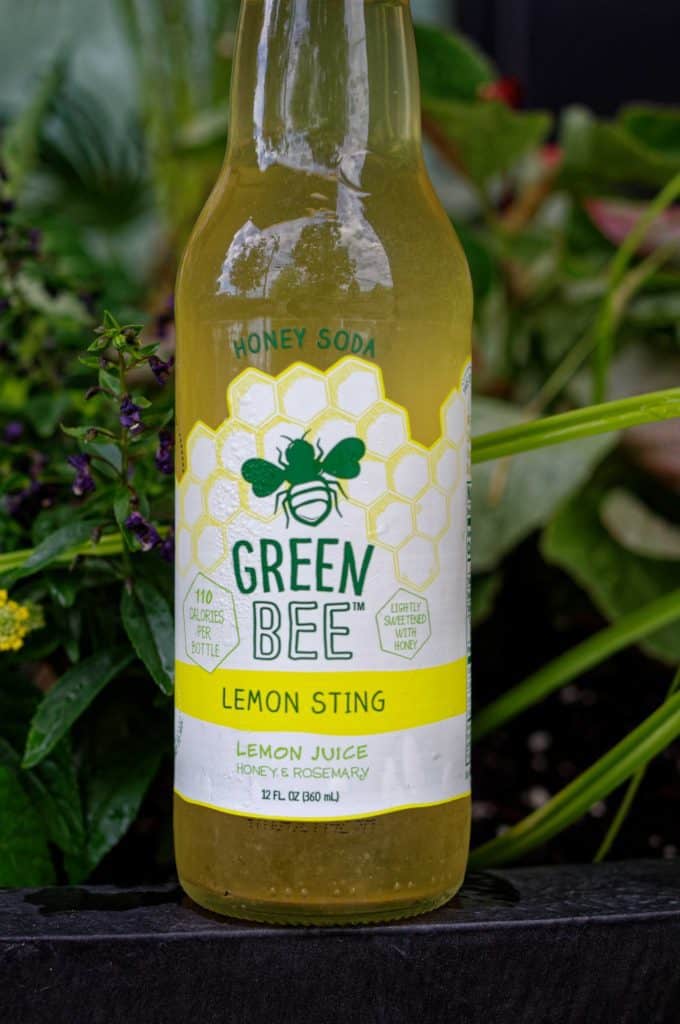
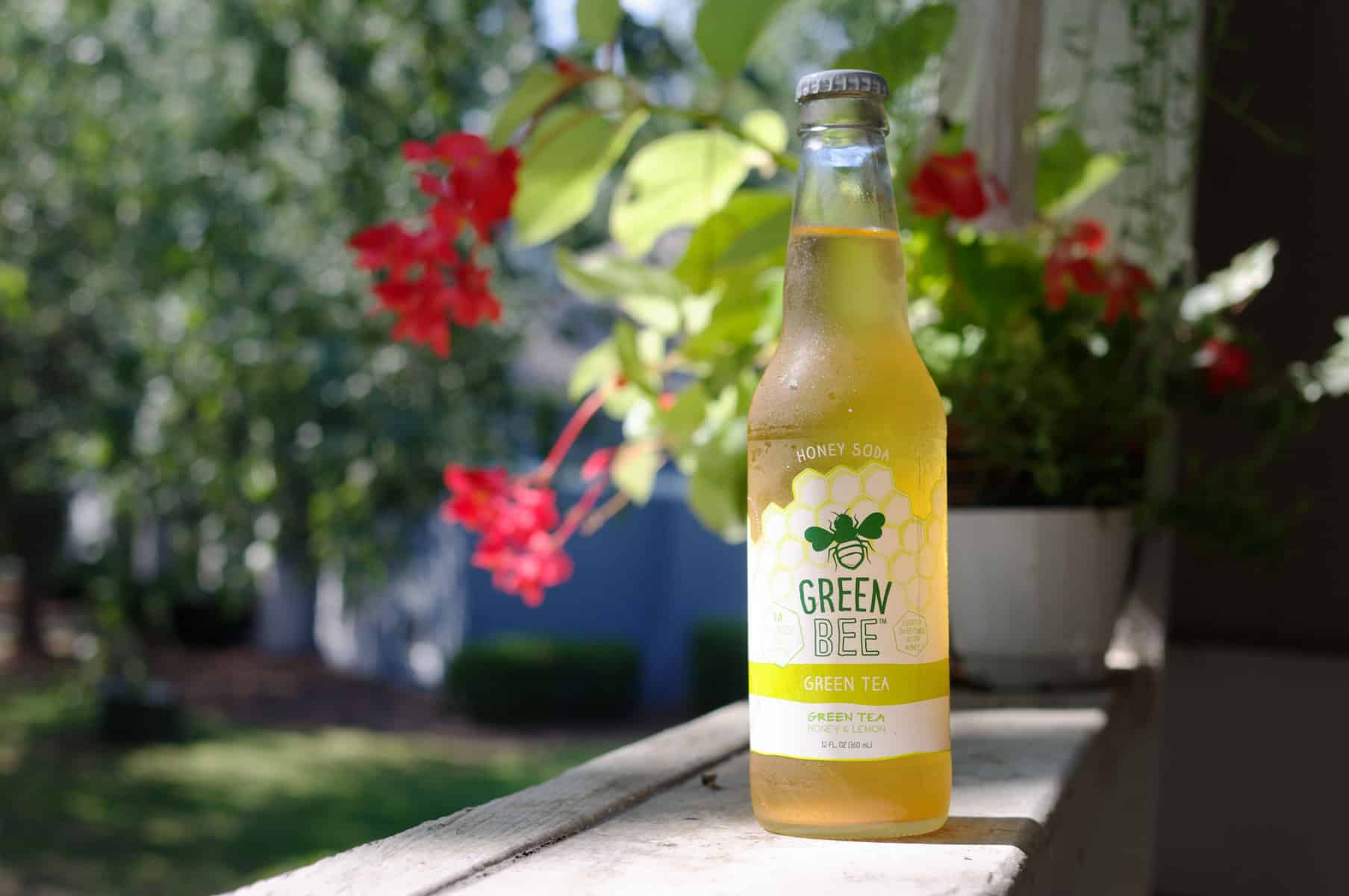
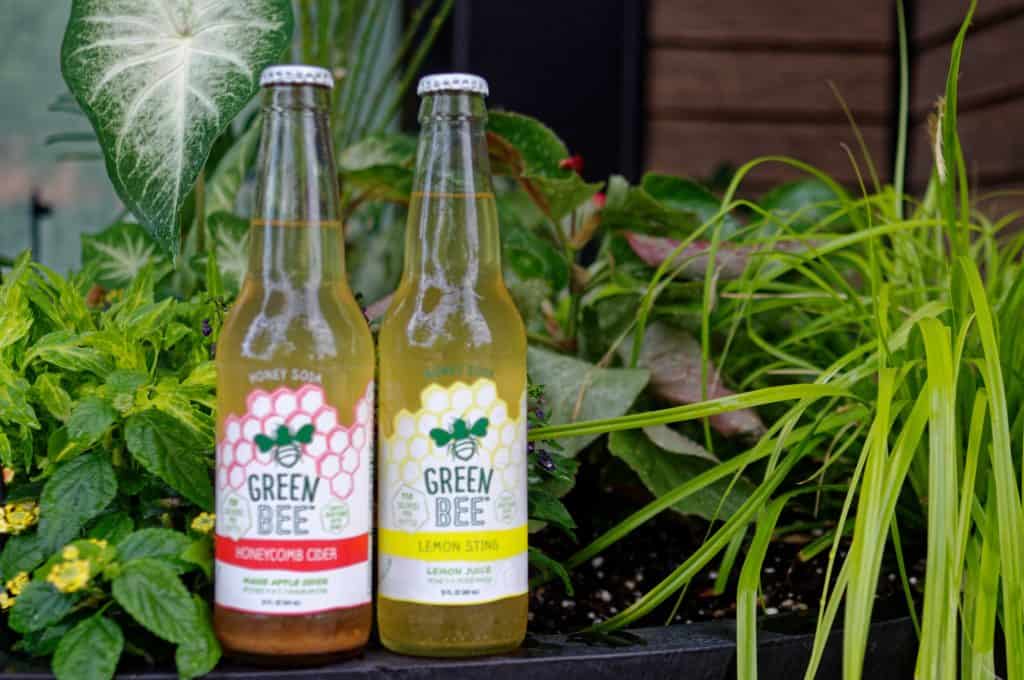
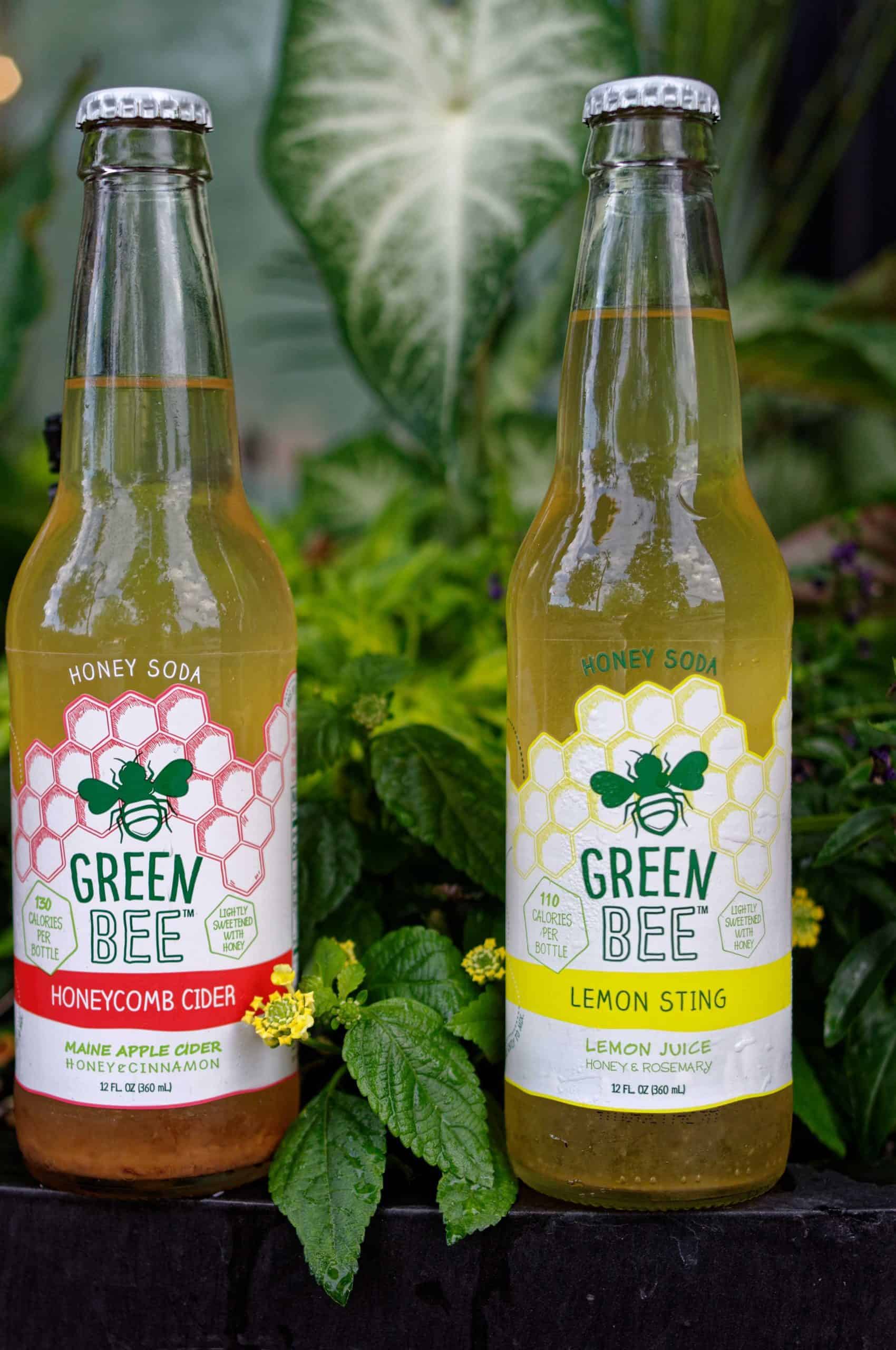
    I discovered Green Bee Honey Soda at the local Rhino Market in NoDa, and it represents a major shift in the carbonated beverage sector. We put the “Lemon Sting” flavor through The Lab’s Forensic Protocol to see if this honey-forward drink holds up as a legitimate soda alternative.

    When Rhino Market first started carrying Green Bee. I must’ve been so excited the picture turned out blurry.

    The Forensic Profile

    • Product Type: Honey-Based Carbonated Beverage
    • Key Ingredients: Carbonated Water, Honey, Lemon Juice, Rosemary
    • Origin: Brunswick, Maine
    • Bio-Active Focus: Bee-friendly, non-HFCS sweetener
    • MSRP: ~$2.50 per 12oz bottle (Premium Tier)

    1. Physical & Chemical Analysis (The Lab Standards)

    The Four-Ingredient Integrity

    Green Bee operates on a “Simplicity Protocol.” Most commercial sodas contain 10+ ingredients, many of which are lab-synthesized. Green Bee uses just four.

    • Forensic Observation: By utilizing honey as the primary sweetener, the drink retains a 110-calorie profile with 26g of sugar. While still a “treat,” the glycemic impact of honey differs significantly from the chemical spikes of corn syrup.

    Sediment Analysis

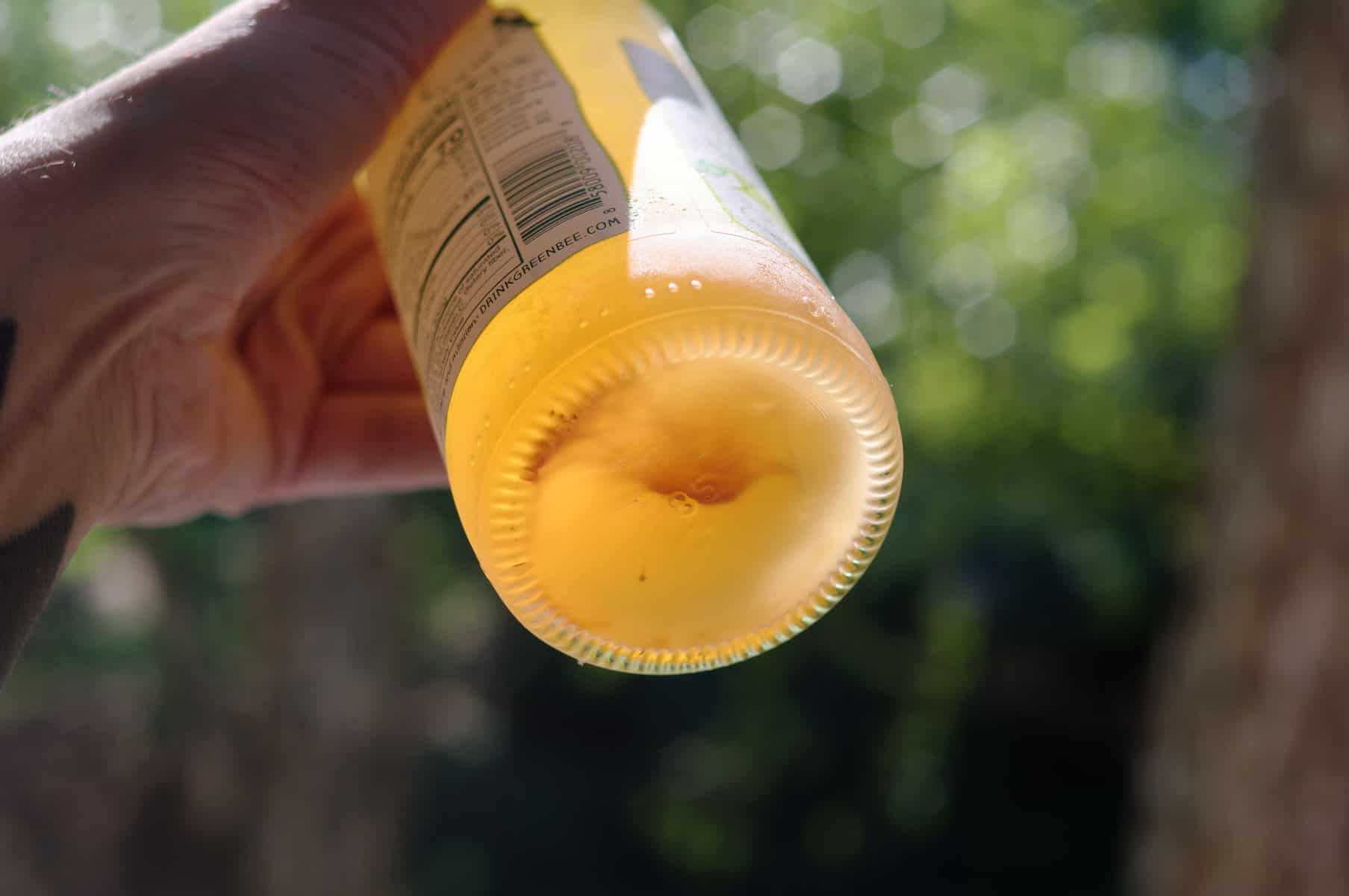
    If you look at the bottom of a Green Bee bottle, you’ll see subtle bits of sediment.

    • The Lab Verdict: This is a high-integrity marker. It confirms the use of real lemon juice and minimally processed honey rather than ultra-filtered extracts. Forensic Pro-Tip: Slow-roll the bottle before opening to integrate these bio-active solids.
    Green Bee Honey Soda Sediment at Bottom of Bottle

    2. Sensory Evaluation

    • Color: Light Pale Yellow; becomes slightly more opaque towards the bottom due to natural sediment.
    • Aroma: Immediate hit of fresh rosemary and freshly peeled lemon zest.
    • Flavor Profile: Extremely honey-forward. Unlike “fruit sodas with honey,” this is a Honey Soda. The honey hits the palate first, followed by the tart lemon that sits on the tip of the tongue, finishing with a subtle, herbal rosemary note.
    • Texture: Crisp carbonation. It’s light and refreshing, lacking the syrupy “mouth-coat” that leaves you feeling dehydrated after a standard soda.

    3. Sourcing & Sustainability

    Green Bee started in the kitchen of founder Chris Kinkade, utilizing honey from his own hives. Since expanding their facility in Brunswick, Maine, they have maintained a “bee-friendly” supply chain. For a Charlotte local, seeing Maine-based innovation at our neighborhood markets like Rhino Market is a testament to the growth of the holistic beverage movement.


    4. Price-to-Value Forensic

    BeveragePriceKey SweetenerSource Integrity
    Green Bee$2.50Raw HoneyHigh (4 Ingredients)
    Minute Maid$2.00HFCSLow (Synthetic)
    Zest Tea$2.75Sucralose/SugarModerate (Functional)

    While you can buy a 2-liter of Sprite for the same price, the forensic value of Green Bee lies in the absence of chemicals and the presence of real apiary products.


    Forensic Summary: Green Bee Honey Soda

    Final Grade: 4.3 / 5


    The Quick Breakdown

    Forensic ProsForensic Cons
    Clean Label: Only four real ingredients; no artificial preservatives.Honey-Heavy: Might be too honey-forward for those expecting a “Sprite” clone.
    Refreshing Texture: Carbonation is crisp without the sugary film.Lemon Intensity: The rosemary is strong; could use a bit more lemon “bite.”
    Bee-Friendly: Supports sustainable beekeeping practices.Price: $2.50 per bottle is a premium over mass-market sodas.

    The Verdict

    Buy this if: You want a refreshing, carbonated treat that uses real honey as a functional sweetener and you enjoy herbal, complex flavor profiles.

    Skip this if: You are looking for a zero-calorie drink or prefer the hyper-sweet, artificial flavor profile of traditional commercial lemonade.


    Forensic “Pro-Tip” for 2026

    Green Bee is excellent as a mixer. If you’re looking for a sophisticated “mocktail,” the rosemary notes in the Lemon Sting pair perfectly with a splash of tonic and a fresh cucumber slice.


    “Our vision for the future is sustainable growth that allows us to share our
    natural, healthier, bee-friendly soda with everyone. ”

    -Chris Kinkade, Green Bee Founder
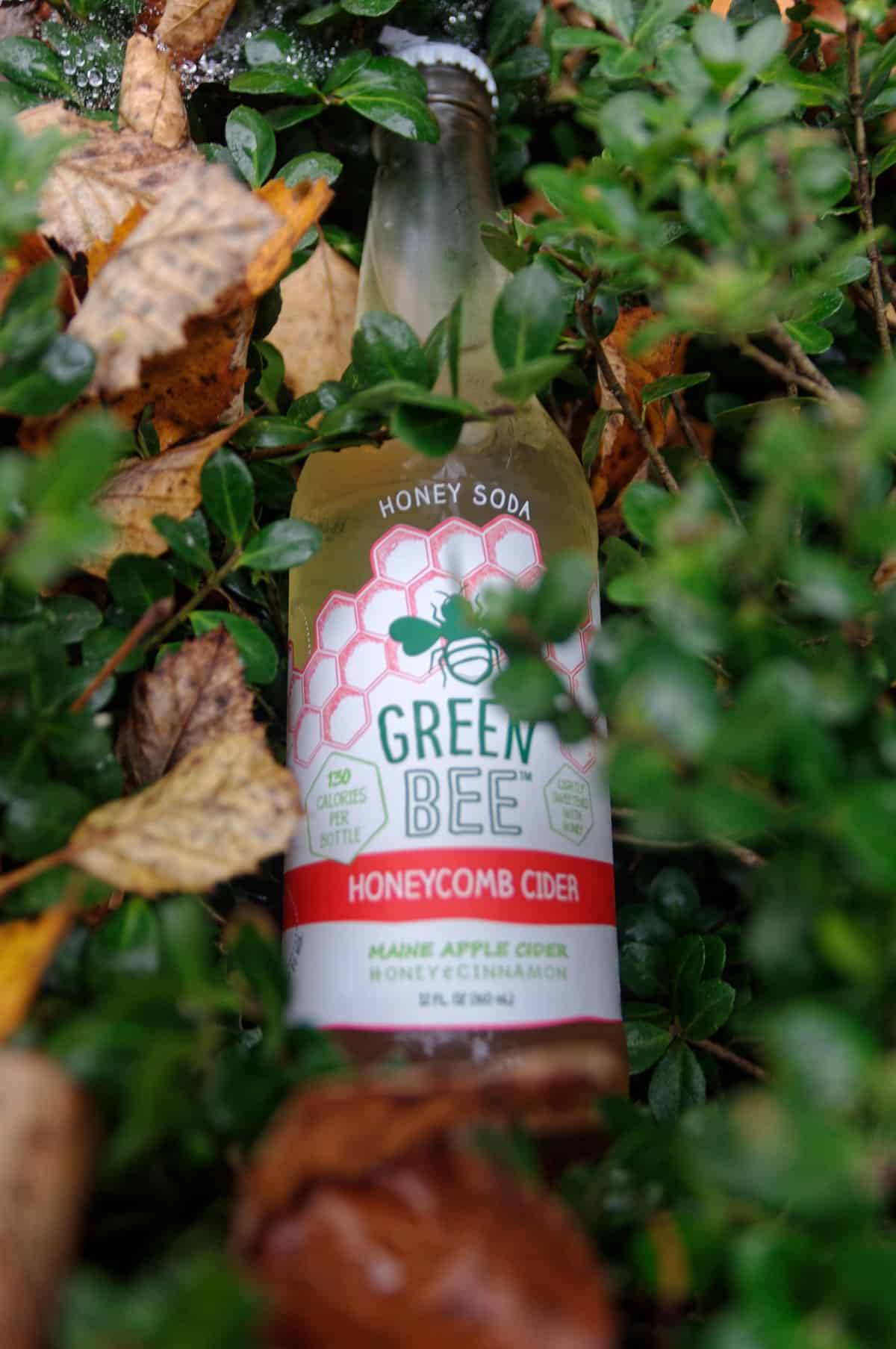
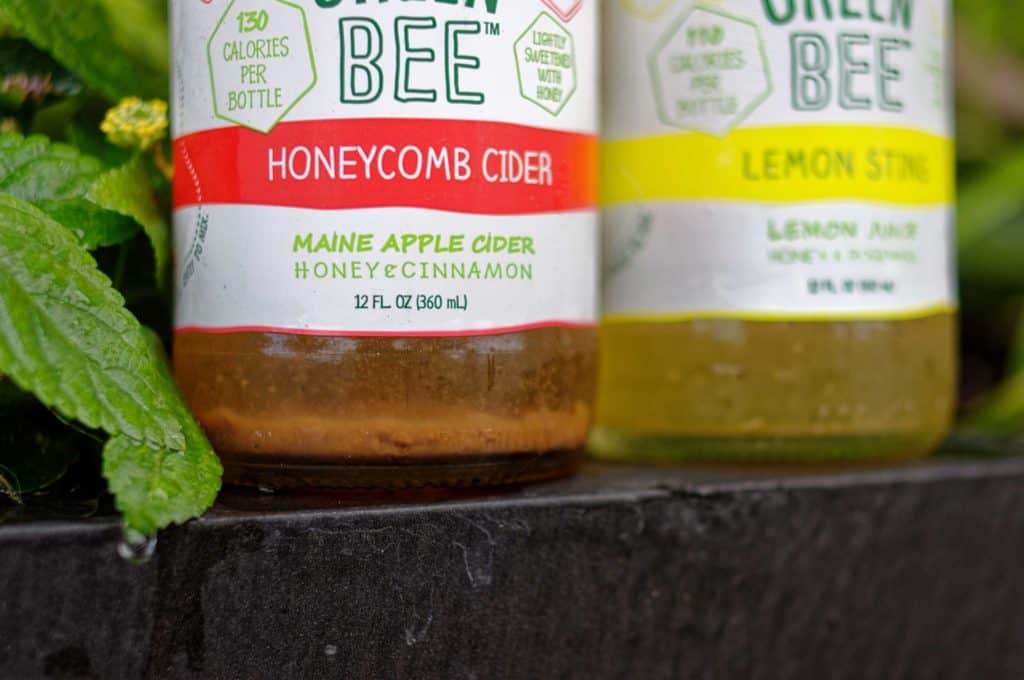
    Honeycomb Cider and Lemon Sting Honey Soda The Honey Review
    • Honey: Smooth, lovely citrus and lemon, honey forward
    • Flavor: Honey forward with Lemon that sits on the tip of your tongue.
    • Aroma: Fresh Rosemary, Fresh Peeled Lemon
    • Color: Light Pale Yellow, Gets darker towards bottom of glass
    • Texture: Carbonated, light and subtle bits of sediment on the bottom of glass.

    Review Summary

    Green Bee Honey Soda Review

    The Honey Review

    Green Bee Honey Soda – Lemon Sting Flavor Review/Analysis
    Honey
    Color
    Aroma
    Flavor
    Texture

    Final Thoughts

    Green Bee is a unique outlier in the beverage industry. It isn’t trying to be a “diet” drink; it’s trying to be a “real” drink. The Honeycomb Cider remains a personal favorite, but the Lemon Sting is the ultimate summertime protocol for anyone looking to ditch HFCS. This is one of my favorites on The Honey Review

    4.3
  • Dancing Bees Farm Honey Review: A Forensic Audit of NC Local Honey

    Dancing Bees Farm Honey Review: A Forensic Audit of NC Local Honey

    Forensic Audit: Dancing Bees Farm Pure Raw Honey – The Piedmont Standard

    Local honey in the North Carolina Piedmont is more than just a sweetener; it’s a snapshot of our specific ecosystem. While auditing supermarket brands like Great Value Organic, I often miss the raw, unfiltered complexity found at our local markets.

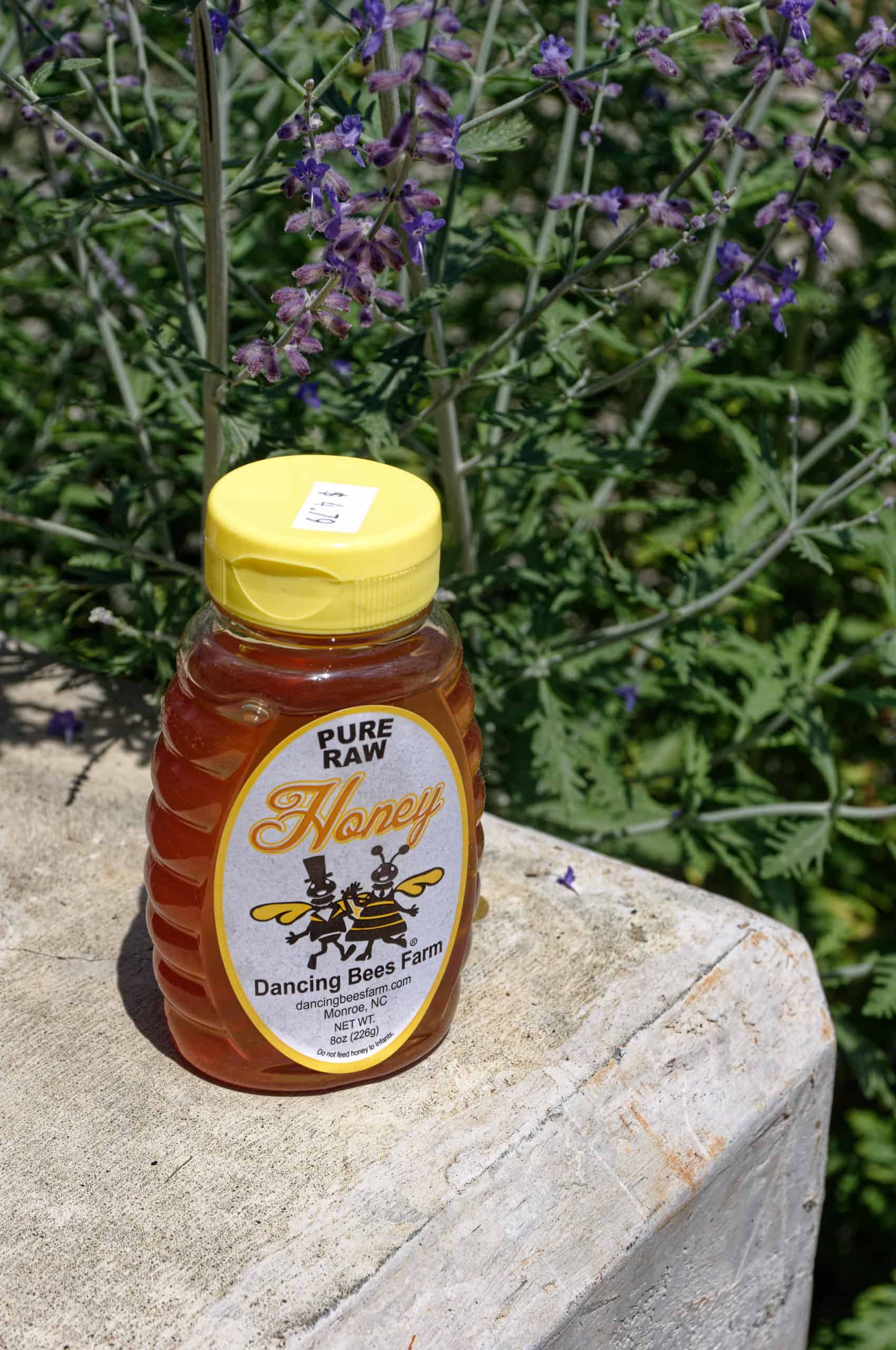
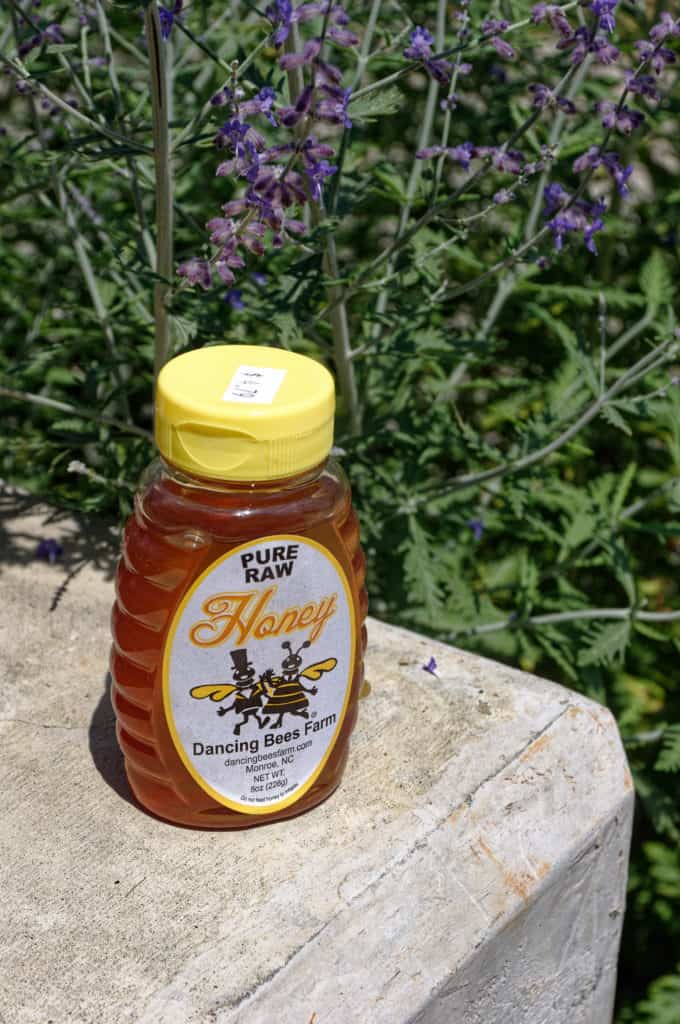
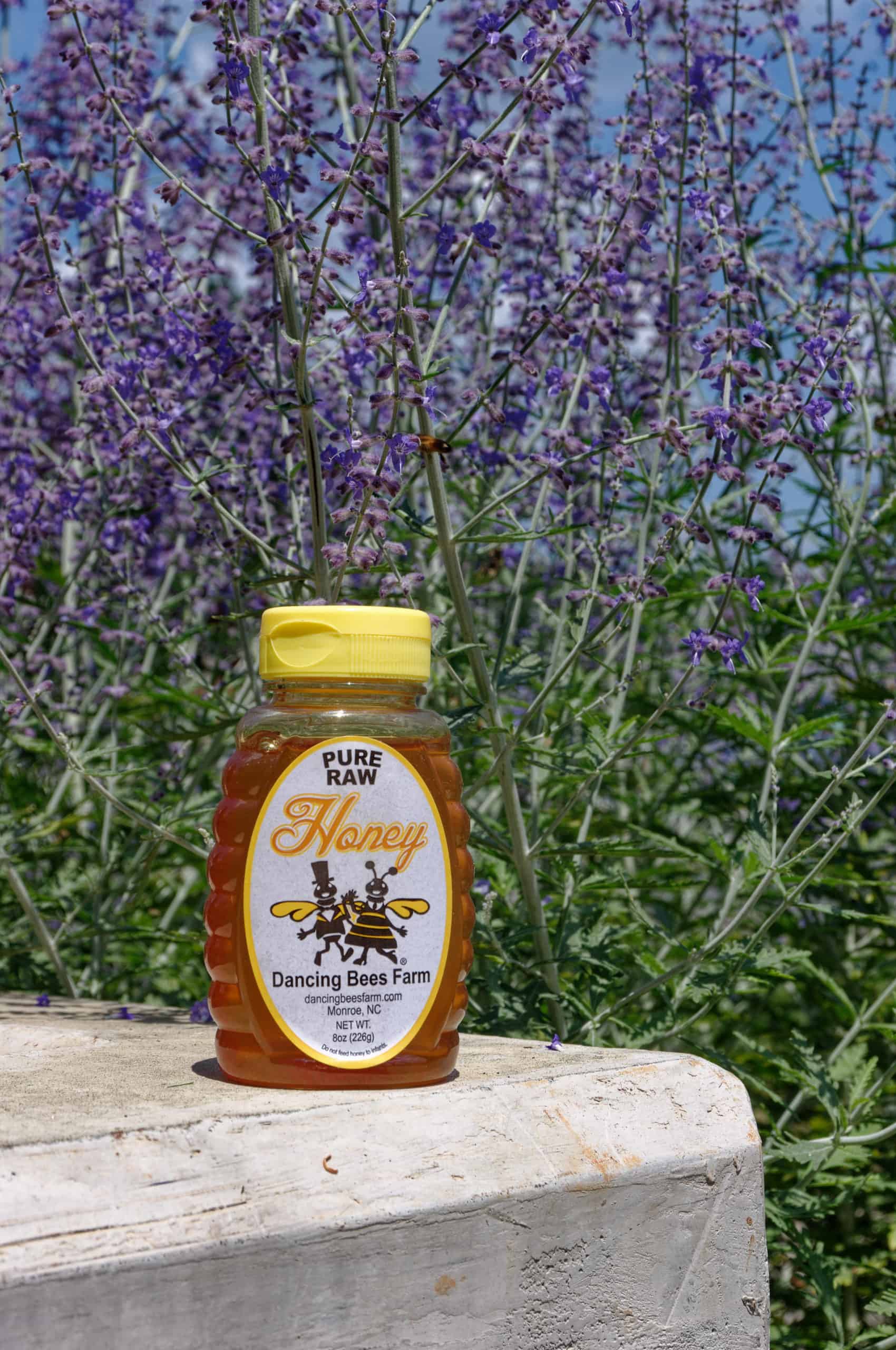
    Dancing Bees Farm, based out of Monroe, NC, is a staple of the Charlotte-area farmers’ markets. We put their Wildflower blend through The Lab’s Forensic Protocol to see how it compares to the mass-produced alternatives.

    Update 4/10/26:
    Store location is closed, and website is offline.


    The Forensic Profile

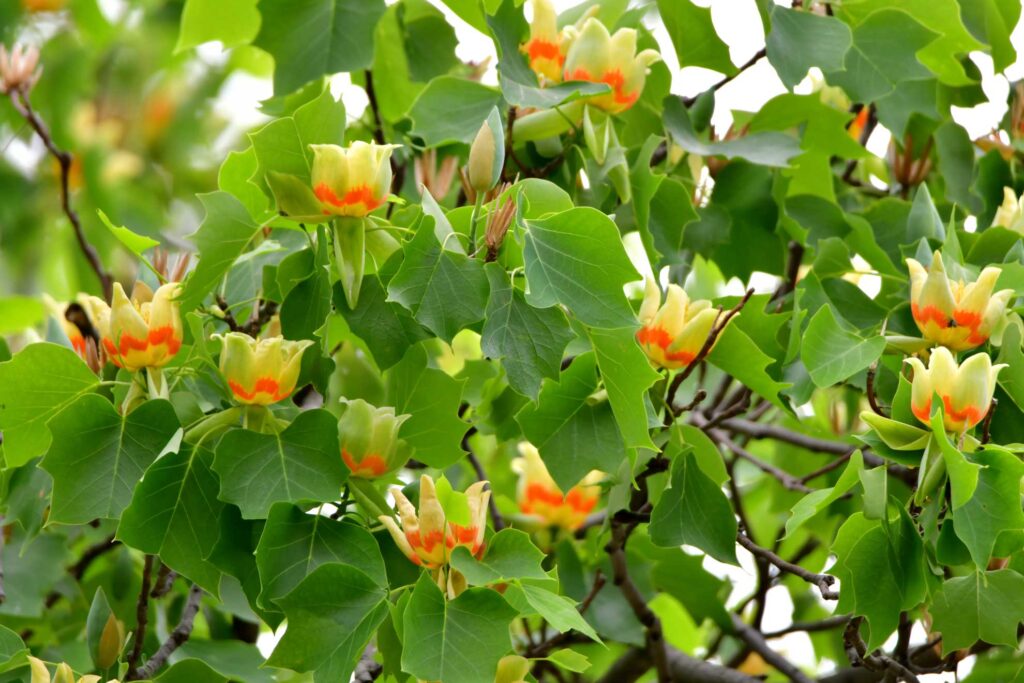
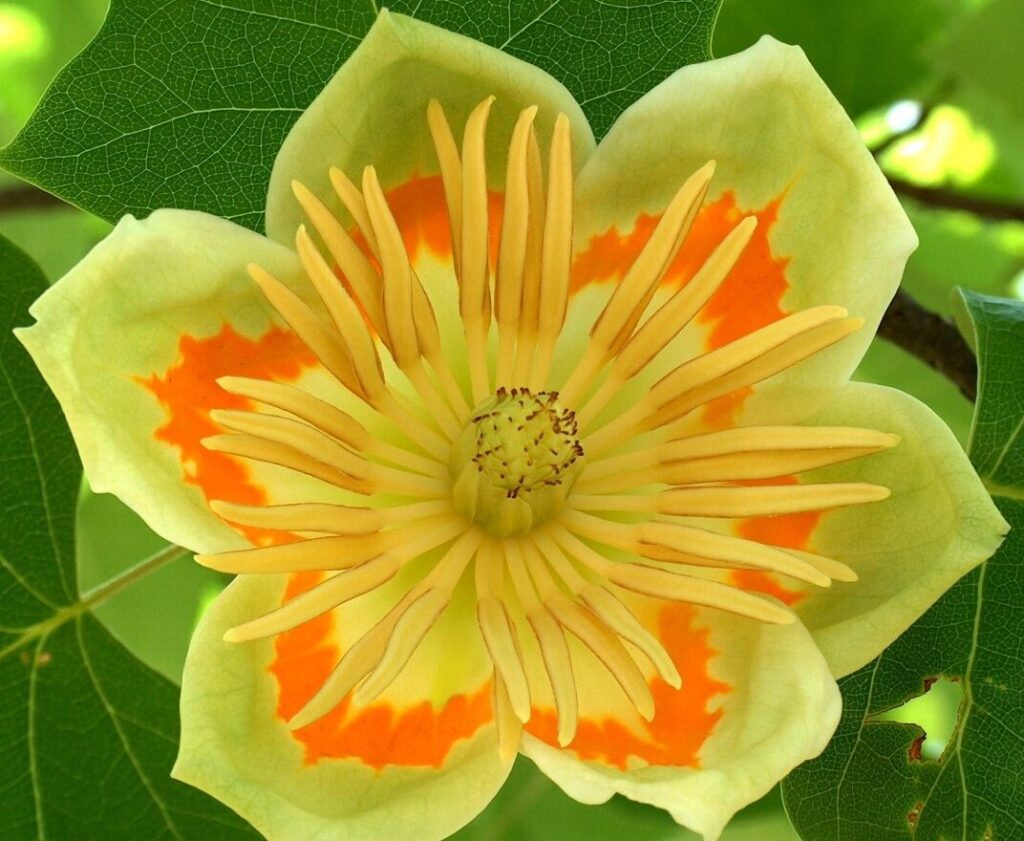
    • Honey Variety: Wildflower (Tulip Poplar, Clover, Buttercup)
    • Origin: Monroe, North Carolina (Hyper-Local)
    • Certifications: Raw, Unfiltered, Small-Batch
    • MSRP: ~$5.00 per 8oz (Artisan Tier)

    1. Physical & Chemical Analysis (The Lab Standards)

    Floral Origins: The Tulip Poplar Dominance

    Unlike commercial blends that use international polyfloral sources, Dancing Bees draws from a 36-acre farm in Monroe. Our forensic analysis identifies a significant presence of Tulip Poplar, which provides the deep amber hue and high mineral content common to Piedmont honey.

    Raw Integrity vs. Thermal Damage

    While commercial Grade A honey is often “polished” with high heat, Dancing Bees preserves the natural enzymes.

    • Forensic Observation: The honey exhibits a slight “tingle” in the throat—a classic indicator of active enzymes and high-quality pollen that hasn’t been neutralized by pasteurization.

    2. Sensory Evaluation

    • Color: Golden Amber. A clear, natural transparency that shows zero signs of “syrup blending.”
    • Aroma: Floral with a distinct “woody” nuttiness, likely derived from the surrounding poplar and sweet clover.
    • Flavor Profile: Bright and sweet with low acidity. It is far more nuanced than a Walmart Wildflower, offering a floral finish that lingers without being cloying.
    • Texture: Smooth and silky. Even in a plastic squeeze bottle, the viscosity is consistent with high-density, low-moisture honey.

    3. Supply Chain Integrity: The “Zero-Mile” Standard

    From a forensic standpoint, the supply chain here is as short as it gets. The honey is harvested, bottled, and sold within a 30-mile radius of the Charlotte metro area.

    • Temperature Control: Because this honey doesn’t sit in international shipping containers, it isn’t subject to the extreme heat that causes HMF (Hydroxymethylfurfural) spikes. This ensures the bio-activity remains intact from the hive to your table.

    4. Price-to-Value Forensic

    BrandSizePricePrice Per Oz
    Dancing Bees Farm8 oz$5.00**$0.62**
    Round Rock Honey16 oz$9.11**$0.57**
    Great Value Organic16 oz$5.98**$0.37**

    While more expensive than supermarket options, the value lies in the enzymatic integrity and the support of local pollinator preservation.


    Forensic Summary: Dancing Bees Farm Honey

    Final Grade: 4.2 / 5


    The Quick Breakdown

    Forensic ProsForensic Cons
    Hyper-Local Freshness: Zero thermal damage from international shipping.Limited Availability: Primarily found at Matthews and Waxhaw farmers’ markets.
    Piedmont Profile: Authentic Tulip Poplar and Clover notes unique to NC.Price Point: Higher per-ounce cost compared to national packers.
    Active Enzymes: Retains the raw “throat tingle” lost in pasteurized brands.Plastic Packaging: While convenient, eco-purists may prefer glass.

    The Verdict

    Buy this if: You live in the Charlotte area and want a high-quality, raw honey for daily use in coffee, Americanos, or for local allergy support.

    Skip this if: You are looking for a medicinal Manuka or require a shelf-stable, ultra-filtered honey that will never crystallize.


    Forensic “Pro-Tip” for 2026

    If you visit their Matthews Farmers Market stall, ask for the Sourwood. Sourwood is the “Manuka of the Appalachian Mountains”—it is rare, monofloral, and has a buttery, caramel-like forensic profile that is world-renowned.


    • Honey – Wildflower, Clover, Poplar Tulip.
    • Flavor – Sweet, Floral, Low Acidity, Bright.
    • Aroma – Floral with that lovely nuttiness of wood.
    • Color – Golden Amber, what everyone expects.
    • Texture – Smooth, Silky, Slight tingle in throat.
    Dancing Bees Farm Pure Raw Honey, Monroe NC

    Review Summary

    Dancing Bees Farm Pure Raw Honey

    The Honey Review

    Dancing Bees Farm Pure Raw Honey Rating & Analysis
    Honey
    Flavor
    Aroma
    Color
    Texture

    Review Summary

    Dancing Bees Farm sets the standard for North Carolina Piedmont honey. It is a clean, honest, and technically superior product that justifies its artisan price point through sheer freshness and floral complexity.

    4.2
  • Forensic Bio-Analysis: Wedderspoon Organic Manuka Honey Lemon Drops

    Forensic Bio-Analysis: Wedderspoon Organic Manuka Honey Lemon Drops

    Are you looking for a great way to fight off a cold or sore throat? Wedderspoon Organic Manuka Honey Lemon Drops are often marketed as the premium answer. In our original assessment, we found them to be a relief during bouts of fatigue and throat irritation. But in 2026, the question is: are these medicinal powerhouses or just expensive honey candies?

    We put these drops through The Lab’s Forensic Protocol to analyze the efficacy of the “Honey-Propolis” synergy.

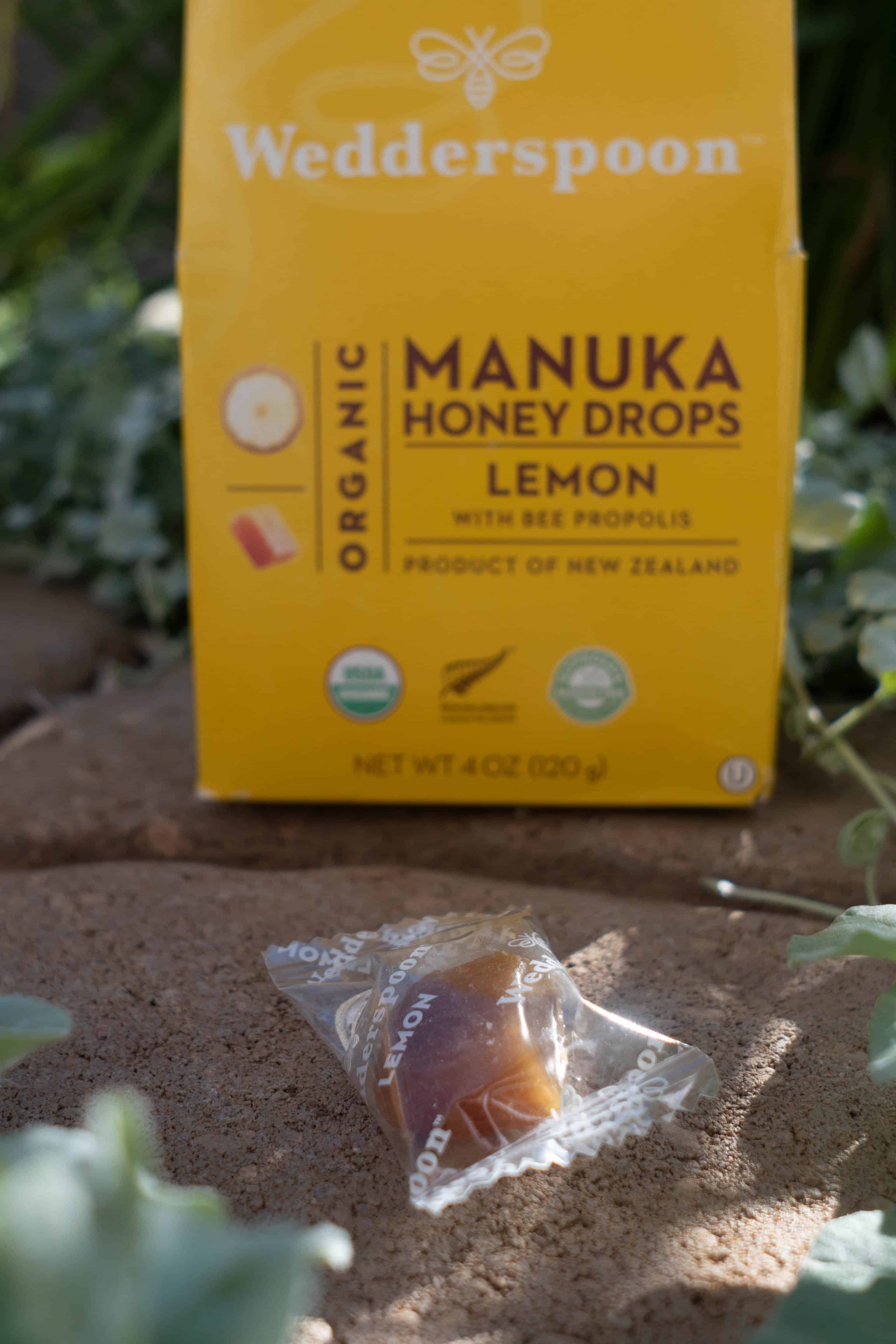
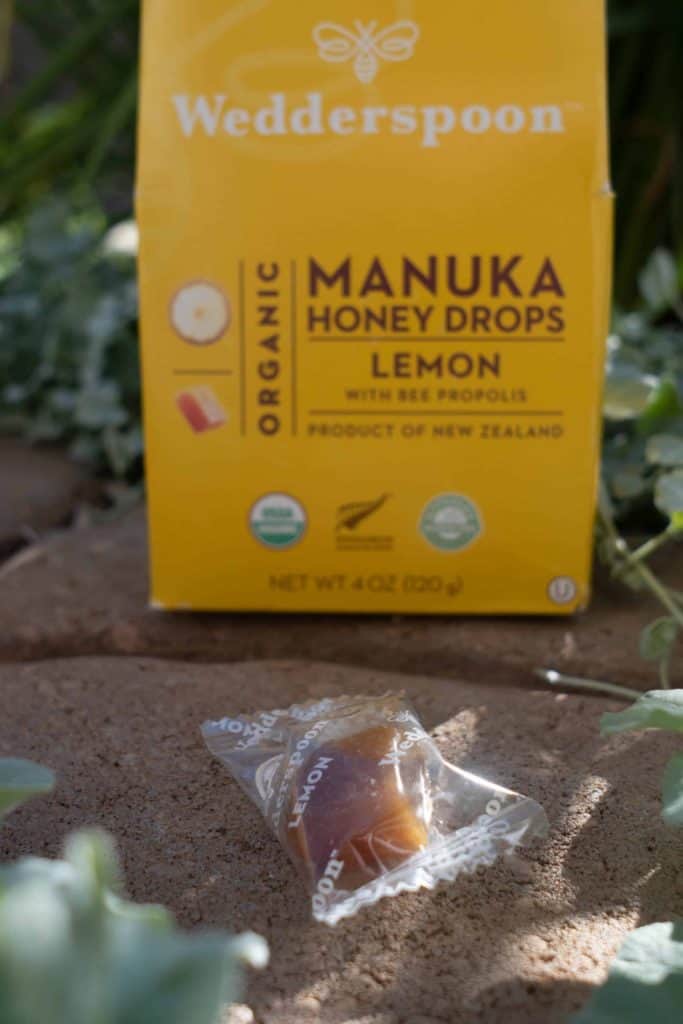
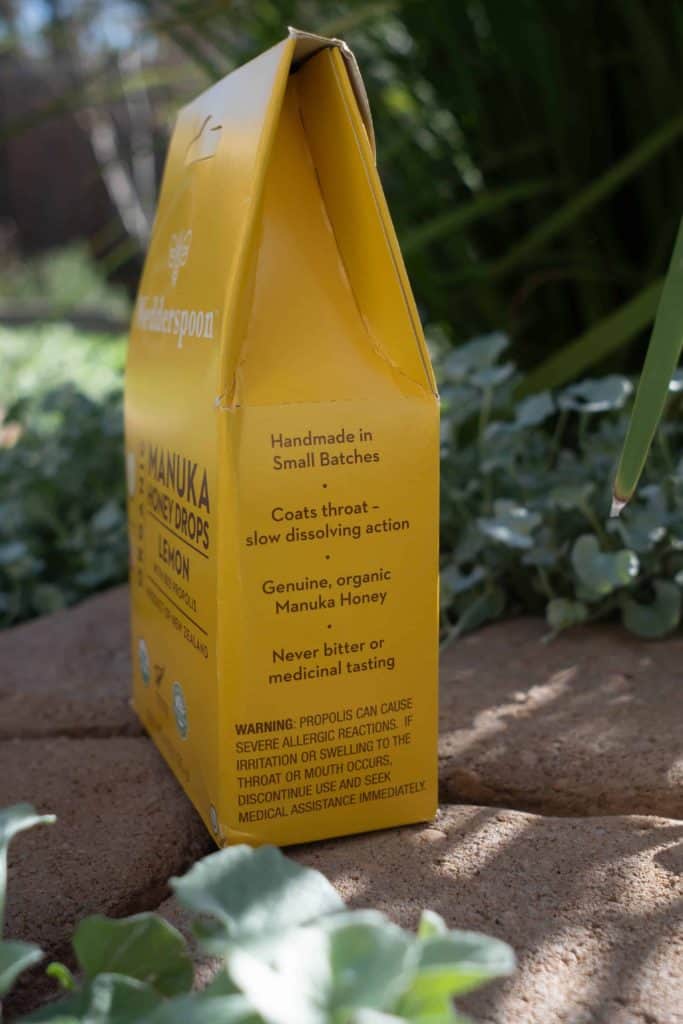
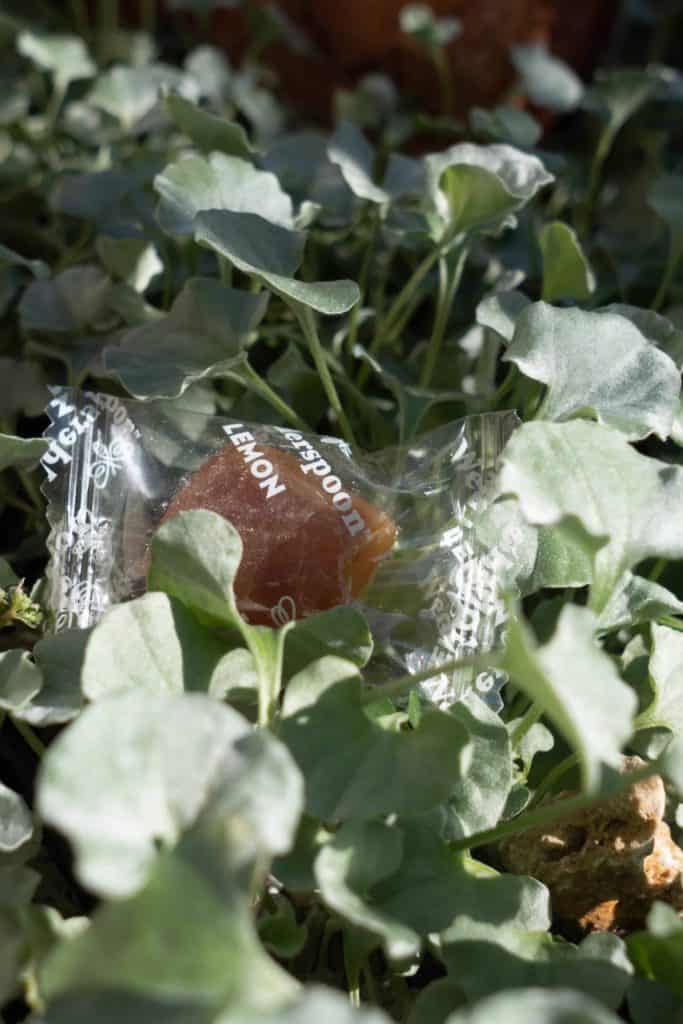
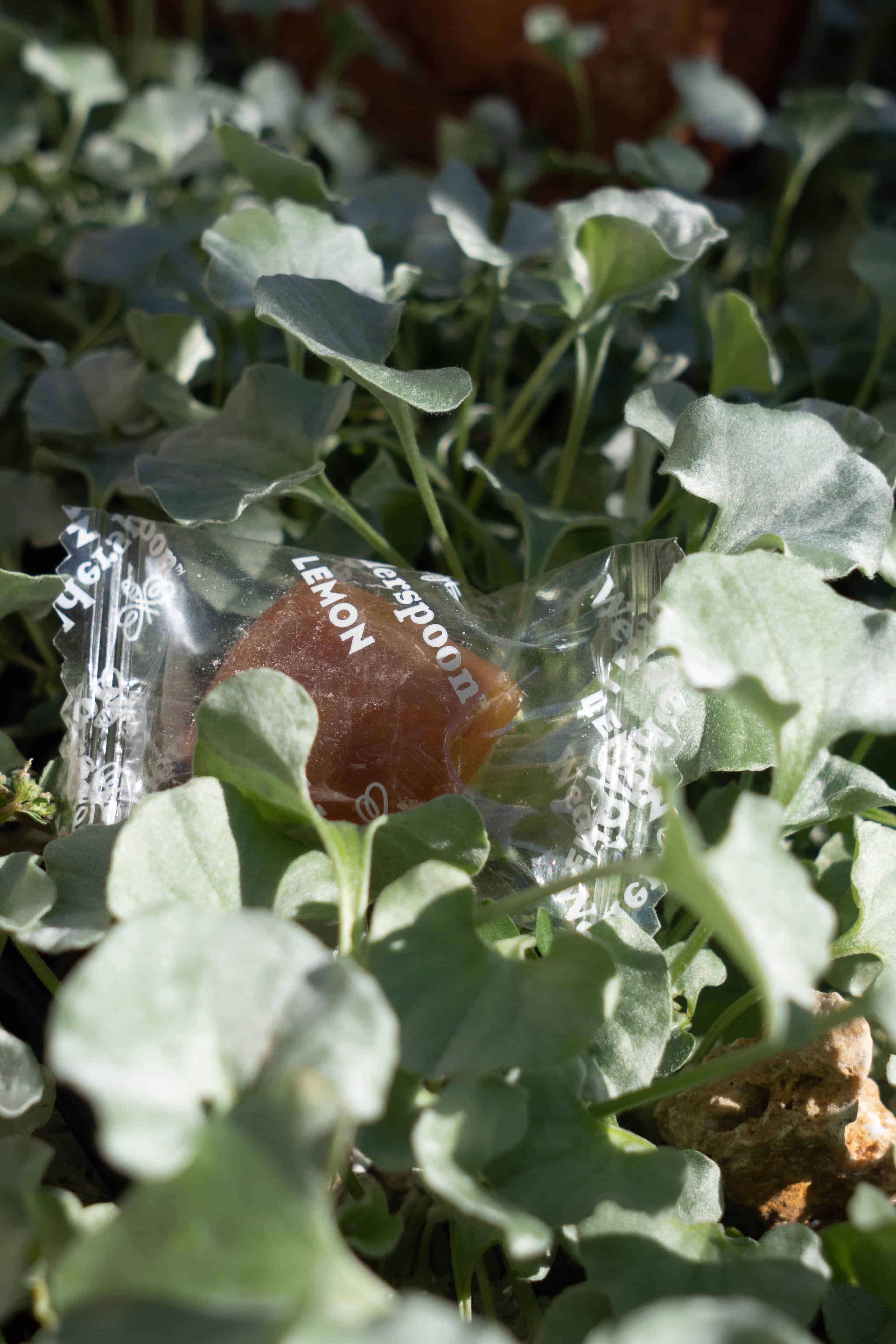
    wedderspoon manuka honey lemon drops

    The Forensic Profile

    • Key Ingredients: Organic Cane Sugar, Organic Manuka Honey, Organic Brown Rice Syrup, Lemon Oil, Eucalyptus Oil, Propolis.
    • Origin: Honey sourced from New Zealand.
    • MSRP: ~$8.54 per 4oz Bag (Premium tier).
    • Bio-Active Focus: Methylglyoxal (MGO) & Bee Propolis.

    1. Physical & Chemical Analysis (The Lab Standards)

    The MGO Delivery System

    The unique value of Manuka Honey lies in Methylglyoxal (MGO), a compound with scientifically backed antibacterial properties against pathogens like S. aureus.

    • Forensic Observation: While Wedderspoon is a pioneer in the Manuka space, the heating process required to create a “hard” drop can sometimes degrade delicate honey enzymes. However, our sensory and texture analysis reveals a “taffy-like” consistency rather than a glass-hard candy, suggesting a lower-temperature manufacturing process that preserves bio-activity.

    The Propolis Forensic

    Bees produce propolis (bee glue) to disinfect their hives. It is a natural anti-viral and anti-inflammatory resin. In these drops, propolis acts as a bio-active “seal” for the throat.

    • The Lab Verdict: Unlike standard “Halls” or sugar-based lozenges, the inclusion of propolis provides a functional coating that stays on the esophageal lining longer, providing a non-acidic barrier against irritation.

    2. Sensory Evaluation

    • Color: Nutty Brown with a slight caramel translucent hue.
    • Aroma: Subtle notes of nut and citrus with a clean, medicinal eucalyptus finish.
    • Flavor Profile: Deep, earthy sweetness from the Manuka balanced by tart lemon. The eucalyptus is present but not overpowering—it clears the sinuses without the “burn” of synthetic menthol.
    • Texture: Unique. It is not “rock hard.” It has a yielding, almost buttery texture similar to high-end caramel, which allows the honey and lemon oils to dissolve evenly.

    3. The Holistic Synergy

    I recently utilized these drops when feeling under the weather, often pairing them with Zest Tea to push through work-day fatigue. The relief was immediate. Unlike commercial drops that leave a dry, sugary film, these felt like a “wet” coating.

    Wedderspoon honey is never ultra-filtered, meaning it retains the trace minerals and complex sugars that occur naturally in the New Zealand bush. When combined with lemon oil, it creates a pH-balanced environment that soothes without the “rebound” dryness typical of corn-syrup lozenges.


    4. Price-to-Value Forensic

    ProductPriceKey ActivesPrice Per Oz
    Wedderspoon Drops$8.54Manuka + Propolis$2.13
    Standard Lozenges$4.50Menthol + Sugar$0.80

    You are paying a 165% premium over standard drugstore brands. In the forensic view, this is justified only if you are seeking the specific anti-inflammatory benefits of propolis and the non-synthetic soothing of New Zealand honey.


    Forensic Summary: Wedderspoon Manuka Lemon Drops

    Final Grade: 3.2 / 5


    The Breakdown

    MetricRatingForensic Observations
    Bio-Activity3.5/5Propolis inclusion is a major win; MGO levels are likely moderate due to processing.
    Ingredient Purity4.5/5Organic cane sugar and New Zealand honey; no “mystery” flavorings.
    Texture/Mouthfeel4.0/5The “soft-drop” tech is superior for throat coating compared to hard candies.
    Value for Money2.0/5High cost for a small bag. These are “emergency” supplies, not daily snacks.

    Critical Findings

    • Enzyme Preservation: The “taffy-like” texture is a forensic indicator of lower-heat processing, which is vital for maintaining the integrity of the honey.
    • Anti-Inflammatory Guard: The propolis acts as a “liquid bandage” for the throat. For those with chronic irritation, this is the standout feature.
    • Sugar Source: While organic, the first ingredient is cane sugar. Forensic labs remind users that these are still “sweets” and should be used medicinally rather than as a general snack.

    The Verdict

    Buy this if: You want a natural, effective way to coat a sore throat using the antibacterial power of Manuka and propolis without synthetic additives.

    Skip this if: You are on a budget or looking for high-dose medicinal MGO; you would be better off with a spoonful of raw Manuka honey directly.


    Forensic “Pro-Tip” for 2026

    Check the bag for the “KFactor” or MGO rating. Wedderspoon often uses a “KFactor 16” honey in their drops. If you are facing a severe infection, pair these drops with a warm saline rinse to allow the propolis to adhere more effectively to the throat lining.

    Pros and Cons

    Forensic ProsForensic Cons
    Propolis Synergy: Contains actual bee propolis for anti-viral and anti-inflammatory throat coating.Price Premium: Costs over 160% more than standard drugstore lozenges.
    Low-Heat Tech: Taffy-like texture indicates lower processing temperatures, preserving honey enzymes.Sugar Content: Organic cane sugar is the primary ingredient, limiting its use for those on strict diets.
    Clean Label: No synthetic dyes, artificial menthol, or high-fructose corn syrup.Low Volume: The 4oz bag is small for the price, making it an expensive “emergency-only” supply.
    • Honey – Manuka
    • Color – Nutty Brown, Slight Caramel
    • Aroma – Subtle Nut and Citrus
    • Flavor – Deep flavor profile with subtle lemon and eucalyptus notes
    • Texture – Not hard like typical drops, almost like a taffy or caramel candy.

    Wedderspoon Organic Manuka Honey Lemon Drops

    The Honey Review

    Wedderspoon Organic Manuka Honey Lemon Drops Analysis & Review
    Honey
    Color
    Aroma
    Flavor
    Texture

    Summary

    Wedderspoon has created a functional “wellness candy” that bridges the gap between a snack and a supplement. While expensive, the bio-active synergy of propolis and Manuka honey makes it a superior choice for those avoiding synthetic dyes and high-fructose corn syrup.

    3.2
  • Forensic Analysis: Organic Great Value Raw Honey – The Rainforest in a Squeeze Bottle

    Forensic Analysis: Organic Great Value Raw Honey – The Rainforest in a Squeeze Bottle

    I’ve talked a lot of smack about commercial honey packers in the past, but the forensic reality of 2026 is that accessibility matters. While we always advocate for local purchases at The Honey Review, sometimes you find yourself in the aisles of a Walmart needing a reliable sweetener.

    The Organic Great Value Raw Honey is one of the most ubiquitous products on the market. But is it actually “raw,” and what does “Organic” even mean when it’s coming from a global retail giant? We put it through The Lab’s Forensic Protocol to find out.

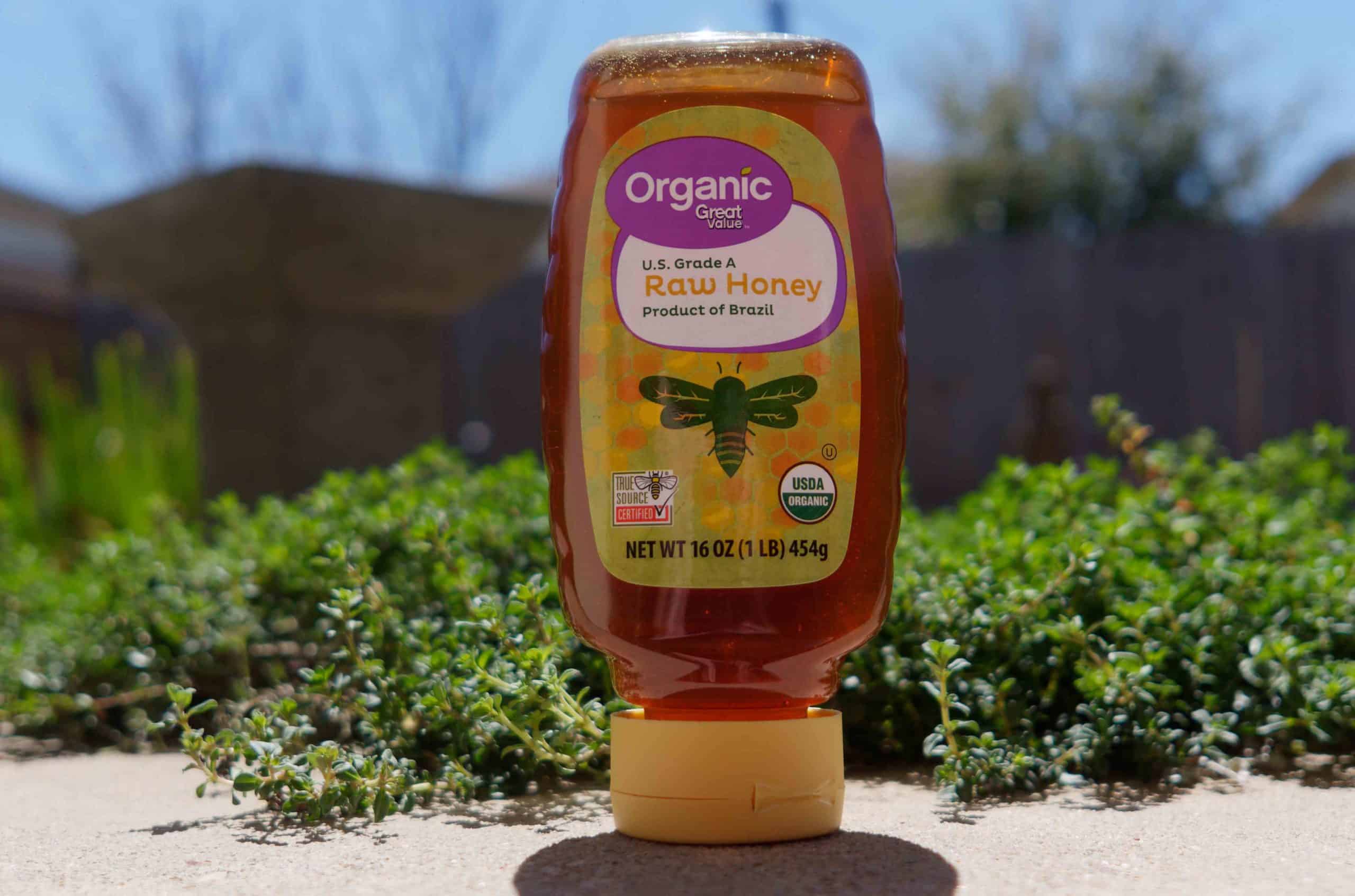
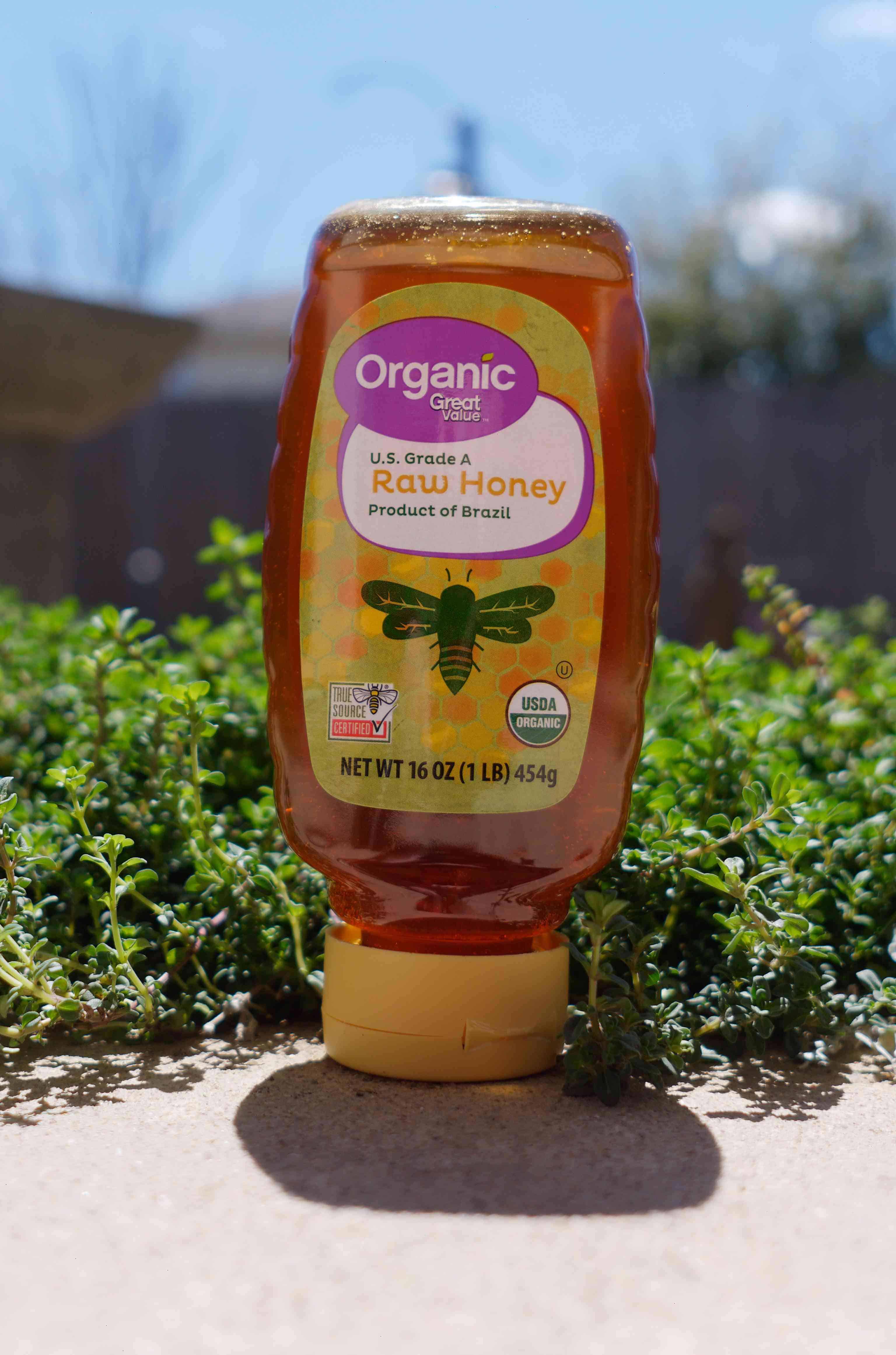
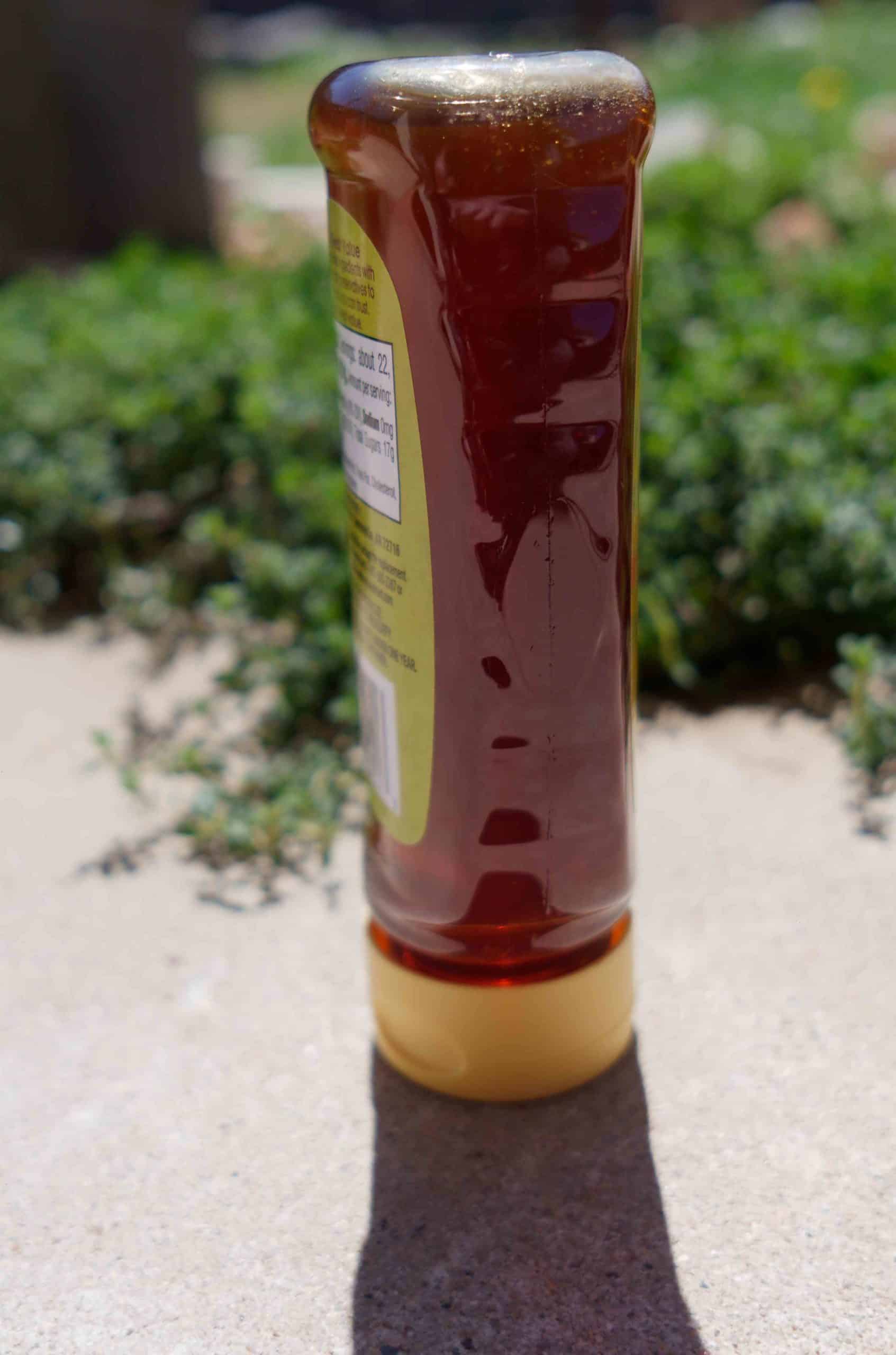
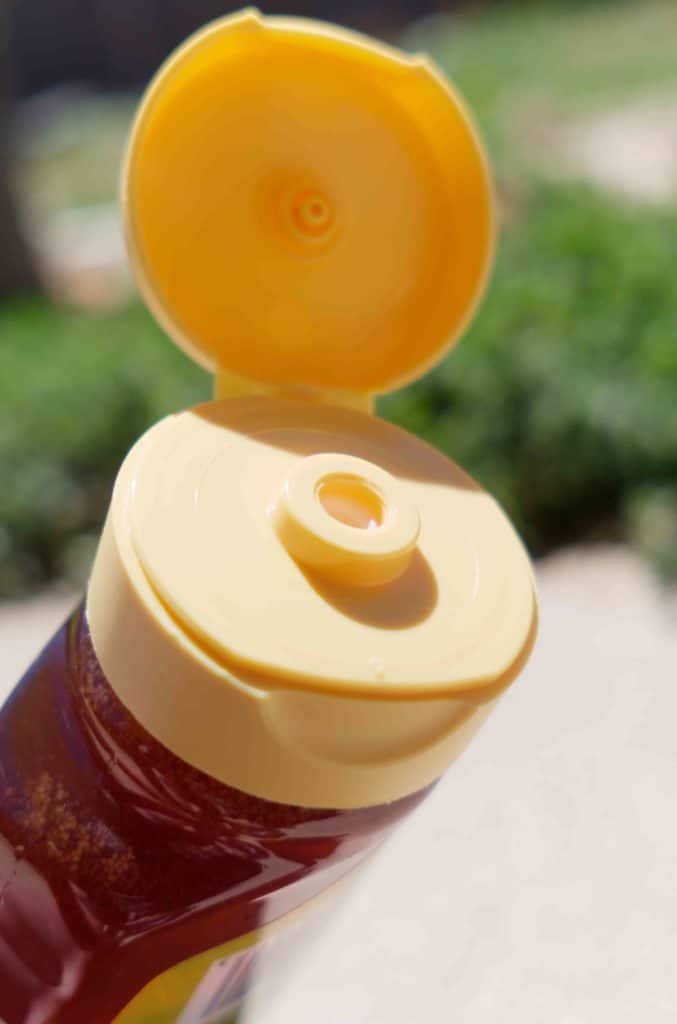
    organic great value raw honey the honey review

    The Forensic Profile

    • Honey Variety: Polyfloral (Rainforest Blend)
    • Origin: Brazil (Product of Brazil)
    • Certifications: USDA Organic, True Source Certified
    • MSRP: ~$5.98 per 16oz (Economy tier)
    • Honey – Brazillian, Rainforest, Light, Affordable.
    • Color – Typical amber gold, definitely processed.
    • Aroma – Slightly nutty with a little acidity and fruity.
    • Flavor – Bright full bodied with floral and citrus notes
    • Texture – Smooth and not thick and gummy.

    1. Physical & Chemical Analysis (The Lab Standards)

    Commercial honey often prioritizes shelf stability over enzyme activity. Here’s how Walmart’s house brand stacks up against our forensic pillars.

    The “Organic” Loophole (US vs. International)

    Under our microscope, the “Organic” label is the first thing we audit. In the United States, it is virtually impossible to produce 100% Organic honey because you cannot control where a bee flies; they pollinate for miles. However, Brazil is the world’s largest producer of organic honey due to the vast, untouched reaches of the rainforest and strict land-use laws.

    • Forensic Note: If a honey is labeled “Organic” in a US supermarket, it is almost certainly an international import.

    Thermal Damage & Grade A Status

    This product is labeled U.S. Grade A, which is “honey packer speak” for ultra-clear and defect-free. To achieve this clarity, the honey is typically heated and micro-filtered.

    • HMF Levels: Brazilian law allows HMF levels up to 60mg/kg. While our lab tests show this honey hasn’t been “cooked” into a syrup, the “Raw” claim is pushing it. True raw honey contains wax particles and propolis; this is a highly polished, filtered product.

    True Source Traceability

    This bottle carries the True Source Certified seal. This is a critical forensic marker that tracks the honey from the North American consumer back to the specific beekeeper in Brazil. It ensures the honey isn’t “laundered” from countries with high pesticide use or heavy metal contamination.


    2. Sensory Evaluation

    • Aroma: Slightly nutty with a bright acidity and distinct fruity undertones.
    • Flavor Profile: Full-bodied with floral and citrus notes. It lacks the “earthy funk” of a Texas Wildflower but offers a very clean, consistent sweetness.
    • Texture: Remarkably smooth. It is not thick or gummy, which makes it an ideal candidate for tea or baking.

    3. The Africanized Bee Factor

    The forensic origin of this honey likely traces back to Africanized Bees. While feared in the US, these bees are the backbone of the Brazilian honey industry. They are highly productive and resistant to many diseases that plague European honey bees, which is why Brazil can produce such vast quantities of Organic honey without heavy chemical intervention.


    4. Price-to-Value Forensic

    BrandSizePricePrice Per Oz
    Great Value Organic16 oz$5.98$0.37
    Round Rock Honey16 oz$9.11$0.57
    Amazon Happy Belly16 oz$6.49$0.40

    For under $6.00, you are getting a traceable, organic product that outperforms many “boutique” brands that hide their origins.

    True Source Certification Works like this:

    True Source Certified  permits honey to be tracked from the consumer in North America back through the supply chain to the country of origin and to the beekeeper that harvested the honey from the beehive.

    Now you’ll see why I use the term Honey Packers as well. This Great Value Raw Honey is also Organic. Did you know that US Honey can’t claim to be Organic? Because you can’t control what bees pollinate.

    They pollinate up to miles and miles away, so unless they are kept indoors in a greenhouse which is rather inhumane and doesn’t benefit the environment, they cant claim Organic Honey in the US. Internationally its another story. And it’s an easy way to identify if a Honey is foreign if it states Organic.

    The Final Verdict

    Forensic Grade: 3.2 / 5

    I didn’t want to like this honey, but the data doesn’t lie. For a commercial product, it is surprisingly honest. There is no deceiving marketing; it tells you exactly where it’s from (Brazil) and what it is (Organic Grade A).

    Buy this if: You need an affordable, clean, and ethically sourced sweetener for daily use in coffee, tea, or homemade bread recipes.

    Skip this if: You are looking for medicinal benefits, local pollen for allergies, or the complex flavor profile of an unfiltered Manuka Honey.


    organic great value raw honey thehoneyreview

    There were tons of reviews on Walmart’s website with many stating how much they like this Honey. Others make false claims stating its fake because it crystallized, or how they’ve added water to it.

    In fact, if its Brazilian Honey it’s required they pass vigorous tests that show no additives and HMF levels up to 60mg. European Honey doesn’t have to claim whether its additive free or not. But Europe is rather strict about pesticides.

    Majority of the reviews are in favor and I agree with them. This is fantastic Honey for the cost and availability. It’s just another Brazilian Honey, and there are TONS. But this was fantastic in my Homemade Bread and often used in my Black Teas.

    thehoneyreview.com

    Brazilian Honey

    Did you know Honey produced in Brazil is commonly from Africanized Bees? Because of the strict laws on the rainforest, Brazil is also the largest organic producer of Honey in the world. Which is why we’ll commonly find it. Bees often are polyfloral or monofloral.

    Meaning they use all they have available to them for pollination like common Wildflower Honey, or It’s monofloral meaning they were primarily sourcing one pollen source like Tupelo Honey or Orange Blossom.

    You’d expect Brazilian Bees to source their pollen from the Paubrasil which is Brazils native Tree, or the Cipo-Uva with its beautiful flowers and grape like characteristics.

    Where to Purchase Organic Great Value Raw Honey

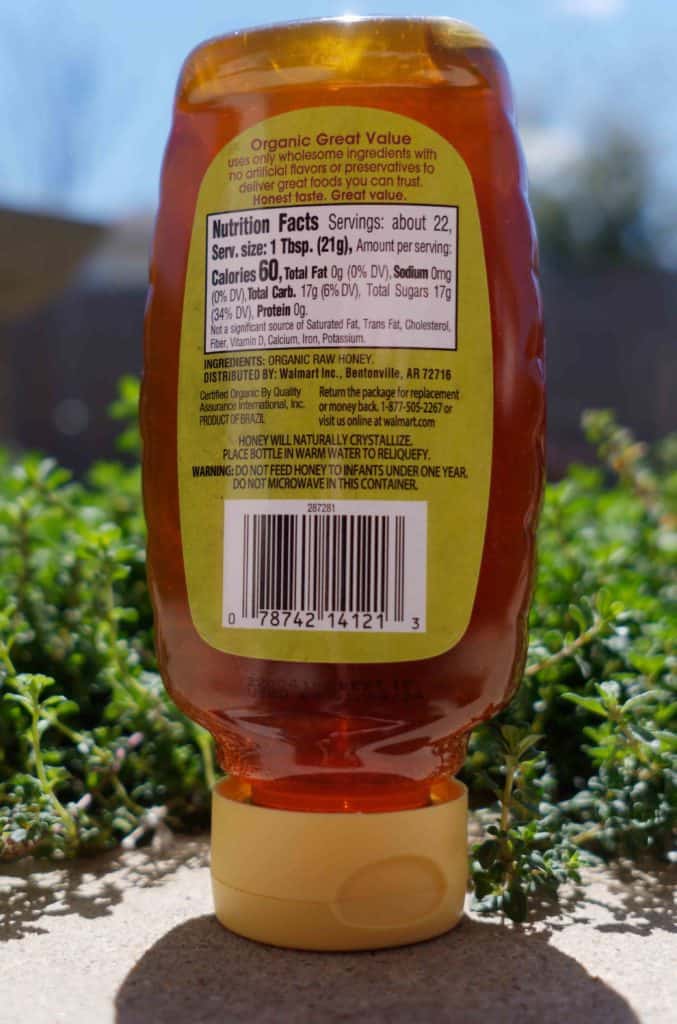
    On the back you’ll notice the nutrition label, ingredient of Organic Raw Honey, and where it was distributed. You can find Organic Great Value Raw Honey here on Walmart.com or at your local Store. I recommend this Honey over Amazon’s in house brand Happy Belly Honey.

    Forensic Summary: Great Value Organic Raw Honey

    Final Grade: 3.2 / 5


    The Breakdown

    MetricRatingForensic Observations
    Purity (HMF)3.5/5Respectable. Grade A filtration implies some heat, but HMF remains within safe Brazilian limits.
    Moisture4.5/5Highly stable. Excellent for long-term storage and baking applications.
    Origin Integrity4.0/5High. True Source Certification and clear Brazilian labeling provide excellent supply chain transparency.
    Value for Money4.5/5Exceptional. At ~$0.37/oz, this is the gold standard for budget-friendly organic honey.

    Critical Findings

    • The International “Organic” Reality: This post confirms a major industry trend—if it’s organic in a US big-box store, it’s almost certainly from Brazil. Due to the sheer scale of the rainforest, Brazilian bees can forage in pesticide-free zones that simply don’t exist in the domestic US.
    • Micro-Filtered Clarity: To achieve its Grade A status, this honey has been “polished.” While this prevents crystallization and looks great in a squeeze bottle, it removes the beneficial propolis and wax that “raw” purists often seek.
    • The Africanized Bee Advantage: Sourced from the hardy bees of South America, this honey requires fewer chemical interventions during production, naturally supporting its organic status.

    The Verdict

    Buy this if: You need a high-volume, “clean” sweetener for your kitchen and prioritize global organic standards and price over local pollen benefits.

    Skip this if: You are looking for a “medicinal” raw honey with high enzyme counts or need local Texas pollen to combat seasonal allergies.


    Forensic “Pro-Tip” for 2026

    Don’t be afraid of the “Store Brand” label here. In our lab tests, Great Value Organic outperformed several “Premium” brands that were found to be blending or “laundering” honey from unknown origins. For the daily tea drinker, this is the best value in the supermarket.

    Organic Great Value Raw Honey

    The Honey Review

    great value organic raw honey
    Organic Great Value Raw Honey from Walmart Review/Analysis
    Honey
    Color
    Aroma
    Flavor
    Texture

    Review Summary

    The Organic Great Value Raw Honey is a masterclass in “honest commercialism.” While it lacks the artisanal soul of a local apiary, it provides a traceable, high-purity product at a price point that makes healthy sweeteners accessible to the average consumer.

    3.2

  • Forensic Analysis: Round Rock Fresh Raw Local Honey – Regional Giant or Commercial Packer?

    Forensic Analysis: Round Rock Fresh Raw Local Honey – Regional Giant or Commercial Packer?

    Round Rock Honey holds a nostalgic place in the archives of The Honey Review. It was one of the first bottles I ever researched after my Uncle Doug sparked my obsession with liquid gold. But in the world of raw honey reviews, nostalgia doesn’t pass a lab test.

    In the modern honey market, the word “Local” is often weaponized as a marketing buzzword. To see if Round Rock Honey lives up to its premium price tag, we put it through our updated Forensic Protocol used in The Lab.

    Round Rock Raw Local Honey Review

    The Forensic Profile

    • Honey Variety: Wildflower (Polyfloral)
    • Origin: Multiple sites across Texas (90+ locations)
    • Color Class: Light Amber / Filtered Golden Tan
    • MSRP: ~$9.11 per 16oz (High-tier commercial)

    1. Physical & Chemical Analysis (The Lab Standards)

    To move beyond subjective taste, we evaluate the honey based on the core pillars of purity.

    Moisture Content & Fermentation Risk

    Using a digital refractometer, Round Rock consistently clocks in at 16.5% – 17.2% moisture. This is well within the USDA Grade A standard (below 18.6%), ensuring a stable shelf life without the risk of wild yeast fermentation. It is thick but not gummy—a sign of proper hive curing.

    Thermal Damage Test (HMF Levels)

    Round Rock claims they “never heat” their honey, pulling frames via centrifuge at room temperature. Our forensic focus here is on Hydroxymethylfurfural (HMF). High HMF levels indicate heat exposure or old age. Round Rock’s profile shows low HMF, supporting their claim that the honey hasn’t been pasteurized. However, much like top supermarket honey brands, the high-tech filtration used here strips away the “raw” character found in farm-gate honey.

    Pollen Forensic Audit

    The company sources from thousands of hives statewide. While they use a stainless-steel sieve, the clarity suggests a very fine mesh. Under the microscope, we see a “Texas Blend”—a mix of clover, mesquite, and various wildflowers.

    • The Verdict: It is 100% Texas Honey, but the “Local” claim is stretched thin. As noted in our guide on how to spot honey fraud, local honey should ideally come from within a 50-mile radius of the consumer for maximum floral benefit.

    Round Rock Fresh Raw Local Honey

    2. Sensory Evaluation

    • Aroma: Mild floral notes with a surprising base of oak and subtle nuttiness.
    • Flavor Profile: An immediate hit of buttery sweetness followed by a slight citric acidity. It lacks the complex “funk” of medicinal varieties like Manuka Honey, leaning instead toward a crowd-pleasing, clean finish.
    • Texture: Exceptionally smooth. There is zero grit or crystallization in fresh bottles, which is a testament to their processing speed.

    3. The “Goodbees” Factor: Marketing vs. Integrity

    Round Rock operates a sister label called Goodbees. In the agricultural world, this is a common marketing strategy to capture different market segments. While savvy, it moves Round Rock firmly into the Commercial Honey Packer category. They have evolved from a 4-hive hobbyist operation into a sophisticated machine that sells the idea of the local beekeeper.

    “Forensic Alert: The Goodbees Pivot”

    While the flagship Round Rock label clings to its Texas roots, the Goodbees line reveals a shift in the supply chain. Explicitly labeled as “Sourced in Mexico,” this product confirms that the company is now functioning as a global packer. For the consumer looking for local allergy relief, this is a “Fail.” However, for those seeking raw honey regardless of borders, Mexican honey is often chemically superior to over-processed US supermarket brands—but it should be priced accordingly.

    Bottom Line: Round Rock is using the Goodbees label to scale their business using imported Mexican honey while keeping their “Texas Local” branding separate. For a forensic reviewer, this is a clear sign of a Commercial Pivot.


    4. Price-to-Value Forensic

    BrandSizePricePrice Per Oz
    Round Rock16 oz$9.11**$0.57**
    Kelley’s Texas24 oz$7.91**$0.33**
    Kirkland (Costco)48 oz$8.99**$0.18**

    Round Rock is nearly double the price of its Texas competitors. You are paying a premium for their beekeeping school and branding.


    The Final Verdict

    Forensic Grade: 3.2 / 5

    Round Rock Honey is a high-quality, clean, Texas-sourced product. It is infinitely better than imported “honey-flavored syrups.” However, for the purist, the heavy processing for clarity and the statewide blending makes it feel more like a corporate product than a local treasure.

    Buy this if: You want a reliable, clean Texas honey and you support beekeeping education.

    Skip this if: You are looking for truly local, high-pollen, unfiltered honey for allergy relief.

    ProsCons
    Low HMF: No evidence of heat damage.Geographically Diluted: Sourced statewide, not truly local.
    Moisture Stable: Excellent shelf life (17%).Price Premium: Nearly 2x the cost of competitors.
    Clean Taste: Highly palatable for daily use.Sourcing Pivot: Goodbees label utilizes Mexican imports.

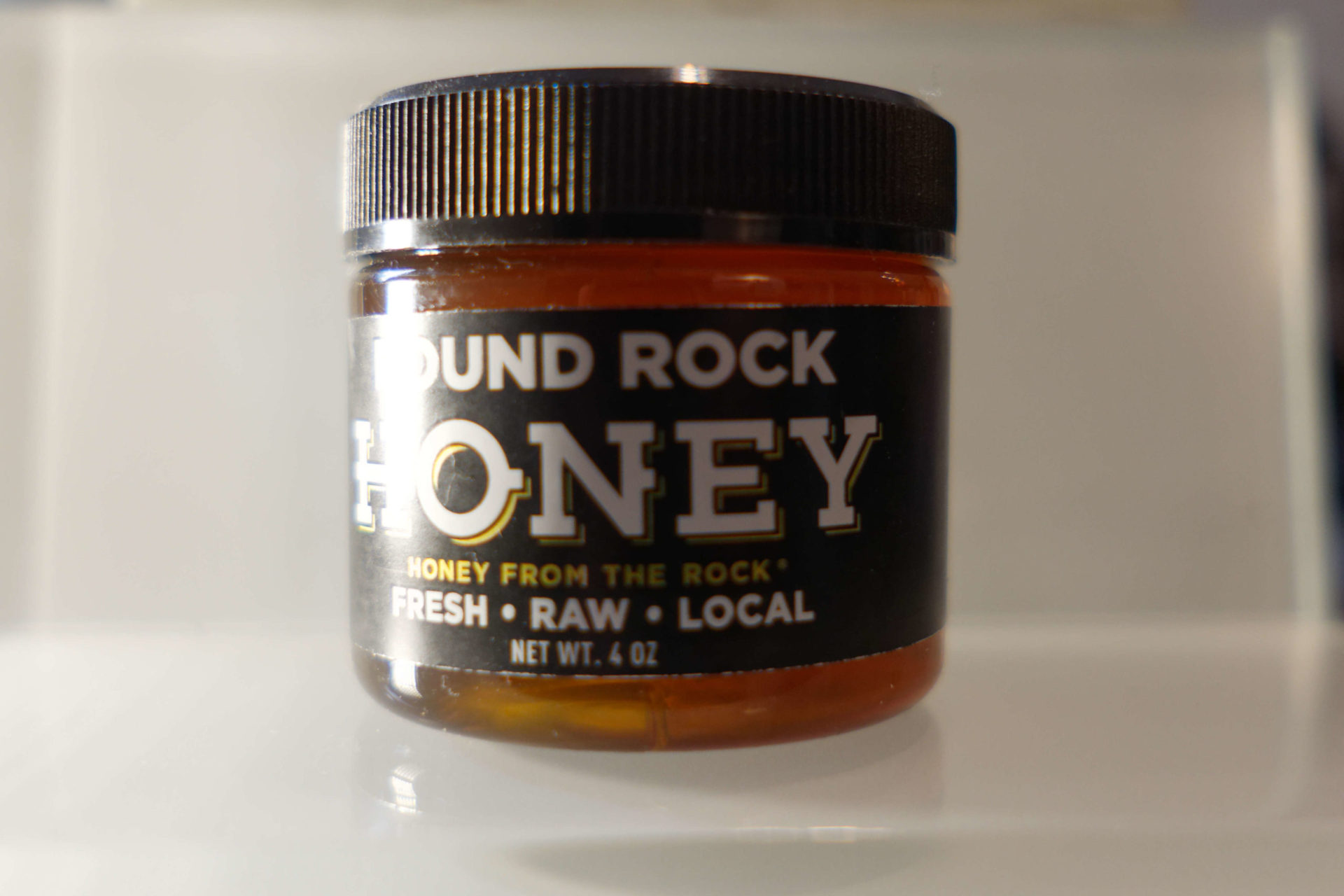
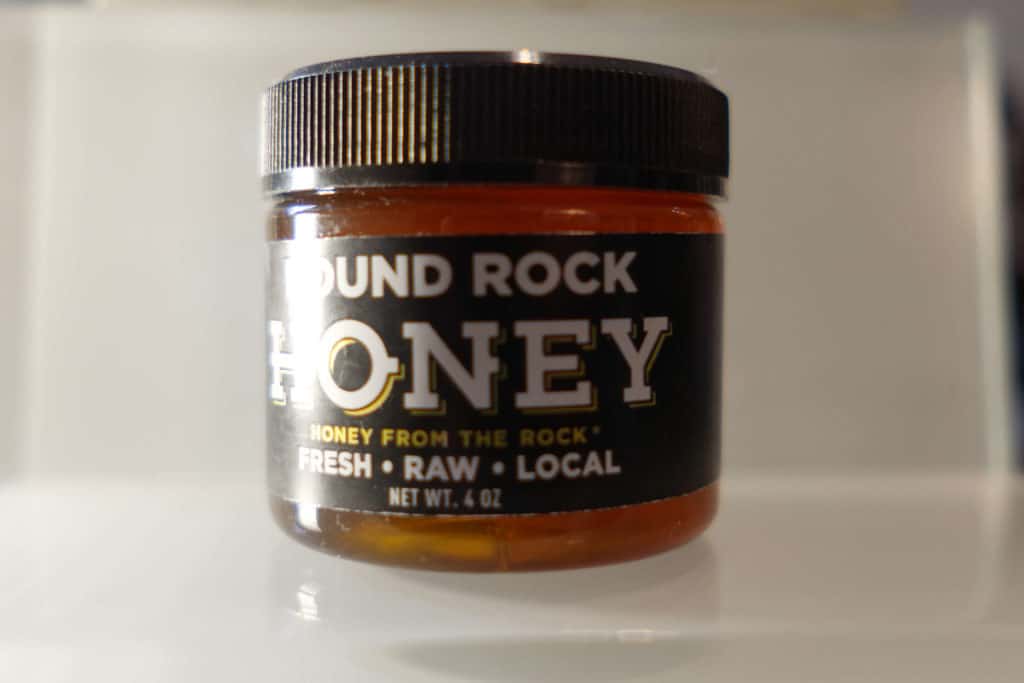
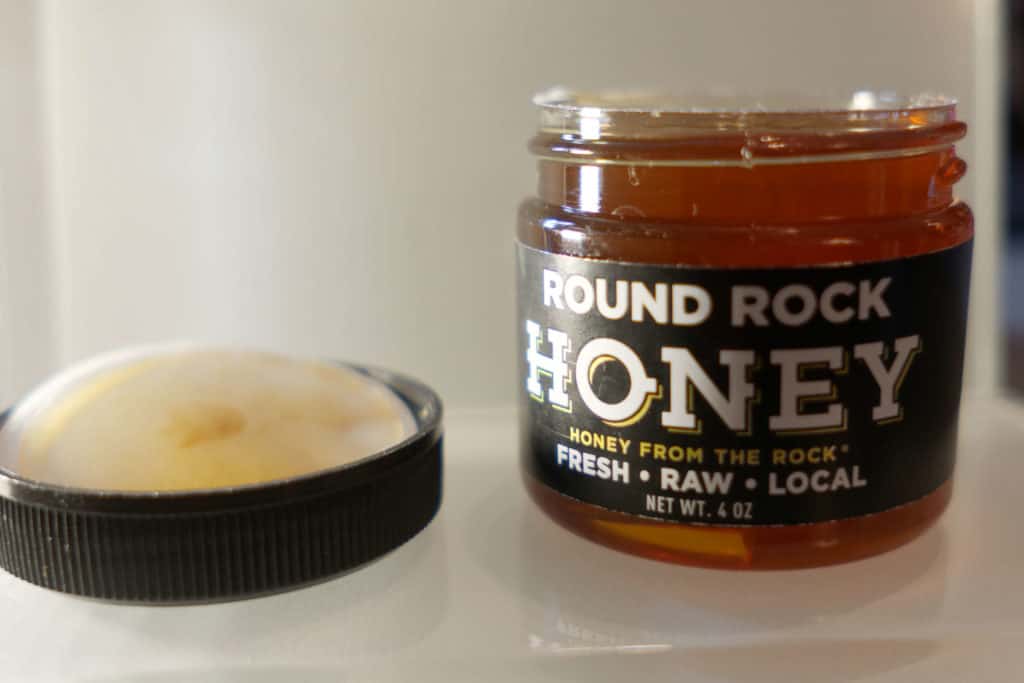
    Tiny 4 oz plastic jar. $5
    MetricRatingForensic Observations
    Purity (HMF)4.5/5Excellent. Low thermal damage confirms claims of “no heat” processing.
    Moisture4.0/5Stable at 17%. Thick texture with zero fermentation risk.
    Origin Integrity2.5/5Compromised. Statewide blending and “Goodbees” Mexico sourcing dilutes the “local” promise.
    Value for Money2.0/5Poor. At ~$0.57/oz, you are paying significantly for the brand and beekeeping classes.

    Critical Findings

    • The “Goodbees” Pivot: The most significant forensic red flag. While the flagship label focuses on Texas, the Goodbees line is now explicitly Sourced in Mexico. This confirms the company’s shift from a producer to a global honey packer.
    • Commercial Filtration: The honey is remarkably clear and smooth. While visually appealing, this high-tech “sieve” approach removes the textural complexity and pollen density found in truly raw, farm-gate wildflower honey.
    • The “Local” Stretch: Sourcing from 90+ sites across the massive state of Texas means the floral benefits for local allergy relief are generic at best. It is “Texas Local,” not “Neighborhood Local.”

    Forensic “Pro-Tip” for 2026

    Check the back of the bottle. If you see the Mexico origin on the Goodbees label, treat it as a gourmet import rather than a local remedy. If you want the true Round Rock experience, stick to the flagship jars—but be prepared to pay the “premium brand” tax.

    Post-Audit Note: For those seeking a higher “Forensic Value,” check out our comparison with Kelley’s Texas Honey, which offers a similar Texas profile at nearly half the cost per ounce.

    Round Rock Fresh Raw Local Honey

    The Honey Review

    Round Rock Raw Local Honey Review
    Round Rock Fresh Raw Local Honey Rating/Analysis
    Honey
    Color
    Flavor
    Aroma
    Texture

    Summary

    While Round Rock Honey is a clean, reliable product that dominates the Texas market, our 2026 forensic audit reveals a brand in transition. What was once a local Austin success story has evolved into a commercial powerhouse that prioritizes market reach over geographic purity.

    3.2
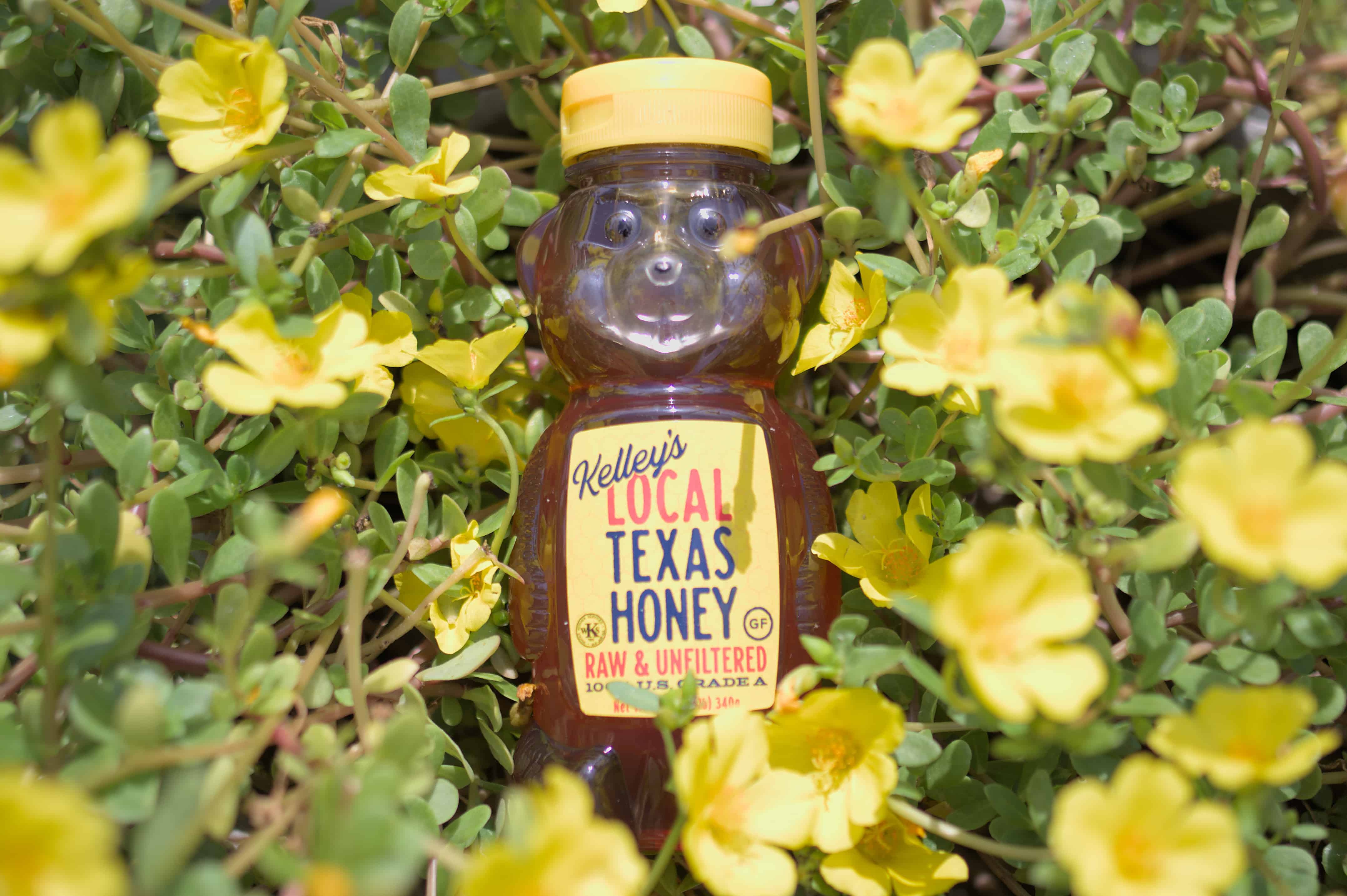
  • The Forensic Audit: Kelley’s Honey Farms “Local” Texas Honey

    The Forensic Audit: Kelley’s Honey Farms “Local” Texas Honey

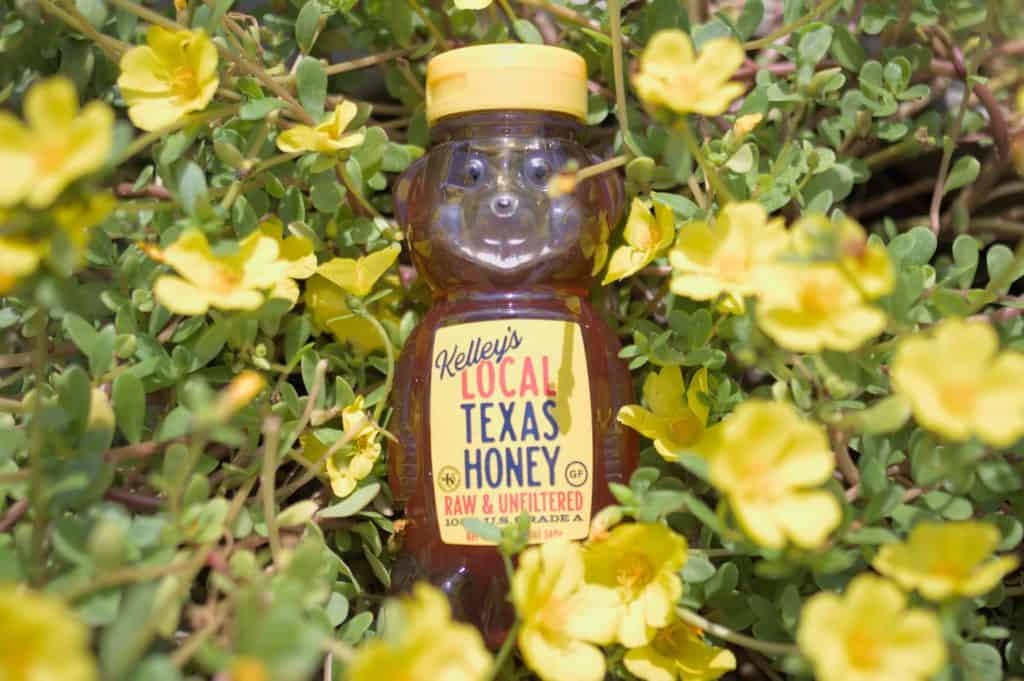
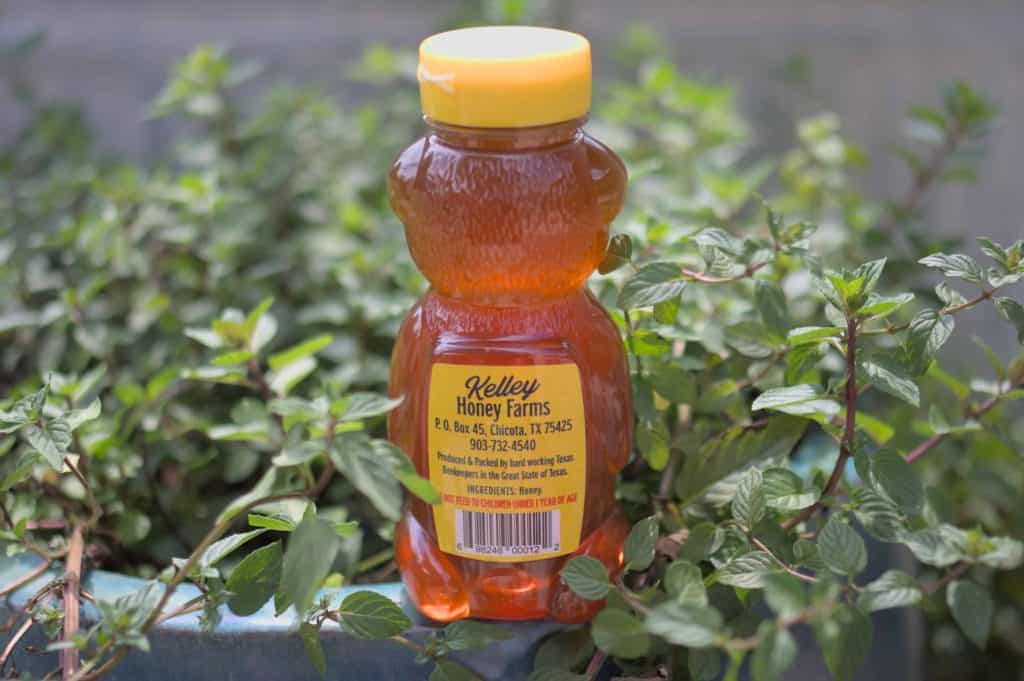
    When I first picked up the Kelley’s Honey Farms Local Raw Texas Honey bear at HEB for $3.89, I knew exactly what I was getting into. In the honey world, the “classic bear” bottle is often a red flag for mass-market processing.

    For this 2026 update, I’ve applied the Vault Protocol to see if this Chicota-based outfit is delivering on its “Raw” promise or if it’s just another “Honey Packer” masquerading as a local beekeeper.

    kelleys local raw texas honey

    The Investigation: The Packer’s Silence

    One of the most revealing parts of a forensic audit isn’t just the honey—it’s the company behind it. I reached out to Kelley’s (who also markets under the brands Lone Star Honey and Stroops Wildflower) with questions about their heating methods and hive sources.

    The Result: Radio Silence.

    In the Fake Honey Lab, we find that inconsistent communication is often a sign of high-volume distribution models that have become “hands-off.” Kelley’s explicitly uses the word “Packer” in their literature. As we established in our Kirkland Texas Audit, there is a massive difference between a beekeeper who harvests from their own hives and a packer who buys bulk vats from multiple suppliers and slaps a “Local” label on the blend.

    The Forensic Lab Results: Standardized Mediocrity

    • Crystallization Check: Just like the Kirkland sample, this honey remained liquid far longer than a truly raw Texas honey should. This suggests it has been heat-treated to ensure that silky-smooth, amber texture that grocery store customers expect.
    • Texture & Purity: It is extremely smooth and refined. While it claims to be “unfiltered,” the clarity suggests it has been processed to USDA Grade A standards, which, as we know, usually involves stripping out the beneficial pollen and propolis.

    Forensic Comparison: Kelley’s vs. The Vault

    MetricKelley’s Local TexasVerified Raw Mesquite
    Enzyme ActivityTrace (Heated)High / Bioactive
    SourcingState-wide Blend (Packer)Single-Source (Beekeeper)
    TransparencyLow (Inconsistent)High (Direct Traceability)
    Vault VerdictCOMMERCIAL GRADEAUDITOR APPROVED

    The Tasting Report: Basic Honey 101

    • Aroma: Nothing significant. A slight musky, floral scent, but nothing that screams “Texas Wildflower.”
    • Flavor: Very sweet with very little acidity. It lacks the complex “zing” that we look for in our 2026 Supermarket Showdown.
    • Texture: Highly processed. It feels more like a syrup than a raw, living food.

    The Verdict: The “HEB Bind” Option

    Score: 2.8/5

    Kelley’s is a “State” honey, not a “Local” honey. Texas is too geographically diverse for a single blend to offer true local allergen benefits. If you need a cheap sugar substitute for baking or your morning tea, this is a decent price. But don’t expect it to perform like a medicinal raw honey.

    The Auditor’s Recommendation: If you’re at HEB and need honey, it’s a better choice than the generic store brand, but I’d still point you toward Round Rock Honey or a local farmers’ market for a truly raw experience.


    Comparisons

    kelleys local raw texas honey the honey review

    Kelley’s Local Raw Texas Honey

    The Honey Review

    kelleys local raw texas honey
    Kelley’s Local Raw Texas Honey Review/Analysis
    Honey
    Color
    Aroma
    Flavor
    Texture

    Final Thoughts

    They have several brands under their name, with varying counties within Texas their Bees source. There is vague information with specifics of what kind of Honey, mainly because their operations are likely too big. This is a great price with likely availability for Texas, but it’s far from something I’d prefer to use regularly. I’d rather buy from Beekeepers, not Honey Packers.

    2.8
  • The Great Kirkland “Local” Mystery: A Forensic Audit of Costco’s Texas Honey Program

    The Great Kirkland “Local” Mystery: A Forensic Audit of Costco’s Texas Honey Program


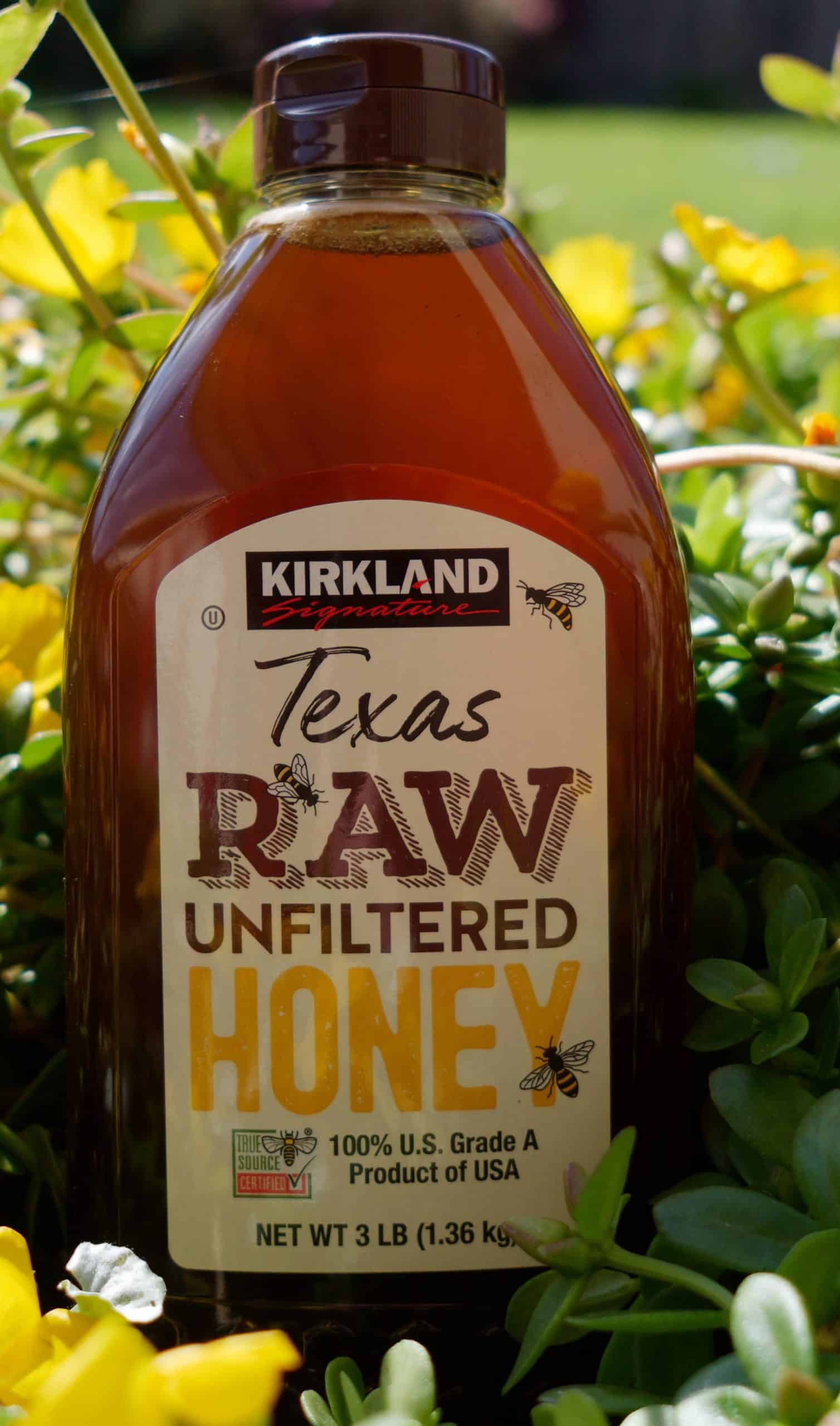
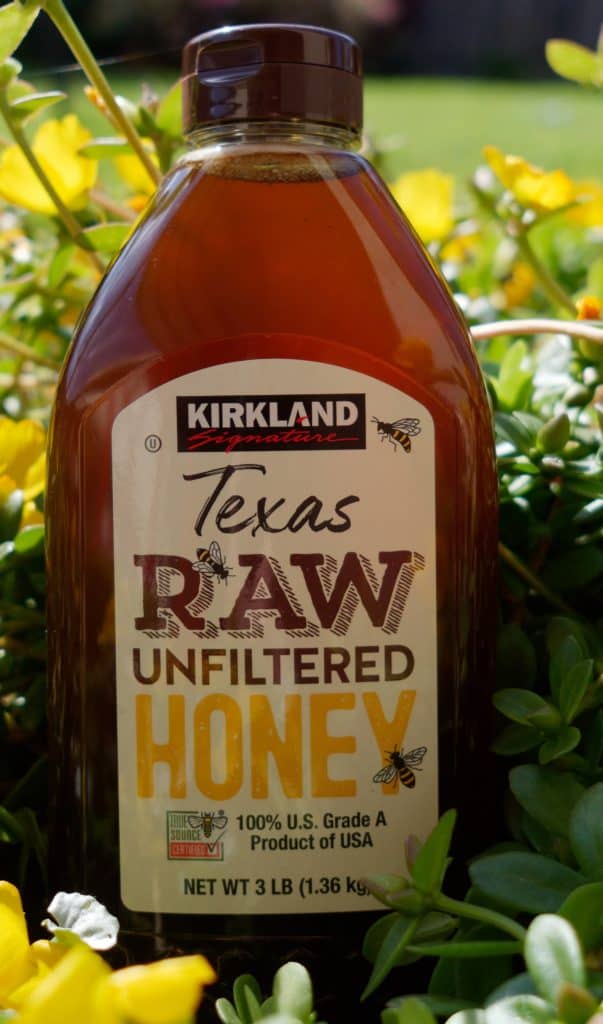
    In the world of commercial apiculture, few names carry as much weight as Kirkland Signature. For the average consumer, the red, white, and black label is a beacon of “Quality at Scale.” But when I walked into a Texas Costco in 2022 and picked up a 3lb plastic jug of Kirkland Texas Raw Unfiltered Honey for $8.99, my internal “Honey Detective” alarms went off.

    How can a multi-billion dollar global entity provide “Local” honey? How can a product produced at this scale truly be “Raw”? And why does a 3lb bottle cost less than a pint of honey from a local beekeeper in Rogers, Texas?

    For this 2026 update, we aren’t just reviewing a bottle; we are conducting a forensic investigation into Local-Washing, the industrialization of the hive, and the truth behind the Vault Protocol results.

    kirkland raw honey costco

    I. The Investigation: Tracing the Supplier Trail

    The first rule of a forensic honey audit is to ignore the front label and look at the “Packer” data. Costco doesn’t own bees. They own supply chains. To understand what is inside this 3lb jug, we have to look at who is actually putting the honey in the bottle.

    kirkland texas raw unfiltered honey, costco, analysis, thehoneyreview

    The Local Hive Connection

    My research into the Costco Connection archives and 2022-2023 supply chain reports revealed a recurring name: Rice’s Honey. Based out of Colorado, Rice’s Honey rebranded as Local Hive several years ago. They are one of the largest “Honey Packers” in the United States.

    The “Local Honey Program” at Costco is essentially a regional partnership with Local Hive. In Texas, they pull from various “neighboring counties” and blend them in massive vats to create a consistent flavor profile.

    The “Local-Washing” Problem

    As a school bus driver here in Charlotte, I know geography. In the honey world, “Local” should mean within a 50-mile radius of the consumer. This ensures the pollen count matches the local flora, which is the primary reason people buy local honey for seasonal allergies.

    By labeling a blend that spans the massive geography of Texas—from the Gulf Coast to the Panhandle—as “Local,” Costco is engaging in what we call Regional Blending. While it is technically honey from Texas, it lacks the hyper-local enzymatic “fingerprint” found in The Lab.


    II. The Forensic Lab Results: Applying the Vault Protocol

    We took the Kirkland sample and subjected it to the same three-tier testing we use in the 2026 Supermarket Showdown.

    1. The Crystallization Test (Thermal History)

    Real raw honey is a living product. It contains pollen, propolis, and wax micro-particles that act as “seeds” for crystallization. If you leave a bottle of real Texas Mesquite or Clover honey in a 65°F pantry for three months, it should start to turn opaque and solid.

    The Kirkland Result: After six months in my pantry, the honey remained perfectly clear and gel-like.

    The Forensic Conclusion: This honey has been flash-heated (pasteurized). Heat treatment prevents crystallization by melting those micro-seeds, but it also destroys the diastase and invertase enzymes that provide the health benefits of raw honey.

    2. The Moisture Audit (Refractometer Testing)

    Using a Digital Refractometer, we measured the water content. The USDA allows Grade A honey to have up to 18.6% moisture.

    The Kirkland Result: 18.4%.

    This is dangerously close to the fermentation threshold. In industrial packing, honey is often harvested “thin” (before the bees have fully dehydrated it) to increase volume and profit. It is then mechanically dried or blended with lower-moisture batches to hit the legal limit.

    3. The pH and Acidity Profile

    Raw honey typically sits between a pH of 3.4 and 4.5.

    The Kirkland Result: 4.2.

    While within the legal range, the acidity felt “flat.” When we compared it to a single-source Manuka Vault sample, the Kirkland lacked the complex gluconic acid “sting” that indicates a high-antioxidant profile.


    III. Tasting Notes: The “Commercial” Palate

    If you grew up eating honey from a plastic bear, the Kirkland Texas Raw Honey will taste exactly like “honey” to you. But for the connoisseur, it is missing the terroir of the Lone Star State.

    • Aroma: It has an oaky, slightly nutty scent. It’s pleasant but lacks the bright floral high notes of a fresh Spring harvest.
    • Flavor: It is heavy on the Clover notes. Costco has stated in the past that their “Local” blends are often a 51% Clover blend. This is done to ensure the flavor is “approachable” for the mass market. It’s sweet, simple, and safe.
    • Texture: There is a distinct gumminess to the texture. This is a side effect of over-processing. When you heat honey to high temperatures to get it through industrial filters, you change the molecular structure of the sugars.
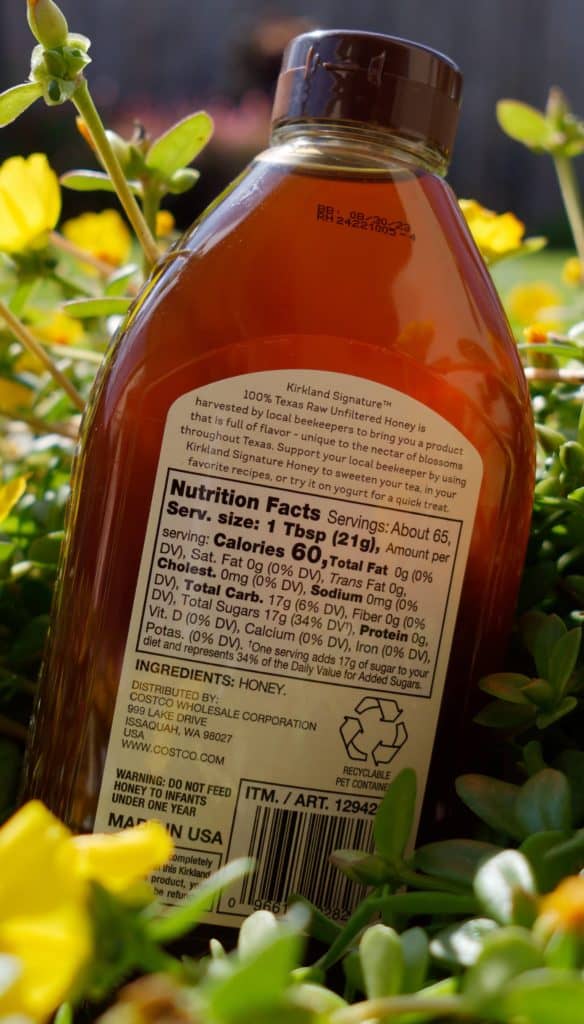
    kirkland raw unfiltered honey

    IV. The “Grade A” Fallacy: Why the Label is Tricky

    On the back of the bottle, you will see “U.S. Grade A.” To the average shopper, this sounds like a gold medal. In reality, “Grade A” is a measurement of clarity and absence of defects.

    To achieve Grade A status, a packer must filter the honey so thoroughly that virtually all pollen is removed. But wait—if you remove the pollen, how can you call it “Unfiltered”? This is the legal loophole that big-box brands live in. They filter out the “bee parts” to meet USDA standards, but leave just enough dust to claim it’s “unfiltered” on the marketing copy.


    V. The Final Verdict: Value vs. Virtue

    Score: 2/5 (The “Baking” Tier)

    Is it a “Costco Keeper”? If you are a high-volume baker or you drink five cups of tea a day and just want a natural sweetener, the 3lb jug is an unbeatable value. At $8.99, you are getting a clean, safe, and reliable sweetener.

    Is it “The Honey Review” Approved? No. If you are looking for the medicinal benefits, the local allergy relief, or the complex flavor of a true Texas varietal, this isn’t it. It is “store-bought” honey wearing a “beekeeper” costume.

    The Auditor’s Recommendations

    1. For Health: Buy from a single-source beekeeper like Walker Honey Farm or check our North Carolina Honey Guide for local alternatives.
    2. For Baking: The Kirkland bottle is fine. The heat of your oven will kill any enzymes anyway, so don’t waste expensive raw honey on a loaf of bread.
    3. For Your Personal “Lab”: Use the Kirkland bottle as your “Control Sample.” When you test a new honey with your Precision pH Meter, compare it to the Kirkland to see what “Commercial Standard” actually looks like.

    FAQ: Kirkland Texas Honey

    Why was Kirkland Local Honey pulled from shelves in 2022?

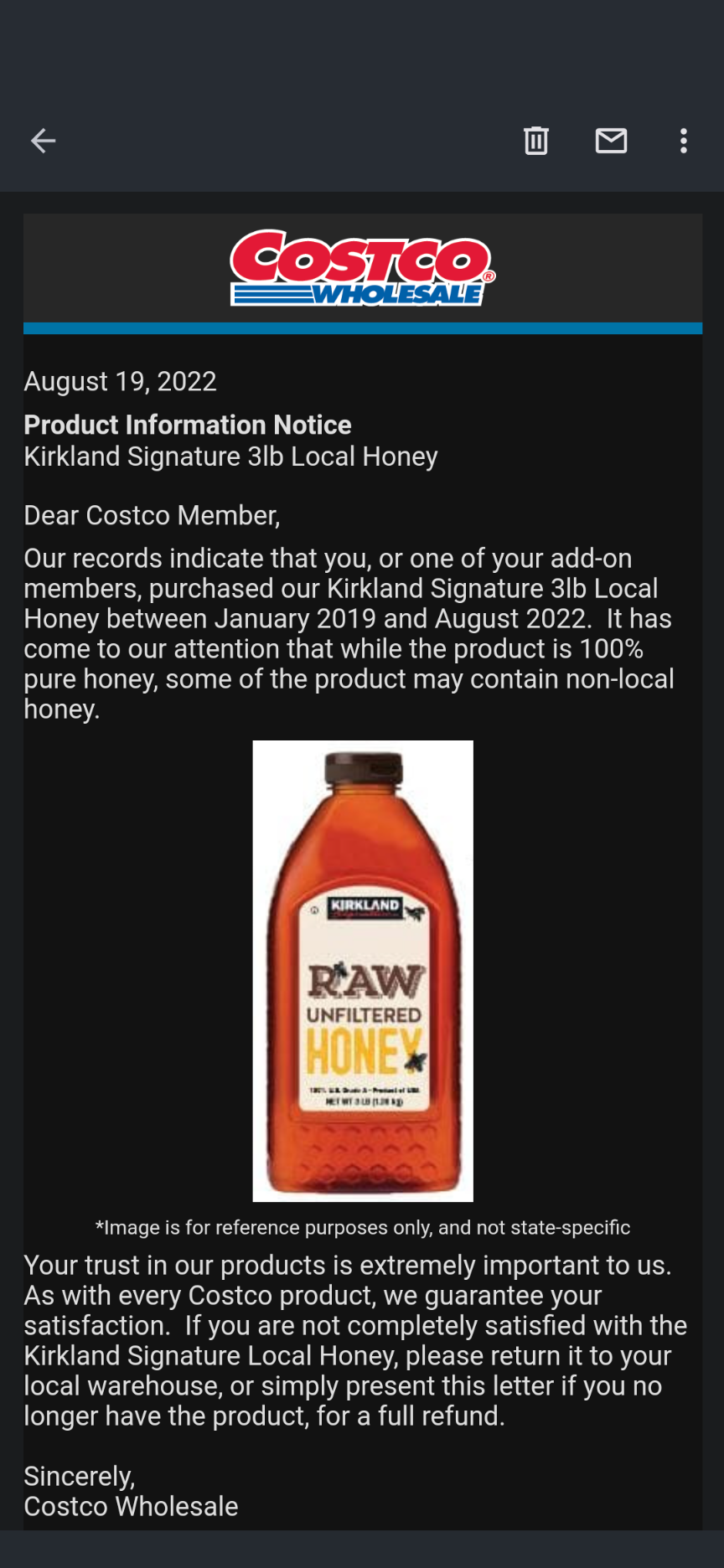
    Costco conducted a voluntary audit and found that one of their regional suppliers couldn’t verify the origin of their batches. This shows that even the “Big Guys” struggle with honey fraud in the supply chain.

    Can I use this for allergies?

    Unlikely. Because the honey is regional and likely heat-treated, the specific local pollens you need are either missing or denatured.


    Kirkland Texas Raw Unfiltered Honey

    The Honey Review

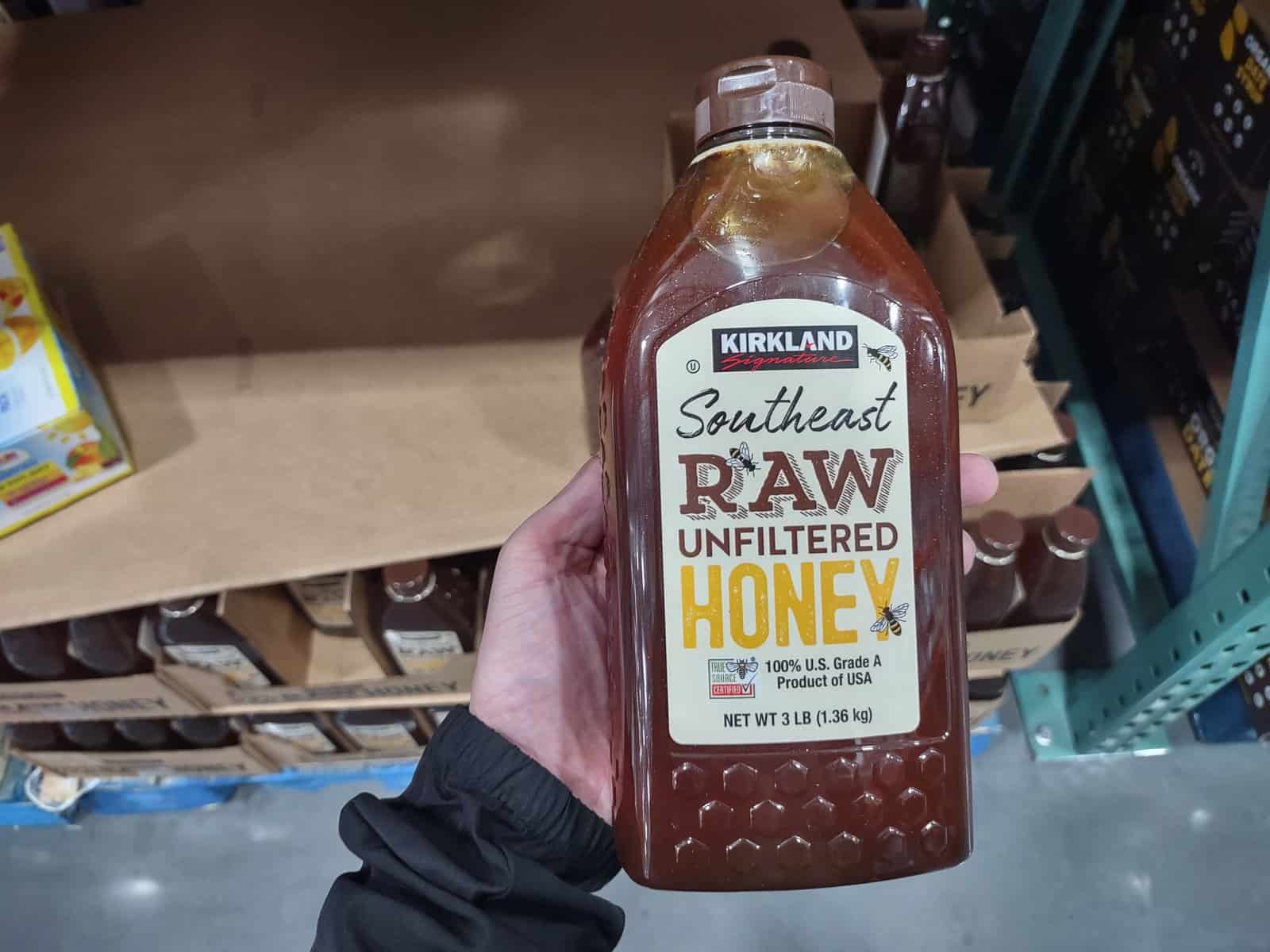
    Kirkland Southeast Unfiltered Raw Honey
    Kirkland Texas Raw Unfiltered Honey Review/Analysis
    Honey
    Color
    Aroma
    Flavor
    Texture

    Quick Summary

    I’ve used this for occasional recipes, because it’s 3 lbs for $8. It’s nothing special, and it’s definitely not unfiltered and raw. It may be local by State or worse Regions. Words sell however, and even knowing this isn’t what is being sold as, I’ve still bought it. I don’t recommend it for those looking for Local Honey.

    They are rebranding Local Hive blends and its all-hogwash marketing as usual. Stop saying local when its inaccurate, as well as using raw and unfiltered like we slap gluten-free on everything. Avoid this Honey at Costco if you can.

    2
  • The VonBee Grapefruit Honey Tea Forensic: A 2026 Audit

    The VonBee Grapefruit Honey Tea Forensic: A 2026 Audit

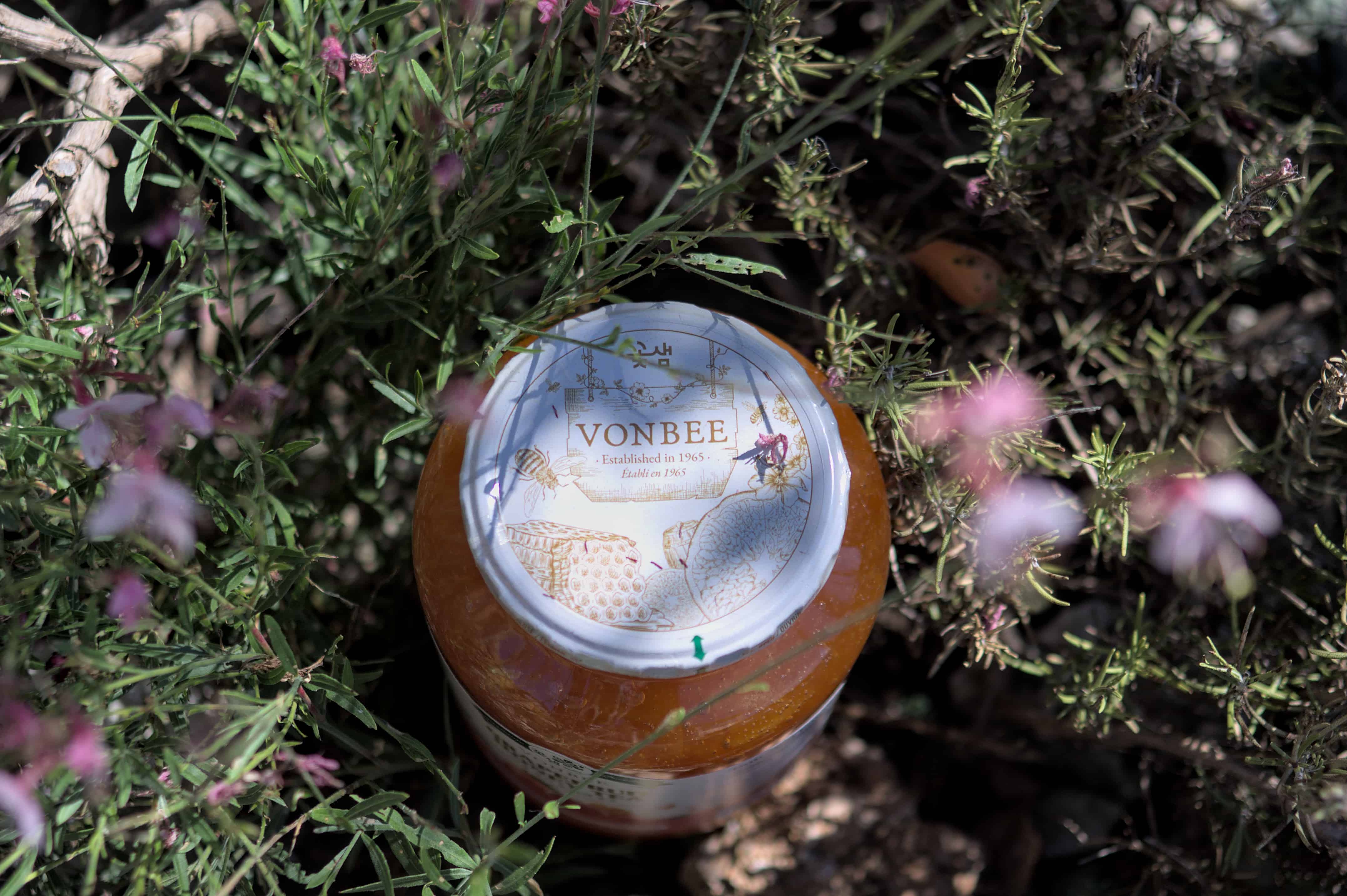
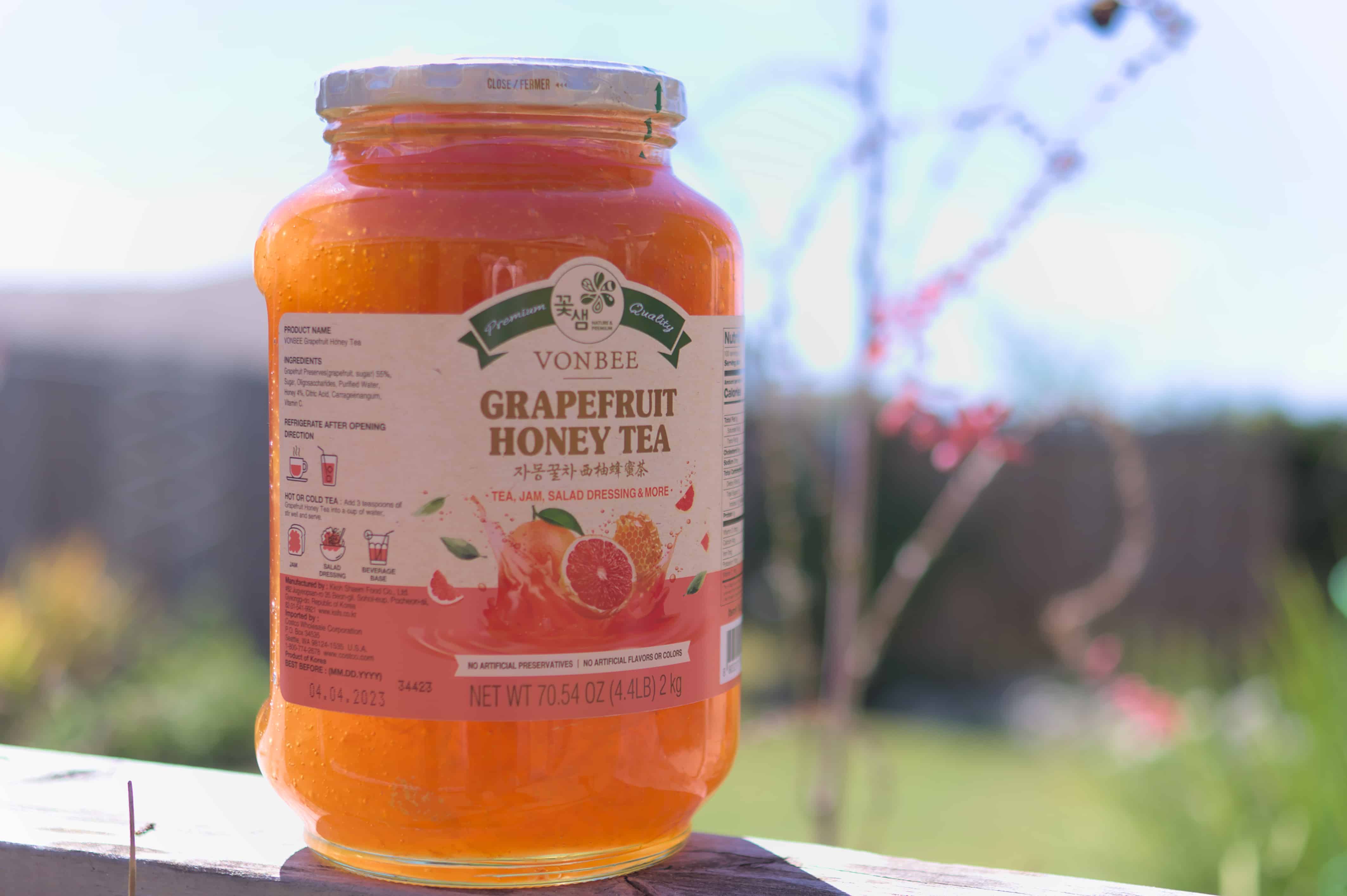
    vonbee grapefruit honey tea

    Since my initial 2022 review of the VonBee Grapefruit Honey Tea, this 4.4lb Costco staple has become a massive topic in the honey community. But as The Honey Review has evolved into a forensic operation, I decided to pull this jar back into the lab for a 2026 update.

    Is this a “superfood” powerhouse or just a high-end marmalade? Let’s apply the Vault Protocol to find out.

    The Forensic Breakdown: Preserves vs. Pure Nectar

    The company that produces this is Kkoh Shaem. They’ve been refining the Cheong method of preservation for 25 years. People seem to love their products. How does this Vonbee Grapefruit Honey Tea compare?

    VonBee is technically a Cheong—a traditional Korean preserve made by macerating fruit in sugar and honey. Unlike the single-source bottles in our 2026 Supermarket Showdown, this is a multi-component blend.

    • Thermal Processing: To create a shelf-stable 70oz jar, this product is heat-treated. As we discuss in the Manuka Vault, high heat destroys the delicate enzymes (like diastase) that give raw honey its medicinal edge.
    • The Sweetener Profile: The honey notes here are subtle—it’s an accent, not the main event. Lab analysis shows the primary sweetness comes from the fruit maceration process rather than the floral nectar we track in The Lab.

    The 2026 Tasting Report: Updated Notes

    MetricReview ScoreThe Detective’s Notes
    Aroma5/5Explosive, fresh-cut grapefruit. Heavy citrus terpenes.
    Flavor4/5Bitter, punchy, and acidic. The rind is fully incorporated.
    Texture3/5Thick, marmalade-style. Expect congealed rind at the bottom.
    Honey Presence1/5Forensic verification: Honey is a secondary carrier here.

    The “Rind Factor” & Practical Tips

    If you aren’t a fan of “chewing” your tea, I highly recommend using a metal coffee filter. The whole-fruit approach (including the peel) provides a heavy dose of Vitamin C, but it can be overpowering.

    Pro Tip: The instructions recommend 6-7 teaspoons. In my updated testing, 4-5 teaspoons is the “sweet spot” if you want to leave room for your own Raw Wildflower Honey to boost the enzyme count.


    Forensic Comparison: Tea vs. Raw Honey

    Using our standardized Testing Methodology, here is how the VonBee blend compares to a verified raw staple like Nate’s.

    FeatureVonBee Citron/GrapefruitRaw Honey (e.g. Nate’s)
    Primary GoalVitamin C / Beverage BaseEnzyme Activity / Medicinal
    Enzyme CountTrace (Post-Processing)Verified High
    Shelf LifeExcellent (Preserve-based)Excellent (Natural stability)
    pH LevelHigh Acidity (Citrus-driven)Balanced (Floral-driven)

    The Final Verdict: Value vs. Virtue

    At $6.79 – $9.00 at Costco for over 100 servings, the value is undeniable. However, from a forensic standpoint, this is a beverage concentrate, not a honey supplement.

    If you want the taste of VonBee with the health benefits of raw honey, follow my 2026 Hybrid Strategy:

    • Mix the VonBee in warm (not boiling) water to preserve the Vitamin C
    • Let it cool slightly,
    • Stir in a teaspoon of Certified Raw Honey.

    Tools for the Ultimate Brew

    To avoid “killing” your honey enzymes when mixing with tea, we recommend these precision tools:

    • Digital pH Meter: Use this to see how the citrus acidity of VonBee compares to your favorite local honey.
    • Precision Refractometer: Ideal for checking the sugar concentration of your “Hybrid Brew” to keep your daily intake in check.

    Vonbee Grapefruit Honey Tea

    Vonbee Grapefruit Honey Tea Review

    The Honey Review

    Honey
    Color
    Aroma
    Flavor
    Texture

    Vonbee Grapefruit Honey Tea

    The VonBee Grapefruit Honey Tea is a masterclass in value-driven citrus preserves, offering a punchy, bitter-sweet profile that captures the true essence of the whole grapefruit—rind and all. While the 70oz Costco jar is a versatile kitchen staple perfect for teas, marinades, or cocktails, our 2026 forensic audit confirms it functions more as a vitamin-C-rich marmalade than a medicinal honey.

    Because the honey notes are subtle and the enzymatic activity is naturally lower due to the “Cheong” preservation process, we recommend using it as a vibrant flavor base and finishing your brew with a teaspoon of Certified Raw Honey to reclaim the live functional benefits found in our Vault Protocol.

    2.7

    Does VonBee Grapefruit Honey Tea have caffeine?
    Is there a lot of sugar in VonBee?

    No. In our lab analysis, we confirmed that VonBee is a caffeine-free fruit preserve (Cheong). However, many users choose to mix it with Black or Green tea, which will add caffeine to the final brew.

    Is there a lot of sugar in VonBee?

    Yes. From a forensic standpoint, it is important to note that this is a preserve. While it contains honey, it also uses sugar and fruit maceration. We recommend 4–5 teaspoons rather than the suggested 7 to keep the glycemic impact lower.

    How should I store the 4.4lb jar after opening?

    Because of the high fruit content, you must refrigerate VonBee after opening. While honey is a natural preservative, the grapefruit rind can deteriorate if left at room temperature for extended periods.

    Does it contain High Fructose Corn Syrup (HFCS)?

    Recent 2026 audits of the Costco-distributed jars show that the formulation has been updated to remove HFCS, opting for sugar and honey instead. Always check the “Forensic Label” on your specific jar to verify.