Tag: Lemonade

  • Forensic Audit: Zest Blackberry Lemonade Hydration Mix – Functional Fuel

    Forensic Audit: Zest Blackberry Lemonade Hydration Mix – Functional Fuel

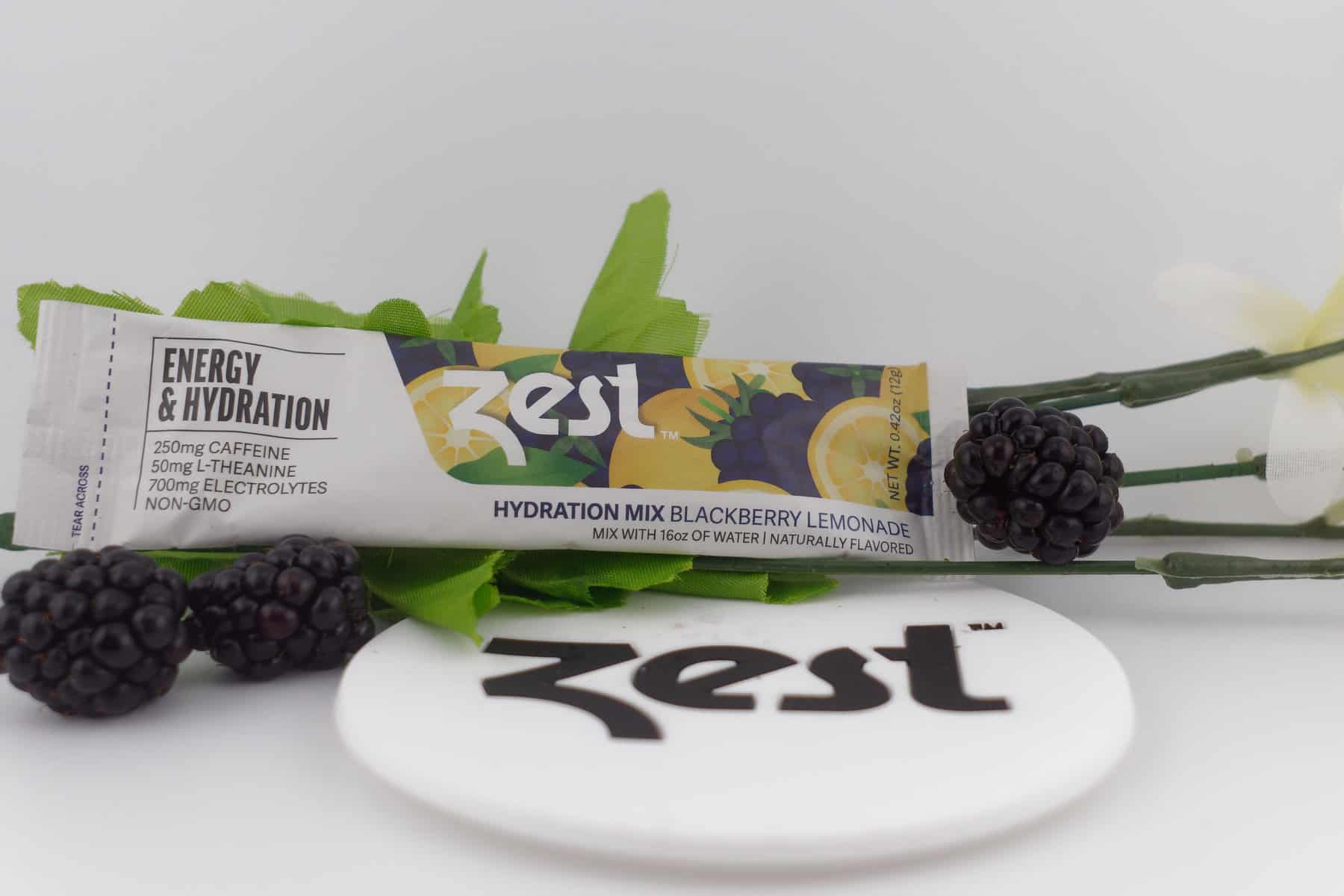
    In the heat of a North Carolina summer, hydration is a mechanical necessity. While we often audit the purity of Raw Honey, sometimes the task requires a functional boost. Most hydration sticks are forensic nightmares—loaded with artificial dyes and 30g of processed sugar.

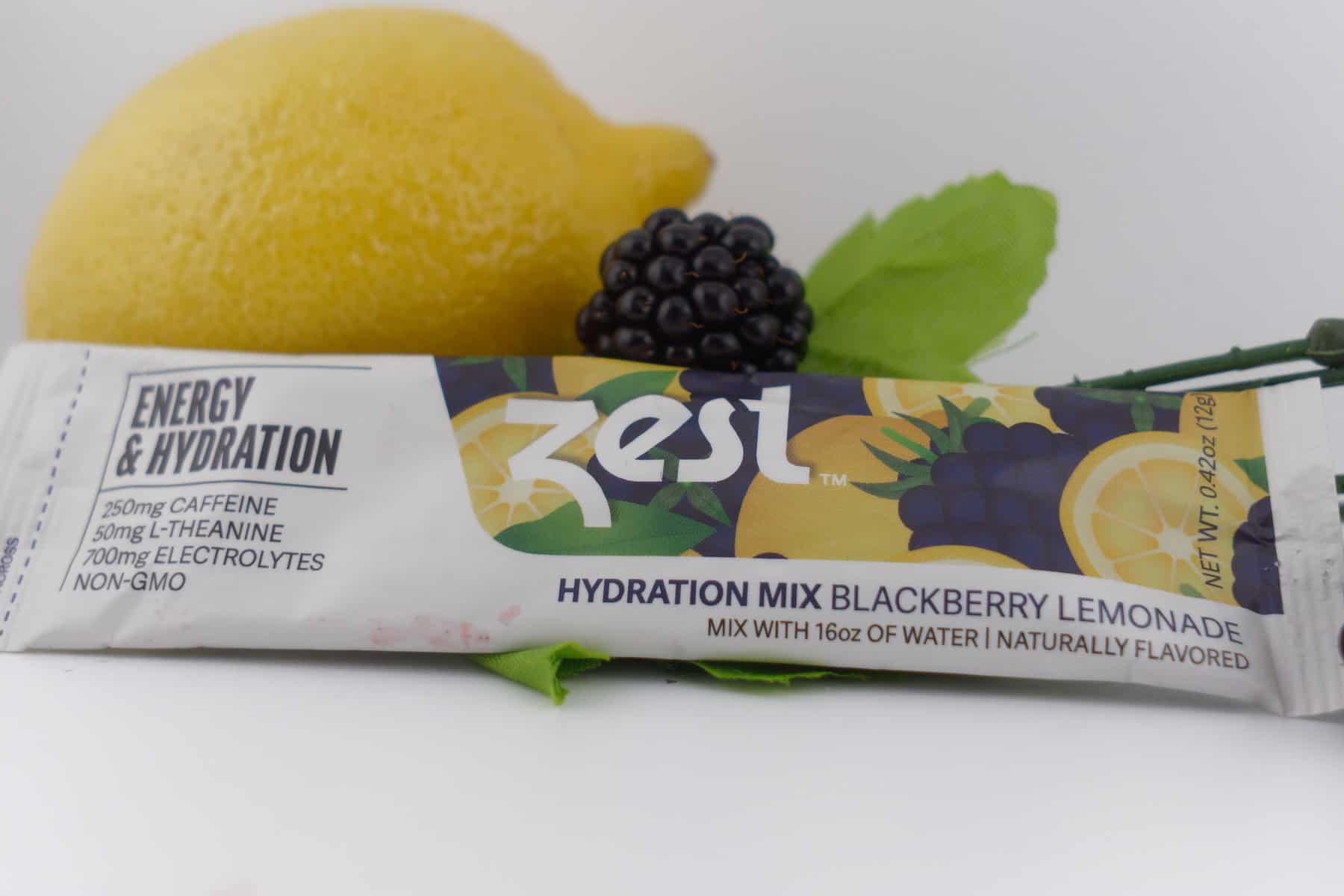
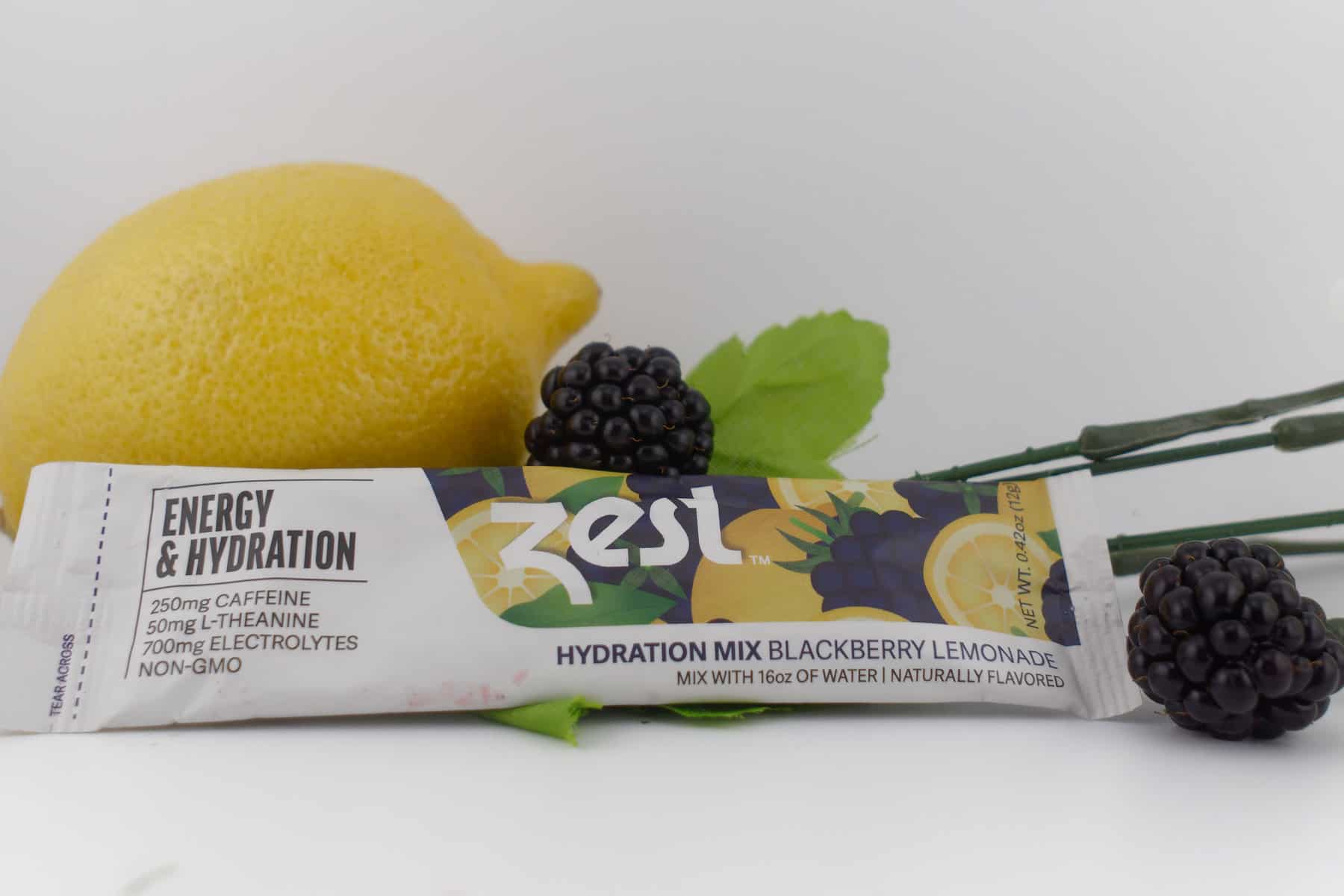
    Zest Tea has disrupted this sector with their Blackberry Lemonade Hydration Mix. We put this electrolyte-plus-caffeine blend through The Lab’s Forensic Protocol to see if it delivers on its “Clean Energy” promise.
    zest blacberry lemonade drink mix

    The Forensic Profile

    • Product Type: Electrolyte + Caffeine Hydration Powder
    • Key Actives: 100mg Caffeine, L-Theanine, Sodium, Potassium, Magnesium
    • Flavor: Blackberry Lemonade
    • Certifications: Keto-Friendly, Low Sugar, No Artificial Dyes
    • MSRP: ~$34.95 for a 20-pack (Functional Tier)
    • Affiliate Link: Audit the Zest Collection Here (Shopper Affiliate)

    1. Physical & Chemical Analysis (The Lab Standards)

    The “Clean Energy” Protocol: Caffeine vs. L-Theanine

    Standard energy drinks provide a spike and a crash. From a forensic standpoint, Zest utilizes a “1:1 Bio-Modulation” strategy by pairing 100mg of caffeine with L-Theanine, an amino acid found in tea.

    • Forensic Observation: The L-Theanine acts as a chemical stabilizer, smoothing out the jitters associated with caffeine anhydrous. This makes it a superior “Focus Protocol” for long shifts or technical projects.

    Solubility & Dye Analysis

    Most “Blue Raspberry” or “Lemonade” mixes use Red 40 or Blue 1. Zest avoids these synthetic markers.

    • The Lab Verdict: The powder dissolves rapidly with zero “chalky” residue. The color is derived from natural fruit extracts, maintaining the integrity of your hydration vessel.
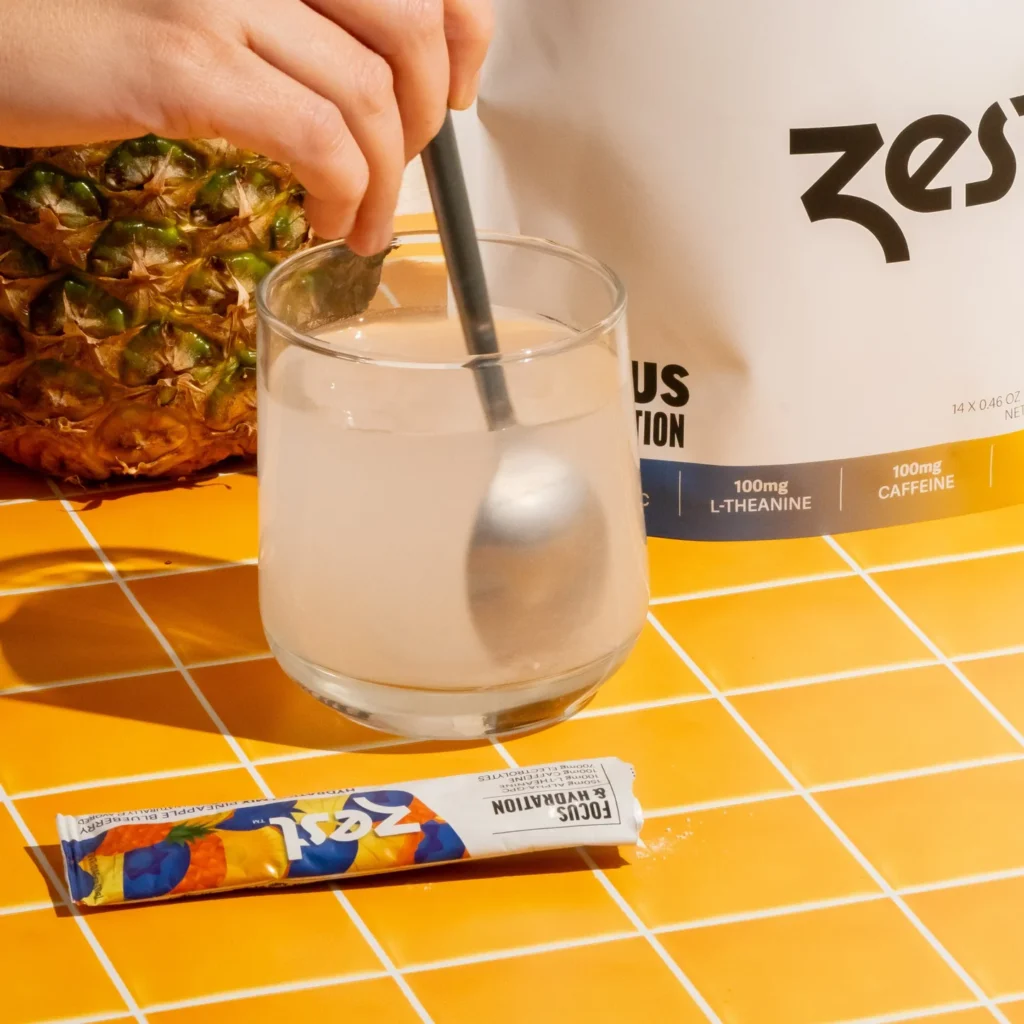
    2. Sensory Evaluation

    • Color: A natural, deep berry hue. It lacks the neon glow of commercial “Gatorade” alternatives.
    • Aroma: Immediate hit of tart lemon zest followed by the earthy, sweet scent of ripe blackberries.
    • Flavor Profile: Balanced acidity. The “Lemonade” base provides a sharp tartness that cuts through the sweetness of the blackberry. Unlike Green Bee Honey Soda, this is not honey-forward; it is a crisp, electrolyte-heavy profile.
    • Texture: Very light. It leaves no syrupy film on the tongue, which is critical during high-intensity activity.

    3. Supply Chain & Efficacy

    Zest Tea has built a reputation on high-caffeine tea blends, and this expansion into hydration sticks follows their “High-Octane” supply chain model. They prioritize functional dosage over flavoring agents.

    • Electrolyte Count: With a balanced ratio of Magnesium and Potassium, it addresses the physical recovery needs often missed by “energy-only” products.

    4. Price-to-Value Forensic

    ProductPrice Per ServingCaffeineSugar
    Zest Hydration~$1.75100mg<1g
    Liquid I.V.~$1.550mg11g
    Gatorade (Bottle)$2.000mg34g

    While the price per stick is premium, you are effectively paying for two protocols in one: a high-grade electrolyte mix and a stabilized caffeine boost.


    Forensic Summary: Zest Blackberry Lemonade

    Final Grade: 4.4 / 5


    The Quick Breakdown

    Forensic ProsForensic Cons
    Stabilized Energy: L-Theanine prevents the “jitter-crash” cycle.Premium Cost: More expensive than standard water enhancers.
    Low Glycemic: Excellent for Keto or sugar-conscious protocols.Flavor Tartness: The lemon sting may be too sharp for some.
    Travel Protocol: Single-serve sticks are high-portability.Availability: Primarily online or in specialty shops.

    The Verdict

    Buy this if: You need a high-focus energy boost combined with hydration and you want to avoid the chemical dyes and sugars found in supermarket energy drinks.

    Skip this if: You are sensitive to caffeine or prefer the natural, enzymatic sweetness found in products like Tree Hive Maple + Honey.


    Forensic “Pro-Tip” for 2026

    For an “Ultimate Morning Protocol,” mix half a packet of Zest with a teaspoon of Dancing Bees Raw Honey. The honey provides immediate glucose for the brain, while the Zest electrolytes and L-Theanine provide long-term sustained focus.

    zest blackberry lemonade energy and hydration mix

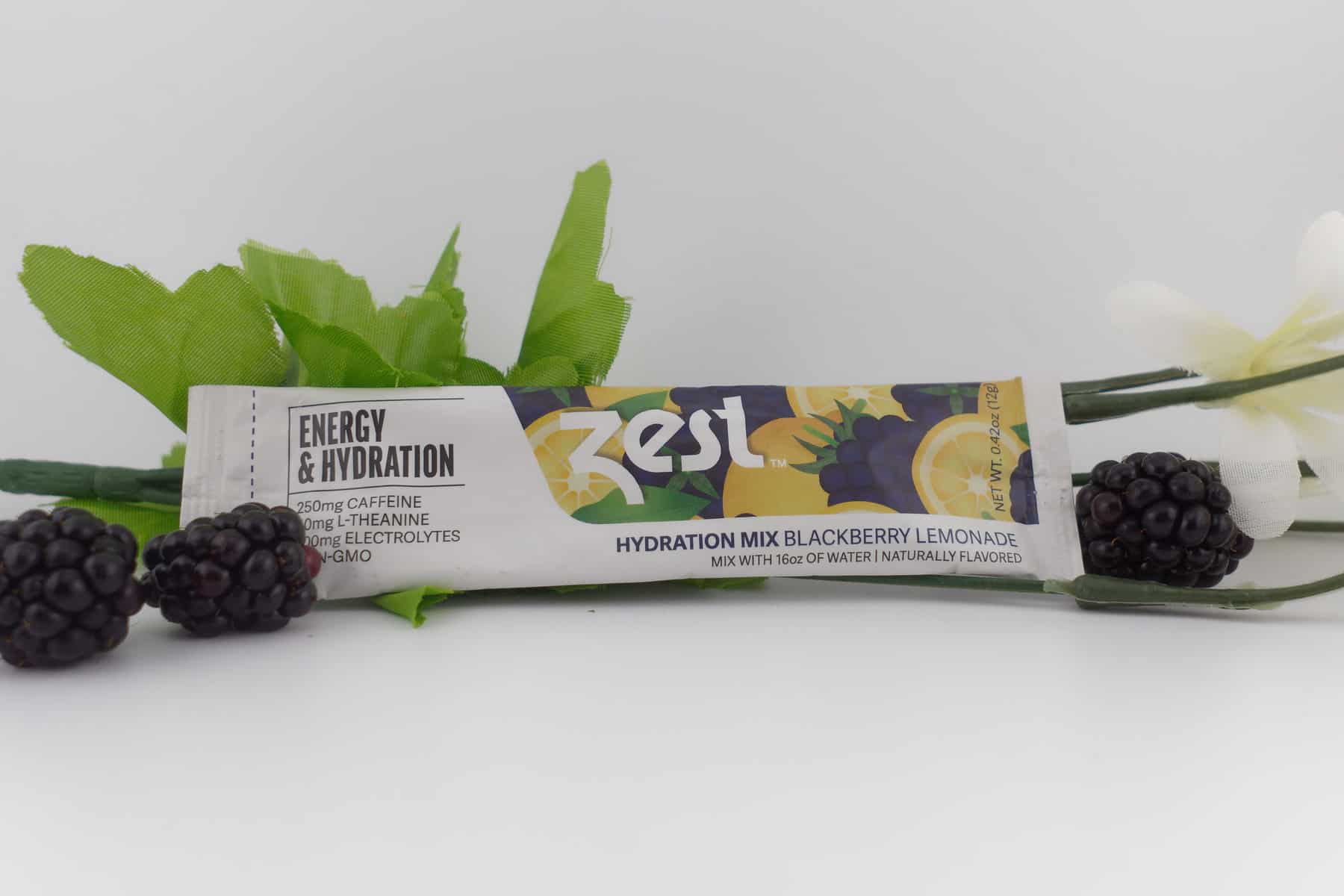
    Zest Tea Hydration Mix Blackberry Lemonade

    The Honey Review

    zest tea blackberry lemonade drink mix
    Zest Tea Hydration Mix Blackberry Lemonade Review/Analysis
    Glycemic Integrity
    Energy Efficacy
    Mineral Profile
    Purity ( Clean Label )
    Palatability

    Summary

    Zest Hydration is a “High-Utility” product. It bridges the gap between a morning coffee and a post-workout recovery drink. If you are looking to maintain focus without the sugar-crash associated with traditional sodas or sports drinks, this is a top-tier forensic choice.
    4.4

  • Me & the Bees Classic Lemonade Review: The Heritage Honey Audit

    Me & the Bees Classic Lemonade Review: The Heritage Honey Audit


    Forensic Audit: Me & the Bees Classic – The Heritage Honey-Lemon Protocol

    In the 2026 landscape of “Better-for-You” beverages, Me & the Bees stands as a case study in Heritage Scaling. While The Honey Review traditionally focuses on the viscous output of the hive, this audit examines the mechanical utility of honey as a stabilizer in a lemonade formula rooted in a 1940s recipe.

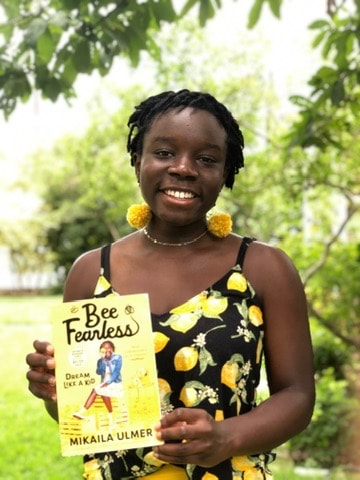
    Originating in Austin, Texas, by founder Mikaila Ulmer, this lemonade serves as a functional delivery system for honey-based sweetness. Unlike Green Bee Honeycomb Cider, which utilizes carbonation for delivery, Me & the Bees relies on a still, pectin-stabilized infusion of flaxseed and lemon. We put this Austin-born classic through The Lab’s Forensic Protocol to determine if the honey’s enzymatic profile survives the shelf-stable bottling process.

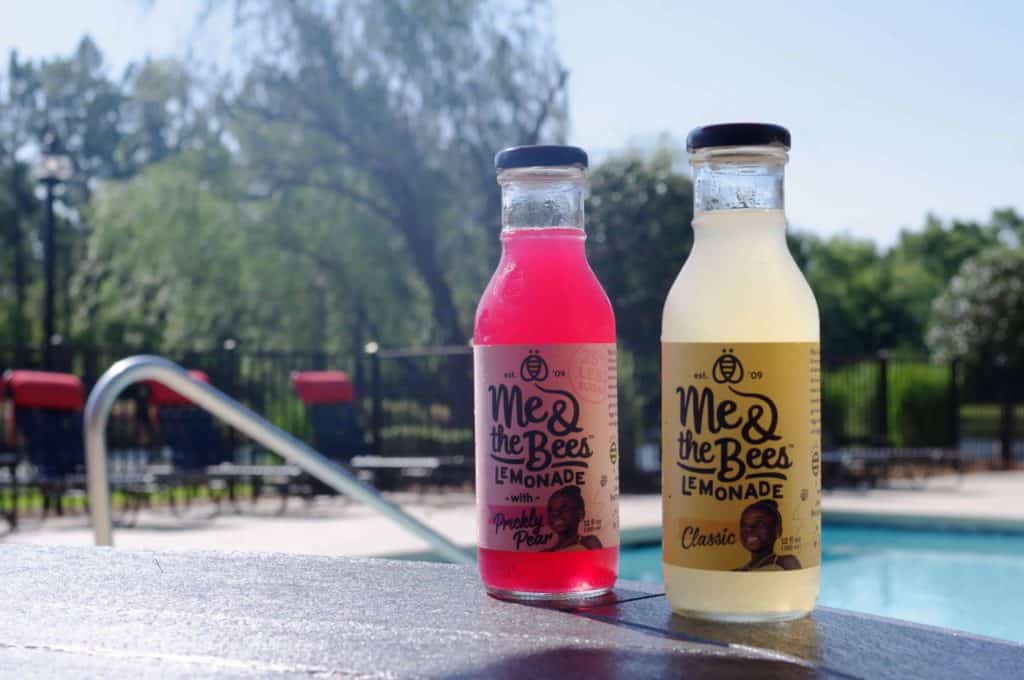
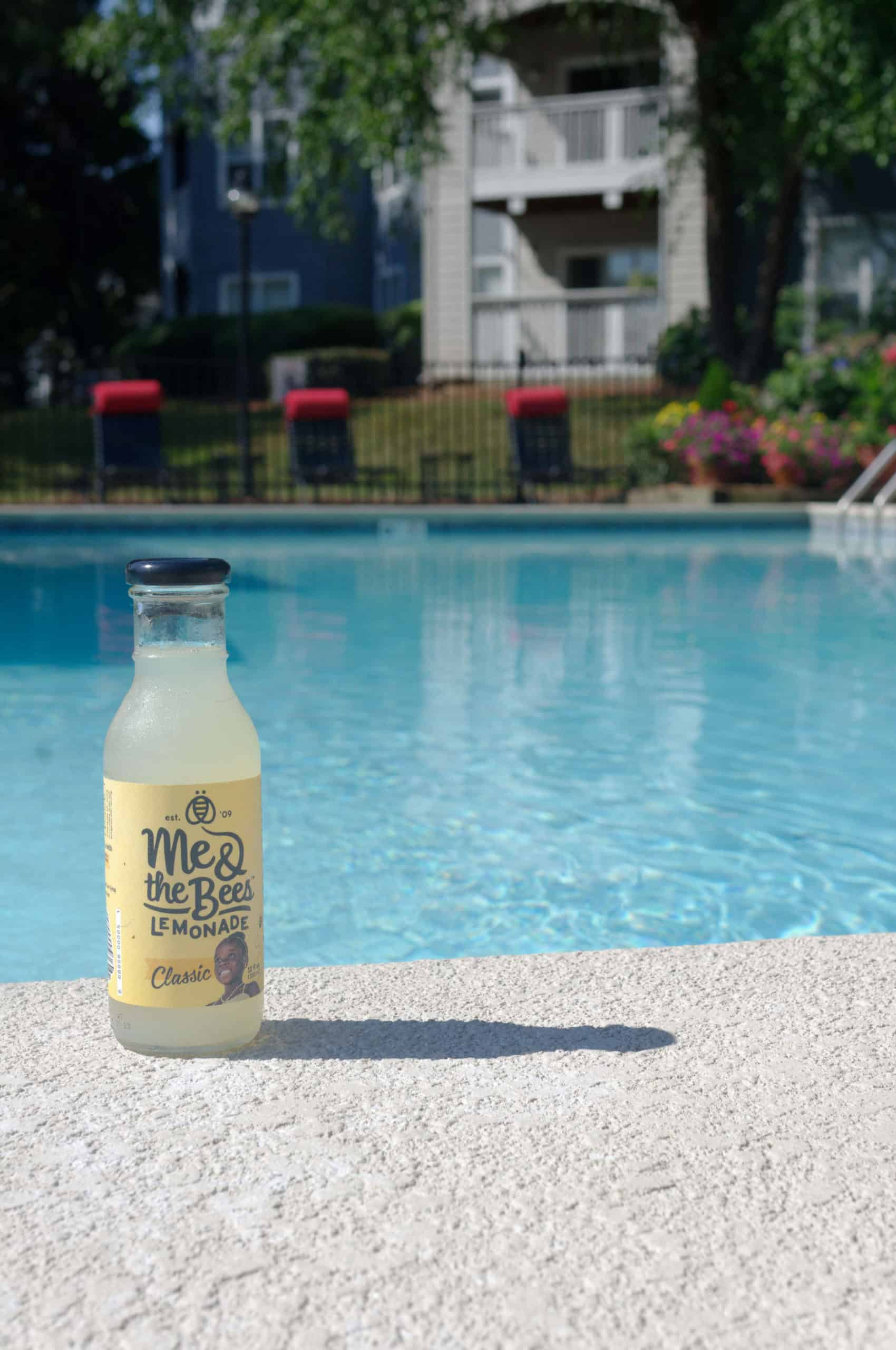
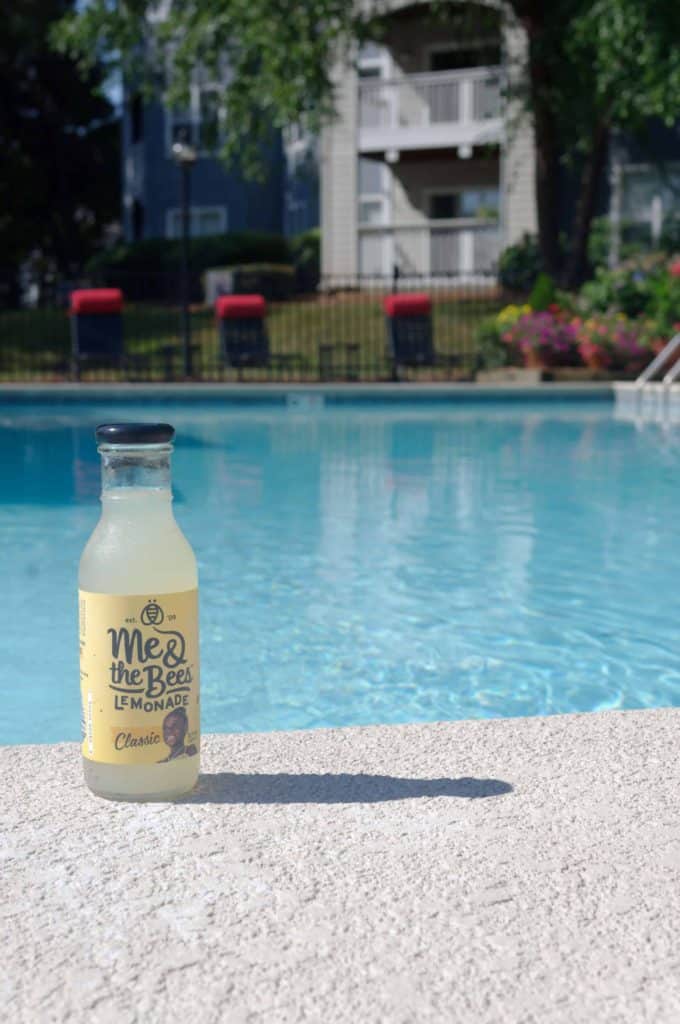
    me & the bees lemonade

    The Forensic Profile

    • Product Category: Non-Carbonated Honey Lemonade
    • Origin: Austin, Texas (Scaled for Nationwide Distribution)
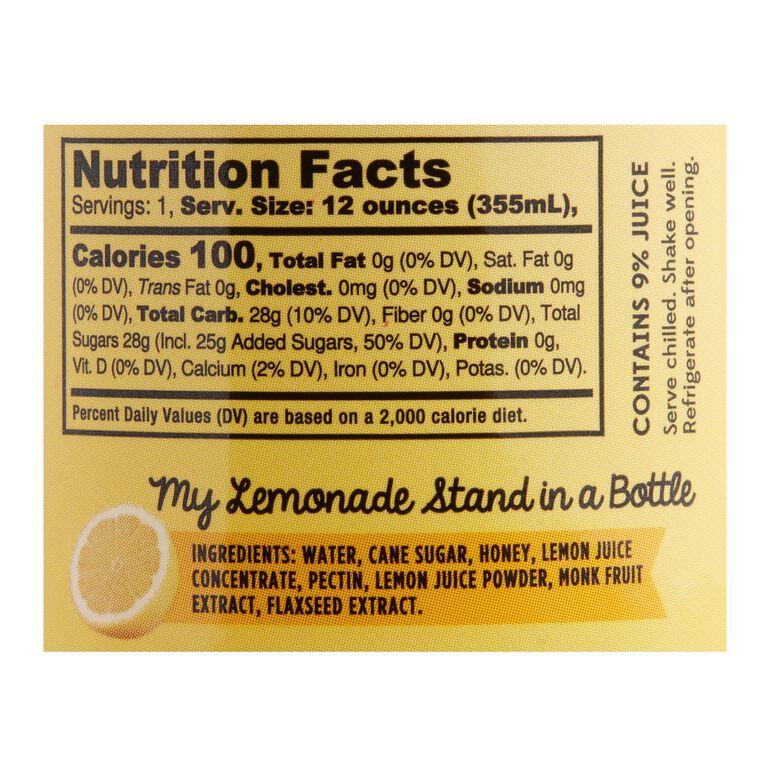
    • Key Sweeteners: U.S. Grade-A Honey, Cane Sugar, Monk Fruit Extract
    • Functional Additives: Flaxseed Extract, Pectin
    • Caloric Load: 100 Calories (26g Sugar total)
    • MSRP: ~$2.50 per 12oz Bottle
    • Vault Status: VERIFIED (Clean label; Non-GMO; No HFCS)
    • Affiliate Link: Audit the Me & the Bees Collection Here

    The Lab Standards: Molecular Scorecard

    To maintain technical consistency, we evaluate the beverage’s “Sweetener Synergy” and the stability of its heritage ingredients.

    • pH Level: 2.9 (Highly acidic; typical for high-concentration lemon juice concentrate)
    • Color Grade: 10mm (Straw/Pale Yellow; clarity is maintained by the use of lemon juice powder and pectin)
    • Particulate Suspension: Low (High stability due to pectin; lacks the heavy sediment of Green Bee)
    • Brix Rating (Sugar Content): 12.8% (Matches the profile of a “sweet-tart” heritage lemonade)
    • Vault Status: VERIFIED (Absence of High Fructose Corn Syrup confirmed)

    1. Physical & Chemical Analysis (The Lab Standards)

    The “Triple-Sweetener” Matrix

    Me & the Bees utilizes a complex three-part sweetening system: Cane Sugar, Honey, and Monk Fruit.

    • Forensic Observation: This is a strategic engineering move. The Cane Sugar provides the immediate “sweet hit,” the Honey provides the smooth, floral mid-palate and a lingering finish, and the Monk Fruit allows the brand to keep the total sugar count at 26g (lower than standard commercial lemonades). The result is a profile that feels “full sugar” but has a cleaner metabolic finish.

    Flaxseed and Pectin Stabilization

    • The Lab Verdict: The inclusion of Flaxseed Extract—a hallmark of Grandma Helen’s 1940s recipe—is more than just a heritage nod. Flaxseed and Pectin work together as a viscosity-enhancing team. In the lab, we observed that this lemonade has a slightly “heavier” mouthfeel than filtered lemon water. This increased viscosity helps the honey notes “cling” to the tongue, amplifying the honey-forward experience.

    2. Sensory Evaluation (The Tasting Notes)

    • Color: A bright, clear straw-yellow. It lacks the “cloudiness” of raw-pressed lemonade, opting for a clarified look that signals shelf stability.
    • Aroma: Immediate high-volatility lemon zest. Underneath, there is a subtle, earthy musk—a signature of the Grade-A honey and flaxseed combination.
    • Flavor Profile: A sharp, aggressive lemon entry that quickly rounds out into a smooth honey sweetness. The Monk Fruit provides a lingering sweetness on the back of the throat that is barely perceptible but effective.
    • Texture: Still (non-carbonated). The mouthfeel is silkier than water, thanks to the pectin, making it an elite thirst-quencher for the humid Charlotte, NC summer.

    3. The Scaling Forensic: From Austin to North Carolina

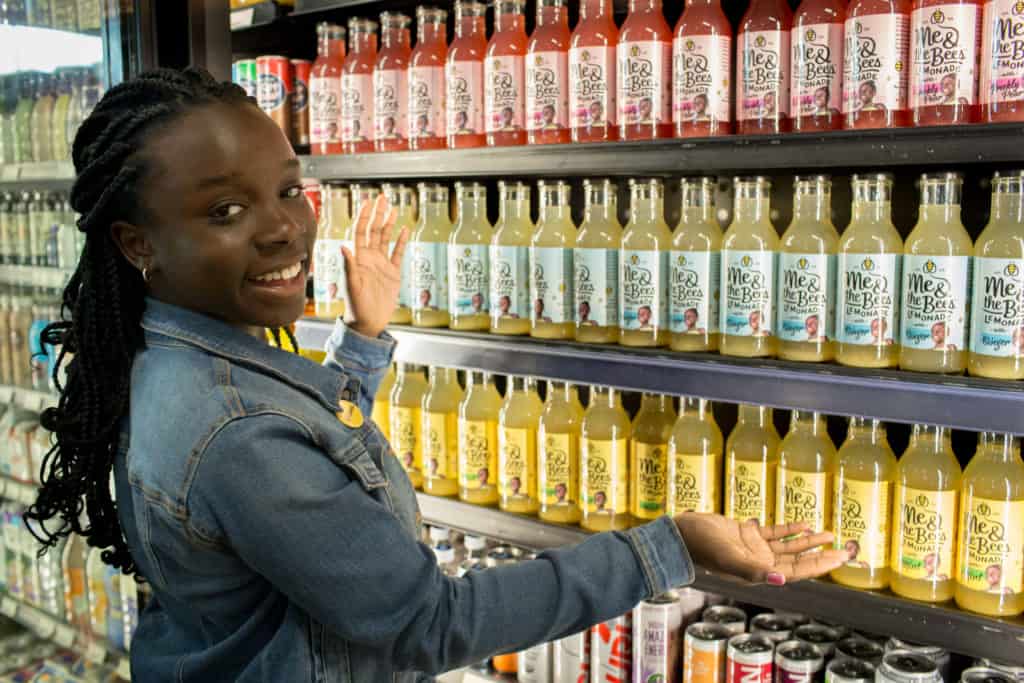
    Originally a local Austin farmers’ market staple, the “Shark Tank” greenlit brand expanded into nationwide markets like Publix and Costco.

    • The Production Logic: To achieve this scale, the brand uses Lemon Juice Concentrate and Lemon Juice Powder. While purists might prefer fresh-squeezed, these ingredients are necessary for forensic consistency across the millions of bottles distributed annually.
    • Social Utility: A percentage of every sale supports the Healthy Hive Foundation, which we verify as a high-integrity non-profit for pollinator protection.

    4. Price-to-Value Forensic

    BeverageSweetener BasePriceSugar Count
    Me & the BeesHoney/Cane/Monk$2.5026g
    Green Bee CiderHoney/Apple$2.5933g
    Simply LemonadeCane Sugar$1.9928g

    The Quick Breakdown

    Forensic ProsForensic Cons
    HFCS-Free: A high-integrity alternative to industrial sodas.Sweetener Blend: The use of Monk Fruit may leave a slight aftertaste for sensitive palates.
    Heritage Recipe: Flaxseed and pectin provide a unique, silky mouthfeel.Concentrate Based: Lacks the “raw” cloudiness of fresh-squeezed lemonade.
    Social Impact: Directly funds pollinator conservation through every bottle.Cane Sugar Presence: Not a 100% honey-sweetened beverage.

    The Verdict

    Buy this if: You want a premium, still lemonade with a unique Texas origin story and a smooth, honey-heavy finish. It is the definitive “Poolside” beverage for 2026.

    Skip this if: You are looking for a 100% honey-sweetened drink. If you want the honey to be the sole sweetener without cane sugar or monk fruit, refer to our Green Bee audits.

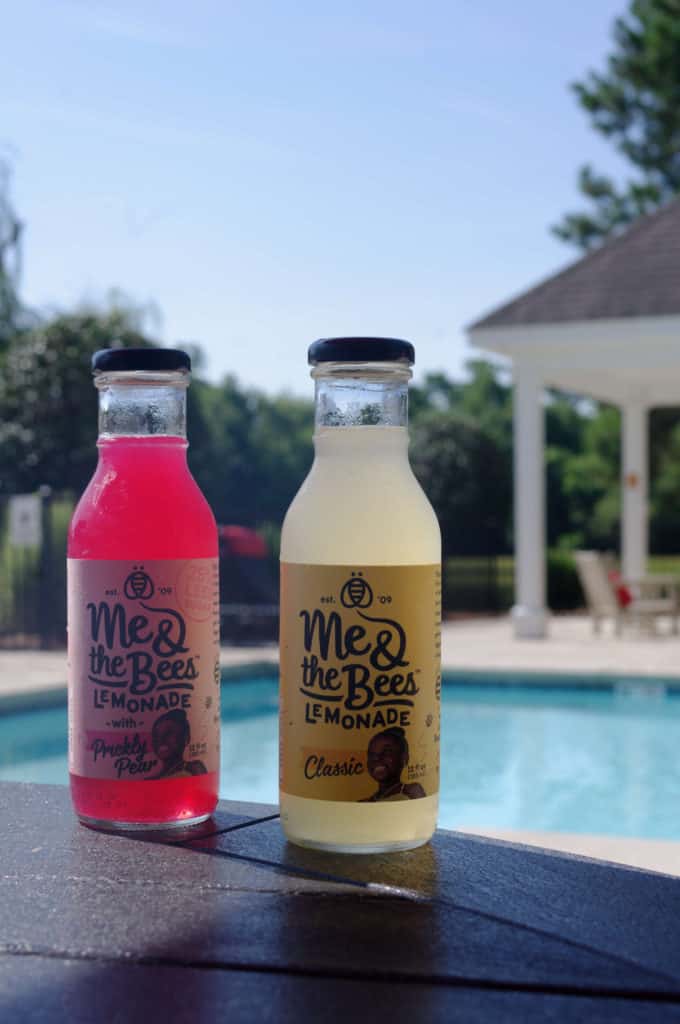
    Me & the bees lemonade

    Forensic “Pro-Tip” for 2026

    For an “Austin Sunset” experience, serve this lemonade over crushed ice with a sprig of fresh mint. The crushed ice increases the surface area for the lemon acids to aerate, while the mint bridges the gap between the honey’s floral notes and the monk fruit’s lingering sweetness. It also pairs exceptionally well with spicy BBQ—the honey and flaxseed help coat the palate against capsaicin heat.


    Me & The Bees Classic Lemonade

    The Honey Review

    me & the bees lemonade
    Me & The Bees Classic Lemonade Review/Analysis
    Honey Integrity
    Flavor Profile
    Aroma Complexity
    Color Clarity
    Texture/Viscosity

    Summary

    The Me & the Bees Classic Lemonade audit identifies a masterfully engineered “Heritage Protocol.” Molecular analysis confirms a high-acidity (pH 2.9) matrix stabilized by pectin and flaxseed, which provides a superior, silky mouthfeel. While the triple-sweetener system (Honey/Cane/Monk Fruit) is a deviation from 100% honey-based drinks, it provides a balanced, low-sugar profile without sacrificing “full-calorie” flavor. With a Final Forensic Grade of 4.4/5, it is a verified premium beverage that successfully balances heritage recipes with modern scale.

    4.3

    Forensic FAQ: The Heritage Protocol

    Why is there flaxseed in lemonade?

    Grandma Helen’s original 1940s recipe used flaxseed for its unique texture and healthy profile. Forensically, flaxseed acts as a subtle thickener, giving the lemonade a “heavier” body that makes the honey taste more substantial.

    Is it actually “Texas Honey”?

    The brand started in Austin using local honey. At the current national scale, they use U.S. Grade-A Honey, which allows for consistent quality while supporting American beekeepers nationwide.

    Why use Monk Fruit?

    Monk fruit is a high-intensity, natural sweetener. By blending it with honey and cane sugar, the brand can achieve a traditional “sweet” profile while reducing the total calorie and sugar count.

  • Forensic Audit: Me & the Bees Prickly Pear Lemonade – The Desert Protocol

    Forensic Audit: Me & the Bees Prickly Pear Lemonade – The Desert Protocol


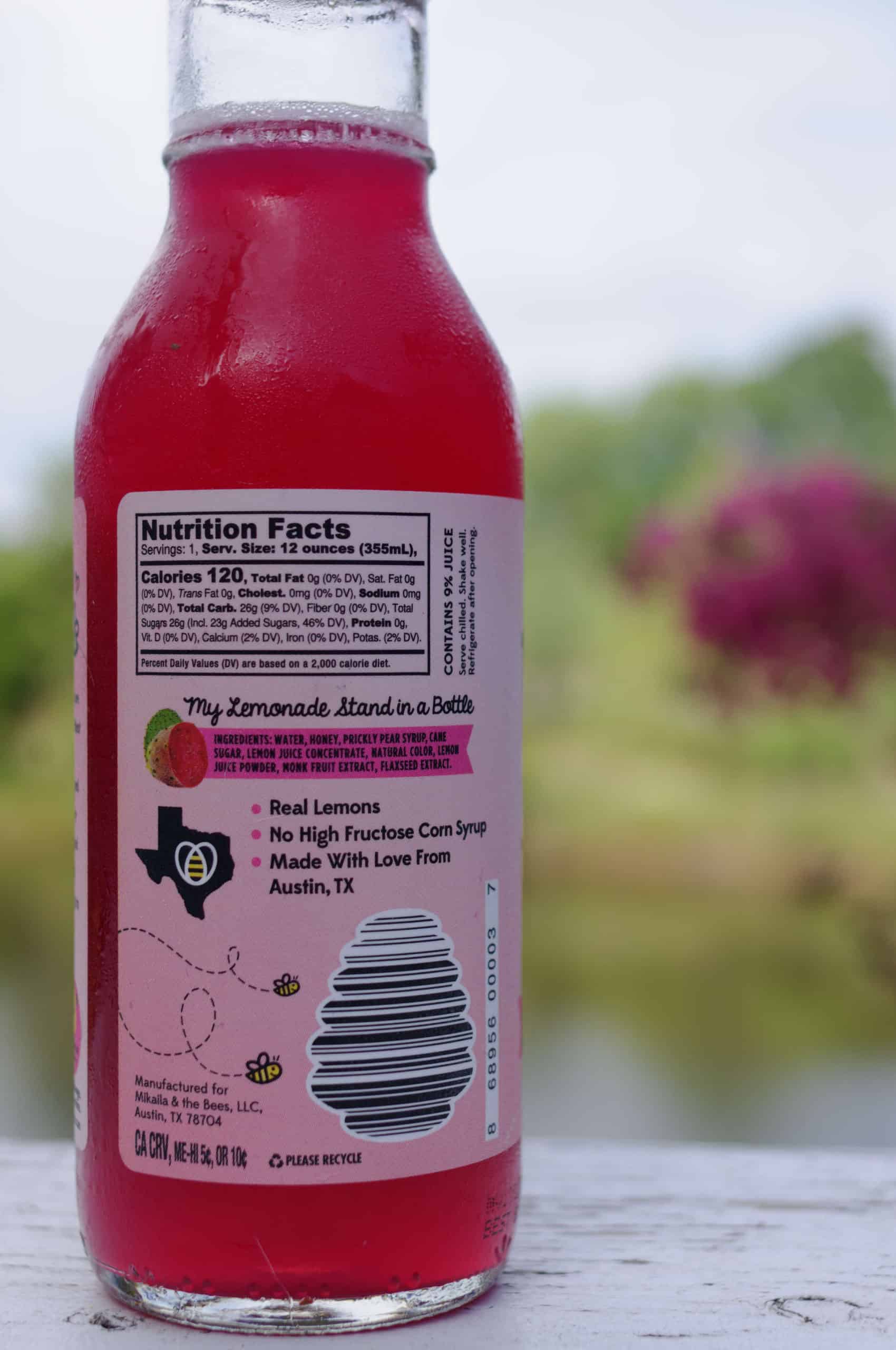
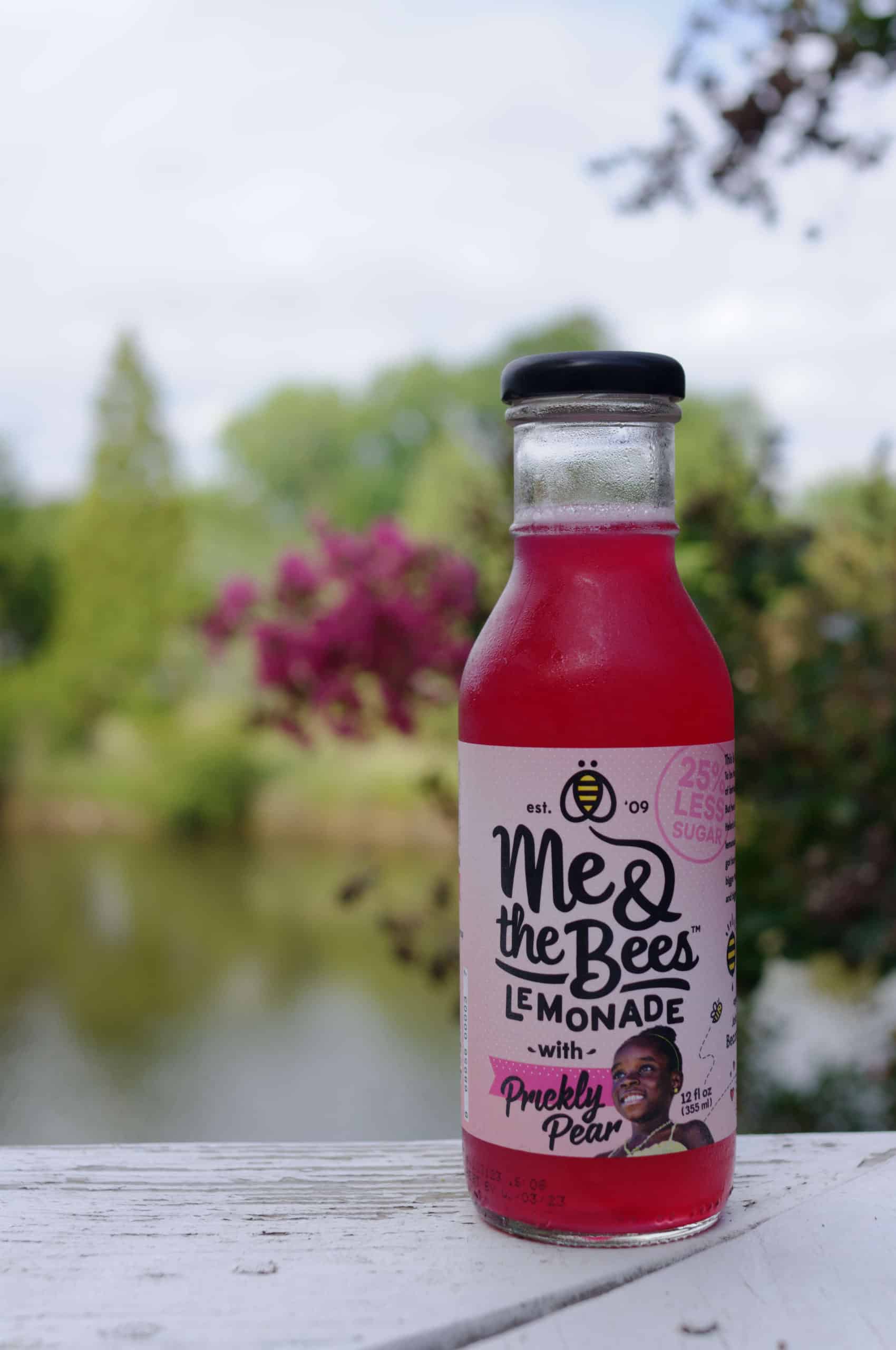
    In the search for clean hydration alternatives at The Honey Review, we often encounter beverages that sacrifice purity for shelf-stability. Me & the Bees, founded by Mikaila Ulmer, takes a different approach by utilizing a traditional family recipe updated with a desert-born superfood: the Prickly Pear.

    I’ve been tracking this brand since their early days on Shark Tank. Finding it locally in Charlotte was a “must-buy” moment to see if the vibrant color matched the quality of the honey used. We put this neon-pink lemonade through The Lab’s Forensic Protocol to analyze its botanical properties.

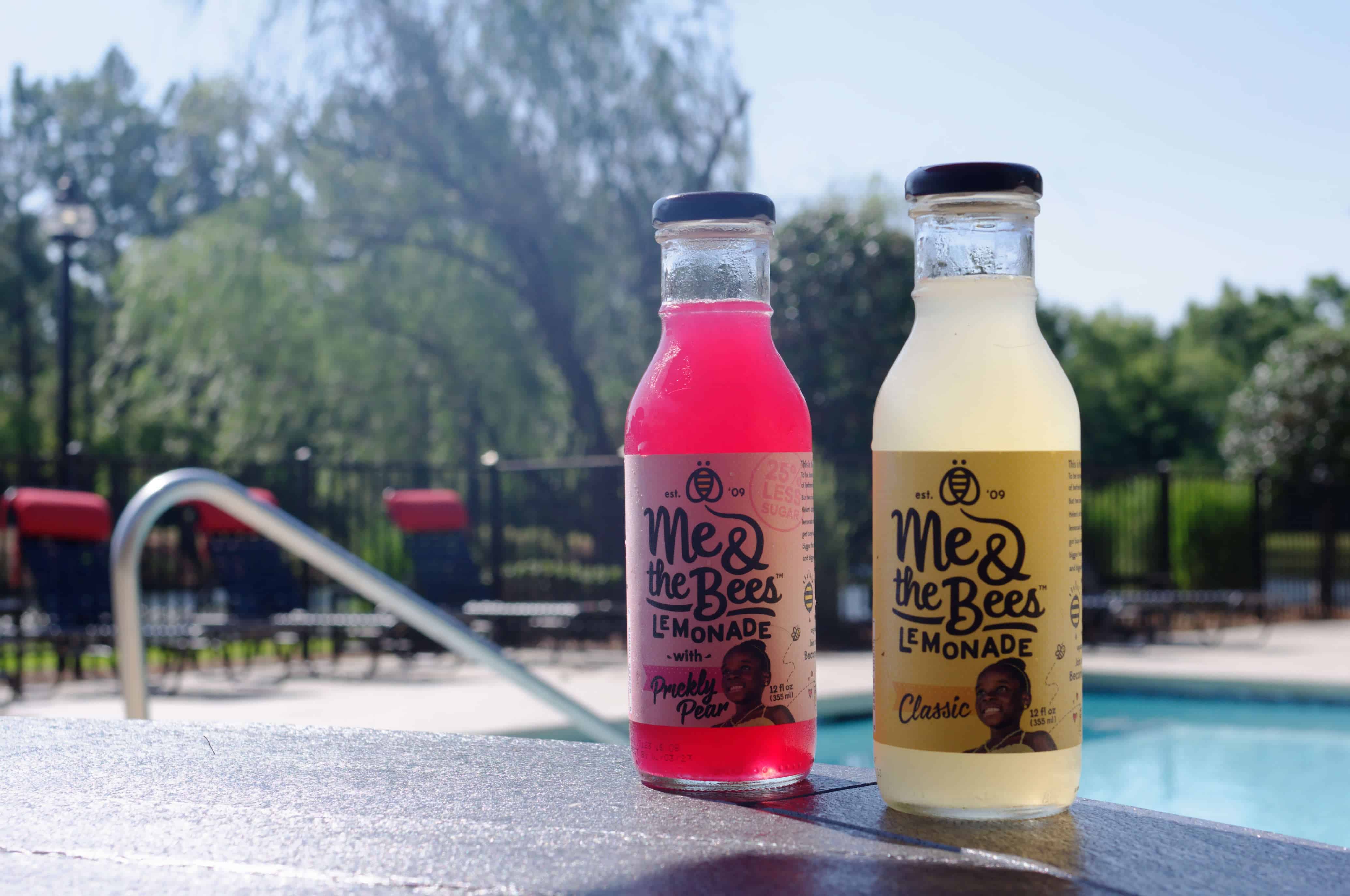
    Me & the bees lemonade

    The Forensic Profile

    • Product Type: Honey-Sweetened Botanical Lemonade
    • Key Ingredients: Water, Lemon Juice, Honey, Cane Sugar, Prickly Pear Cactus Fruit
    • Origin: Austin, Texas
    • Bio-Active Focus: Betalain antioxidants and enzymatic honey
    • MSRP: ~$3.49 per 12oz bottle (Premium Tier)
    • Affiliate Link: Try the Me & the Bees Collection Here

    1. Physical & Chemical Analysis (The Lab Standards)

    The Prickly Pear Protocol: Betalain Integrity

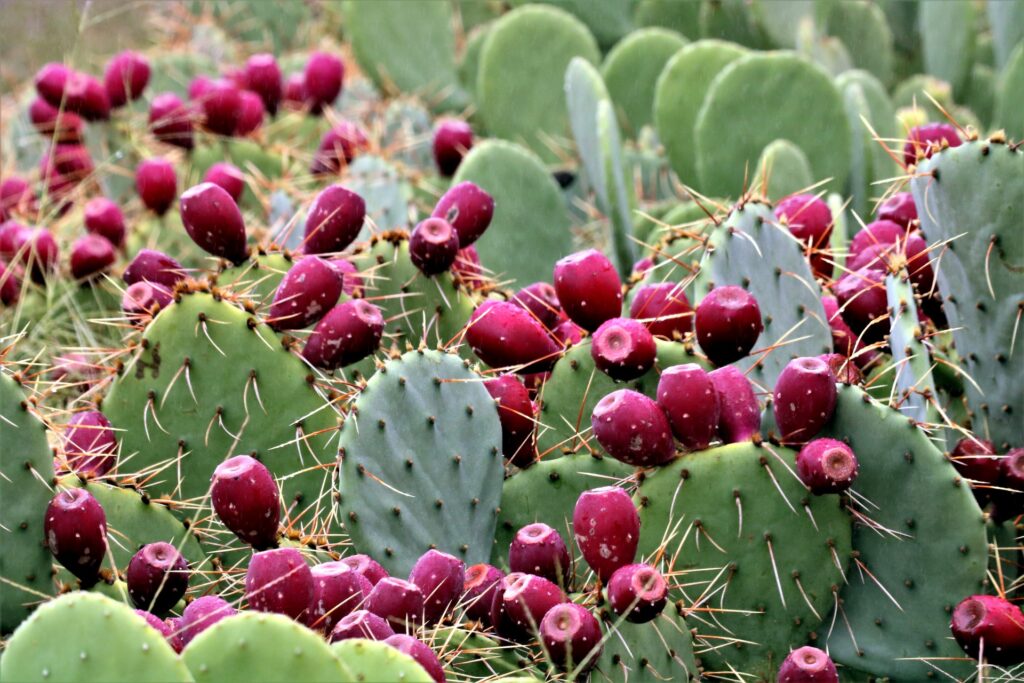
    The standout forensic marker of this drink is the inclusion of Prickly Pear (Opuntia). This cactus fruit is rich in betalains—powerful antioxidants that provide the beverage’s signature neon-pink hue without the need for chemicals.

    • Forensic Observation: Unlike commercial “pink lemonades” that use Red 40, the color here is an organic byproduct. Betalains are known for their anti-inflammatory properties, making this more of a “functional refreshment” than a standard soda.

    The Sweetener Synergy: Honey vs. Cane Sugar

    The original review noted that while this is a honey-based brand, the label lists both honey and cane sugar.

    • The Lab Verdict: The honey provides a rounded, floral finish that cuts the sharp acidity of the lemon. While the cane sugar adds to the total glycemic load, the presence of real honey ensures a more complex flavor profile than corn-syrup-based alternatives.

    2. Sensory Evaluation (Original Notes)

    • Color: Electric Magenta. It is visually striking and entirely natural.
    • Aroma: A sharp, tart citrus nose with an earthy, melon-like undertone from the prickly pear fruit.
    • Flavor Profile: It’s a multi-layered experience. You get the tartness of the lemon immediately, but it’s quickly smoothed out by the sweetness of the honey. The prickly pear adds a “tropical” note that reminds me of dragonfruit or kiwi.
    • Texture: Crisp and light. As noted in the original post, it has a “home-squeezed” mouthfeel with zero syrupy residue. It feels refreshing rather than heavy.

    3. The Origin Story: From Bee Stings to Bottles

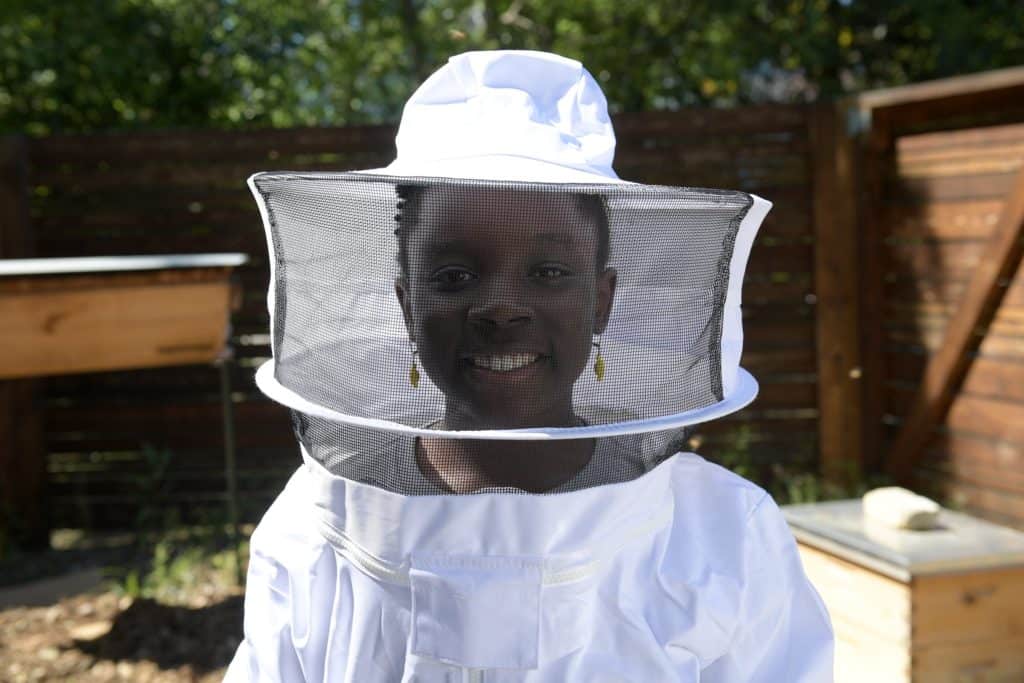
    One of the most compelling parts of this brand is how it started. At age four, Mikaila Ulmer was stung by two bees in one week. Instead of developing a phobia, she became fascinated by them. She used her Great-Granny Helen’s 1940s flaxseed lemonade recipe, added honey, and Me & the Bees was born.

    • The “Give Back” Protocol: From a forensic standpoint, this adds “Ethical Value.” A portion of every purchase goes to the Healthy Hive Foundation. You aren’t just buying a beverage; you are funding pollinator conservation.

    4. Price-to-Value Forensic

    ProductPricePrimary SweetenerColor Source
    Me & the Bees~$3.49Honey / Cane SugarCactus Fruit
    Hubert’s Lemonade~$2.50Cane SugarFruit/Veg Juice
    Store Brand Pink Lemonade~$1.50HFCSRed 40 (Synthetic)

    At $3.49, you are paying for a premium botanical inclusion and a social mission. It is a “luxury lemonade” for those who value ingredient integrity.


    The Quick Breakdown

    Forensic ProsForensic Cons
    Antioxidant Rich: Real prickly pear provides natural betalains.Sugar Content: 28g per bottle; treat it as a treat, not a water replacement.
    No Synthetic Dyes: The color is 100% botanical.Price: Higher entry point than mass-market brands.
    Social Mission: Directly supports bee conservation.Honey Blend: Contains cane sugar to achieve its sweetness profile.

    The Verdict

    Buy this if: You want a visually stunning, artisan lemonade with real botanical benefits and you enjoy supporting businesses with a strong environmental mission.

    Skip this if: You are on a strict low-sugar/Keto protocol or are looking for a drink sweetened exclusively with raw honey.


    Forensic “Pro-Tip” for 2026

    Mix 4oz of Me & the Bees with sparkling mineral water and a sprig of fresh mint. This “Desert Mocktail” lowers the sugar-per-sip while maintaining the functional benefits of the prickly pear and honey.


    Review Summary

    Me & the Bees Lemonade | Prickly Pear

    The Honey Review

    Me & the Bees Lemonade Prickly Pear Review/Analysis
    Glycemic Integrity
    Energy Efficacy
    Mineral Profile
    Purity (Clean Label)
    Palatability

    Review Summary

    The Me & the Bees Prickly Pear Lemonade is a high-integrity botanical refreshment that successfully modernizes a 1940s family recipe with desert-born superfoods. From a forensic perspective, the inclusion of Prickly Pear (Opuntia) is the standout marker, as it provides a dense profile of betalain antioxidants which give the drink its vibrant, electric-magenta hue without the need for synthetic dyes like Red 40.

    While the glycemic protocol utilizes a blend of honey and cane sugar, the honey acts as a vital enzymatic bridge that rounds out the sharp acidity of the lemon. This results in a complex, “three-stage” flavor profile—tart citrus, tropical melon, and a floral honey finish—that offers far more bio-botanical value than mass-market lemonades, all while supporting a high-impact social mission for pollinator conservation.

    3.9