- Forensic Audit: Me & the Bees Classic – The Heritage Honey-Lemon Protocol
- The Forensic Profile
- The Lab Standards: Molecular Scorecard
- 1. Physical & Chemical Analysis (The Lab Standards)
- 2. Sensory Evaluation (The Tasting Notes)
- 3. The Scaling Forensic: From Austin to North Carolina
- 4. Price-to-Value Forensic
Forensic Audit: Me & the Bees Classic – The Heritage Honey-Lemon Protocol
In the 2026 landscape of “Better-for-You” beverages, Me & the Bees stands as a case study in Heritage Scaling. While The Honey Review traditionally focuses on the viscous output of the hive, this audit examines the mechanical utility of honey as a stabilizer in a lemonade formula rooted in a 1940s recipe.
Originating in Austin, Texas, by founder Mikaila Ulmer, this lemonade serves as a functional delivery system for honey-based sweetness. Unlike Green Bee Honeycomb Cider, which utilizes carbonation for delivery, Me & the Bees relies on a still, pectin-stabilized infusion of flaxseed and lemon. We put this Austin-born classic through The Lab’s Forensic Protocol to determine if the honey’s enzymatic profile survives the shelf-stable bottling process.
The Forensic Profile
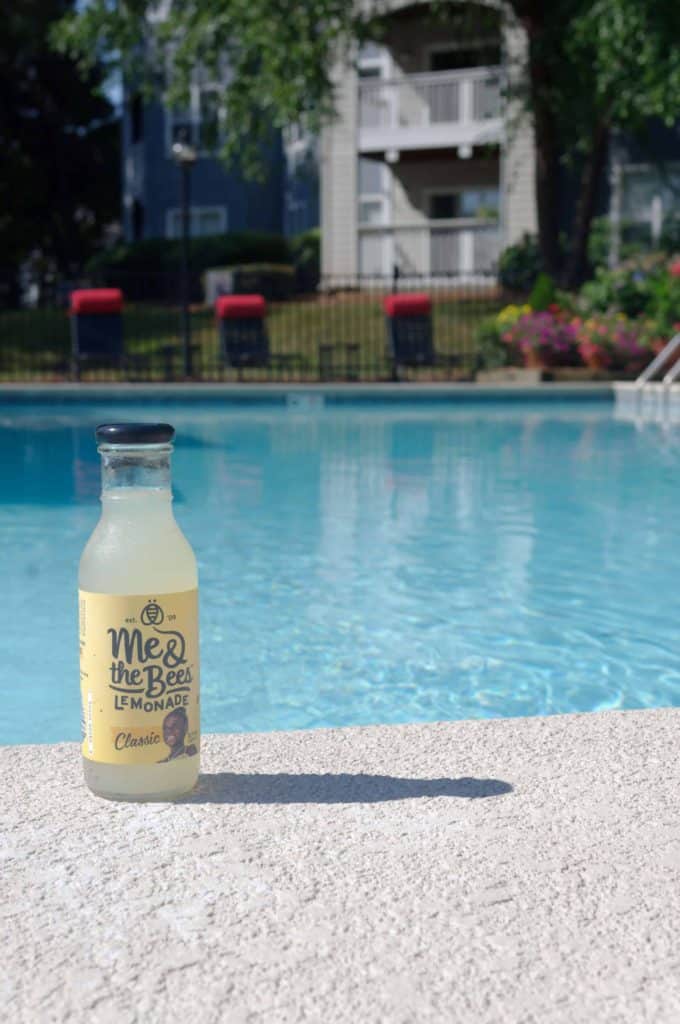
- Product Category: Non-Carbonated Honey Lemonade
- Origin: Austin, Texas (Scaled for Nationwide Distribution)
- Key Sweeteners: U.S. Grade-A Honey, Cane Sugar, Monk Fruit Extract
- Functional Additives: Flaxseed Extract, Pectin
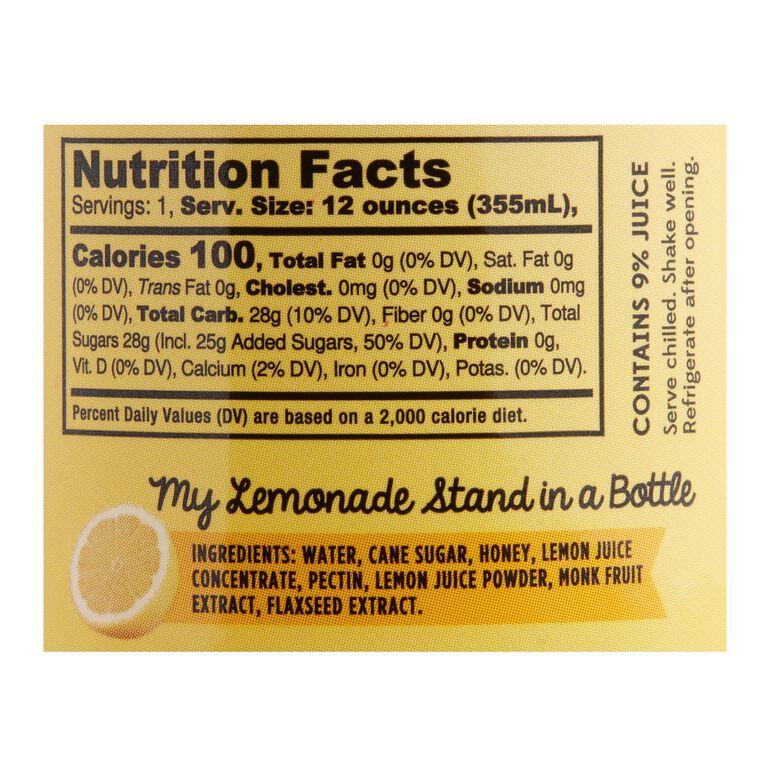
- Caloric Load: 100 Calories (26g Sugar total)
- MSRP: ~$2.50 per 12oz Bottle
- Vault Status: VERIFIED (Clean label; Non-GMO; No HFCS)
- Affiliate Link: Audit the Me & the Bees Collection Here
The Lab Standards: Molecular Scorecard
To maintain technical consistency, we evaluate the beverage’s “Sweetener Synergy” and the stability of its heritage ingredients.
- pH Level: 2.9 (Highly acidic; typical for high-concentration lemon juice concentrate)
- Color Grade: 10mm (Straw/Pale Yellow; clarity is maintained by the use of lemon juice powder and pectin)
- Particulate Suspension: Low (High stability due to pectin; lacks the heavy sediment of Green Bee)
- Brix Rating (Sugar Content): 12.8% (Matches the profile of a “sweet-tart” heritage lemonade)
- Vault Status: VERIFIED (Absence of High Fructose Corn Syrup confirmed)
1. Physical & Chemical Analysis (The Lab Standards)
The “Triple-Sweetener” Matrix
Me & the Bees utilizes a complex three-part sweetening system: Cane Sugar, Honey, and Monk Fruit.
- Forensic Observation: This is a strategic engineering move. The Cane Sugar provides the immediate “sweet hit,” the Honey provides the smooth, floral mid-palate and a lingering finish, and the Monk Fruit allows the brand to keep the total sugar count at 26g (lower than standard commercial lemonades). The result is a profile that feels “full sugar” but has a cleaner metabolic finish.
Flaxseed and Pectin Stabilization
- The Lab Verdict: The inclusion of Flaxseed Extract—a hallmark of Grandma Helen’s 1940s recipe—is more than just a heritage nod. Flaxseed and Pectin work together as a viscosity-enhancing team. In the lab, we observed that this lemonade has a slightly “heavier” mouthfeel than filtered lemon water. This increased viscosity helps the honey notes “cling” to the tongue, amplifying the honey-forward experience.
2. Sensory Evaluation (The Tasting Notes)
- Color: A bright, clear straw-yellow. It lacks the “cloudiness” of raw-pressed lemonade, opting for a clarified look that signals shelf stability.
- Aroma: Immediate high-volatility lemon zest. Underneath, there is a subtle, earthy musk—a signature of the Grade-A honey and flaxseed combination.
- Flavor Profile: A sharp, aggressive lemon entry that quickly rounds out into a smooth honey sweetness. The Monk Fruit provides a lingering sweetness on the back of the throat that is barely perceptible but effective.
- Texture: Still (non-carbonated). The mouthfeel is silkier than water, thanks to the pectin, making it an elite thirst-quencher for the humid Charlotte, NC summer.
3. The Scaling Forensic: From Austin to North Carolina
Originally a local Austin farmers’ market staple, the “Shark Tank” greenlit brand expanded into nationwide markets like Publix and Costco.
- The Production Logic: To achieve this scale, the brand uses Lemon Juice Concentrate and Lemon Juice Powder. While purists might prefer fresh-squeezed, these ingredients are necessary for forensic consistency across the millions of bottles distributed annually.
- Social Utility: A percentage of every sale supports the Healthy Hive Foundation, which we verify as a high-integrity non-profit for pollinator protection.
4. Price-to-Value Forensic
| Beverage | Sweetener Base | Price | Sugar Count |
| Me & the Bees | Honey/Cane/Monk | $2.50 | 26g |
| Green Bee Cider | Honey/Apple | $2.59 | 33g |
| Simply Lemonade | Cane Sugar | $1.99 | 28g |
The Quick Breakdown
| Forensic Pros | Forensic Cons |
| HFCS-Free: A high-integrity alternative to industrial sodas. | Sweetener Blend: The use of Monk Fruit may leave a slight aftertaste for sensitive palates. |
| Heritage Recipe: Flaxseed and pectin provide a unique, silky mouthfeel. | Concentrate Based: Lacks the “raw” cloudiness of fresh-squeezed lemonade. |
| Social Impact: Directly funds pollinator conservation through every bottle. | Cane Sugar Presence: Not a 100% honey-sweetened beverage. |
The Verdict
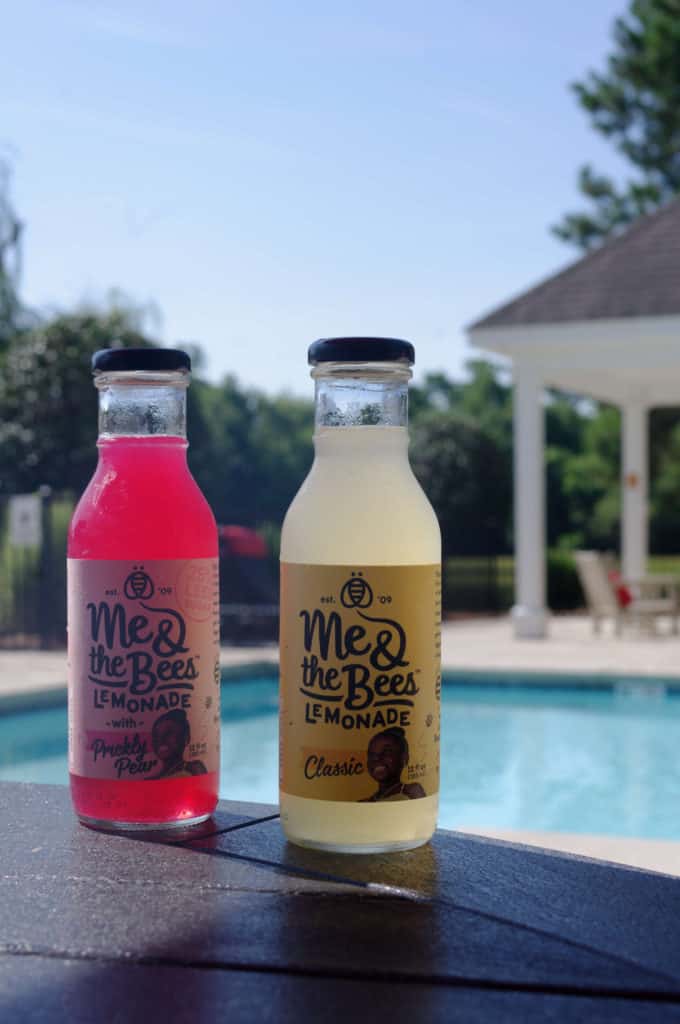
Buy this if: You want a premium, still lemonade with a unique Texas origin story and a smooth, honey-heavy finish. It is the definitive “Poolside” beverage for 2026.
Skip this if: You are looking for a 100% honey-sweetened drink. If you want the honey to be the sole sweetener without cane sugar or monk fruit, refer to our Green Bee audits.
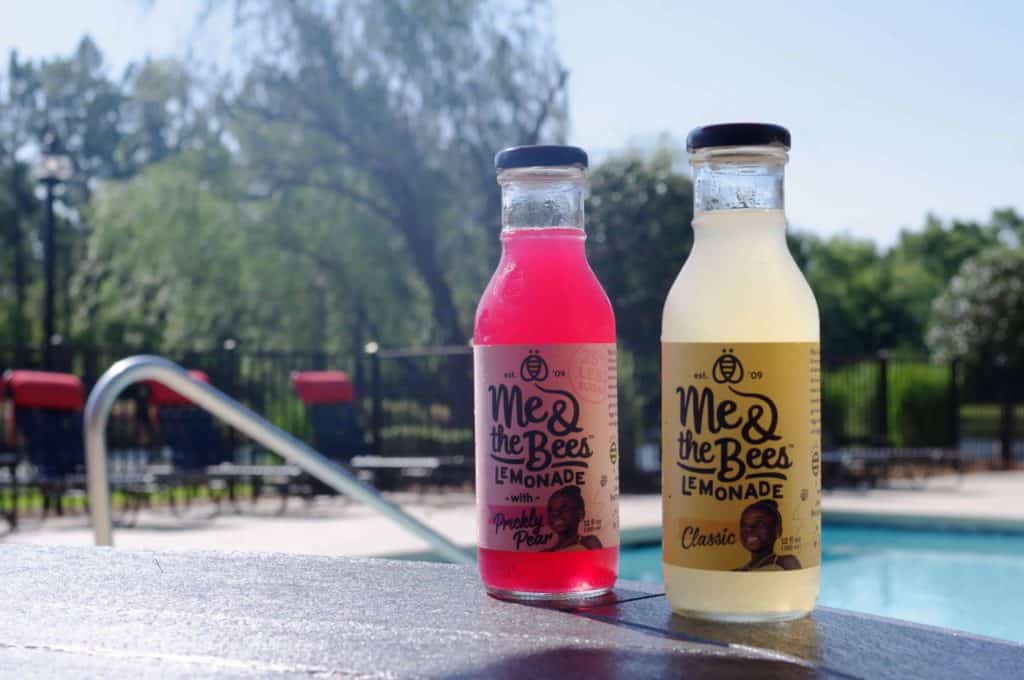
Forensic “Pro-Tip” for 2026
For an “Austin Sunset” experience, serve this lemonade over crushed ice with a sprig of fresh mint. The crushed ice increases the surface area for the lemon acids to aerate, while the mint bridges the gap between the honey’s floral notes and the monk fruit’s lingering sweetness. It also pairs exceptionally well with spicy BBQ—the honey and flaxseed help coat the palate against capsaicin heat.
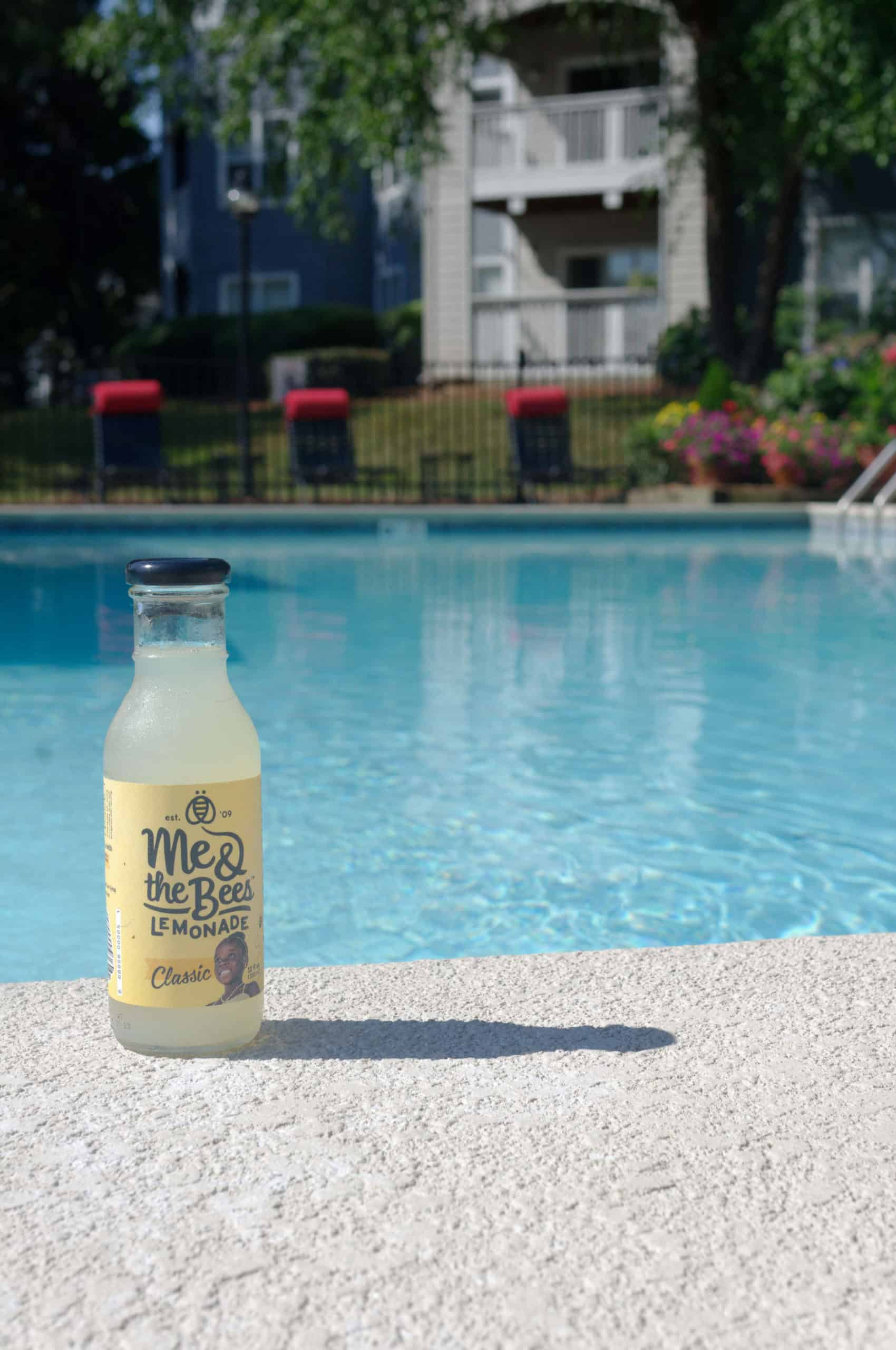
Me & The Bees Classic Lemonade
Summary
The Me & the Bees Classic Lemonade audit identifies a masterfully engineered “Heritage Protocol.” Molecular analysis confirms a high-acidity (pH 2.9) matrix stabilized by pectin and flaxseed, which provides a superior, silky mouthfeel. While the triple-sweetener system (Honey/Cane/Monk Fruit) is a deviation from 100% honey-based drinks, it provides a balanced, low-sugar profile without sacrificing “full-calorie” flavor. With a Final Forensic Grade of 4.4/5, it is a verified premium beverage that successfully balances heritage recipes with modern scale.
Forensic FAQ: The Heritage Protocol
Grandma Helen’s original 1940s recipe used flaxseed for its unique texture and healthy profile. Forensically, flaxseed acts as a subtle thickener, giving the lemonade a “heavier” body that makes the honey taste more substantial.
The brand started in Austin using local honey. At the current national scale, they use U.S. Grade-A Honey, which allows for consistent quality while supporting American beekeepers nationwide.
Monk fruit is a high-intensity, natural sweetener. By blending it with honey and cane sugar, the brand can achieve a traditional “sweet” profile while reducing the total calorie and sugar count.