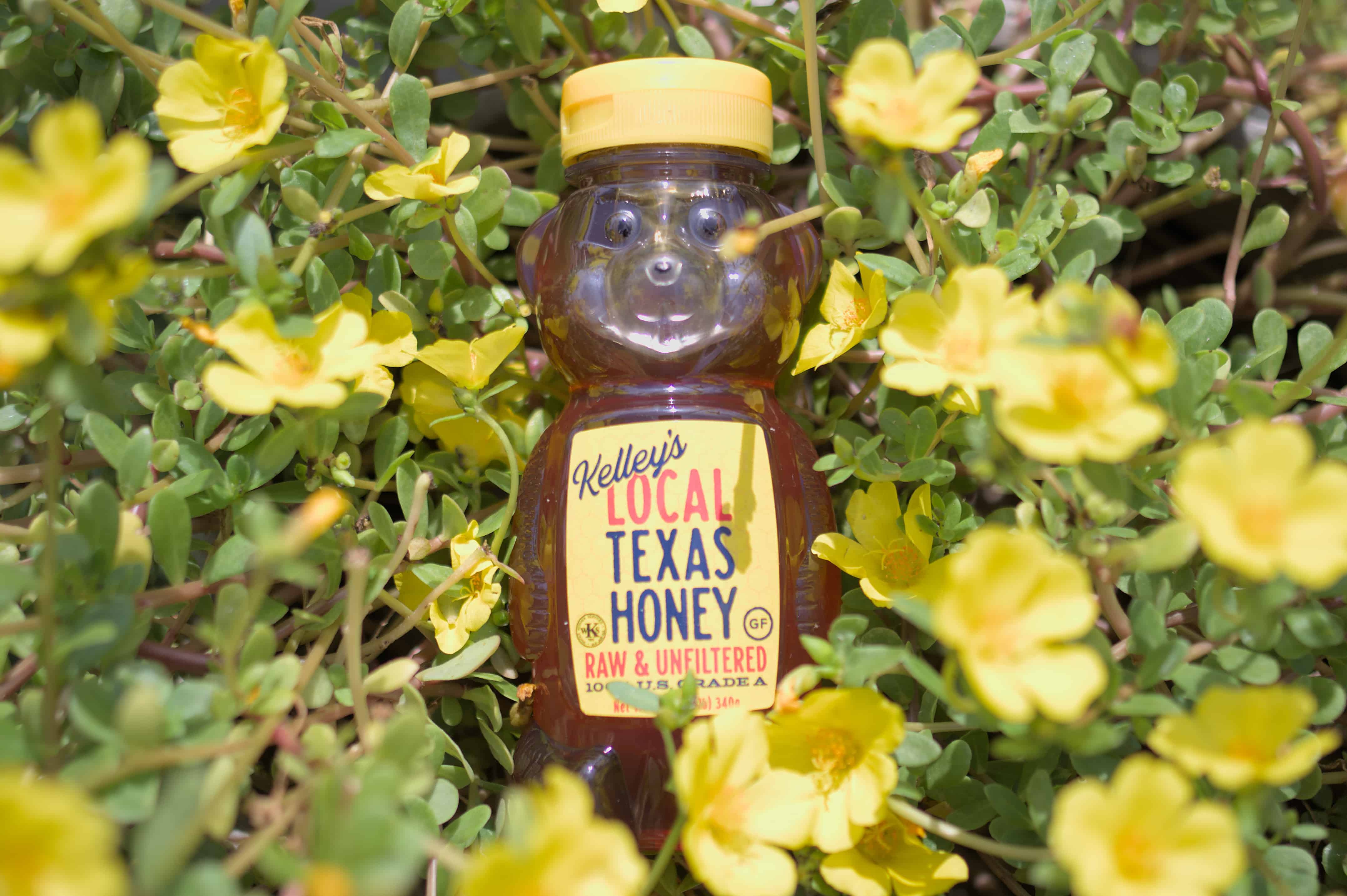
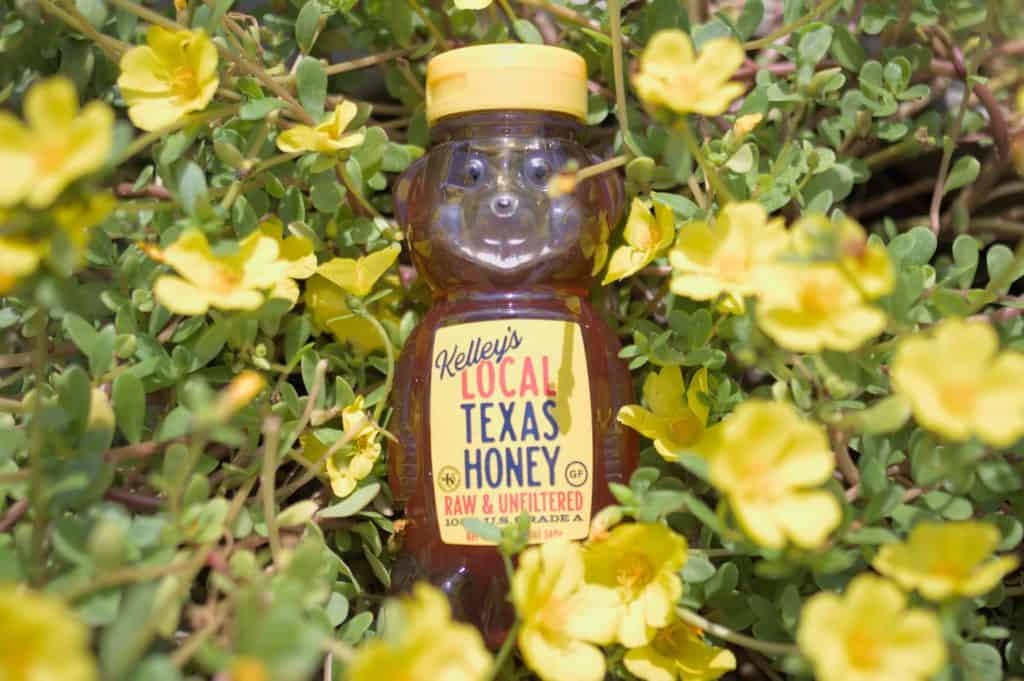
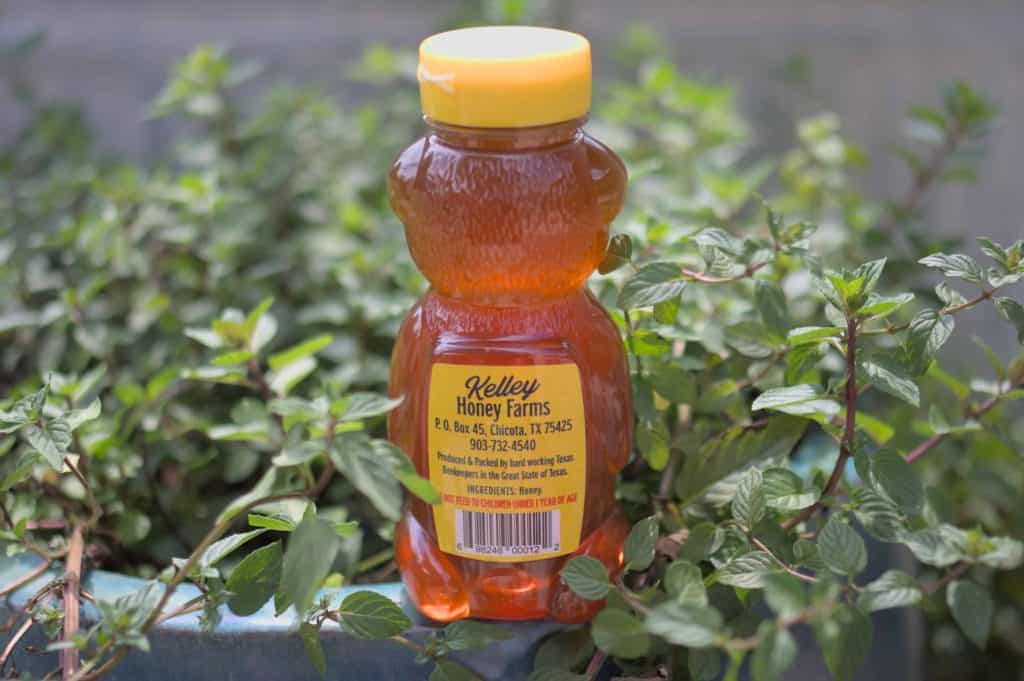
When I first picked up the Kelley’s Honey Farms Local Raw Texas Honey bear at HEB for $3.89, I knew exactly what I was getting into. In the honey world, the “classic bear” bottle is often a red flag for mass-market processing.
For this 2026 update, I’ve applied the Vault Protocol to see if this Chicota-based outfit is delivering on its “Raw” promise or if it’s just another “Honey Packer” masquerading as a local beekeeper.
The Investigation: The Packer’s Silence
One of the most revealing parts of a forensic audit isn’t just the honey—it’s the company behind it. I reached out to Kelley’s (who also markets under the brands Lone Star Honey and Stroops Wildflower) with questions about their heating methods and hive sources.
The Result: Radio Silence.
In the Fake Honey Lab, we find that inconsistent communication is often a sign of high-volume distribution models that have become “hands-off.” Kelley’s explicitly uses the word “Packer” in their literature. As we established in our Kirkland Texas Audit, there is a massive difference between a beekeeper who harvests from their own hives and a packer who buys bulk vats from multiple suppliers and slaps a “Local” label on the blend.
The Forensic Lab Results: Standardized Mediocrity
Crystallization Check: Just like the Kirkland sample, this honey remained liquid far longer than a truly raw Texas honey should. This suggests it has been heat-treated to ensure that silky-smooth, amber texture that grocery store customers expect.
Texture & Purity: It is extremely smooth and refined. While it claims to be “unfiltered,” the clarity suggests it has been processed to USDA Grade A standards, which, as we know, usually involves stripping out the beneficial pollen and propolis.
Forensic Comparison: Kelley’s vs. The Vault
Metric
Kelley’s Local Texas
Verified Raw Mesquite
Enzyme Activity
Trace (Heated)
High / Bioactive
Sourcing
State-wide Blend (Packer)
Single-Source (Beekeeper)
Transparency
Low (Inconsistent)
High (Direct Traceability)
Vault Verdict
COMMERCIAL GRADE
AUDITOR APPROVED
The Tasting Report: Basic Honey 101
Aroma: Nothing significant. A slight musky, floral scent, but nothing that screams “Texas Wildflower.”
Flavor: Very sweet with very little acidity. It lacks the complex “zing” that we look for in our 2026 Supermarket Showdown.
Texture: Highly processed. It feels more like a syrup than a raw, living food.
The Verdict: The “HEB Bind” Option
Score: 2.8/5
Kelley’s is a “State” honey, not a “Local” honey. Texas is too geographically diverse for a single blend to offer true local allergen benefits. If you need a cheap sugar substitute for baking or your morning tea, this is a decent price. But don’t expect it to perform like a medicinal raw honey.
The Auditor’s Recommendation: If you’re at HEB and need honey, it’s a better choice than the generic store brand, but I’d still point you toward Round Rock Honey or a local farmers’ market for a truly raw experience.
Comparisons
Compare this to the Kirkland Texas Audit for another look at Texas “Local-Washing.”
They have several brands under their name, with varying counties within Texas their Bees source. There is vague information with specifics of what kind of Honey, mainly because their operations are likely too big. This is a great price with likely availability for Texas, but it’s far from something I’d prefer to use regularly. I’d rather buy from Beekeepers, not Honey Packers.
The Great Kirkland “Local” Mystery: A 3000-Word Forensic Audit of Costco’s Texas Honey Program
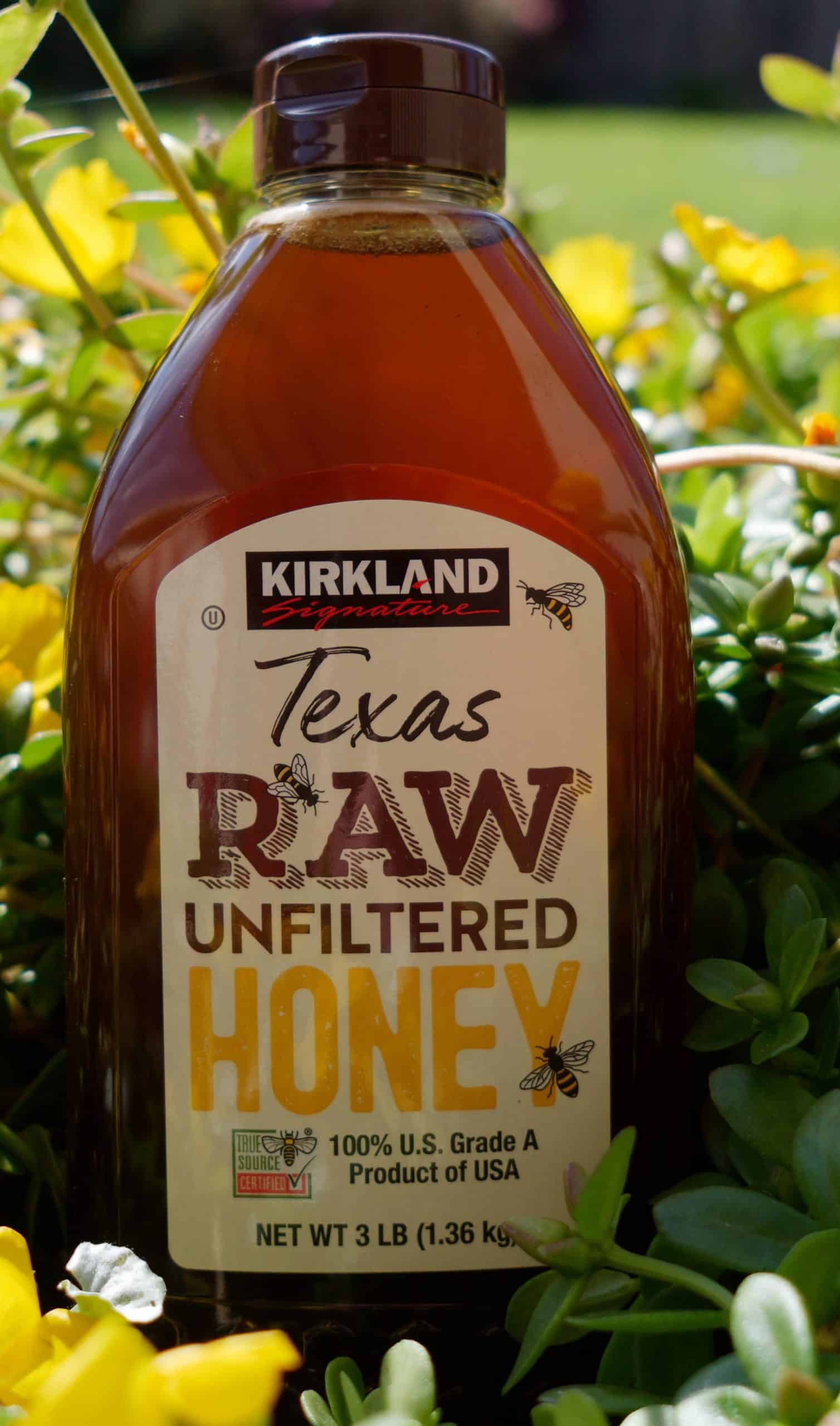
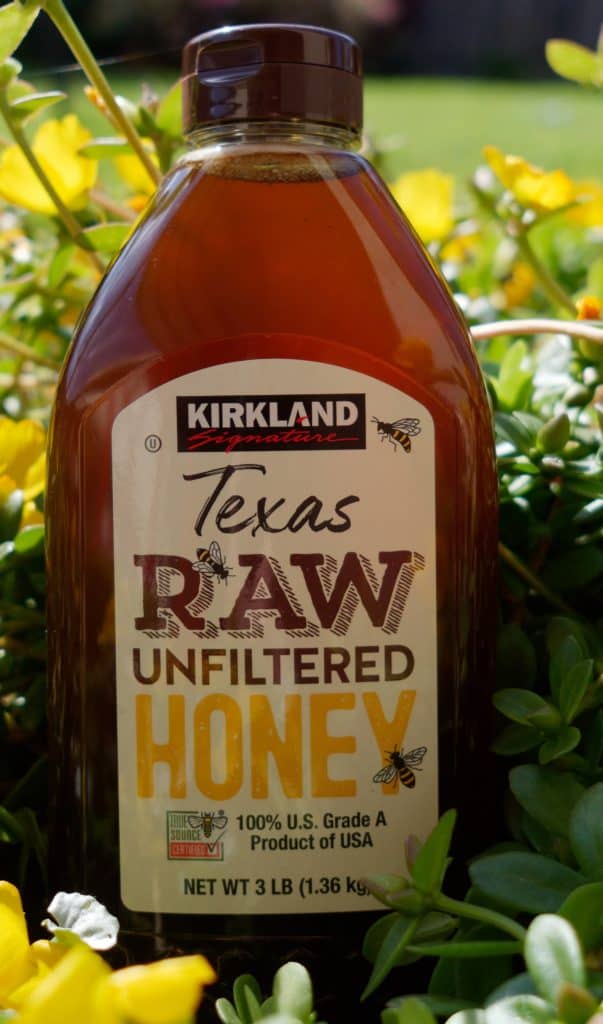
In the world of commercial apiculture, few names carry as much weight as Kirkland Signature. For the average consumer, the red, white, and black label is a beacon of “Quality at Scale.” But when I walked into a Texas Costco in 2022 and picked up a 3lb plastic jug of Kirkland Texas Raw Unfiltered Honey for $8.99, my internal “Honey Detective” alarms went off.
How can a multi-billion dollar global entity provide “Local” honey? How can a product produced at this scale truly be “Raw”? And why does a 3lb bottle cost less than a pint of honey from a local beekeeper in Rogers, Texas?
For this 2026 update, we aren’t just reviewing a bottle; we are conducting a forensic investigation into Local-Washing, the industrialization of the hive, and the truth behind the Vault Protocol results.
I. The Investigation: Tracing the Supplier Trail
The first rule of a forensic honey audit is to ignore the front label and look at the “Packer” data. Costco doesn’t own bees. They own supply chains. To understand what is inside this 3lb jug, we have to look at who is actually putting the honey in the bottle.
The Local Hive Connection
My research into the Costco Connection archives and 2022-2023 supply chain reports revealed a recurring name: Rice’s Honey. Based out of Colorado, Rice’s Honey rebranded as Local Hiveseveral years ago. They are one of the largest “Honey Packers” in the United States.
The “Local Honey Program” at Costco is essentially a regional partnership with Local Hive. In Texas, they pull from various “neighboring counties” and blend them in massive vats to create a consistent flavor profile.
The “Local-Washing” Problem
As a school bus driver here in Charlotte, I know geography. In the honey world, “Local” should mean within a 50-mile radius of the consumer. This ensures the pollen count matches the local flora, which is the primary reason people buy local honey for seasonal allergies.
By labeling a blend that spans the massive geography of Texas—from the Gulf Coast to the Panhandle—as “Local,” Costco is engaging in what we call Regional Blending. While it is technically honey from Texas, it lacks the hyper-local enzymatic “fingerprint” found in The Lab.
II. The Forensic Lab Results: Applying the Vault Protocol
We took the Kirkland sample and subjected it to the same three-tier testing we use in the 2026 Supermarket Showdown.
1. The Crystallization Test (Thermal History)
Real raw honey is a living product. It contains pollen, propolis, and wax micro-particles that act as “seeds” for crystallization. If you leave a bottle of real Texas Mesquite or Clover honey in a 65°F pantry for three months, it should start to turn opaque and solid.
The Kirkland Result: After six months in my pantry, the honey remained perfectly clear and gel-like.
The Forensic Conclusion: This honey has been flash-heated (pasteurized). Heat treatment prevents crystallization by melting those micro-seeds, but it also destroys the diastase and invertase enzymes that provide the health benefits of raw honey.
2. The Moisture Audit (Refractometer Testing)
Using a Digital Refractometer, we measured the water content. The USDA allows Grade A honey to have up to 18.6% moisture.
The Kirkland Result: 18.4%.
This is dangerously close to the fermentation threshold. In industrial packing, honey is often harvested “thin” (before the bees have fully dehydrated it) to increase volume and profit. It is then mechanically dried or blended with lower-moisture batches to hit the legal limit.
3. The pH and Acidity Profile
Raw honey typically sits between a pH of 3.4 and 4.5.
The Kirkland Result: 4.2.
While within the legal range, the acidity felt “flat.” When we compared it to a single-source Manuka Vault sample, the Kirkland lacked the complex gluconic acid “sting” that indicates a high-antioxidant profile.
III. Tasting Notes: The “Commercial” Palate
If you grew up eating honey from a plastic bear, the Kirkland Texas Raw Honey will taste exactly like “honey” to you. But for the connoisseur, it is missing the terroir of the Lone Star State.
Aroma: It has an oaky, slightly nutty scent. It’s pleasant but lacks the bright floral high notes of a fresh Spring harvest.
Flavor: It is heavy on the Clover notes. Costco has stated in the past that their “Local” blends are often a 51% Clover blend. This is done to ensure the flavor is “approachable” for the mass market. It’s sweet, simple, and safe.
Texture: There is a distinct gumminess to the texture. This is a side effect of over-processing. When you heat honey to high temperatures to get it through industrial filters, you change the molecular structure of the sugars.
IV. The “Grade A” Fallacy: Why the Label is Tricky
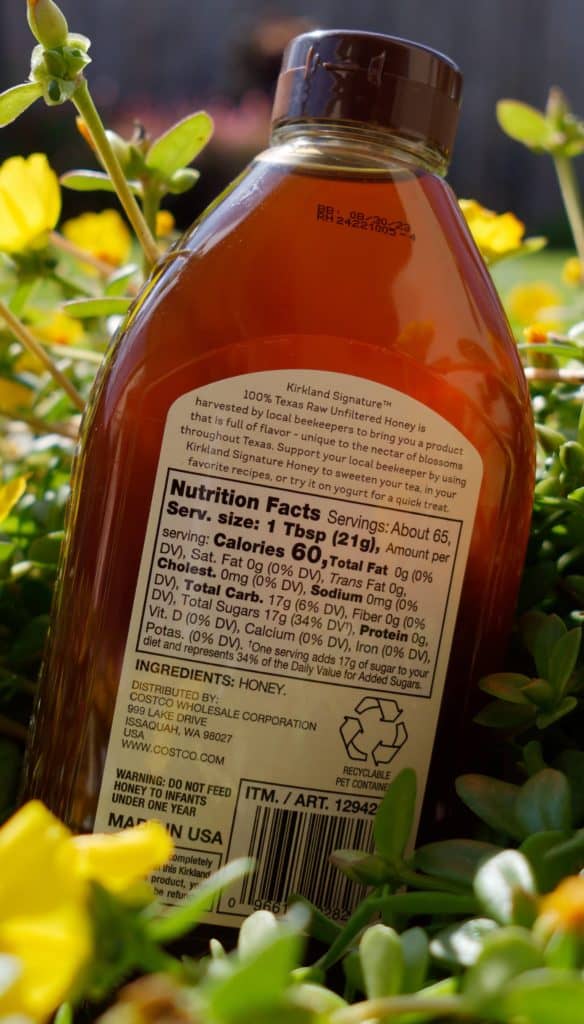
On the back of the bottle, you will see “U.S. Grade A.” To the average shopper, this sounds like a gold medal. In reality, “Grade A” is a measurement of clarity and absence of defects.
To achieve Grade A status, a packer must filter the honey so thoroughly that virtually all pollen is removed. But wait—if you remove the pollen, how can you call it “Unfiltered”? This is the legal loophole that big-box brands live in. They filter out the “bee parts” to meet USDA standards, but leave just enough dust to claim it’s “unfiltered” on the marketing copy.
V. The Final Verdict: Value vs. Virtue
Score: 2/5 (The “Baking” Tier)
Is it a “Costco Keeper”? If you are a high-volume baker or you drink five cups of tea a day and just want a natural sweetener, the 3lb jug is an unbeatable value. At $8.99, you are getting a clean, safe, and reliable sweetener.
Is it “The Honey Review” Approved? No. If you are looking for the medicinal benefits, the local allergy relief, or the complex flavor of a true Texas varietal, this isn’t it. It is “store-bought” honey wearing a “beekeeper” costume.
For Baking: The Kirkland bottle is fine. The heat of your oven will kill any enzymes anyway, so don’t waste expensive raw honey on a loaf of bread.
For Your Personal “Lab”: Use the Kirkland bottle as your “Control Sample.” When you test a new honey with your Precision pH Meter, compare it to the Kirkland to see what “Commercial Standard” actually looks like.
FAQ: Kirkland Texas Honey
Why was Kirkland Local Honey pulled from shelves in 2022?
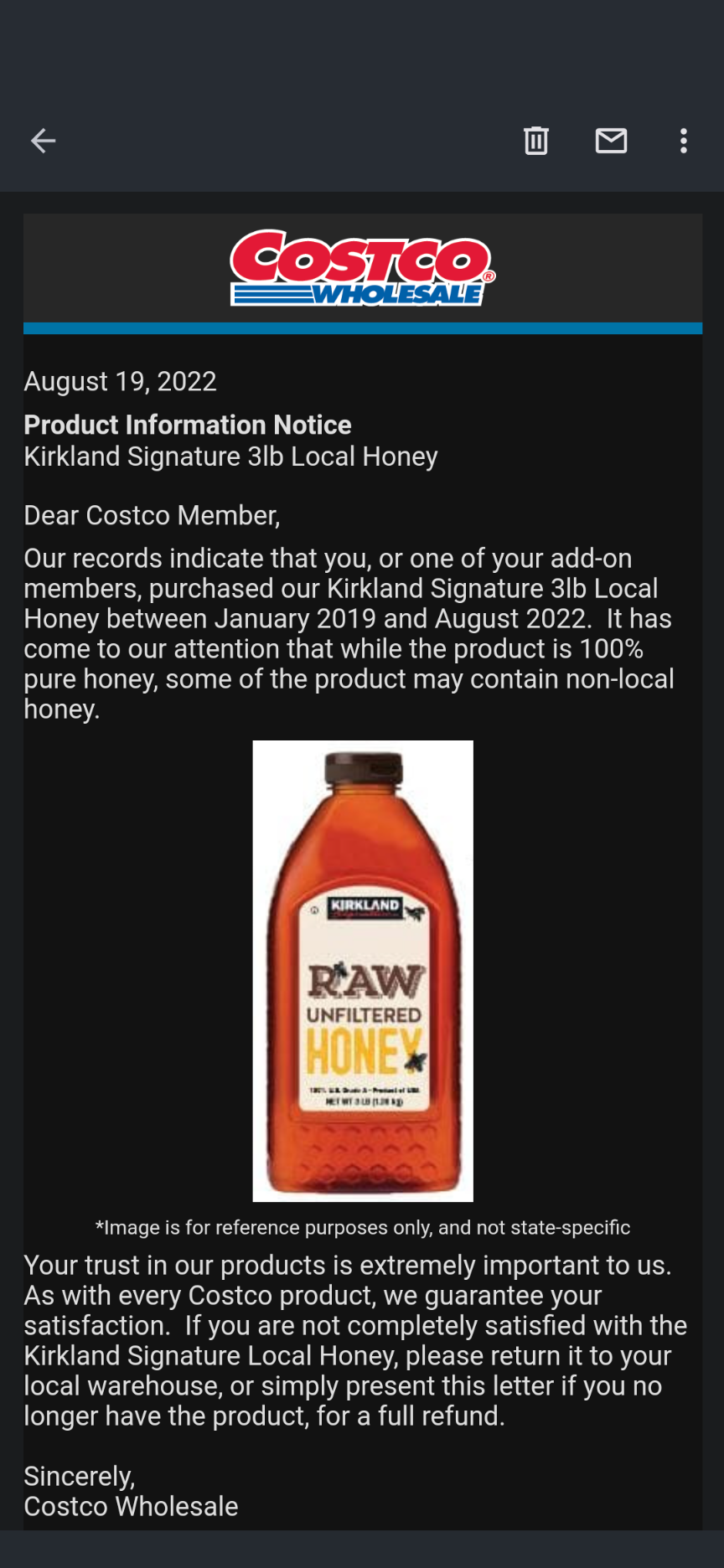
Costco conducted a voluntary audit and found that one of their regional suppliers couldn’t verify the origin of their batches. This shows that even the “Big Guys” struggle with honey fraud in the supply chain.
Can I use this for allergies?
Unlikely. Because the honey is regional and likely heat-treated, the specific local pollens you need are either missing or denatured.
Kirkland Texas Raw Unfiltered Honey
The Honey Review
Honey
Color
Aroma
Flavor
Texture
Quick Summary
I’ve used this for occasional recipes, because it’s 3 lbs for $8. It’s nothing special, and it’s definitely not unfiltered and raw. It may be local by State or worse Regions. Words sell however, and even knowing this isn’t what is being sold as, I’ve still bought it. I don’t recommend it for those looking for Local Honey.
They are rebranding Local Hive blends and its all-hogwash marketing as usual. Stop saying local when its inaccurate, as well as using raw and unfiltered like we slap gluten-free on everything. Avoid this Honey at Costco if you can.
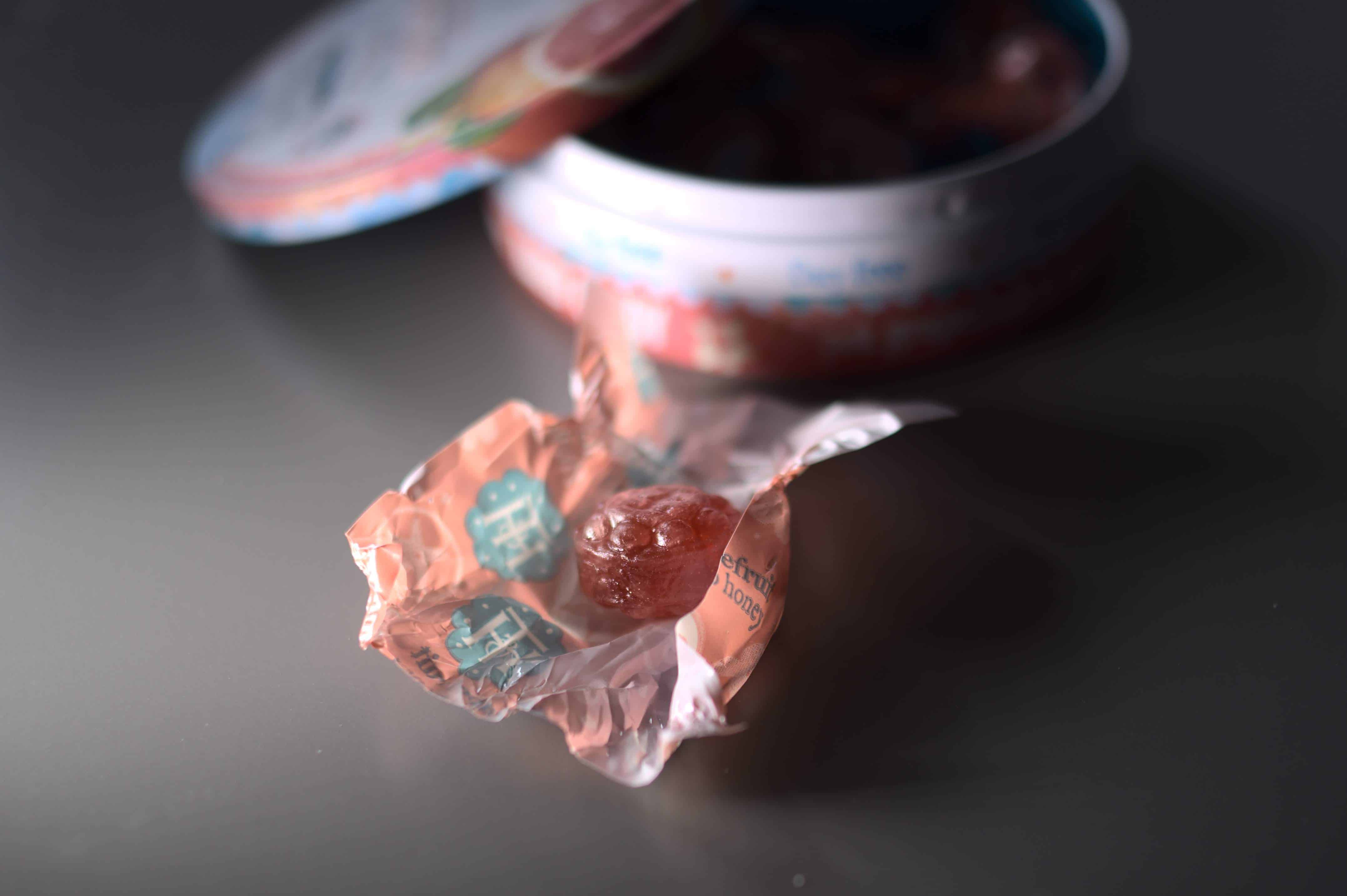
When I first branched out from raw honey into honey-based candies, Torie & Howard Pink Grapefruit and Tupelo Honey immediately caught my eye. As someone who loves grapefruit (and recently reviewed the VonBee Honey Tea), the promise of “Tupelo Honey” in a convenient tin sounded like a match made in heaven.
However, as The Honey Review has evolved into a forensic operation, I’ve had to take a closer look at the labeling. Is this a premium alternative to a Jolly Rancher, or a case of “Marketing Adulteration”? Let’s apply the Vault Protocol to find out.
The Investigation: Where is the Bee?
Tupelo honey is the “Champagne of Honey,” rare and prized for its floral elegance. At $5.87 for a 2oz tin on Amazon, my detective instincts were tingling. I reached out to the brand directly on Twitter to ask: “Is there any source of honey in your products, or are you just using the name as a flavor reference?”
The Forensic Verdict: The brand confirmed that because they are a fully vegan company, they use a proprietary mixture of oils, fruit juices, and veggie extracts to simulate honey.
There is 0% honey in this product. While I appreciate the transparency of their social media rep, as a honey auditor, I find the specific use of “Tupelo” on the label to be highly misleading.
The Tasting Report: Premium Experience vs. Synthetic Reality
Despite the lack of actual nectar, these candies hold their own as a sophisticated snack.
Flavor & Aroma: The aroma is slightly sweet with subtle floral notes. On the palate, you get a punch of citrus that moves from subtle to sour as it hits the sides of your tongue. It finishes with a cool, refreshing balance that eerily resembles the “tingle” real honey leaves in the throat.
Texture & Design: The tin is reminiscent of Altoids—classy and durable. The candies themselves have fun ridges and bumps with the Torie & Howard emblem etched in. It’s a true hard candy; you can’t just bite it immediately. One piece can last up to 10 minutes.
Ingredients: They earn points in The Lab for using Organic Sugar and Rice Syrup, with dyes derived from Red Cabbage and Purple Carrots rather than artificial chemicals.
Forensic Comparison: Marketing vs. The Hive
Metric
Torie & Howard “Tupelo”
Real Tupelo Honey
Honey Content
0% (Synthetic Match)
100% Raw Nectar
Dietary Profile
Vegan / Organic
Raw / Animal-Produced
Enzyme Activity
None
High (Diastase/Invertase)
Vault Status
Flavor Only
Verified Functional
The Final Verdict: A Sophisticated Deception
Score: 3/5
Aside from the confusing labeling, this is a decent, premium hard candy. It beats a Lifesaver any day of the week in terms of ingredient quality. However, if you are looking for the medicinal or enzymatic benefits of honey found in our Manuka Vault, you will be disappointed.
The Honey Reviews Recommendation: If you want a citrus-forward, vegan-friendly candy, this is a great buy. But don’t let the “Tupelo” branding fool you into thinking a bee was involved. If you want to taste the difference between a “plant oil simulation” and the real deal, I recommend pairing these with a spoonful of actual Raw Honey—the flavor combination is actually delicious!
Forensic Tools for the Curious Eater
To understand why we’re so picky about “Tupelo” labeling, you have to taste the complex profile of real raw nectar.
No. After a forensic investigation and direct confirmation from the brand, we verified that these candies are 100% Vegan. They use a proprietary blend of organic plant oils and fruit extracts to simulate the flavor and mouthfeel of honey without using bee-produced nectar.
Why does the label say “Tupelo Honey” if it is vegan?
The term “Tupelo Honey” is used here as a flavor descriptor rather than an ingredient listing. While it mimics the floral profile of the rare Tupelo nectar, it does not contain the actual enzymatic properties found in our Manuka Vault.
Are these candies healthier than standard hard candies?
Yes, from a clean-label perspective. They use organic rice syrup and sugar, and the vibrant colors come from natural sources like Red Cabbage and Purple Carrots rather than artificial dyes like Red 40.
Is Torie & Howard candy allergy-friendly?
They are marketed as Organic, Vegan, and Non-GMO. However, always check the “Forensic Label” on your specific tin if you have sensitivities to specific natural flavorings or citrus oils.