
Blog

  • Designer Honey Risks Health and Beekeepers’ Incomes

    Designer Honey Risks Health and Beekeepers’ Incomes


    Designer Honey in Supermarkets Risks Health and Beekeepers’ Incomes

    Howdy y’all! Today, we’re diving into a sticky situation that’s been buzzing around the honey world. We’re talking about designer honey in supermarkets and how it’s putting our health and hardworking beekeepers’ incomes at risk. So grab a cup of sweet tea, sit back, and let’s get into it.

    Honey Fraud: A Growing Concern

    First things first, let’s talk about honey fraud. It’s a real problem, folks. A significant portion of honey entering the EU is flagged as potentially fraudulent. These sneaky folks are using advanced syrups as diluting agents, making it hard to tell the real deal from the fake stuff. And let me tell ya, this ain’t just a European problem – it’s happening right here in the good ol’ USA too.
    Health Risks of Adulterated Honey

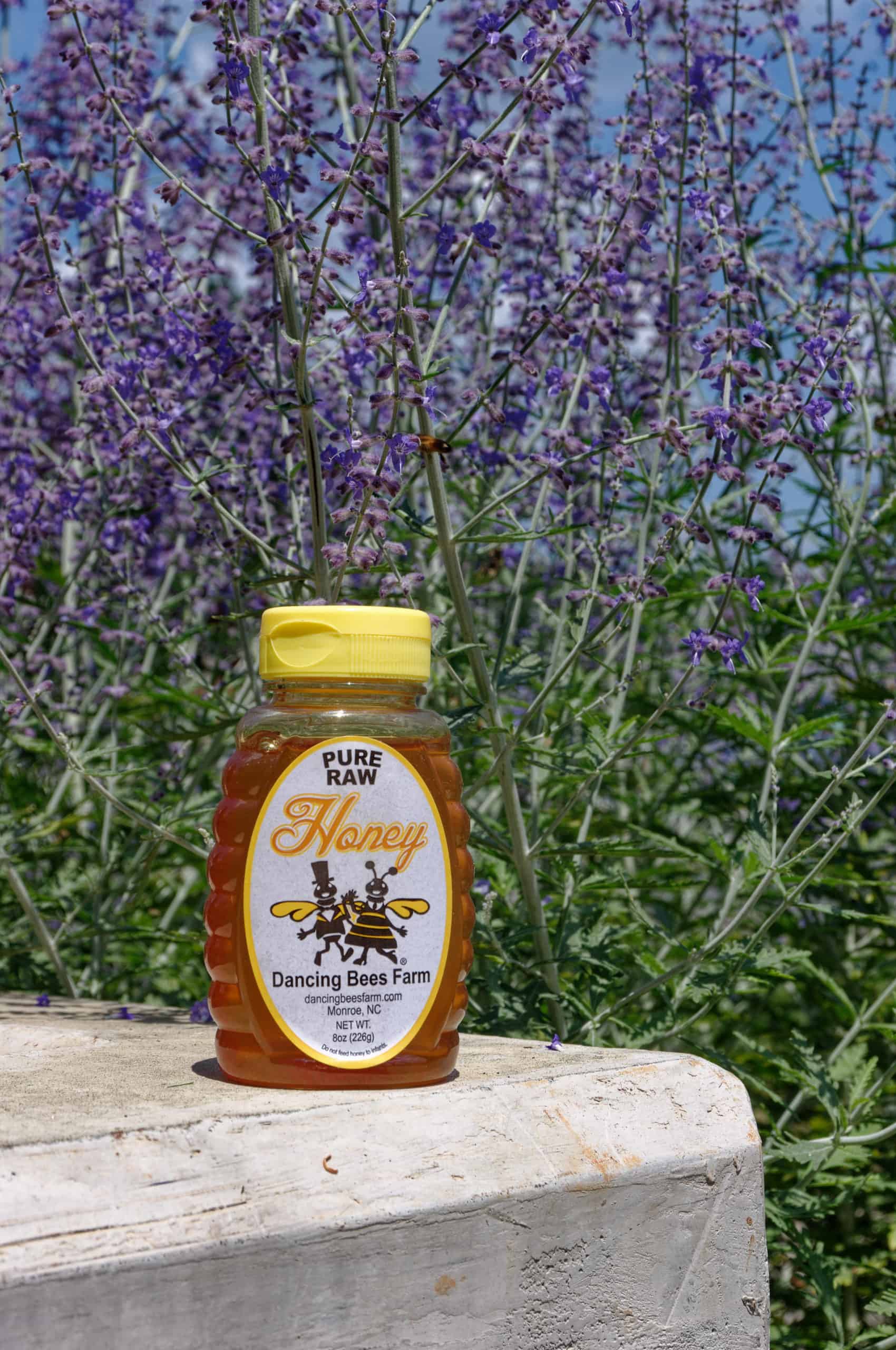
    Now, you might be wondering, “What’s the big deal if my honey’s a little watered down?” Well, let me tell ya, it’s a big deal. Adulterated honey can cause all sorts of health issues like diabetes, obesity, and liver damage. It’s not just about the taste – it’s about your health.

    Economic Impact on Beekeepers

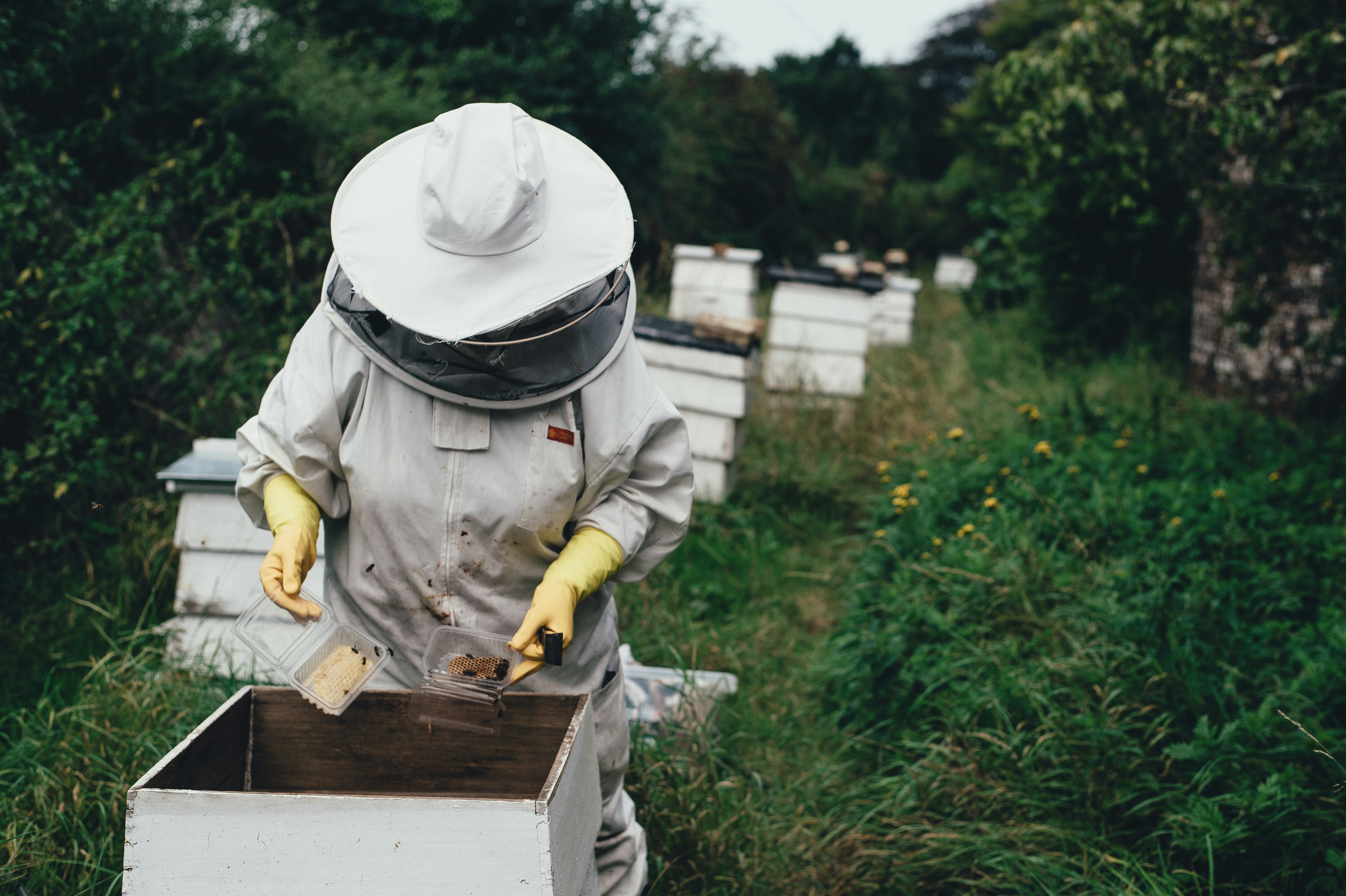
    But it ain’t just our health that’s at risk. Genuine beekeepers are facing unfair competition from these fraudulent honey peddlers. It’s hard enough keeping bees happy and healthy without having to compete with folks who are cutting corners. This unfair competition is putting honest beekeepers at risk of losing their businesses and the vital crop pollination services they provide.
    Technological Solutions to the Rescue

    Thankfully, researchers are stepping up to the plate with some fancy new technology. They’re using advanced techniques like Fluorescence Excitation-Emission Spectroscopy (FLE) to detect honey fraud. It’s a mouthful, I know, but it’s making a big difference in identifying the real deal from the imposters.

    Regulatory Challenges

    The EU is having a tough time regulating and enforcing honey standards due to the complexity of international trade and the sophistication of adulteration methods. It’s a big ol’ mess, and it’s gonna take some serious effort to clean it up.

    Consumer Awareness

    One of the best ways to fight honey fraud is through consumer awareness. We need to educate folks on how to identify genuine honey and understand the implications of honey fraud. Knowledge is power, y’all. How does it benefit the Industry?

    1. Empowering Consumers: When consumers are well-informed, they can make better purchasing decisions. By knowing how to identify genuine honey, they can avoid buying adulterated products that may pose health risks.
    2. Supporting Genuine Beekeepers: Educated consumers are more likely to support local and ethical beekeepers. This helps sustain the livelihoods of those who are committed to producing high-quality, authentic honey.
    3. Driving Market Demand: As more consumers demand genuine honey, it puts pressure on retailers and producers to ensure their products are authentic. This can lead to better industry practices and reduced instances of honey fraud.
    4. Health Benefits: Genuine honey offers numerous health benefits, from its natural antibacterial properties to its role in boosting the immune system. By choosing real honey, consumers can enjoy these benefits without the risks associated with adulterated products.


    This blog was started with the mission to educate and inform consumers about the importance of genuine honey. By sharing knowledge and insights, I aim to empower readers to make informed choices and support ethical beekeeping practices. Together, we can combat honey fraud and ensure that the honey we enjoy is pure, authentic, and beneficial for our health and the environment.

    If you support this mission, consider supporting the cause and subscribe.

    Environmental Impact

    Honey fraud doesn’t just affect us humans – it has environmental consequences too. Genuine beekeepers play a crucial role in pollination and biodiversity. When they suffer, so does our environment.

    Collaborative Efforts

    Tackling honey fraud ain’t a one-person job. It’s gonna take collaboration between governments, industry stakeholders, and researchers to develop and implement effective detection methods and policies. We’re all in this together.

    Market Trends

    On a brighter note, the demand for organic and locally-sourced honey is on the rise. As consumers become more conscious of the quality and origin of their food products, they’re seeking out the real deal. And that’s good news for our hardworking beekeepers.

    But let me explain Organic Honey in the US.

    Organic Honey in the US: A Myth!
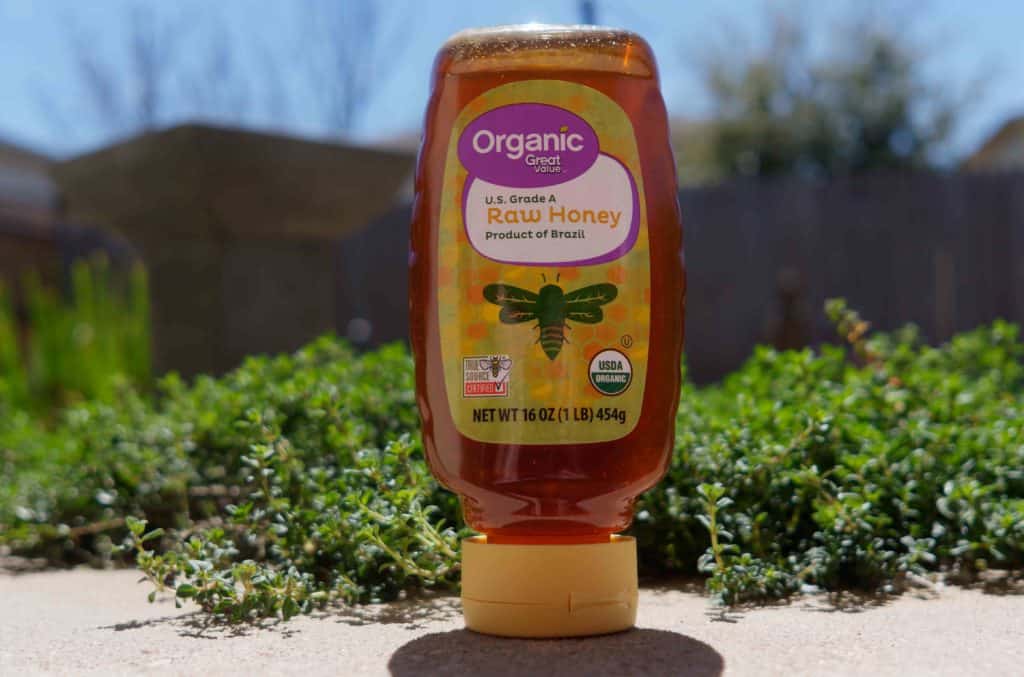
    great value organic raw honey

    Organic Honey in the US: A Myth!

    Many consumers are drawn to the idea of “organic” honey, believing it to be healthier and more environmentally friendly. However, the concept of organic honey in the United States is more myth than reality.

    The Challenge of Certifying Organic Honey

    In the US, honey cannot be certified as organic by the USDA because bees have a foraging range of several miles. This makes it nearly impossible to control where they collect nectar and pollen. For honey to be truly organic, bees would need to forage exclusively on organically managed flowers, which is not feasible.

    Imported Organic Honey

    Any honey labeled as “Certified Organic” in the US is typically imported from other countries with different standards. This can lead to confusion and mistrust among consumers.

    Environmental and Ethical Considerations

    Producing organic honey would require keeping bees in a controlled environment, such as a greenhouse, to ensure they only visit organic plants. This approach is impractical, inhumane, and detrimental to the environment. Bees play a crucial role in pollination and biodiversity, and restricting their natural behavior would have negative ecological impacts.

    The Reality of Local Honey

    While the organic label may be elusive, locally sourced honey offers a more transparent and beneficial alternative. Local beekeepers often use sustainable and ethical practices, and consumers can directly verify the authenticity and quality of the honey. Supporting local honey also helps sustain small-scale beekeepers and reduces the carbon footprint associated with transporting honey over long distances.

    While the idea of organic honey is appealing, it remains a myth in the US due to the challenges of certifying and controlling bee foraging. Instead, consumers can turn to locally sourced honey for a more transparent, ethical, and environmentally friendly option. Beware of designer honey that may not be as genuine as it seems.


    Local Honey vs Organic

    Transparency and Traceability

    • Direct Connection: Buying locally sourced honey allows consumers to visit apiaries and meet beekeepers.
    • Verification: Consumers can verify the authenticity and quality of the honey.

    Supporting Local Economy

    • Sustaining Beekeepers: Purchasing local honey supports small-scale beekeepers.
    • Ethical Practices: Local beekeepers are more likely to use sustainable and ethical practices.

    Environmental Benefits

    • Reduced Carbon Footprint: Locally sourced honey has a smaller carbon footprint.
    • Promotes Biodiversity: Supporting local beekeepers contributes to environmental sustainability.

    Health Benefits

    • Nutritional Value: Locally sourced honey is often raw and unprocessed, retaining more natural enzymes and nutrients.
    • Healthier Choice: Raw honey provides greater health benefits compared to processed honey.

    Challenges with Organic Certification & Designer Honey

    • Foraging Range: Bees can travel several miles, making it difficult to ensure they only visit organically managed flowers.
    • Meaningless Label: The organic label is less meaningful for honey due to the challenges in controlling bee foraging.

    Consumer Trust

    • Direct Interaction: Consumers can interact with local producers and learn about their practices.
    • Building Trust: Trust is easier to establish with local honey compared to distant sources.

    What Can You Do to Help?

    Now that you’re informed, here is what you can do to help:

    1. Educate Yourself: Learn how to identify real raw honey. The Honey Review offers tips and tricks to help you distinguish genuine honey from adulterated products.
    2. Buy Local: Support local beekeepers by purchasing honey directly from them. This not only ensures you’re getting authentic honey but also helps sustain local beekeeping businesses.
    3. Check Labels: Look for certifications like “True Source Certified” or “USDA Organic” on honey labels. These certifications indicate that the honey has been sourced and processed according to specific standards.
    4. Avoid Cheap Honey: Be wary of honey that is significantly cheaper than other brands. Low prices can be an indicator of adulteration.
    5. Spread Awareness: Share information about honey fraud with friends and family. The more people know about the issue, the better equipped they will be to make informed purchasing decisions.
    6. Support Ethical Brands: Choose brands that are transparent about their sourcing and production methods. The Honey Review provides reviews of various honey products, highlighting those that are genuine and high-quality.

    By taking these steps, consumers can help protect their health, support honest beekeepers, and contribute to the fight against designer honey and honey fraud.

    There you have it, folks. Honey fraud is a serious issue that’s affecting our health, our beekeepers, and our environment. But with a little knowledge and a lot of collaboration, we can make a difference. So next time you’re at the store, take a moment to think about where your honey comes from. Support your local beekeepers and enjoy the sweet taste of genuine honey.

    Y’all take care now, and happy honey hunting!

    • The 2026 Supermarket Showdown: Testing Walmart’s Top 5 Honey Brands
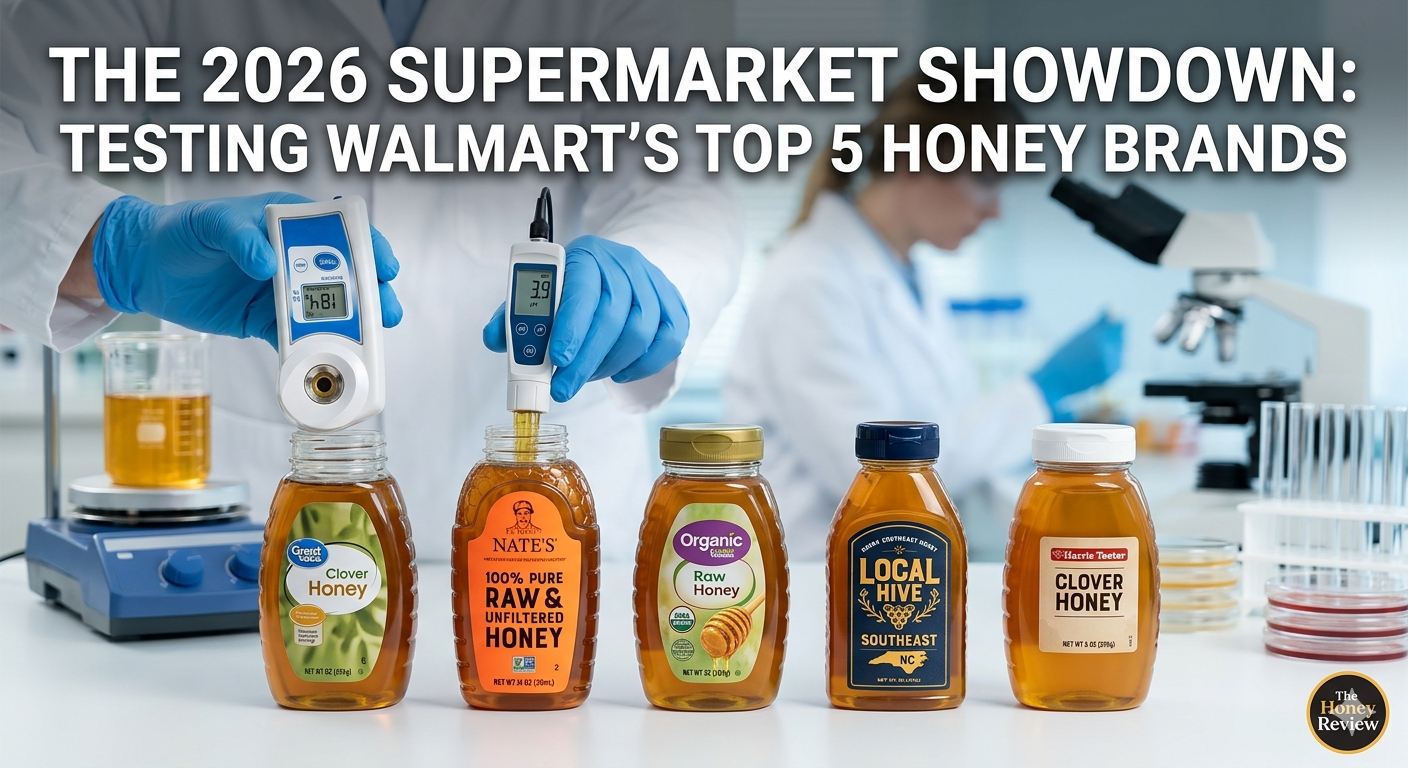
      The 2026 Supermarket Showdown: Testing Walmart’s Top 5 Honey Brands

      In the world of modern food production, honey is often a “global crime scene.” Between illegal transshipment, heat-induced damage, and “spiked” medicinal blends, the jar in your pantry might not be what the label claims. As a former beekeeper turned forensic auditor, I put five of the most popular supermarket brands through my Vault Protocol.…


    • Supermarket Honey Fraud: The 2011 “Honey Heist” & How to Spot Fakes
      Supermarket Honey Fraud: The 2011 “Honey Heist” & How to Spot Fakes

      Is Your Supermarket Honey Real? The Truth Behind the 2011 “Honey Laundering” Scandal Have you ever looked at that golden bear in your pantry and wondered if it’s actually honey? For many Americans, the answer might be “not exactly.” Supermarket honey fraud is a deep problem in the Industry. Honey fraud, or “economically motivated adulteration,”…


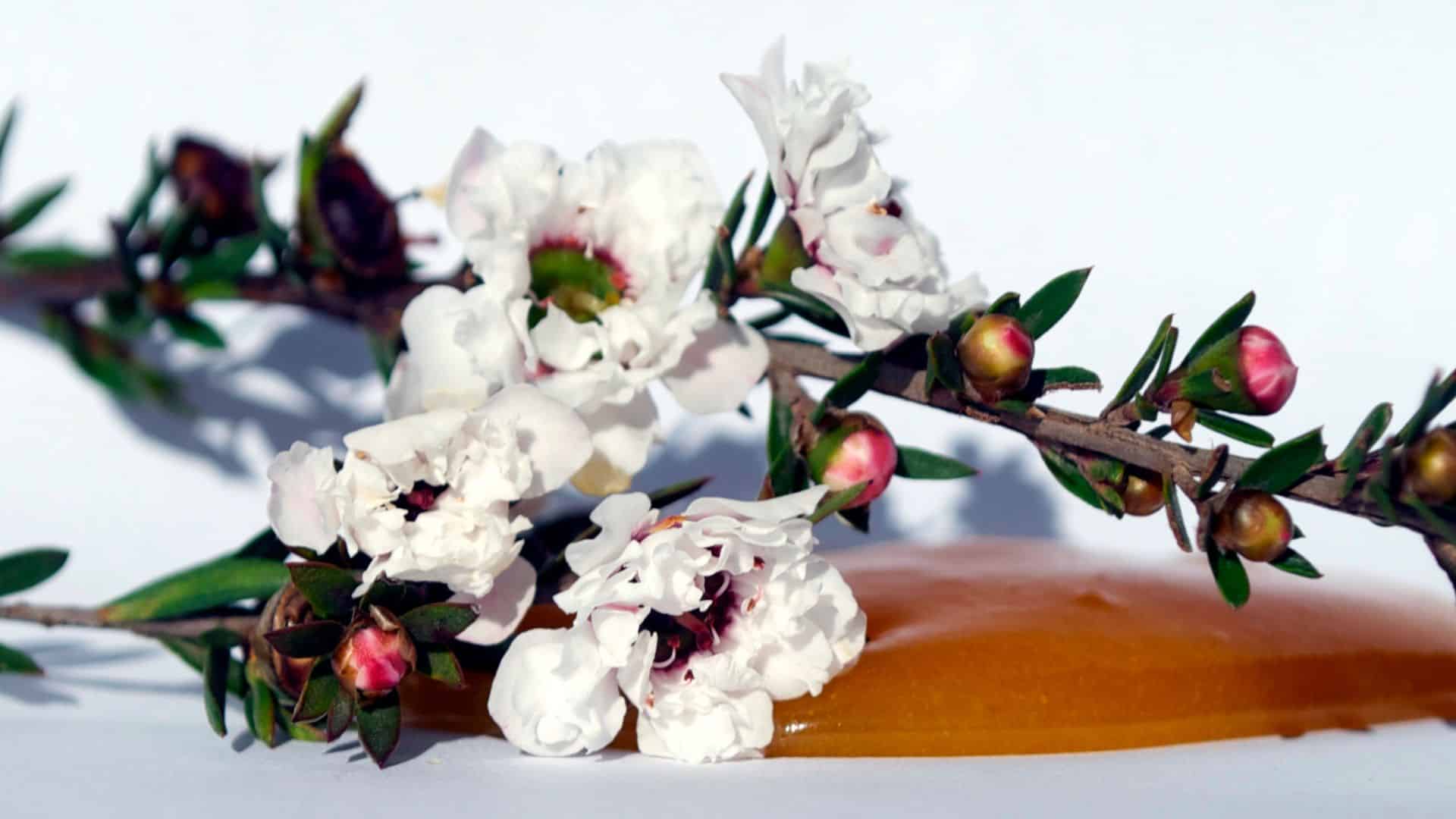
    • Manuka Honey

      Manuka Honey


  • How to Identify Real Raw Honey: 6 Tips and Tricks

    How to Identify Real Raw Honey: 6 Tips and Tricks

    So, you’ve got a jar of honey, and you’re wondering, “Is this the real deal or just a sugary imposter?” Fear not, honey sleuth! We’ve got your back. Let’s dive into the sticky world of raw honey detection. You’re going to learn how to Identify Raw Honey!

    Keep it Real,
    Keep it Raw,


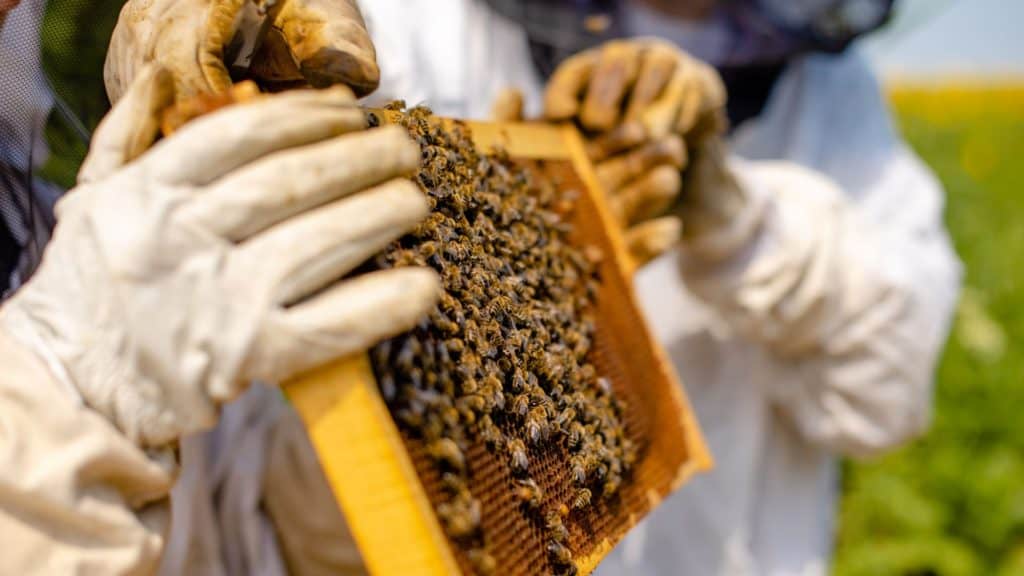
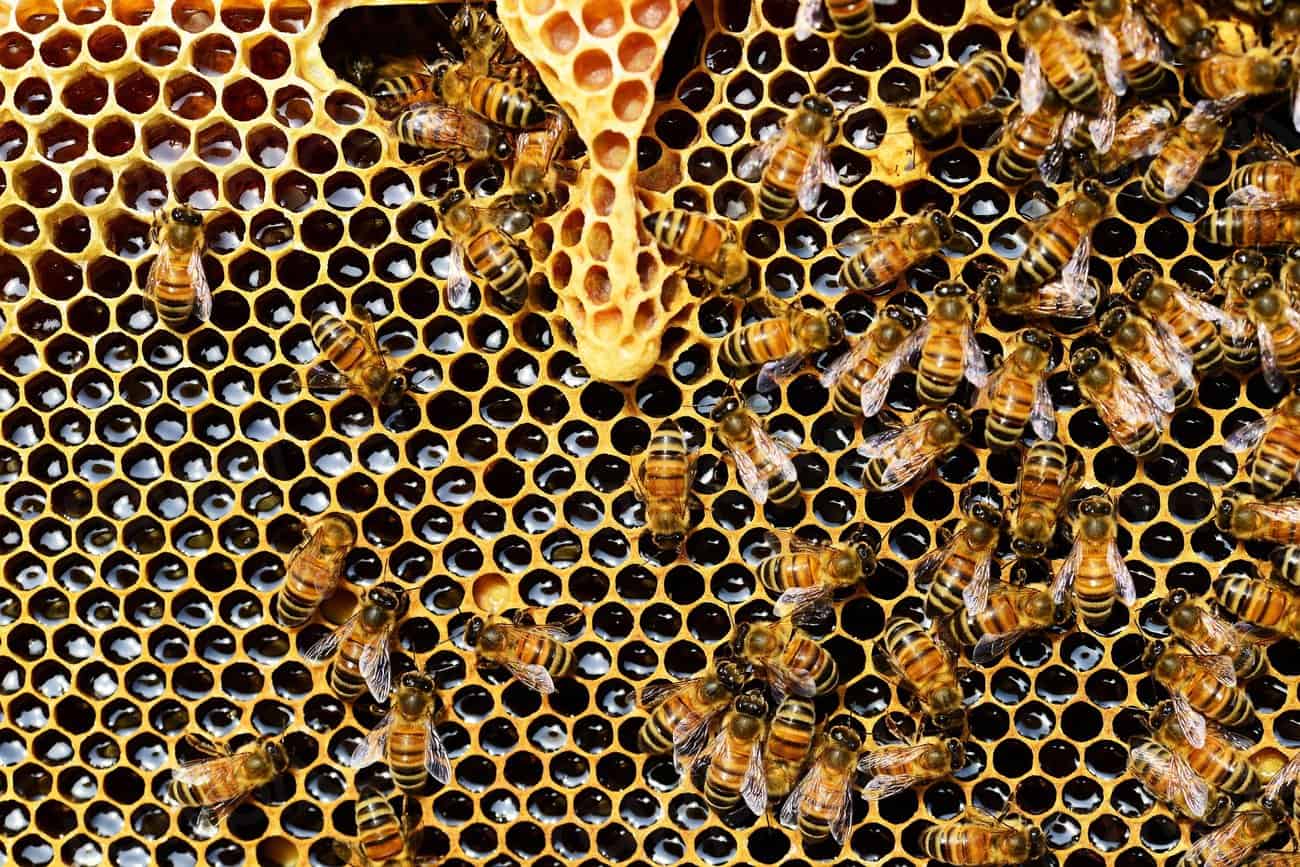
    Bees on frame

    The Cloudy Clue

    • Raw Honey: Imagine a misty morning in the beehive. Raw honey is like that—cloudy, mysterious, and full of secrets. If your honey looks a bit hazy, you’re on the right track.
    • Processed Honey: Clear as a crystal ball? That’s processed honey. It’s so transparent, it could moonlight as a windowpane.
    how to identify raw honey and what to look for, doom bloom honey, thehoneyreview.com

    See the sediment at the bottom of the jar? That’s proof of legit Honey. Raw Honey is approximately 40% fructose, 30% glucose and 17% water, with the remainder being other sugars, carbohydrates and a small number of vitamins and minerals.

    Crystal Quest

    • Raw Honey: Over time, raw honey gets cozy and forms tiny crystals. It’s like nature’s bling. So, if your honey has a little crunch, it’s legit.
    • Processed Honey: Smooth as a dance floor? Processed honey stays liquid, refusing to join the crystal party.
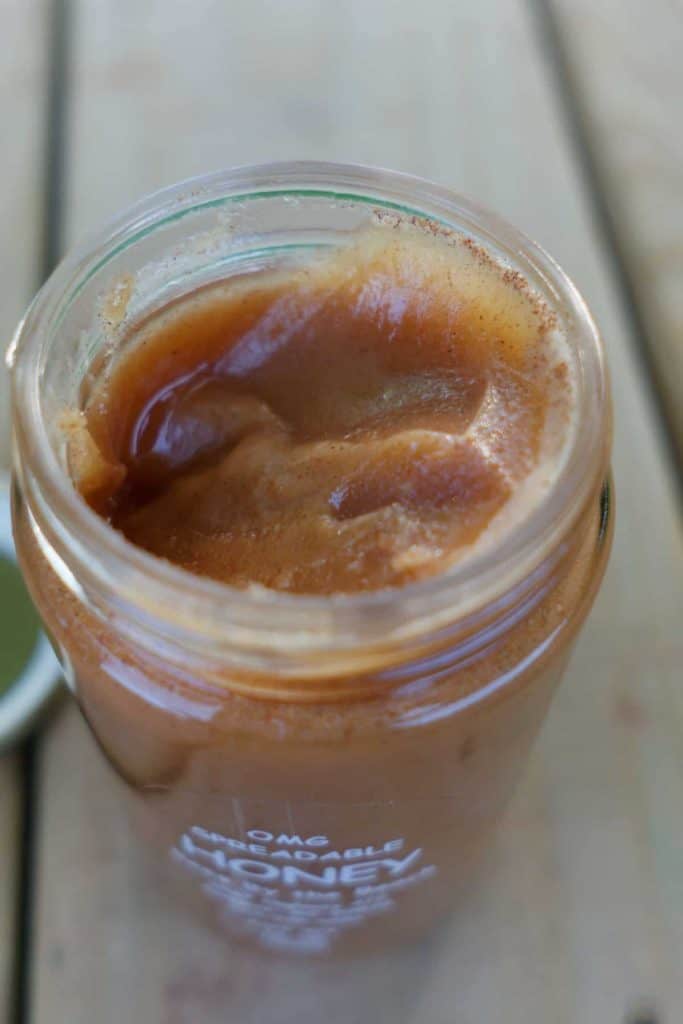
    Creamed Honey thehoneyreview.com identifying honey

    You may even find some Honey that is “Whipped” or “Creamed”. This is just blended crystallized Honey.

    There is no reason to toss a Jar of crystallized Honey. If you’re not patient enough to slow heat the jar with water (DO NOT MICROWAVE IT) just grab a knife and start stirring.

    Texture Tells

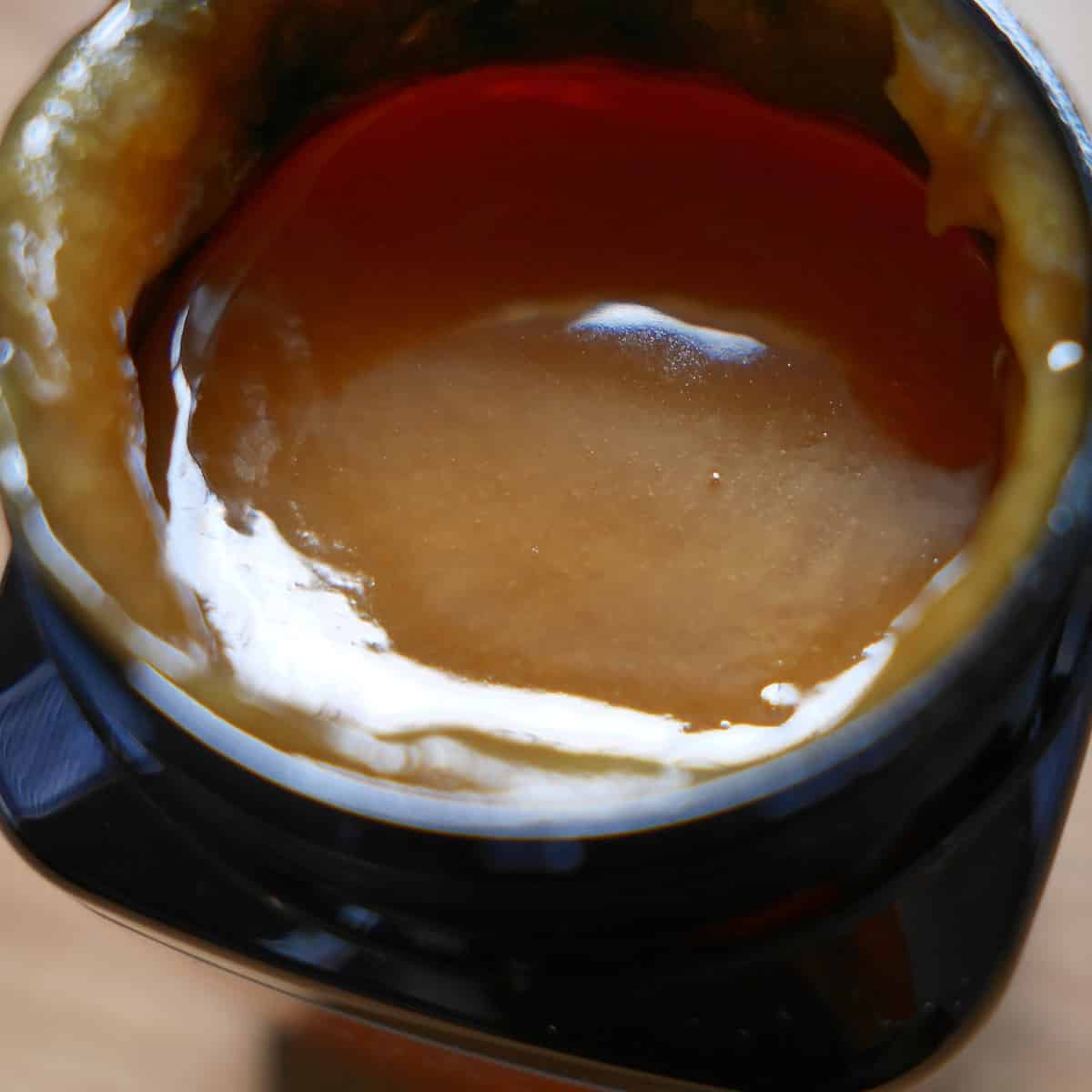
    Manuka Honey Texture of Honey, How to Identify Raw Honey
    • Raw Honey: Picture this: raw honey doing the cha-cha with your spoon. It’s thick, grainy, and unapologetically rustic.
    • Processed Honey: Processed honey waltzes—silky, suave, and oh-so-smooth. It’s the James Bond of honeys.
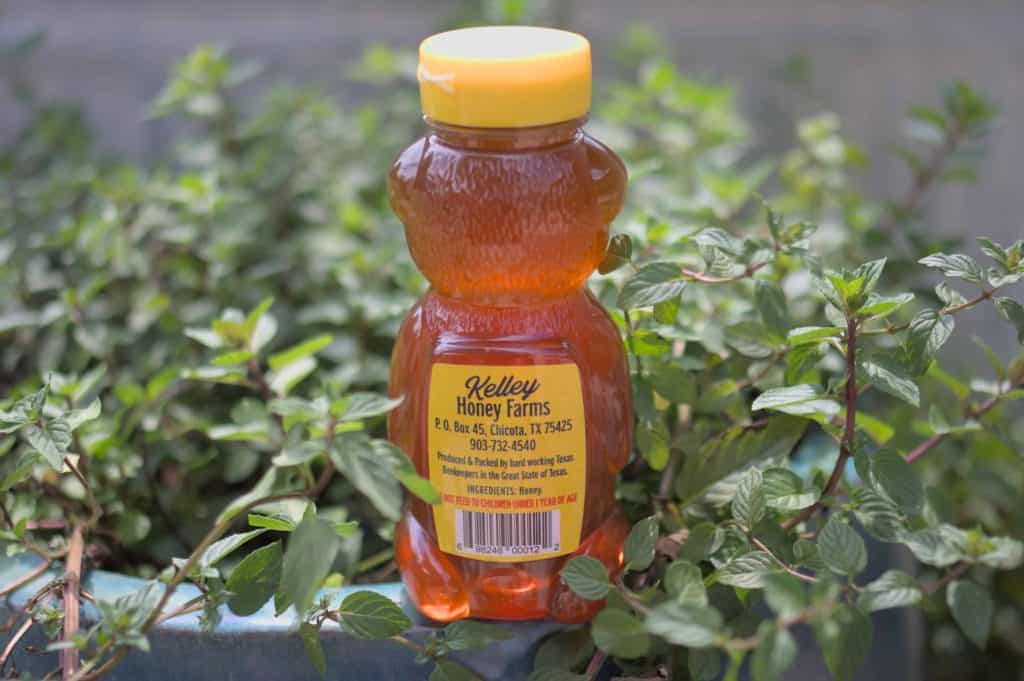
    kelleys local raw texas honey the honey review

    Sediment Story

    • Raw Honey: Sometimes, raw honey brings along souvenirs—tiny pollen particles, propolis bits, and even a honeycomb crumb or two. It’s like a nature hike in a jar.
    • Processed Honey: No surprises here. Processed honey keeps it clean—no pollen hitchhikers allowed.

    Color Contest

    • Raw Honey: Shades of gold! Raw honey flaunts its natural hues—light golden, amber, or deep caramel. It’s like a sunset in a spoon.
    • Processed Honey: Pale and proud. Processed honey sticks to a single shade, like a minimalist art exhibit.
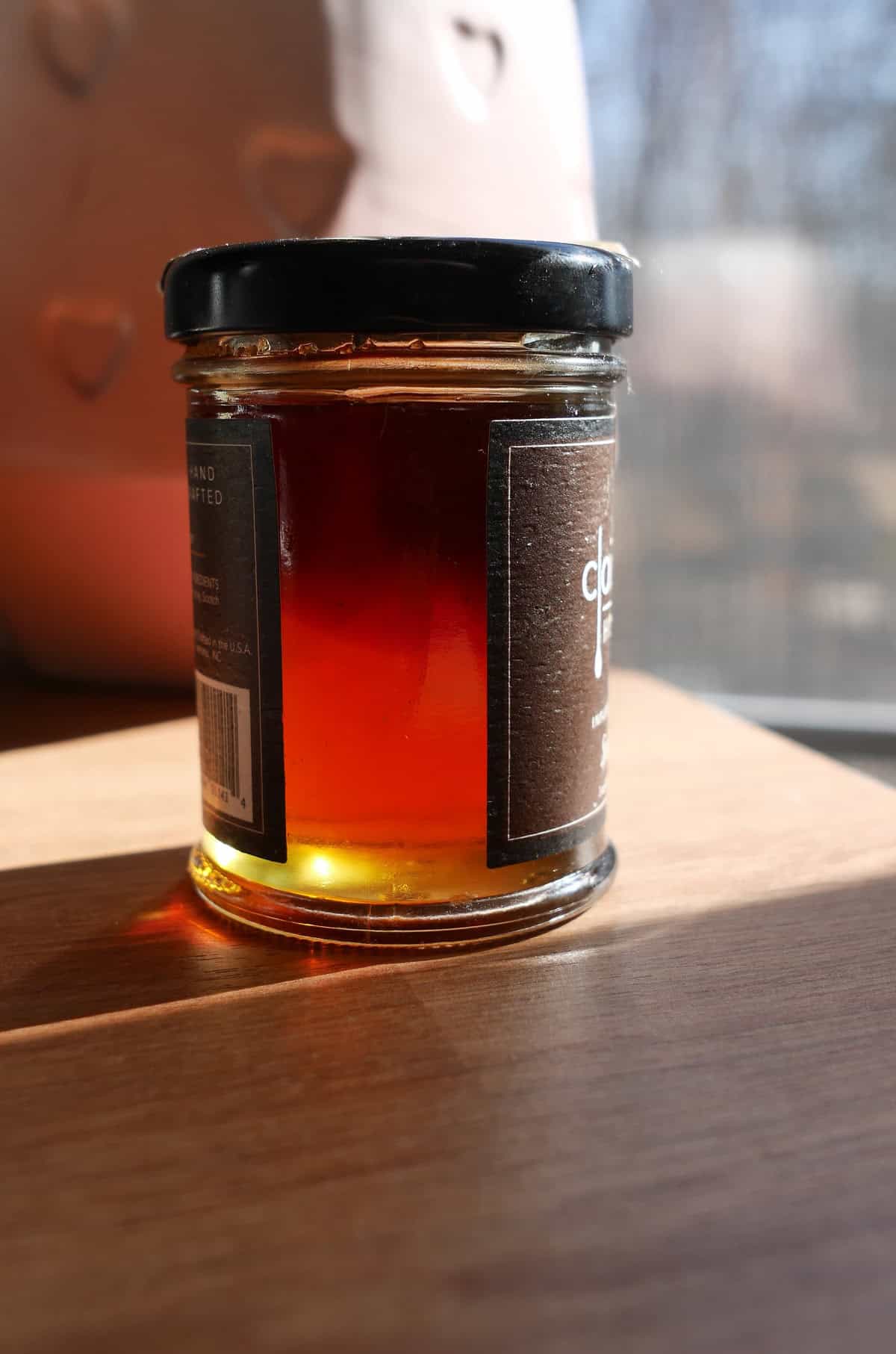
    cloister honey how to identify raw honey thehoneyreview.com

    Aroma Adventure

    • Processed Honey: Mild-mannered or scentless? Processed honey lacks that floral flair. It’s the introvert at the honey party.
    • Raw Honey: Close your eyes and sniff. Raw honey smells like a wildflower meadow after rain—a symphony of blossoms. It’s the bee’s knees.
    • Also check out the Benefits of Propolis

    Conclusion: Remember, honey detective, these clues aren’t foolproof. For the real McCoy, buzz over to local beekeepers or trusted sources. They’ll serve you the sweet truth. I hope these tips help you Identify Raw Honey near you.

    To identify real raw honey, consider these key factors:

    1. Stickiness: Real honey feels soft and velvety, not sticky like cheap syrup. If it’s sticky, it might be adulterated.
    2. Viscosity: Authentic honey is thick and pours slowly, while processed honey flows more like a liquid.
    3. Taste Persistence: Real honey’s taste doesn’t linger; it dissolves with saliva. Fake honey tastes sweet for longer.
    4. Flavors and Scents: Monofloral honeys have unique flavors. For example, sunflower honey has an oily characteristic.

    Remember, the best way to ensure purity is to buy from trusted sources like local beekeepers or reputable brands.

    Some of my favorite Honey available is: TREE HIVE® Breakfast, Home | Moon’s Honey House, Cloister Honey – Artisan Honey and Gifts, Two Hives Honey

    Recent Reviews

  • Moon’s Honey House | Neighborhood Raw Honey Review

    Moon’s Honey House | Neighborhood Raw Honey Review

    Since 1952, Moon’s Honey House has been a trusted family-owned and operated business. Their exquisite collection includes local honey, meticulously crafted beeswax creations, and unique handmade gifts. It’s a delightful destination for those who appreciate quality and authenticity.

    Benefits of Raw Honey Products

    Some of the benefits of raw honey products are:

    Honey bees“/ CC0 1.0

    Moon’s Honey House Neighborhood Honey

    Introduction

    Moon’s Honey House, nestled in the heart of Charlotte, North Carolina, is more than just a honey purveyor—it’s a sweet haven where bees work their magic. As I stepped up to their charming shop at the Charlotte Regional Farmers Market, the air hummed with the promise of liquid gold. Here’s my take on their Neighborhood Raw Honey:

    Flavor Profile

    Botanical Notes

    Moon’s Honey House Neighborhood Raw Honey boasts a harmonious blend of floral notes:

    • Wildflowers: These contribute delicate sweetness, reflecting diverse local flora.
    • Clover: The honey carries mild herbal undertones from clover nectar.
    • Orange Blossoms: The essence of citrus-kissed air infuses the honey.
    Earthy Undertones

    Beneath the floral layers lies a subtle complexity:

    • Dew-Kissed Grass: Freshness reminiscent of morning dew.
    • Sun-Warmed Soil: Earthiness rooted in Carolina terroir.

    Texture

    Viscosity

    When it hits your tongue, it’s like Grandma’s warm hug. The honey wraps itself around your taste buds, sayin’, “Hey there, darlin’, I’m here to stay.” You’ll wanna roll it around, let it linger like a good gossip.

    Satin-like

    Swirl it like you’re dancin’ at the county fair. It’s like wearin’ a satin robe made of sweetness. Not heavy, not light—just perfect. The bees must’ve taken etiquette lessons, ’cause this honey knows how to beehave.

    Get it? Beehave?

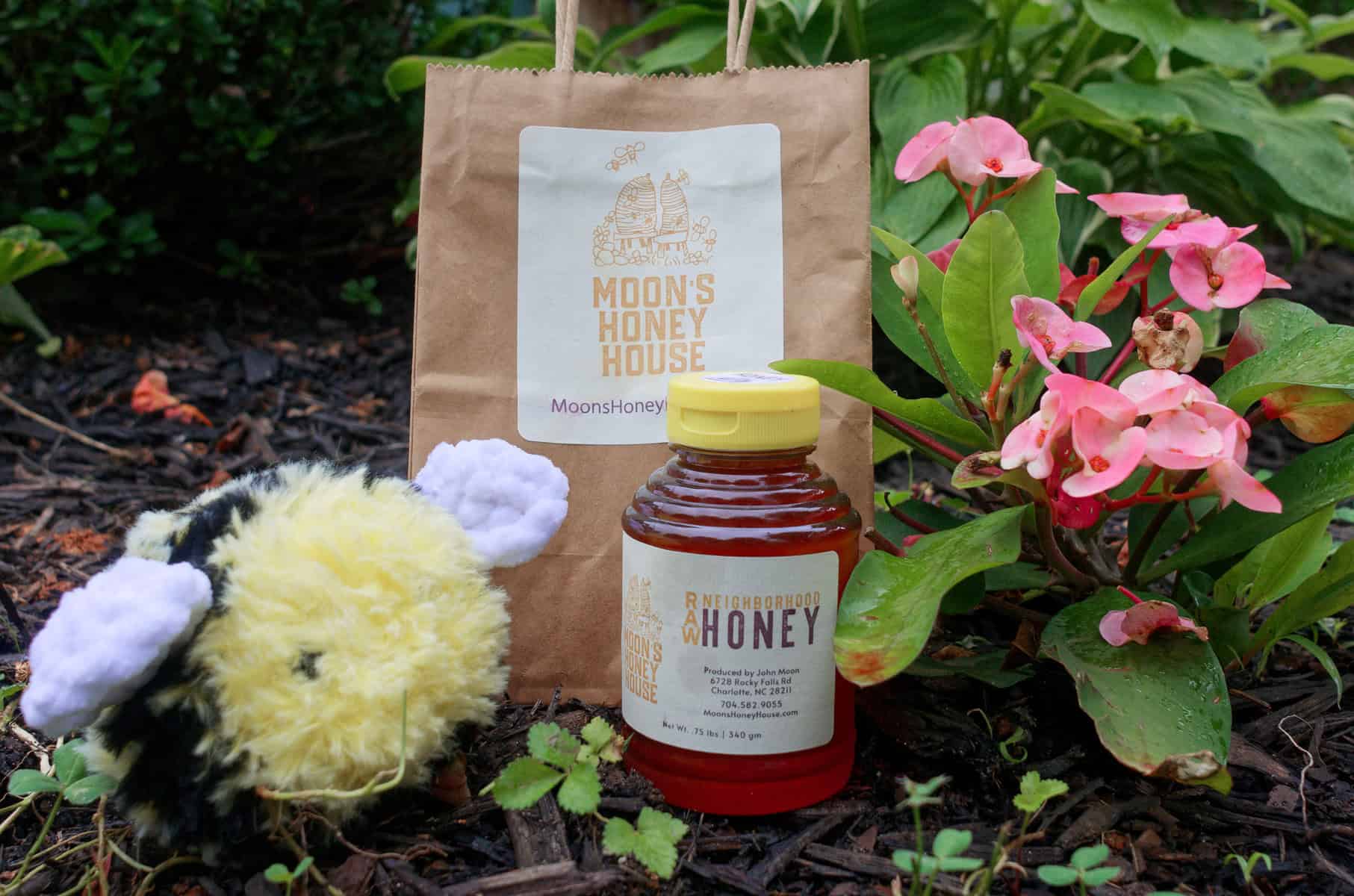
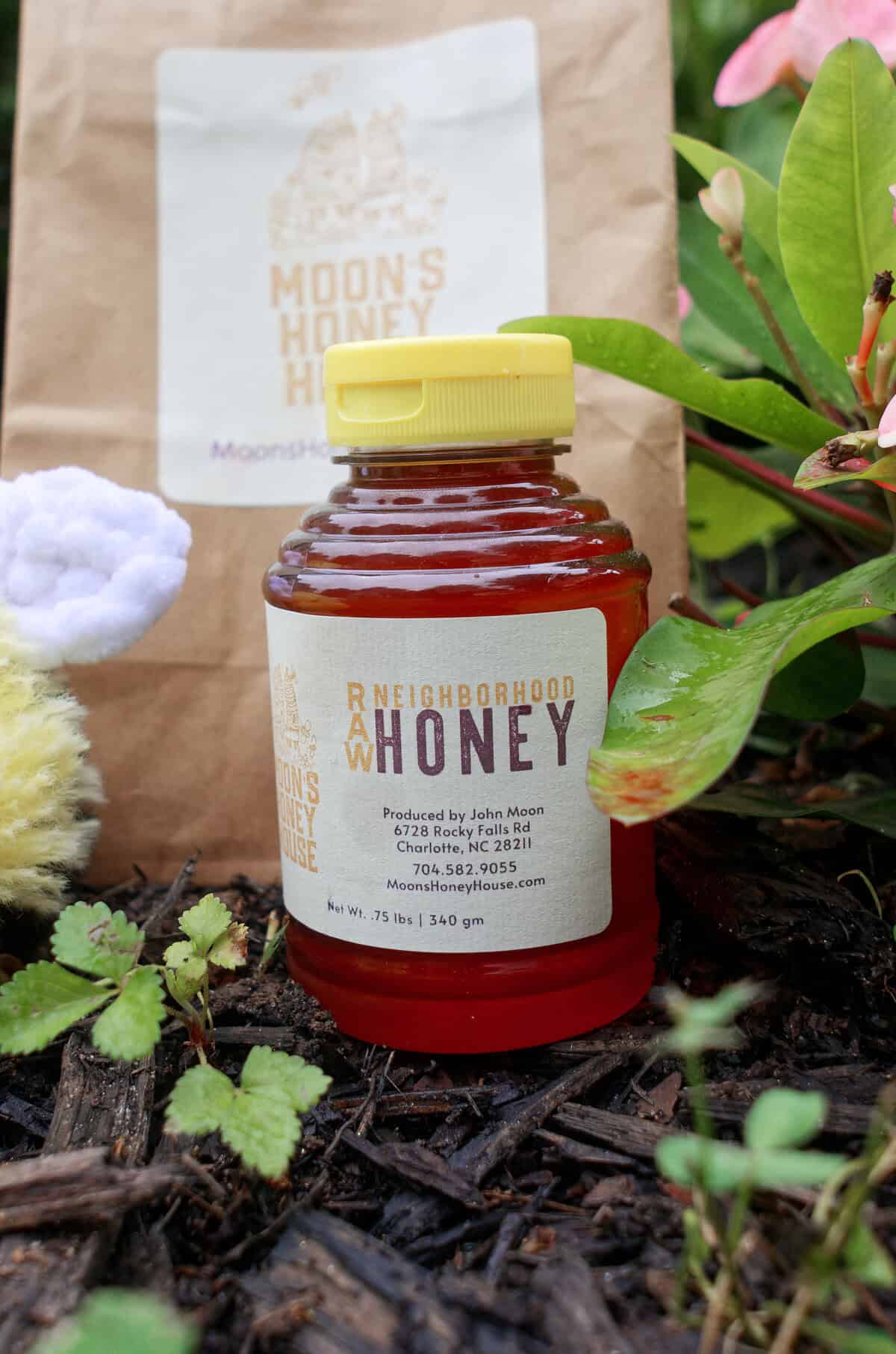
    Moon's Honey House Raw Neighborhood Honey plush bee and gift bag purchased from charlotte regional farmers market

    Pairings

    1. Morning Toast: Drizzle this liquid gold over warm toast or biscuits. It’s like a sweet sunrise on your plate.
    2. Tea Time: Stir it into your favorite cup of tea. The honey melts, adding a touch of sweetness to your afternoon ritual. Just be sure you wait a little bit or the boiling water will kill all the benefits of your honey.
    3. Cheese and Honey: Grab some sharp cheddar or creamy goat cheese. Spread a little honey on top—it’s a match made in flavor heaven.
    4. Yogurt Parfait: Layer it with Greek yogurt, granola, and fresh berries. The honey adds a natural sweetness that’ll make your taste buds sing.
    5. Peanut Butter Sandwich: Swap out the jelly for honey. Trust me, your PB&J game just leveled up.
    6. Oatmeal Upgrade: Drizzle honey over your morning oatmeal. It’s like a cozy hug for your taste buds.

    Pro Tip

    Apples help clear your taste buds if you go buck wild pairing Honey with things.

    Sustainability and Local Impact

    Varietal Honeys: Moon’s Neighborhood 24 stands out with its extra-white honey, offering sweet and fruity flavors. Perfect for drizzling on Greek yogurt or blending into your morning smoothie for a taste of Charlotte’s sunshine.

    Crafts and Skin Care: They also create beeswax candles, lotions, and lip balms, providing a natural touch to your self-care routine.

    Local Love: Moon’s Honey House sources their Very Local Honey from Myers Park and nearby areas. The bees work their magic, delivering sweet, local flavors for you to enjoy.

    Price

    • Neighborhood 24: $9.00 – $18.00
    • Ocala: $9.00 – $18.00
    • Pee Dee Wildflower: $9.00 – $18.00
    • Hot Honey: $11.00 – $20.00
    • Poplar: $9.00 – $18.00
    • Knob Hill Wildflower: $12.00

    It looks like the prices range from $9.00 to $20.00, depending on the type of honey. Is there a specific one you’re interested in?

    Packaging and Appearance

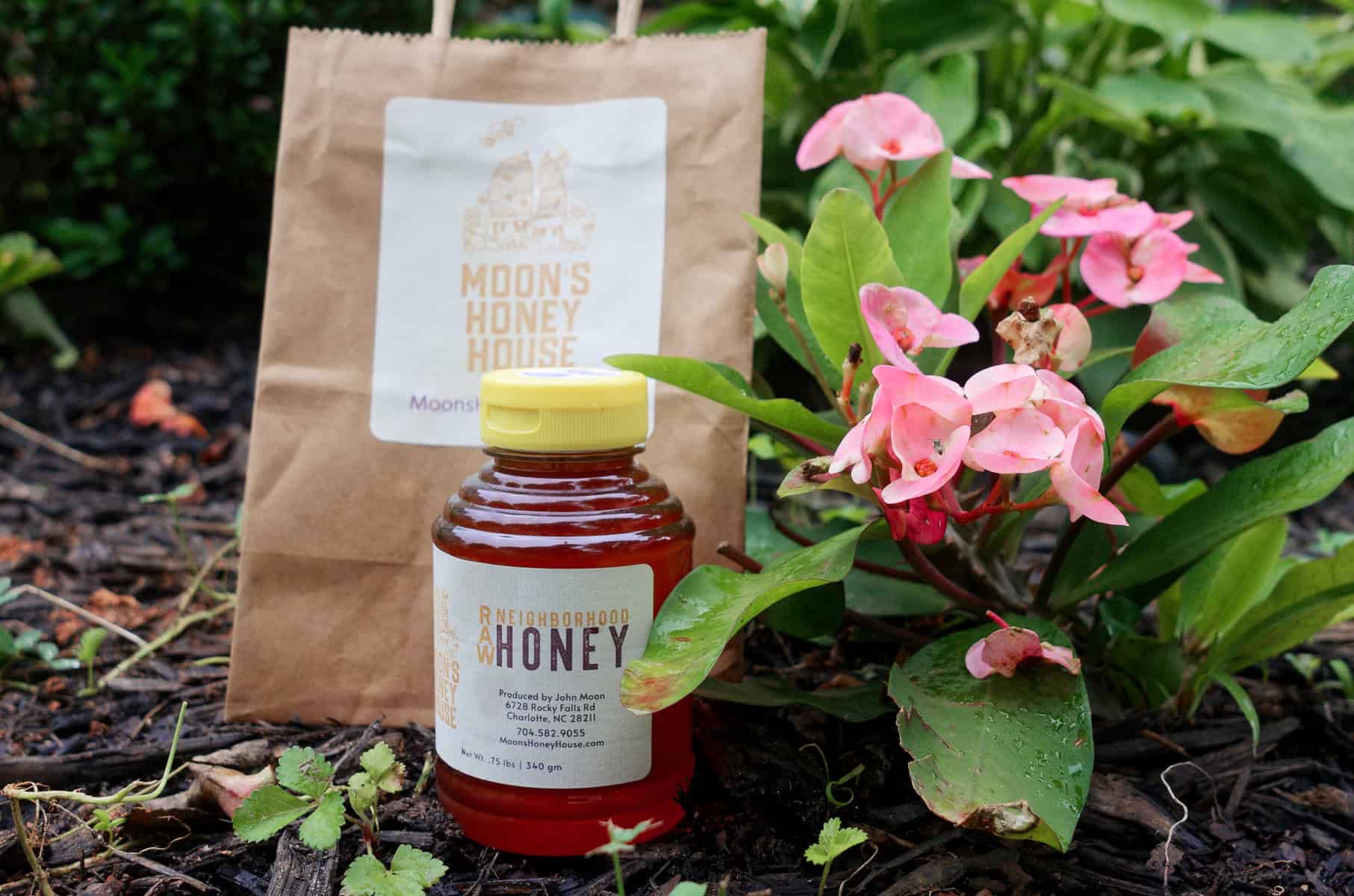
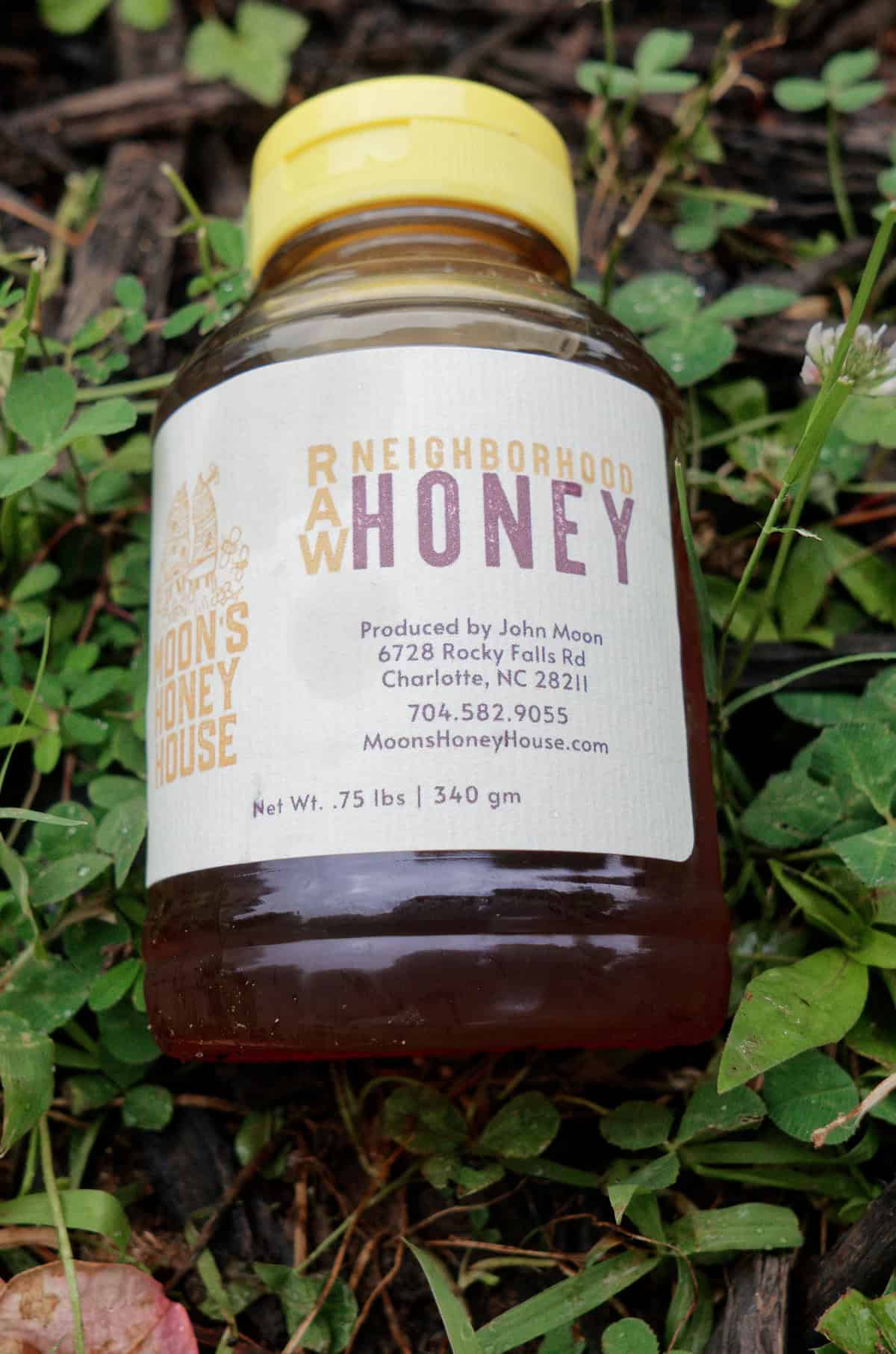
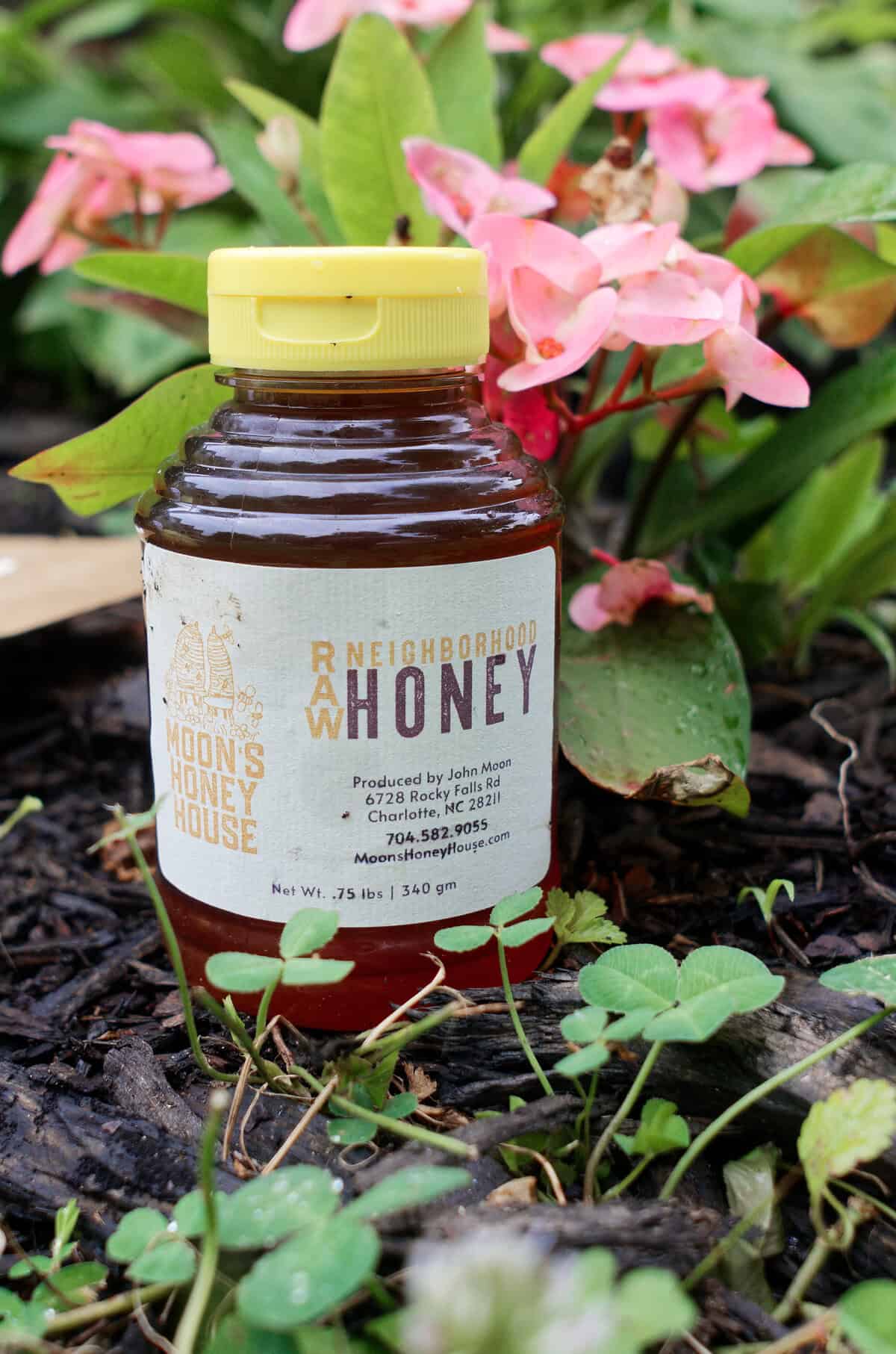
    Moon's Honey House Raw Neighborhood Honey Review
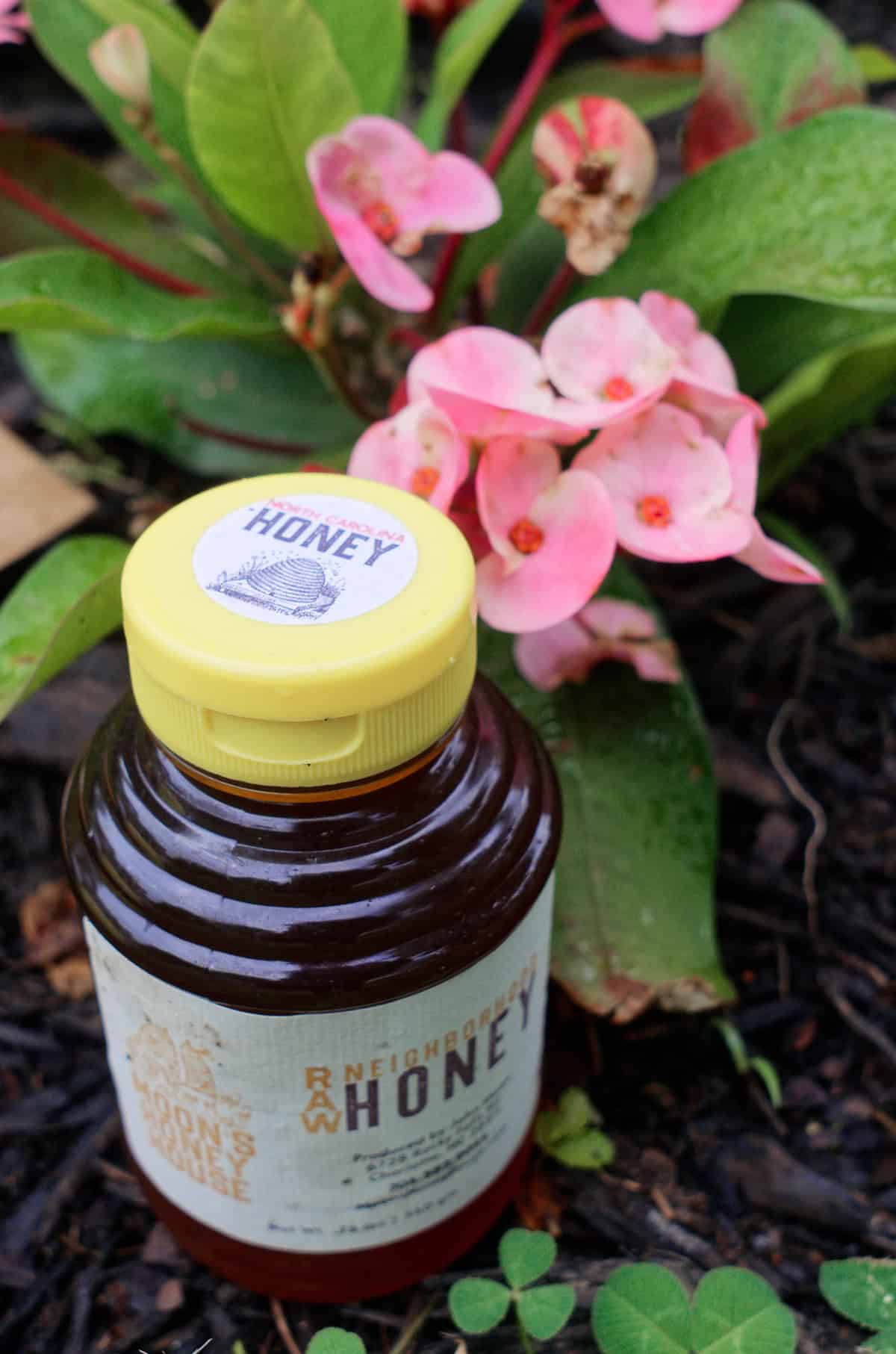
    Moon’s Honey House Raw Neighborhood 24′ Honey

    Neighborhood Raw Honey

    moon's honey house raw honey review

    Simplicity

    I like the label simply because it only mentions the essentials. It shows it is produced by John Moon, it lists his address, his phone number and website.
    And the net weight. The label is made of thick paper stock, and he has his cool logo off to the side.

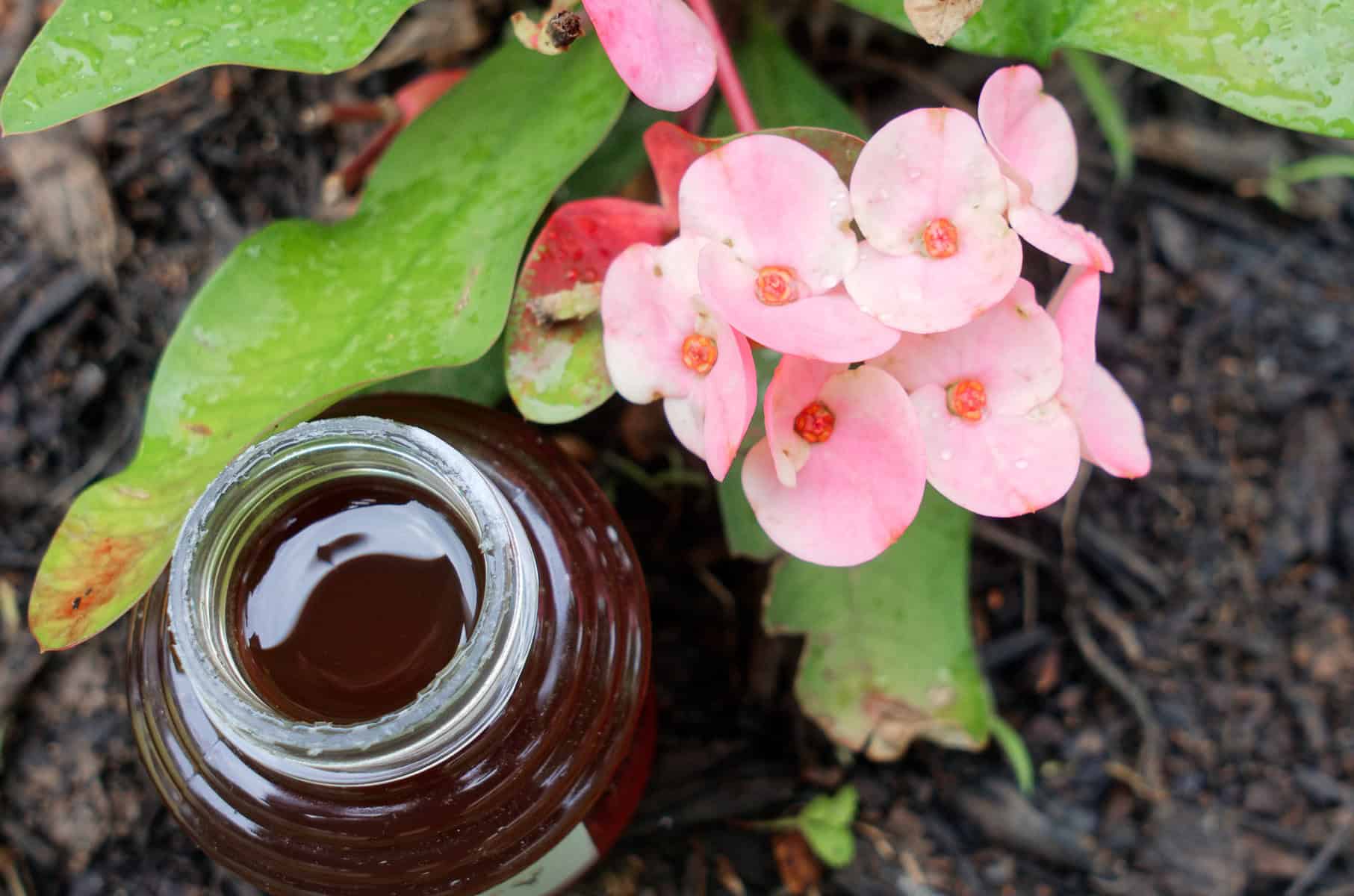
    photo of moon's honey house raw honey opened with flowers

    Conclusion

    Y’all, Moon’s Honey House Neighborhood Raw Honey is more than just a sweet topping—it’s the heart of Charlotte in a jar. Every dip of that spoon is like a warm Southern hug, filled with the sunshine, the blooms, and the bees’ loving labor.

    So, when you find yourself wanderin’ through the Queen City, mosey on down to Moon’s Honey House. Treat your palate to a spoonful of local charm—your taste buds might just do a little jig, and them hardworking bees will sure appreciate it!

    Buying Guide for Raw Honey Products

    Raw honey products are natural sweeteners that are made by honey bees from the nectar of various flowers and plants. They are different from regular honey products because they are not heated, pasteurized, or filtered, which means they retain more of their beneficial enzymes, nutrients, and antioxidants. They also have a more complex and diverse flavor profile, depending on the source of the nectar and the region where the bees live.

    What to look for

    If you are interested in buying raw honey products, here are some factors to consider:

    Type
    Origin
    Label
    Processing Method
    • The processing method of honey refers to the way the honey is extracted, stored, and packaged. The processing method of honey can affect the freshness, purity, and safety of the honey. Some of the best processing methods of honey are:
      • Cold extraction: This method involves extracting the honey from the honeycomb without applying any heat, which preserves the natural enzymes, nutrients, and antioxidants of the honey.
      • Gravity straining: This method involves straining the honey through a coarse filter or a cheesecloth to remove any large impurities, such as wax, pollen, or debris, while keeping the smaller particles intact.
      • Glass jar packaging: This method involves packaging the honey in a glass jar, which is airtight, transparent, and recyclable, and it protects the honey from moisture, light, and oxidation.

    Product Alternatives

    If you are interested in other local honey from Charlotte, you can also check out Cloister Scotch Infused Honey Cloister Bourbon Infused Honey | Cloister Honey and Brandy Infused Honey | Cloister Honey, which are equally delicious and versatile.

    Text?

    Moon’s Honey House Raw Neighborhood Honey

    The Honey Reviewer

    Honey
    Color
    Aroma
    Flavor
    Texture

    Review Summary


    Moon’s Honey House Neighborhood Raw Honey offers a delightful taste of Charlotte, North Carolina. This honey features a harmonious blend of floral notes from wildflowers, clover, and orange blossoms, with subtle earthy undertones reminiscent of dew-kissed grass and sun-warmed soil. Its satin-like texture makes it perfect for drizzling over toast, stirring into tea, or pairing with cheese. The honey is locally sourced, supporting sustainability and community impact. Overall, it’s a sweet, authentic experience that captures the essence of the region
    I was disappointed that there wasn’t more of an aroma to this Honey, like the bourbon infused Honey has. Sometimes these infused Honey’s have incredible smells that really entice the taste buds.

    Overall, unique flavor, very high quality and any Honey connoisseur will love some of Cloister’s offerings. Check out their incredible products from Charlotte, NC below.

    3.7