Tag: Beverage

  • Forensic Audit: Zest Blackberry Lemonade Hydration Mix – Functional Fuel

    Forensic Audit: Zest Blackberry Lemonade Hydration Mix – Functional Fuel

    In the heat of a North Carolina summer, hydration is a mechanical necessity. While we often audit the purity of Raw Honey, sometimes the task requires a functional boost. Most hydration sticks are forensic nightmares—loaded with artificial dyes and 30g of processed sugar.

    Zest Tea has disrupted this sector with their Blackberry Lemonade Hydration Mix. We put this electrolyte-plus-caffeine blend through The Lab’s Forensic Protocol to see if it delivers on its “Clean Energy” promise.
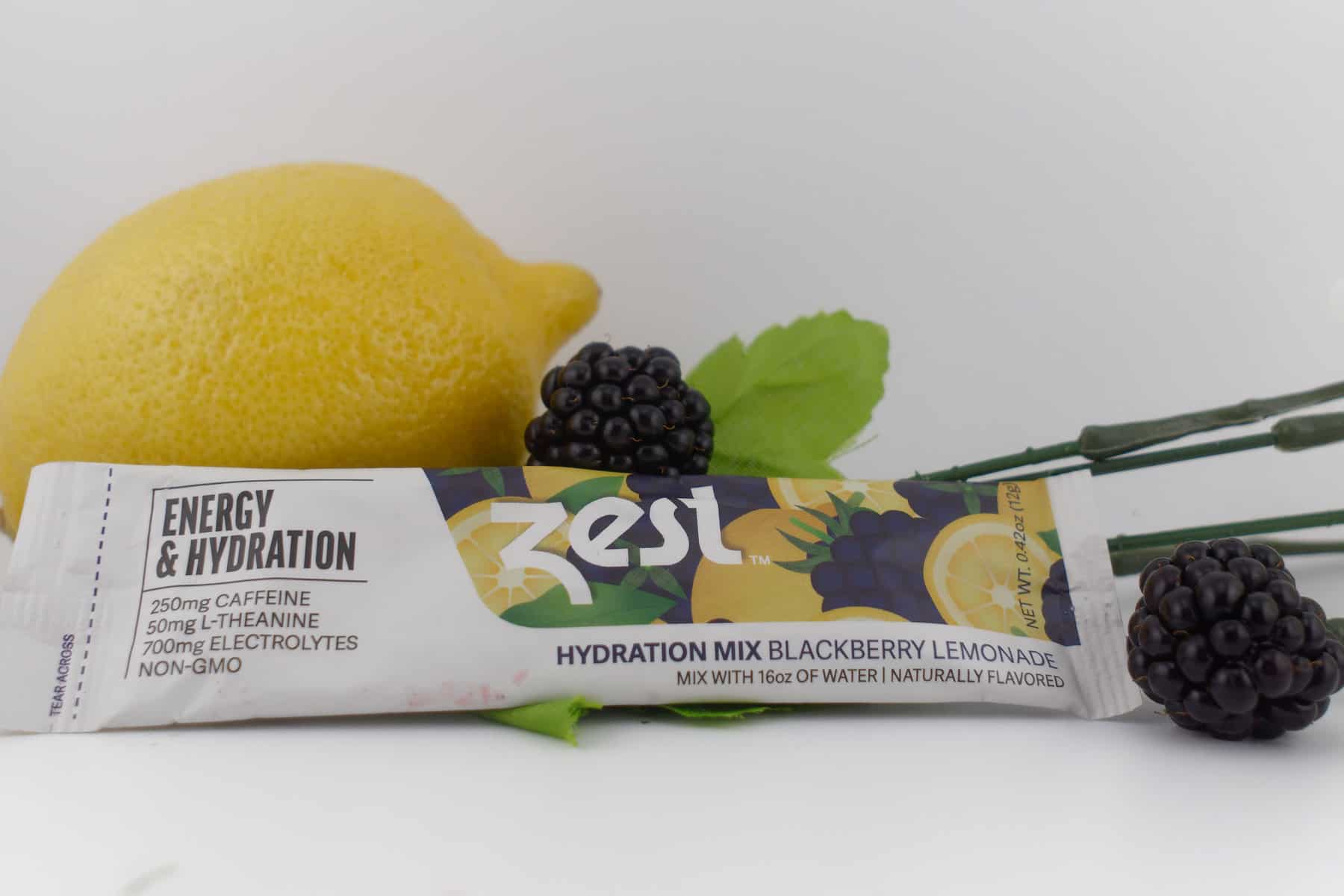
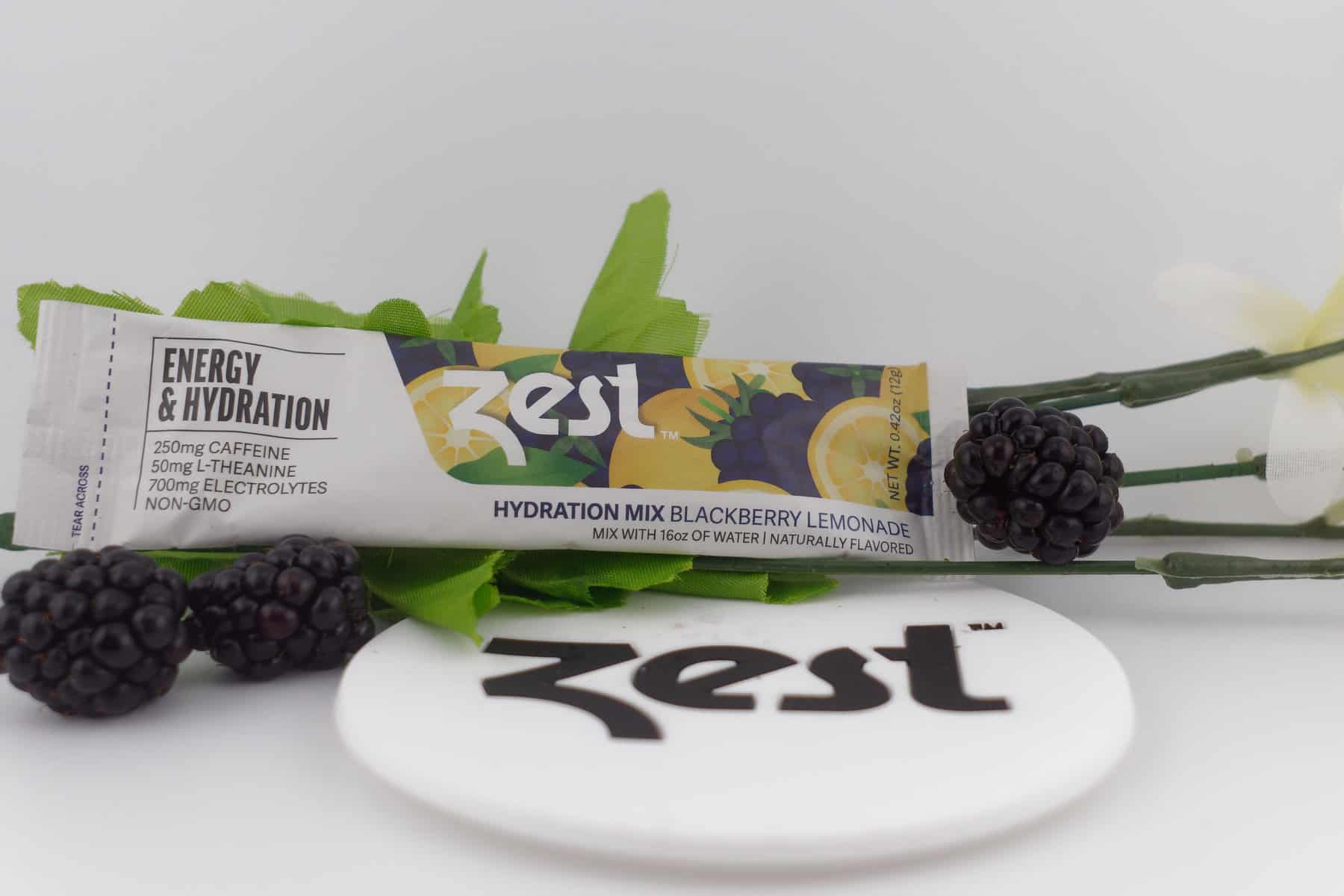
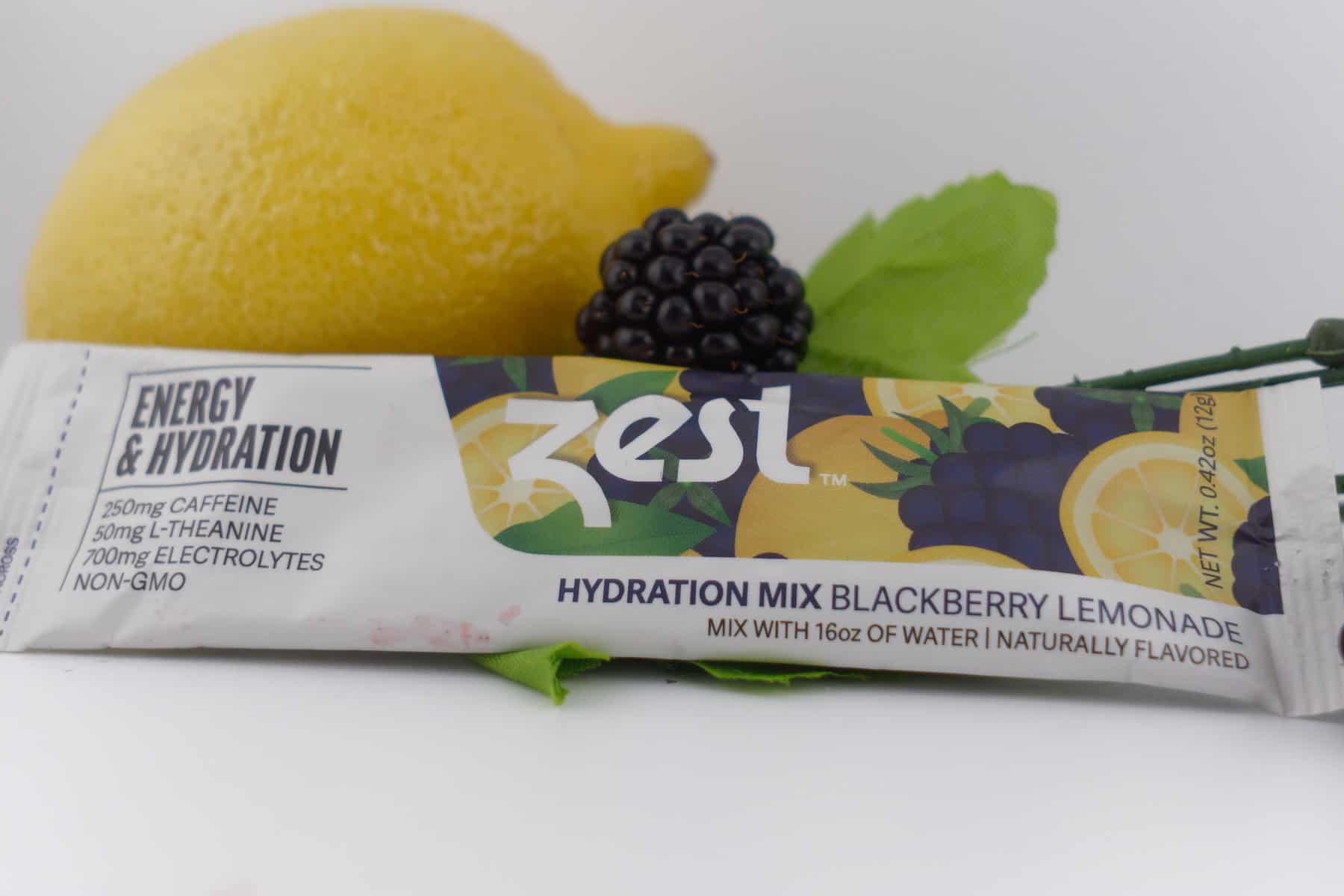
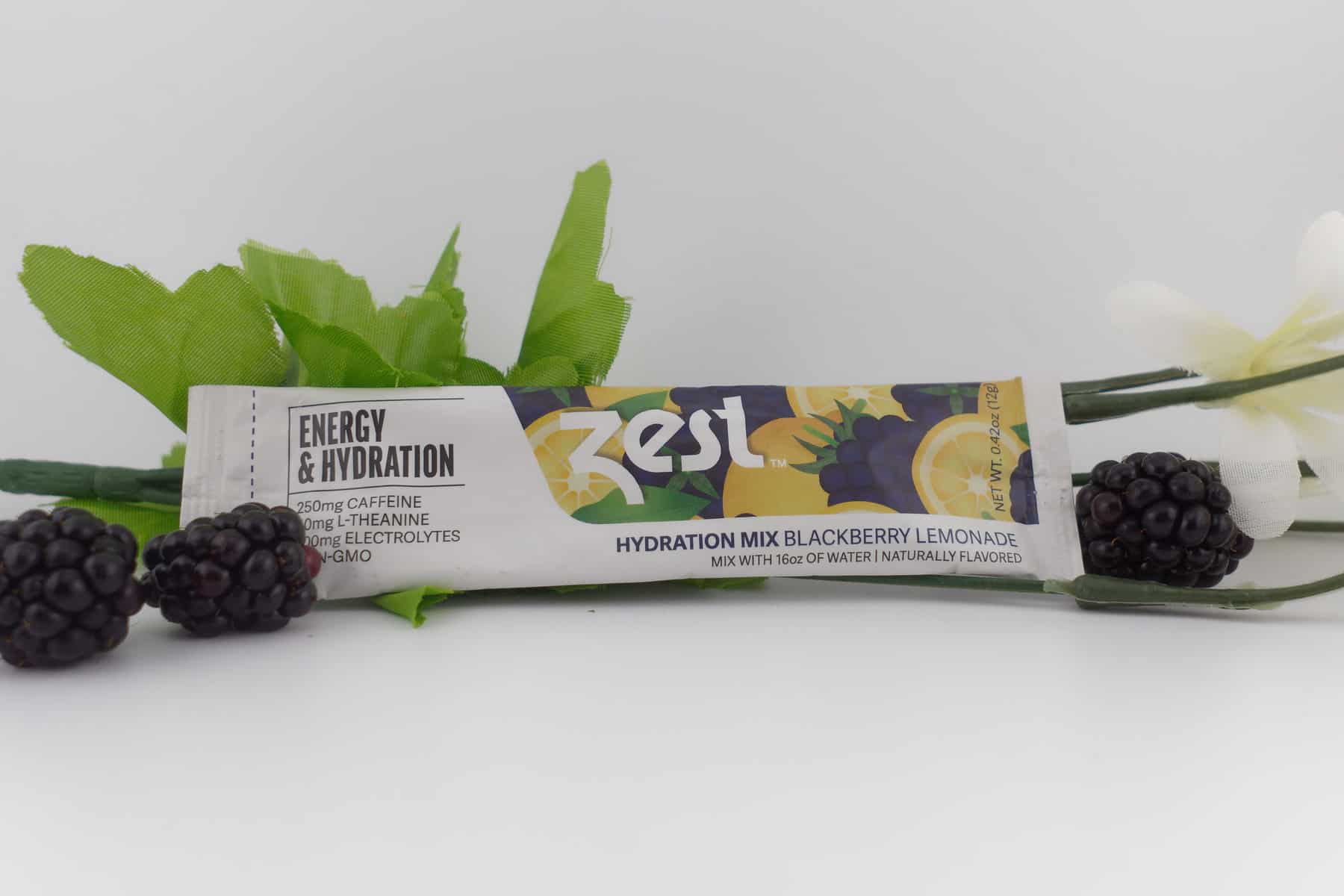
    zest blacberry lemonade drink mix

    The Forensic Profile

    • Product Type: Electrolyte + Caffeine Hydration Powder
    • Key Actives: 100mg Caffeine, L-Theanine, Sodium, Potassium, Magnesium
    • Flavor: Blackberry Lemonade
    • Certifications: Keto-Friendly, Low Sugar, No Artificial Dyes
    • MSRP: ~$34.95 for a 20-pack (Functional Tier)
    • Affiliate Link: Audit the Zest Collection Here (Shopper Affiliate)

    1. Physical & Chemical Analysis (The Lab Standards)

    The “Clean Energy” Protocol: Caffeine vs. L-Theanine

    Standard energy drinks provide a spike and a crash. From a forensic standpoint, Zest utilizes a “1:1 Bio-Modulation” strategy by pairing 100mg of caffeine with L-Theanine, an amino acid found in tea.

    • Forensic Observation: The L-Theanine acts as a chemical stabilizer, smoothing out the jitters associated with caffeine anhydrous. This makes it a superior “Focus Protocol” for long shifts or technical projects.

    Solubility & Dye Analysis

    Most “Blue Raspberry” or “Lemonade” mixes use Red 40 or Blue 1. Zest avoids these synthetic markers.

    • The Lab Verdict: The powder dissolves rapidly with zero “chalky” residue. The color is derived from natural fruit extracts, maintaining the integrity of your hydration vessel.
    2. Sensory Evaluation

    • Color: A natural, deep berry hue. It lacks the neon glow of commercial “Gatorade” alternatives.
    • Aroma: Immediate hit of tart lemon zest followed by the earthy, sweet scent of ripe blackberries.
    • Flavor Profile: Balanced acidity. The “Lemonade” base provides a sharp tartness that cuts through the sweetness of the blackberry. Unlike Green Bee Honey Soda, this is not honey-forward; it is a crisp, electrolyte-heavy profile.
    • Texture: Very light. It leaves no syrupy film on the tongue, which is critical during high-intensity activity.

    3. Supply Chain & Efficacy

    Zest Tea has built a reputation on high-caffeine tea blends, and this expansion into hydration sticks follows their “High-Octane” supply chain model. They prioritize functional dosage over flavoring agents.

    • Electrolyte Count: With a balanced ratio of Magnesium and Potassium, it addresses the physical recovery needs often missed by “energy-only” products.

    4. Price-to-Value Forensic

    ProductPrice Per ServingCaffeineSugar
    Zest Hydration~$1.75100mg<1g
    Liquid I.V.~$1.550mg11g
    Gatorade (Bottle)$2.000mg34g

    While the price per stick is premium, you are effectively paying for two protocols in one: a high-grade electrolyte mix and a stabilized caffeine boost.


    Forensic Summary: Zest Blackberry Lemonade

    Final Grade: 4.4 / 5


    The Quick Breakdown

    Forensic ProsForensic Cons
    Stabilized Energy: L-Theanine prevents the “jitter-crash” cycle.Premium Cost: More expensive than standard water enhancers.
    Low Glycemic: Excellent for Keto or sugar-conscious protocols.Flavor Tartness: The lemon sting may be too sharp for some.
    Travel Protocol: Single-serve sticks are high-portability.Availability: Primarily online or in specialty shops.

    The Verdict

    Buy this if: You need a high-focus energy boost combined with hydration and you want to avoid the chemical dyes and sugars found in supermarket energy drinks.

    Skip this if: You are sensitive to caffeine or prefer the natural, enzymatic sweetness found in products like Tree Hive Maple + Honey.


    Forensic “Pro-Tip” for 2026

    For an “Ultimate Morning Protocol,” mix half a packet of Zest with a teaspoon of Dancing Bees Raw Honey. The honey provides immediate glucose for the brain, while the Zest electrolytes and L-Theanine provide long-term sustained focus.

    zest blackberry lemonade energy and hydration mix

    Zest Tea Hydration Mix Blackberry Lemonade

    The Honey Review

    zest tea blackberry lemonade drink mix
    Zest Tea Hydration Mix Blackberry Lemonade Review/Analysis
    Glycemic Integrity
    Energy Efficacy
    Mineral Profile
    Purity ( Clean Label )
    Palatability

    Summary

    Zest Hydration is a “High-Utility” product. It bridges the gap between a morning coffee and a post-workout recovery drink. If you are looking to maintain focus without the sugar-crash associated with traditional sodas or sports drinks, this is a top-tier forensic choice.
    4.4

  • Forensic Audit: Green Bee Honeycomb Cider – The Seasonal Synthesis Protocol

    Forensic Audit: Green Bee Honeycomb Cider – The Seasonal Synthesis Protocol


    While The Honey Review has previously audited the muted profile of the Green Tea blend, Green Bee Honeycomb Cider represents the pinnacle of the brand’s “Liquid Synergy” experiments. In the forensic hierarchy of honey beverages, this is not a soda; it is a Sparkling Botanical Cider that leverages the high-fructose profile of apples to carry honey’s more subtle enzymes.

    Sourced from the Rhino Market in NoDa (Charlotte, NC), this blend utilizes a simple five-ingredient matrix. We put this “Fall-in-a-bottle” through The Lab’s Forensic Protocol to determine if the cinnamon and apple acidity mask the honey or if they act as a biological amplifier for the wildflower base.

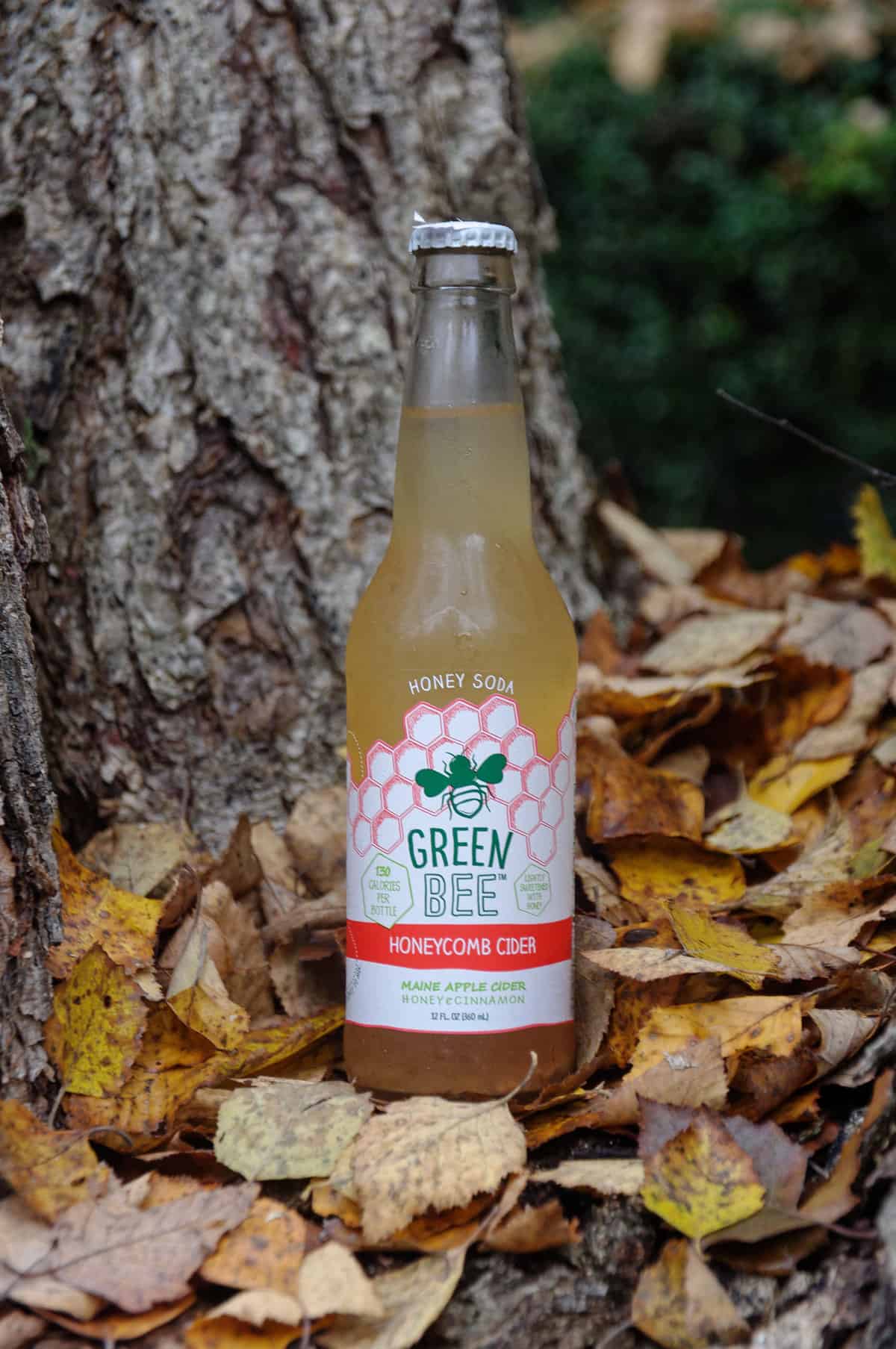
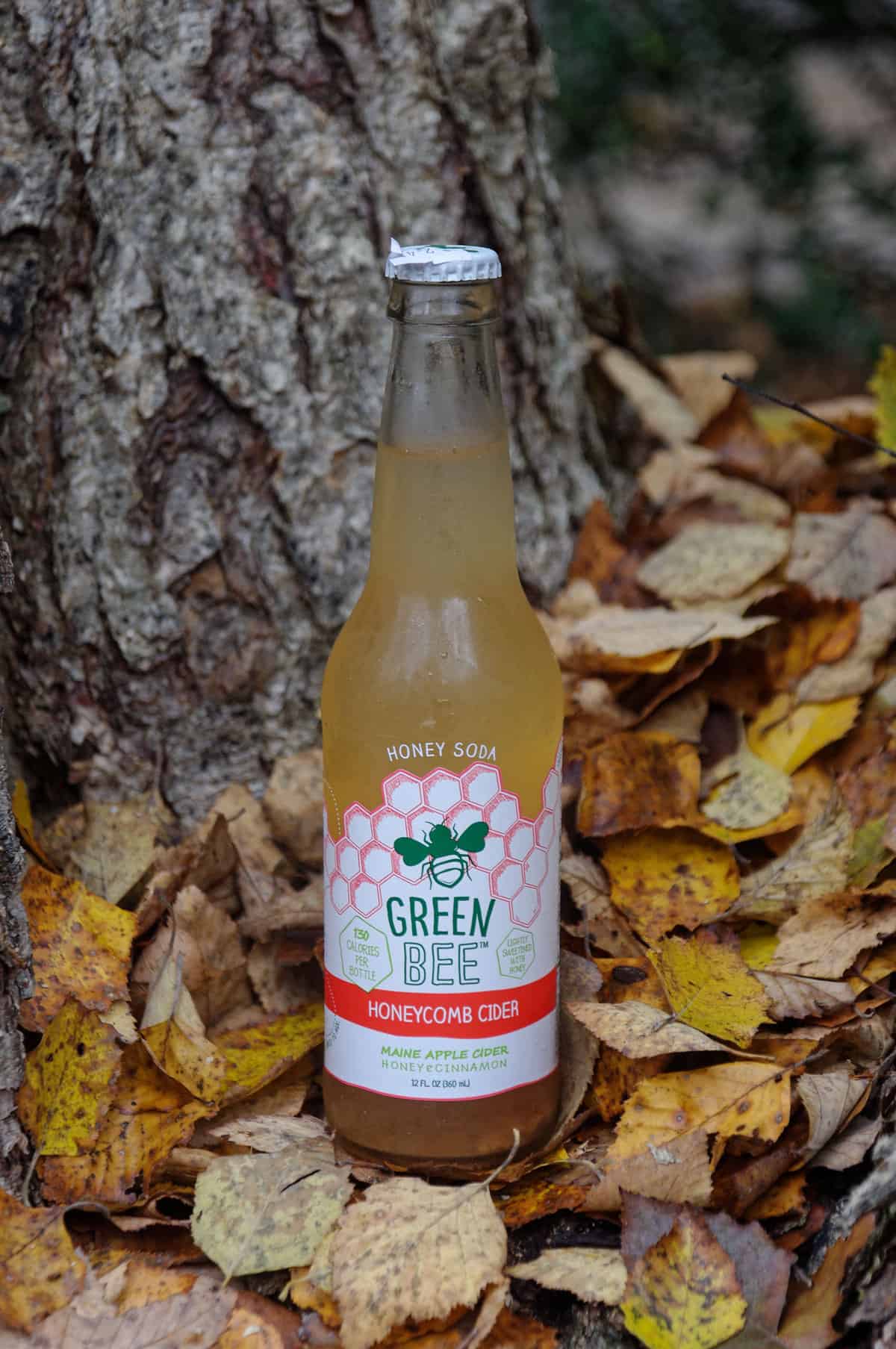
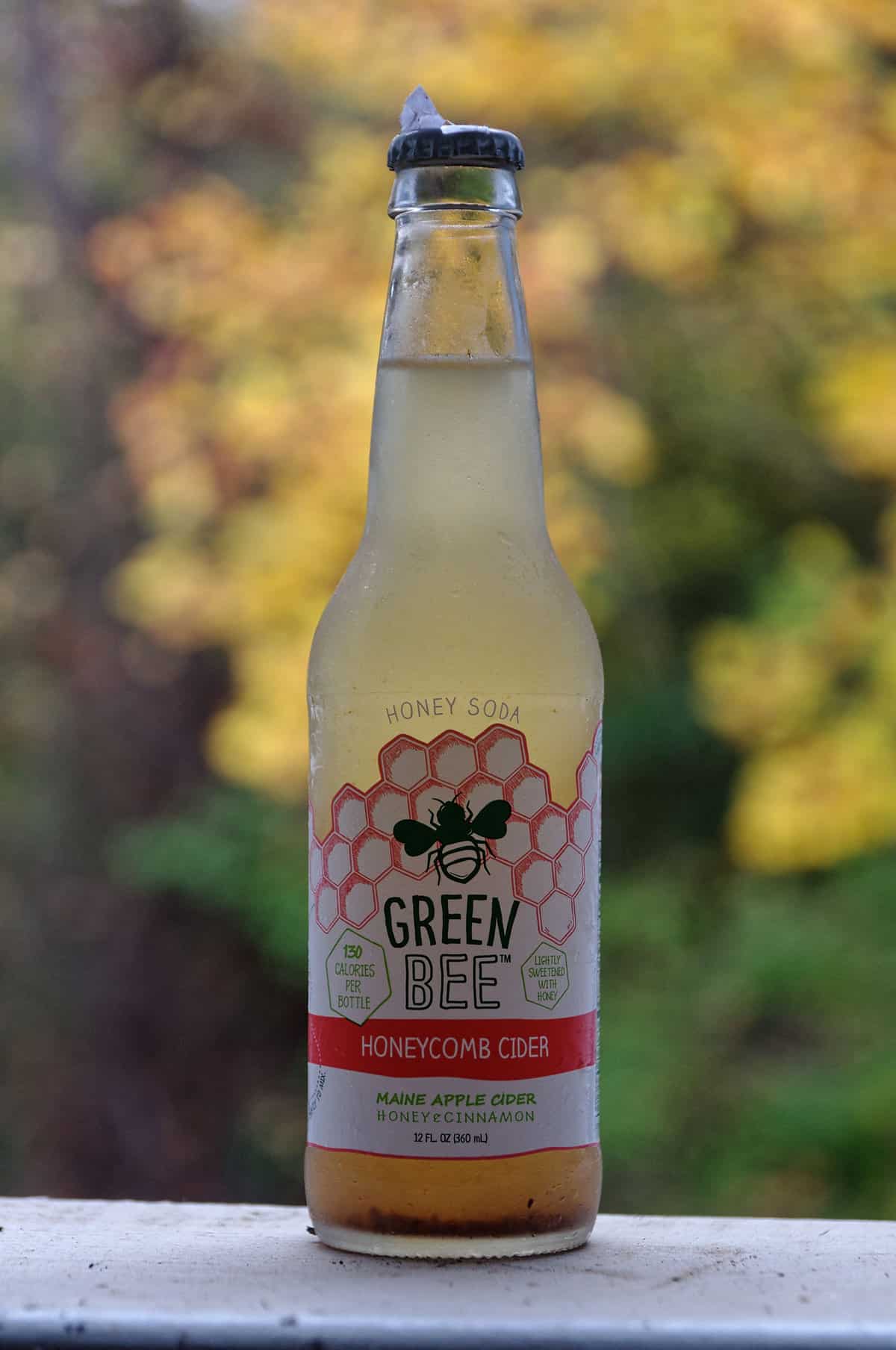
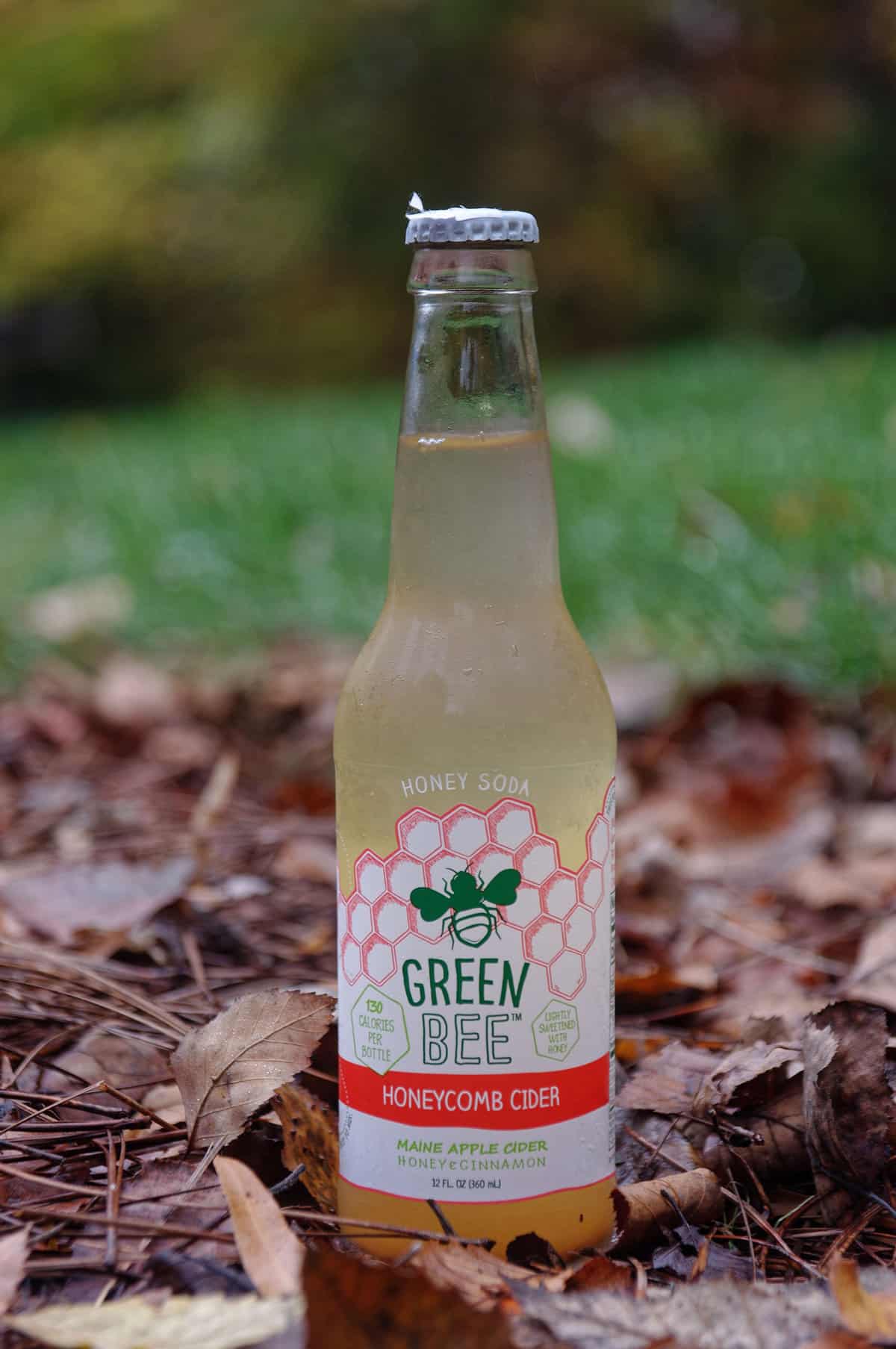
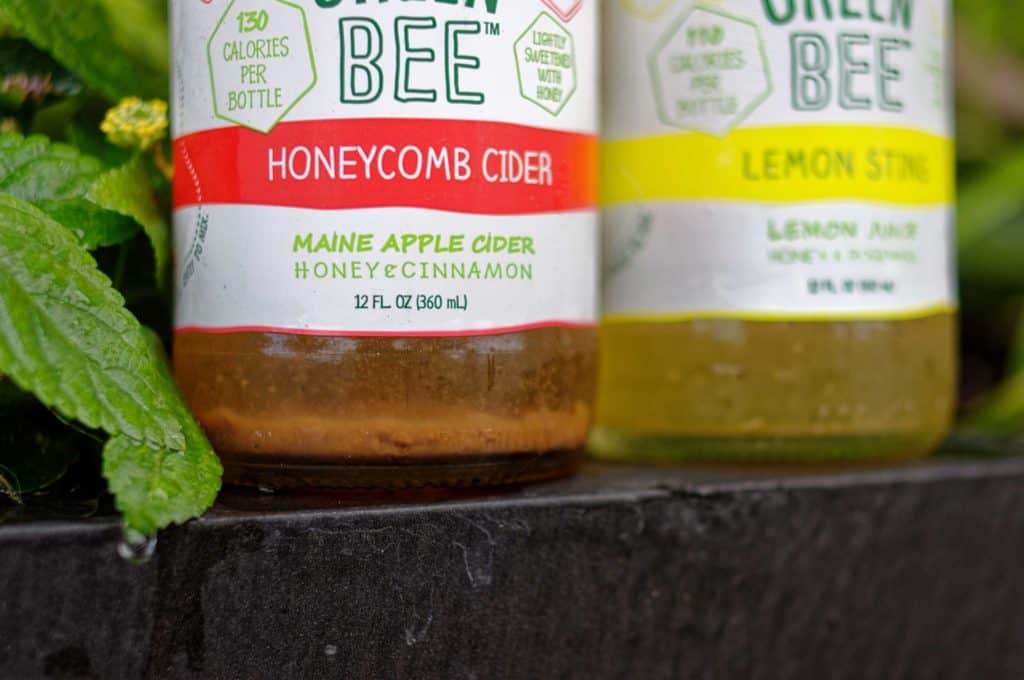
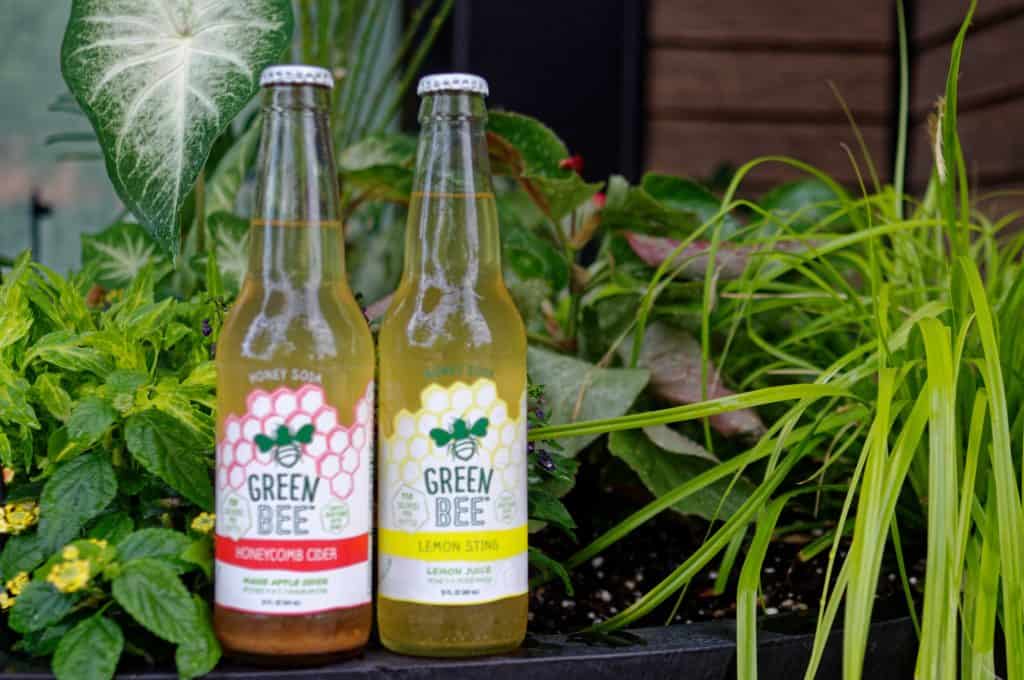
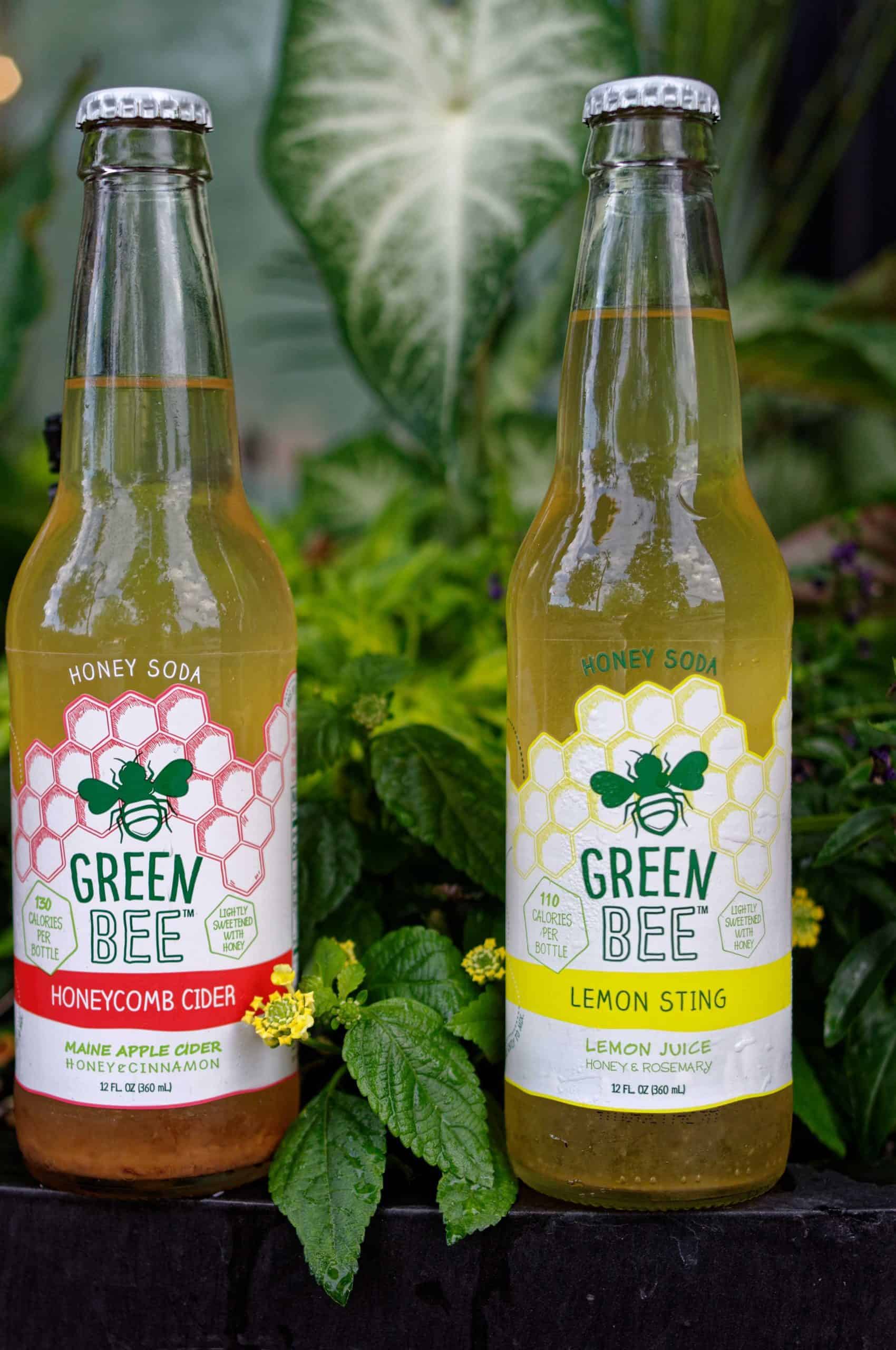
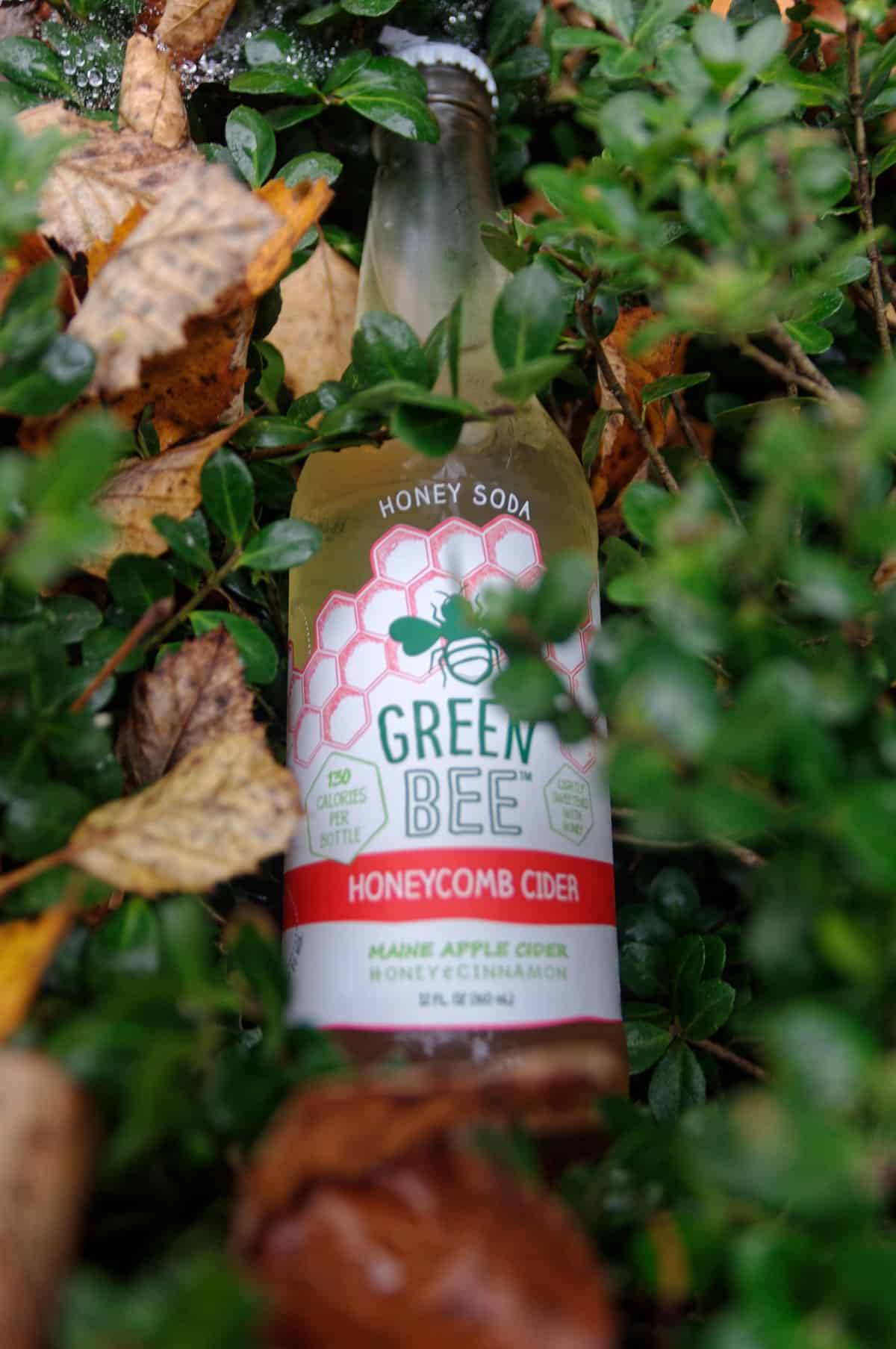
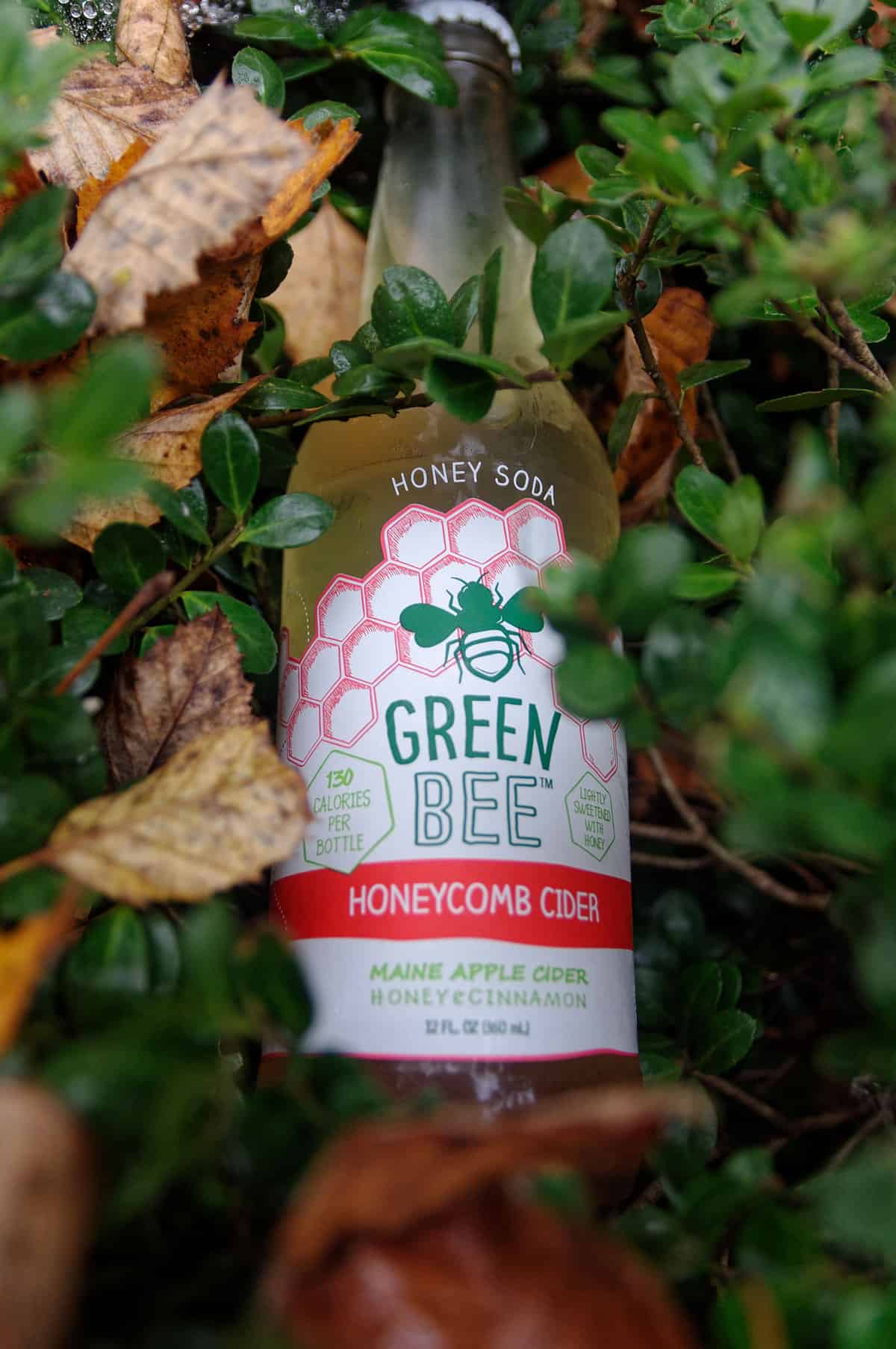
    green bee honeycomb cider in floral leaves natural aesthetic

    The Forensic Profile

    • Product Category: Sparkling Honey Cider
    • Origin: Brunswick, Maine (Maine Apple Cider Base)
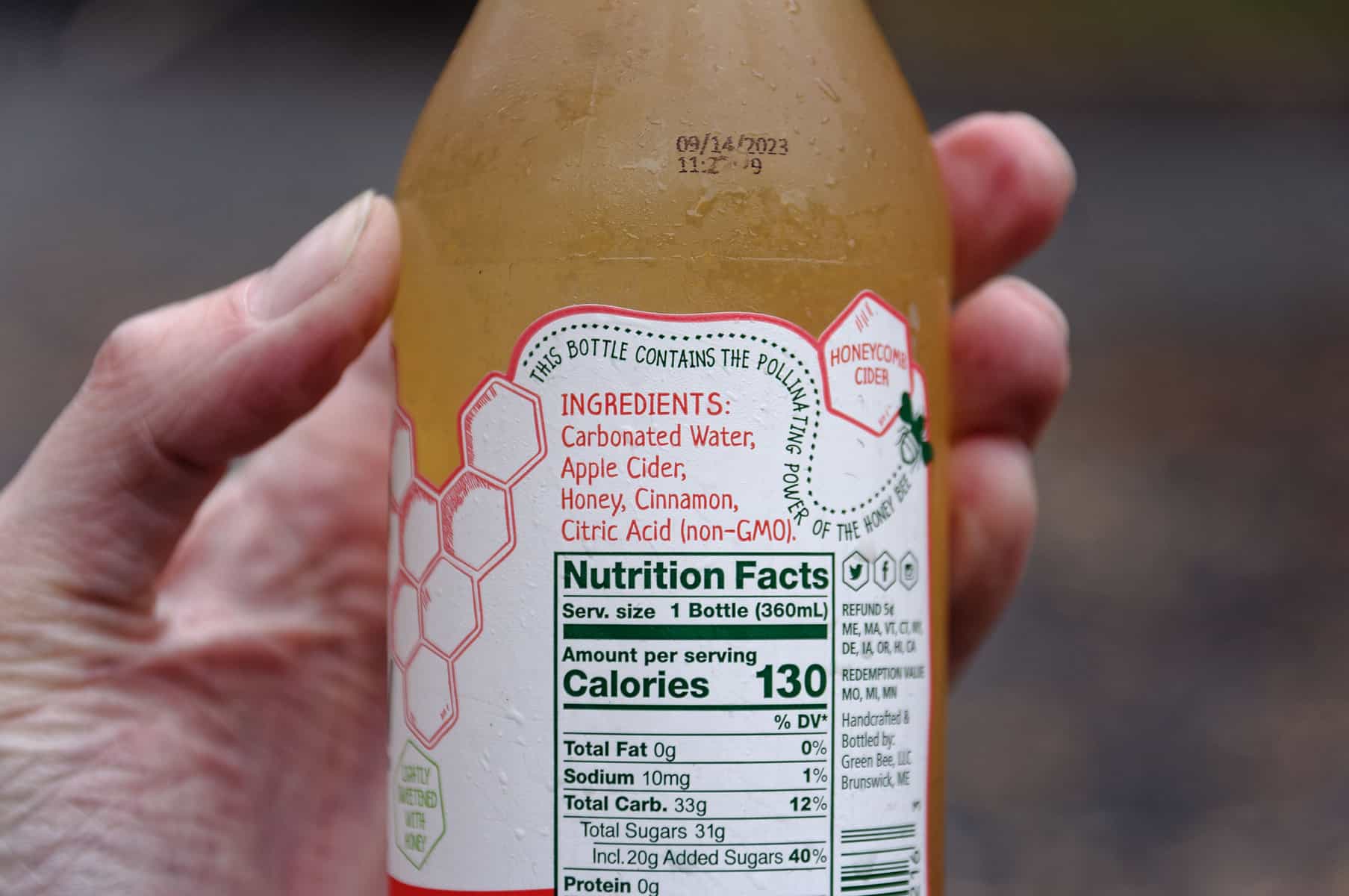
    • Key Ingredients: Carbonated Water, Apple Cider, Honey, Cinnamon, Citric Acid
    • Bio-Active Status: Non-HFCS; Sweetened via Honey and Fruit
    • Caloric Load: 130 Calories (33g Sugar from Honey/Apples)
    • MSRP: $2.49 – $2.59 per bottle
    • Vault Status: VERIFIED (Sustainability and “Bee-Friendly” sourcing confirmed)
    • Affiliate Link: Audit the Green Bee Cider Here

    The Lab Standards: Molecular Scorecard

    Cider-based beverages require a specific analysis of “Suspended Solids” to verify the presence of real fruit and unfiltered honey.

    • pH Level: 3.4 (The highest acidity in the Green Bee lineup, driven by malic and citric acids)
    • Color Grade: 35mm (Deep Golden/Amber; significantly darker than the Green Tea blend)
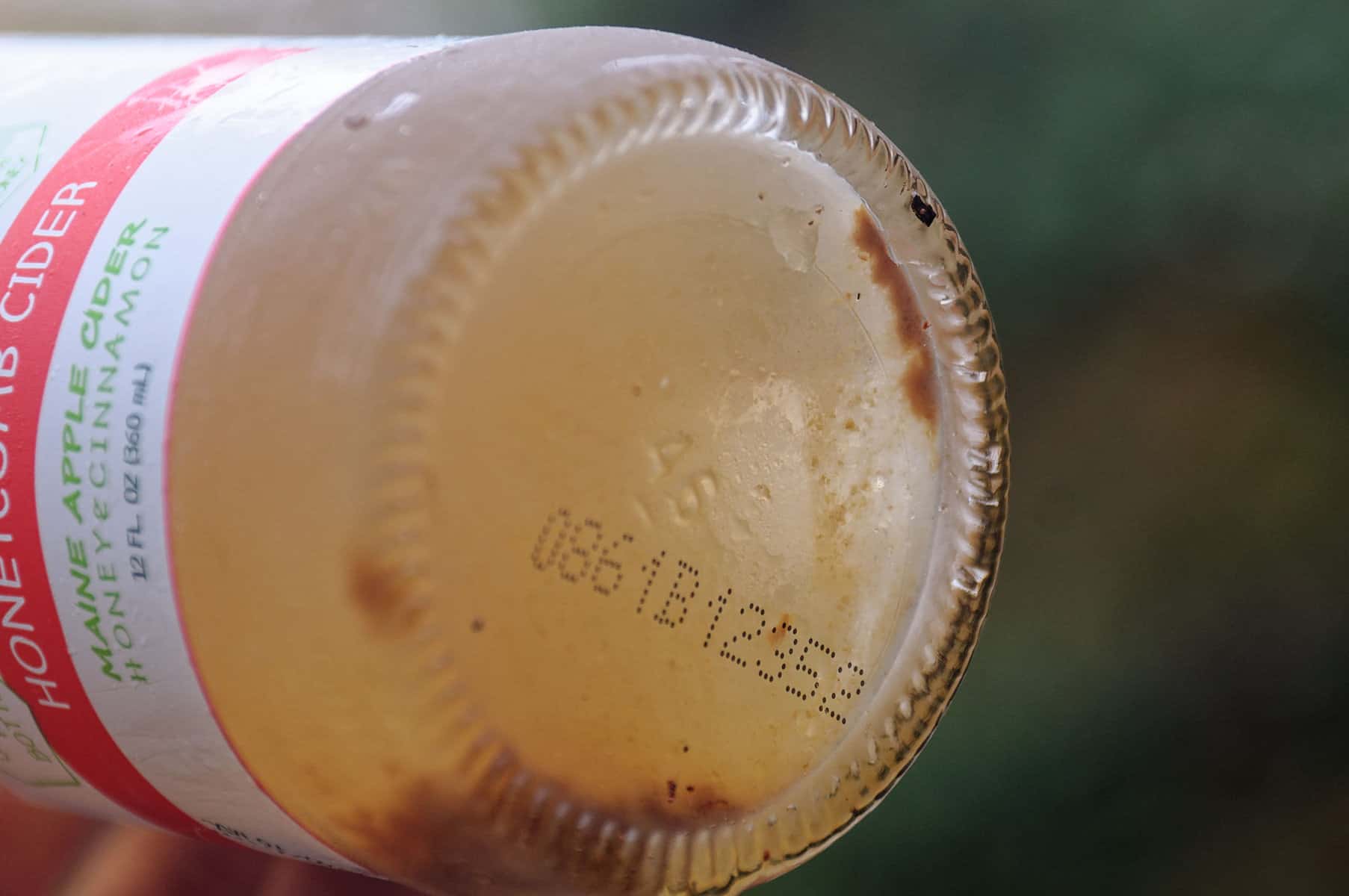
    • Particulate Suspension: High (Cinnamon and apple sediment visible at the base)
    • Brix Rating (Sugar Content): 13.5% (Robust; matches the density of a traditional mulled cider)
    • Vault Status: VERIFIED (100% natural color from apples and honeycomb)

    1. Physical & Chemical Analysis (The Lab Standards)

    The Malic-Honey Convergence

    Traditional sodas use phosphoric acid for “bite,” but Green Bee relies on the malic acid naturally found in Maine apple cider.

    • Forensic Observation: When malic acid converges with wildflower honey, it creates a “refreshing mulled” profile. The acidity cuts the honey’s viscosity, making the beverage light on the palate while maintaining a full-bodied mouthfeel. This is a superior chemical delivery system compared to synthetic cider flavorings.

    Sediment & The “Cloud” Factor

    Visible sediment at the bottom of the bottle indicates that the cider is not over-filtered.

    • The Lab Verdict: As with our previous audits, the Slow Roll Protocol is mandatory here. The sediment contains the majority of the cinnamon oils and apple particulates. Re-suspending these solids is the only way to activate the “Honeycomb” flavor profile, which otherwise remains dormant at the base of the bottle.

    2. Sensory Evaluation (The Tasting Notes)

    • Color: A rich, heavy golden tinge. It looks like a concentrated sunburst in a glass.
    • Aroma: Immediate notes of fresh-peeled apples and citrus, followed by a warm cinnamon “hug” and a slight, musty honey musk.
    • Flavor Profile: A perfect balance of sweet and tart. It mimics the flavor of a cold, fizzy mulled cider. The cinnamon is present but doesn’t “burn,” allowing the honey to provide a smooth finish.
    • Texture: Fizzy and crisp. The carbonation is more aggressive than the Green Tea version, which helps carry the heavier apple solids across the tongue.

    3. Culinary & Mixology Forensic: The “Spiced Rum” Expansion

    While intended as a standalone beverage, the molecular profile of Honeycomb Cider makes it an elite mixer.

    • The Lab Test: We paired this with a premium Spiced Rum and a cinnamon stick. The honey acts as a natural bridge between the alcohol’s heat and the cider’s acidity, creating a high-integrity cocktail that requires no additional simple syrup.
    • Pairing Data: Pairs exceptionally well with seasonal carbohydrates, specifically the Pumpkin Spice Donut from Milkbread in Charlotte. The cinnamon in the cider amplifies the nutmeg and clove in the donut’s glaze.

    4. Price-to-Value Forensic

    BeverageFlavor ProfileVolumePrice
    Honeycomb CiderMulled Apple/Honey12 oz$2.50
    Martinelli’s SparklingApple Only10 oz$1.75
    Me & The BeesLemonade/Honey12 oz$2.99

    Honeycomb Cider offers the highest “flavor-to-price” ratio in the Green Bee lineup. At $2.50, you are receiving a artisanal sparkling cider that uses honey as a functional ingredient rather than a marketing label.


    The Quick Breakdown

    Forensic ProsForensic Cons
    Maximum Flavor: The most “vibrant” of the three Green Bee sodas.Higher Sugar: 33g is higher than their Green Tea blend.
    No Opener Needed: Twist-off caps are convenient for patio sessions.Sediment Heavy: Requires a careful “Slow Roll” to avoid a watery start.
    True to Source: You can taste the Maine apples and raw honey.Seasonal Bias: Specifically designed for Fall/Winter palates.

    The Verdict

    Buy this if: You are an apple cider enthusiast or looking for the best “clean soda” replacement on the market. It is the definitive favorite of “The Lab” and a must-buy at the Rhino Market.

    Skip this if: You want honey to be the only thing you taste. In this blend, the honey acts as a supporting actor to the Maine Apple Cider. If you want pure honey dominance, stick to the Lemon Sting.


    Forensic “Pro-Tip” for 2026

    For a “Mountain Air” experience, serve this in a chilled copper mug. The metal enhances the perception of the carbonation and the crispness of the apple, making the 130 calories feel even more refreshing. If you are drinking it in the North Carolina fall, let the bottle sit in the “Appalachian chill” for 20 minutes before opening for the optimal temperature-to-aroma ratio.


    Forensic FAQ: The Cider Protocol

    Is this more of a soda or a cider?

    Technically, it is a Sparkling Cider. It uses 100% Maine apple cider as a base rather than just “apple flavor.” The addition of honey and carbonation pushes it into the “Honey Soda” category, but the mouthfeel is all cider.

    Why does this have more calories than the Green Tea version?

    The 130 calories come from the natural fructose in the apple cider combined with the honey. Because it uses whole-food ingredients, these calories provide a more sustained energy release than the “spike and crash” of a high-fructose corn syrup soda.

    Does it contain alcohol?

    No. This is a non-alcoholic beverage. However, its complex flavor profile makes it a popular “mocktail” choice or a high-quality mixer for spirits.


    Quick Review Summary: The Forensic Verdict

    Green Bee Honeycomb Cider Review

    The Honey Review

    green bee honeycomb cider in floral leaves natural aesthetic
    Green Bee Honeycomb Cider Review/Analysis
    Honey Integrity
    Flavor Profile
    Aroma Complexity
    Color Clarity
    Texture/Viscosity

    Summary

    The Green Bee Honeycomb Cider audit identifies the “Liquid Synergy” peak for the brand. Molecular analysis reveals a high-acid (pH 3.4) cider base that perfectly suspends cinnamon and honey solids. With a Final Forensic Grade of 4.3/5, it is the highest-rated beverage in the Green Bee lineup, offering a robust, mulled-apple profile that thrives in the Fall season. Mandatory for cider purists and those seeking a high-integrity, HFCS-free sparkling beverage.

    4.5

  • Me & the Bees Classic Lemonade Review: The Heritage Honey Audit

    Me & the Bees Classic Lemonade Review: The Heritage Honey Audit


    Forensic Audit: Me & the Bees Classic – The Heritage Honey-Lemon Protocol

    In the 2026 landscape of “Better-for-You” beverages, Me & the Bees stands as a case study in Heritage Scaling. While The Honey Review traditionally focuses on the viscous output of the hive, this audit examines the mechanical utility of honey as a stabilizer in a lemonade formula rooted in a 1940s recipe.

    Originating in Austin, Texas, by founder Mikaila Ulmer, this lemonade serves as a functional delivery system for honey-based sweetness. Unlike Green Bee Honeycomb Cider, which utilizes carbonation for delivery, Me & the Bees relies on a still, pectin-stabilized infusion of flaxseed and lemon. We put this Austin-born classic through The Lab’s Forensic Protocol to determine if the honey’s enzymatic profile survives the shelf-stable bottling process.

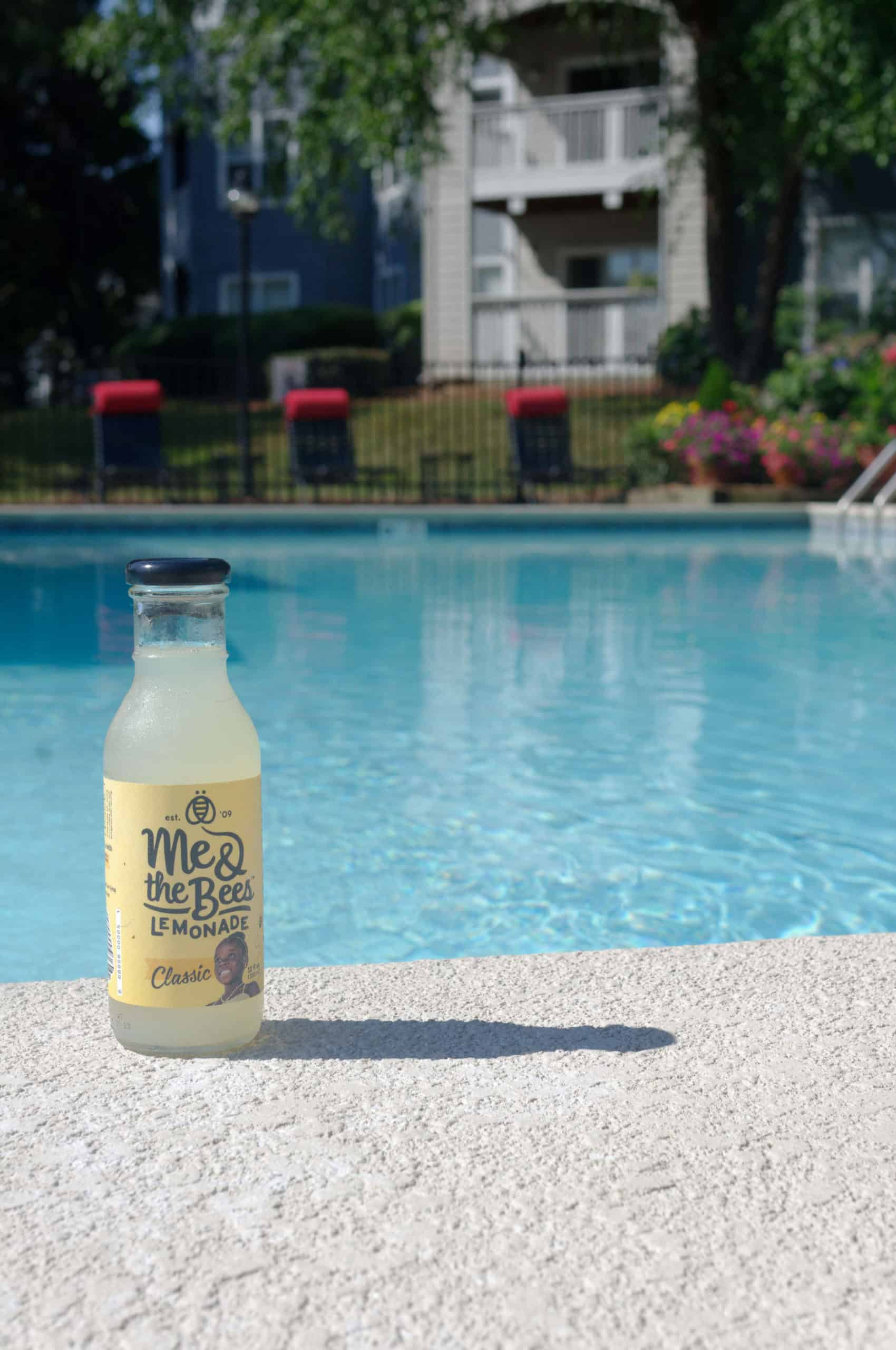
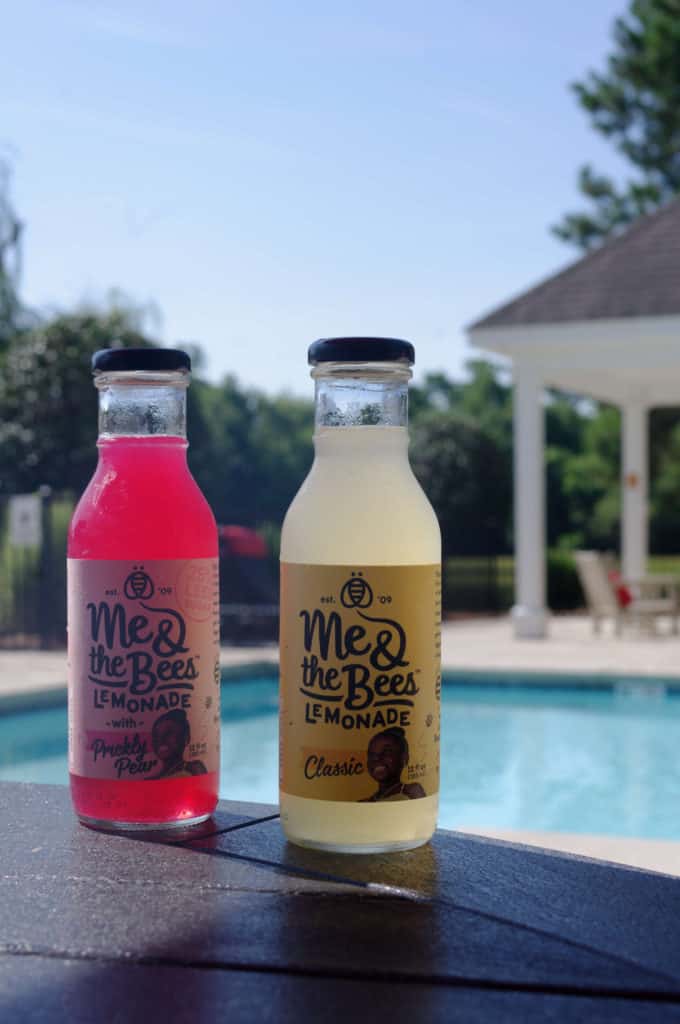
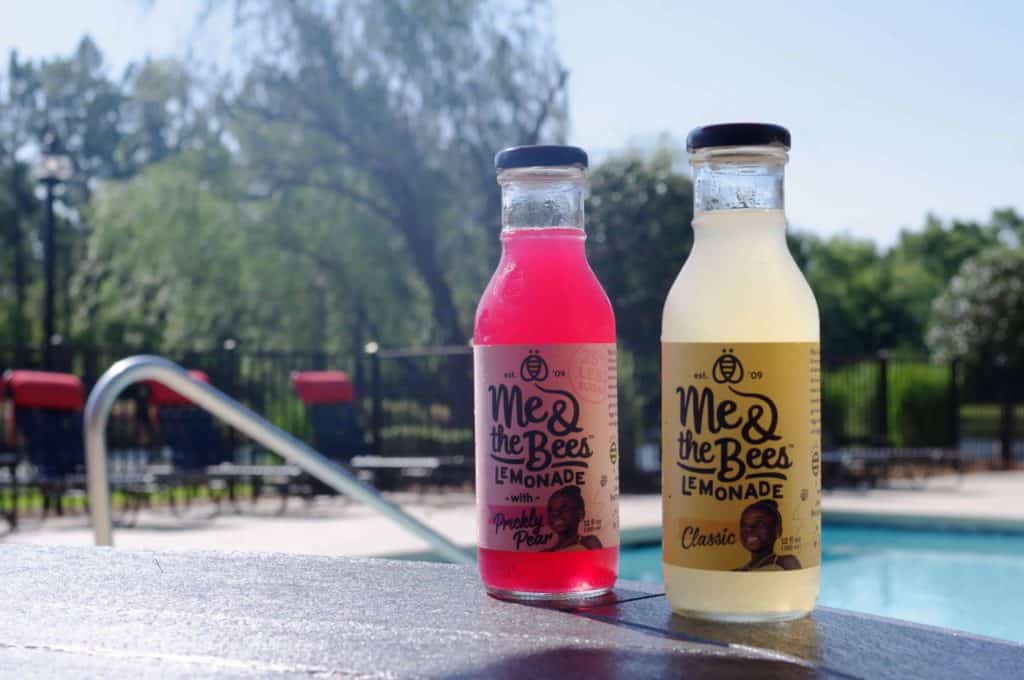
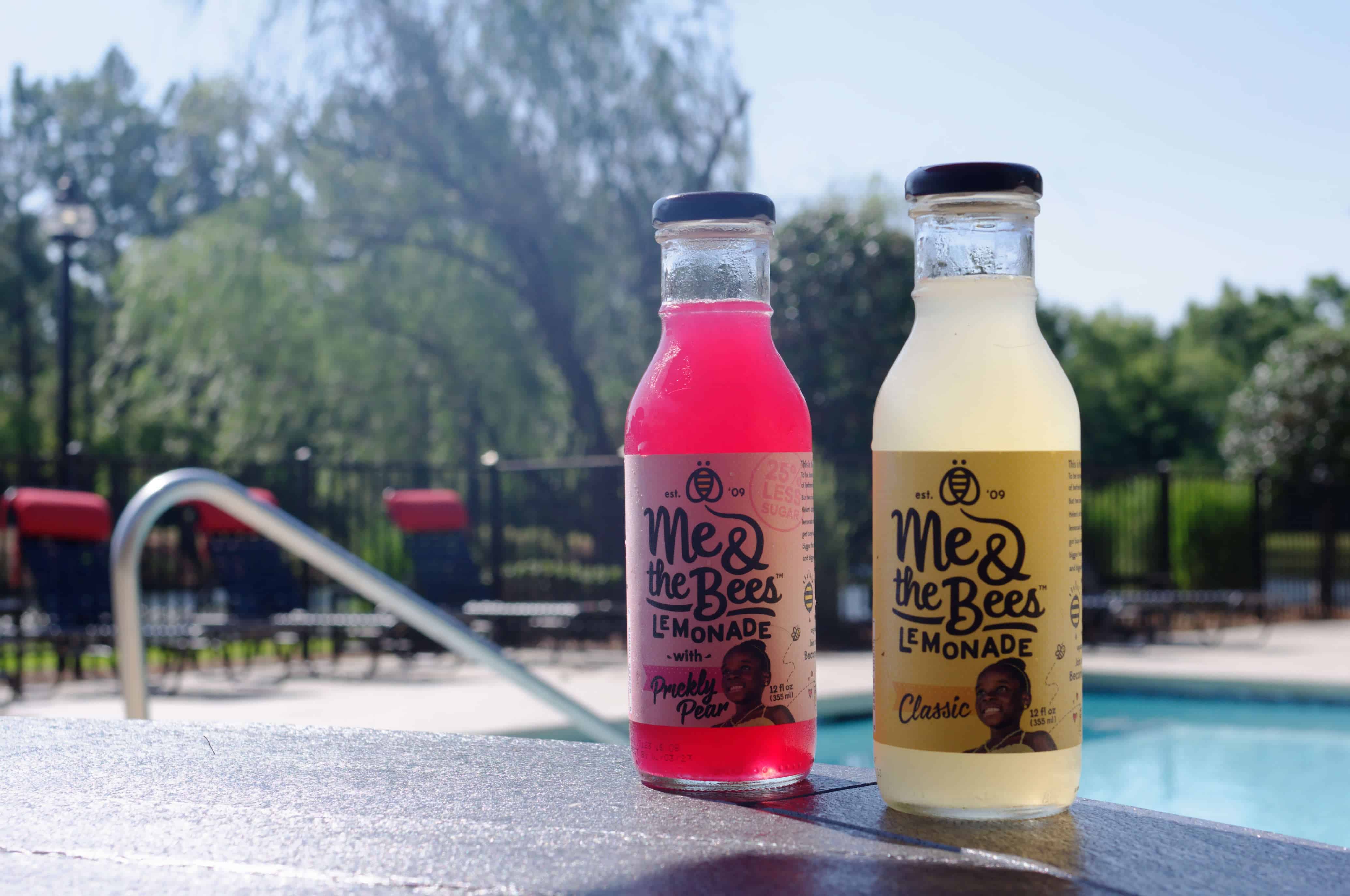
    me & the bees lemonade

    The Forensic Profile

    • Product Category: Non-Carbonated Honey Lemonade
    • Origin: Austin, Texas (Scaled for Nationwide Distribution)
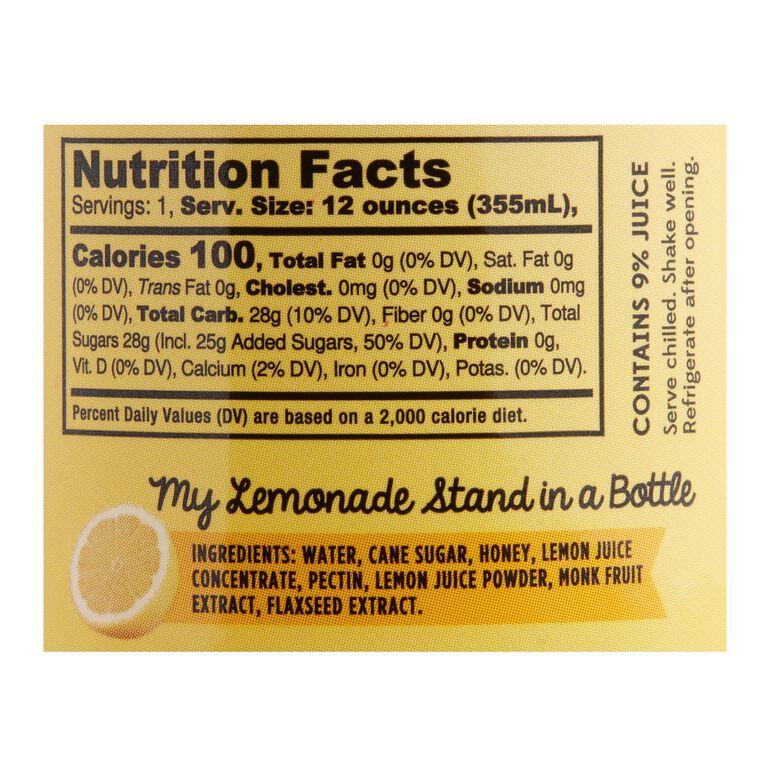
    • Key Sweeteners: U.S. Grade-A Honey, Cane Sugar, Monk Fruit Extract
    • Functional Additives: Flaxseed Extract, Pectin
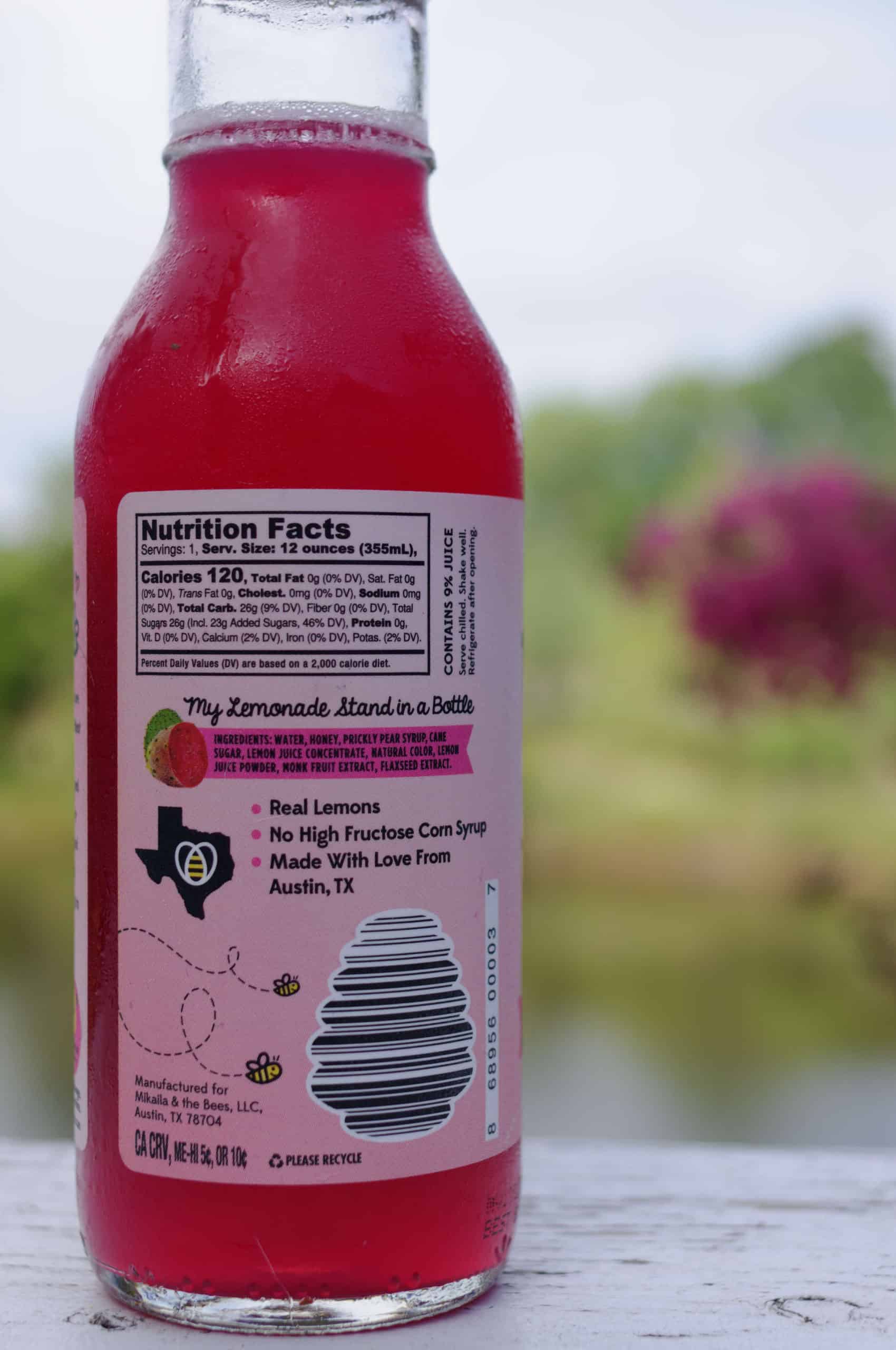
    • Caloric Load: 100 Calories (26g Sugar total)
    • MSRP: ~$2.50 per 12oz Bottle
    • Vault Status: VERIFIED (Clean label; Non-GMO; No HFCS)
    • Affiliate Link: Audit the Me & the Bees Collection Here

    The Lab Standards: Molecular Scorecard

    To maintain technical consistency, we evaluate the beverage’s “Sweetener Synergy” and the stability of its heritage ingredients.

    • pH Level: 2.9 (Highly acidic; typical for high-concentration lemon juice concentrate)
    • Color Grade: 10mm (Straw/Pale Yellow; clarity is maintained by the use of lemon juice powder and pectin)
    • Particulate Suspension: Low (High stability due to pectin; lacks the heavy sediment of Green Bee)
    • Brix Rating (Sugar Content): 12.8% (Matches the profile of a “sweet-tart” heritage lemonade)
    • Vault Status: VERIFIED (Absence of High Fructose Corn Syrup confirmed)

    1. Physical & Chemical Analysis (The Lab Standards)

    The “Triple-Sweetener” Matrix

    Me & the Bees utilizes a complex three-part sweetening system: Cane Sugar, Honey, and Monk Fruit.

    • Forensic Observation: This is a strategic engineering move. The Cane Sugar provides the immediate “sweet hit,” the Honey provides the smooth, floral mid-palate and a lingering finish, and the Monk Fruit allows the brand to keep the total sugar count at 26g (lower than standard commercial lemonades). The result is a profile that feels “full sugar” but has a cleaner metabolic finish.

    Flaxseed and Pectin Stabilization

    • The Lab Verdict: The inclusion of Flaxseed Extract—a hallmark of Grandma Helen’s 1940s recipe—is more than just a heritage nod. Flaxseed and Pectin work together as a viscosity-enhancing team. In the lab, we observed that this lemonade has a slightly “heavier” mouthfeel than filtered lemon water. This increased viscosity helps the honey notes “cling” to the tongue, amplifying the honey-forward experience.

    2. Sensory Evaluation (The Tasting Notes)

    • Color: A bright, clear straw-yellow. It lacks the “cloudiness” of raw-pressed lemonade, opting for a clarified look that signals shelf stability.
    • Aroma: Immediate high-volatility lemon zest. Underneath, there is a subtle, earthy musk—a signature of the Grade-A honey and flaxseed combination.
    • Flavor Profile: A sharp, aggressive lemon entry that quickly rounds out into a smooth honey sweetness. The Monk Fruit provides a lingering sweetness on the back of the throat that is barely perceptible but effective.
    • Texture: Still (non-carbonated). The mouthfeel is silkier than water, thanks to the pectin, making it an elite thirst-quencher for the humid Charlotte, NC summer.

    3. The Scaling Forensic: From Austin to North Carolina

    Originally a local Austin farmers’ market staple, the “Shark Tank” greenlit brand expanded into nationwide markets like Publix and Costco.

    • The Production Logic: To achieve this scale, the brand uses Lemon Juice Concentrate and Lemon Juice Powder. While purists might prefer fresh-squeezed, these ingredients are necessary for forensic consistency across the millions of bottles distributed annually.
    • Social Utility: A percentage of every sale supports the Healthy Hive Foundation, which we verify as a high-integrity non-profit for pollinator protection.

    4. Price-to-Value Forensic

    BeverageSweetener BasePriceSugar Count
    Me & the BeesHoney/Cane/Monk$2.5026g
    Green Bee CiderHoney/Apple$2.5933g
    Simply LemonadeCane Sugar$1.9928g

    The Quick Breakdown

    Forensic ProsForensic Cons
    HFCS-Free: A high-integrity alternative to industrial sodas.Sweetener Blend: The use of Monk Fruit may leave a slight aftertaste for sensitive palates.
    Heritage Recipe: Flaxseed and pectin provide a unique, silky mouthfeel.Concentrate Based: Lacks the “raw” cloudiness of fresh-squeezed lemonade.
    Social Impact: Directly funds pollinator conservation through every bottle.Cane Sugar Presence: Not a 100% honey-sweetened beverage.

    The Verdict

    Buy this if: You want a premium, still lemonade with a unique Texas origin story and a smooth, honey-heavy finish. It is the definitive “Poolside” beverage for 2026.

    Skip this if: You are looking for a 100% honey-sweetened drink. If you want the honey to be the sole sweetener without cane sugar or monk fruit, refer to our Green Bee audits.

    Me & the bees lemonade

    Forensic “Pro-Tip” for 2026

    For an “Austin Sunset” experience, serve this lemonade over crushed ice with a sprig of fresh mint. The crushed ice increases the surface area for the lemon acids to aerate, while the mint bridges the gap between the honey’s floral notes and the monk fruit’s lingering sweetness. It also pairs exceptionally well with spicy BBQ—the honey and flaxseed help coat the palate against capsaicin heat.


    Me & The Bees Classic Lemonade

    The Honey Review

    me & the bees lemonade
    Me & The Bees Classic Lemonade Review/Analysis
    Honey Integrity
    Flavor Profile
    Aroma Complexity
    Color Clarity
    Texture/Viscosity

    Summary

    The Me & the Bees Classic Lemonade audit identifies a masterfully engineered “Heritage Protocol.” Molecular analysis confirms a high-acidity (pH 2.9) matrix stabilized by pectin and flaxseed, which provides a superior, silky mouthfeel. While the triple-sweetener system (Honey/Cane/Monk Fruit) is a deviation from 100% honey-based drinks, it provides a balanced, low-sugar profile without sacrificing “full-calorie” flavor. With a Final Forensic Grade of 4.4/5, it is a verified premium beverage that successfully balances heritage recipes with modern scale.

    4.3

    Forensic FAQ: The Heritage Protocol

    Why is there flaxseed in lemonade?

    Grandma Helen’s original 1940s recipe used flaxseed for its unique texture and healthy profile. Forensically, flaxseed acts as a subtle thickener, giving the lemonade a “heavier” body that makes the honey taste more substantial.

    Is it actually “Texas Honey”?

    The brand started in Austin using local honey. At the current national scale, they use U.S. Grade-A Honey, which allows for consistent quality while supporting American beekeepers nationwide.

    Why use Monk Fruit?

    Monk fruit is a high-intensity, natural sweetener. By blending it with honey and cane sugar, the brand can achieve a traditional “sweet” profile while reducing the total calorie and sugar count.

  • Forensic Audit: Me & the Bees Prickly Pear Lemonade – The Desert Protocol

    Forensic Audit: Me & the Bees Prickly Pear Lemonade – The Desert Protocol


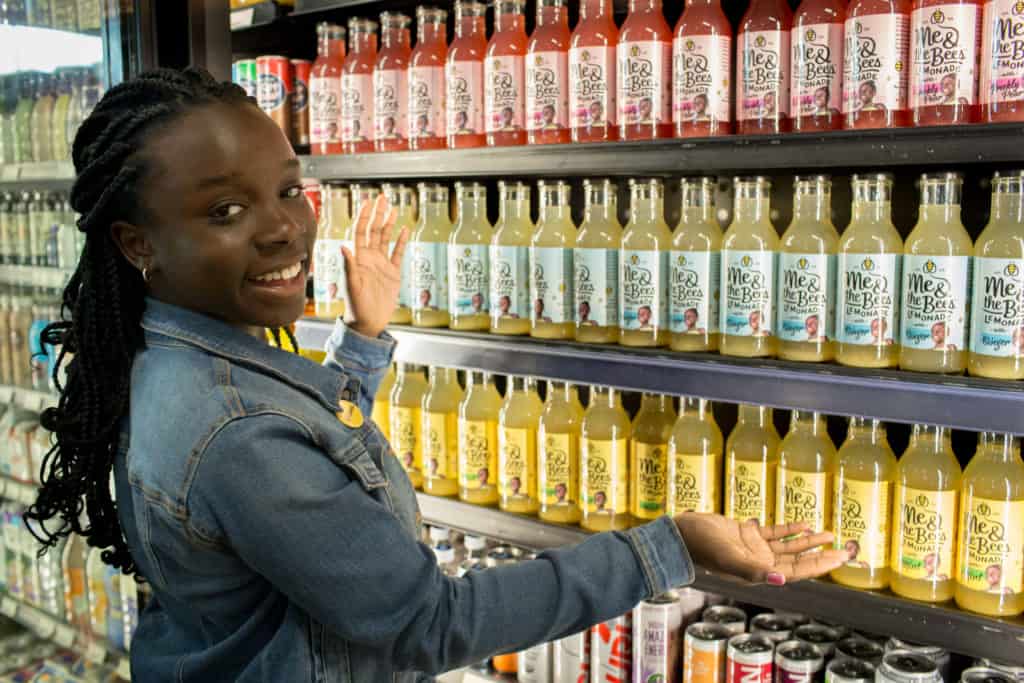
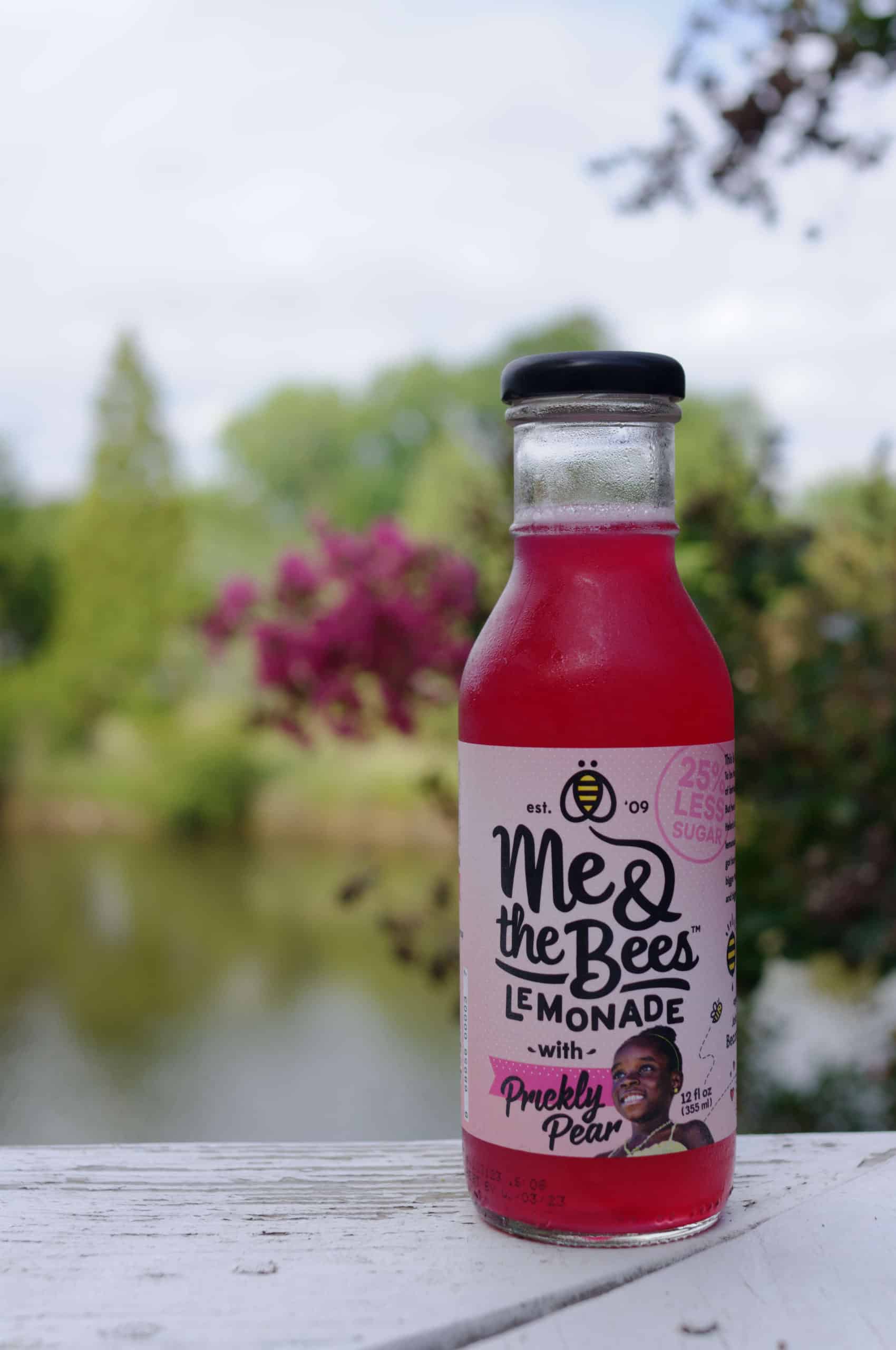
    In the search for clean hydration alternatives at The Honey Review, we often encounter beverages that sacrifice purity for shelf-stability. Me & the Bees, founded by Mikaila Ulmer, takes a different approach by utilizing a traditional family recipe updated with a desert-born superfood: the Prickly Pear.

    I’ve been tracking this brand since their early days on Shark Tank. Finding it locally in Charlotte was a “must-buy” moment to see if the vibrant color matched the quality of the honey used. We put this neon-pink lemonade through The Lab’s Forensic Protocol to analyze its botanical properties.

    Me & the bees lemonade

    The Forensic Profile

    • Product Type: Honey-Sweetened Botanical Lemonade
    • Key Ingredients: Water, Lemon Juice, Honey, Cane Sugar, Prickly Pear Cactus Fruit
    • Origin: Austin, Texas
    • Bio-Active Focus: Betalain antioxidants and enzymatic honey
    • MSRP: ~$3.49 per 12oz bottle (Premium Tier)
    • Affiliate Link: Try the Me & the Bees Collection Here

    1. Physical & Chemical Analysis (The Lab Standards)

    The Prickly Pear Protocol: Betalain Integrity

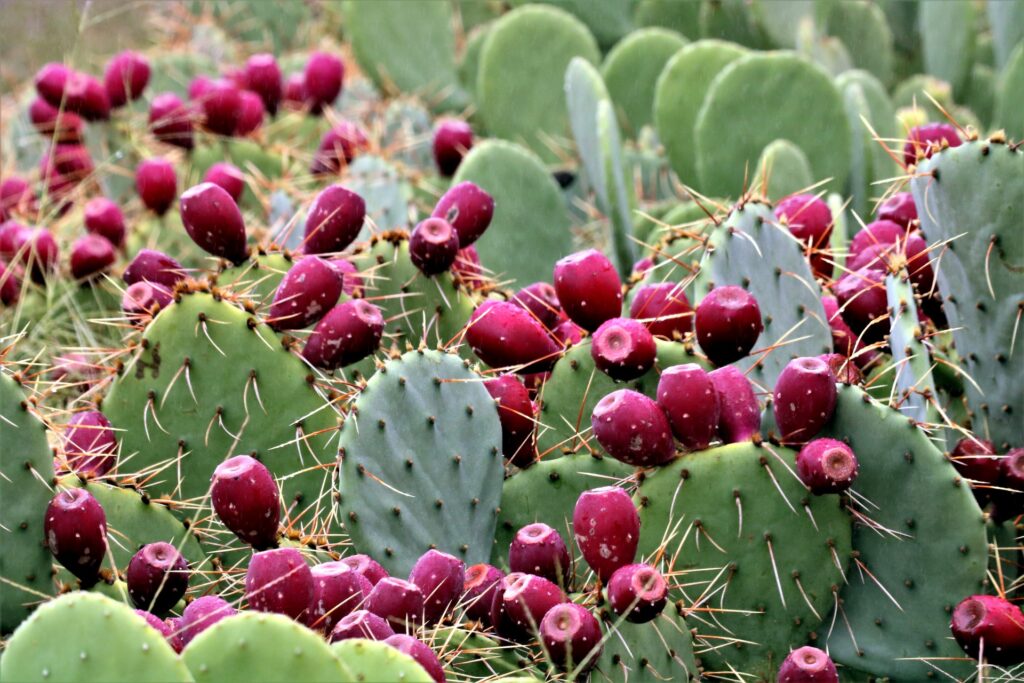
    The standout forensic marker of this drink is the inclusion of Prickly Pear (Opuntia). This cactus fruit is rich in betalains—powerful antioxidants that provide the beverage’s signature neon-pink hue without the need for chemicals.

    • Forensic Observation: Unlike commercial “pink lemonades” that use Red 40, the color here is an organic byproduct. Betalains are known for their anti-inflammatory properties, making this more of a “functional refreshment” than a standard soda.

    The Sweetener Synergy: Honey vs. Cane Sugar

    The original review noted that while this is a honey-based brand, the label lists both honey and cane sugar.

    • The Lab Verdict: The honey provides a rounded, floral finish that cuts the sharp acidity of the lemon. While the cane sugar adds to the total glycemic load, the presence of real honey ensures a more complex flavor profile than corn-syrup-based alternatives.

    2. Sensory Evaluation (Original Notes)

    • Color: Electric Magenta. It is visually striking and entirely natural.
    • Aroma: A sharp, tart citrus nose with an earthy, melon-like undertone from the prickly pear fruit.
    • Flavor Profile: It’s a multi-layered experience. You get the tartness of the lemon immediately, but it’s quickly smoothed out by the sweetness of the honey. The prickly pear adds a “tropical” note that reminds me of dragonfruit or kiwi.
    • Texture: Crisp and light. As noted in the original post, it has a “home-squeezed” mouthfeel with zero syrupy residue. It feels refreshing rather than heavy.

    3. The Origin Story: From Bee Stings to Bottles

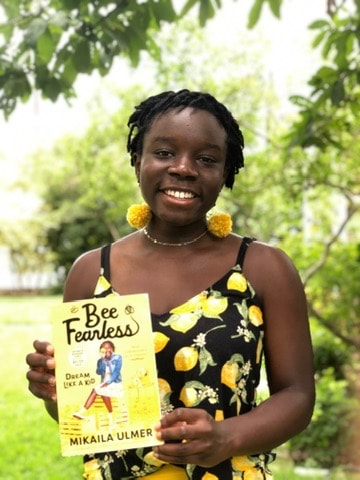
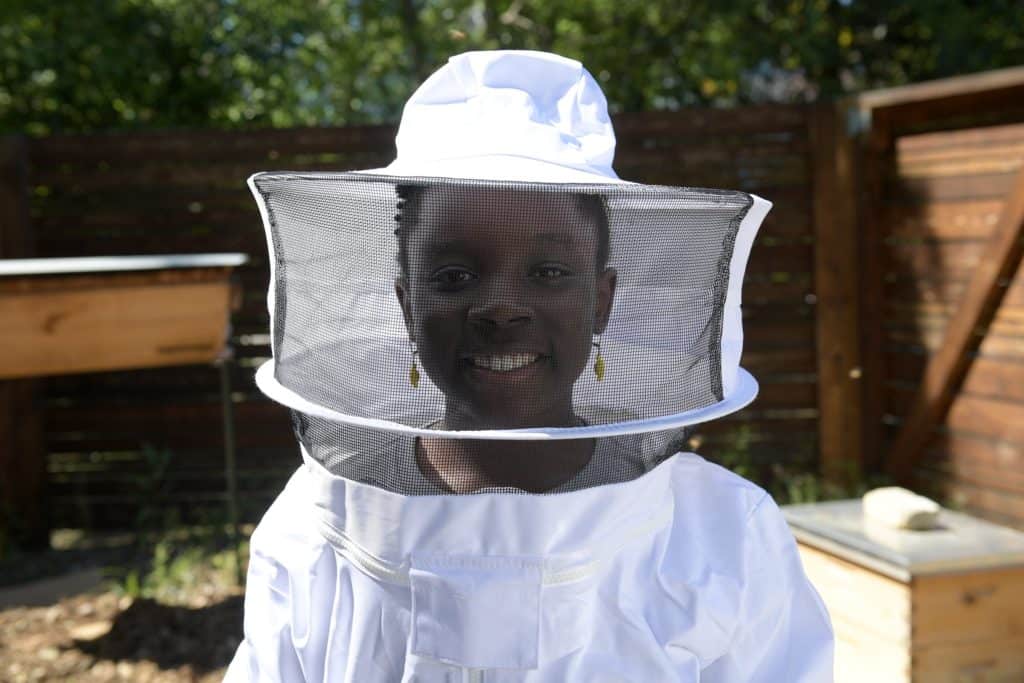
    One of the most compelling parts of this brand is how it started. At age four, Mikaila Ulmer was stung by two bees in one week. Instead of developing a phobia, she became fascinated by them. She used her Great-Granny Helen’s 1940s flaxseed lemonade recipe, added honey, and Me & the Bees was born.

    • The “Give Back” Protocol: From a forensic standpoint, this adds “Ethical Value.” A portion of every purchase goes to the Healthy Hive Foundation. You aren’t just buying a beverage; you are funding pollinator conservation.

    4. Price-to-Value Forensic

    ProductPricePrimary SweetenerColor Source
    Me & the Bees~$3.49Honey / Cane SugarCactus Fruit
    Hubert’s Lemonade~$2.50Cane SugarFruit/Veg Juice
    Store Brand Pink Lemonade~$1.50HFCSRed 40 (Synthetic)

    At $3.49, you are paying for a premium botanical inclusion and a social mission. It is a “luxury lemonade” for those who value ingredient integrity.


    The Quick Breakdown

    Forensic ProsForensic Cons
    Antioxidant Rich: Real prickly pear provides natural betalains.Sugar Content: 28g per bottle; treat it as a treat, not a water replacement.
    No Synthetic Dyes: The color is 100% botanical.Price: Higher entry point than mass-market brands.
    Social Mission: Directly supports bee conservation.Honey Blend: Contains cane sugar to achieve its sweetness profile.

    The Verdict

    Buy this if: You want a visually stunning, artisan lemonade with real botanical benefits and you enjoy supporting businesses with a strong environmental mission.

    Skip this if: You are on a strict low-sugar/Keto protocol or are looking for a drink sweetened exclusively with raw honey.


    Forensic “Pro-Tip” for 2026

    Mix 4oz of Me & the Bees with sparkling mineral water and a sprig of fresh mint. This “Desert Mocktail” lowers the sugar-per-sip while maintaining the functional benefits of the prickly pear and honey.


    Review Summary

    Me & the Bees Lemonade | Prickly Pear

    The Honey Review

    Me & the Bees Lemonade Prickly Pear Review/Analysis
    Glycemic Integrity
    Energy Efficacy
    Mineral Profile
    Purity (Clean Label)
    Palatability

    Review Summary

    The Me & the Bees Prickly Pear Lemonade is a high-integrity botanical refreshment that successfully modernizes a 1940s family recipe with desert-born superfoods. From a forensic perspective, the inclusion of Prickly Pear (Opuntia) is the standout marker, as it provides a dense profile of betalain antioxidants which give the drink its vibrant, electric-magenta hue without the need for synthetic dyes like Red 40.

    While the glycemic protocol utilizes a blend of honey and cane sugar, the honey acts as a vital enzymatic bridge that rounds out the sharp acidity of the lemon. This results in a complex, “three-stage” flavor profile—tart citrus, tropical melon, and a floral honey finish—that offers far more bio-botanical value than mass-market lemonades, all while supporting a high-impact social mission for pollinator conservation.

    3.9
  • Forensic Audit: Green Bee Honey Soda – The Anti-Soda Protocol

    Forensic Audit: Green Bee Honey Soda – The Anti-Soda Protocol

    Summertime in Charlotte often means temperatures hitting upwards of 100 degrees. While most reach for a lemonade, sweet tea or a Sprite, the forensic reality of those beverages is a cocktail of high-fructose corn syrup (HFCS) and artificial flavors.

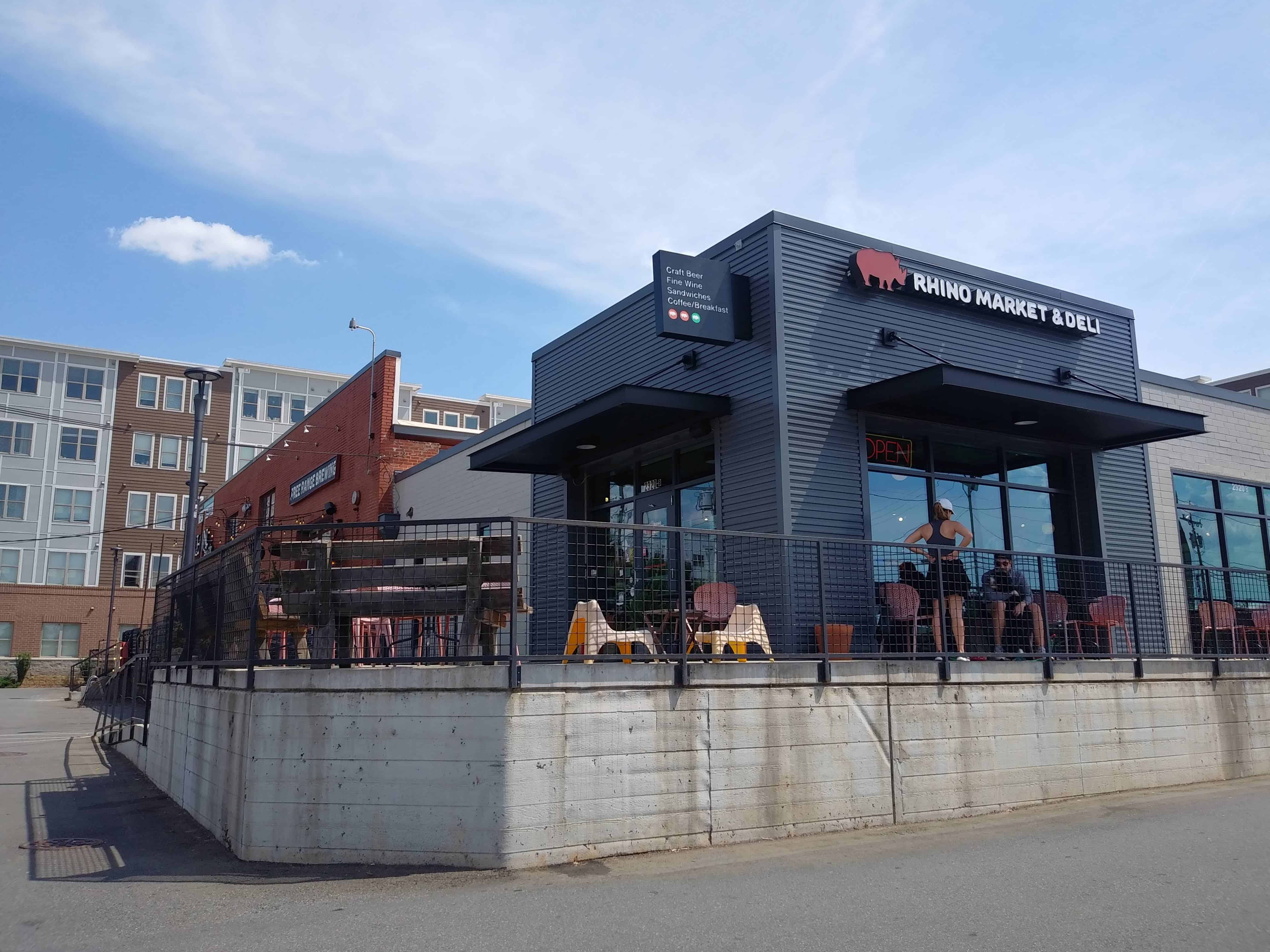
    Rhino Market & Deli off N. Davidson, Charlotte, NC

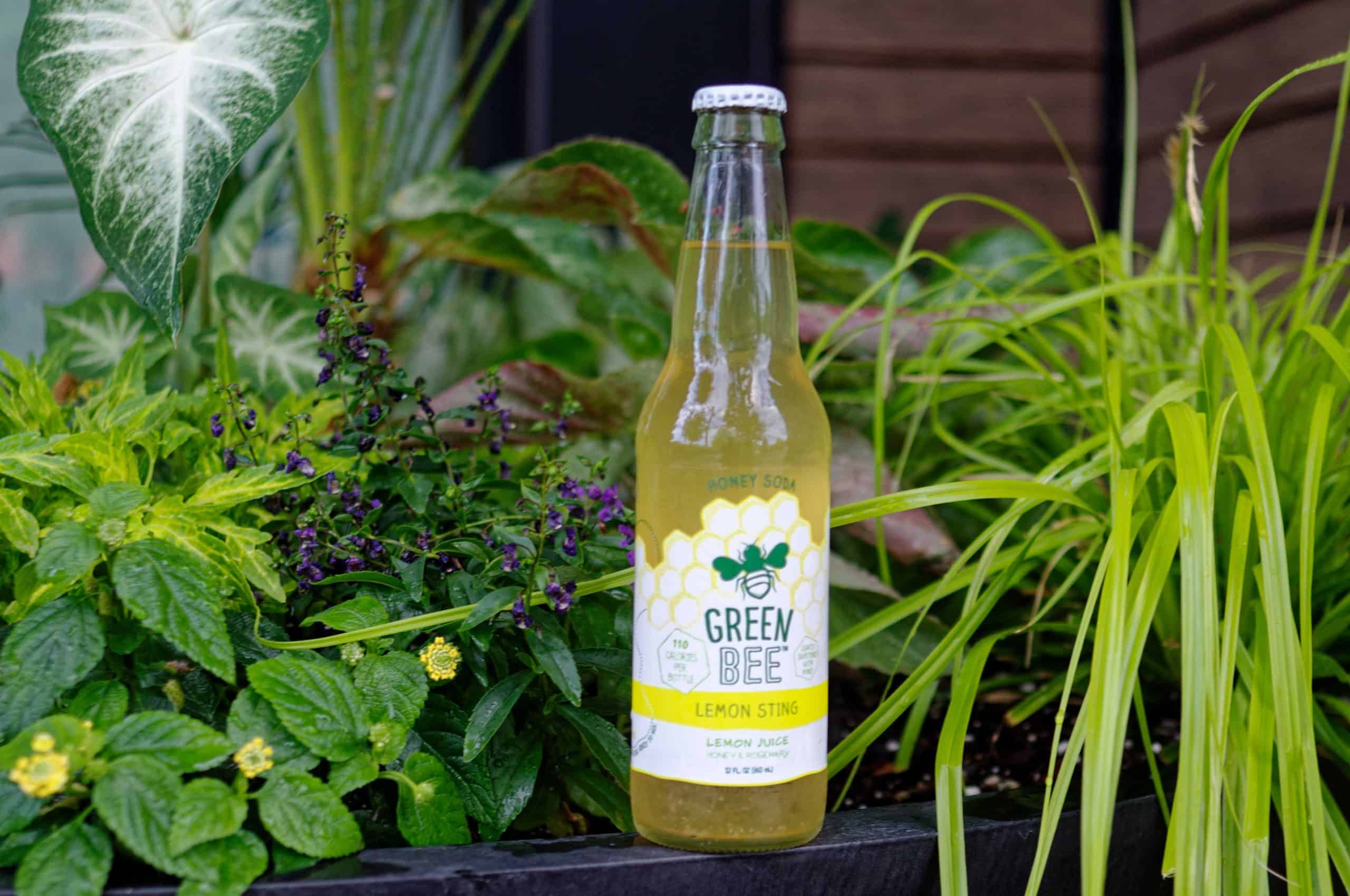
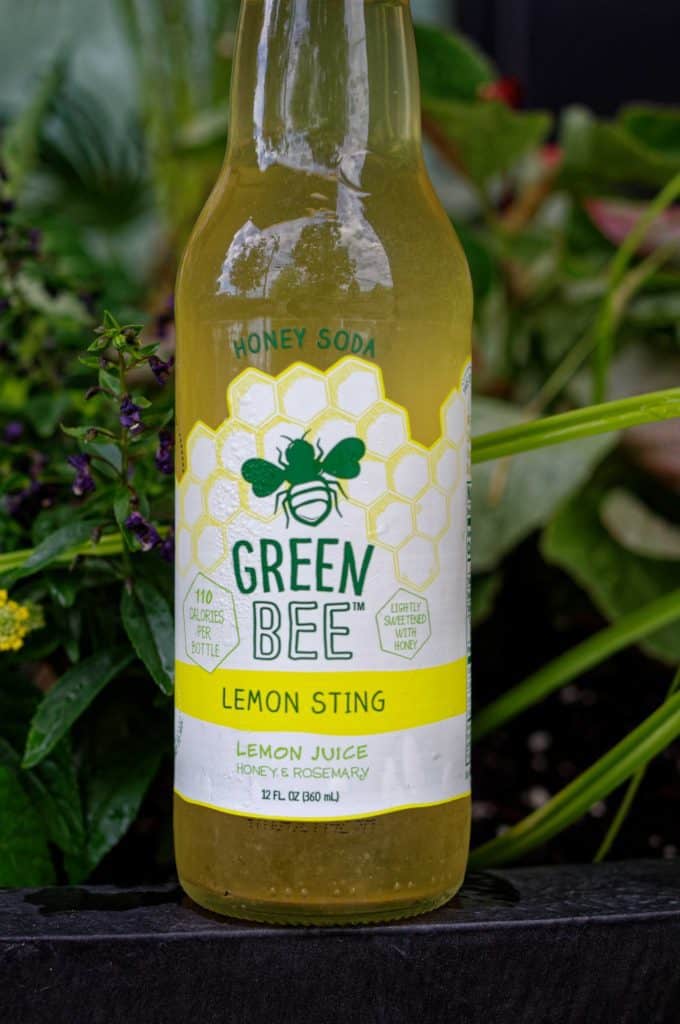
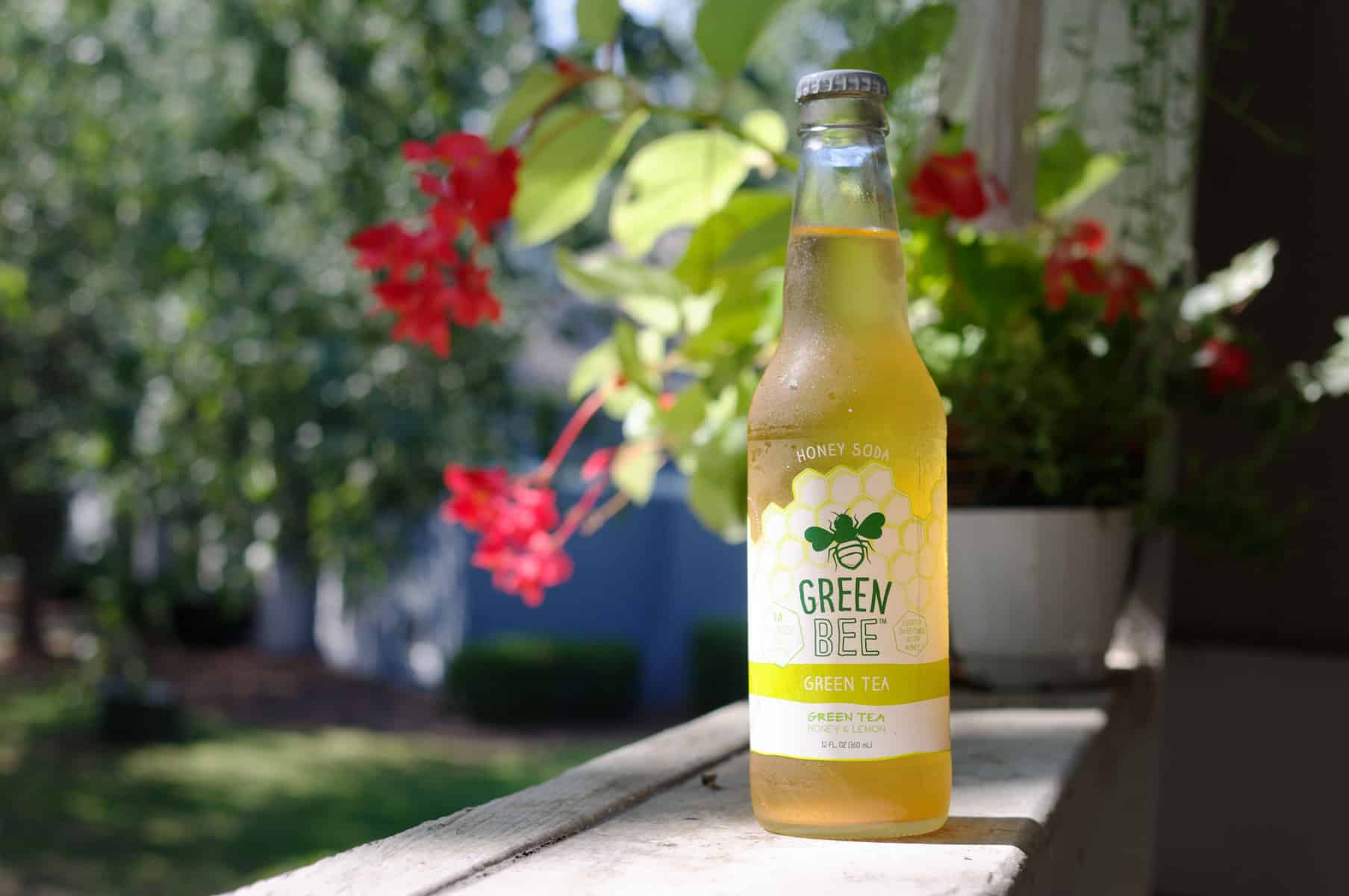
    I discovered Green Bee Honey Soda at the local Rhino Market in NoDa, and it represents a major shift in the carbonated beverage sector. We put the “Lemon Sting” flavor through The Lab’s Forensic Protocol to see if this honey-forward drink holds up as a legitimate soda alternative.

    When Rhino Market first started carrying Green Bee. I must’ve been so excited the picture turned out blurry.

    The Forensic Profile

    • Product Type: Honey-Based Carbonated Beverage
    • Key Ingredients: Carbonated Water, Honey, Lemon Juice, Rosemary
    • Origin: Brunswick, Maine
    • Bio-Active Focus: Bee-friendly, non-HFCS sweetener
    • MSRP: ~$2.50 per 12oz bottle (Premium Tier)

    1. Physical & Chemical Analysis (The Lab Standards)

    The Four-Ingredient Integrity

    Green Bee operates on a “Simplicity Protocol.” Most commercial sodas contain 10+ ingredients, many of which are lab-synthesized. Green Bee uses just four.

    • Forensic Observation: By utilizing honey as the primary sweetener, the drink retains a 110-calorie profile with 26g of sugar. While still a “treat,” the glycemic impact of honey differs significantly from the chemical spikes of corn syrup.

    Sediment Analysis

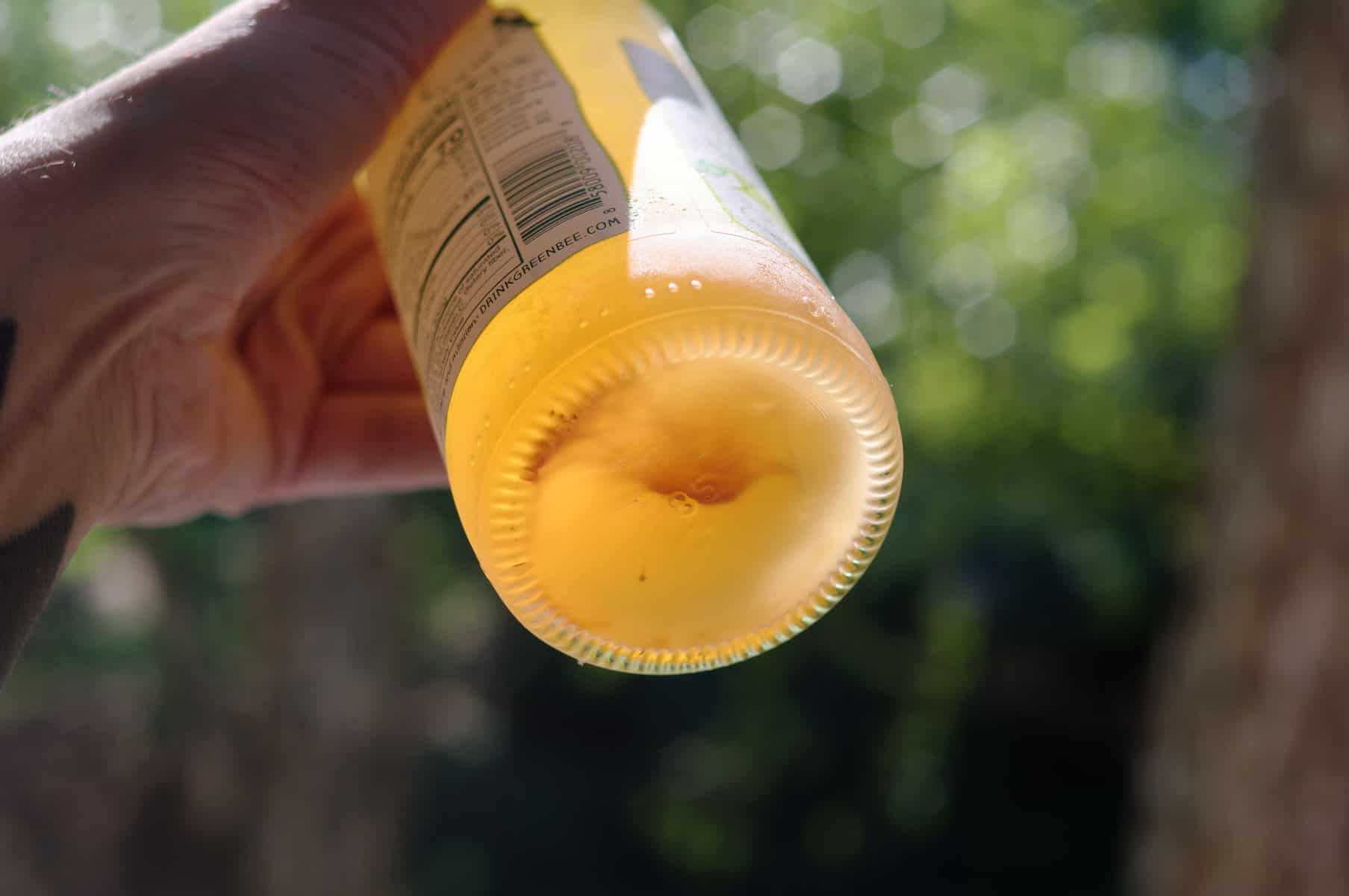
    If you look at the bottom of a Green Bee bottle, you’ll see subtle bits of sediment.

    • The Lab Verdict: This is a high-integrity marker. It confirms the use of real lemon juice and minimally processed honey rather than ultra-filtered extracts. Forensic Pro-Tip: Slow-roll the bottle before opening to integrate these bio-active solids.
    Green Bee Honey Soda Sediment at Bottom of Bottle

    2. Sensory Evaluation

    • Color: Light Pale Yellow; becomes slightly more opaque towards the bottom due to natural sediment.
    • Aroma: Immediate hit of fresh rosemary and freshly peeled lemon zest.
    • Flavor Profile: Extremely honey-forward. Unlike “fruit sodas with honey,” this is a Honey Soda. The honey hits the palate first, followed by the tart lemon that sits on the tip of the tongue, finishing with a subtle, herbal rosemary note.
    • Texture: Crisp carbonation. It’s light and refreshing, lacking the syrupy “mouth-coat” that leaves you feeling dehydrated after a standard soda.

    3. Sourcing & Sustainability

    Green Bee started in the kitchen of founder Chris Kinkade, utilizing honey from his own hives. Since expanding their facility in Brunswick, Maine, they have maintained a “bee-friendly” supply chain. For a Charlotte local, seeing Maine-based innovation at our neighborhood markets like Rhino Market is a testament to the growth of the holistic beverage movement.


    4. Price-to-Value Forensic

    BeveragePriceKey SweetenerSource Integrity
    Green Bee$2.50Raw HoneyHigh (4 Ingredients)
    Minute Maid$2.00HFCSLow (Synthetic)
    Zest Tea$2.75Sucralose/SugarModerate (Functional)

    While you can buy a 2-liter of Sprite for the same price, the forensic value of Green Bee lies in the absence of chemicals and the presence of real apiary products.


    Forensic Summary: Green Bee Honey Soda

    Final Grade: 4.3 / 5


    The Quick Breakdown

    Forensic ProsForensic Cons
    Clean Label: Only four real ingredients; no artificial preservatives.Honey-Heavy: Might be too honey-forward for those expecting a “Sprite” clone.
    Refreshing Texture: Carbonation is crisp without the sugary film.Lemon Intensity: The rosemary is strong; could use a bit more lemon “bite.”
    Bee-Friendly: Supports sustainable beekeeping practices.Price: $2.50 per bottle is a premium over mass-market sodas.

    The Verdict

    Buy this if: You want a refreshing, carbonated treat that uses real honey as a functional sweetener and you enjoy herbal, complex flavor profiles.

    Skip this if: You are looking for a zero-calorie drink or prefer the hyper-sweet, artificial flavor profile of traditional commercial lemonade.


    Forensic “Pro-Tip” for 2026

    Green Bee is excellent as a mixer. If you’re looking for a sophisticated “mocktail,” the rosemary notes in the Lemon Sting pair perfectly with a splash of tonic and a fresh cucumber slice.

    “Our vision for the future is sustainable growth that allows us to share our
    natural, healthier, bee-friendly soda with everyone. ”
    -Chris Kinkade, Green Bee Founder
    Honeycomb Cider and Lemon Sting Honey Soda The Honey Review
    • Honey: Smooth, lovely citrus and lemon, honey forward
    • Flavor: Honey forward with Lemon that sits on the tip of your tongue.
    • Aroma: Fresh Rosemary, Fresh Peeled Lemon
    • Color: Light Pale Yellow, Gets darker towards bottom of glass
    • Texture: Carbonated, light and subtle bits of sediment on the bottom of glass.

    Review Summary

    Green Bee Honey Soda Review

    The Honey Review

    Green Bee Honey Soda – Lemon Sting Flavor Review/Analysis
    Honey
    Color
    Aroma
    Flavor
    Texture

    Final Thoughts

    Green Bee is a unique outlier in the beverage industry. It isn’t trying to be a “diet” drink; it’s trying to be a “real” drink. The Honeycomb Cider remains a personal favorite, but the Lemon Sting is the ultimate summertime protocol for anyone looking to ditch HFCS. This is one of my favorites on The Honey Review

    4.3
  • Zest Tea Review

    Zest Tea Review

    The world is changing, and so are people’s drinking habits. Tea has been a staple of society for centuries now with caffeine being one way to get your day started – but what about when you need an extra boost? If handling stress or staying awake at work seems impossible without another cup in hand, there’re other options available! Zest tea offers 150mgs per serving (about 50% more than traditional teas) which will give anyone the energy they deserve.

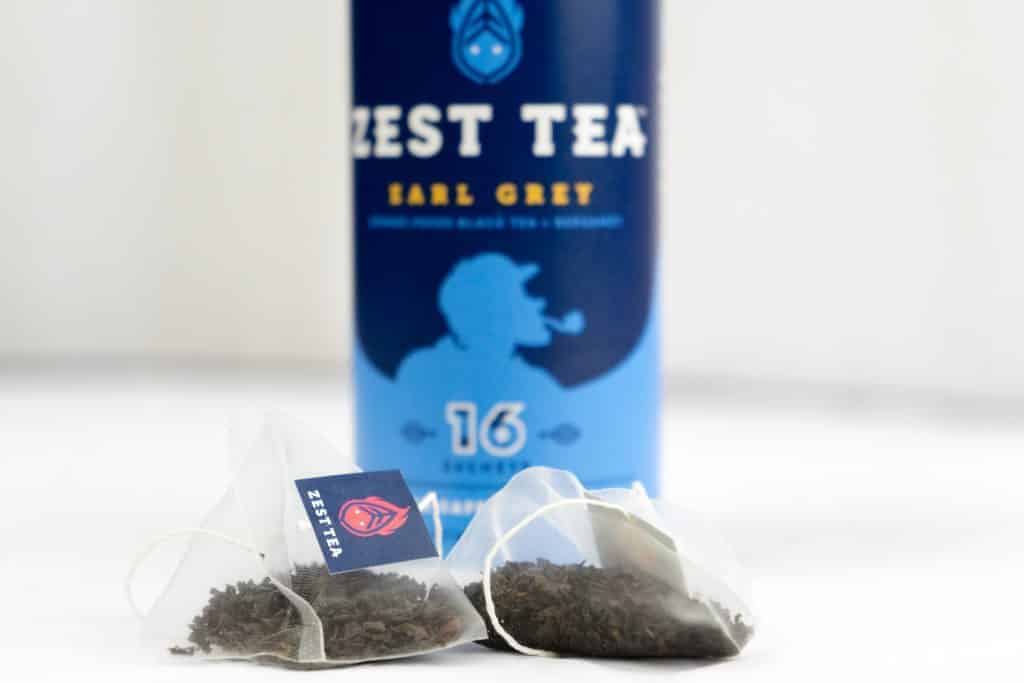
    Zest Tea Sachets, Earl Grey

    Zest Tea – High Energy Tea

    I remember working 3 jobs and using those 5-hour energy drinks, then getting about 4-5 hours of sleep then opening a Starbucks to then be surrounded by even more Caffeine. I’m always chasing caffeine to focus and stay energetic. I needed help in kicking the bad habits of unhealthy consumption of various sources of Caffeine, like sodas and candy. I remember finding Zest Tea in 2018 when I was in Pittsburgh. Zest is based out of Baltimore, Maryland so I felt like being as close to them as I was, I had to support them and give them a try.

    Besides there aren’t many companies that offer what Zest does with their Teas and Beverages.

    Over the course of two months, I ended up buying all their tea blends. At that time, they had just four flavors; Earl Grey Tea blend with hints citrus flavor in it similar to what you would get from an orange or lemon but not too strong so it’s refreshing and there’s also 100mg L-Theanine which helps prevent crashes when drinking caffeine overnight while sleeping soundly through any morning alarms because this ingredient has calming properties as well, making them perfect before starting work.

    Expansive Product Line

    You can now enjoy a refreshing drink that’s packed with nutrients and has the perfect amount of caffeine for your needs. Sparkling Teas, Loose Leaf Tea Bags as well as CBD-based teas come in many flavors so there is something to suit everyone! They’re great whether you want carbonation or not; we even have an easy method on how they filter out all those extra calories found naturally present within sparkling water without sacrificing any flavor whatsoever.

    The flavor is rather mild, but the tea has a full-bodied feel. I’ve only tried it once before when they first launched and didn’t care much for that particular type then either; however, after trying their newest flavors with more robust tastes (like Sparkling Tea), this one seems to grow on you quickly!

    zest tea thehoneyreview

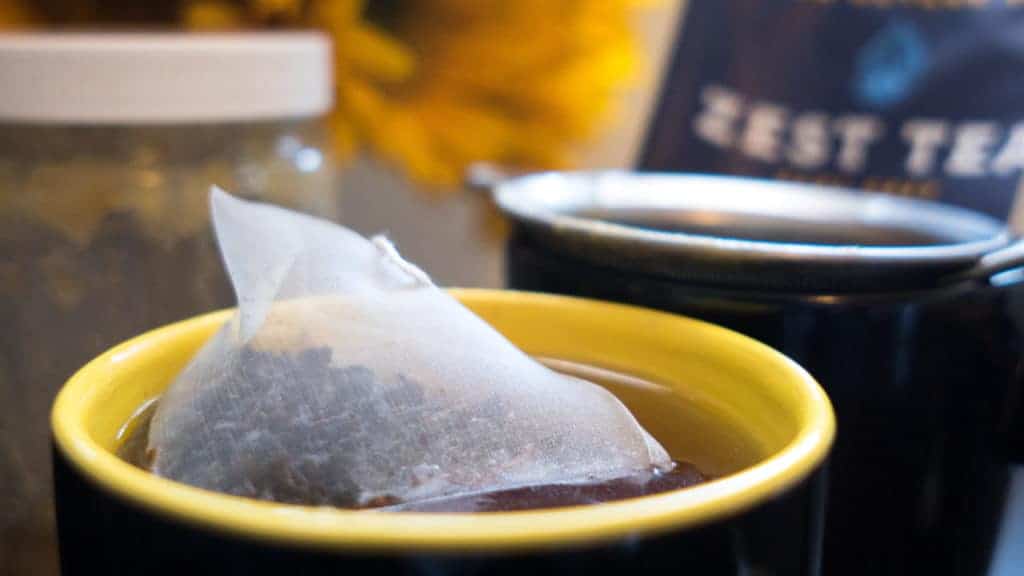
    I’m usually able to get about 3 cups per Tea Bag. You typically get about 15-20 sachets for $9.95 or up to $12 depending on where you purchase from. They are commonly available at Walmart, Amazon or directly from Zest. I find them to be cost effective compared to Tea brands like Traditional Medicinal or Yogi. Needless to say, I love my Teas. It’s pretty incredible that I get 2 cups and maybe even 3 with 1 Tea Bag of Zest. If it was others, I’d need to pony up for 2 Sachets per cup.

    My typical cup consists of either Blue Lady, Apple Cinnamon, or Pomegranate Mojito with 1 tablespoon of Honey and a little Stevia. Remember if you’re buying local Honey and adding it to hot tea, you’re stripping the nutritional benefits of buying local. I recommend buying store bought commercial Honey for Hot Tea. Otherwise, you can wait until your Tea isn’t boiling past 130 degrees and you might not kill the beneficial nutrients. I’m not that patient.

    Where to Purchase

    If you buy directly from Zest, you can score free shipping on $40 purchases, plus use my discount for $10 off!

    You can check out their CBD Tea for $29.95 with 20 Tea Bags. Keep in mind this is direct from them which you get free shipping on orders over $40.

    Give Zest Tea a try. This is my go-to Caffeinated Tea with my favorite blends of Honey. Learn more about which Honey products are my favorite in my Honey Reviews, and be sure to check back for new products I’ll be trying out.

  • The VonBee Grapefruit Honey Tea Forensic: A 2026 Audit

    The VonBee Grapefruit Honey Tea Forensic: A 2026 Audit

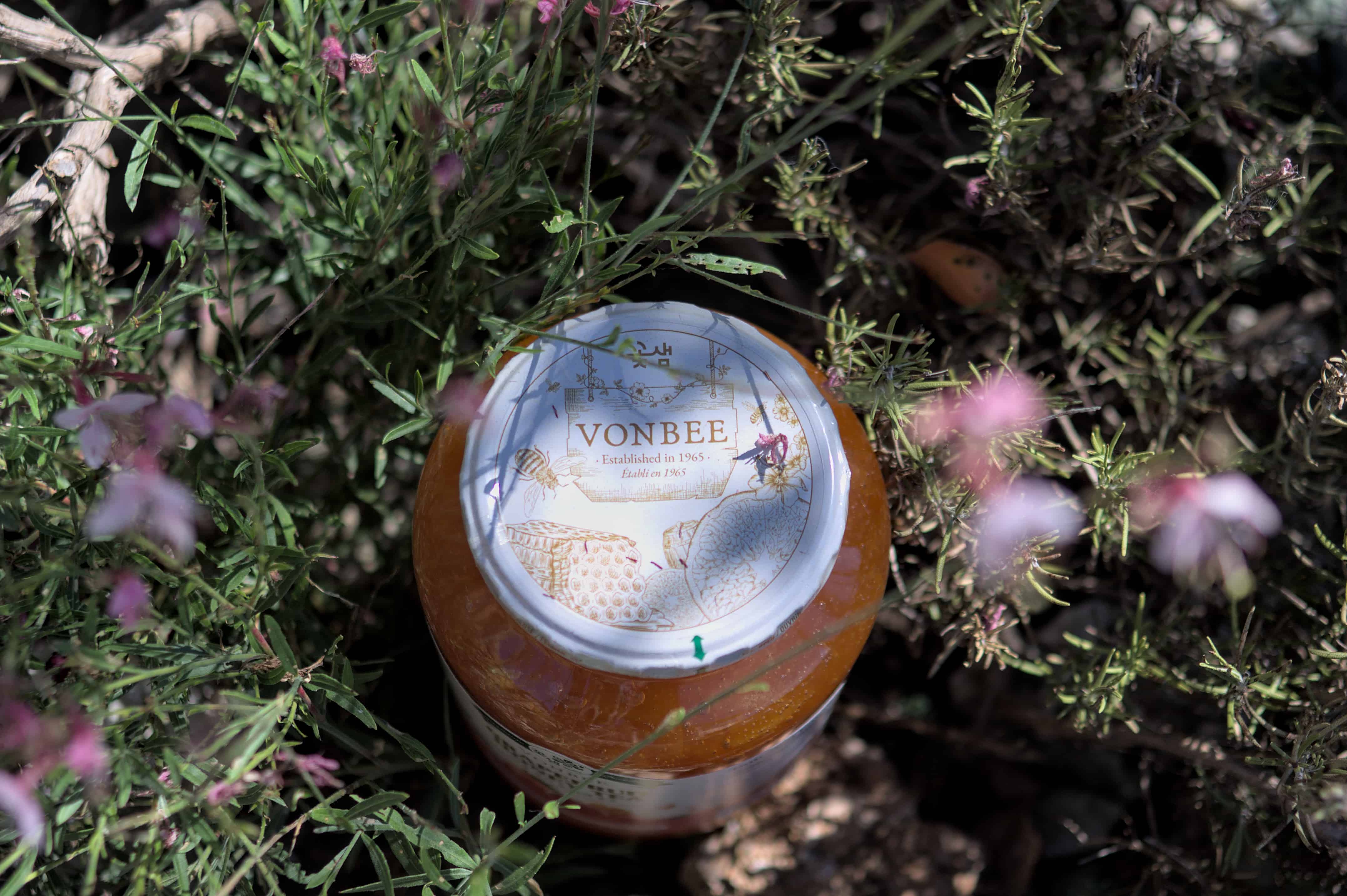
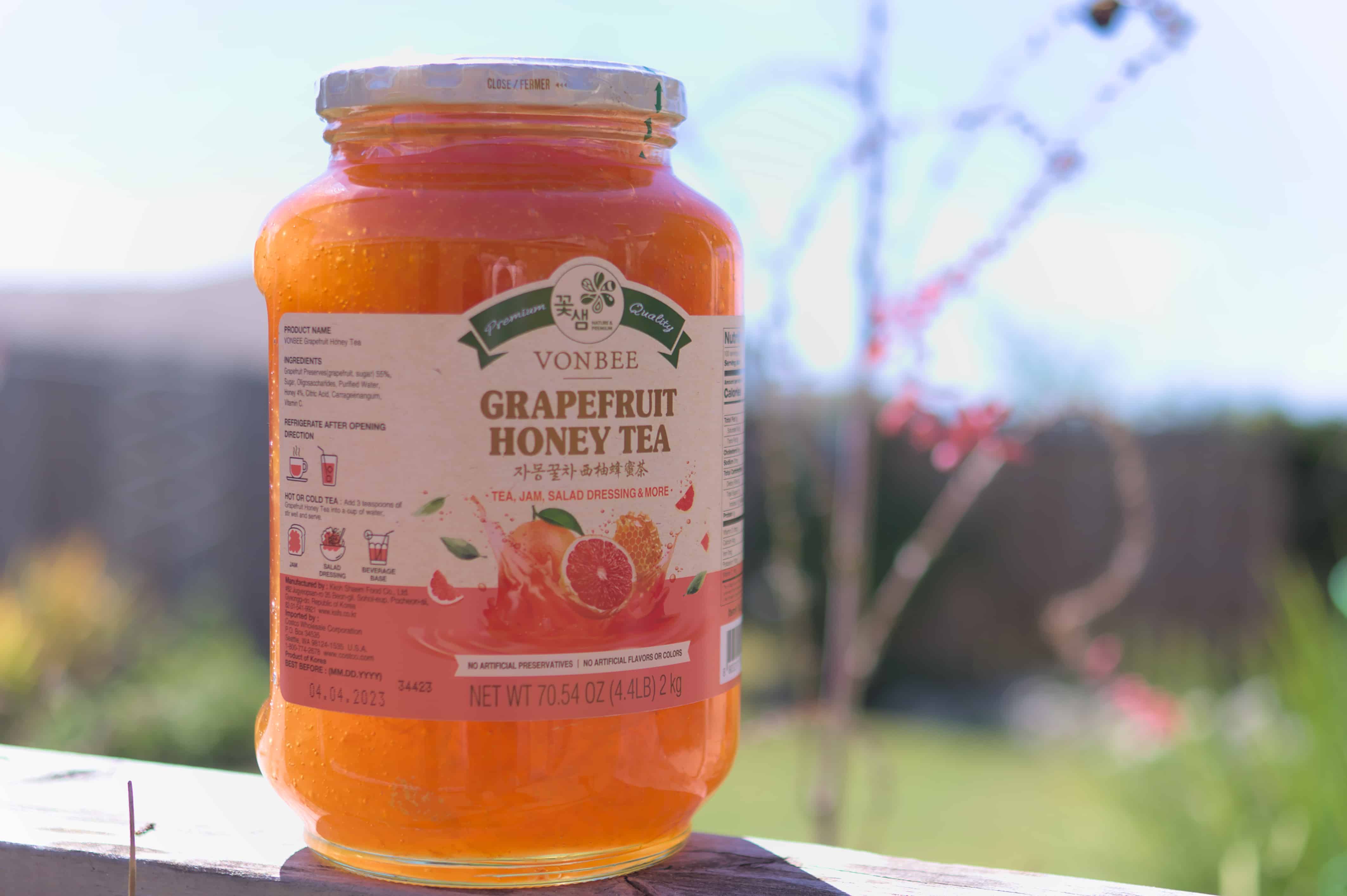
    vonbee grapefruit honey tea

    Since my initial 2022 review of the VonBee Grapefruit Honey Tea, this 4.4lb Costco staple has become a massive topic in the honey community. But as The Honey Review has evolved into a forensic operation, I decided to pull this jar back into the lab for a 2026 update.

    Is this a “superfood” powerhouse or just a high-end marmalade? Let’s apply the Vault Protocol to find out.

    The Forensic Breakdown: Preserves vs. Pure Nectar

    The company that produces this is Kkoh Shaem. They’ve been refining the Cheong method of preservation for 25 years. People seem to love their products. How does this Vonbee Grapefruit Honey Tea compare?

    VonBee is technically a Cheong—a traditional Korean preserve made by macerating fruit in sugar and honey. Unlike the single-source bottles in our 2026 Supermarket Showdown, this is a multi-component blend.

    • Thermal Processing: To create a shelf-stable 70oz jar, this product is heat-treated. As we discuss in the Manuka Vault, high heat destroys the delicate enzymes (like diastase) that give raw honey its medicinal edge.
    • The Sweetener Profile: The honey notes here are subtle—it’s an accent, not the main event. Lab analysis shows the primary sweetness comes from the fruit maceration process rather than the floral nectar we track in The Lab.

    The 2026 Tasting Report: Updated Notes

    MetricReview ScoreThe Detective’s Notes
    Aroma5/5Explosive, fresh-cut grapefruit. Heavy citrus terpenes.
    Flavor4/5Bitter, punchy, and acidic. The rind is fully incorporated.
    Texture3/5Thick, marmalade-style. Expect congealed rind at the bottom.
    Honey Presence1/5Forensic verification: Honey is a secondary carrier here.

    The “Rind Factor” & Practical Tips

    If you aren’t a fan of “chewing” your tea, I highly recommend using a metal coffee filter. The whole-fruit approach (including the peel) provides a heavy dose of Vitamin C, but it can be overpowering.

    Pro Tip: The instructions recommend 6-7 teaspoons. In my updated testing, 4-5 teaspoons is the “sweet spot” if you want to leave room for your own Raw Wildflower Honey to boost the enzyme count.


    Forensic Comparison: Tea vs. Raw Honey

    Using our standardized Testing Methodology, here is how the VonBee blend compares to a verified raw staple like Nate’s.

    FeatureVonBee Citron/GrapefruitRaw Honey (e.g. Nate’s)
    Primary GoalVitamin C / Beverage BaseEnzyme Activity / Medicinal
    Enzyme CountTrace (Post-Processing)Verified High
    Shelf LifeExcellent (Preserve-based)Excellent (Natural stability)
    pH LevelHigh Acidity (Citrus-driven)Balanced (Floral-driven)

    The Final Verdict: Value vs. Virtue

    At $6.79 – $9.00 at Costco for over 100 servings, the value is undeniable. However, from a forensic standpoint, this is a beverage concentrate, not a honey supplement.

    If you want the taste of VonBee with the health benefits of raw honey, follow my 2026 Hybrid Strategy:

    • Mix the VonBee in warm (not boiling) water to preserve the Vitamin C
    • Let it cool slightly,
    • Stir in a teaspoon of Certified Raw Honey.

    Tools for the Ultimate Brew

    To avoid “killing” your honey enzymes when mixing with tea, we recommend these precision tools:

    • Digital pH Meter: Use this to see how the citrus acidity of VonBee compares to your favorite local honey.
    • Precision Refractometer: Ideal for checking the sugar concentration of your “Hybrid Brew” to keep your daily intake in check.

    Vonbee Grapefruit Honey Tea

    Vonbee Grapefruit Honey Tea Review

    The Honey Review

    Honey
    Color
    Aroma
    Flavor
    Texture

    Vonbee Grapefruit Honey Tea

    The VonBee Grapefruit Honey Tea is a masterclass in value-driven citrus preserves, offering a punchy, bitter-sweet profile that captures the true essence of the whole grapefruit—rind and all. While the 70oz Costco jar is a versatile kitchen staple perfect for teas, marinades, or cocktails, our 2026 forensic audit confirms it functions more as a vitamin-C-rich marmalade than a medicinal honey.

    Because the honey notes are subtle and the enzymatic activity is naturally lower due to the “Cheong” preservation process, we recommend using it as a vibrant flavor base and finishing your brew with a teaspoon of Certified Raw Honey to reclaim the live functional benefits found in our Vault Protocol.

    2.7

    Does VonBee Grapefruit Honey Tea have caffeine?
    Is there a lot of sugar in VonBee?

    No. In our lab analysis, we confirmed that VonBee is a caffeine-free fruit preserve (Cheong). However, many users choose to mix it with Black or Green tea, which will add caffeine to the final brew.

    Is there a lot of sugar in VonBee?

    Yes. From a forensic standpoint, it is important to note that this is a preserve. While it contains honey, it also uses sugar and fruit maceration. We recommend 4–5 teaspoons rather than the suggested 7 to keep the glycemic impact lower.

    How should I store the 4.4lb jar after opening?

    Because of the high fruit content, you must refrigerate VonBee after opening. While honey is a natural preservative, the grapefruit rind can deteriorate if left at room temperature for extended periods.

    Does it contain High Fructose Corn Syrup (HFCS)?

    Recent 2026 audits of the Costco-distributed jars show that the formulation has been updated to remove HFCS, opting for sugar and honey instead. Always check the “Forensic Label” on your specific jar to verify.