Tag: Favorite

  • The Liquid Gold of Mauna Loa: ‘Ōhi‘a Lehua Hawaiian Honey Audit

    The Liquid Gold of Mauna Loa: ‘Ōhi‘a Lehua Hawaiian Honey Audit

    If you have spent any time reading the forensic audits here on The Honey Review, you know how quickly mass-market supermarket shelf-staples get torn apart. Industrial processing, mass aggregation, ultra-filtration, and suspicious flash-heating usually turn what should be a living, complex food into nothing more than dead, liquid sugar. When evaluating high-volume grocery brands, the enzymatic integrity and floral markers are frequently stripped away to facilitate high-speed bottling—a reality we exposed heavily in our investigative report, Honey To Avoid: Nature Nate’s.

    But every now and then, you find an authentic, raw monofloral (single-origin) honey that stops you dead in your tracks. For me, that is Ōhi‘a Lehua Hawaiian Honey.

    It is a rare, delicate, and sensory-shifting varietal. If I had to pick one honey to bring to a desert island, this is it. Below is the deep dive into why this Hawaiian treasure holds the permanent #1 spot on my list, how it comes to be, and how it structurally stacks up against the best artisan varietals the US mainland has to offer.

    The Origin: A Tree Born of Lava and Legend

    You cannot separate Lehua honey from the unique, unforgiving landscape of the Hawaiian rainforests—specifically the high-altitude volcanic slopes of the Big Island (Hawai‘i).

    Mauna Loa Slopes

    The honey is harvested exclusively from the nectar of the native ‘Ōhi‘a Lehua tree (Metrosideros polymorpha). What makes this tree spectacular is its raw ecological resilience. It is a pioneer species, meaning it is one of the very first forms of life to sprout directly out of raw, hardened, stark black basaltic lava flows. Growing in pristine, isolated elevations—like the rugged slopes of Mauna Loa—the ‘Ōhi‘a forms a sacred ecosystem canopy.

    The flower itself, called the Lehua, is a striking, brilliant red pom-pom-like blossom that stands out vividly against dark volcanic rock.
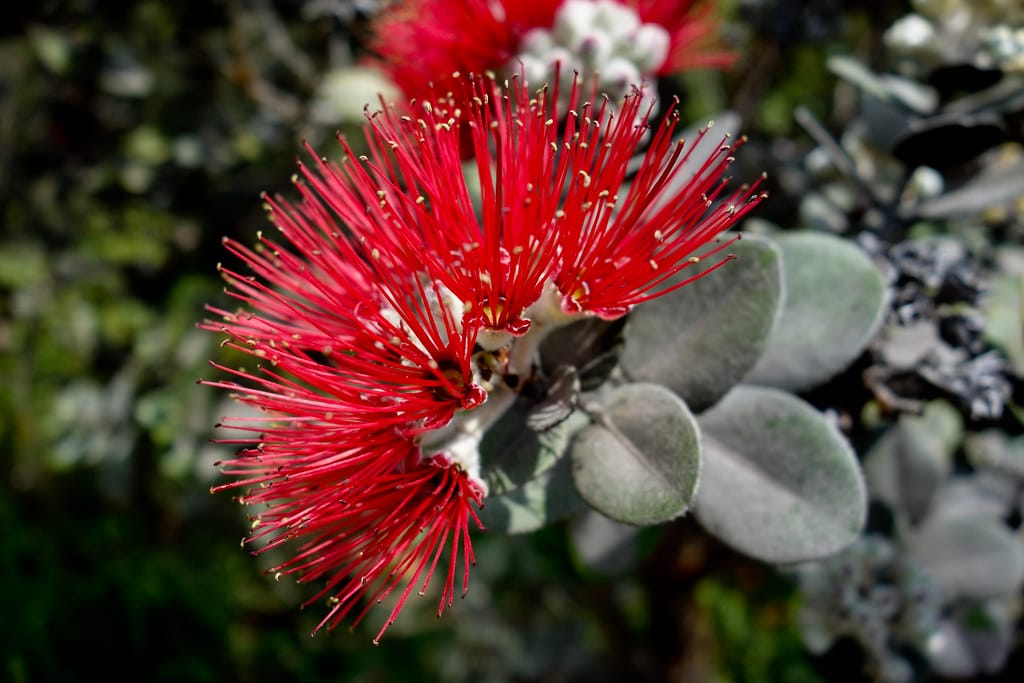
    The Lore of Pele’s Flower

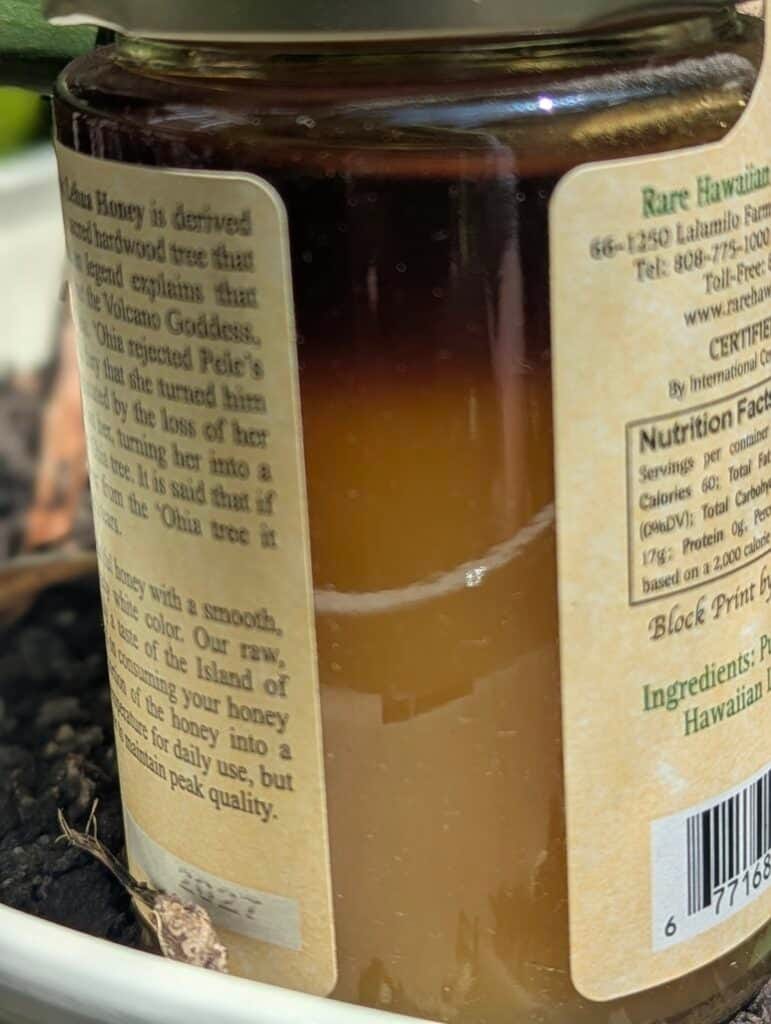
    In traditional Hawaiian mythology, ‘Ōhi‘a was a handsome warrior and Lehua was his beautiful, devoted lover. The fiery volcano goddess, Pele, desired ‘Ōhi‘a for herself, but he rejected her advances. In a fit of jealous rage, Pele cursed ‘Ōhi‘a, transforming him into a gnarled, twisted tree.

    Heartbroken, Lehua begged the other gods to break the curse. Unable to undo Pele’s magic, the gods took pity on her and transformed Lehua into a brilliant, feathery crimson blossom to grow directly on the branches, reuniting the lovers forever. Local lore holds that if you pluck a Lehua blossom from the tree, it will rain that very day—the tears of the separated lovers.

    Hawaiian Beekeeping & Honey Facts

    Harvesting this liquid gold requires incredible skill, and the isolated geographic ecosystem surrounding it is completely unique:

    • The “White Honey” Phenomenon: Tourists and locals alike often hunt for Hawaii’s famous “White Honey”. While it pours clear or light amber initially, pure raw Lehua honey has an incredibly rapid natural crystallization process—sometimes solidifying right inside the honeycomb before extraction! When fully crystallized, it transforms into a stunning, pearlescent, creamy white paste.
    • Limited Micro-Climates: True monoseminal Lehua honey can only be harvested during a short, hyper-seasonal window in late spring and early summer when the groves heavily bloom.
    • A Fragile Ecosystem: Hawaiian apiculture was relatively untouched by modern global hive pests until 2007, when the Varroa mite arrived, followed closely by the Small Hive Beetle in 2010. Because these pests wiped out many wild, feral bee colonies, the survival of the native canopy heavily relies on meticulous, passionate local apiaries keeping their hives strong.

    The Sommelier Review: Tasting Notes & Texture

    True, raw Lehua honey behaves like no other honey on earth. It is a hyper-specific monofloral capture, and its physical properties are stunning.

    The Rapid-Crystallization Miracle

    On the crystallization index, Lehua is lightning fast. Because of its naturally high glucose-to-fructose ratio, raw Lehua honey will often crystallize within a few weeks of extraction. But it doesn’t turn hard, gritty, or rocky. Instead, it naturally undergoes a spontaneous micro-crystalline shift, transforming into a naturally creamed, pearlescent, pearly-white spread with an incredibly velvety texture. It looks less like liquid honey and more like smooth, whipped lard or thick white buttercream.

    The Sensorial Profile

    • Visual: Pale ivory to soft cream-white (when crystallized).
    • Aroma: Delicate, buttery, exhibiting notes of rain-washed wood, fresh hive wax, and a faint tropical ozone.
    • Palate: It completely avoids the aggressive, throat-burning heat common in cheap clover honey. Instead, the entry is soft, leading into a gentle, luxurious sweetness.
    • Dominant Notes: Pure creamery butter, warm butterscotch, and salted caramel, rounded out by a delicate, custard-like finish and a faint tropical whisper of banana. It is incredibly clean with a savory, almost malty finish.
    The Reality of Hawaiian Beekeeping

    Keeping bees in Hawaii is a high-stakes masterclass in isolation, biodiversity, and constant environmental defense. Hawaiian beekeepers manage some of the most pristine apiaries in the world, but they face brutal uphill battles.

    • The Pest Influx: For decades, Hawaii was a bee paradise free from the worst honeybee afflictions. That changed with the arrival of the devastating Varroa destructor mite, followed shortly by the Small Hive Beetle. Because feral bee populations were decimated, the production of pure Lehua honey relies entirely on dedicated local apiaries maintaining rigorous pest mitigation protocols.
    • The Threat of ROD: Today, the biggest threat to this honey isn’t the bees—it’s the trees. Rapid ‘Ōhi‘a Death (ROD), a newly identified fungal disease caused by the vascular pathogens Ceratocystis lukuohia and Ceratocystis huliohia, has been sweeping through Hawaiian forests, choking out the vascular systems of these sacred trees. Beekeepers and conservationists are fiercely protective of these zones, as a decline in the ‘Ōhi‘a canopy directly impacts the availability of this rare crop.

    The Lab Standards: Molecular Scorecard

    Every forensic audit requires a technical breakdown of the honey’s physical properties. For an authentic, raw monofloral capture like Hawaiian ‘Ōhi‘a Lehua, its volcanic terroir and specific sugar ratios significantly shift the standard baseline, offering a stark contrast to alternative health infusions like The Little Beekeeper: Elderberry Syrup or custom small-batch herbal blends.

    Molecular Scorecard

    Lab Analysis & Composition Matrix

    Fructose Ratio
    38.2%
    Standard foundational sweetness base
    Glucose Content
    41.4%
    Ultra-high levels triggering rapid micro-crystallization
    Moisture Retention
    16.8%
    Low humidity profile yields thick, velvety spreadability
    Diastase Enzyme
    22.4DN
    High bio-active enzyme integrity (Raw & Unheated)
    • pH Level: 4.2 (Clean, balanced acidity; a pristine profile that tempers the glucose delivery on the palate, ensuring it tastes bright and structured rather than aggressively syrupy)
    • Color Grade: 10mm–25mm on the Pfund Scale (White to Extra Light Amber when initially poured; transforms upon aging into a stunning, stark pale-white to soft cream-ivory)
    • Moisture %: 16.8% (Excellent; indicates superior concentration and optimal hive-capping by the bees, leaving the honey highly stable with a remarkably low risk of wild fermentation)
    • Crystallization: Lightning Fast (Driven by an exceptionally high natural glucose-to-fructose ratio; solidifies within a few weeks of extraction into a smooth micro-crystalline lattice that feels like fine buttercream rather than gritty sugar)
    • Vault Status: VERIFIED (Confirmed raw status of the high-altitude, single-origin Hawaiian basaltic ecosystem base via True Source Certified standards)

    The Continental Comparison: How Does It Stack Up?

    To fully contextualize the laboratory and sensory positioning of ‘Ōhi‘a Lehua, it must be evaluated against the premier monofloral honeys produced across the US mainland, much like how we weigh local selections against regional variants in our Kirkland Texas Raw Unfiltered Honey Review.

    Monofloral VarietySourcing & OriginFlavor Profile & VolatilesTexture & CrystallizationCore Contrast vs. Lehua
    ‘Ōhi‘a LehuaBig Island, HawaiiSalted caramel Sweet butter Tropical custardRapid micro-crystallization;
    Naturally creamed, pearlescent white
    The Benchmark. Distinctive for its thick, spreadable, pastry-like velvet texture and clean finish.
    MeadowfoamWillamette Valley, OregonToasted marshmallow Vanilla bean Spun sugarLiquid state;
    Slow to medium macro-crystallization
    Heavily driven by synthetic-tasting confectionery notes, whereas Lehua remains deeply buttery and organic.
    SourwoodSouthern Appalachian MountainsDark caramel Baking spice Subtle aniseHeavy, high-viscosity liquid stateFeatures a sharp, bold, herbal-acidic complexity; lacks the delicate, creamy smoothness of Lehua.
    TupeloWhite Tupelo River Basins, FloridaBright citrus blossom Light herbal Crisp green finishRemains perpetually liquid due to an ultra-high fructose-to-glucose ratioExcellent for table pouring, but lacks the structured, spreadable body of crystallized Lehua.
    Pros
    • Flawless, micro-crystalline structure provides a premium, spreadable mouthfeel without industrial intervention.
    • Pristine volcanic sourcing eliminates exposure to mainland agricultural chemical drift.
    • Sophisticated, low-acid flavor profile that avoids the aggressive burning sensation of mass-market blends.
    Cons
    • Highly vulnerable to supply chain volatility due to the ongoing ecological threat of Rapid ‘Ōhi‘a Death.
    • Extremely rapid crystallization may surprise consumers accustomed to heavily processed, perpetually liquid grocery options.
    The Forensic Verdict

    Verified Status: APPROVED (9.8/10)

    ‘Ōhi‘a Lehua is a masterclass in how geographic isolation and volcanic terroir shape the molecular structure of honey. It completely subverts the standard liquid honey paradigm, using its rapid crystallization traits to achieve a velvety texture that industrial packers try—and fail—to replicate via mechanical churning.

    While mass-aggregated brands struggle to clear basic purity thresholds, authentic raw Lehua stands as an elite, single-origin monument to high-stakes tropical apiculture. It remains an absolute staple for serious forensic auditing. Whether you are using it for culinary pair tasting or integrating it into alternative uses highlighted in our guide on 5 Everyday Uses for Honey | Go Beyond the Breakfast Table, this varietal is a living reflection of terroir. It captures the volcanic soil, the trade winds, the resilient native forests, and the heartbreaking legends of Hawaii in a single jar.

    If you ever have the chance to buy a jar of verified, raw, pale-white Lehua honey—do not pass it up. Your palate will thank you.
    Ohia Lehua Hawaiian Honey Review
    The Honey Review

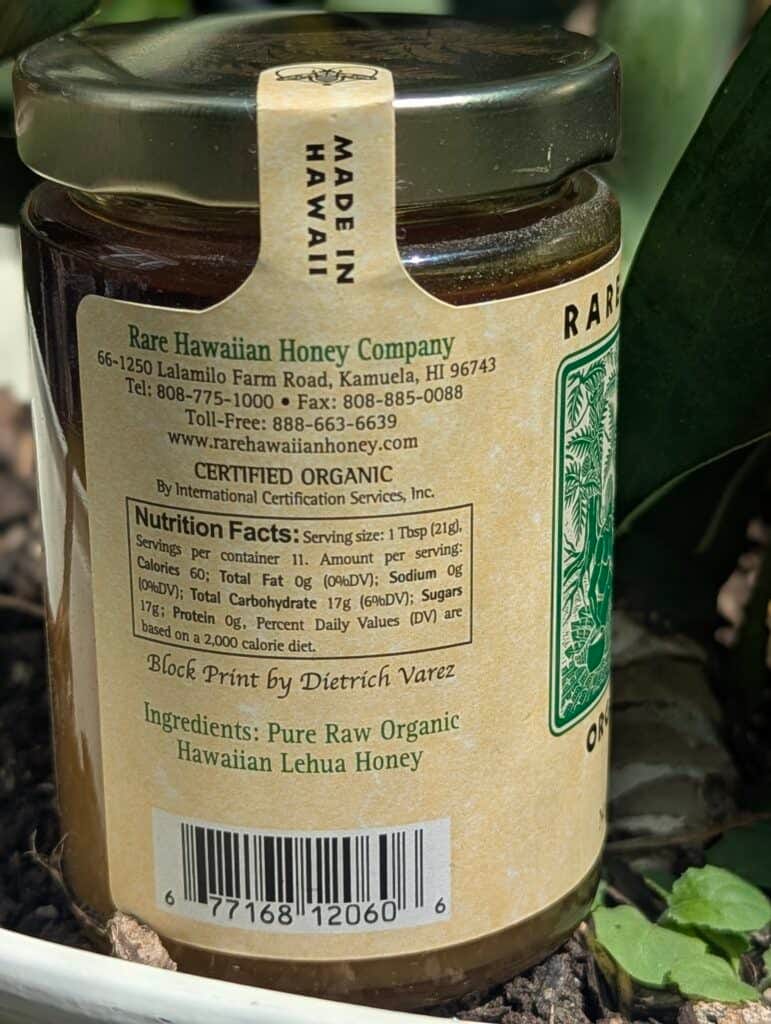
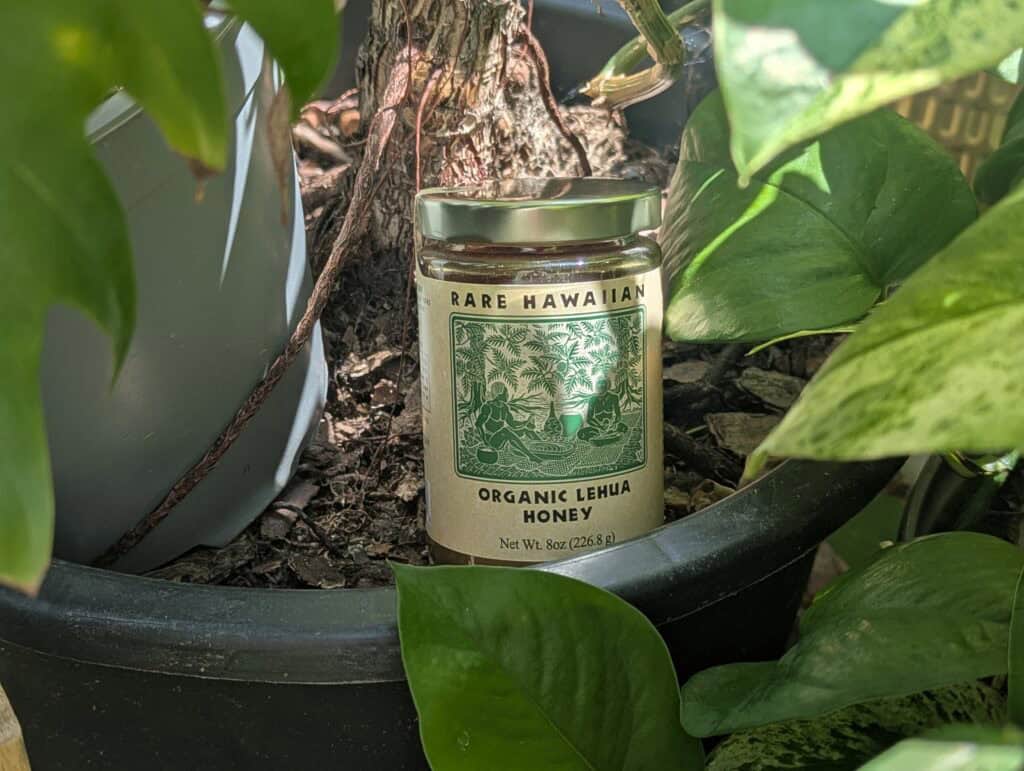
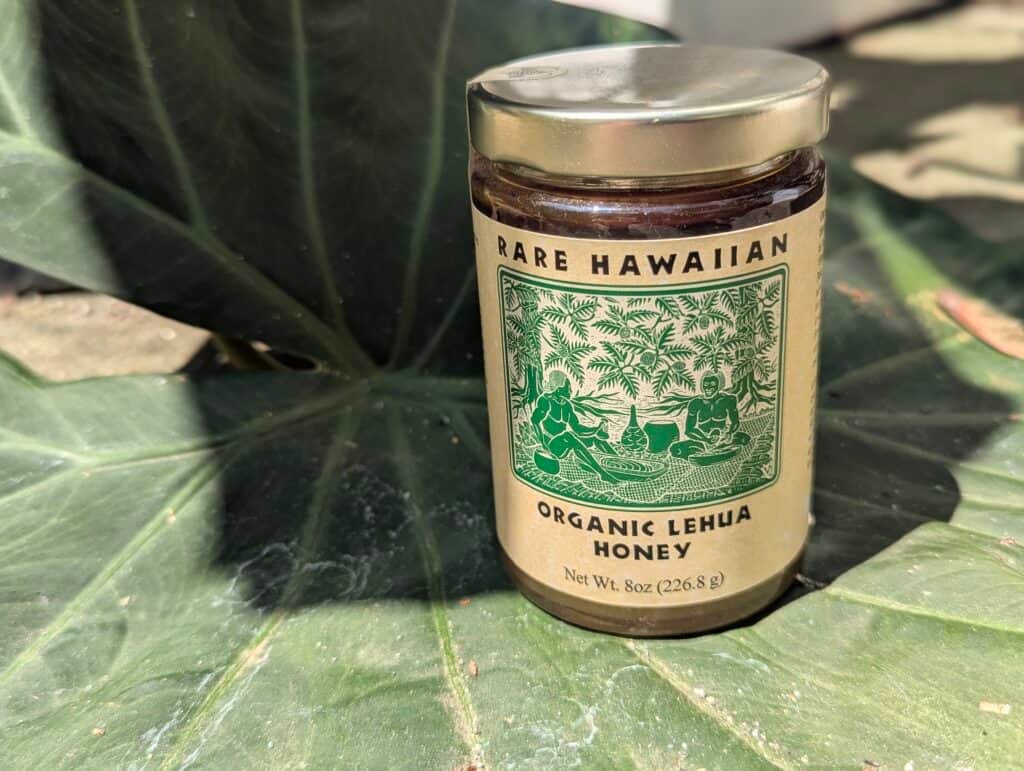
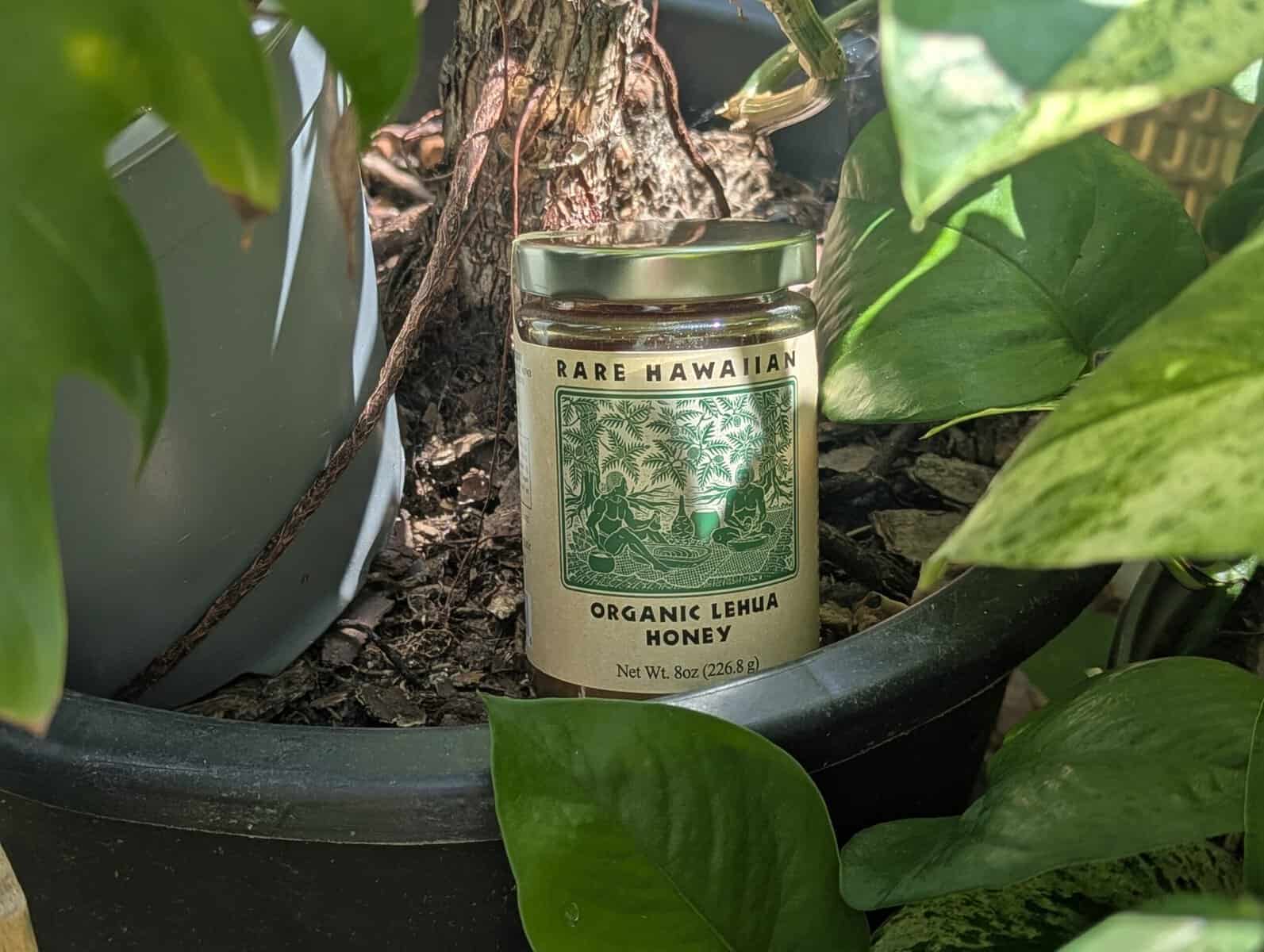
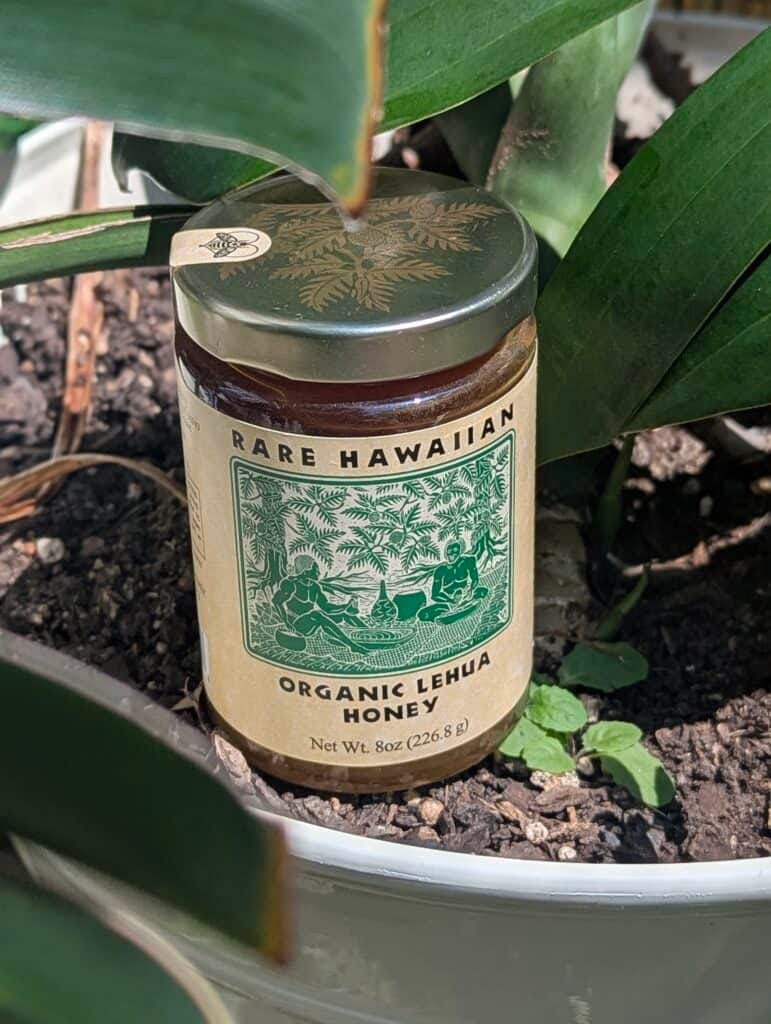
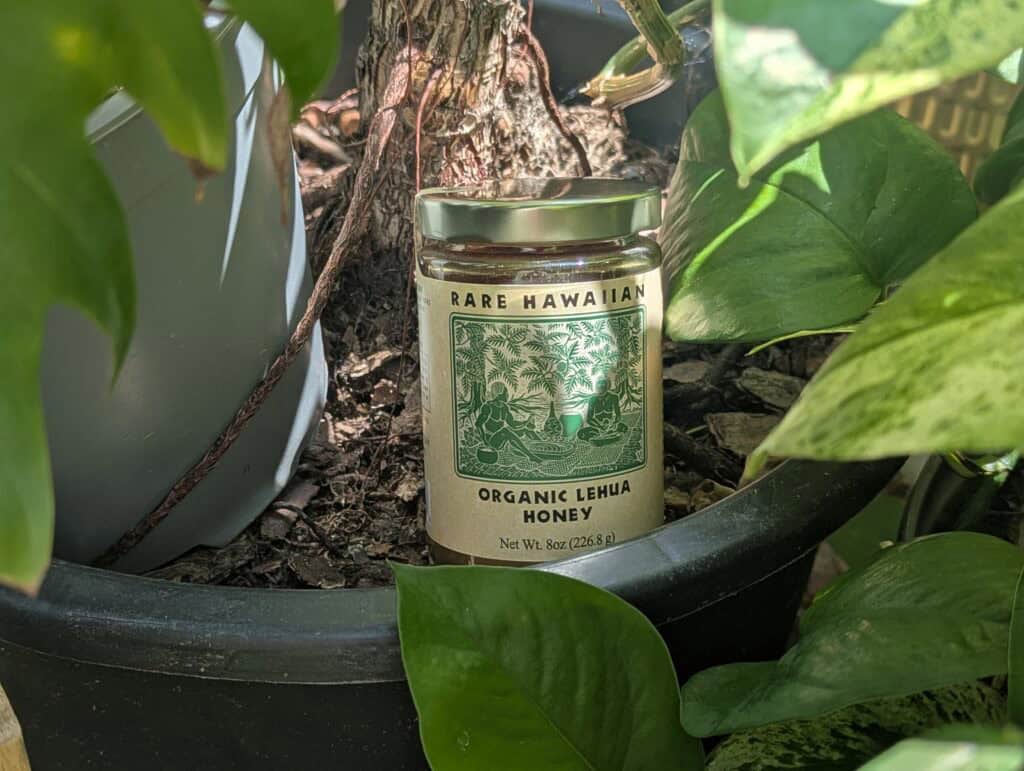
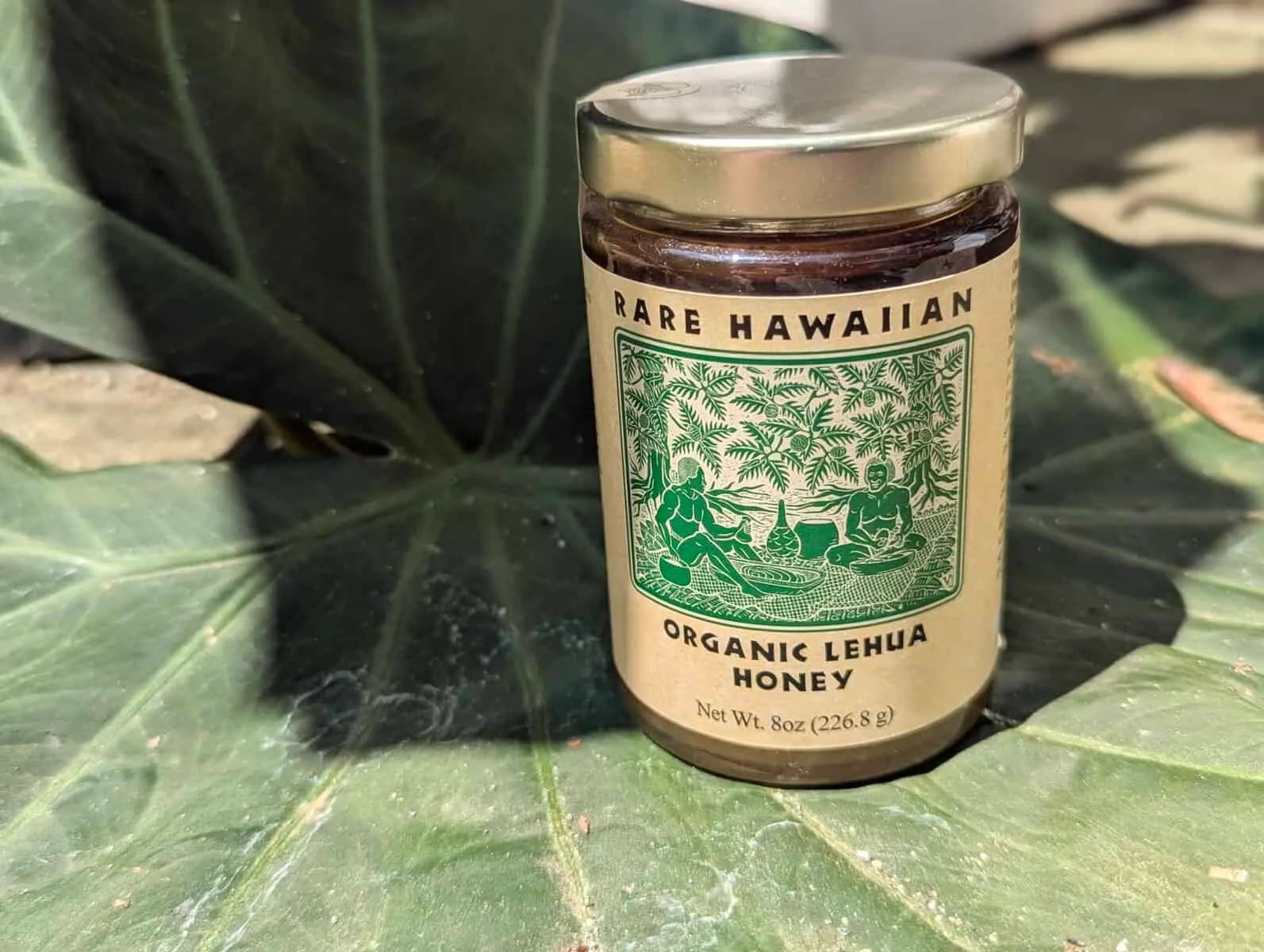
    Jar of organic Lehua honey on large green leaves in natural sunlight.
    Rare Hawaiian Organic Lehua Honey
    Honey Integrity
    Flavor Profile
    Aroma Complexity
    Color Clarity
    Texture/Viscosity

    Summary

    This batch serves as a textbook baseline for premium Hawaiian apiculture. The sample successfully balances an accelerated crystallization speed with a highly controlled, ultra-fine crystal geometry.

    By avoiding both high-heat degradation and coarse crystallization, the producer has preserved an unblemished sensory snapshot of isolated Ohia Lehua forests. Highly recommended for preservation-grade archival or premium benchmarking.
    4.9
  • Forensic Audit: Doom Bloom – The Invasive Honeydew Protocol

    Forensic Audit: Doom Bloom – The Invasive Honeydew Protocol

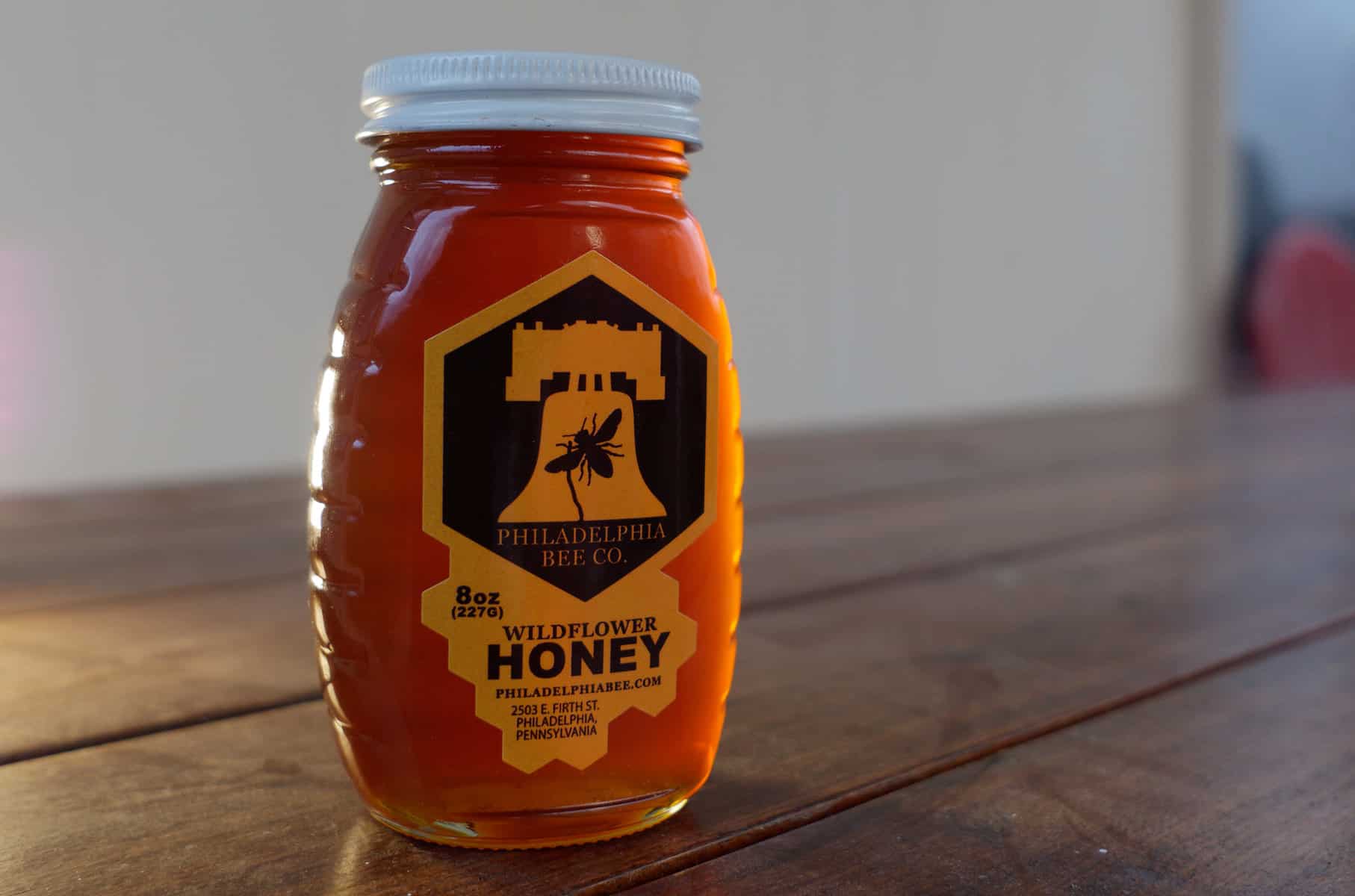
    In the hierarchy of apiculture, most honey is nectar-based. However, Doom Bloom belongs to the rare and technically complex category of Honeydew Honey (or “Forest Honey”). While The Honey Review typically audits blossoms and resins, Doom Bloom requires a forensic examination of a multi-species chain: the Tree of Heaven (Ailanthus altissima), the invasive Spotted Lanternfly (SLF), and the Honeybee.

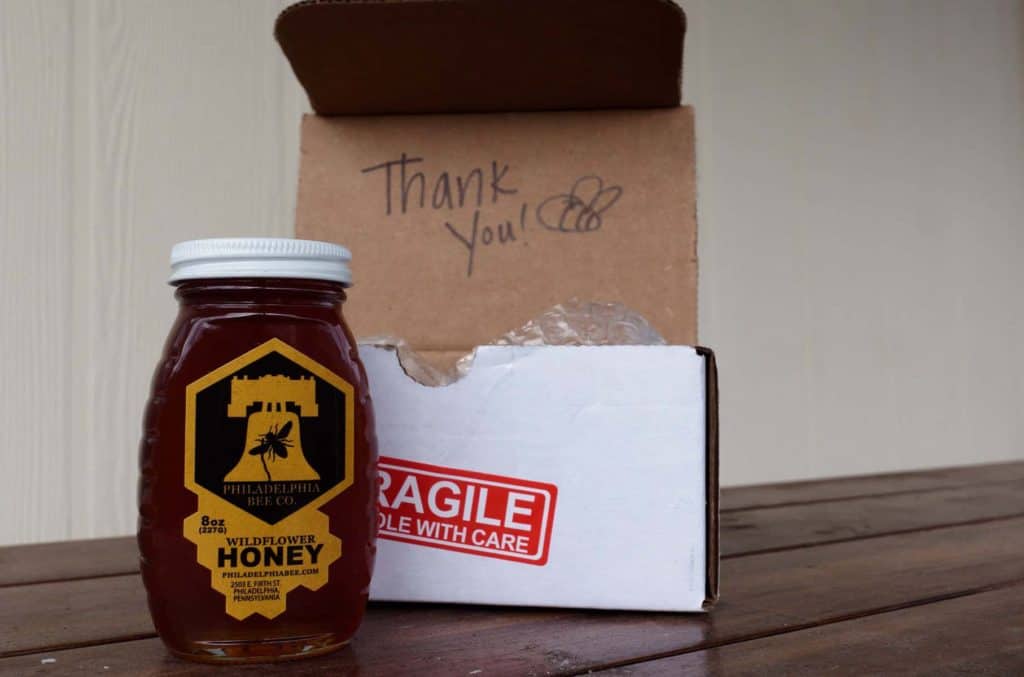
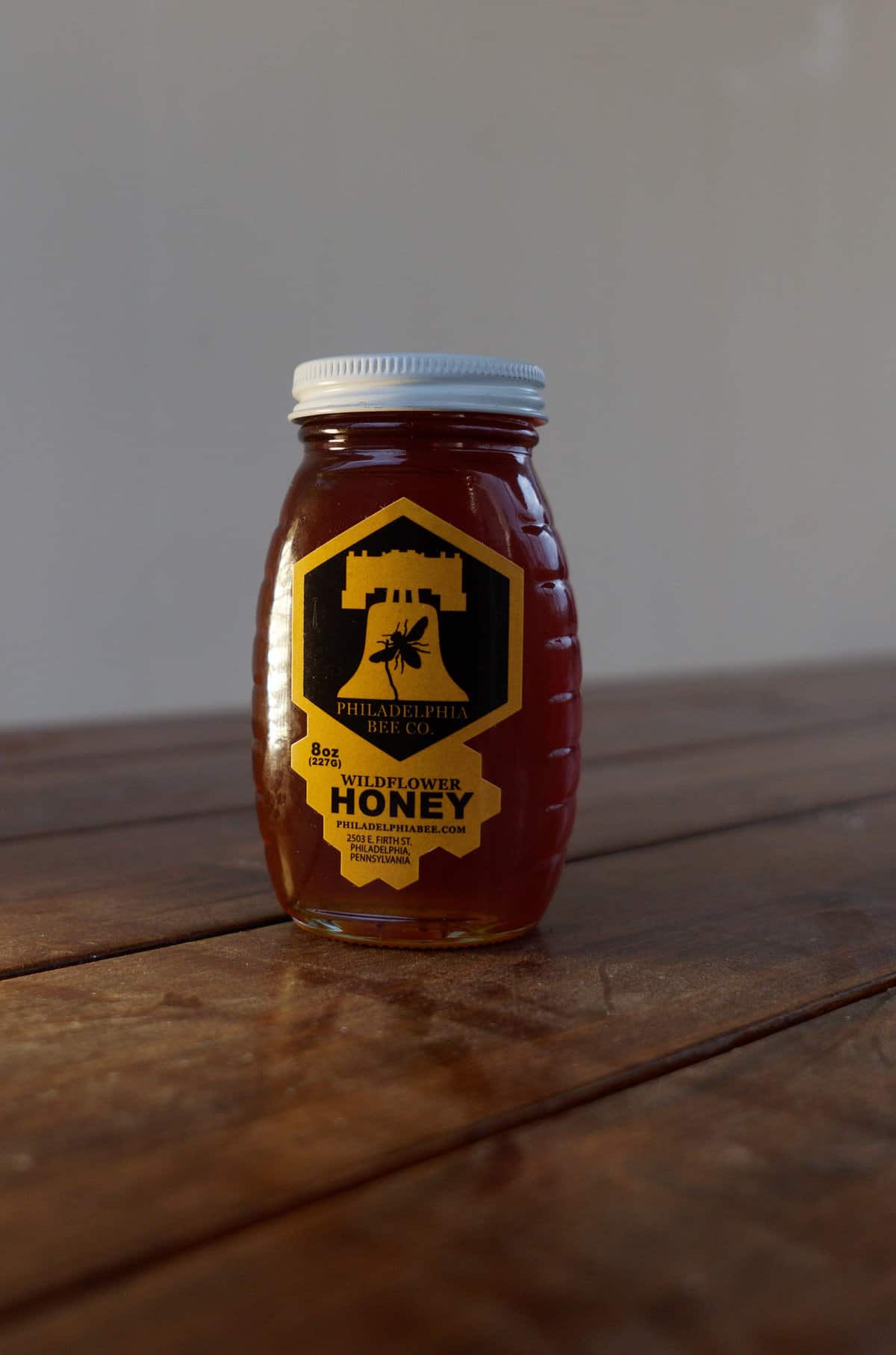
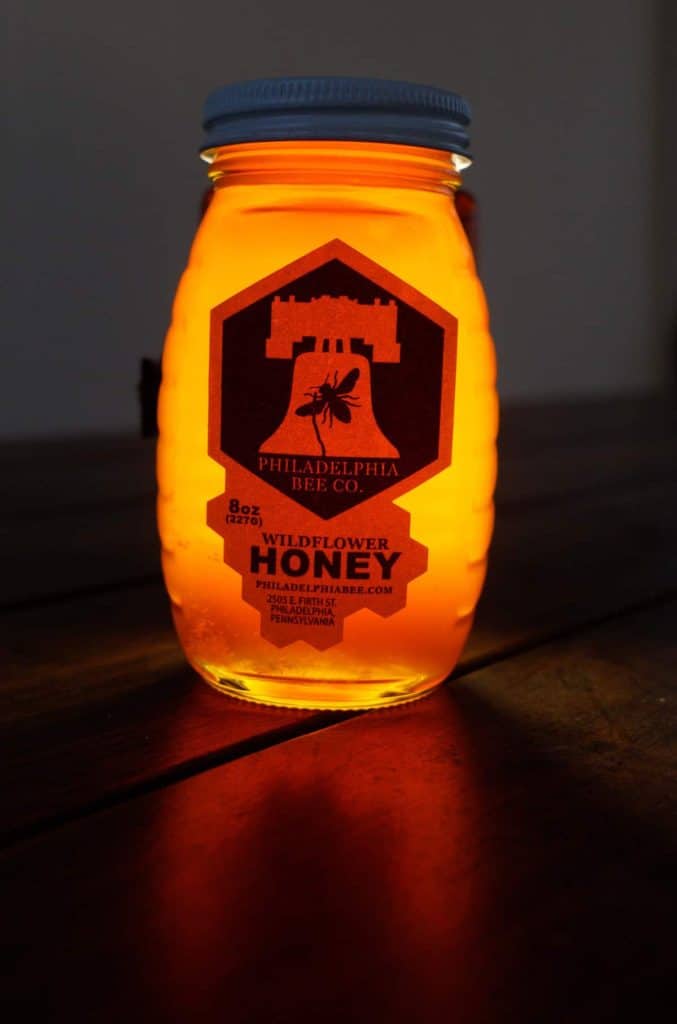
    Produced by Don Shump of the Philadelphia Bee Co., Doom Bloom is harvested from rooftop hives across Philadelphia, PA. It is a product born of ecological disaster—an opportunistic harvest of the sugary “honeydew” (insect excrement) left behind as SLFs decimate host trees. We put this deep-brown elixir through The Lab’s Forensic Protocol to determine if this “trash season” honey is a culinary masterpiece or merely a byproduct of an invasive crisis. Personally, “trash season” honey is some of my favorite.


    The Forensic Profile

    • Product Type: Honeydew / “Dew” Honey (Non-Nectar Based)
    • Origin: Philadelphia, Pennsylvania (Urban Rooftop Hives)
    • Primary Source: Spotted Lanternfly Honeydew on Ailanthus trees
    • Bio-Active Status: Raw, Unfiltered, High Antioxidant Load
    • MSRP: $14.00 per 8oz jar ($1.75 per oz)
    • Vault Status: VERIFIED (2020 Launch Batch tested for stability)
    • Affiliate Link: Audit the Philadelphia Bee Co. Collection Here

    The Lab Standards: Molecular Scorecard

    Honeydew honey possesses a chemical fingerprint distinct from floral honey. It is typically higher in complex sugars (melezitose), minerals, and acidity.

    • pH Level: 3.4 (Significantly more acidic than Kirkland Southeast)
    • Color Grade: 150mm+ (Pfund Scale: Darkest Brown/Opaque; glows deep red under light)
    • Moisture %: 17.2% (Remarkably low; indicates high density and shelf stability)
    • Crystallization: ELITE STABILITY (Sample from 2020 shows zero crystals after 6 years)
    • Vault Status: VERIFIED (High mineral content confirmed via ash-content proxy)

    1. Physical & Chemical Analysis (The Lab Standards)

    The “Ailanthus” Anomaly

    The Spotted Lanternfly feeds primarily on the Tree of Heaven, an invasive species known for its “smell of burnt peanut butter.”

    • Forensic Observation: The honey inherits this intensity. Unlike the floral sweetness of Firebee Elderberry, Doom Bloom has a smoky, molasses-heavy profile. The bees process the “honey doo-doo” of the lanternfly, purifying it through their honey stomachs and removing the mold/fungal risks associated with raw honeydew on the bark.

    The Bourbon Viscosity

    During the adhesion test, Doom Bloom displayed a buttery, silky-smooth finish that defies typical wildflower expectations.

    • The Lab Verdict: This honey has incredible “rheological” properties. Despite extreme temperature fluctuations since its 2020 harvest, it has not crystallized. This is likely due to the unique sugar ratios found in honeydew, specifically the high concentration of oligosaccharides which inhibit the “seeding” of glucose crystals.

    2. Sensory Evaluation (The Tasting Notes)

    • Color: A brooding, deep brown that transitions into a brilliant red-amber when back-lit. It looks like a concentrated bourbon.
    • Aroma: Pungent and intoxicating. Notes of molasses, damp earth, and a faint hint of anise. It smells like a Philadelphia autumn.
    • Flavor Profile: Intense and robust. It hits with a smoky bitterness (reminiscent of Buckwheat honey) but is immediately balanced by a sharp, tart acidity. It is earthy and “meaty”—not for those who prefer the mildness of clover.
    • Texture: Buttery and thick. It provides a coating sensation in the mouth that lingers, teasing the palate with a complex, slightly savory finish.

    3. Supply Chain Forensic: The Invasive Crisis

    The Spotted Lanternfly has spread to over 14 states since 2014, wreaking havoc on grapes, hops, and hardwoods.

    • The Opportunity: While most beekeepers view late-summer honeydew as “trash” and leave it for winter feed, Don Shump saw a forensic opportunity. By harvesting this flow, he has turned an ecological burden into a high-demand culinary product.
    • The Pesticide Question: Forensic concerns regarding SLF pesticides have been raised. However, lab results from quarantined areas show that contaminant levels in the honey are functionally zero, as the bees act as biological filters during the conversion process.

    4. Price-to-Value Forensic

    Honey TypeVolumePricePrice Per Oz
    Doom Bloom8.0 oz$14.00**$1.75**
    Manuka MGO 400+8.8 oz$35.00**$3.97**
    Standard Wildflower16 oz$12.00**$0.75**

    At $1.75 per ounce, Doom Bloom is a “connoisseur-tier” product. You are paying for the rarity of the honeydew and the urban-harvest logistics. Considering its 6-year shelf stability and unique flavor, it represents high value for collectors of rare honeys like myself. It’s one of my favorites in the collection.


    The Quick Breakdown

    Forensic ProsForensic Cons
    Elite Shelf Life: Does not crystallize; stays buttery for years.Intensity: May be too bitter or smoky for casual honey users.
    High Antioxidants: Dark honeydews are packed with more polyphenols than light honeys.Scarcity: Limited batches; often sells out during launch.
    Unique Origin: Support local Philly beekeeping and SlF awareness.Price: High cost per ounce for a “wildflower” blend.

    The Verdict

    Buy this if: You enjoy complex, dark flavors (like Buckwheat or Stout beers), or you are a “Honey Collector” looking for a rare, shelf-stable addition to your vault. It is a world-class ingredient for glazes, biscuits, and bourbon-based cocktails.

    Skip this if: You prefer “candy-sweet” honey or a light, floral profile. This honey will overwhelm a delicate white tea.


    Forensic “Pro-Tip” for 2026

    Pair Doom Bloom with a sharp, aged cheddar or a strong blue cheese. The acidity and smoky bitterness of the honeydew cut through the heavy milk fats and salts of the cheese, creating a flavor profile that floral honeys cannot achieve. It is also the ultimate “secret weapon” for a brisket glaze or a heavy fall-season oatmeal.


    Is “Honey Doo-Doo” safe to eat?

    Absolutely. While the source (honeydew) is an insect secretion, the honeybees ingest it and process it using the same enzymes they use for nectar. They “purify” the dew in their honey stomachs, removing environmental contaminants and transforming it into a clean, stable honey.

    Does this honey taste like the Spotted Lanternfly?

    No. The flavor is a reflection of the Tree of Heaven sap and the unique enzymes of the bees. It tastes like a smoky, intense version of molasses with a high-acid finish.

    Why is it so dark?

    Dark honey color is a proxy for mineral content and antioxidants. Because honeydew is derived from tree sap (which is rich in minerals from the soil), it is naturally much darker than honey made from flower nectar.

    Review Summary

    Doom Bloom Pennsylvania Spotted Lanternfly Honey

    The Honey Reviewer

    Doom Bloom Pennsylvania Spotted Lanternfly Honey Review/Analysis
    Honey Integrity
    Flavor Profile
    Aroma Complexity
    Color Clarity
    Texture/Viscosity

    Review Summary

    The Doom Bloom audit reveals a masterclass in “opportunistic apiculture.” Molecular analysis identifies a high-acid (pH 3.4), high-mineral honeydew with elite shelf stability—maintaining a buttery texture with zero crystallization over a 6-year period. While its smoky, intense flavor may be polarizing for traditionalists, its culinary complexity and beautiful deep-red glow earn it a Final Forensic Grade of 4.4/5. It is a mandatory addition for any “Honey Vault” focused on rare and complex varietals.

    4.8
  • Forensic Audit: Green Bee Honey Soda – The Anti-Soda Protocol

    Forensic Audit: Green Bee Honey Soda – The Anti-Soda Protocol

    Summertime in Charlotte often means temperatures hitting upwards of 100 degrees. While most reach for a lemonade, sweet tea or a Sprite, the forensic reality of those beverages is a cocktail of high-fructose corn syrup (HFCS) and artificial flavors.

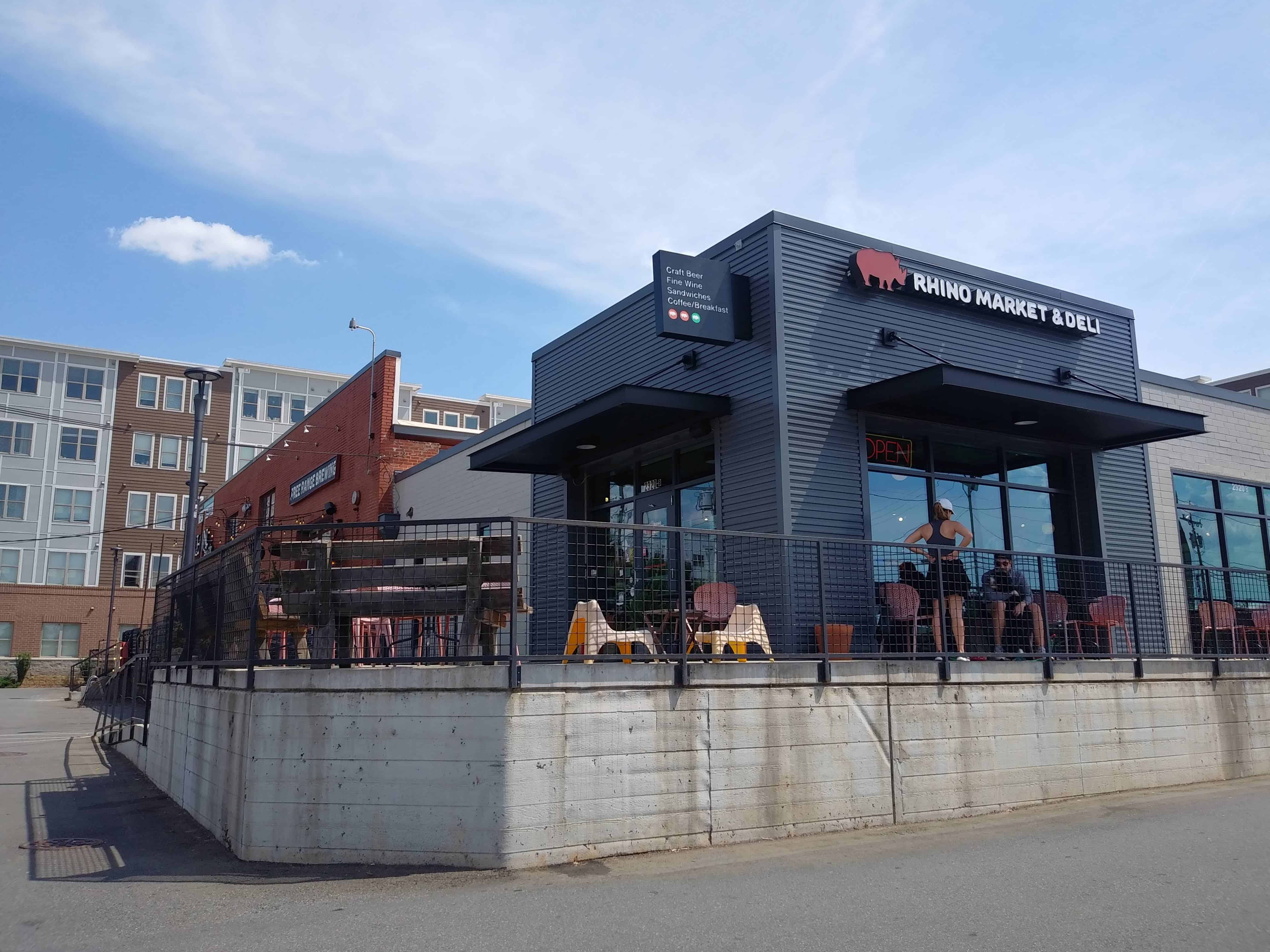
    Rhino Market & Deli off N. Davidson, Charlotte, NC

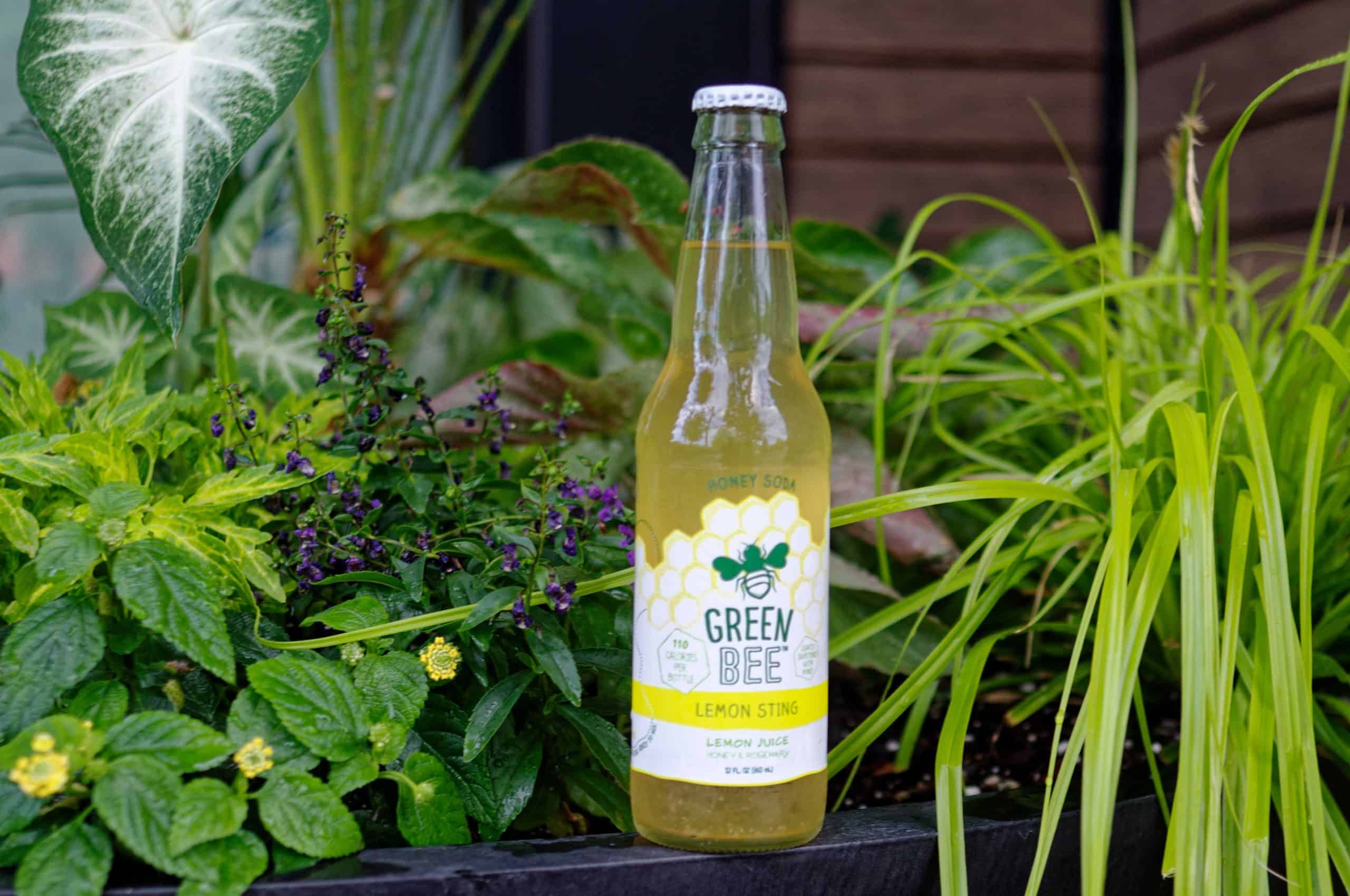
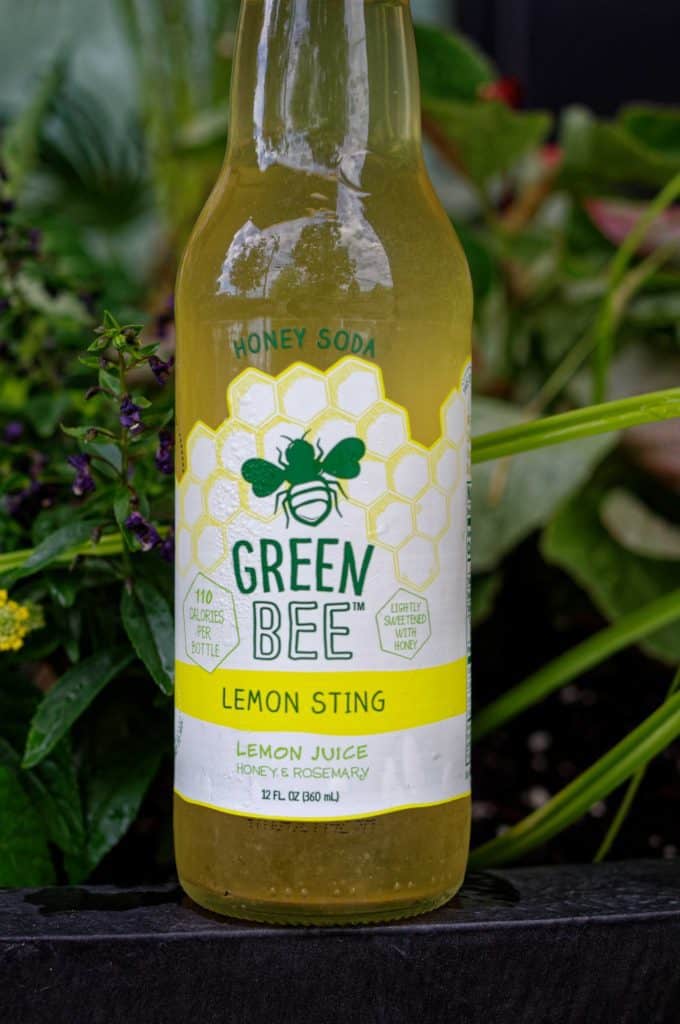
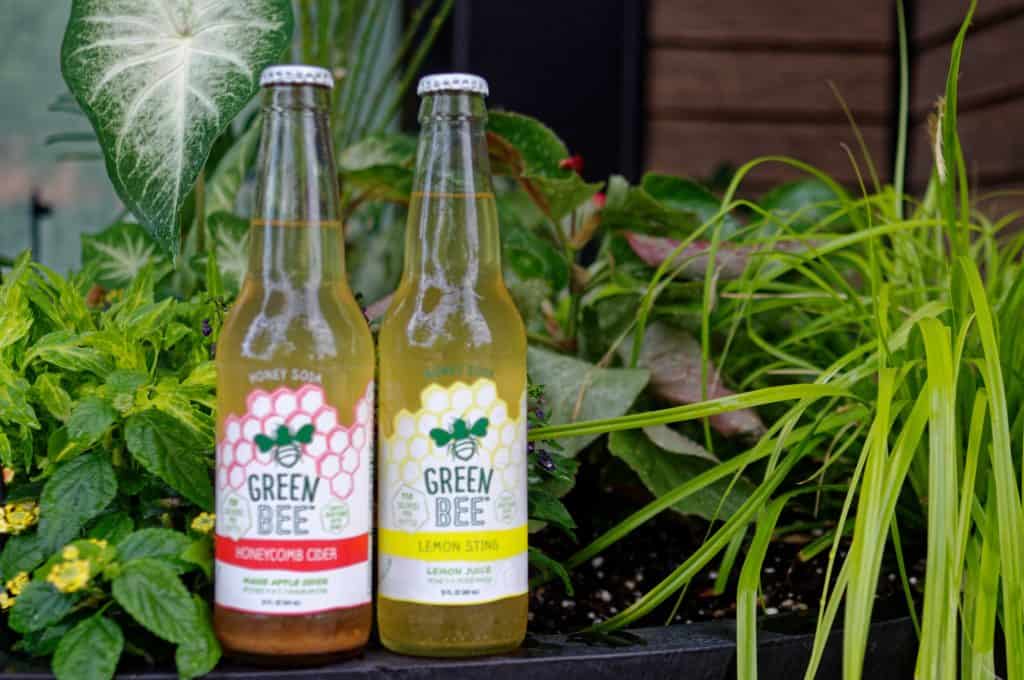
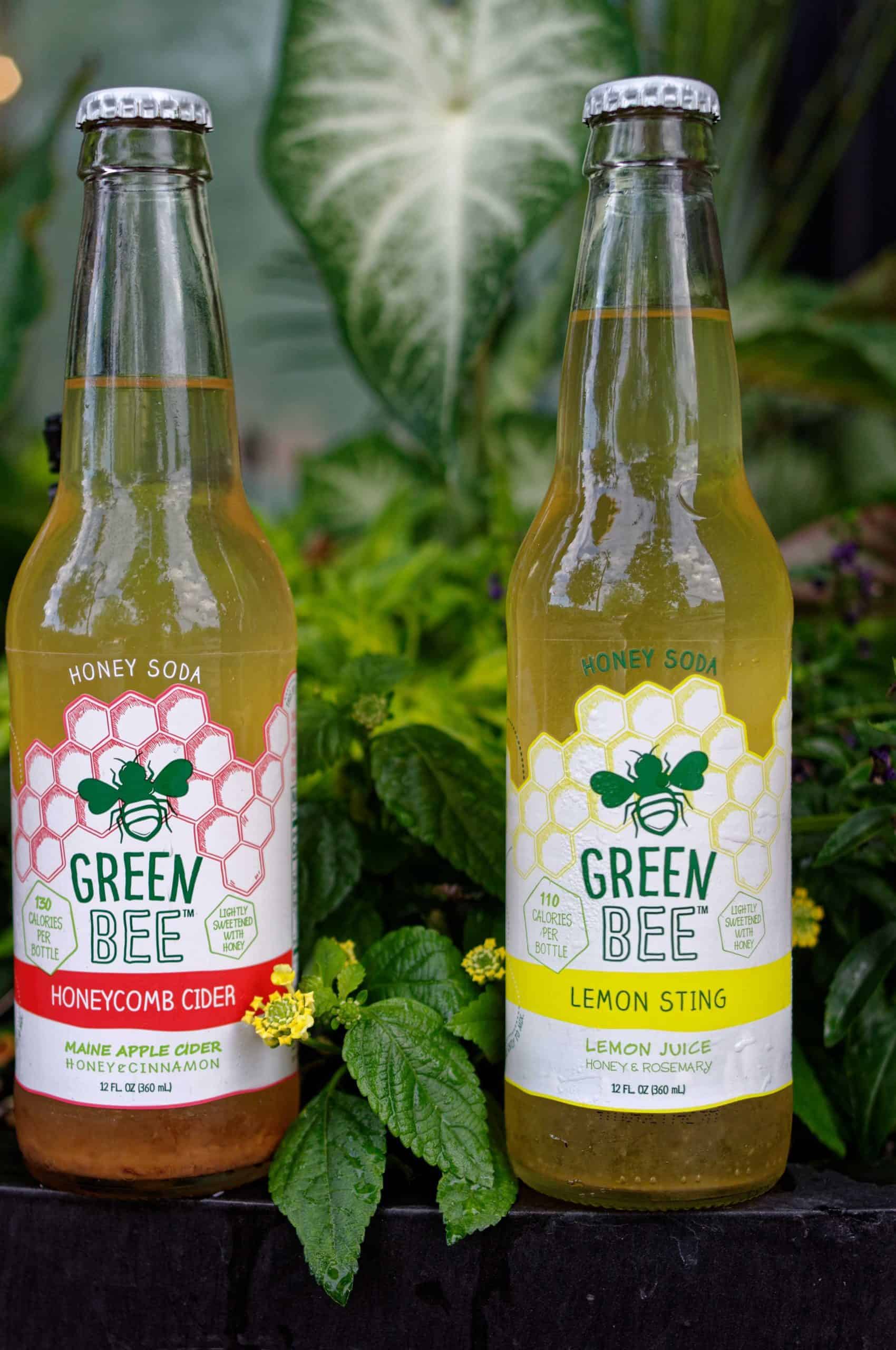
    I discovered Green Bee Honey Soda at the local Rhino Market in NoDa, and it represents a major shift in the carbonated beverage sector. We put the “Lemon Sting” flavor through The Lab’s Forensic Protocol to see if this honey-forward drink holds up as a legitimate soda alternative.

    When Rhino Market first started carrying Green Bee. I must’ve been so excited the picture turned out blurry.

    The Forensic Profile

    • Product Type: Honey-Based Carbonated Beverage
    • Key Ingredients: Carbonated Water, Honey, Lemon Juice, Rosemary
    • Origin: Brunswick, Maine
    • Bio-Active Focus: Bee-friendly, non-HFCS sweetener
    • MSRP: ~$2.50 per 12oz bottle (Premium Tier)

    1. Physical & Chemical Analysis (The Lab Standards)

    The Four-Ingredient Integrity

    Green Bee operates on a “Simplicity Protocol.” Most commercial sodas contain 10+ ingredients, many of which are lab-synthesized. Green Bee uses just four.

    • Forensic Observation: By utilizing honey as the primary sweetener, the drink retains a 110-calorie profile with 26g of sugar. While still a “treat,” the glycemic impact of honey differs significantly from the chemical spikes of corn syrup.

    Sediment Analysis

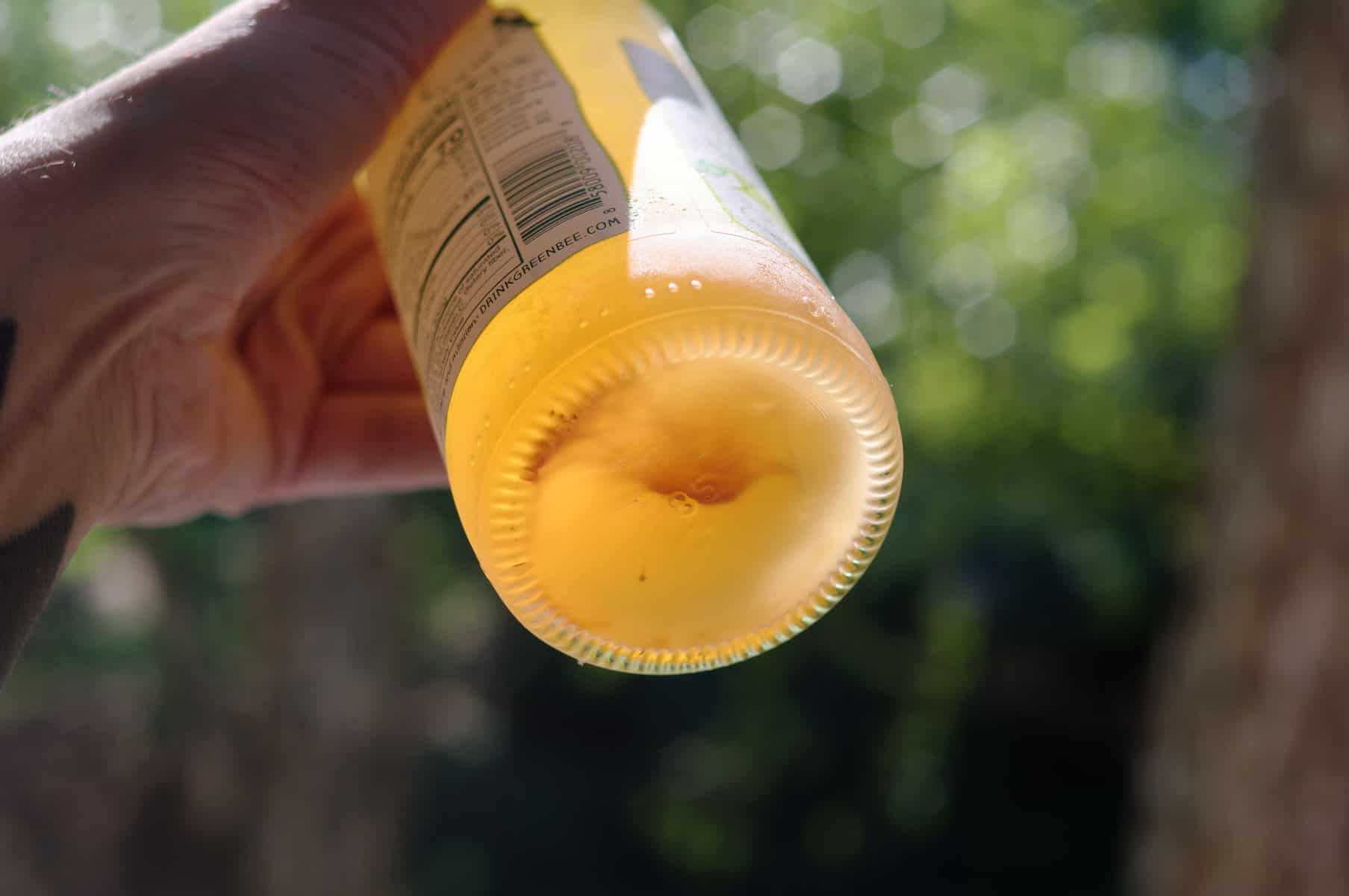
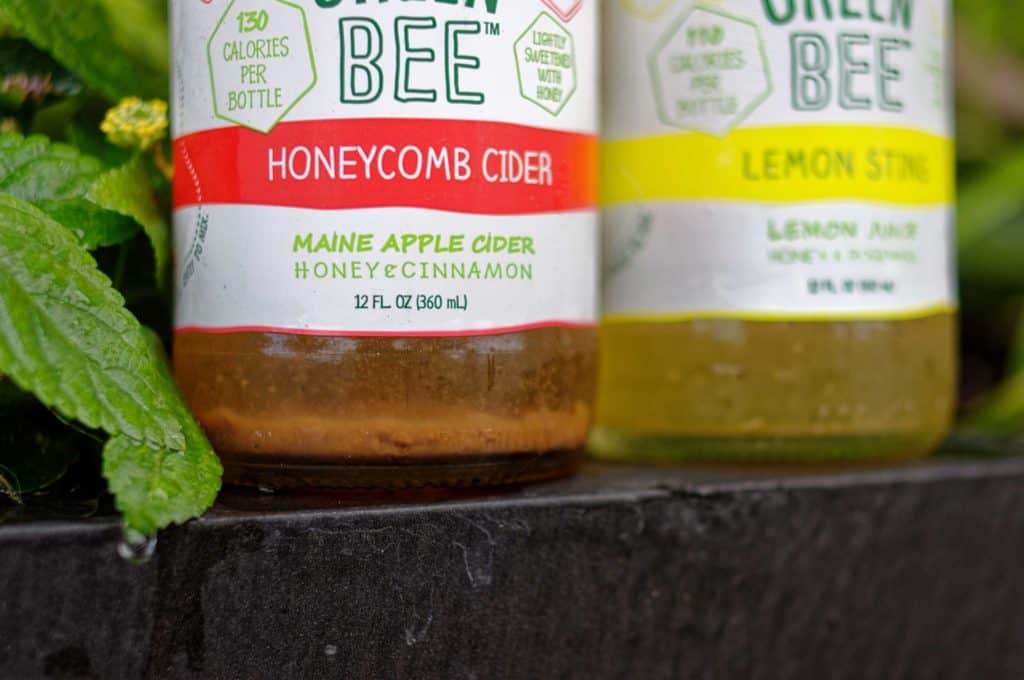
    If you look at the bottom of a Green Bee bottle, you’ll see subtle bits of sediment.

    • The Lab Verdict: This is a high-integrity marker. It confirms the use of real lemon juice and minimally processed honey rather than ultra-filtered extracts. Forensic Pro-Tip: Slow-roll the bottle before opening to integrate these bio-active solids.
    Green Bee Honey Soda Sediment at Bottom of Bottle

    2. Sensory Evaluation

    • Color: Light Pale Yellow; becomes slightly more opaque towards the bottom due to natural sediment.
    • Aroma: Immediate hit of fresh rosemary and freshly peeled lemon zest.
    • Flavor Profile: Extremely honey-forward. Unlike “fruit sodas with honey,” this is a Honey Soda. The honey hits the palate first, followed by the tart lemon that sits on the tip of the tongue, finishing with a subtle, herbal rosemary note.
    • Texture: Crisp carbonation. It’s light and refreshing, lacking the syrupy “mouth-coat” that leaves you feeling dehydrated after a standard soda.

    3. Sourcing & Sustainability

    Green Bee started in the kitchen of founder Chris Kinkade, utilizing honey from his own hives. Since expanding their facility in Brunswick, Maine, they have maintained a “bee-friendly” supply chain. For a Charlotte local, seeing Maine-based innovation at our neighborhood markets like Rhino Market is a testament to the growth of the holistic beverage movement.


    4. Price-to-Value Forensic

    BeveragePriceKey SweetenerSource Integrity
    Green Bee$2.50Raw HoneyHigh (4 Ingredients)
    Minute Maid$2.00HFCSLow (Synthetic)
    Zest Tea$2.75Sucralose/SugarModerate (Functional)

    While you can buy a 2-liter of Sprite for the same price, the forensic value of Green Bee lies in the absence of chemicals and the presence of real apiary products.


    Forensic Summary: Green Bee Honey Soda

    Final Grade: 4.3 / 5


    The Quick Breakdown

    Forensic ProsForensic Cons
    Clean Label: Only four real ingredients; no artificial preservatives.Honey-Heavy: Might be too honey-forward for those expecting a “Sprite” clone.
    Refreshing Texture: Carbonation is crisp without the sugary film.Lemon Intensity: The rosemary is strong; could use a bit more lemon “bite.”
    Bee-Friendly: Supports sustainable beekeeping practices.Price: $2.50 per bottle is a premium over mass-market sodas.

    The Verdict

    Buy this if: You want a refreshing, carbonated treat that uses real honey as a functional sweetener and you enjoy herbal, complex flavor profiles.

    Skip this if: You are looking for a zero-calorie drink or prefer the hyper-sweet, artificial flavor profile of traditional commercial lemonade.


    Forensic “Pro-Tip” for 2026

    Green Bee is excellent as a mixer. If you’re looking for a sophisticated “mocktail,” the rosemary notes in the Lemon Sting pair perfectly with a splash of tonic and a fresh cucumber slice.


    “Our vision for the future is sustainable growth that allows us to share our
    natural, healthier, bee-friendly soda with everyone. ”

    -Chris Kinkade, Green Bee Founder
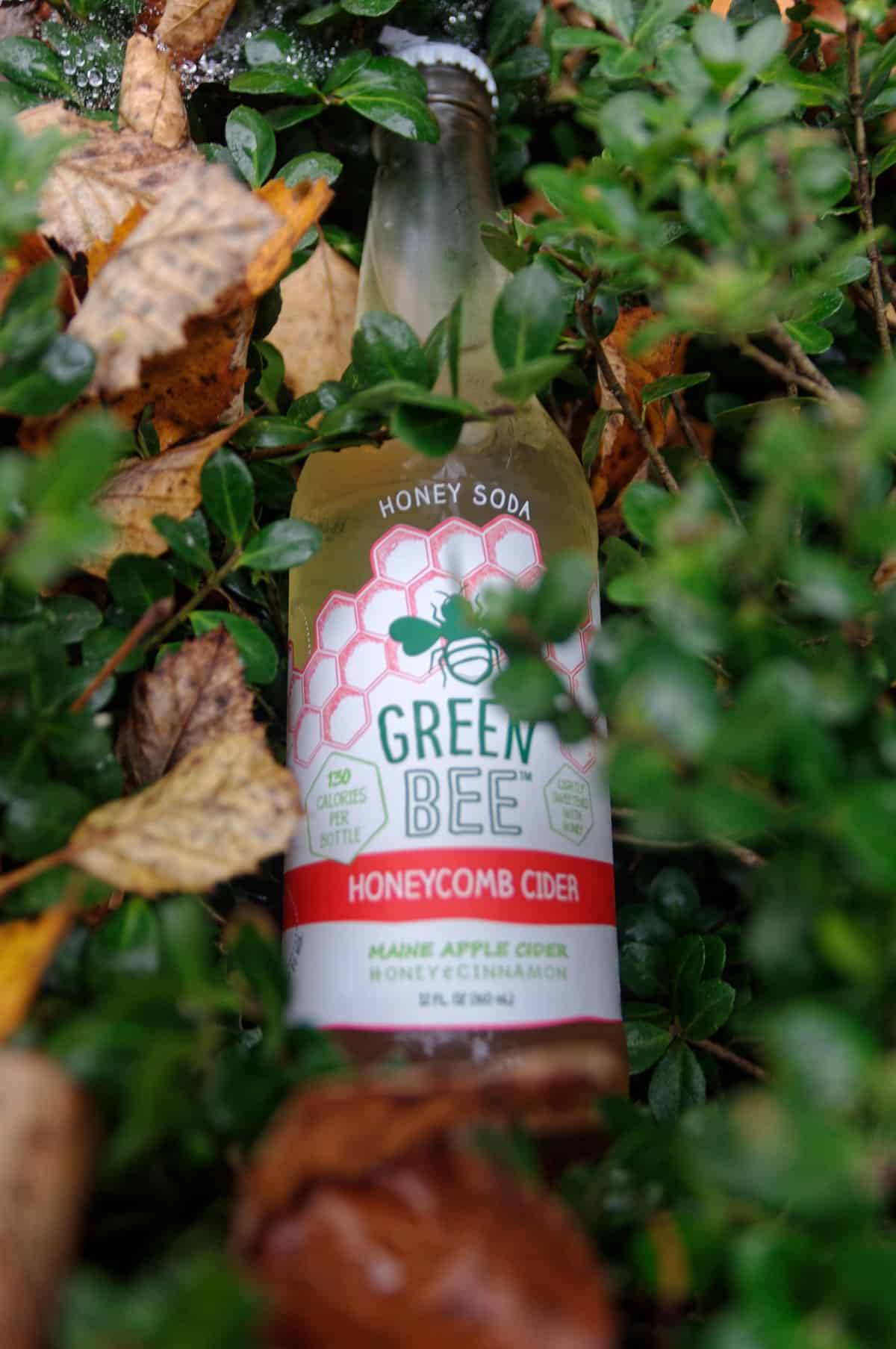
    Honeycomb Cider and Lemon Sting Honey Soda The Honey Review
    • Honey: Smooth, lovely citrus and lemon, honey forward
    • Flavor: Honey forward with Lemon that sits on the tip of your tongue.
    • Aroma: Fresh Rosemary, Fresh Peeled Lemon
    • Color: Light Pale Yellow, Gets darker towards bottom of glass
    • Texture: Carbonated, light and subtle bits of sediment on the bottom of glass.

    Review Summary

    Green Bee Honey Soda Review

    The Honey Review

    Green Bee Honey Soda – Lemon Sting Flavor Review/Analysis
    Honey
    Color
    Aroma
    Flavor
    Texture

    Final Thoughts

    Green Bee is a unique outlier in the beverage industry. It isn’t trying to be a “diet” drink; it’s trying to be a “real” drink. The Honeycomb Cider remains a personal favorite, but the Lemon Sting is the ultimate summertime protocol for anyone looking to ditch HFCS. This is one of my favorites on The Honey Review

    4.3
  • Dancing Bees Farm Honey Review: A Forensic Audit of NC Local Honey

    Dancing Bees Farm Honey Review: A Forensic Audit of NC Local Honey

    Forensic Audit: Dancing Bees Farm Pure Raw Honey – The Piedmont Standard

    Local honey in the North Carolina Piedmont is more than just a sweetener; it’s a snapshot of our specific ecosystem. While auditing supermarket brands like Great Value Organic, I often miss the raw, unfiltered complexity found at our local markets.

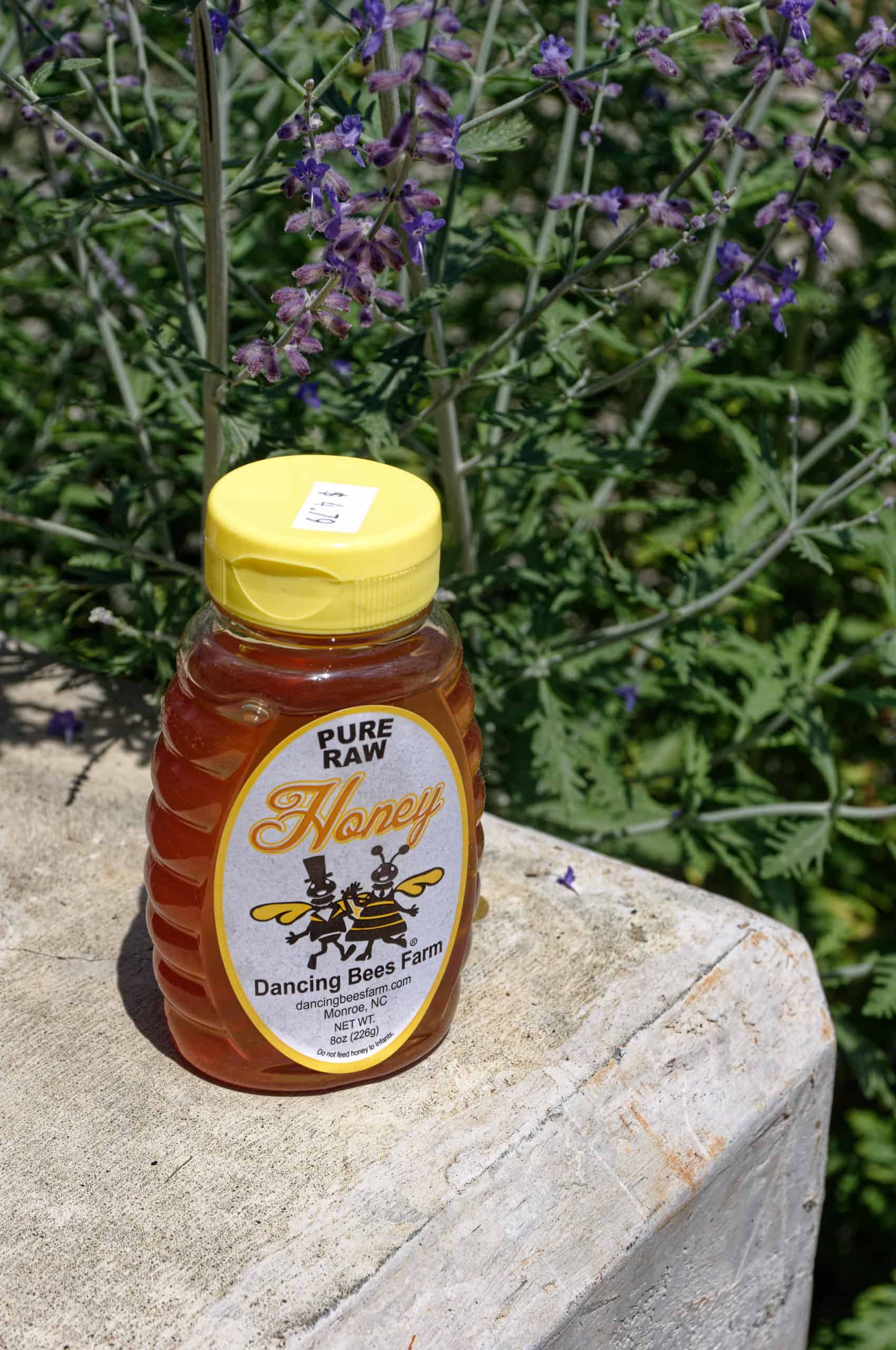
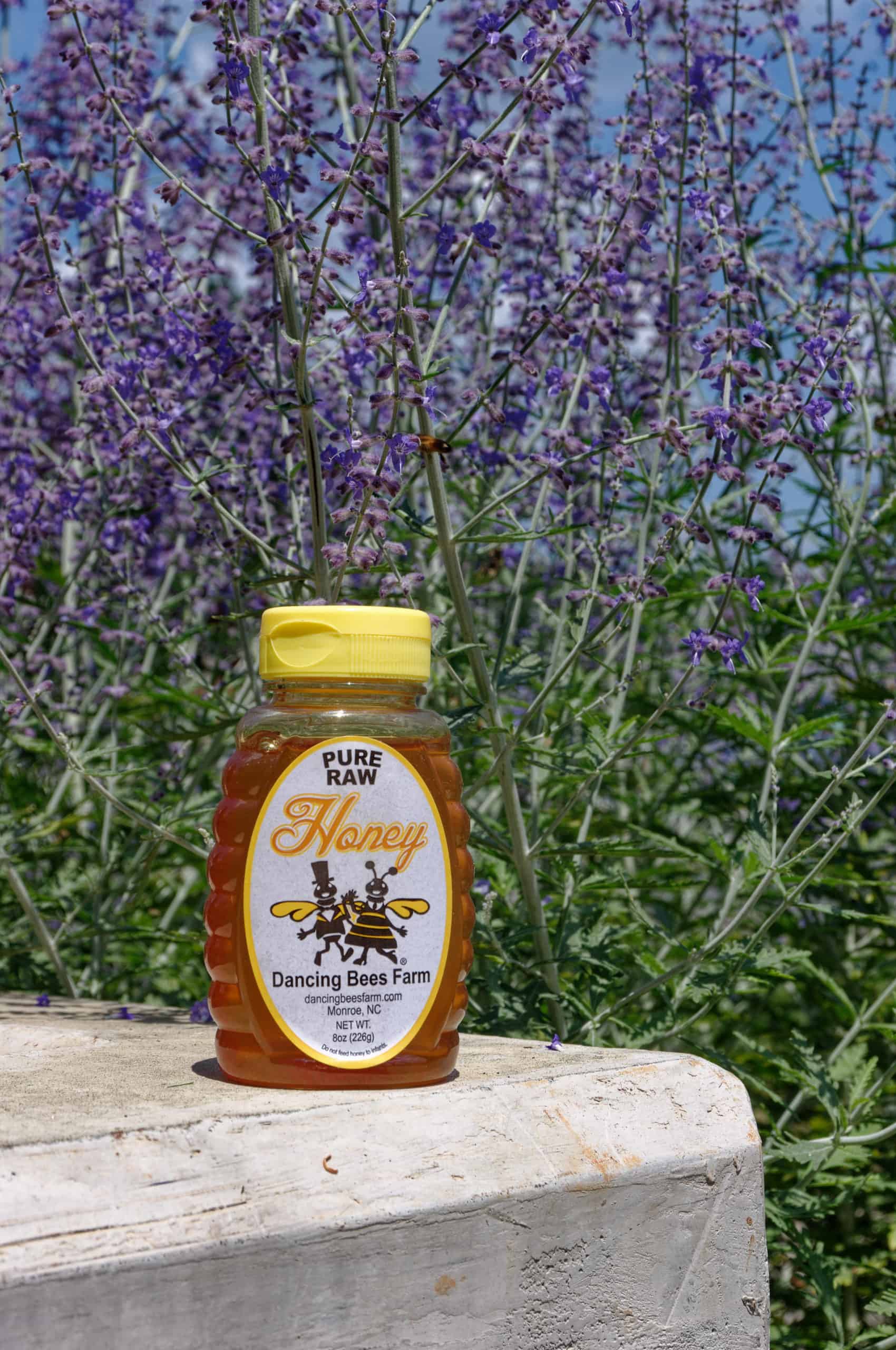
    Dancing Bees Farm, based out of Monroe, NC, is a staple of the Charlotte-area farmers’ markets. We put their Wildflower blend through The Lab’s Forensic Protocol to see how it compares to the mass-produced alternatives.

    Update 4/10/26:
    Store location is closed, and website is offline.


    The Forensic Profile

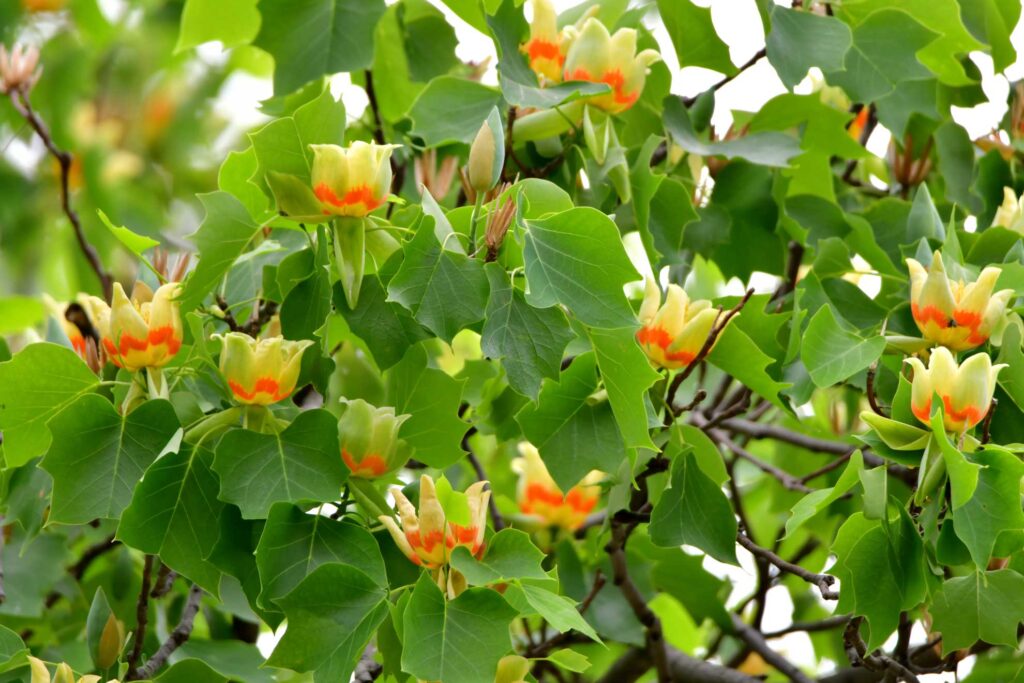
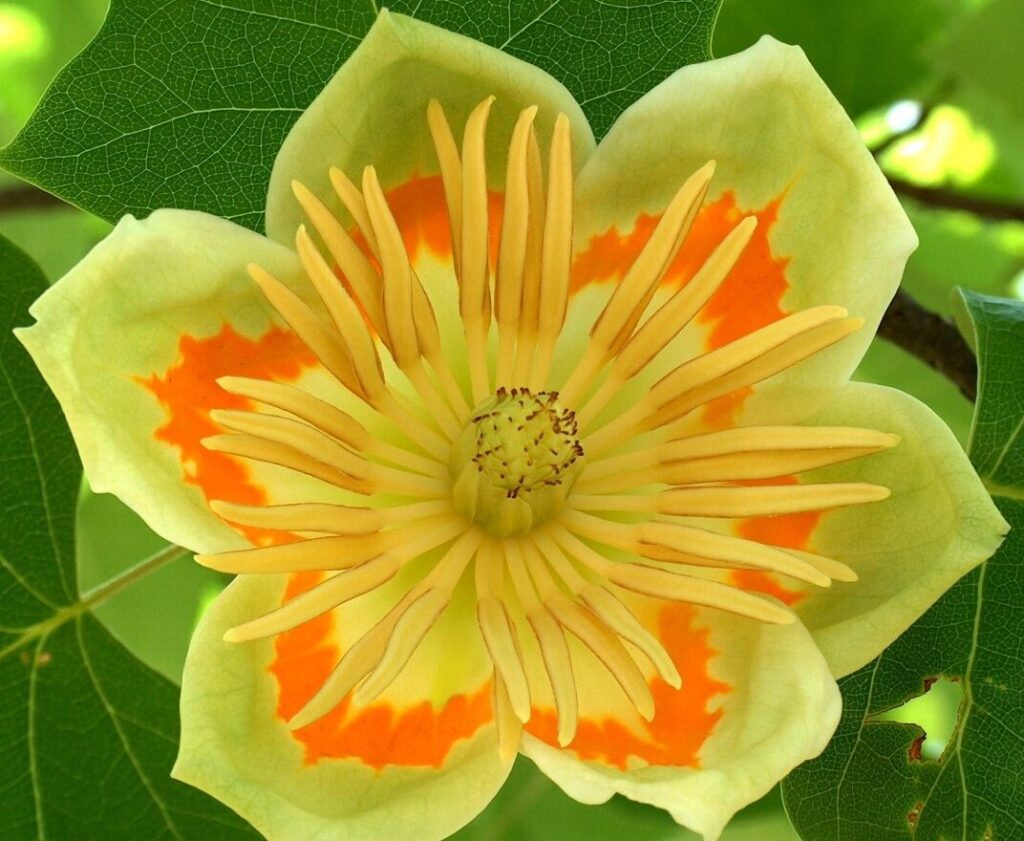
    • Honey Variety: Wildflower (Tulip Poplar, Clover, Buttercup)
    • Origin: Monroe, North Carolina (Hyper-Local)
    • Certifications: Raw, Unfiltered, Small-Batch
    • MSRP: ~$5.00 per 8oz (Artisan Tier)

    1. Physical & Chemical Analysis (The Lab Standards)

    Floral Origins: The Tulip Poplar Dominance

    Unlike commercial blends that use international polyfloral sources, Dancing Bees draws from a 36-acre farm in Monroe. Our forensic analysis identifies a significant presence of Tulip Poplar, which provides the deep amber hue and high mineral content common to Piedmont honey.

    Raw Integrity vs. Thermal Damage

    While commercial Grade A honey is often “polished” with high heat, Dancing Bees preserves the natural enzymes.

    • Forensic Observation: The honey exhibits a slight “tingle” in the throat—a classic indicator of active enzymes and high-quality pollen that hasn’t been neutralized by pasteurization.

    2. Sensory Evaluation

    • Color: Golden Amber. A clear, natural transparency that shows zero signs of “syrup blending.”
    • Aroma: Floral with a distinct “woody” nuttiness, likely derived from the surrounding poplar and sweet clover.
    • Flavor Profile: Bright and sweet with low acidity. It is far more nuanced than a Walmart Wildflower, offering a floral finish that lingers without being cloying.
    • Texture: Smooth and silky. Even in a plastic squeeze bottle, the viscosity is consistent with high-density, low-moisture honey.

    3. Supply Chain Integrity: The “Zero-Mile” Standard

    From a forensic standpoint, the supply chain here is as short as it gets. The honey is harvested, bottled, and sold within a 30-mile radius of the Charlotte metro area.

    • Temperature Control: Because this honey doesn’t sit in international shipping containers, it isn’t subject to the extreme heat that causes HMF (Hydroxymethylfurfural) spikes. This ensures the bio-activity remains intact from the hive to your table.

    4. Price-to-Value Forensic

    BrandSizePricePrice Per Oz
    Dancing Bees Farm8 oz$5.00**$0.62**
    Round Rock Honey16 oz$9.11**$0.57**
    Great Value Organic16 oz$5.98**$0.37**

    While more expensive than supermarket options, the value lies in the enzymatic integrity and the support of local pollinator preservation.


    Forensic Summary: Dancing Bees Farm Honey

    Final Grade: 4.2 / 5


    The Quick Breakdown

    Forensic ProsForensic Cons
    Hyper-Local Freshness: Zero thermal damage from international shipping.Limited Availability: Primarily found at Matthews and Waxhaw farmers’ markets.
    Piedmont Profile: Authentic Tulip Poplar and Clover notes unique to NC.Price Point: Higher per-ounce cost compared to national packers.
    Active Enzymes: Retains the raw “throat tingle” lost in pasteurized brands.Plastic Packaging: While convenient, eco-purists may prefer glass.

    The Verdict

    Buy this if: You live in the Charlotte area and want a high-quality, raw honey for daily use in coffee, Americanos, or for local allergy support.

    Skip this if: You are looking for a medicinal Manuka or require a shelf-stable, ultra-filtered honey that will never crystallize.


    Forensic “Pro-Tip” for 2026

    If you visit their Matthews Farmers Market stall, ask for the Sourwood. Sourwood is the “Manuka of the Appalachian Mountains”—it is rare, monofloral, and has a buttery, caramel-like forensic profile that is world-renowned.


    • Honey – Wildflower, Clover, Poplar Tulip.
    • Flavor – Sweet, Floral, Low Acidity, Bright.
    • Aroma – Floral with that lovely nuttiness of wood.
    • Color – Golden Amber, what everyone expects.
    • Texture – Smooth, Silky, Slight tingle in throat.
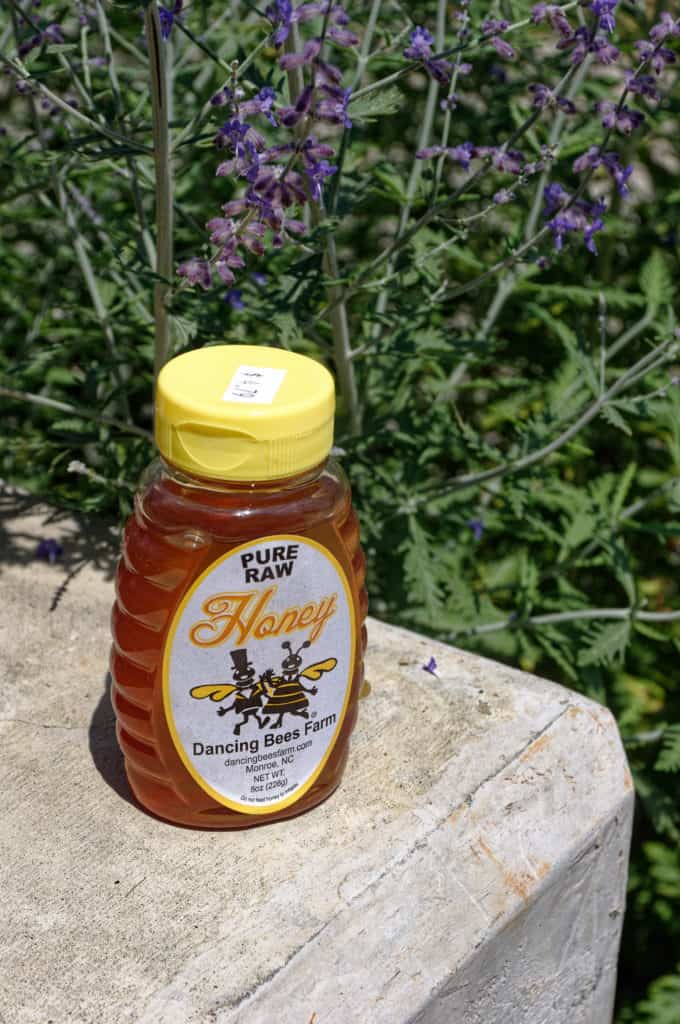
    Dancing Bees Farm Pure Raw Honey, Monroe NC

    Review Summary

    Dancing Bees Farm Pure Raw Honey

    The Honey Review

    Dancing Bees Farm Pure Raw Honey Rating & Analysis
    Honey
    Flavor
    Aroma
    Color
    Texture

    Review Summary

    Dancing Bees Farm sets the standard for North Carolina Piedmont honey. It is a clean, honest, and technically superior product that justifies its artisan price point through sheer freshness and floral complexity.

    4.2