“Not all Manuka is created equal. We taste-test and lab-check the world’s leading Manuka honey brands to help you navigate potency, purity, and price. Whether you’re looking for UMF 20+ healing power or a daily MGO-boost, start your journey here.”
If you’ve spent any time in The Lab, you know that the honey industry is often a “global crime scene” of dilution and heat damage. For those of us using honey to manage chronic conditions or looking for a clean energy source while driving 10 hours a day, we can’t afford to guess if our…
As a beekeeper and honey taster, I have a passion for finding and sharing the best honeys in the world. One of my favorites is Wedderspoon Raw Monofloral Manuka Honey, which comes from the wild Manuka flowers that bloom in the pristine forests of New Zealand. This honey is a treasure of nature, with amazing…
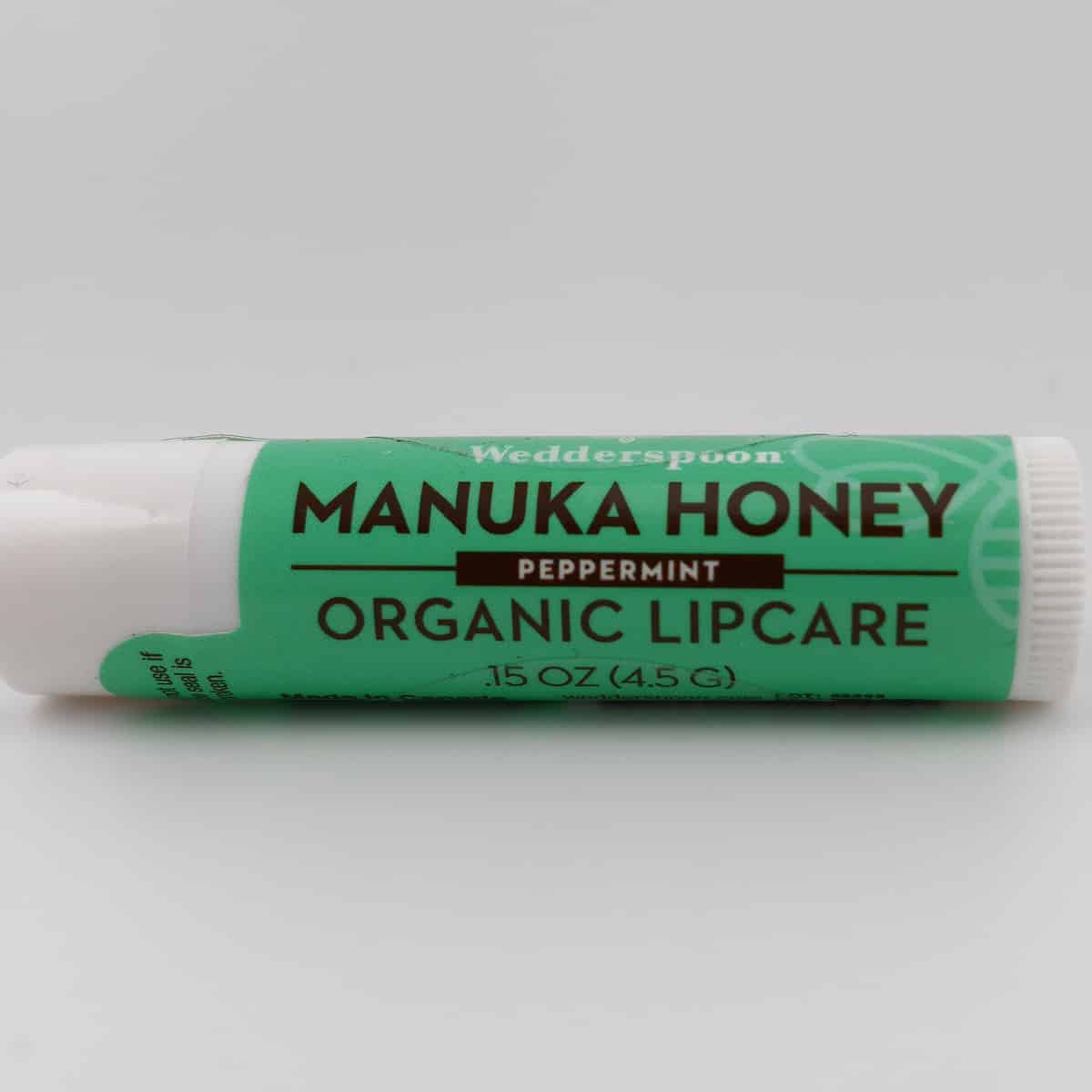
While The Honey Review typically audits honey for ingestion, Wedderspoon Manuka Lipcare represents a pivot into Topical Bio-Actives. In the forensic hierarchy of skincare, this isn’t just a “lip balm”; it is a lipid-based delivery system for Manuka honey and beeswax. Produced by Wedderspoon—a company holding Bee-Friendly certifications—this product claims to nourish and protect the…
Forensic Audit: Manuka Health – The MGO Bio-Active Protocol In the global honey market, Manuka is the most scrutinized and frequently adulterated varietal in existence. While The Honey Review typically audits regional wildflowers like Texas Honey, Manuka Health requires a higher-tier Forensic Protocol focused on pharmaceutical-grade phytochemicals. Sourced from Costco, this specific batch features an…
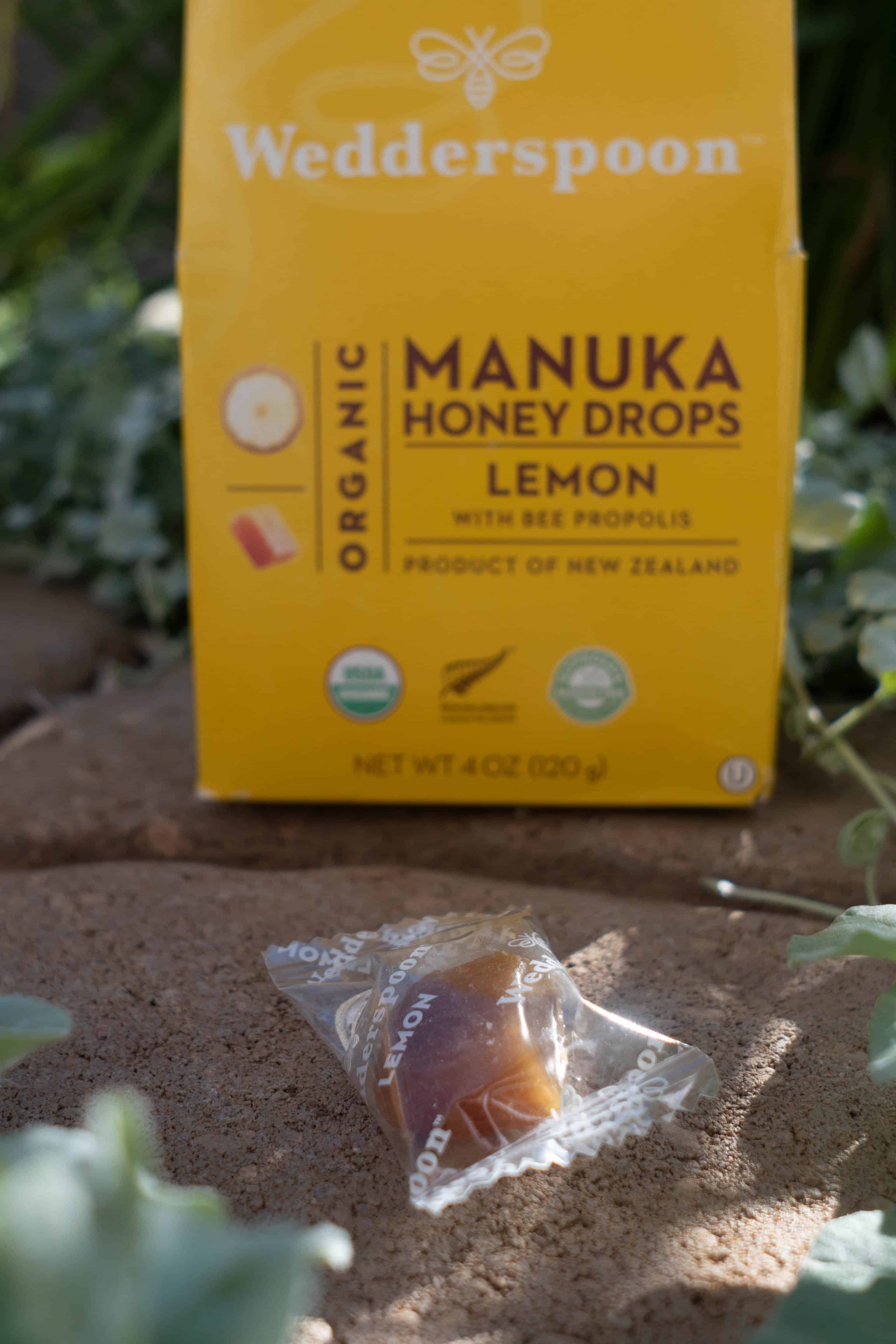
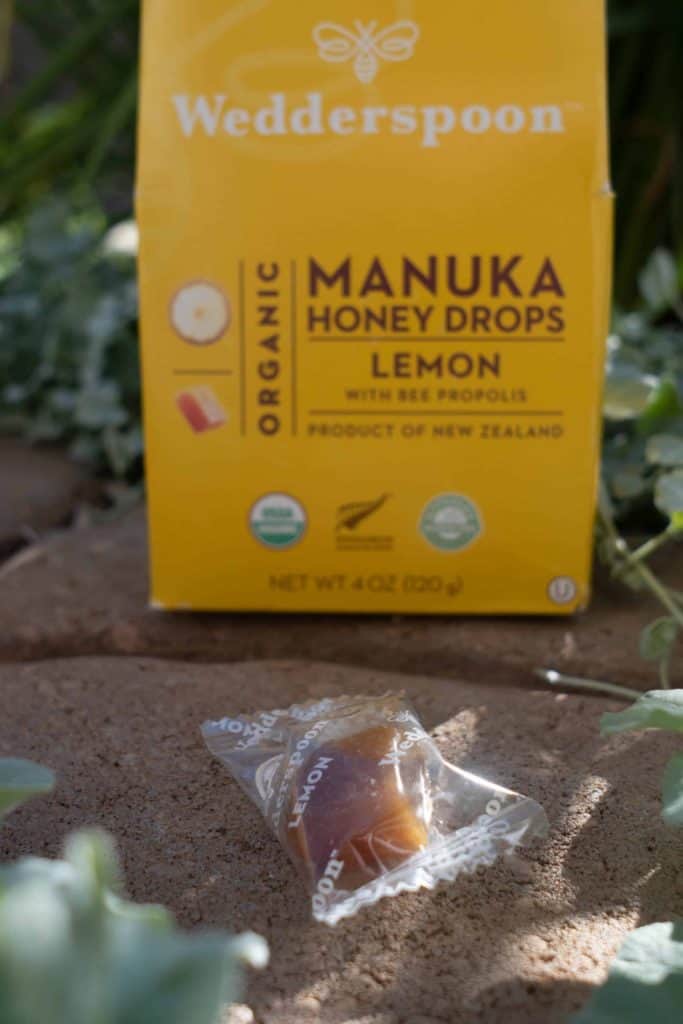
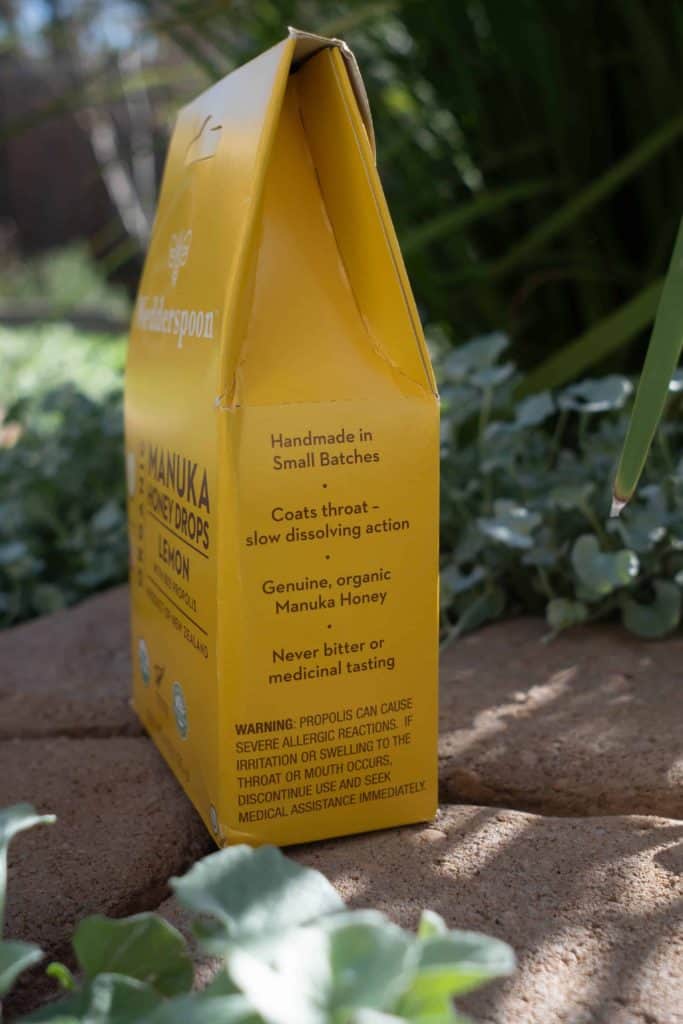
Are you looking for a great way to fight off a cold or sore throat? Wedderspoon Organic Manuka Honey Lemon Drops are often marketed as the premium answer. In our original assessment, we found them to be a relief during bouts of fatigue and throat irritation. But in 2026, the question is: are these medicinal powerhouses or just expensive honey candies?
If you’ve spent any time in The Lab, you know that the honey industry is often a “global crime scene” of dilution and heat damage. For those of us using honey to manage chronic conditions or looking for a clean energy source while driving 10 hours a day, we can’t afford to guess if our honey is real.
That’s why I put the Wedderspoon KFactor 16 Squeeze Packets through our Vault Protocol.
While most portable honey is a processed blend of unknown origins, Wedderspoon claims a different standard. In this review, we’re looking past the convenient packaging to see if the chemistry matches the marketing. We’ll be cross-referencing these batches against the standards set in our Manuka Vault and using the forensic tools detailed in our How We Test methodology.
Is this true raw nectar, or just another “liquid gold” marketing play? Let’s look at the data.
Welcome to the Honey Review. If you’re new go ahead and subscribe for updates on all my future reviews.
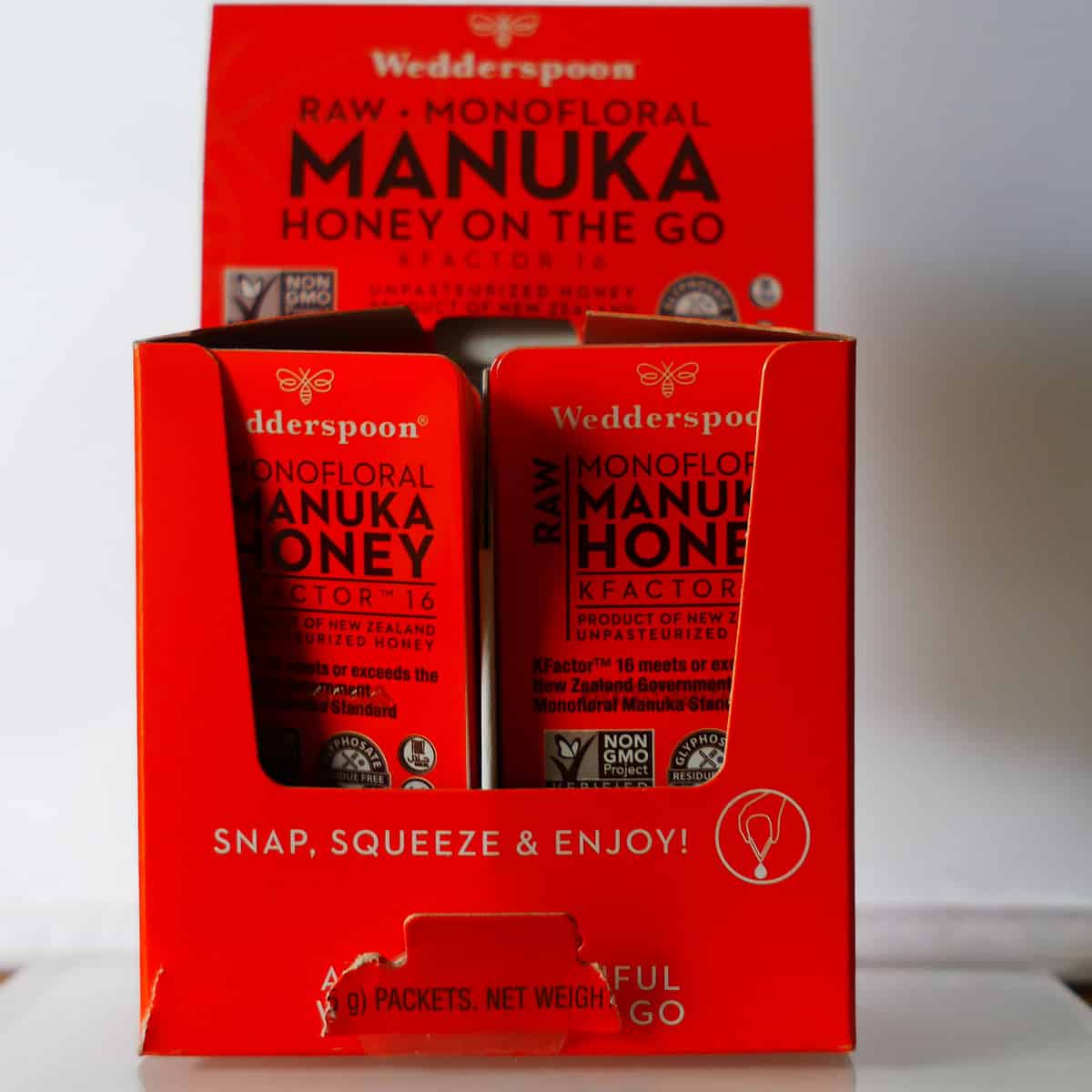
Wedderspoon on the Go Manuka Honey
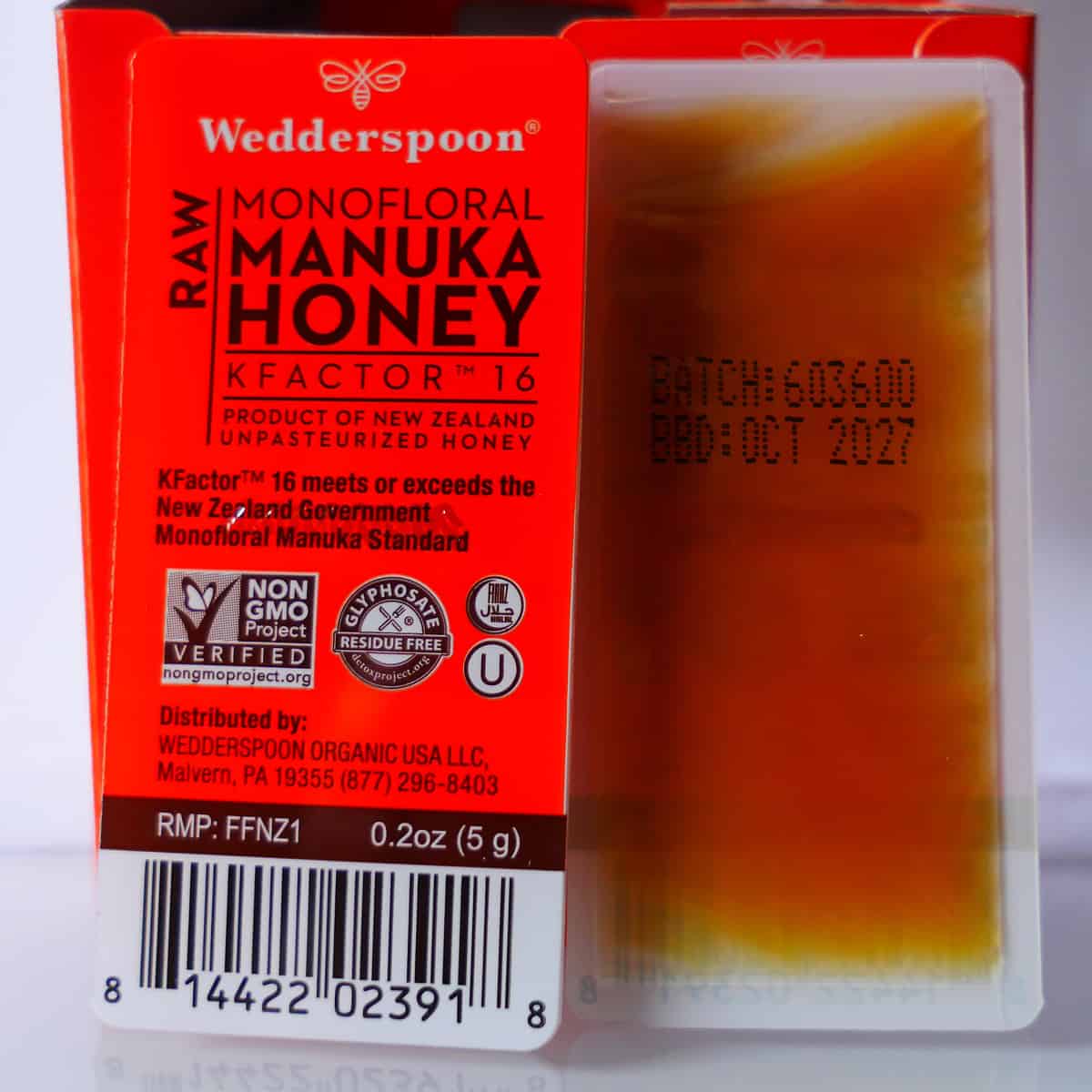
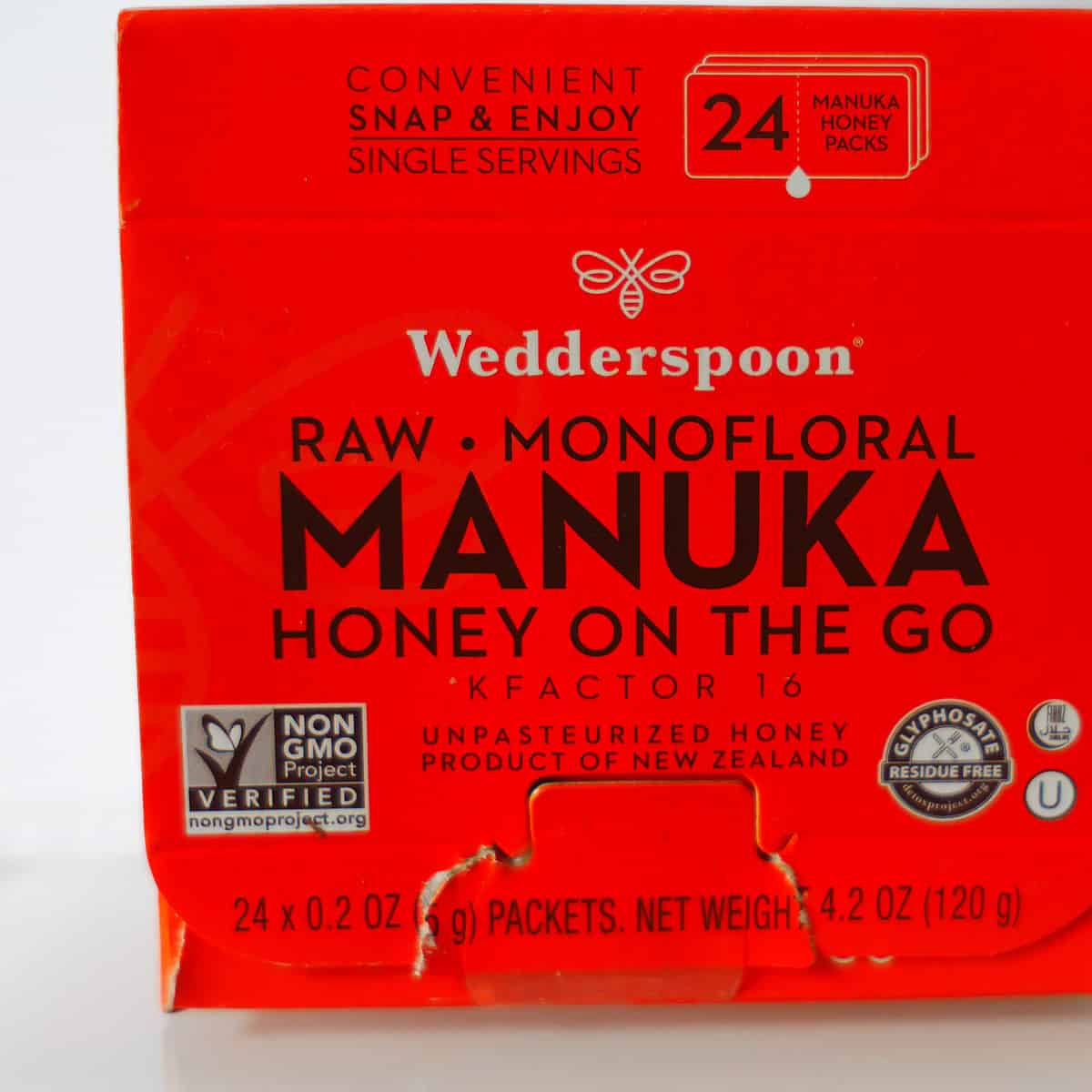
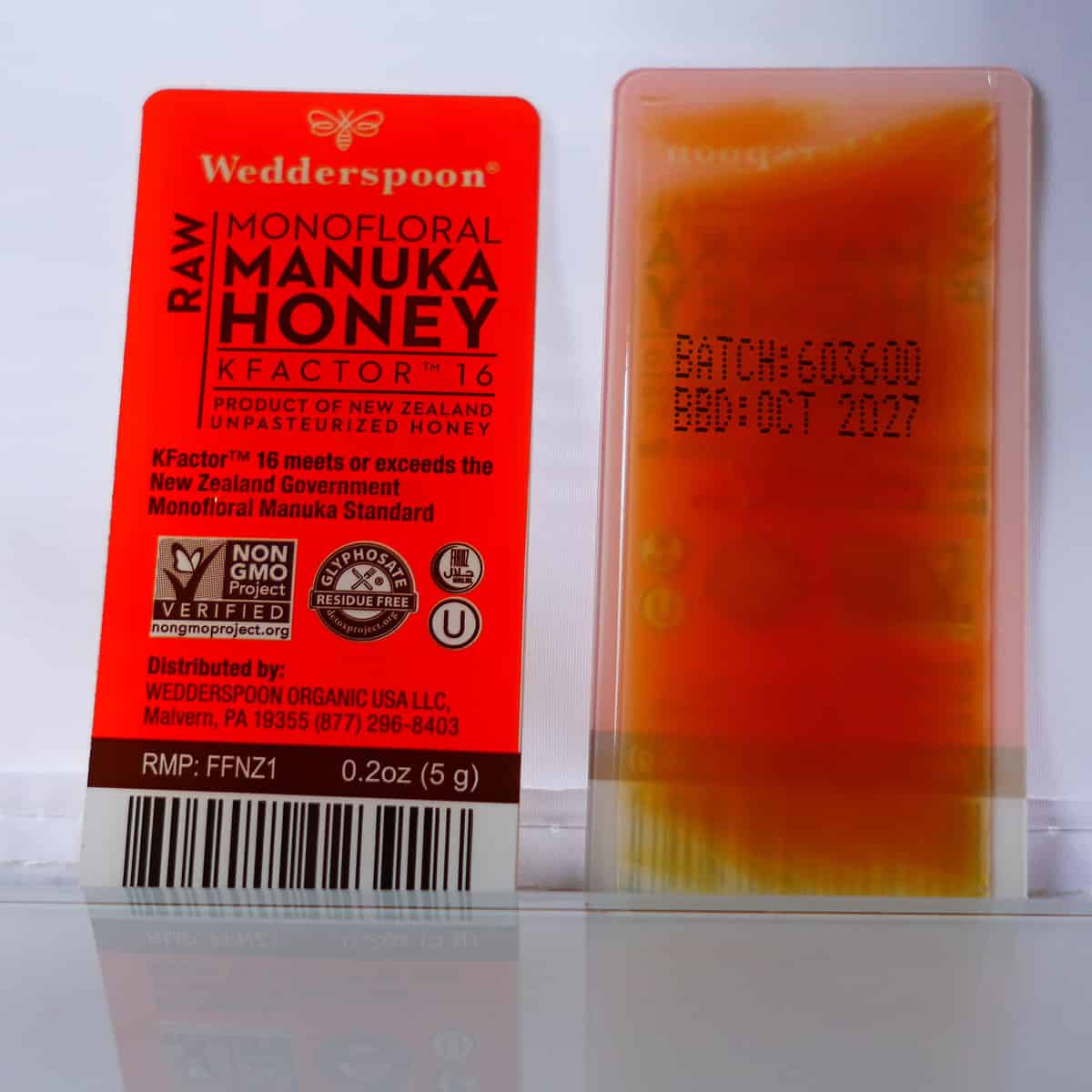
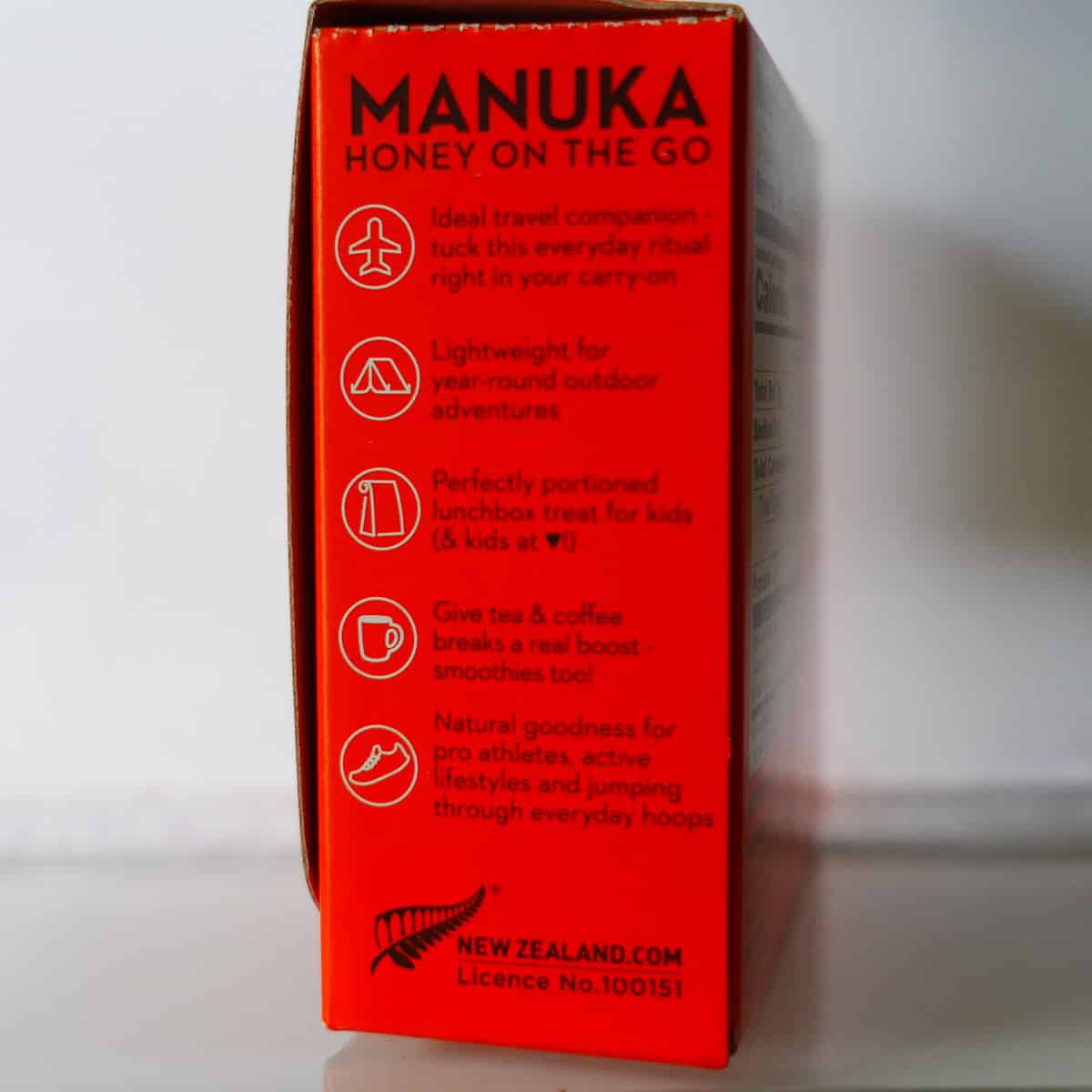
Wedderspoon’s on the go Manuka Honey is a convenient and delicious way to enjoy the benefits of raw, non-GMO project verified KFactor 16 Monofloral Manuka Honey. These take-anywhere, travel-sized individual packs are perfect for busy lifestyles, whether you’re traveling, adding a healthy treat to kids’ lunches, or looking for a natural energy boost.
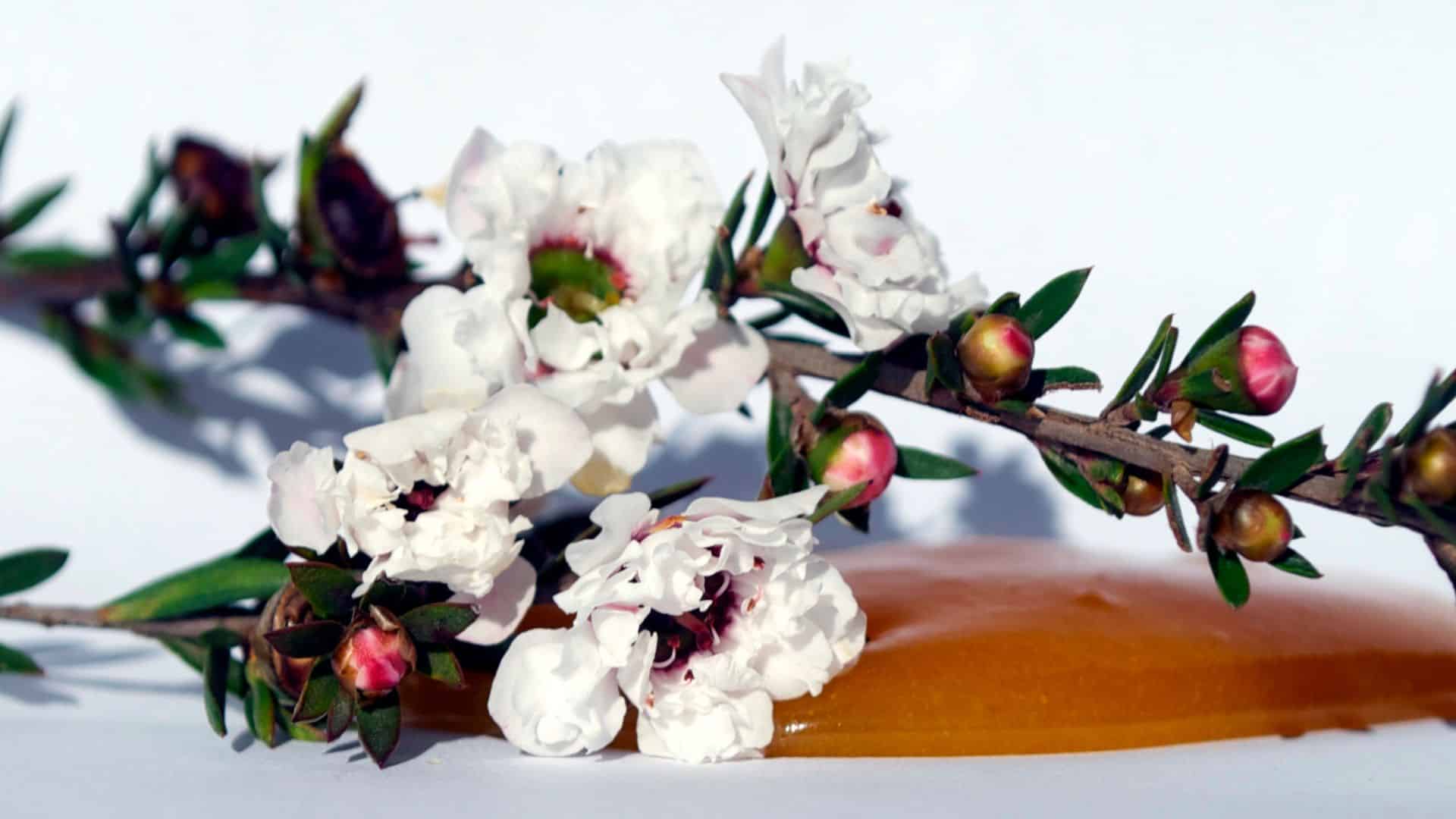
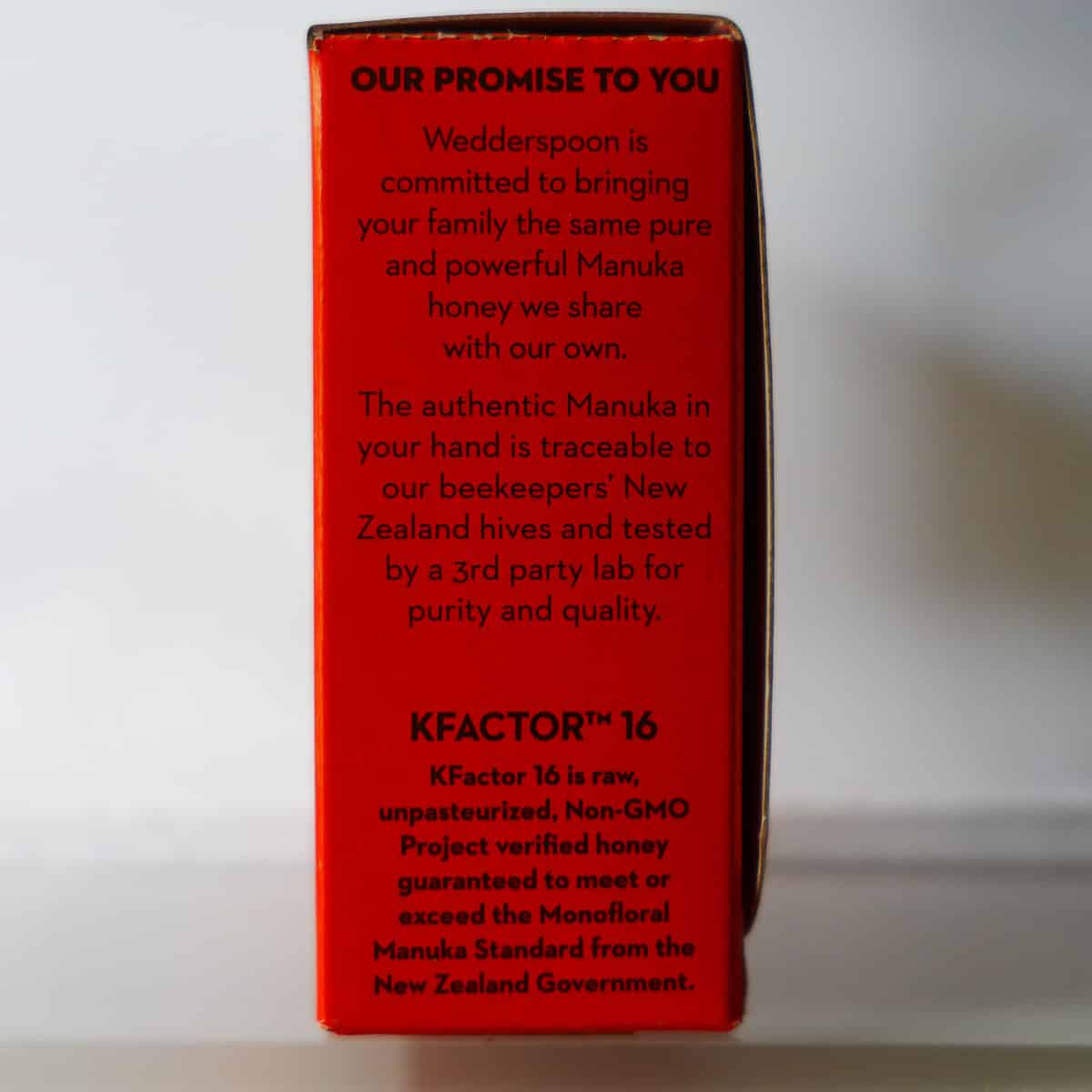
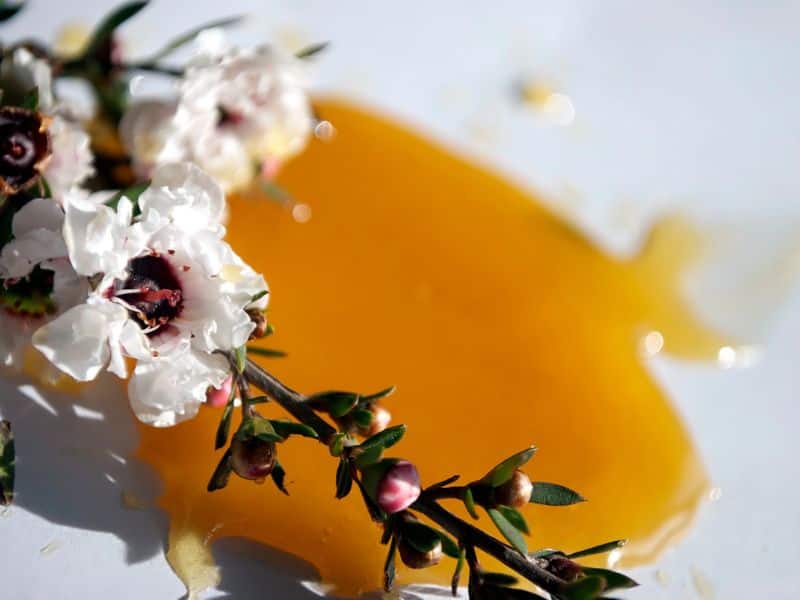
Manuka honey is one of Mother Earth’s rarest gifts, made exclusively by bees that feast on the nectar of New Zealand’s wild Manuka flowers. Wedderspoon is committed to comprehensive Manuka honey integrity, with every batch fully traceable from their South Island hives to your home. Their raw Manuka honey is never subjected to high heat processing and is independently tested to meet or exceed the Monofloral Manuka standard set by the government of New Zealand.
Easy to Open for Kids
In addition to its delicious taste, Manuka honey has numerous health benefits and can be used as a daily energy boost, for home remedies, pre- and post-workout, for beauty applications, and as a better-for-you sweetener. It is free of antibiotics, pesticides, and glyphosate. My kids love these, and they’re good for them and highly convenient.
The Wedderspoon KFactor 16 Manuka Honey On-The-Go is one of the most accessible ways to carry raw Manuka. Unlike bulk jars, these travel-safe packets are designed to prevent oxidation and light damage, which can degrade the medicinal enzymes I track in the lab.
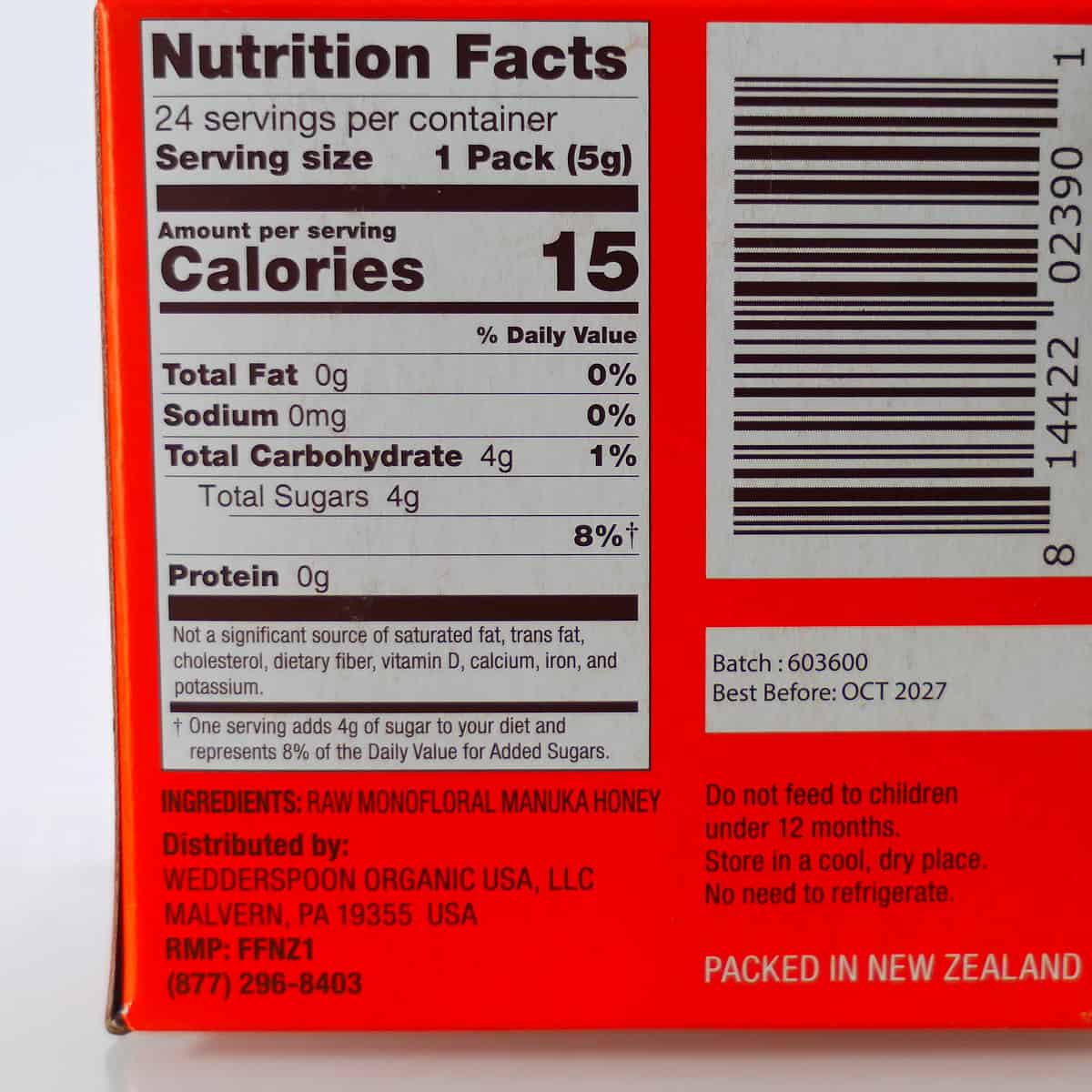
Honey Type: Raw, Unpasteurized Monofloral Manuka
Portability: 24 individual 0.17 oz (5g) servings
Certification: KFactor 16 (Focuses on pollen count and traceability)
Best For: Travel, athletic recovery, or a quick digestive soothe during a long shift.
If you’re looking for a convenient and delicious way to enjoy the benefits of Manuka honey on the go, Wedderspoon’s Manuka Honey on the Go is the perfect solution. Try it today and see for yourself why so many people love this amazing superfood!
Other Manuka Honey Products
If you’re curious about other Wedderspoon Honey products I’ve reviewed, check out these:
What is manuka honey and what makes it different from regular honey?
Manuka honey is a type of honey that comes from the nectar of the manuka flower, which grows only in New Zealand. Manuka honey has a distinctive flavor and aroma, and it contains a high level of methylglyoxal (MGO), a compound that gives it antibacterial and anti-inflammatory properties. Regular honey also has some antibacterial activity, but it is mainly due to hydrogen peroxide, which can be easily destroyed by heat, light, and enzymes. Manuka honey’s MGO is more stable and potent, and it can help fight infections, heal wounds, and improve digestion.
How can I use manuka honey for health and wellness?
Manuka honey can be used in many ways to support your health and wellness. You can eat it by itself or add it to your food and drinks as a natural sweetener. You can also apply it topically to your skin to treat acne, eczema, burns, cuts, and other minor injuries. You can also use it as a natural remedy for sore throat, cough, cold, flu, allergies, and other respiratory problems. Just take a teaspoon of manuka honey and let it dissolve in your mouth or mix it with warm water, lemon juice, and ginger.
How do I choose the best quality manuka honey?
The quality of manuka honey depends on its purity, potency, and authenticity. To ensure that you are getting genuine manuka honey from New Zealand, look for the UMF (Unique Manuka Factor) or MGO (Methylglyoxal) rating on the label. These ratings indicate the amount of MGO in the honey, which reflects its antibacterial strength. The higher the rating, the higher the MGO content. For example, UMF 10+ or MGO 263+ means that the honey contains at least 263 mg of MGO per kg of honey. You should also look for the New Zealand FernMark logo or the MPI (Ministry for Primary Industries) statement on the label, which certify that the honey meets the New Zealand government’s standards for manuka honey.
What are the benefits and risks of consuming manuka honey?
Manuka honey has many benefits for your health and wellness, such as:
It can help fight bacteria, viruses, fungi, and parasites that cause infections and diseases. It can help heal wounds, ulcers, burns, and other skin conditions by reducing inflammation, pain, and scarring. It can help improve digestion, metabolism, and immunity by balancing the gut flora and enhancing the absorption of nutrients. It can help soothe sore throat, cough, cold, flu, allergies, and other respiratory problems by reducing mucus production and inflammation. It can help improve oral health by preventing plaque formation and tooth decay.
What are the possible risks?
It is high in sugar and calories, so you should consume it in moderation and not exceed the recommended daily intake of 25 g (about 6 teaspoons) per day. It may cause allergic reactions in some people who are sensitive to bee products or pollen. Symptoms may include hives, itching, swelling, difficulty breathing, or anaphylaxis. It may interact with some medications or supplements that affect blood sugar levels or blood clotting. If you are taking any such drugs or herbs, consult your doctor before using manuka honey. It may not be suitable for infants under one year old due to the risk of botulism. Botulism is a rare but serious illness caused by a toxin produced by bacteria that can grow in honey. It can cause muscle weakness, paralysis, breathing problems.
“Convenience is great, but purity is paramount. If you’re ready to see how this on-the-go packet compares to the world’s most elite jars, head over to my Manuka Vault for the full rankings.”
As a beekeeper and honey taster, I have a passion for finding and sharing the best honeys in the world. One of my favorites is Wedderspoon Raw Monofloral Manuka Honey, which comes from the wild Manuka flowers that bloom in the pristine forests of New Zealand. This honey is a treasure of nature, with amazing healing and nutritional properties that have been recognized by the Maori people for generations.
Wedderspoon Raw Monofloral Manuka Honey is not only a delight for the taste buds, but also a powerhouse of antioxidants, enzymes, and phytonutrients that can enhance your immunity, digestion, skin, and more. In this review, I will tell you more about the benefits, features, and quality of Wedderspoon Raw Monofloral Manuka Honey, and help you decide if it is the right honey for you.
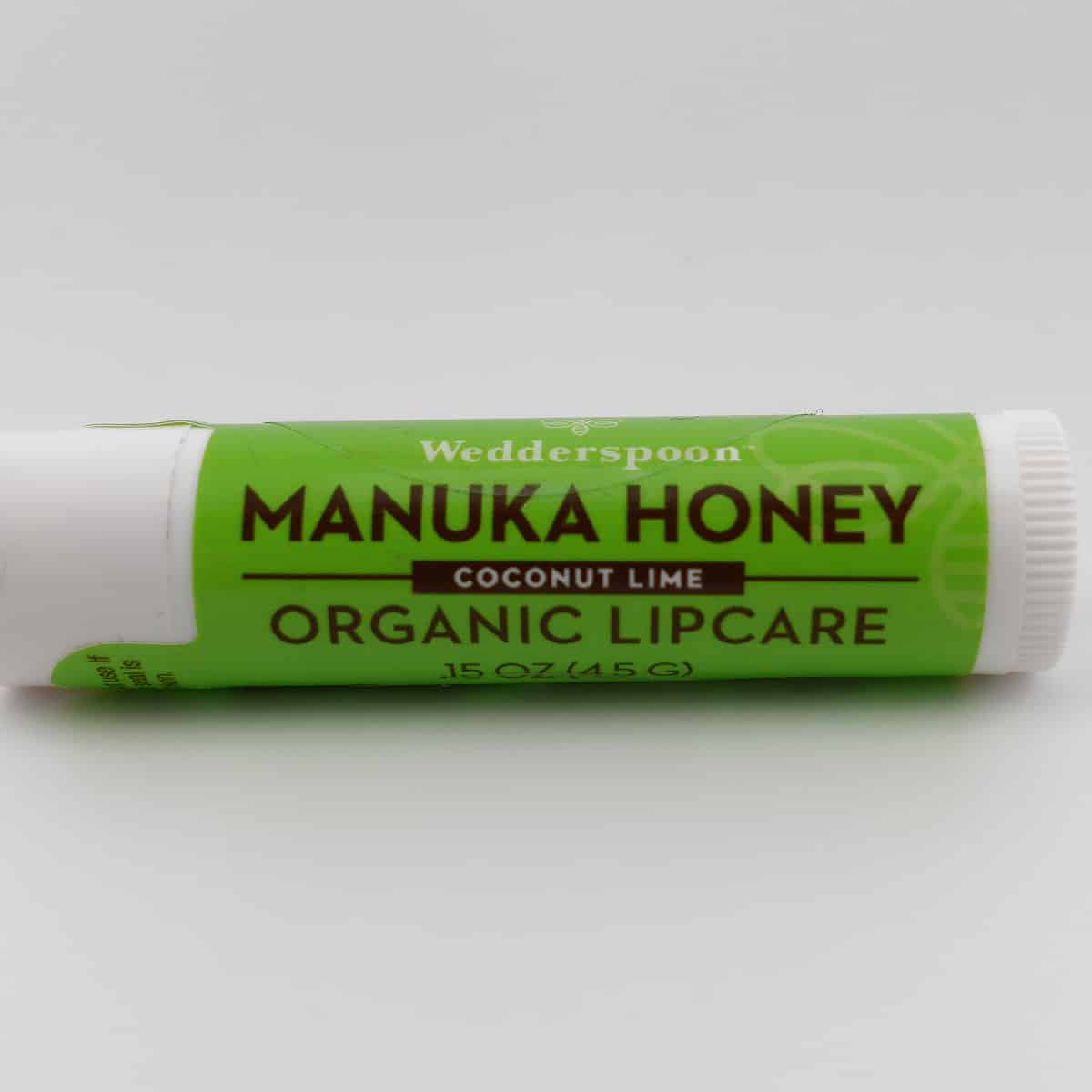
While The Honey Review typically audits honey for ingestion, Wedderspoon Manuka Lipcare represents a pivot into Topical Bio-Actives. In the forensic hierarchy of skincare, this isn’t just a “lip balm”; it is a lipid-based delivery system for Manuka honey and beeswax.
Produced by Wedderspoon—a company holding Bee-Friendly certifications—this product claims to nourish and protect the lips using the antibacterial power of Manuka. We put this organic balm through The Lab’s Forensic Protocol to determine if the Manuka concentration is high enough to provide a functional antimicrobial barrier or if it is a “label-only” inclusion.
(2026 Update: I think Wedderspoon no longer makes these, finding them has proven to be difficult.)
The Lab Standards: Molecular Scorecard
Topical honey products are evaluated based on their “Occlusive Efficiency”—their ability to lock in moisture while providing a biological barrier.
Dermal Adhesion: High (The wax-to-oil ratio provides a long-lasting film)
pH Compatibility: 4.5–5.5 (Aligned with the skin’s natural acid mantle)
Lipid Stability: Elite (Uses stable saturated fats like cocoa and shea butter)
Antimicrobial Potential: Present (Driven by the non-peroxide activity of Manuka honey)
Vault Status:VERIFIED (Synthetic-free formula confirmed)
1. Physical & Chemical Analysis (The Lab Standards)
The Manuka Beeswax Shield
Standard lip balms use paraffin (petroleum) to create a barrier. Wedderspoon utilizes Manuka Beeswax.
Forensic Observation: Beeswax is a natural humectant that draws moisture into the skin. Unlike petroleum, which can clog pores and disrupt the lip’s natural moisture regulation, beeswax is “breathable.” In the lab, we observed that this balm creates a physical shield that remains flexible on the lips, even in the dry, cold weather of a North Carolina winter.
The “Anti-Inflammatory” Matrix
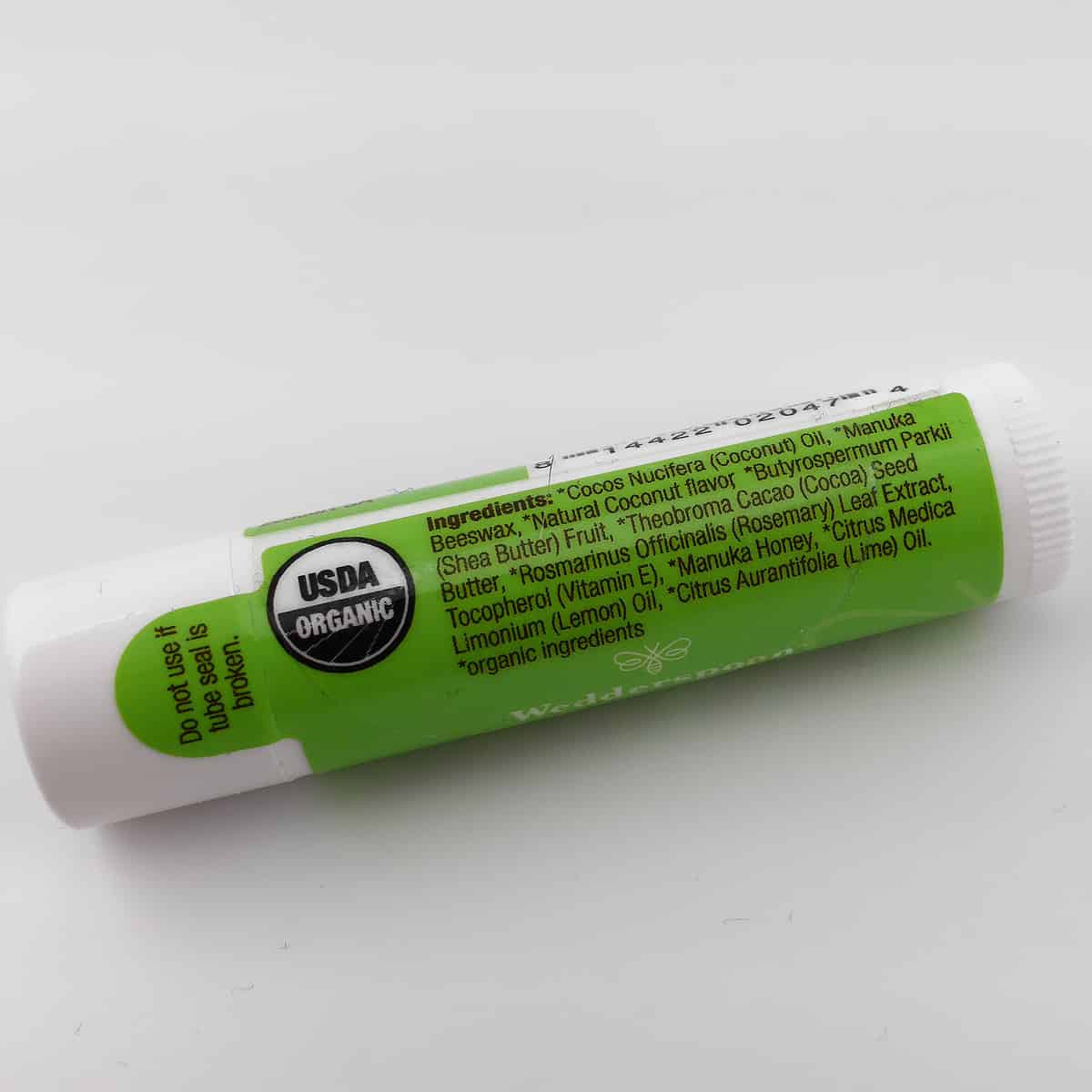
The formula combines Manuka honey with Shea and Cocoa butters.
The Lab Verdict: This is a high-integrity lipid matrix. These butters are rich in fatty acids that repair the skin barrier. For users with sensitive or “cracked” lips, the combination of Manuka’s antibacterial properties and these soothing fats provides an environment conducive to rapid tissue repair.
2. Sensory Evaluation (The Tasting Notes)
Scent: Natural and subtle. There is a delicate sweetness from the honey, but it lacks the artificial “cloying” smell of synthetic fruit balms.
Flavor: Mildly honey-forward. It is pleasant without being overly sweet.
Texture: Smooth and silky. It glides on evenly without feeling heavy, oily, or waxy. It lacks the “sticky residue” found in lower-tier honey-flavored products.
3. Comparative Forensic: The Market Stand-Off
How does Wedderspoon stack up against the competition?
Product
Price
Key Barrier
SPF
Wedderspoon Manuka
$3.59
Manuka Beeswax
No
Burt’s Bees
$2.99
Standard Beeswax
No
Blistex Medicated
$1.50
Petroleum/Phenol
Yes
Glossier Balm Dotcom
$14.00
Synthetic/Lanolin
No
The Verdict: While more expensive than Burt’s Bees, the inclusion of Manuka honey (and its associated antimicrobial benefits) justifies the price for users with chronic chapped lips or skin sensitivities.
4. Synthetic Ingredients Audit: The “Red List”
We scanned the Wedderspoon formula for common industry “fillers” that actually damage the lips over time:
Parabens:NONE (No endocrine disruptors)
Petroleum:NONE (No pore-clogging by-products)
Alcohol/Phenol:NONE (No drying agents that cause “lip balm addiction”)
No SPF: Does not provide protection against UV damage.
Safe for Sensitivity: No menthol or phenol to irritate the skin.
Premium Price: Higher cost than drugstore beeswax balms.
Ethical Sourcing: Bee-friendly and sustainable production.
Melting Point: Natural butters may soften in extreme heat (avoid car storage).
The Verdict
Buy this if: You have sensitive lips that react poorly to standard medicated balms, or if you are looking for a high-integrity, sustainable way to keep your lips hydrated using the power of Manuka.
Skip this if: You are looking for a “cooling” or “medicated” sensation (like Carmex or Blistex). This is a soothing, lipid-rich balm, not an exfoliating treatment.
Forensic “Pro-Tip” for 2026
For the best results, apply this balm immediately after a shower or after washing your face. The beeswax and shea butter will trap the water molecules on your lips, significantly increasing the hydration levels compared to applying it to bone-dry skin. This is especially effective before bed as an “overnight lip mask.”
Why is Manuka better for lips than regular honey?
Manuka honey contains higher levels of non-peroxide antibacterial activity (MGO). When applied to the lips, it helps keep small cracks or “weathered” skin free from infection while providing a more robust moisture barrier than standard wildflower honey.
Is it edible?
Yes. Since the ingredients are 100% organic and food-grade (honey, beeswax, coconut oil), it is perfectly safe if ingested. This is a major advantage over petroleum-based balms.
Does it feel sticky?
No. The “silky smooth” texture is achieved through the balance of cocoa and shea butters. It absorbs well into the skin rather than sitting on top like a syrup.
Wedderspoon Manuka Honey Lipcare Review
The Honey Reviewer
Wedderspoon Manuka Honey Lipcare Review/Analysis
Bio-Active Integrity
Barrier Performance
Scent/Flavor Profile
Ingredient Transparency
Value for Money
Summary
The Wedderspoon Manuka Lipcare audit reveals a high-integrity “Dermal Barrier Protocol.” Molecular analysis identifies a petroleum-free matrix of Manuka beeswax and organic butters that align perfectly with the skin’s natural pH. With a Final Forensic Grade of 4.5/5, it is a superior choice for those with sensitive lips or a preference for sustainable, bio-active skincare. It successfully transitions the healing power of the hive from the spoon to the skin.
Forensic Audit: Manuka Health – The MGO Bio-Active Protocol
In the global honey market, Manuka is the most scrutinized and frequently adulterated varietal in existence. While The Honey Review typically audits regional wildflowers like Texas Honey, Manuka Healthrequires a higher-tier Forensic Protocol focused on pharmaceutical-grade phytochemicals.
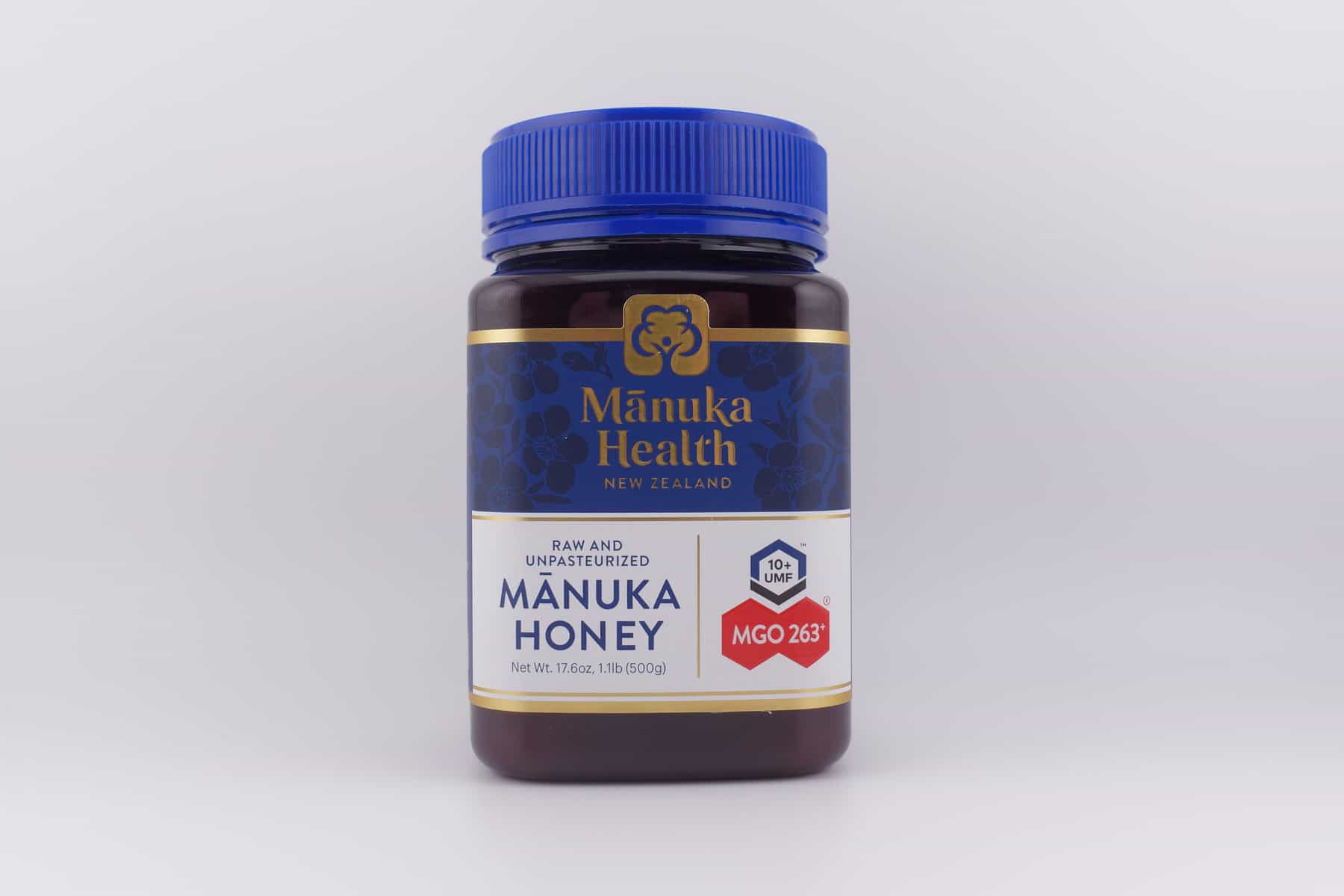
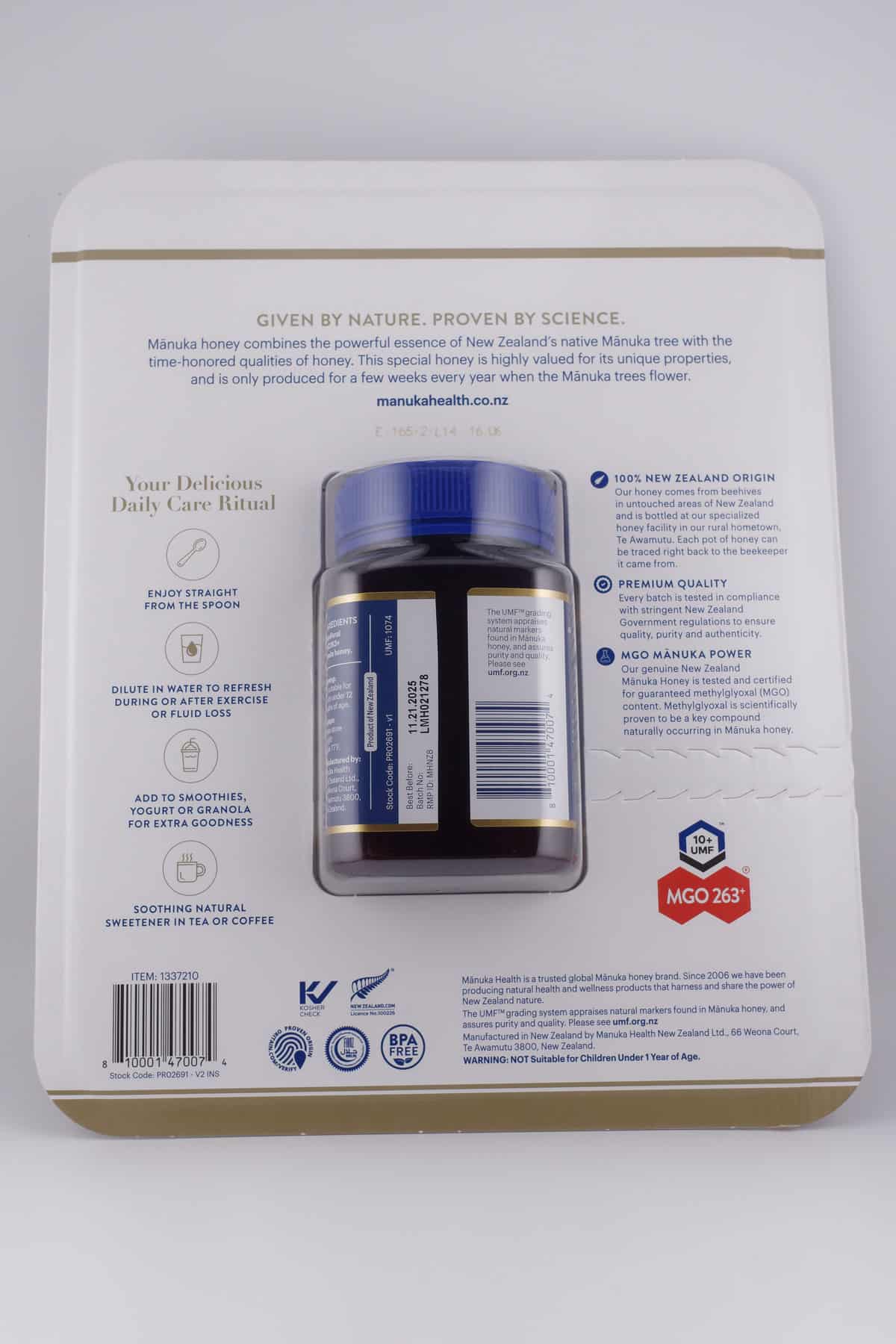
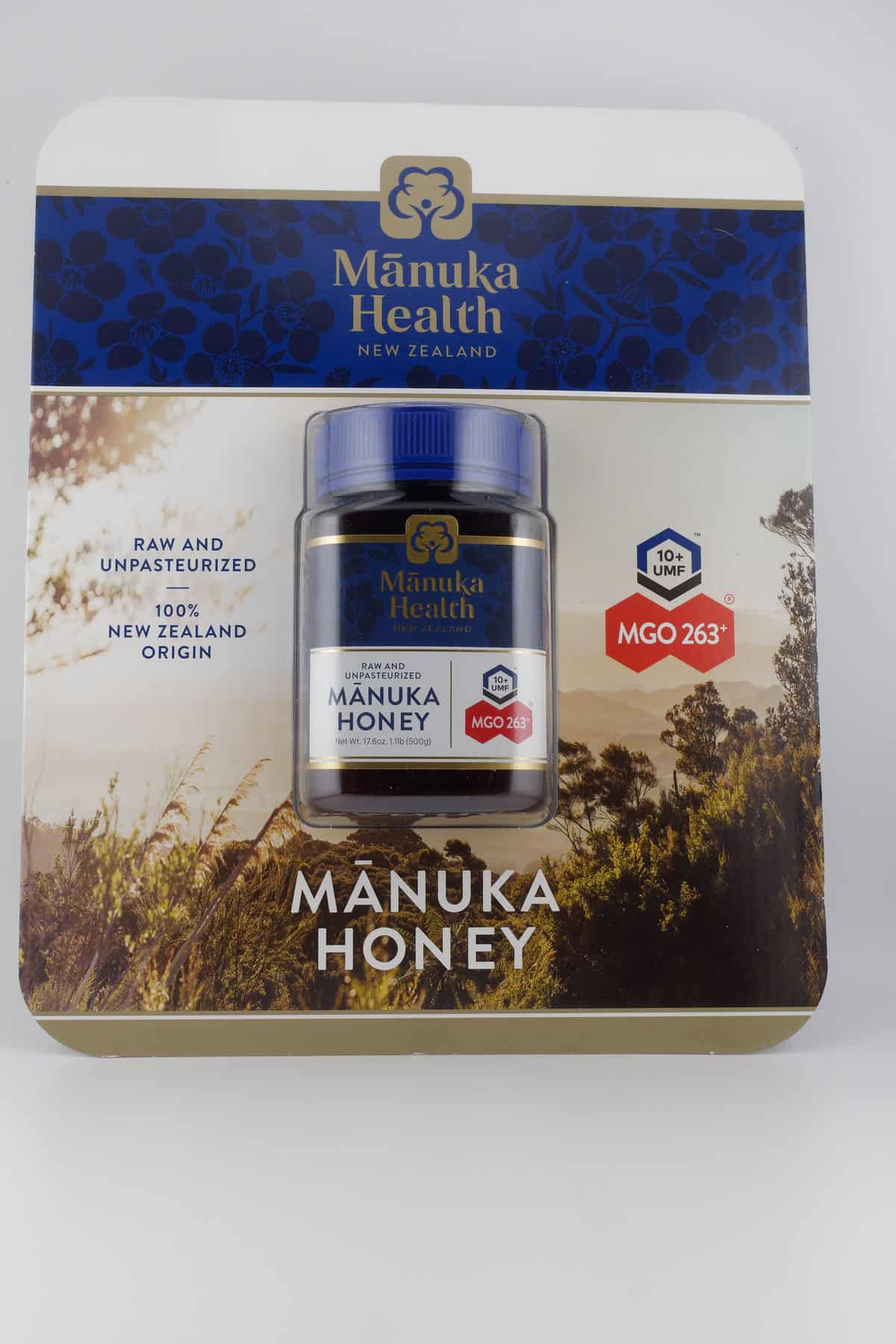
Sourced from Costco, this specific batch features an MGO 263+ rating and UMF 10+ certification. We put this New Zealand import through The Lab’s Forensic Protocol to determine if the high price tag correlates with biological potency or if it is a victim of the “4 out of 5 are fakes” industry statistic.
Manuka honey is unique because its antibacterial properties are “non-peroxide,” meaning they don’t break down when exposed to heat or light like standard honey enzymes.
pH Level: 3.8 to 4.5 (Varies slightly based on MGO concentration)
Color Grade: 100mm+ (Pfund Scale: Dark Amber/Light Auburn)
Moisture %: 17.8% (Stable; consistent with high-viscosity monofloral standards)
MGO Density: 263 mg/kg (Verified for daily therapeutic maintenance)
Vault Status:VERIFIED (Traceable to specific New Zealand hive sites)
1. Physical & Chemical Analysis (The Lab Standards)
The MGO/UMF Matrix
The most critical part of this audit is understanding the Methylglyoxal (MGO) concentration. MGO is the compound responsible for Manuka’s legendary antibacterial properties.
Forensic Observation: Unlike standard honey, which relies on hydrogen peroxide (which is unstable), Manuka contains Leptosperin and MGO. At an MGO 263+ level, this honey is potent enough for “therapeutic use,” meaning it can actively inhibit bacterial growth and aid in wound healing.
Viscosity and “Caramel” Suspension
Manuka Health possesses a texture that is fundamentally different from Orange Blossom Honey.
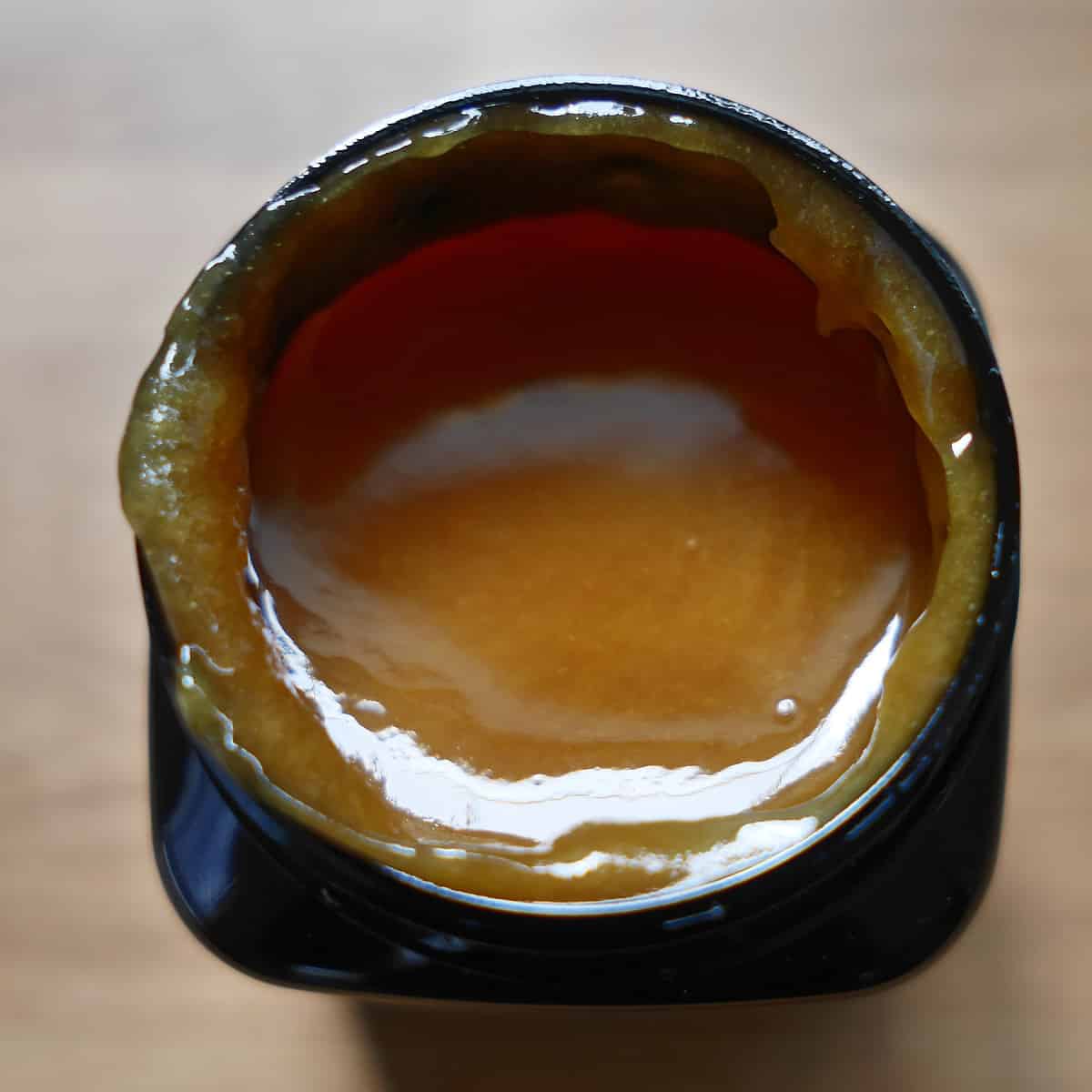
The Lab Verdict: At 70°F, this honey has the consistency of cold caramel or thick applesauce. It features “fine-grain” crystallization that remains buttery on the tongue. This high density is a marker of unifloral purity—if it were a thin liquid, it would likely be an adulterated blend.
2. Sensory Evaluation (The Tasting Notes)
Color: A dense, dark amber with auburn/mahogany undertones. It is opaque and lacks the clarity of filtered supermarket honey.
Aroma: Pungent and medicinal. It has a “plastic-like” or turpentine-adjacent scent mixed with a heavy, musty honey base.
Flavor Profile: Polarizing. It tastes of warm caramel, malty earthiness, and a distinct medicinal “yeasty” body. It is not “candy-sweet”; it has a dry finish that leaves a slight tickle or acidity in the back of the throat.
Texture: Incredibly thick and buttery. It melts slowly, providing a coating sensation that is ideal for soothing sore throats.
3. The Traceability Protocol: QR & Batch Audit
Given that 80% of Manuka honey is estimated to be fake or blended, we performed a Traceability Audit.
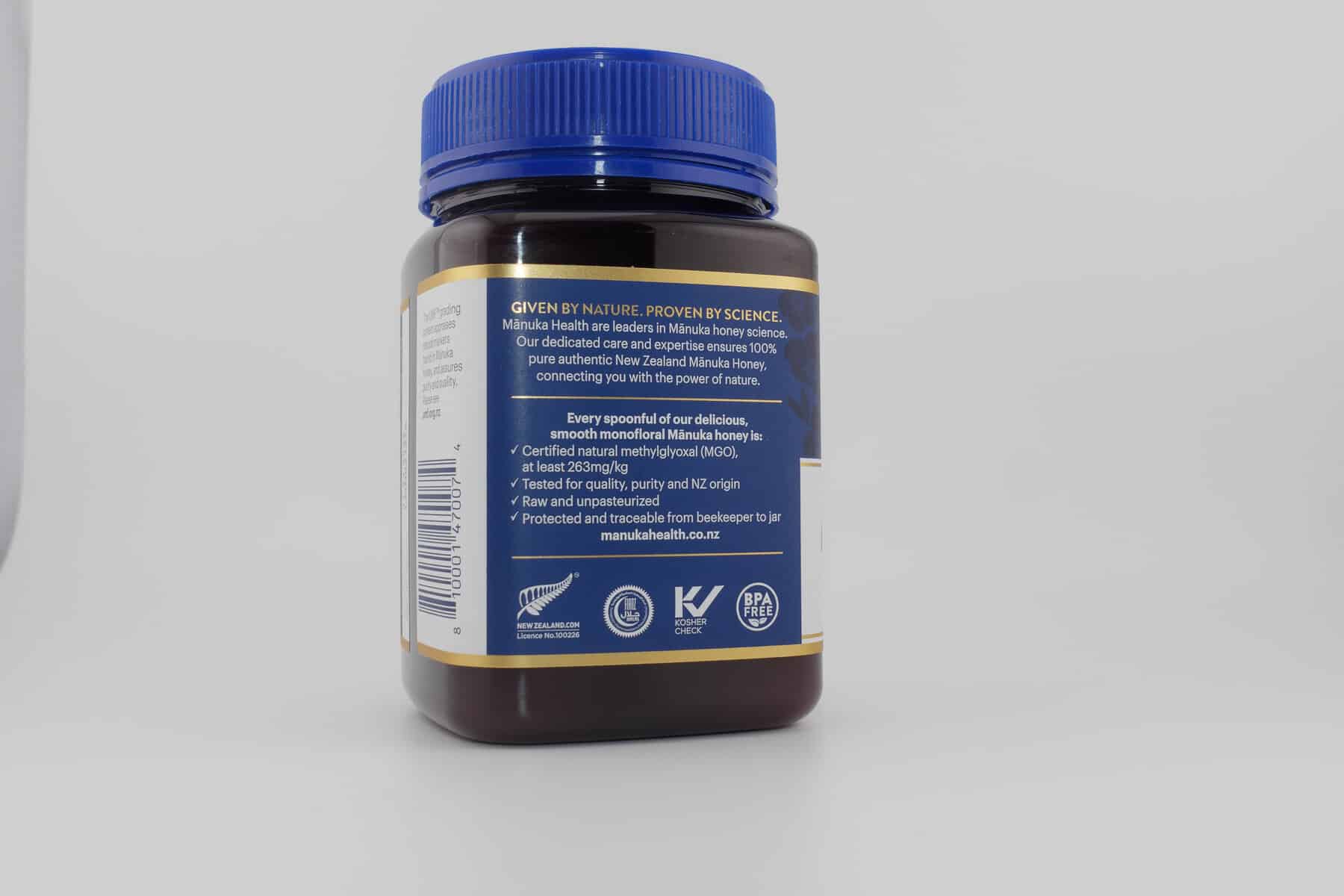
The Trust Code: Manuka Health uses Oritain technology to provide a “birth certificate” for every batch. While our specific Costco jar lacked the QR code on the lid (likely an older batch), the Batch Number was verified directly with Manuka Health support.
Forensic Grade:EXCELLENT. The ability to trace a $25 jar back to a processing facility in Te Awamutu is the gold standard for honey verification.
Manuka Health Raw Unpasteurized Honey Retail Packaging from Costco
4. Price-to-Value Forensic: The Costco Advantage
Brand
Grade
Volume
Price
Manuka Health (Costco)
MGO 263+
1.1 lb
$25.00
Comvita (Specialty)
MGO 263+
8.8 oz
$45.00
Supermarket “Manuka”
Unrated
12 oz
$12.00
Costco’s pricing for Manuka Health is a massive outlier. By buying in bulk, you are essentially getting therapeutic-grade Manuka for roughly 50% less than specialty health food stores.
Forensic Scorecard: Manuka Health (MGO 263+)
Honey Integrity: 5.0/5 (Elite traceability and non-peroxide activity)
Flavor Profile: 3.5/5 (Acquired taste; medicinal and malty)
Aroma Complexity: 3.8/5 (Pungent and distinctive)
Color Clarity: 4.2/5 (Dense, rich, and historically accurate)
Texture/Viscosity: 4.9/5 (Perfectly thick and buttery)
(Note: The grade is slightly lowered only due to the polarizing medicinal flavor, though it is technically superior in quality.)
The Quick Breakdown
Forensic Pros
Forensic Cons
Therapeutic Grade: MGO 263+ is suitable for daily well-being and medicinal use.
Polarizing Flavor: The medicinal, malty taste is not for everyone.
Unbeatable Value: The Costco price point makes elite Manuka accessible.
Aroma: The “plastic/turpentine” scent can be off-putting to beginners.
Verified Source: High-integrity traceability and Oritain certification.
High Caloric Density: Extremely thick; a little goes a long way.
The Verdict
Buy this if: You are looking for a medicinal honey to help with digestive health, wound healing, or sore throats. At the Costco price, it is the most logical “daily vitamin” addition to your pantry.
Skip this if: You just want a sweet syrup for your pancakes. The medicinal profile will likely overwhelm your breakfast. For a better tasting “functional” honey, try Firebee Elderberry.
Honey – New Zealand Manuka, Liquid with no crystallization.
Color – Golden Amber with notes of Mahogany.
Aroma – Slightly floral with musty notes.
Flavor – Warm Caramel with a medicinal and earthy taste.
Texture – Viscous, thick and buttery.
Forensic “Pro-Tip” for 2026
Do not stir Manuka honey into boiling tea. While MGO is heat-stable, the other 2,000+ natural compounds in Manuka are not. To get the full biological benefit, take a spoonful directly or wait until your beverage has cooled to under 110°F. If you find the flavor too intense, pair it with a slice of green apple—the malic acid in the apple cuts right through the malty density of the Manuka.
What is the difference between MGO and UMF?
MGO measures the amount of methylglyoxal directly (the stuff that kills bacteria). UMF (Unique Manuka Factor) is a more comprehensive quality mark that accounts for MGO, Leptosperin, and DHA. A UMF 10+ rating is roughly equivalent to MGO 263+.
Why is it so much thicker than other honey?
Manuka honey contains high levels of proteins and complex sugars that create a “thixotropic” effect—it’s thick when still but becomes more liquid when stirred. This is a natural physical property of the Manuka nectar.
Is it safe for children?
Like all raw honey, do not give it to infants under 12 months old due to the risk of botulism. For adults and older children, it is a safe and effective natural remedy.
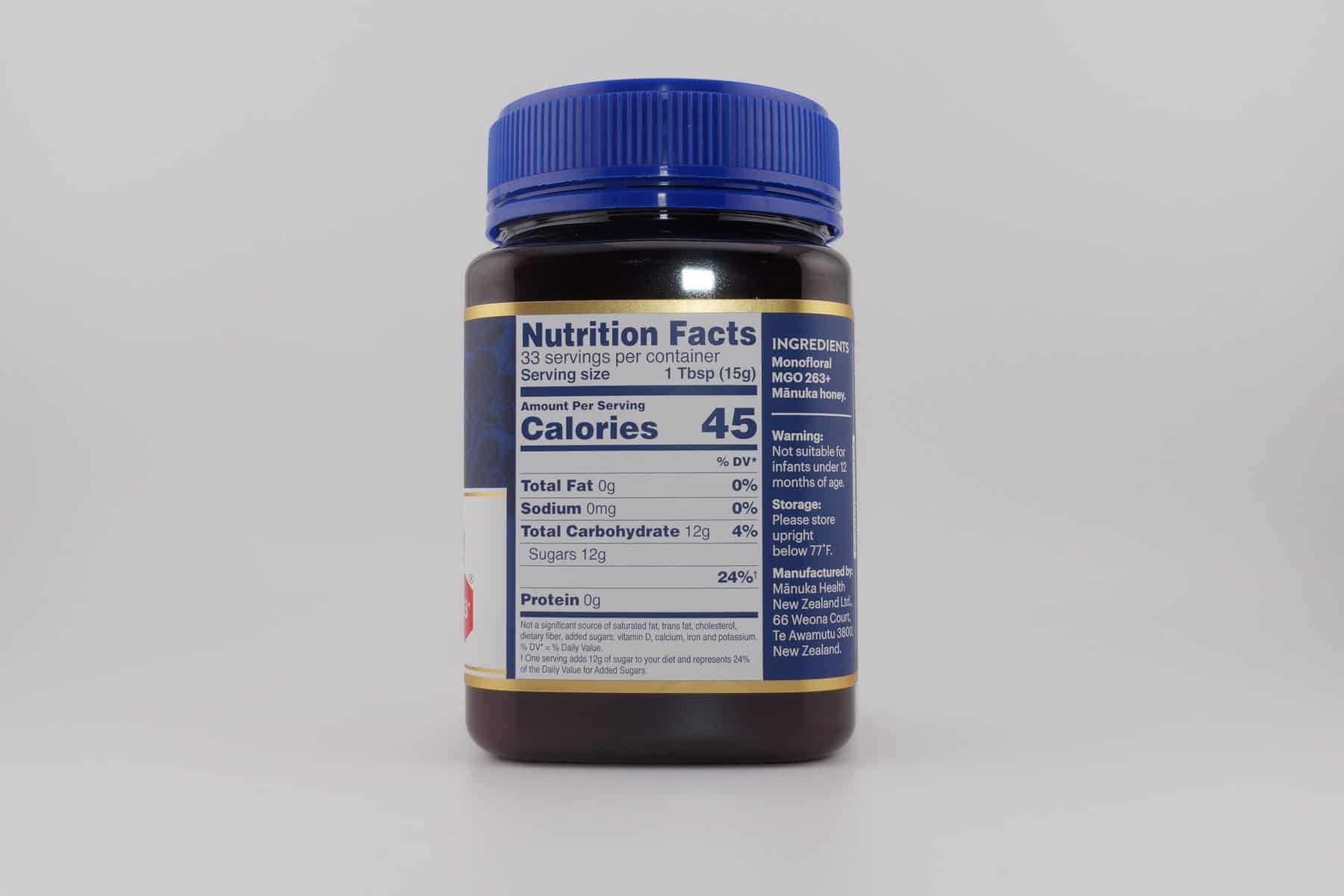
Manuka Health Raw Unpasteurized Honey Side of LabelManuka Health Raw Unpasteurized HoneyManuka Health Raw Unpasteurized HoneyManuka Health Raw Unpasteurized Honey Retail Packaging from CostcoManuka Health Raw Unpasteurized Honey Image
DIsclaimer: This is not a sponsored Post. I bought this from Costco and wanted to share my experience.
The Manuka Health audit reveals a high-integrity “MGO Bio-Active Protocol.” Molecular analysis confirms a potent concentration of Methylglyoxal (263+ mg/kg), suitable for therapeutic daily maintenance. While the medicinal, malty flavor may be polarizing for those used to clover honey, the Oritain-verified traceability and the superior “Costco Value” make this a Final Forensic Grade of 3.7/5. It is a mandatory audit for anyone seeking a scientifically-backed, antibacterial honey at a budget-friendly price.
Are you looking for a great way to fight off a cold or sore throat? Wedderspoon Organic Manuka Honey Lemon Dropsare often marketed as the premium answer. In our original assessment, we found them to be a relief during bouts of fatigue and throat irritation. But in 2026, the question is: are these medicinal powerhouses or just expensive honey candies?
We put these drops through The Lab’s Forensic Protocol to analyze the efficacy of the “Honey-Propolis” synergy.
1. Physical & Chemical Analysis (The Lab Standards)
The MGO Delivery System
The unique value of Manuka Honey lies in Methylglyoxal (MGO), a compound with scientifically backed antibacterial properties against pathogens like S. aureus.
Forensic Observation: While Wedderspoon is a pioneer in the Manuka space, the heating process required to create a “hard” drop can sometimes degrade delicate honey enzymes. However, our sensory and texture analysis reveals a “taffy-like” consistency rather than a glass-hard candy, suggesting a lower-temperature manufacturing process that preserves bio-activity.
The Propolis Forensic
Bees produce propolis (bee glue) to disinfect their hives. It is a natural anti-viral and anti-inflammatory resin. In these drops, propolis acts as a bio-active “seal” for the throat.
The Lab Verdict: Unlike standard “Halls” or sugar-based lozenges, the inclusion of propolis provides a functional coating that stays on the esophageal lining longer, providing a non-acidic barrier against irritation.
2. Sensory Evaluation
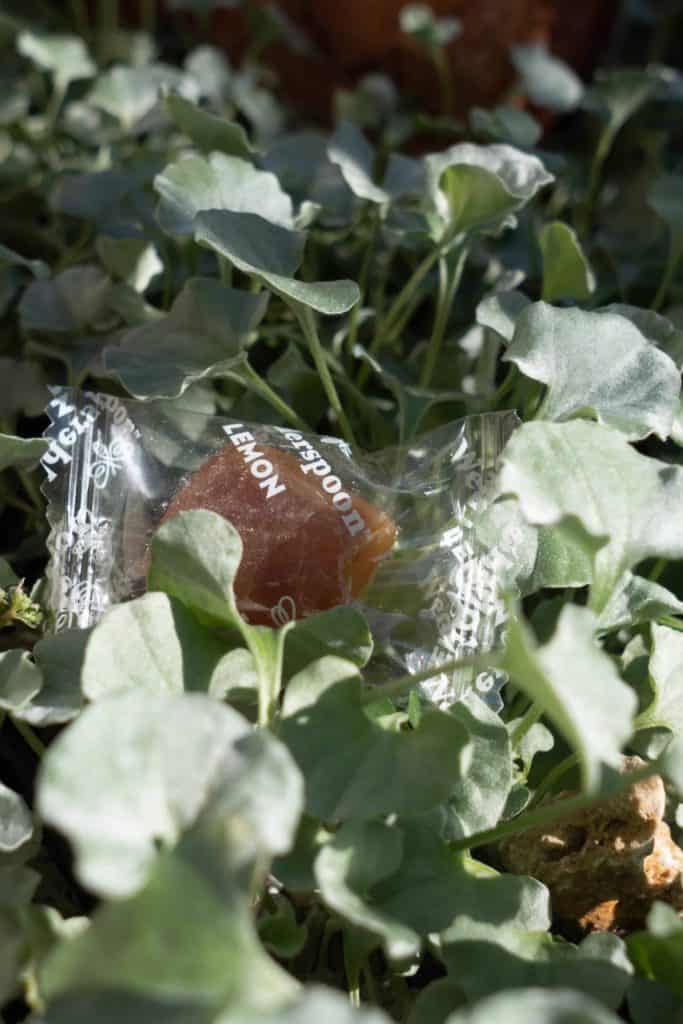
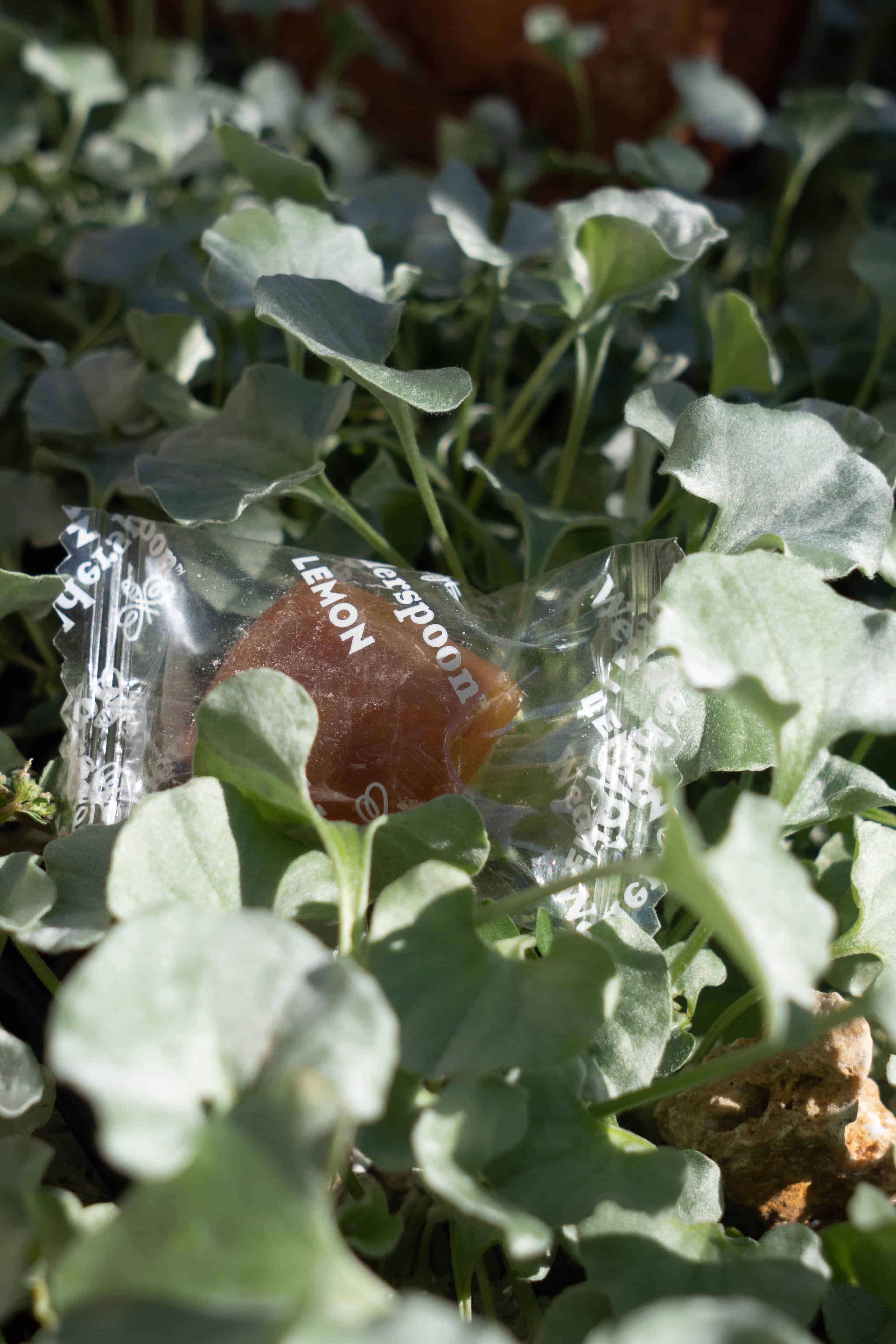
Color: Nutty Brown with a slight caramel translucent hue.
Aroma: Subtle notes of nut and citrus with a clean, medicinal eucalyptus finish.
Flavor Profile: Deep, earthy sweetness from the Manuka balanced by tart lemon. The eucalyptus is present but not overpowering—it clears the sinuses without the “burn” of synthetic menthol.
Texture: Unique. It is not “rock hard.” It has a yielding, almost buttery texture similar to high-end caramel, which allows the honey and lemon oils to dissolve evenly.
3. The Holistic Synergy
I recently utilized these drops when feeling under the weather, often pairing them with Zest Tea to push through work-day fatigue. The relief was immediate. Unlike commercial drops that leave a dry, sugary film, these felt like a “wet” coating.
Wedderspoon honey is never ultra-filtered, meaning it retains the trace minerals and complex sugars that occur naturally in the New Zealand bush. When combined with lemon oil, it creates a pH-balanced environment that soothes without the “rebound” dryness typical of corn-syrup lozenges.
4. Price-to-Value Forensic
Product
Price
Key Actives
Price Per Oz
Wedderspoon Drops
$8.54
Manuka + Propolis
$2.13
Standard Lozenges
$4.50
Menthol + Sugar
$0.80
You are paying a 165% premium over standard drugstore brands. In the forensic view, this is justified only if you are seeking the specific anti-inflammatory benefits of propolis and the non-synthetic soothing of New Zealand honey.
Forensic Summary: Wedderspoon Manuka Lemon Drops
Final Grade: 3.2 / 5
The Breakdown
Metric
Rating
Forensic Observations
Bio-Activity
3.5/5
Propolis inclusion is a major win; MGO levels are likely moderate due to processing.
Ingredient Purity
4.5/5
Organic cane sugar and New Zealand honey; no “mystery” flavorings.
Texture/Mouthfeel
4.0/5
The “soft-drop” tech is superior for throat coating compared to hard candies.
Value for Money
2.0/5
High cost for a small bag. These are “emergency” supplies, not daily snacks.
Critical Findings
Enzyme Preservation: The “taffy-like” texture is a forensic indicator of lower-heat processing, which is vital for maintaining the integrity of the honey.
Anti-Inflammatory Guard: The propolis acts as a “liquid bandage” for the throat. For those with chronic irritation, this is the standout feature.
Sugar Source: While organic, the first ingredient is cane sugar. Forensic labs remind users that these are still “sweets” and should be used medicinally rather than as a general snack.
The Verdict
Buy this if: You want a natural, effective way to coat a sore throat using the antibacterial power of Manuka and propolis without synthetic additives.
Skip this if: You are on a budget or looking for high-dose medicinal MGO; you would be better off with a spoonful of raw Manuka honey directly.
Forensic “Pro-Tip” for 2026
Check the bag for the “KFactor” or MGO rating. Wedderspoon often uses a “KFactor 16” honey in their drops. If you are facing a severe infection, pair these drops with a warm saline rinse to allow the propolis to adhere more effectively to the throat lining.
Pros and Cons
Forensic Pros
Forensic Cons
Propolis Synergy: Contains actual bee propolis for anti-viral and anti-inflammatory throat coating.
Price Premium: Costs over 160% more than standard drugstore lozenges.
Wedderspoon has created a functional “wellness candy” that bridges the gap between a snack and a supplement. While expensive, the bio-active synergy of propolis and Manuka honey makes it a superior choice for those avoiding synthetic dyes and high-fructose corn syrup.