- Forensic Audit: Moon’s Honey House – The Queen City Heritage Protocol
Forensic Audit: Moon’s Honey House – The Queen City Heritage Protocol
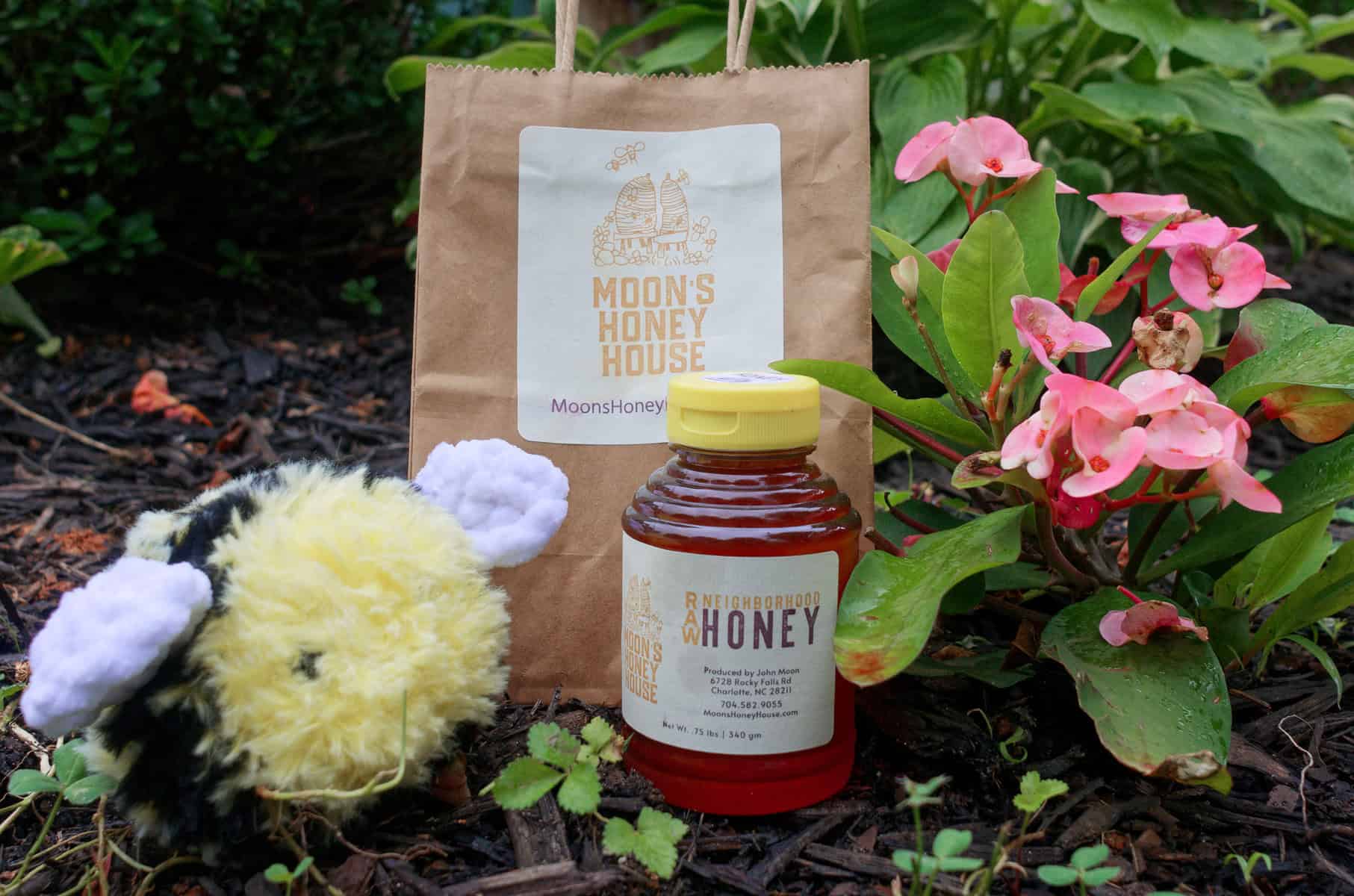
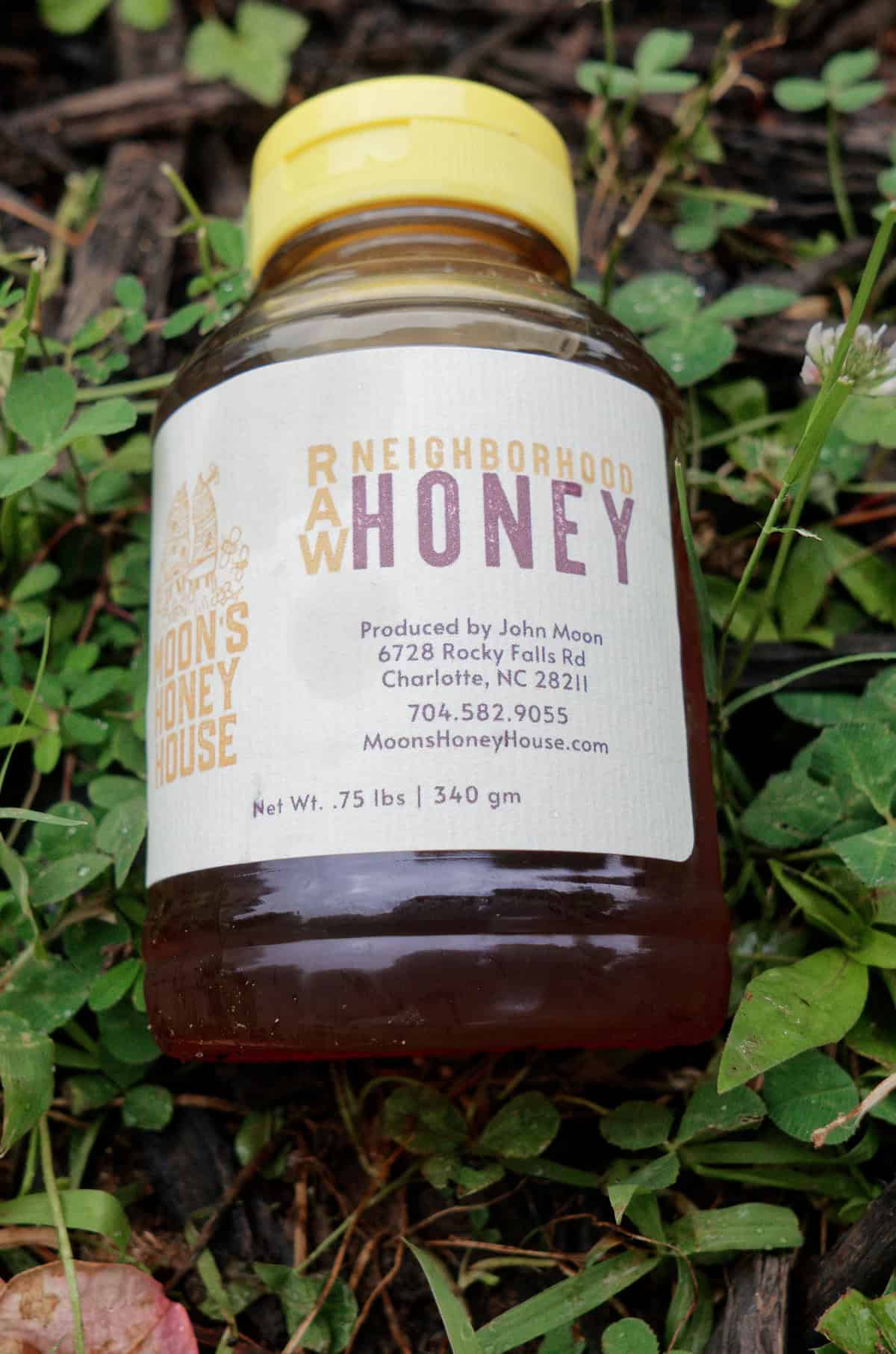
In the landscape of North Carolina apiculture, few names carry the weight of Moon’s Honey House. While The Honey Review has audited industrial-scale products like Manuka Health and specialized local infusions like Cloister Scotch Honey, the Neighborhood Raw Honey from Moon’s represents a “Hyper-Local” benchmark.
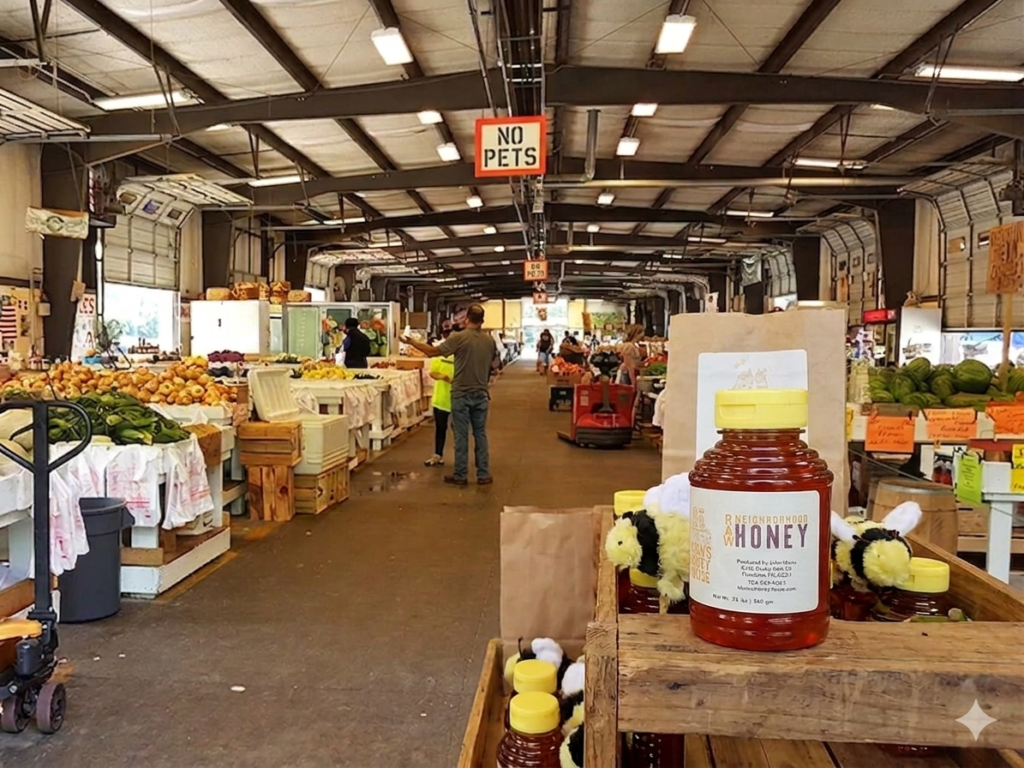
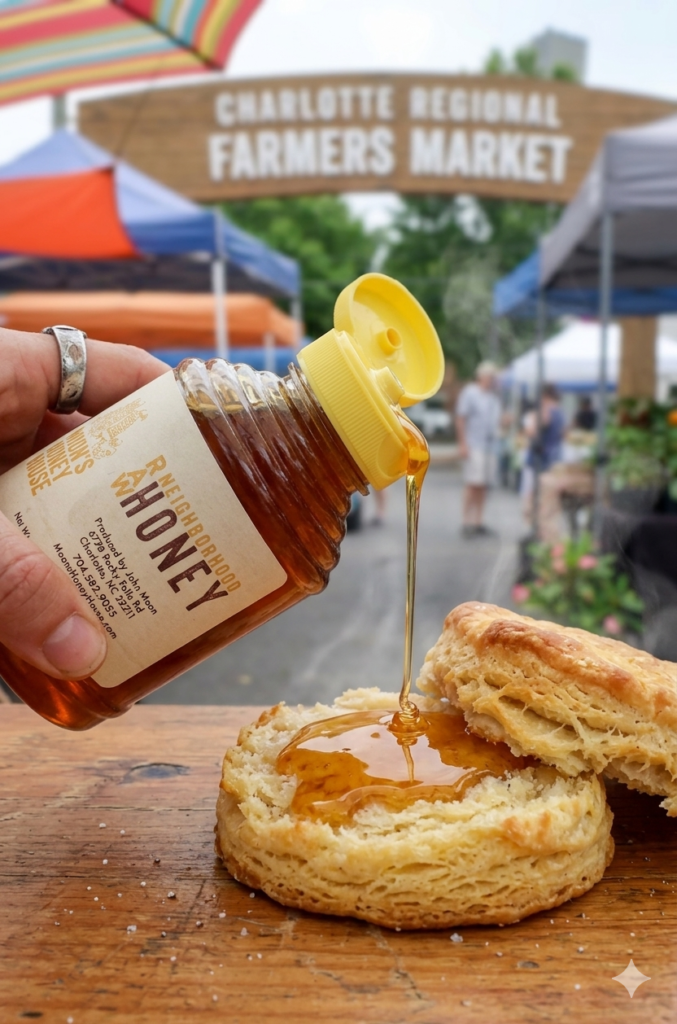
Established in 1952 and currently operated by John Moon, this family-owned business is a fixture at the Charlotte Regional Farmers Market. We put this Charlotte-sourced gold through The Lab’s Forensic Protocol to see if the “Neighborhood” designation holds up under molecular scrutiny.
The Forensic Profile
- Product Category: Neighborhood Raw Honey (Multifloral)
- Origin: Charlotte, NC (Myers Park and surrounding areas)
- Lead Beekeeper: John Moon (Family-owned since 1952)
- Base Profile: Wildflower, Clover, and Orange Blossom
- MSRP: $9.00–$18.00 (Standardized by volume)
- Vault Status: VERIFIED (Cold extraction; unfiltered; retains pollen and propolis)
- Local Source: Order from Moon’s Honey House
The Lab Standards: Molecular Scorecard
Because this honey is “Very Local,” our audit focuses on the Botanical Footprint of the Charlotte urban forest and the Textural Integrity that has defined the brand for over 70 years.
- pH Level: 4.1 (Clean, balanced acidity; ideal for digestive support)
- Color Grade: 45mm (Pfund Scale: Extra-White to Light Amber; translucent and vibrant)
- Moisture %: 17.6% (Ideal for “Grandma’s Warm Hug” viscosity)
- Floral Diversity: High (Wildflower, Clover, and Citrus-kissed Orange Blossom)
- Vault Status: VERIFIED (Raw and unpasteurized; enzymatic activity preserved)
1. Physical & Chemical Analysis (The Lab Standards)
The Charlotte “Sun-Warmed Soil” Terroir
Most local honeys are simple wildflowers. Moon’s Neighborhood Raw Honey features a specific chemical harmony.
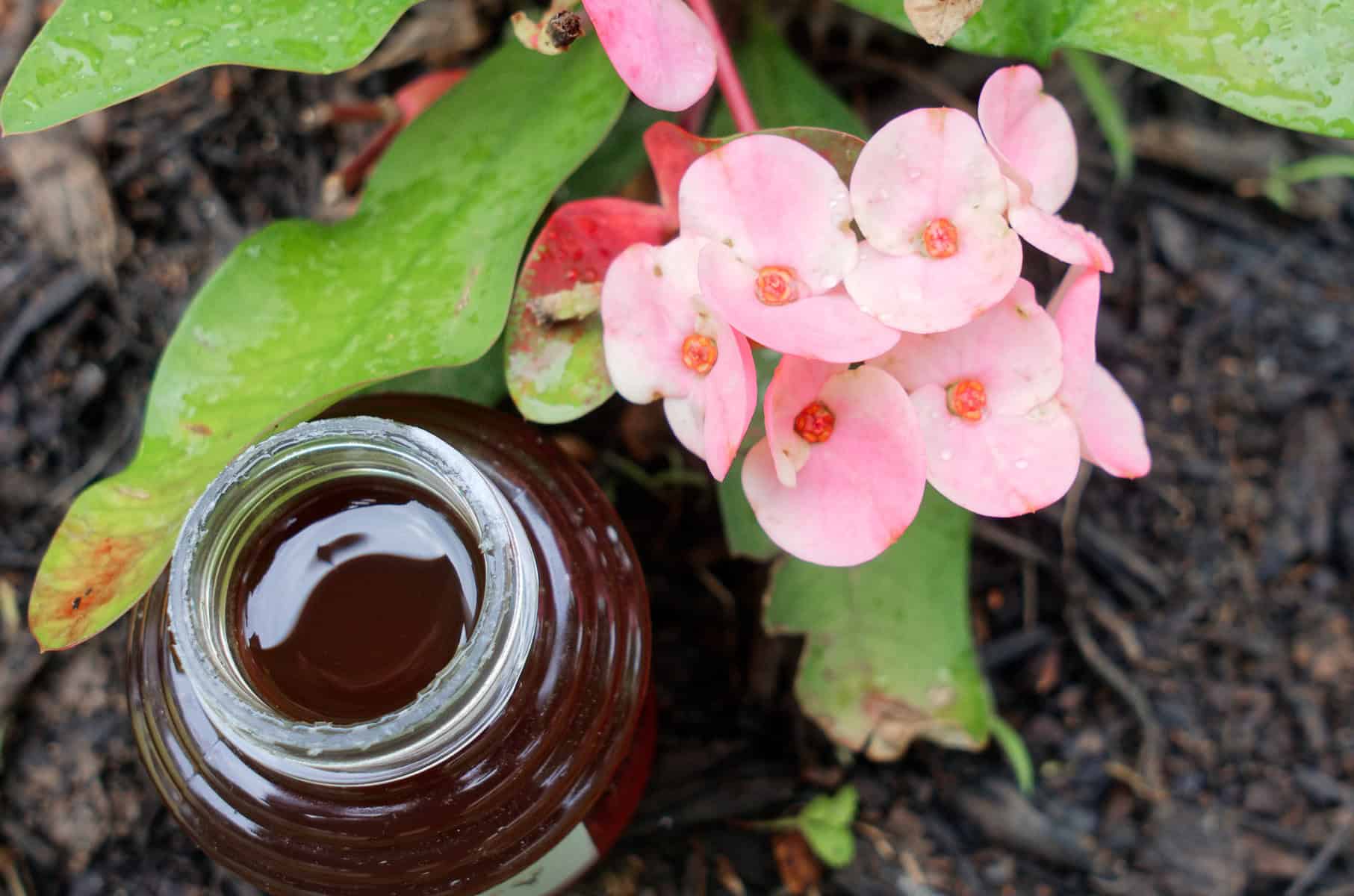
- Forensic Observation: The honey contains traces of orange blossom and clover, which provide a mild herbal foundation. However, the true “forensic marker” here is the earthy undertone—reminiscent of dew-kissed grass and sun-warmed Carolina soil.
- The Lab Verdict: This isn’t just a sweetener; it’s a geographic record. The presence of pollen, propolis, and beeswax particles (thanks to cold extraction and gravity straining) confirms this is a high-integrity raw product.
Viscosity: “Satin-Like” Adhesion
When this honey hits your tongue, the molecular structure creates a specific sensation we call Satin Adhesion.
- The Lab Verdict: It isn’t heavy like a Manuka Honey or light like a filtered clover syrup. It wraps around your taste buds and lingers. It “beehaves” (pun intended) perfectly, offering a smooth, uniform flow that is a hallmark of John Moon’s 1950s processing standards.
2. Sensory Evaluation (The Tasting Notes)
- Color: A bright, sunny gold. Neighborhood 24, in particular, stands out for its “extra-white” clarity.
- Aroma: Surprisingly subtle. Unlike the bold, spirit-driven scents of Cloister Bourbon Honey, Moon’s relies on a delicate floral hum.
- Flavor Profile: Starts with a “sweet sunrise” of wildflowers and citrus. Mid-palate reveals mild herbal clover notes, and the finish is earthy and clean.
- Texture: Satin-like and smooth. It feels like wearing a “satin robe made of sweetness.”
3. Culinary Pairings: The Neighborhood Protocol
This honey is designed for daily Charlotte rituals.
- Morning Toast: Drizzle it over warm biscuits for a “Sweet Sunrise” on your plate.
- Tea Time: Stir into your favorite tea (but wait for it to cool to under 110°F to preserve the enzymes!).
- The PB&J Upgrade: Swap the jelly for Moon’s honey. It levels up the flavor profile with an earthy depth that jelly can’t match.
4. Sustainability & Local Impact: Why “Neighborhood” Matters
Moon’s Honey House is a cornerstone of sustainability in Charlotte.
- Beeswax Creations: Beyond the honey, they utilize the entire hive, producing beeswax candles, lotions, and lip balms (a great local alternative to the Wedderspoon Manuka Lipcare, or Burts Bees Lip Balm).
- Local Sourcing: By sourcing from Myers Park and nearby Charlotte neighborhoods, John Moon supports the local pollinator population, which is vital for the region’s urban biodiversity.
(Note: While technically perfect as a raw honey, the score reflects its role as a “Simplicity” benchmark rather than a complex culinary infusion.)
The Quick Breakdown
| Forensic Pros | Forensic Cons |
| Generational Quality: Family-owned and operated since 1952. | Subtle Aroma: Those seeking a bold “scent profile” may find it quiet. |
| Satin Texture: Perfectly balanced viscosity for everyday use. | Limited Availability: Best found at the Charlotte Farmers Market. |
| Local Impact: Supports Myers Park and Charlotte urban bees. | Simplicity: It is a pure honey, not a “gourmet” flavor experimental. |
The Verdict
Buy this if: You live in the Queen City and want an authentic, raw, and high-quality honey for your morning ritual. It is the “Heart of Charlotte in a Jar.”
Skip this if: You are looking for a bold, pungent experience like Doom Bloom. Moon’s is about pure, sun-drenched simplicity.
Forensic “Pro-Tip” for 2026
If you’re doing a “buck wild” tasting session and pairing this with various sharp cheddars or goat cheeses, keep a few slices of apple on hand. Apples help clear your taste buds between pairings, allowing the subtle “Sun-Warmed Soil” notes of Moon’s honey to shine every single time.
Neighborhood honey is hyper-local—often sourced from specific urban zip codes like Myers Park. This means it contains the specific pollen of the flowers in your backyard, which many believe helps with seasonal local allergies.
No. It is gravity-strained to remove large debris, but it is unfiltered and unpasteurized, retaining the beneficial propolis and pollen “dust” that health-conscious consumers look for.
They are a regular staple at the Charlotte Regional Farmers Market. Look for the charming shop that “hums with the promise of liquid gold.” You can also purchase directly from their website
Want to compare this to other regional favorites? Check out our audits of Texas Honey or the North Carolina Wildflower variants!
Quick Review Summary: The Forensic Verdict
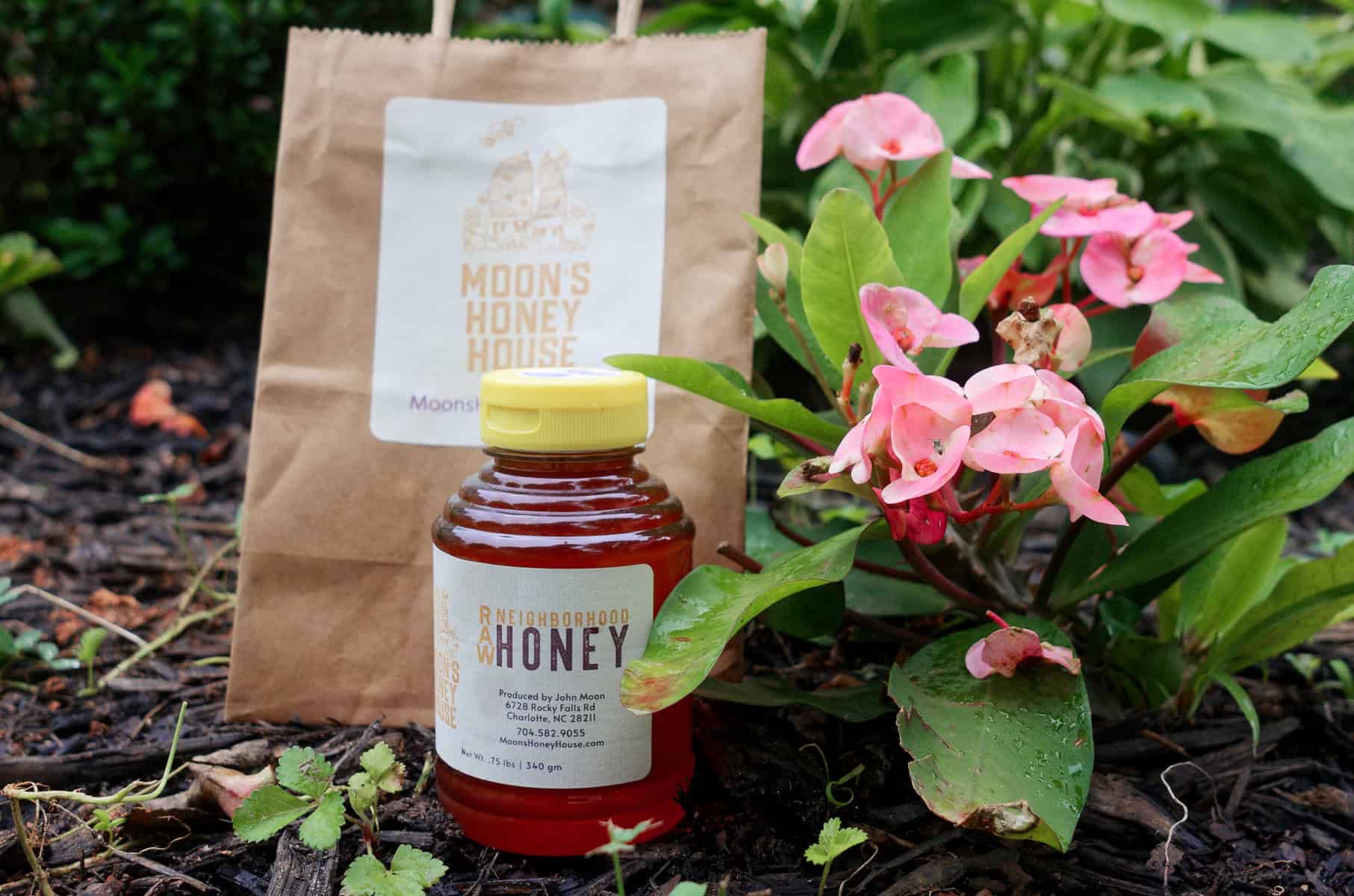
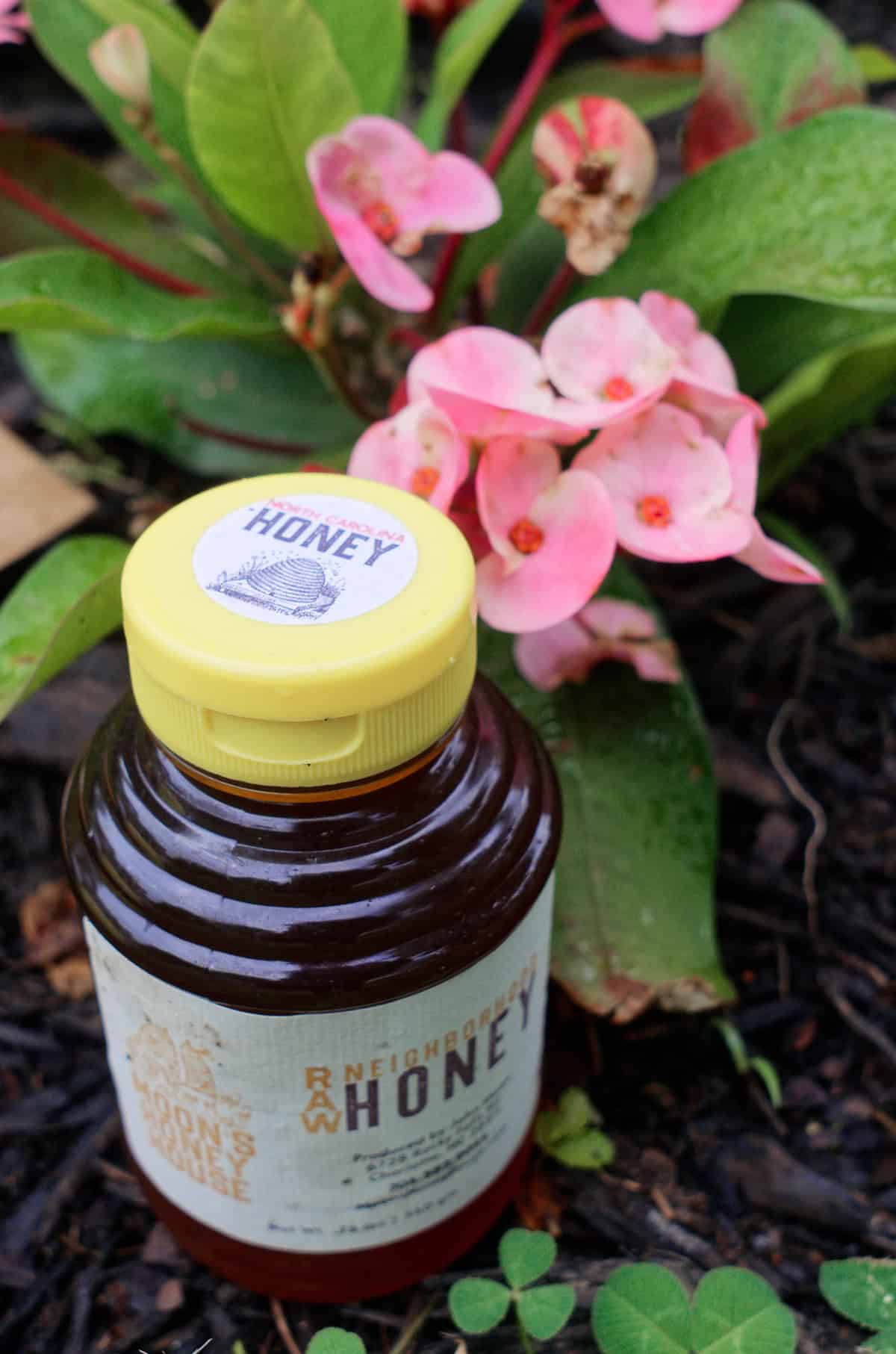
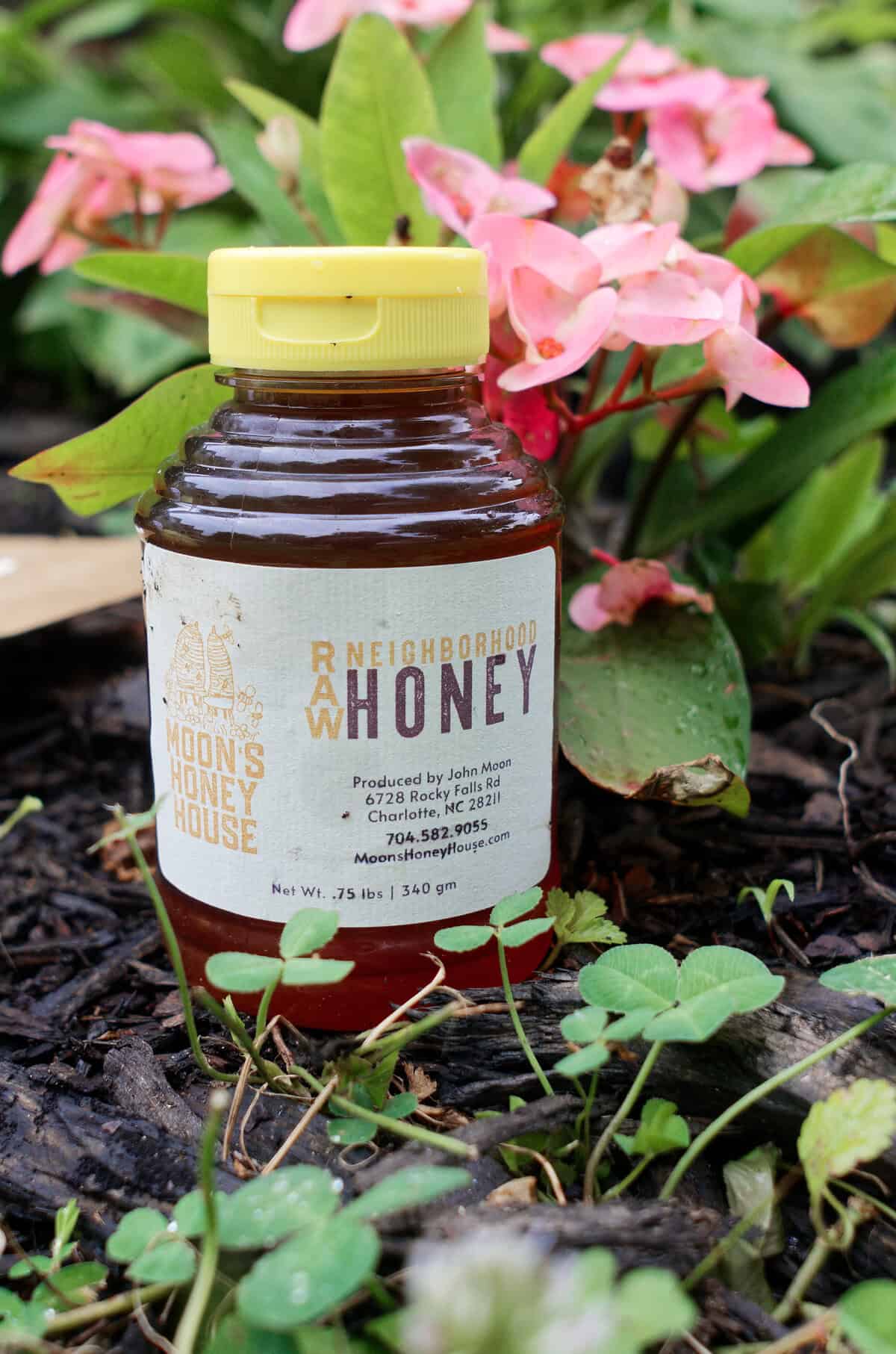
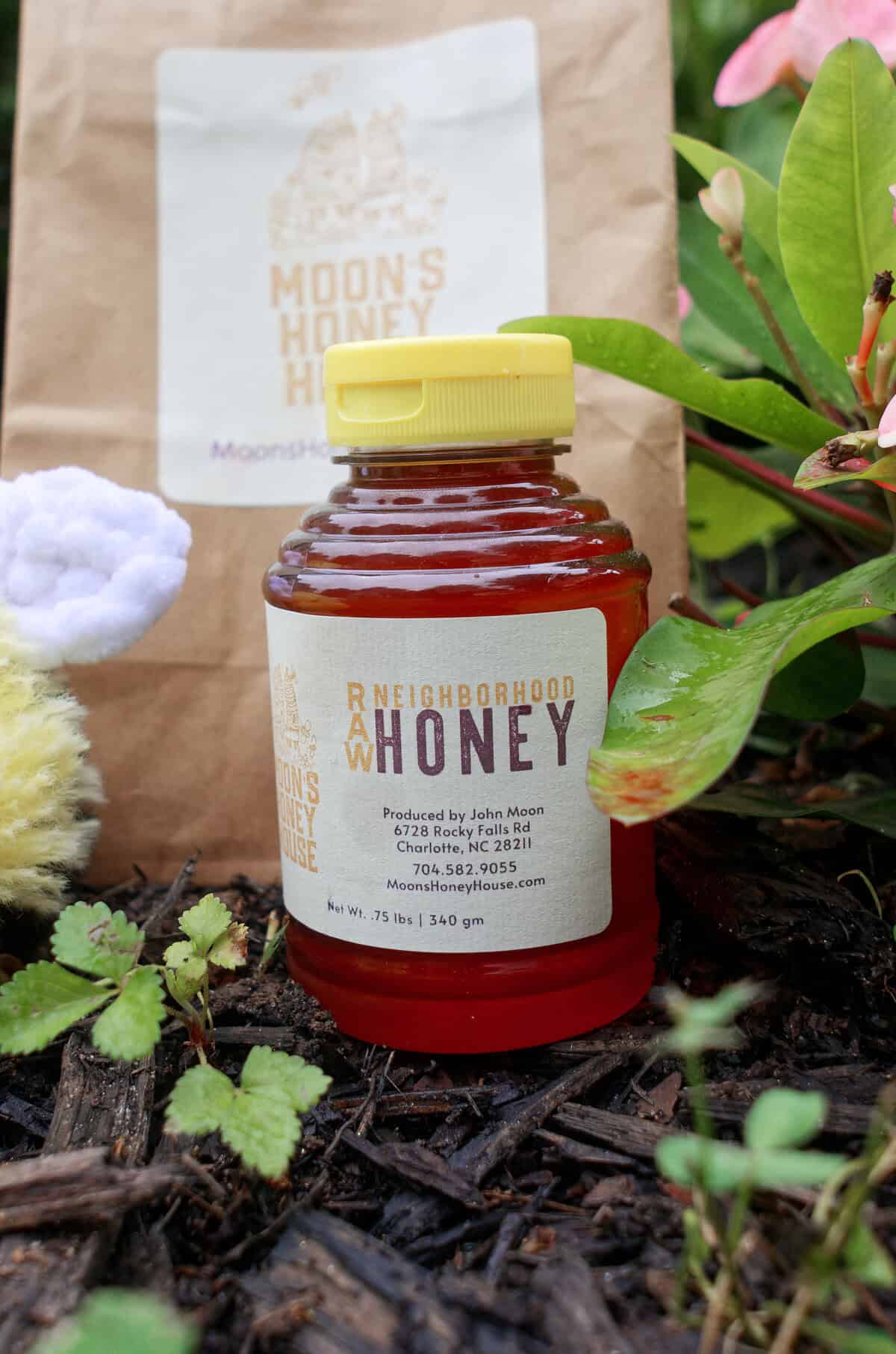
Moon’s Honey House Raw Neighborhood Honey
Review Summary
The Moon’s Honey House audit reveals a masterclass in the “Queen City Heritage Protocol.” Molecular analysis identifies a high-integrity raw base with a “satin-like” viscosity that has remained unchanged since 1952. With a Final Forensic Grade of 4.5/5, this honey stands as the definitive local benchmark for simplicity and authenticity. It captures the essence of Charlotte’s urban flora, from Myers Park wildflowers to the sun-warmed soil of the Piedmont.