Tag: Raw

  • Raw Honey: A Sticky Truth They Don’t Want You to Taste

    Raw Honey: A Sticky Truth They Don’t Want You to Taste

    Let’s get real. Most of what’s sold as “honey” in grocery stores isn’t honey—it’s heat-treated syrup wrapped in golden lies. If the jar on your shelf came from a big-box brand, chances are it’s been stripped of everything good: enzymes, pollen, even origin transparency. That doesn’t just dilute the flavor—it erases the story.

    Raw honey, on the other hand, doesn’t play by those rules. It’s messy, local, inconsistent—and absolutely glorious for it.

    So why aren’t more people tasting the truth? Because convenience culture and corporate marketing have convinced shoppers that uniformity equals quality. It doesn’t.

    The Great Honey Hoax

    Pasteurized honey may pour faster and look prettier, but it’s a nutritional imposter. Heating honey destroys the enzymes that give it antioxidant power. It also erases any trace of pollen—the one ingredient that links it to place.

    And without pollen? You’ve got sugar water in disguise.

    Common Question

    “Is raw honey healthier than organic?” or “Does heating honey destroy its benefits?”

    Absolutely. Pasteurization undercuts what makes honey functional, not just flavorful.

    Why Raw Honey Breaks the Mold (and Why That’s Good)

    People love neat rows of identical jars. But raw honey laughs at uniformity. Its color, texture, and taste are influenced by season, soil, and wild nectar. One batch might crystallize, the next might drizzle like molasses. That’s not a flaw—it’s a fingerprint.

    Try explaining that to someone who thinks honey only comes in a plastic bear.
    FYI, Bears don’t make Honey. Bees do.

    Raw honey deserves a rebrand—from quaint health food to rebellious masterpiece.

    The Grocery Store Conspiracy: What Big Honey Isn’t Telling You

    Let’s name names. Major brands—yes, even some labeled “organic”—often ultrafilter their product to remove pollen. Why? Because it lets them dodge questions about origin. I really dislike the organic label, at least here in the US.

    Nature Nate’s : Criticized for heating and high HMF levels

    Sue Bee : Has faced scrutiny over blending and sourcing transparency

    Golden Blossom Honey : Marketed as premium, but often pasteurized and filtered.

    Busy Bee Honey : Frequently cited in studies for ultrafiltration and import blending.

    Trader Joe’s Honey : Mixed reviews, some jars pass muster, others raise questions.

    No pollen means no traceability. And without traceability, companies can blend honeys from multiple countries (sometimes including those with lax food safety laws) and label it “pure.”

    So you think you’re buying U.S.-made honey. You’re probably eating a cocktail of international syrups.

    Common Question

    “Where does my honey come from?” and “Is imported honey safe?”


    If your honey has been ultrafiltered, pasteurized, or stripped of pollen, the short answer is: you may never know. As a Beekeeper, if you can’t trace it, don’t taste it.

    Reclaiming Flavor: Raw Honey as Protest

    Enough doomscrolling. Let’s talk delight.

    Eating raw honey is an act of rebellion. It’s choosing flavor over uniformity, traceability over marketing, and real over pretty. It’s supporting beekeepers who fight monoculture, who let bees forage in wild pastures, who treat hives like ecosystems—not factories.

    Here’s what raw honey gives you:

    • Bittersweet tangs from buckwheat fields
    • Citrus sparkle from coastal groves
    • Herbal nuance from mountain wildflowers

    And no two jars taste the same. That unpredictability? It’s a feature. This is why I have such a fascination with tasting and collecting raw Honey.

    Five Bold Ways to Use Raw Honey (That Might Upset a Chef)

    1. Drizzle it over blue cheese. Yes, even the funky stuff. Let the saltiness dance with raw honey’s natural acid.
    2. Slather it on pizza crust. Pineapple is the easy controversy. Real honey is the upgrade nobody saw coming. Although Mike’s Hot Honey caught on, and now that is everywhere. Makes me wonder about their legitimacy.
    3. Stir it into mezcal. Raw honey amplifies earthy cocktails with fire-kissed sweetness.
    4. Use it as a marinade—without measuring. You don’t need perfection. You need instinct.
    5. Eat it from the spoon, unapologetically. Yes, even in front of guests.
      Seriously, a tablespoon a night will do wonders for your kids. Mine love it.

    Who’s Making the Good Stuff? (Hint: Not the Usual Suspects)

    Skip brands that promise consistency. That’s code for over-processed.

    Go for:

    • Apiaries that post harvest dates (rare, but love to see it)
    • Wildflower blends from regions you recognize
    • Honeys that crystallize with pride – yes this is a good thing.

    On The Honey Review, we’ve championed Texas Lemonade, local wildflower jars from NC, and even Costco’s raw honey when it passes the sniff test. But I call it like it is—and I’m not afraid to say, “this jar tastes like regret.”


    Raw Honey vs. Fake Honey: The Truth Beneath the Lid

    What They DoRaw Honey Fake Honey
    ProcessingUnheated, unfilteredPasteurized, ultrafiltered
    Pollen ContentPreserved (traceable origin)Removed (no traceability)
    Flavor ProfileVaried by season & regionFlat, blended for consistency
    TextureMay crystallize naturallyAlways liquid due to heating
    Label TransparencyOften includes source + harvestVague terms like “natural blend” “organic” “pure” “raw”
    Health BenefitsContains enzymes & antioxidantsMostly sugar, lacks active compounds
    Sourcing IntegrityLocal apiaries, single-origin jarsBlended international syrups
    Price PointHigher but reflects qualityLower—but quality is compromised
    Environmental ImpactSupports ethical beekeepingMay fund exploitative mass farming

    That honesty? It’s what makes The Honey Review an extension of me. Readers crave bold opinions, not just tasting notes. I try to do both.


    Final Buzz: Don’t Be Afraid of the Sticky Truth

    Raw honey is untamed. It doesn’t cater to mass markets. It might challenge your palate. It might change your kitchen. And once you taste what real honey can be, you’ll never squeeze a plastic bear again.

  • 5 Everyday Uses for Honey | Go Beyond the Breakfast Table

    5 Everyday Uses for Honey | Go Beyond the Breakfast Table

    Raw honey isn’t just a sweet treat—it’s a natural powerhouse with benefits that stretch far beyond your morning toast. Whether you’re a wellness enthusiast or just honey-curious, here are five timeless ways to make the most of every golden drop.

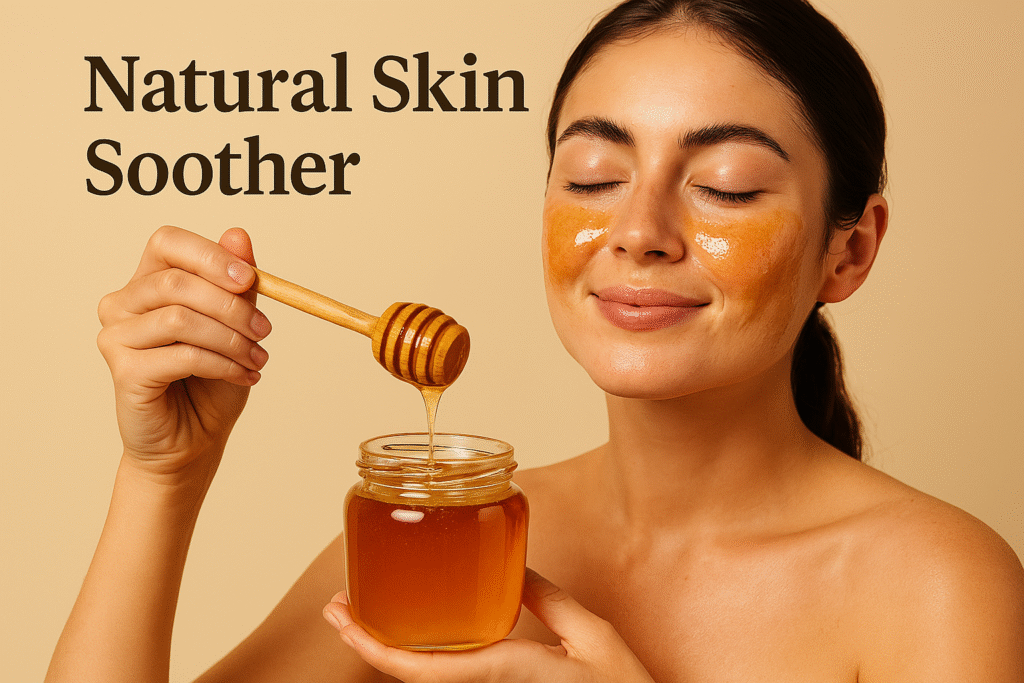
    1. Natural Skin Soother

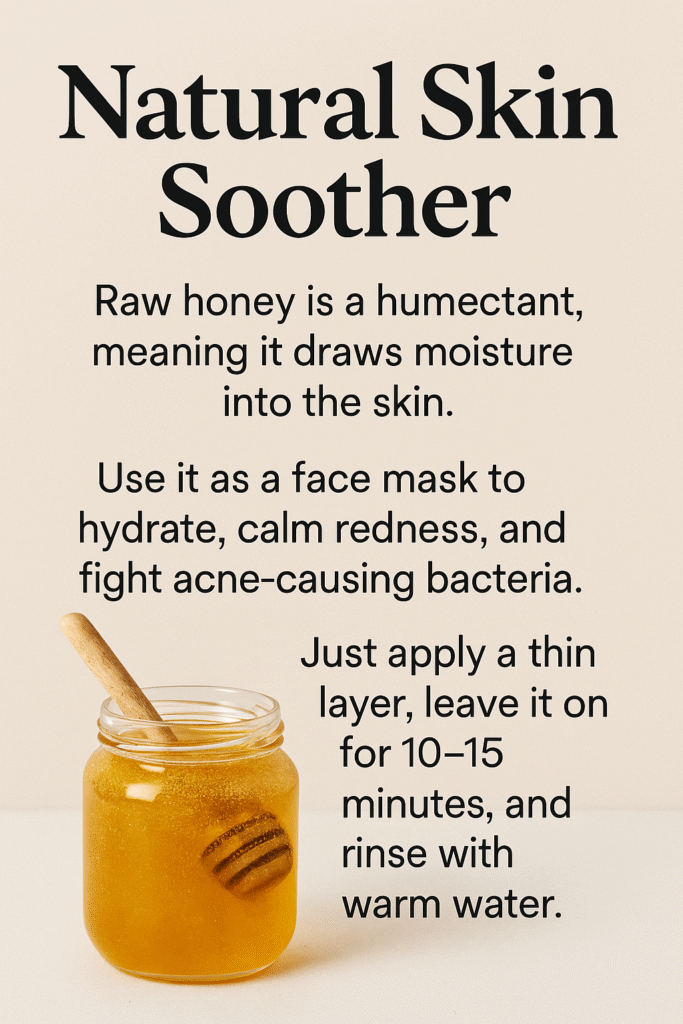
    When it comes to natural skincare, raw honey is basically the Beyoncé of the pantry—always glowing, endlessly reliable, and naturally gifted. Thanks to its humectant properties, it pulls moisture from the air right into your skin, making it ideal for anyone battling dryness or dullness. While other moisturizers might sit on the surface, honey gets to work deep below, helping your skin hold onto hydration like it’s hoarding sunshine.

    Natural Skincare Honey - TheHoneyReviewer

    But honey’s benefits go beyond hydration. It’s naturally antibacterial and antimicrobial—meaning it doesn’t just sit there looking pretty. It actively works to cleanse pores and prevent the buildup of acne-causing bacteria. Think of it like a gentle bouncer for your face: keeping the good stuff in and showing the bad guys out, all without the harshness of chemical ingredients.

    Got sensitive skin or redness that flares up faster than gossip in a group chat? Honey’s anti-inflammatory compounds are here to hush it. Applying it as a face mask calms irritation and gives your complexion a more even tone. And because it’s so gentle, it’s a great option even for those with rosacea or eczema—just do a patch test first to be safe.

    natural skincare honey - thehoneyreview

    The best part? There’s no need to overcomplicate it. Simply smooth a thin layer of raw honey over clean, dry skin and let it work its magic for 10 to 15 minutes. Rinse with warm water and pat dry for that post-facial glow—no spa appointment needed. For an extra boost, try mixing in a teaspoon of yogurt (for exfoliation) or a dash of turmeric (for brightening). Boom: DIY glow-up.

    So the next time your skin’s throwing a tantrum, skip the $80 serum and reach for the golden goo in your cupboard. Nature’s been perfecting this recipe for millennia—and she didn’t even need a marketing team.

    2. Cough & Cold Relief

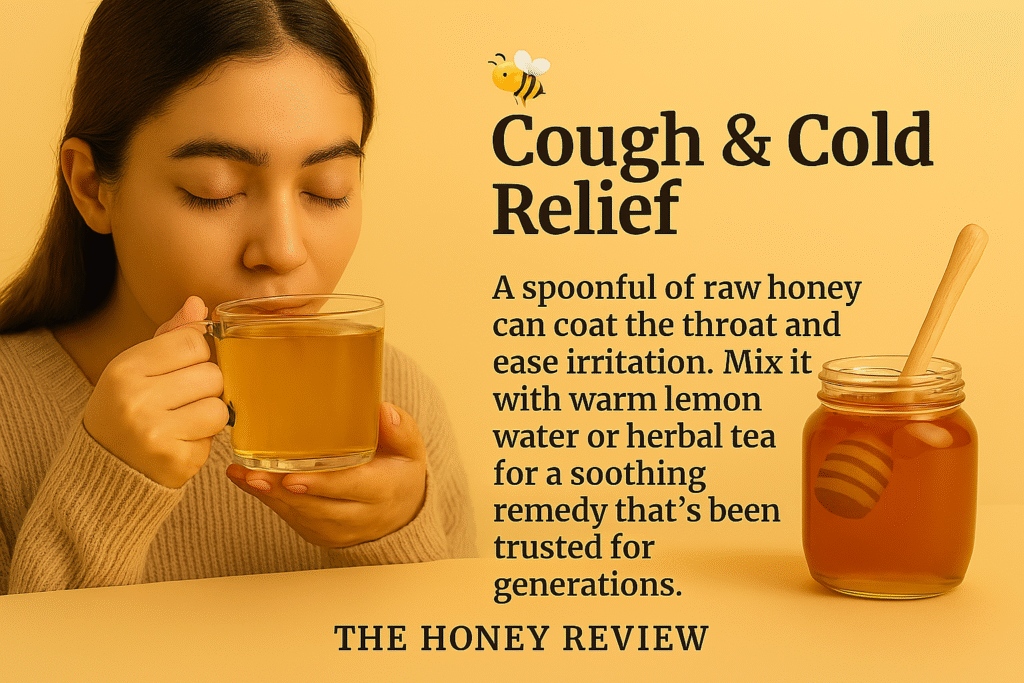
    When your throat starts feeling like you swallowed sandpaper, raw honey comes through like your herbalist best friend with a velvet voice. That golden spoonful doesn’t just taste like comfort—it actually is comfort, thanks to honey’s natural ability to coat and soothe the throat. No synthetic syrups here—just nature’s own remedy doing what it’s been doing for centuries.

    raw honey as a could and cough relief thehoneyreview.com

    Raw honey is antimicrobial, which means it doesn’t just sit there looking pretty—it’s actually fighting the good fight against whatever’s making your throat scratchy. Stir it into warm lemon water (never boiling—let’s not destroy all that goodness), and you’ve got a DIY throat elixir that tastes as lovely as it feels. Bonus points if you add ginger, chamomile, or a sprig of thyme for that apothecary flair.

    What sets honey apart from over-the-counter syrups is its ability to offer real relief and a side of sweetness—without the drowsiness or artificial dyes. Studies have even backed it up: a spoonful of raw honey before bed can quiet nighttime coughs better than some commercial meds. Your body rests easier, and your sinuses stop throwing a tantrum.

    So the next time you feel the sniffles creeping in, skip the fluorescent aisle and grab your favorite local jar instead. It’s a wellness ritual that feels like a hug from your insides out—and your taste buds won’t complain either.

    honey cold and cough relief thehoneyreview.com

    3. DIY Energy Boost

    When your energy’s dragging like a Monday morning mood, skip the fluorescent gels with ingredients you can’t pronounce and turn to nature’s OG pick-me-up: raw honey. This golden goodness isn’t just for your tea and toast—it’s a fast-acting, naturally sweet source of quick-release carbohydrates that your body knows exactly how to use. One spoonful, and you’re fueling up with something bees made—not a lab.

    honey diy energy boost thehoneyreview.com

    Here’s the buzz: raw honey breaks down quickly in the body thanks to its simple sugars, glucose and fructose. That makes it an ideal pre-ride or pre-workout snack. You get the benefit of a quick energy spike without the crash-and-burn that comes with overly processed alternatives. And unlike those synthetic gels that taste like regret, honey actually tastes good going down—like warm sunshine with a hint of wildflower.

    Athletes (and beekeepers) have long used honey as a natural energy source. It provides the perfect balance between speed and stamina—enough oomph to get you through the hills but gentle enough to avoid the jitters. Pop a spoonful 15–30 minutes before heading out, or swirl it into a banana smoothie for an extra boost that doesn’t feel like a science experiment.

    Honey Citrus Electrolyte Drink

    Serving Size:
    Single
    Time:
    Few Minutes
    Difficulty:
    Easy

    Ingredients

    • 1 Tablespoon of Raw Honey
    • 1 1/2 cups of cold water
    • 1/2 cup fresh orange juice
    • 2 Tablespoons of lemon juice
    • Pinch of sea salt
    • Optional: A few mint leaves or a dash of grated ginger

    Directions

    1. Whisk together the honey and citrus juices until fully dissolved
    2. Add cold water and stir in the pinch of sea salt.
    3. Toss in fresh mint or ginger if using, then chill or serve over ice

    And let’s not forget the portability factor. Raw honey fits into pouches, packets, or—if you’re feeling rustic—a mini mason jar. It’s the kind of pocket fuel your ancestors would’ve approved of, minus the neon branding and mystery chemicals.

    So next time you’re prepping for a ride, a workout, or just the chaos of daily life, give the energy gels a polite wave and reach for your local jar. Your body (and your taste buds) will thank you. Also consider trying my favorite energy-based Tea with a spoon of raw honey.

    4. Food Preserver

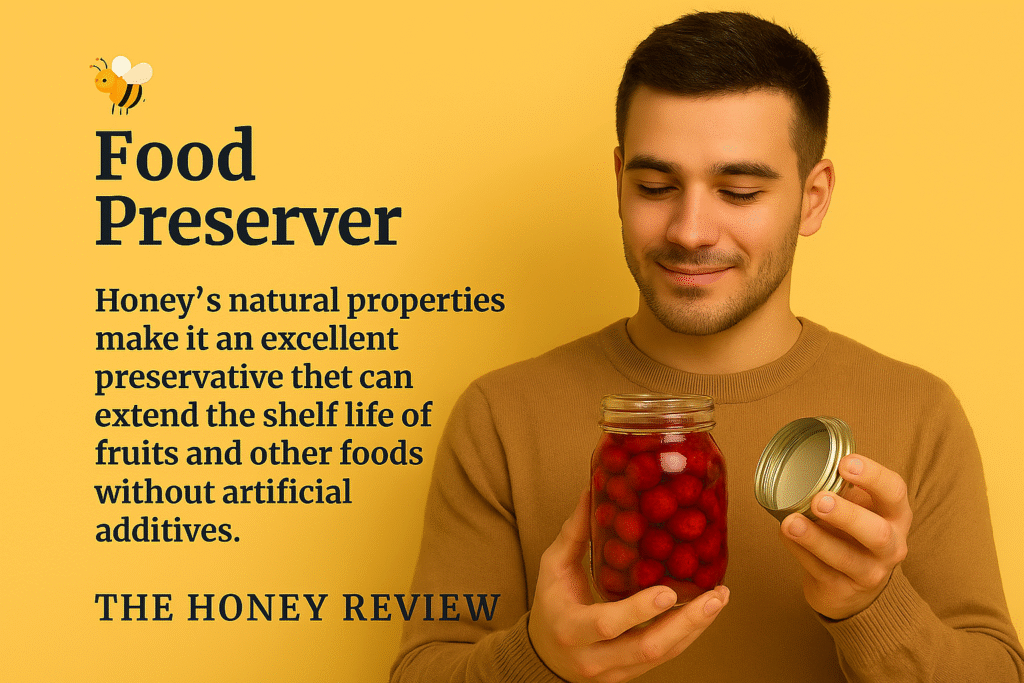
    Long before refrigeration was a sparkle in modernity’s eye, honey was already doing the most in ancient pantries. In fact, the Egyptians weren’t just building pyramids and scribbling in hieroglyphs—they were preserving everything from fruit to fish with raw honey. Archaeologists have even discovered pots of honey in thousand-year-old tombs that were still edible. Let that sink in. Your jam has an expiration date, but honey? Honey is basically immortal.

    So what makes it such a stellar preserver? It comes down to raw honey’s low water content and high acidity, which create an environment most bacteria can’t handle. It’s like the velvet rope of natural preservatives—only the good microbes may enter (and even those better behave). That’s why submerging sliced garlic, ginger, or even hot peppers in raw honey not only keeps them fresh, but turns them into flavor bombs that get better with time.

    honey food preserver thehoneyreview.com

    The best part? It’s ridiculously easy. Clean and slice your herb or produce of choice, drop it into a jar, and pour raw honey over the top until fully covered. Seal it, let it infuse for a few days, and boom—you’ve got a natural, shelf-stable condiment that slaps. Ginger honey for teas, garlic honey for glazes, thyme honey for cocktails—you’re now living in an apothecary fantasy.

    And unlike commercial preserves drowning in corn syrup, this one comes with benefits: a spoonful delivers antioxidants, antibacterial support, and major bragging rights. Plus, it feels kind of magical to know you’re using the same preservative your ancient ancestors did—minus the pyramid construction.

    5. Eco-Friendly Sweetener

    When it comes to sweetening your life without wrecking the planet, raw honey deserves its own sparkly gold star. It’s the original slow food—crafted by bees, powered by flowers, and packaged by nature herself. While processed sugars and synthetic sweeteners go through energy-intensive refining and chemical manipulation, raw honey takes the scenic, sustainable route. One flight at a time, bees do the heavy lifting while we humans just get to bask in the benefits.

    And let’s talk packaging. Raw honey often comes in glass jars, reusable tins, or even straight from your local beekeeper in a squeeze bottle with hand-scrawled labels. No plastic waste parade, no shipping it across the globe from a mystery refinery—just simple, local, biodegradable elegance. Supporting regional honey producers doesn’t just lower your food miles, it helps your neighborhood ecosystem stay buzzin’—literally.

    honey as eco-friendly sweetener  thehoneyreview.com

    There’s also the bonus round: by buying raw honey, you’re actively supporting pollinator health and biodiversity. Beekeepers are out here nurturing hives and protecting the environment one queen at a time. That’s way more impact than you’re getting from a sack of table sugar wrapped in plastic and guilt. Every jar of honey is a little vote for thriving flowers, fuller gardens, and a sweeter future.

    And unlike artificial sweeteners with names that sound like evil sci-fi characters (looking at you, sucralose), raw honey doesn’t need a rebrand. It’s been eco-chic since Ancient Egypt and it keeps showing up—gloriously golden, naturally powerful, and endlessly useful.

    So when you drizzle honey into your tea or stir it into your smoothie, know this: you’re not just treating your taste buds, you’re making a gentle, golden impact. And honestly, isn’t that the kind of sweet we all need more of?

    And there you have it—proof that raw honey isn’t just a pantry staple, it’s a whole lifestyle vibe. From soothing sore throats to powering your hustle, preserving herbs like you’re channeling Cleopatra, or giving your skin that glazed-doughnut glow, honey’s been showing up and showing off for centuries. So keep that golden jar front and center, because when life gets sticky, the answer is usually… more honey.

  • Honey To Avoid: Nature Nate’s

    Honey To Avoid: Nature Nate’s

    The Truth About Nature Nate’s Honey: Heated, Not Raw, and High in HMF

    Honey has been cherished for thousands of years, not just for its sweet taste but also for its numerous health benefits. However, not all honey is created equal. The quality and purity of honey can vary significantly depending on how it is processed. One brand that has come under scrutiny is Nature Nate’s Honey. Despite being marketed as “100% pure, raw, and unfiltered,” there are concerns about its production practices and the presence of potentially harmful compounds.

    In this article, we will delve into the details of these concerns and explore why they matter, and why this a Honey to avoid.

    What do these terms mean?

    Hydroxymethylfurfural (HMF): This compound forms when honey is heated. High levels of HMF can be toxic and potentially carcinogenic.

    Health Benefits of Raw Honey: Raw honey is packed with nutrients, including all B-complex vitamins, vitamins A, C, D, E, and K, and minerals like magnesium, sulfur, phosphorus, iron, calcium, and potassium.

    Heating Honey: Heating honey above 105 degrees Fahrenheit destroys most of its beneficial enzymes, amino acids, and phytonutrients. This is why beekeepers will often advise against pouring boiling water into Tea and Honey.

    You can relate this process to how they’re treating modern Milk.
    However, honey pasteurization shouldn’t be relative to Milk.
    Which sounds like massive factory honey, not backyard bee honey.

    Class Action Lawsuit: In March 2020, a class action lawsuit was filed against Nature Nate’s Honey for allegedly heating their honey and having high levels of HMF.

    Adulteration Concerns: There were concerns about possible adulteration of Nature Nate’s Honey with added syrups, which is not expected in “100% pure and raw honey”.

    The Misleading Branding of Nature Nate’s Honey

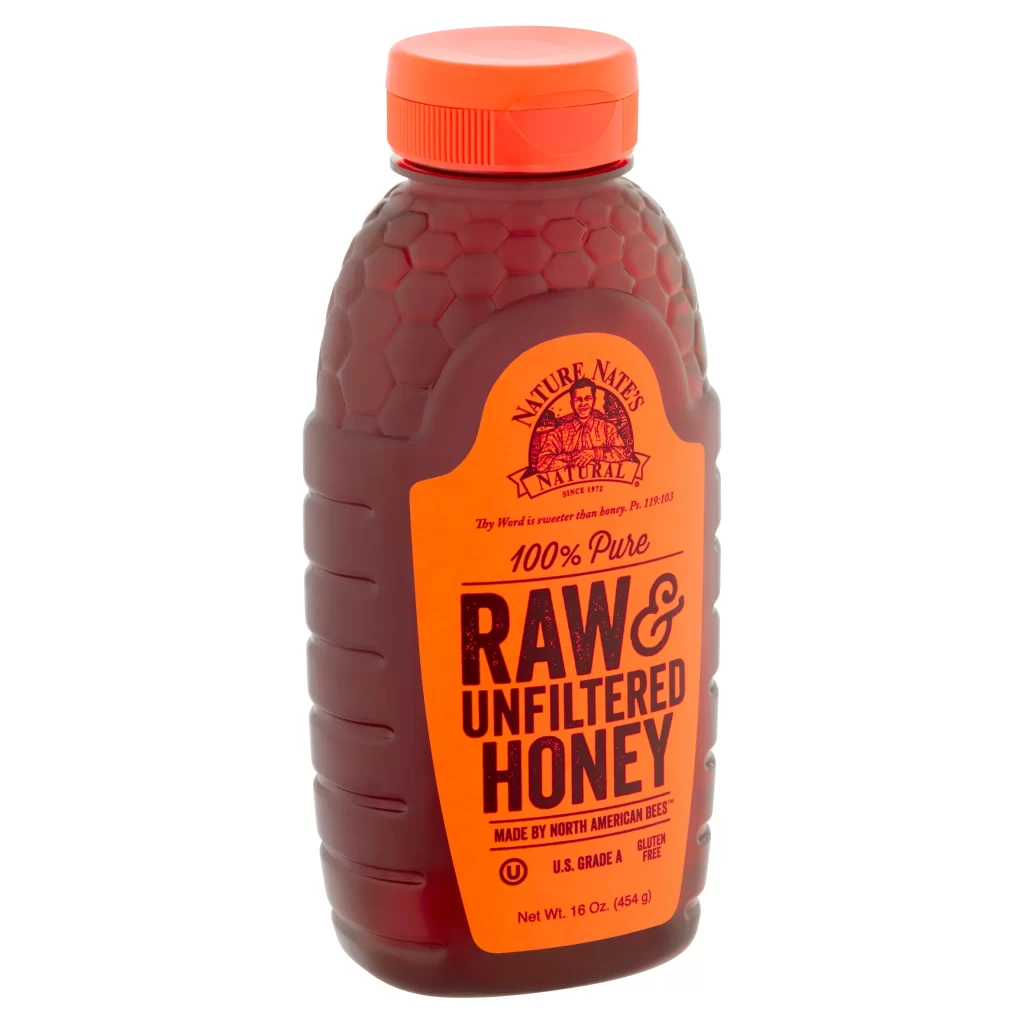
    Nature Nate’s Honey is marketed as “100% pure, raw, and unfiltered.” This branding suggests that the honey is collected directly from the honeycombs of free-buzzing bees, strained to remove unwanted particles, and then bottled without any further processing.

    However, testing of Nature Nate’s honey samples has shown that this is not the case. The honey has been heated to make it easier to process and flow, which contradicts the “raw” label.

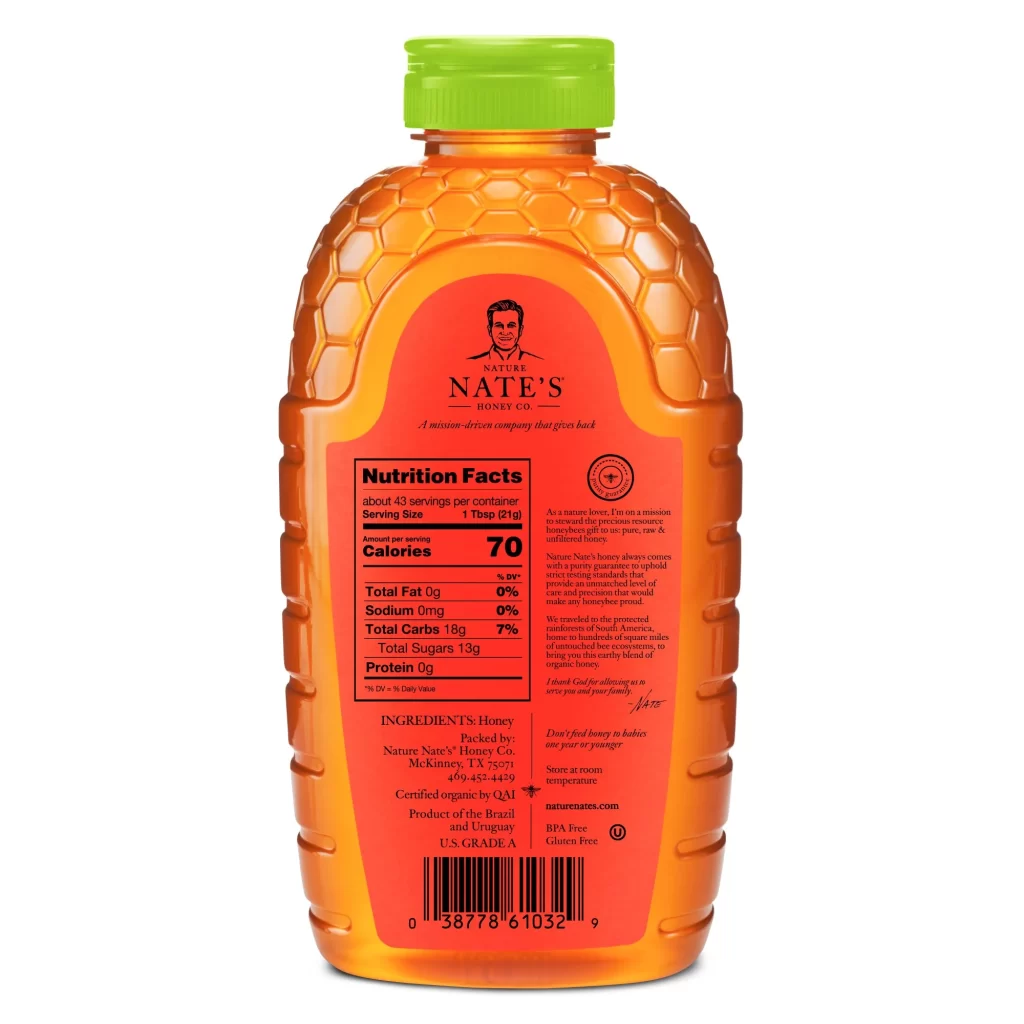
    Always check where it’s from. Product of BRAZIL and URUGUAY!

    The Importance of Raw Honey

    Raw honey is prized for its incredible health benefits. It contains all of the B-complex vitamins, vitamins A, C, D, E, and K, as well as minerals like magnesium, sulfur, phosphorus, iron, calcium, and potassium. Raw honey is also rich in live enzymes, amino acids, phytonutrients, and cancer-fighting antioxidants. These beneficial compounds are what make raw honey a superfood.

    However, heating honey destroys most of these beneficial enzymes, amino acids, and phytonutrients. When honey is heated above 105 degrees Fahrenheit, it loses its raw status and many of its health benefits. This is why it is crucial to ensure that honey labeled as “raw” has not been subjected to high temperatures.

    The Toxic Compound HMF

    One of the most concerning findings in the testing of Nature Nate’s honey is the presence of high levels of hydroxymethylfurfural (HMF). I know, its a mouthful to try and pronounce.

    HMF is a compound that forms when honey is heated. While small amounts of HMF are naturally present in honey, high levels can be toxic and potentially carcinogenic.

    The Codex Alimentarius, a global reference standard for consumer protection, has determined that the maximum safe limit for HMF in raw honey is 40 mg/kg. However, samples of Nature Nate’s honey tested HMF values as high as 232 mg/kg.

    These levels are not only far above the safe limit, but they also indicate that the honey has been heated up to 120 degrees.

    Why is HMF toxic and potentially cancer causing?

    Hydroxymethylfurfural (HMF) is a compound that forms when honey is heated. While small amounts of HMF are naturally present in honey, high levels can be toxic and potentially carcinogenic. Here are some reasons why HMF is considered harmful:

    1. Genotoxicity: HMF has been shown to induce genotoxic effects, which means it can damage genetic information within a cell, causing mutations that may lead to cancer. Studies have revealed that HMF may induce genotoxic and mutagenic effects in bacterial and human cells.
    2. Carcinogenicity: HMF can be converted in the body to 5-sulfoxymethylfurfural (SMF), a compound that has been shown to be genotoxic. Animal experiments have demonstrated that HMF can promote colon and liver cancer in rats and mice.
    3. Toxicity to Bees: High levels of HMF have been shown to be toxic to bees. Studies from the 1970s and 1980s found that feeding bees sugar syrup with HMF values of 150 mg/kg caused a mortality rate of 50% within 16 days. This suggests that high levels of HMF can be harmful to other living beings as well.
    4. Potential Health Risks: The presence of high levels of HMF in honey raises concerns about its safety for human consumption. While the exact impact on human health is still being studied, the potential for genotoxic and carcinogenic effects makes it a compound to be cautious about.

    These factors highlight the importance of ensuring that honey is not heated to high temperatures, as this can lead to the formation of harmful levels of HMF. Choosing raw, unfiltered honey from reputable sources can help minimize the risk of exposure to this toxic compound.

    The Class Action Lawsuit

    In March 2020, a class action lawsuit was filed against Nature Nate’s Honey. The lawsuit alleged that the honey was heated and contained high levels of HMF, not “100% pure and raw.”

    The lawsuit also raised concerns about possible adulteration of the honey with added syrups.

    The court dismissed the case with prejudice, meaning it cannot be refiled. However, the dismissal was based on procedural grounds rather than the merits of the case. The concerns about the heating and adulteration of Nature Nate’s honey remain unresolved.

    The Health Risks of High HMF Levels

    High levels of HMF in honey are not just a concern for bees. Studies have shown that HMF can be toxic to humans as well.

    Animal experiments have revealed that HMF may induce genotoxic and mutagenic effects in bacterial and human cells. HMF also promotes colon and liver cancer in rats and mice.

    These findings suggest that consuming honey with high levels of HMF could pose serious health risks.

    Adulteration Concerns

    Another concern raised in the lawsuit was the possible adulteration of Nature Nate’s honey with added syrups. Adulteration can occur either by adding syrups directly to the honey or by feeding the bees heated sugar syrups. Both practices are harmful and compromise the quality and purity of the honey.

    Consumers expect “100% pure and raw honey” to be free from any added syrups. The presence of syrups in Nature Nate’s honey raises questions about the company’s quality control and the integrity of its suppliers.

    The Need for Transparency and Quality Control

    To truly be called “100% pure, raw, and unfiltered,” Nature Nate’s Honey needs to eliminate the heating process and tighten its vetting standards for suppliers.

    Transparency in production practices and rigorous quality control are essential to ensure that consumers are getting the high-quality honey they expect.

    Finding Authentic Raw Honey

    For those seeking the health benefits of raw honey, it is important to choose honey from reputable sources. Small beekeepers who produce honey from bees buzzing around healthy, biodiverse ecosystems are often the best choice.

    These beekeepers prioritize the health of their bees and the purity of their honey, ensuring that it retains all its beneficial properties.

    I recently wanted to bring attention back to this company once I saw they are now contributing to the Manuka Honey space. I mean, C’MON!

    Conclusion

    Nature Nate's Raw and Unfiltered Honey

    Nature Nate’s Honey has come under scrutiny for its misleading branding and questionable production practices. The presence of high levels of HMF and concerns about adulteration raise serious questions about the quality and purity of the honey.

    Consumers deserve transparency and honesty from honey producers, and it is crucial to choose honey from reputable sources to ensure its health benefits.

    If you are looking for truly raw honey, be sure to do your research and choose honey from small, reputable beekeepers who prioritize the health of their bees and the purity of their honey.

    By doing so, you can enjoy the incredible health benefits of raw honey without the risks associated with heated and adulterated honey and better know which Honey to avoid.

    • The 2026 Supermarket Showdown: Testing Walmart’s Top 5 Honey Brands

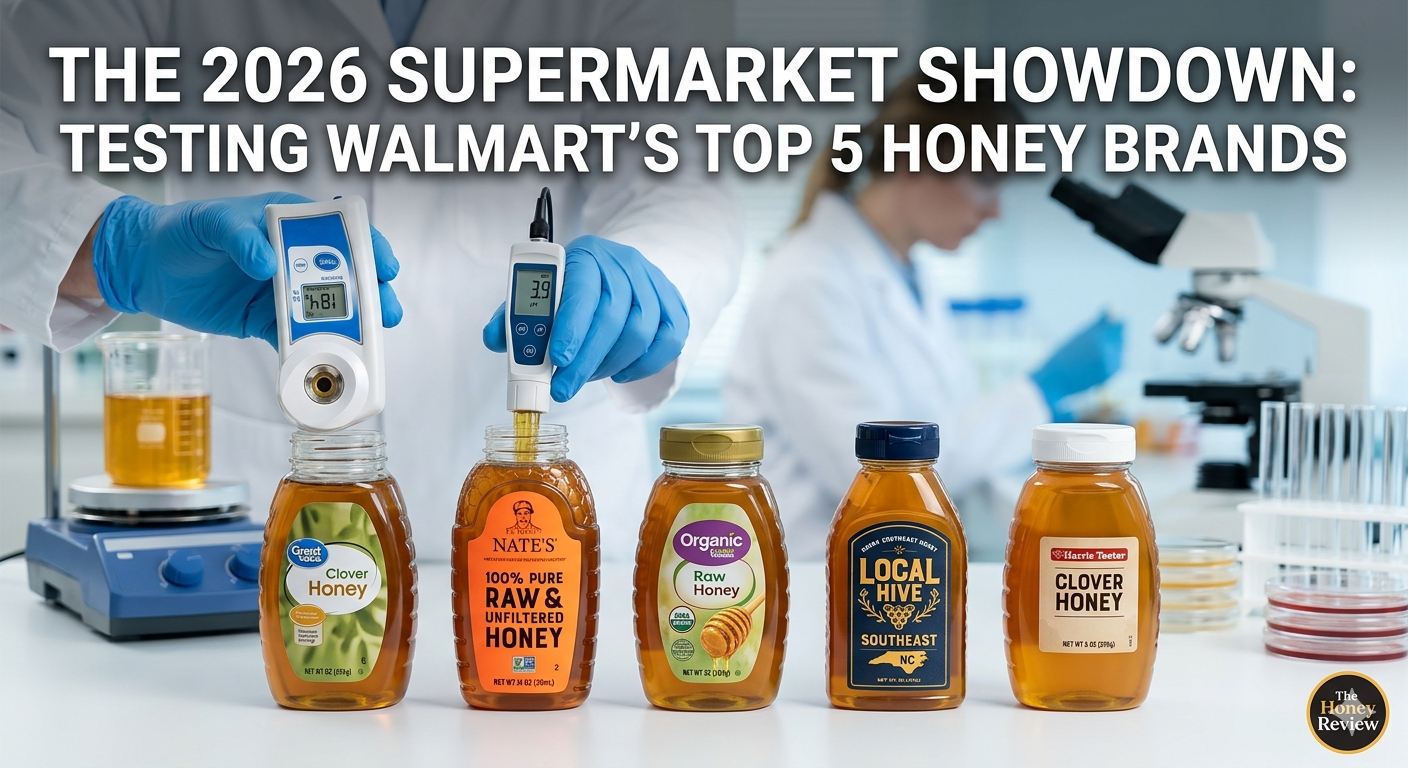
      The 2026 Supermarket Showdown: Testing Walmart’s Top 5 Honey Brands

      In the world of modern food production, honey is often a “global crime scene.” Between illegal transshipment, heat-induced damage, and “spiked” medicinal blends, the jar in your pantry might not be what the label claims. As a former beekeeper turned forensic auditor, I put five of the most popular supermarket brands through my Vault Protocol.

      Read More


    • Supermarket Honey Fraud: The 2011 “Honey Heist” & How to Spot Fakes

      Supermarket Honey Fraud: The 2011 “Honey Heist” & How to Spot Fakes

      Is Your Supermarket Honey Real? The Truth Behind the 2011 “Honey Laundering” Scandal Have you ever looked at that golden bear in your pantry and wondered if it’s actually honey? For many Americans, the answer might be “not exactly.” Supermarket honey fraud is a deep problem in the Industry. Honey fraud, or “economically motivated adulteration,”

      Read More


    • Manuka Honey

      Manuka Honey

      Read More