The Local Honey Allergy Myth: What No One Tells You
For years, people have repeated the same advice: “Just take a spoonful of local honey — it’ll fix your allergies.” It’s a comforting idea, and it sounds natural enough to believe. But after reviewing dozens of raw honeys from across the country and digging into what actually triggers seasonal allergies, the truth is far less magical than the myth.
Below is what the science shows, what my own testing confirms, and why raw honey is still worth keeping in your kitchen — just not for the reason you’ve been told.
Does Local Honey Help Allergies? The Short Answer
Not really. Seasonal allergies are triggered by wind‑borne pollen, not the heavy flower pollen bees collect. That means the pollen in honey isn’t the same pollen that’s making your eyes itch and your sinuses swell.
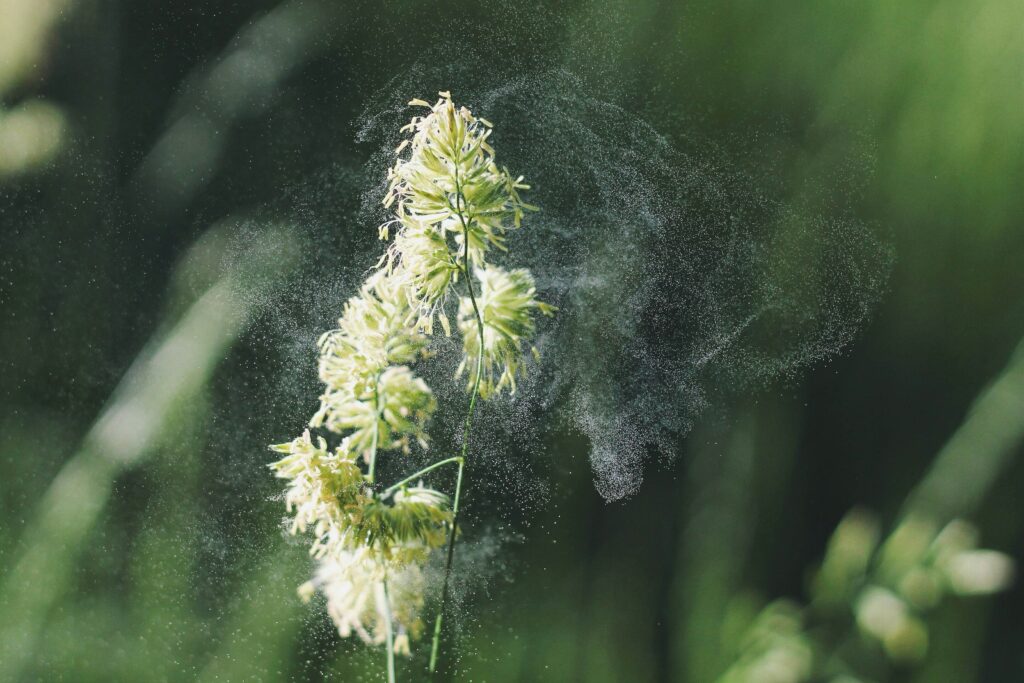
Raw honey has plenty of benefits — antioxidants, flavor complexity, antibacterial properties — but allergy relief isn’t one of its strengths.
Why the Myth Became So Popular
The idea makes intuitive sense:
If pollen causes allergies, and honey contains pollen, then eating honey should “train” your immune system. It’s a clean, natural story — and that’s exactly why it spread.
Beekeepers repeat it. Farmers’ markets repeat it. Wellness blogs repeat it. But repetition doesn’t make it true.

What the Science Actually Says
Here’s the part most people never hear:
- Bee‑carried pollen / allergy pollen.
Bees collect flower pollen. Seasonal allergies come from trees, grasses, and weeds — pollen that’s so light it floats through the air. - Honey contains very little allergenic pollen.
Even raw honey has only trace amounts of the stuff that triggers symptoms. If you want to know whether a honey is authentic, here’s How to tell if honey is real - Studies show mixed or minimal results.
Some people report mild improvement, but controlled research doesn’t support honey as a reliable allergy treatment. - Crystallization, aroma, and flavor don’t correlate with allergy relief.
These are quality markers — not medical ones.
What causes allergies? Check Mayo Clinics seasonal allergy triggers.
What are common pollon types? Tree, Grass and Weed Pollen.
What I Found While Testing Raw Honeys
After reviewing raw honeys from NC, FL, TX, and beyond, here’s what consistently showed up: Including many from the best raw honey brands
- Honeys with strong floral notes (orange blossom, gallberry, wildflower) had plenty of pollen, but not the kind tied to seasonal allergies.
- Crystallization patterns varied by nectar source, not pollen type.
- Local honeys tasted richer and more complex — but none produced noticeable allergy relief.
Raw honey is incredible, but it’s not an antihistamine.
What are USDA guidelines for legitimate honey?
So What Is Honey Good For?
A lot, actually:
- Natural antibacterial properties
- Antioxidants
- Energy boost
- Soothing for sore throats
- A cleaner, more flavorful sweetener
- Culinary depth you’ll never get from processed honey
Raw honey shines in the kitchen, not the medicine cabinet. If you want flavor notes and texture breakdowns check out Cloister Raw Honey from Charlotte, North Carolina.
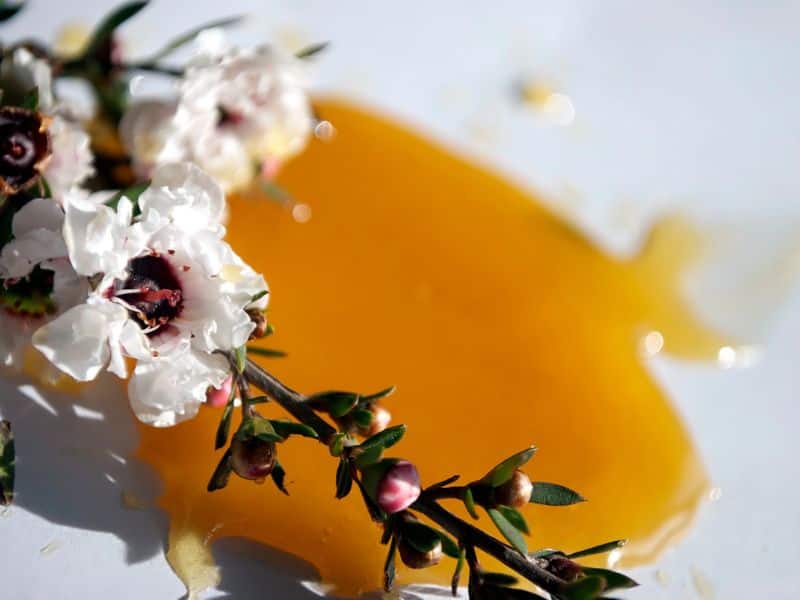
If You Want Allergy Relief
General, non‑medical guidance:
- Reduce exposure to peak pollen times
- Rinse pollen off skin and hair after being outdoors
- Keep windows closed during high‑pollen days
- Use air filtration
- Talk to a professional if symptoms are severe
Honey is a great food — but it’s not a cure. Maybe consider utilizing propolis for common cold symptoms and allergy relief.
FAQ
Does raw honey contain pollen?
Yes, but mostly flower pollen, not the wind‑borne pollen that causes allergies.
Why do people think honey helps allergies?
Because the idea sounds logical and has been repeated for decades.
“The belief that local honey helps seasonal allergies stems from the idea that ingesting pollen from local plants can build immunity against allergens. This belief is rooted in the theory of oral immunotherapy, where controlled exposure to allergens is believed to desensitize the immune system. However, the pollen in honey is typically from flowering plants, which are not the same as the windborne pollen that triggers seasonal allergies. Additionally, the pollen in honey is usually not the type causing seasonal misery, as bees primarily collect sticky, heavy pollen from flowering plants” Source: CNBC
Is local honey healthier?
Often, yes — but for reasons related to flavor, freshness, and transparency, not allergy relief.
What is honey actually good for?
Taste, antioxidants, antibacterial properties, and culinary use.
What It All Means
Local raw honey is absolutely worth buying — just not as an allergy remedy. It’s a superior food, a better sweetener, and one of the most honest agricultural products you can support. But when it comes to seasonal allergies, the myth doesn’t hold up. However, being totally honest here, as a beekeeper, I dont mind this myth because it has driven more people to purchase honey.