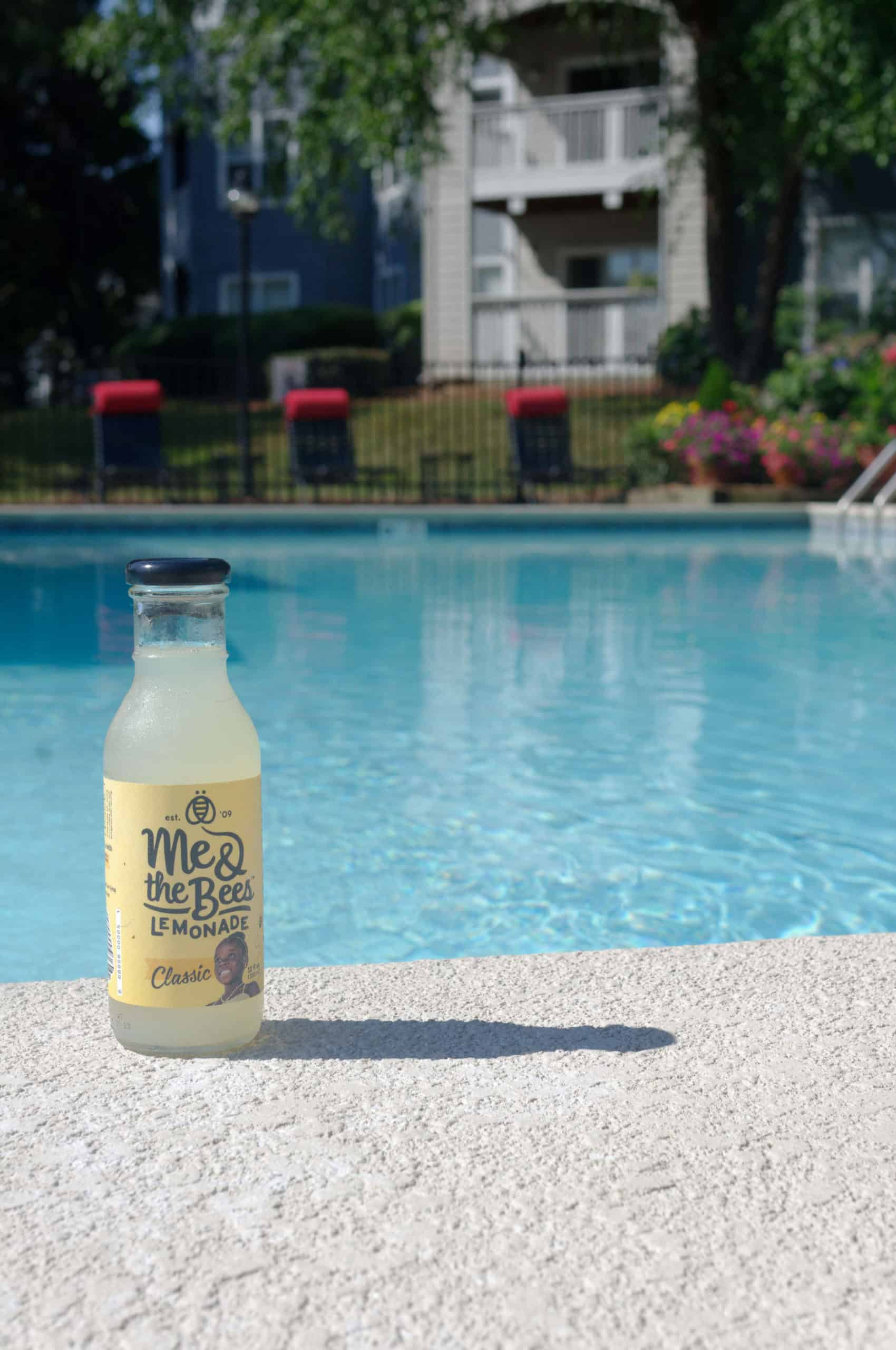
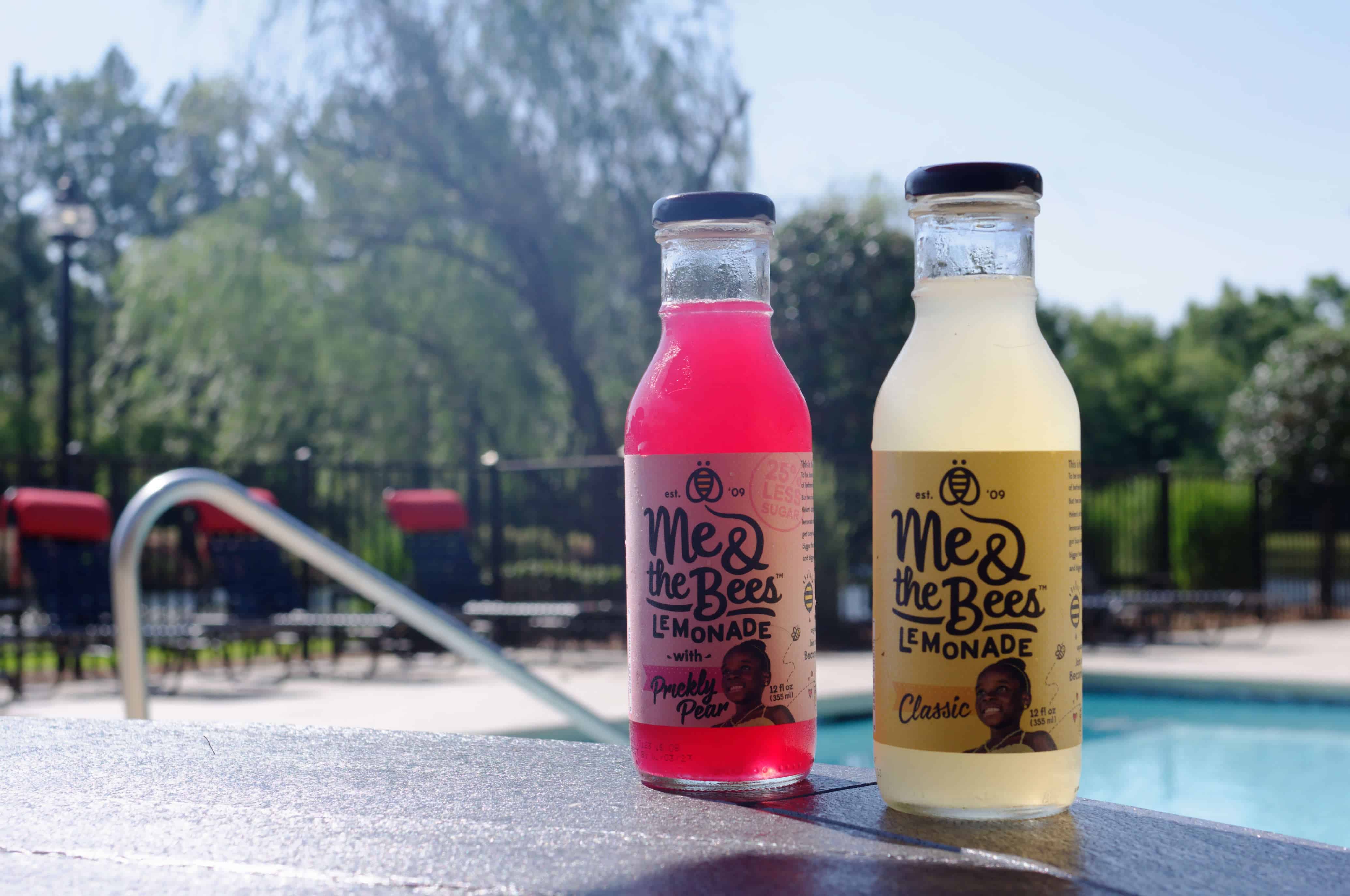
If you love Lemonade and haven’t tried Me & The Bees yet, what are you waiting for? Grab a bottle to sip and relax by the pool this Summer. I recently picked up this at Publix and the Prickly Pear for $2.50 each. Find out what I thought of Me & The Bees Lemonade in my review below.
Me & the Bees Lemonade started in 2009 by Mikaila Ulmer when she was just 4 years old out of Austin, Texas. I had the luxury of trying the original Lemonade during my time there and loved it. I was able to find Prickly Pear and the Original Lemonade at my local Publix for about…
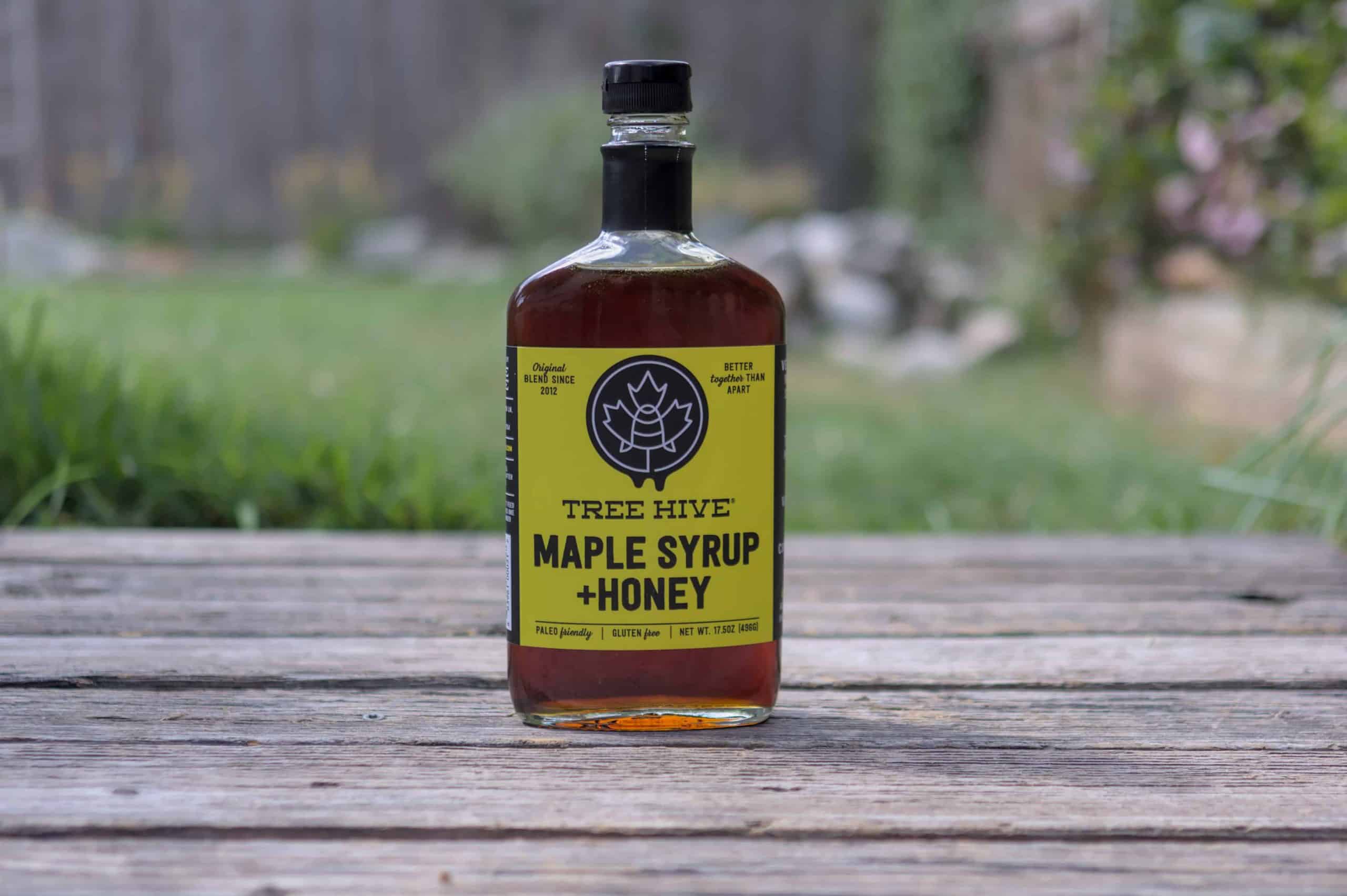
You can find so many good uses for Tree Hive Syrup. Whether it’s baking, breakfast, or a touch of sweet to your favorite meat marinade. They have a simple refined product and it’s a pretty reasonable price, considering how expensive Honey and Maple Syrup can be on their own. Nothing is imported, they use the best maple in the world (in my biased opinion) from Vermont and real Texas Honey.
Install a bee-friendly buffet in your backyard with these 5 plants that attract native bees and other beneficial pollinators. You don’t need to be an expert at gardening or keeping honeybees; all you’ll need is some patience, creativity (and maybe just one friend!)
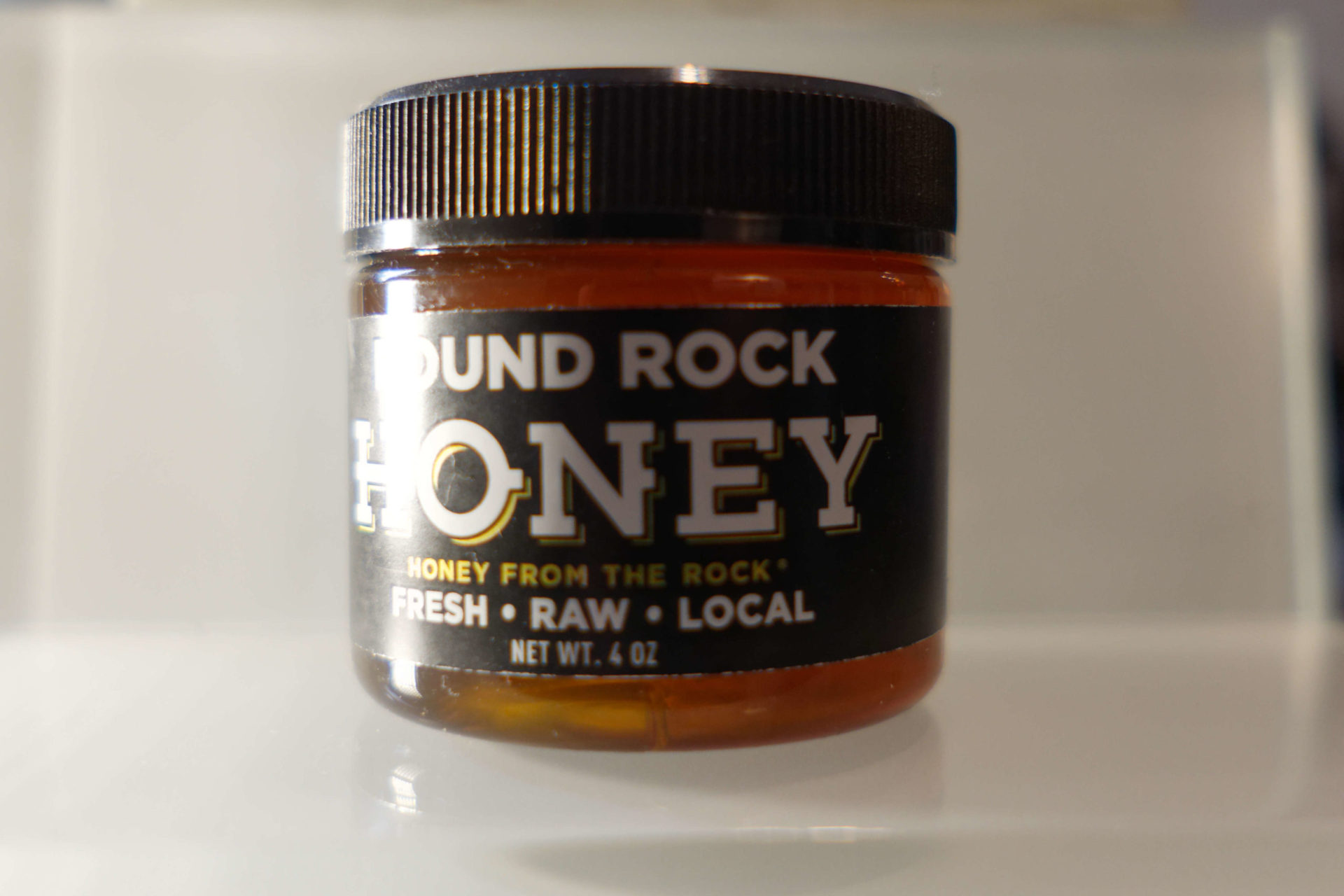
Round Rock Fresh Raw Local Honey has a special place in my heart. Not because of their company, product or even the Honey itself. It holds meaning that reaches back a few years ago, before I started The Honey Review. Round Rock Honey is one of the first products I received back when I told…
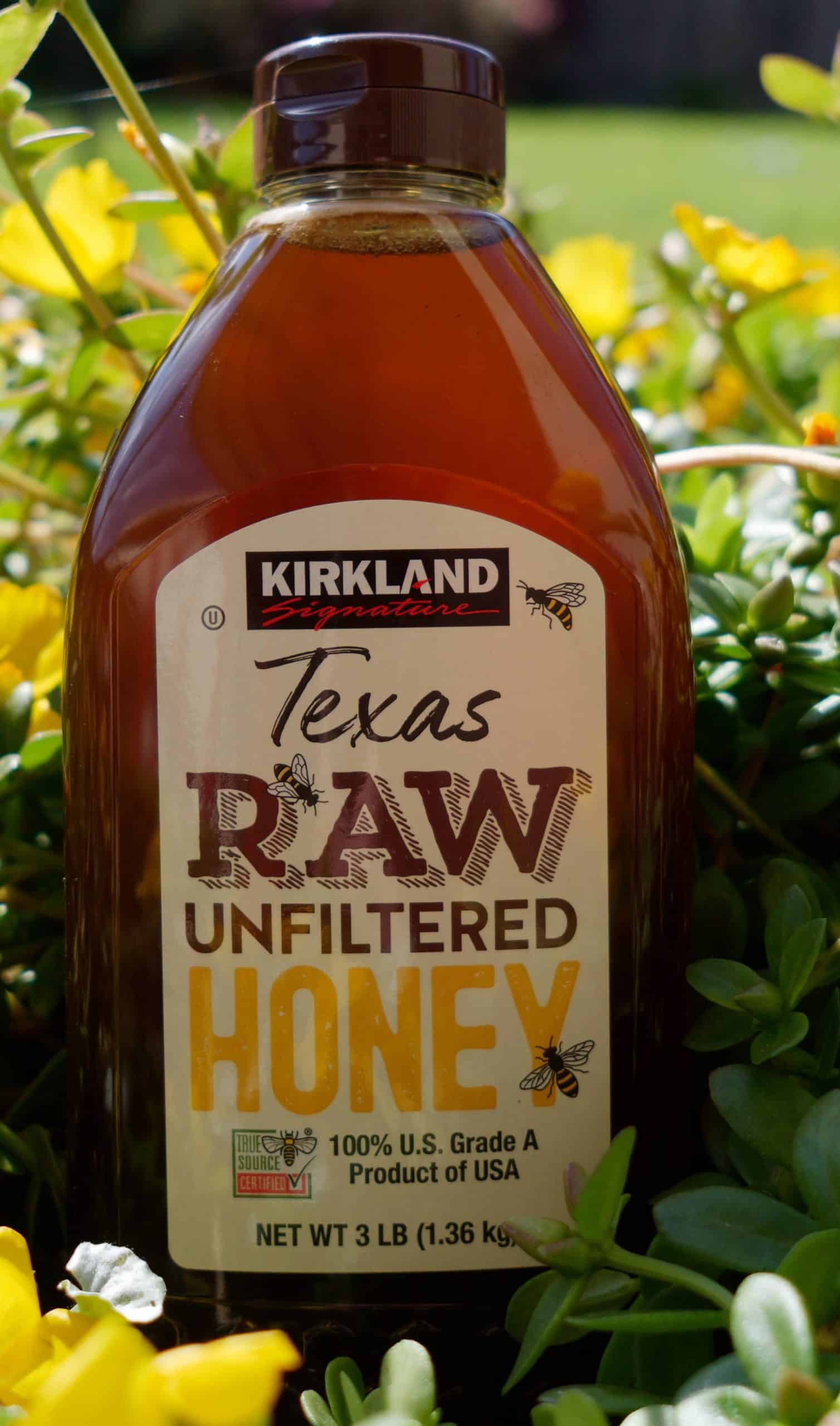
The Great Kirkland “Local” Mystery: A 3000-Word Forensic Audit of Costco’s Texas Honey Program In the world of commercial apiculture, few names carry as much weight as Kirkland Signature. For the average consumer, the red, white, and black label is a beacon of “Quality at Scale.” But when I walked into a Texas Costco in…
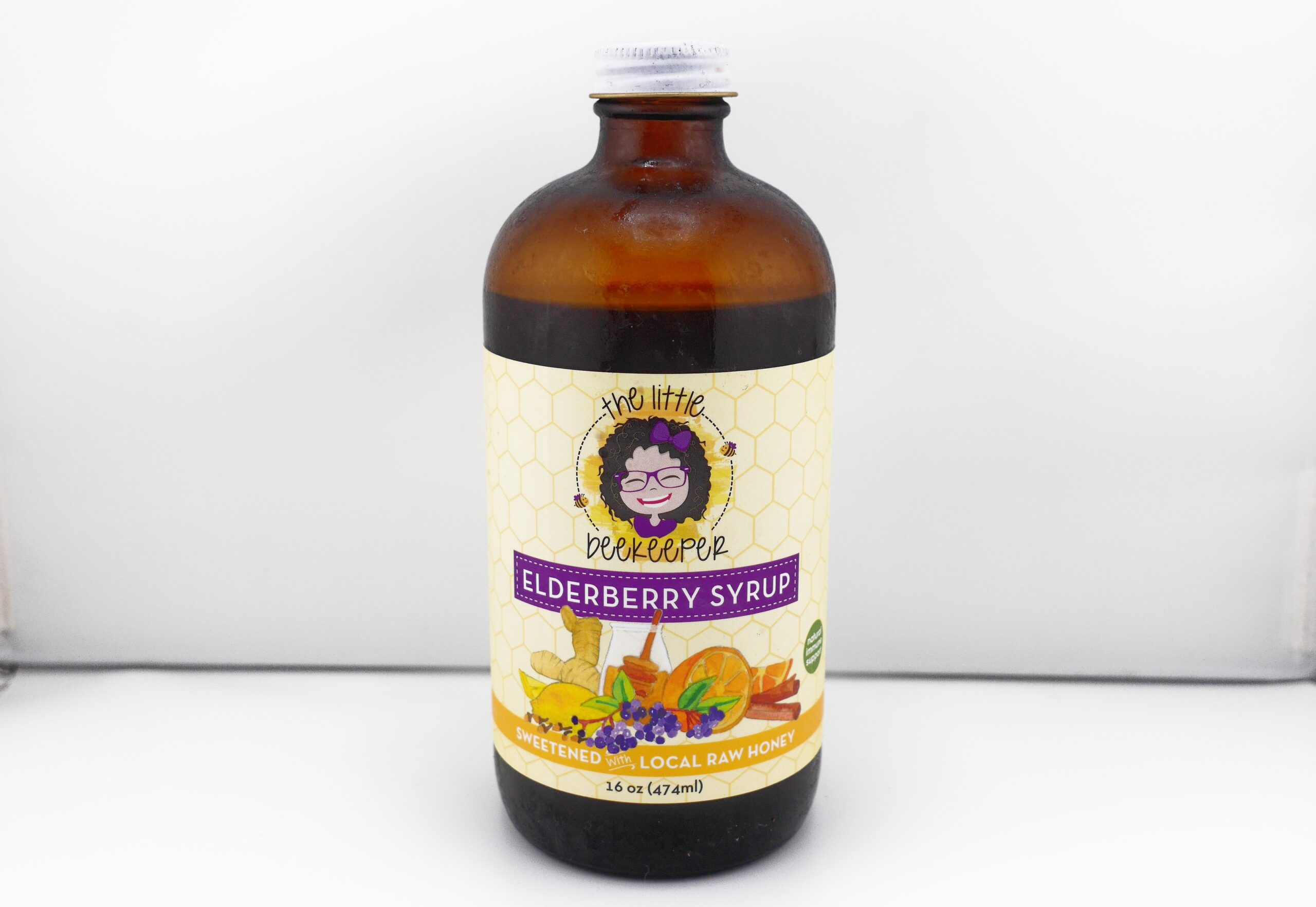
As a beekeeper and honey enthusiast based in Charlotte, NC, I am always on the lookout for high-quality, natural products that support wellness. It’s even better when they’re locally sourced. The 16oz Organic Premium Elderberry Syrup – The Little Beekeeper has truly impressed me. It’s great all year long, but especially during the fall season.…
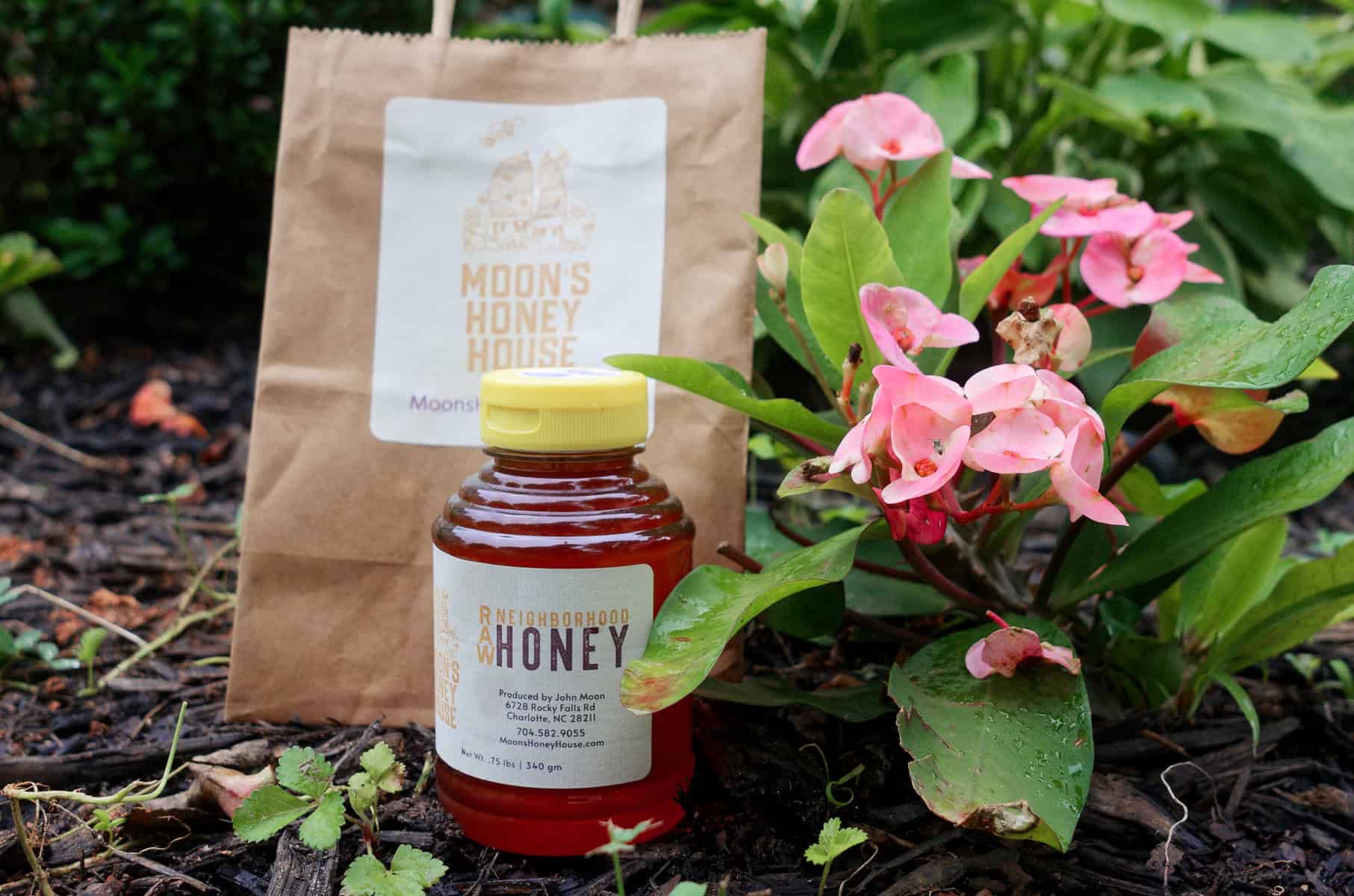
Since 1952, Moon’s Honey House has been a trusted family-owned and operated business. Their exquisite collection includes local honey, meticulously crafted beeswax creations, and unique handmade gifts. It’s a delightful destination for those who appreciate quality and authenticity. Benefits of Raw Honey Products Some of the benefits of raw honey products are: They have antibacterial, antifungal, and…
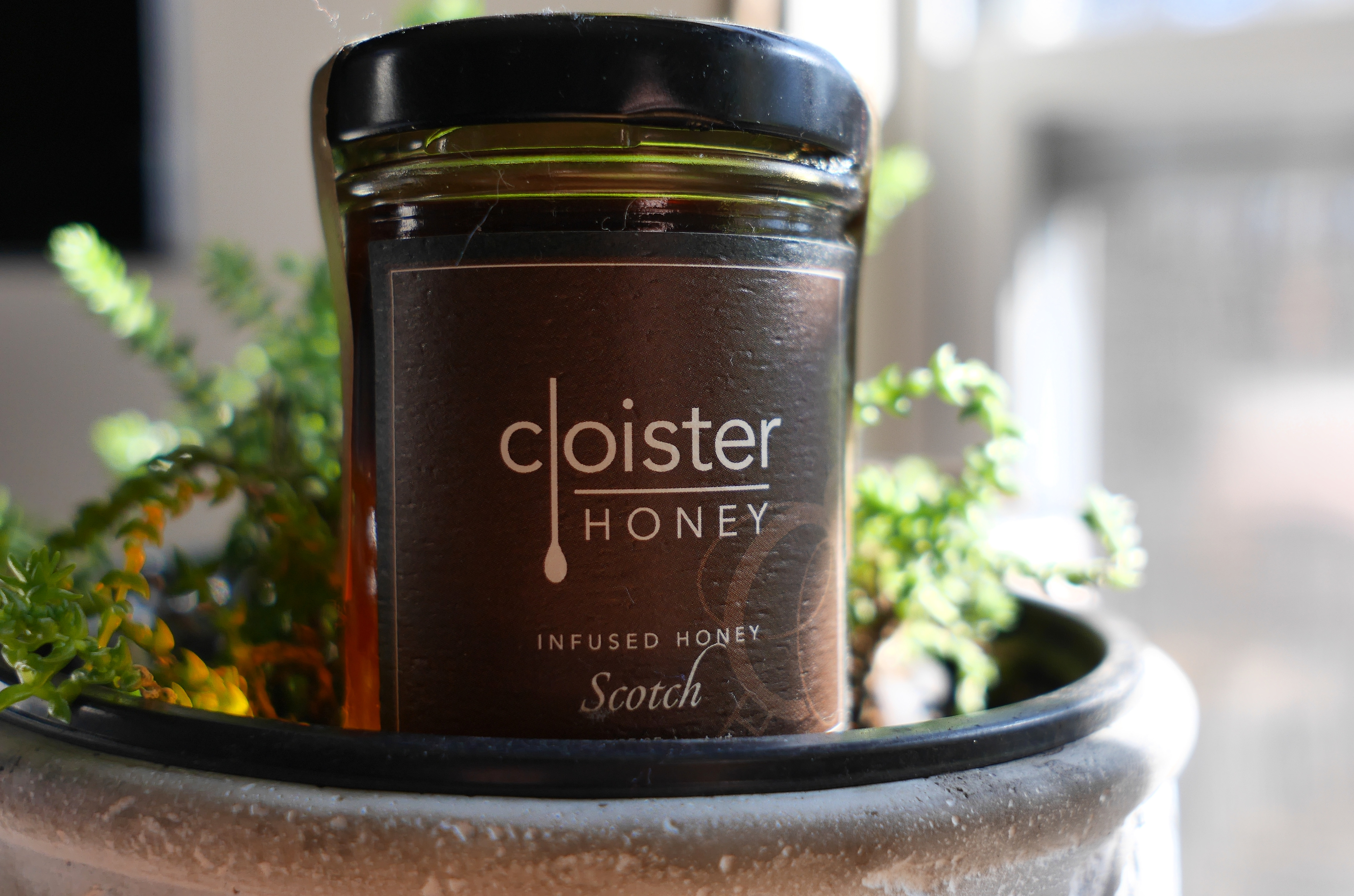
Howdy, y’all, and welcome to my raw honey review blog, where I share my love and passion for all things honey. Today, I’m going to tell y’all about a very special product that I recently tried: Cloister Infused Scotch Honey. Benefits of Raw Honey Products Some of the benefits of raw honey products are: They…
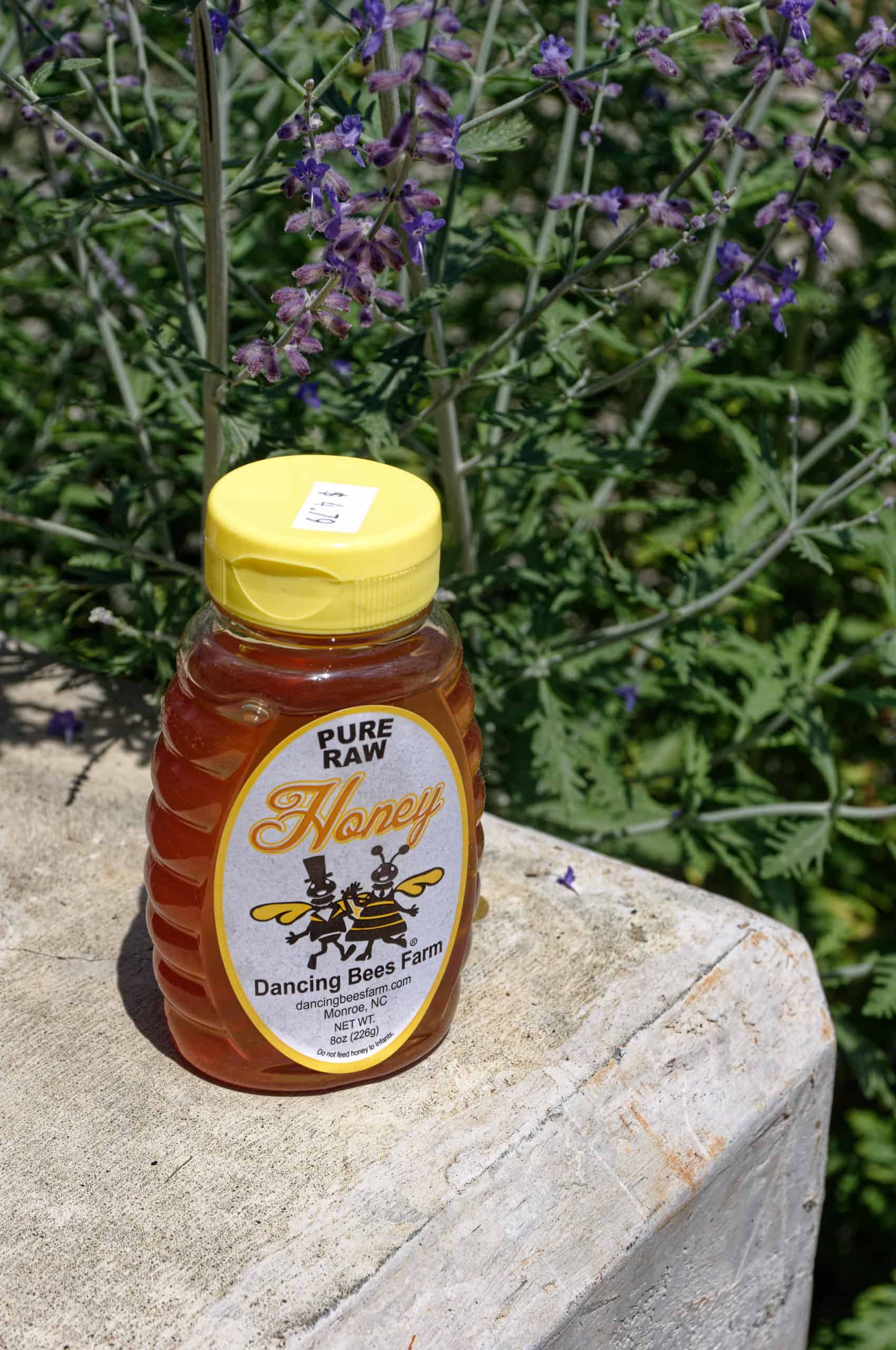
I’ve been fortunate to pick up some local North Carolina Honey this week, I came across Dancing Bees Farm Pure Raw Honey at a local neighborhood market in Charlotte, NC. It was just under $5 for an 8oz squeeze top bottle. Find out what I thought of Dancing Bee’s Pure Raw Honey.
The Local Honey Allergy Myth: What No One Tells You
For years, people have repeated the same advice: “Just take a spoonful of local honey — it’ll fix your allergies.” It’s a comforting idea, and it sounds natural enough to believe. But after reviewing dozens of raw honeys from across the country and digging into what actually triggers seasonal allergies, the truth is far less magical than the myth.
Below is what the science shows, what my own testing confirms, and why raw honey is still worth keeping in your kitchen — just not for the reason you’ve been told.
Does Local Honey Help Allergies? The Short Answer
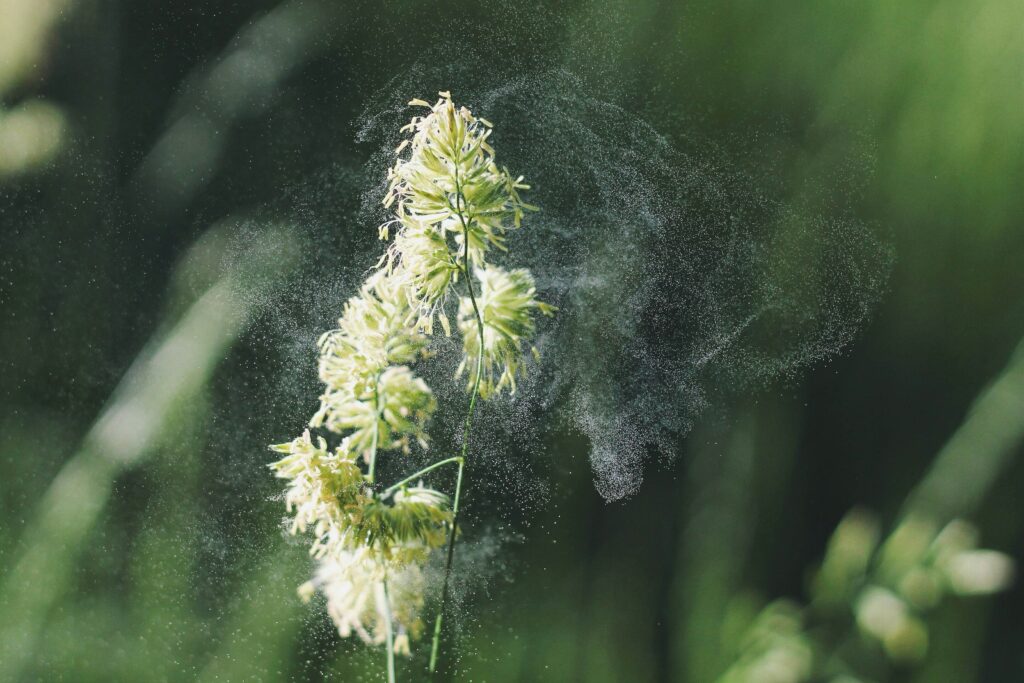
Not really. Seasonal allergies are triggered by wind‑borne pollen, not the heavy flower pollen bees collect. That means the pollen in honey isn’t the same pollen that’s making your eyes itch and your sinuses swell.
Raw honey has plenty of benefits — antioxidants, flavor complexity, antibacterial properties — but allergy relief isn’t one of its strengths.
Why the Myth Became So Popular
The idea makes intuitive sense: If pollen causes allergies, and honey contains pollen, then eating honey should “train” your immune system. It’s a clean, natural story — and that’s exactly why it spread.
Beekeepers repeat it. Farmers’ markets repeat it. Wellness blogs repeat it. But repetition doesn’t make it true.
What the Science Actually Says
Here’s the part most people never hear:
Bee‑carried pollen / allergy pollen. Bees collect flower pollen. Seasonal allergies come from trees, grasses, and weeds — pollen that’s so light it floats through the air.
Honey contains very little allergenic pollen. Even raw honey has only trace amounts of the stuff that triggers symptoms. If you want to know whether a honey is authentic, here’s How to tell if honey is real
Studies show mixed or minimal results. Some people report mild improvement, but controlled research doesn’t support honey as a reliable allergy treatment.
Crystallization, aroma, and flavor don’t correlate with allergy relief. These are quality markers — not medical ones.
Often, yes — but for reasons related to flavor, freshness, and transparency, not allergy relief.
What is honey actually good for?
Taste, antioxidants, antibacterial properties, and culinary use.
What It All Means
Local raw honey is absolutely worth buying — just not as an allergy remedy. It’s a superior food, a better sweetener, and one of the most honest agricultural products you can support. But when it comes to seasonal allergies, the myth doesn’t hold up. However, being totally honest here, as a beekeeper, I dont mind this myth because it has driven more people to purchase honey.