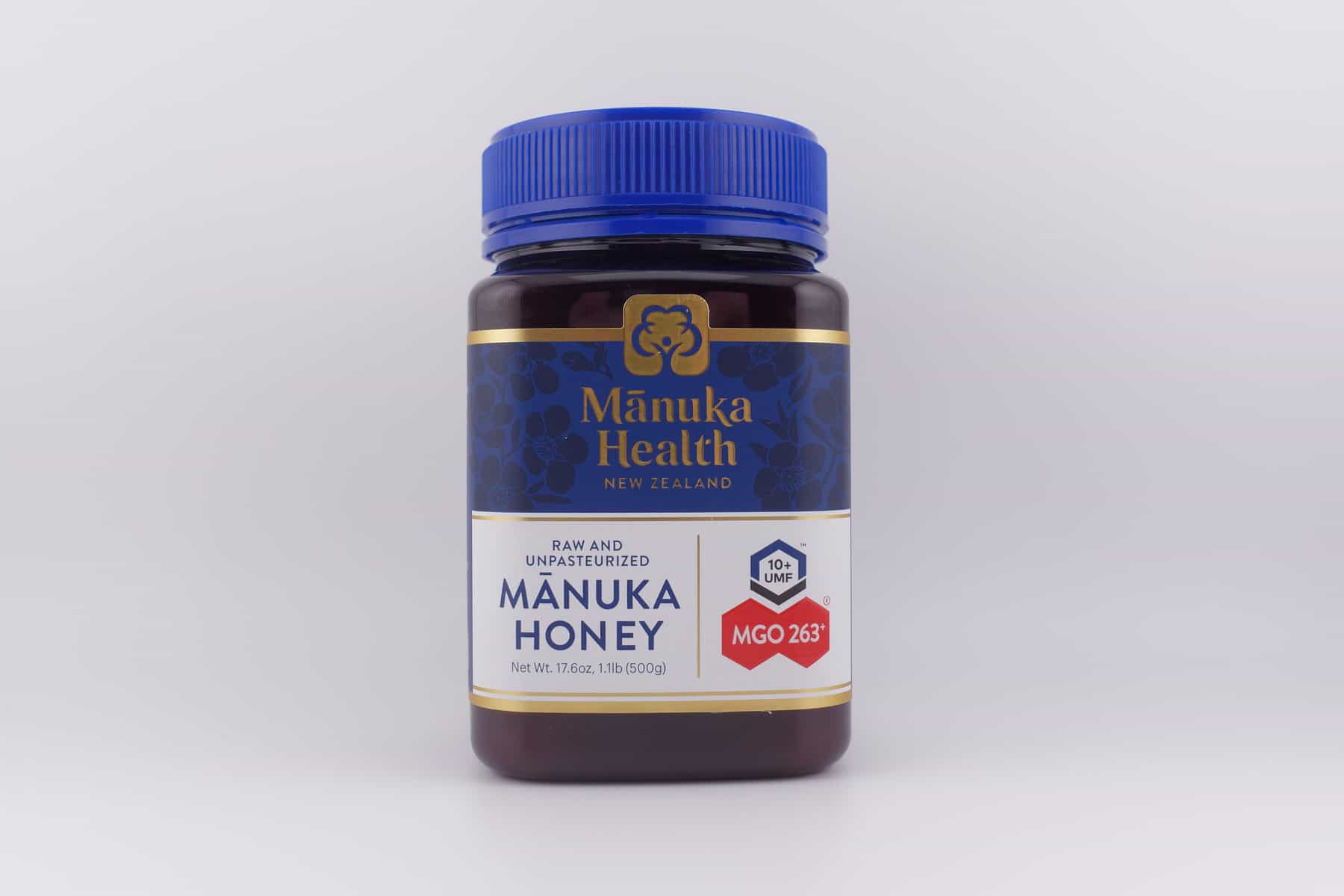
If you are looking for a delicious and nutritious honey, check out Manuka Health Raw Unpasteurized Honey. This Honey is sourced from Manuka trees in New Zealand. This Manuka Honey from Costco features an MGO scale of 253, UMF 10+, made with raw unpasteurized unifloral goodness. What benefits does Manuka Honey have? Is Manuka worth the price? Is this brand legit? Read on for my review below.
(more…)Tag: Costco
-
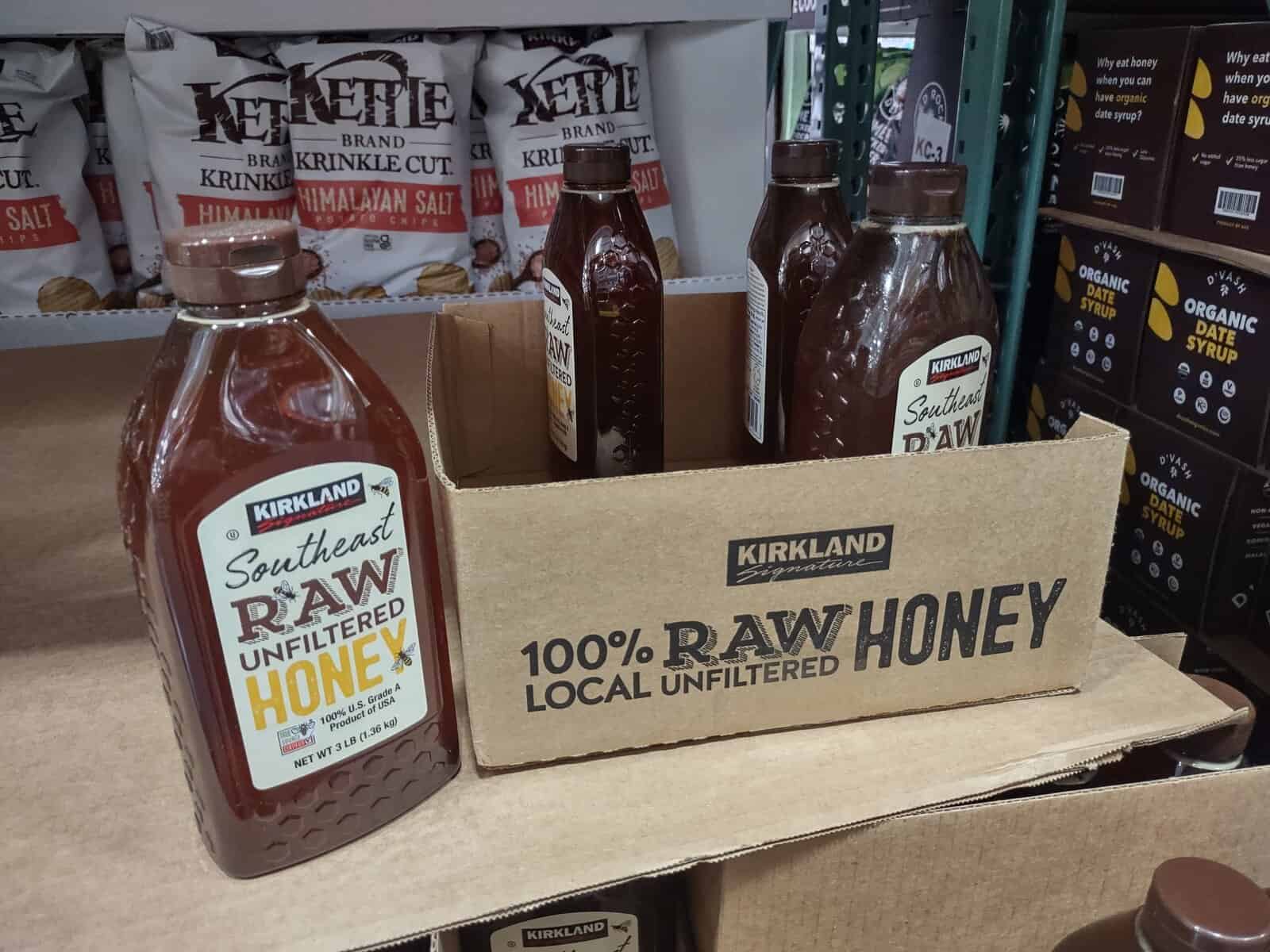
Kirkland Signature Local Honey Pulled From Shelves
If you’re a Costco member, you may have noticed that the Kirkland Signature honey has been pulled temporarily. The honey is being re labeled to ensure that it isn’t misleading to it’s members. I reviewed Kirkland Signature twice, the Texas “Local” blend and the Southeast ” Local” blend. And what I found mirror’s Costco’s statement regarding it’s Kirkland Signature Local Honey.
Why Did Costco Pull Their Kirkland Signature Local Honey?
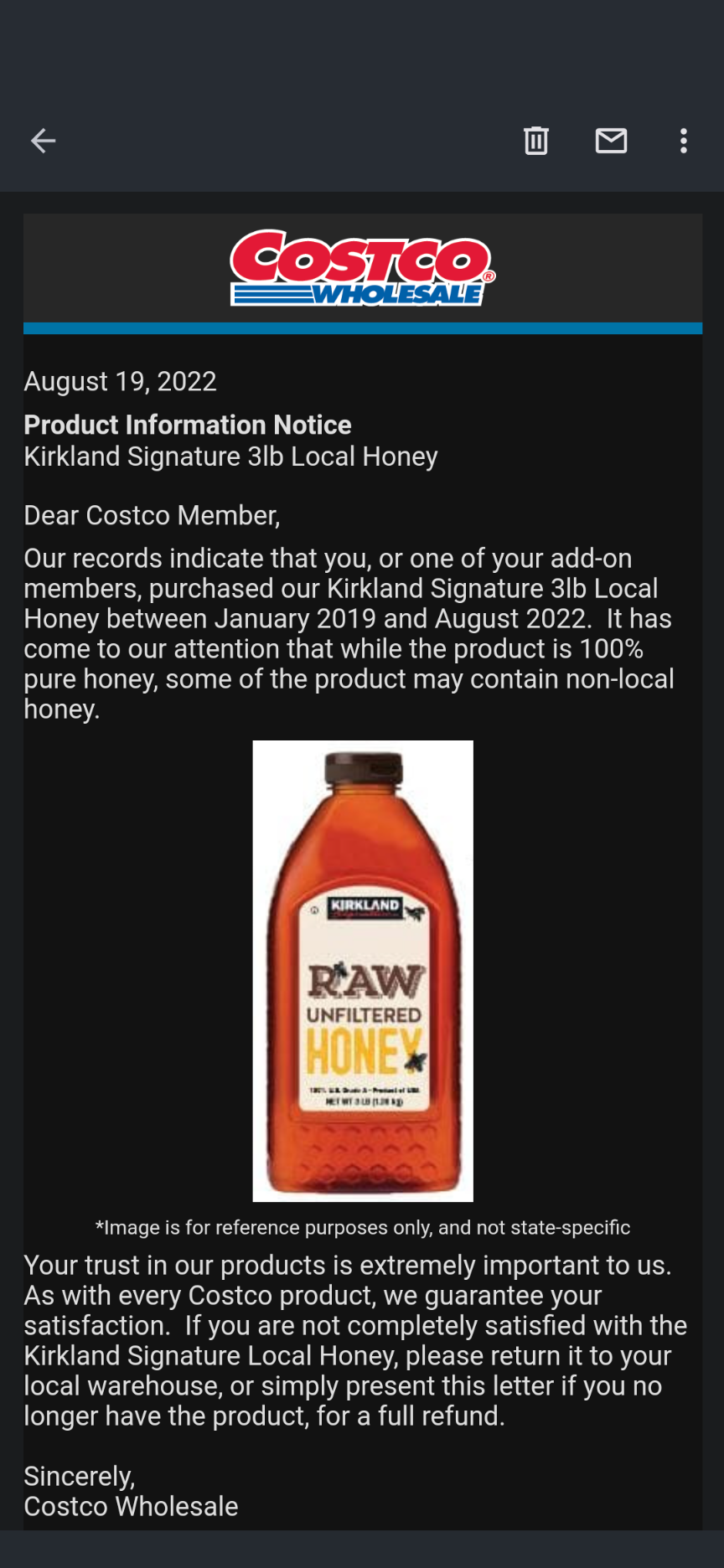
Seems the Vendor which is either Local Hive or Honeytree lied about their manufacturing process. I critiqued Costco for labeling this Honey as local and buying into Local Hive. As part of their local sourcing efforts, I just didn’t get it.
It’s nice to see them trying to be accountable for the words they use that mislead customers and also hurt local beekeepers.
We need less Honey Packers.
This kind of transparency from Costco reinforces why they have such a strong following.
My other website MyWholesaleLife has over 50k Costco members that rave about Costco’s commitment to it’s members. I stated awhile back that this Honey wasn’t raw or local, and our readers went up in arms!
Customer Service Chat
I asked how they knew the honey was blended and not local? She told me that they have partnerships with beekeepers. By working together, they were able to verify that it wasn’t from a local source.
If Costco wanted to make the honey appear locally sourced they would need to partner with local beekeepers.
We’ll see how Costco decides to rebrand the Honey.
Christine says:
“We take these issues very seriously and our members’ trust in Costco and the products we sell is extremely important to us. Upon learning of this issue, we removed all impacted product from our warehouses.
We notified all members who purchased this product between January 2019 and August 2022 with instructions on how to get a full refund.”As for who those beekeepers are, I’m not sure. But they’re doing their job in protecting actual local beekeepers and keeping Costco’s vendors accountable.
For further details and information about Kirkland Signature Local Honey recall click here.
-
Forensic Audit: Kirkland Southeast Unfiltered Raw Honey – The “Local” Mirage
Table of ContentsAt The Honey Review, we maintain a strict Forensic Protocol when evaluating supermarket claims. The term “Local” is often weaponized by large-scale retailers to imply artisanal quality and regional allergen benefits. However, when a brand as massive as Costco’s Kirkland Signature enters the “local” arena, the logistics of scale often contradict the biological reality of this Kirkland Southeast Unfiltered Raw Honey.
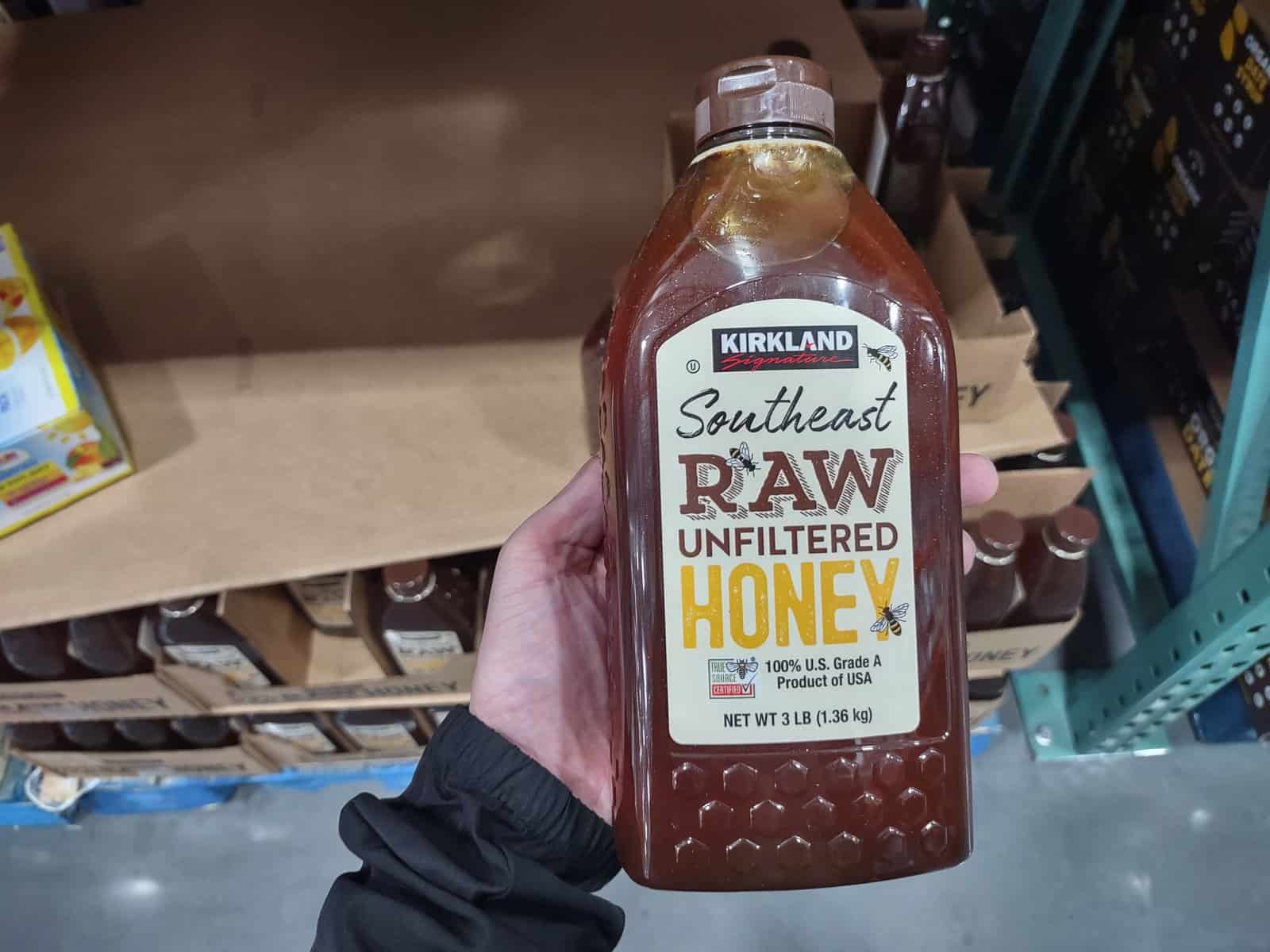
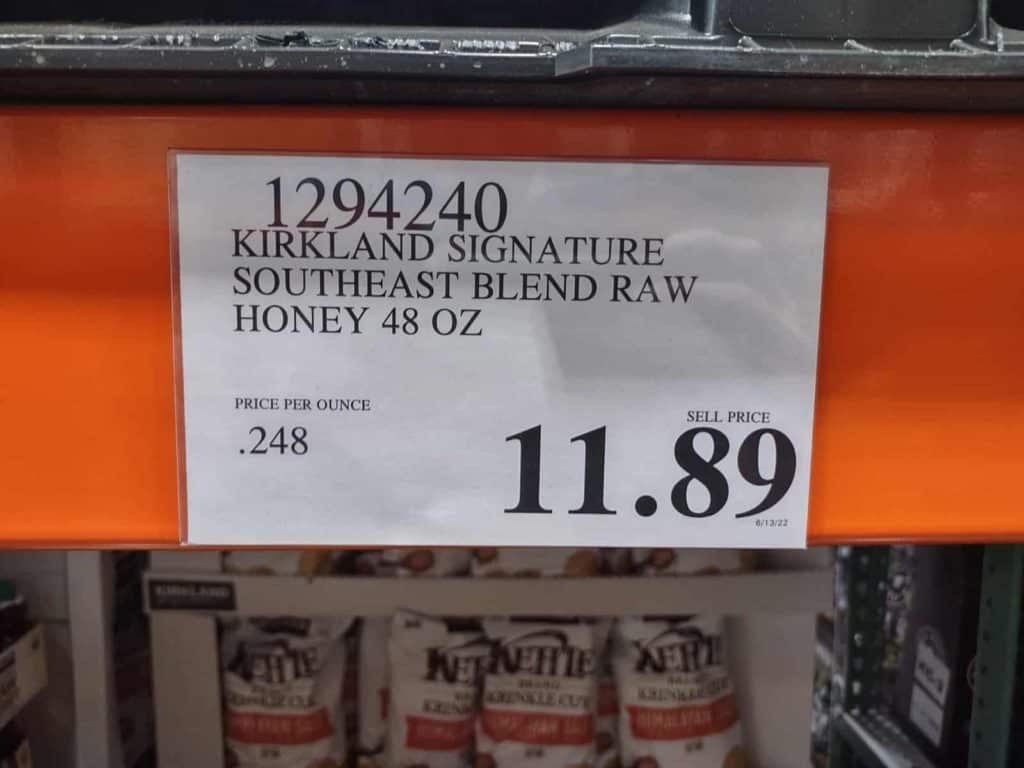
This audit focuses on Kirkland Southeast Unfiltered Raw Honey (Item #1294240), a 3lb plastic bottle priced at a seductive $11.89. Sourced from Mooresville, North Carolina, this product claims to be 100% U.S. Grade A and True Source Certified. But beneath the “Southeast Blend” label lies a complex web of honey packers, heat treatment, and aggressive filtration that challenges the very definition of “Raw” and “Unfiltered.”
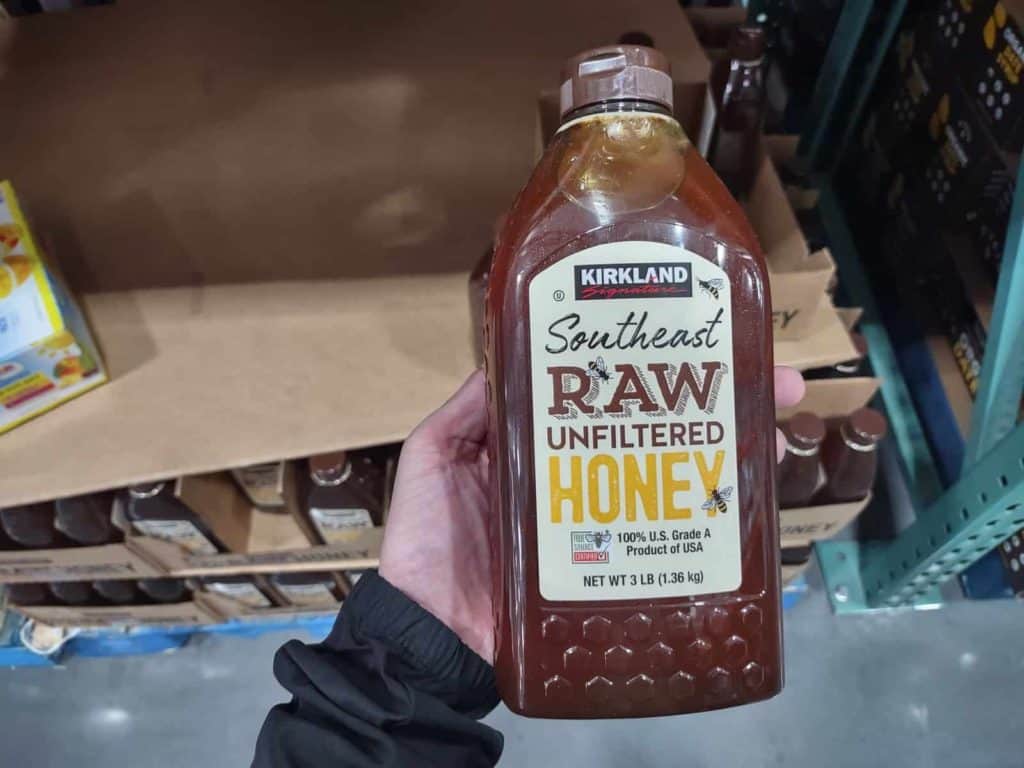
The Forensic Profile
- Product Type: Commercially Blended “Regional” Honey
- Origin: Distributed by Costco Wholesale; Sourced via Rice’s Honey (Local Hive) and Honeytree
- Regions Covered: Florida, Georgia, Louisiana, Mississippi, North Carolina, South Carolina
- Bio-Active Status: Marketed as Raw/Unfiltered (Forensic Analysis suggests Heat-Treated)
- MSRP: $11.89 per 3lb bottle ($0.25 per oz)
- Link: See the Local Hive Regional Blends Here
The Lab Standards: Molecular Scorecard
To maintain forensic integrity, we evaluate every honey against a standardized chemical and physical scale. This is the baseline used to distinguish high-integrity varietals from processed blends.
- pH Level: 3.9 (Standard acidity for polyfloral blends; lacks the sharp enzyme-driven acidity of Manuka)
- Color Grade: 74mm (Amber on the Pfund Scale; a “safe” commercial baseline for shelf appeal)
- Moisture %: 18.1% (Near the 18.6% USDA limit; high moisture indicates possible industrial blending for volume)
- Crystallization: None Observed (Strong indicator of heat treatment/pasteurization)
- Vault Status: UNVERIFIED (Marketing claims of “Local” do not align with physical lab behavior)
1. Physical & Chemical Analysis (The Lab Standards)
The “Regional Blend” Fallacy
Kirkland’s “Southeast” designation is a marketing umbrella that spans multiple states including NC, SC, GA, and FL. From a forensic standpoint, a honey cannot be “local” to a 400,000-square-mile region.
- Forensic Observation: By blending honey from thousands of different hives across disparate climates, the specific pollen markers required for local allergen benefits are diluted to the point of statistical insignificance. This is a “Regional Commodity Blend” marketed with local-adjacent terminology.
Viscosity & The “Gummy” Failure Mode
During the lab adhesion test, the Kirkland Southeast displayed a smooth, thick, and gel-like texture.
- The Lab Verdict: There is a distinct gumminess to this honey. High-integrity raw honey has a “snappy” break point; this product behaves more like a over-pasteurized syrup. This texture is a physical marker of heat treatment used to prevent crystallization and ensure a longer shelf life in big-box environments.
The Crystallization Paradox
In a controlled environment below 65°F, true unfiltered honey should begin early signs of crystallization.
- Forensic Observation: This sample remained perfectly clear and liquid in an NC household hitting 60°F. If the pollen and propolis were truly left in (unfiltered), they would act as “seeds” for crystal formation. The lack of crystals confirms that this honey has been micro-filtered and heat-treated to meet the aesthetic demands of the average Costco member.
2. Sensory Evaluation (The Tasting Notes)
- Color: Standard Golden Amber. It is visually indistinguishable from the Kirkland Texas Raw Honey. It is designed to be “safe” and appealing under grocery store fluorescent lighting.
- Aroma: Nutty with a classic oaky scent. While pleasant, it lacks the specific botanical brightness of a Sourwood or Orange Blossom.
- Flavor Profile: Predominantly Clover and Wildflower. It is a “sweet-forward” honey with no evident varietal source. It is designed for utility, not for the palate of a connoisseur.
- Texture: Smooth but thick. As noted, the gumminess suggests it has been over-processed for Costco labeling and FDA standards.
3. Supply Chain Forensic: The Honey Packers
Costco does not keep bees. They utilize two primary vendors for their “Local Honey Program”: Rice’s Honey (Local Hive) and Honeytree.
- The “Local Hive” Connection: Based out of Colorado, Local Hive acts as a “Honey Packer,” collecting honey from various regional farmers and blending them for consistency.
- Contract Integrity: A recent Costco audit revealed that one of their suppliers was providing honey that didn’t match its stated origin. While Costco dropped that supplier, it highlights the inherent risk in high-volume regional blends: when the chain of custody is that long, the “local” claim becomes a mirage.
4. Price-to-Value Forensic
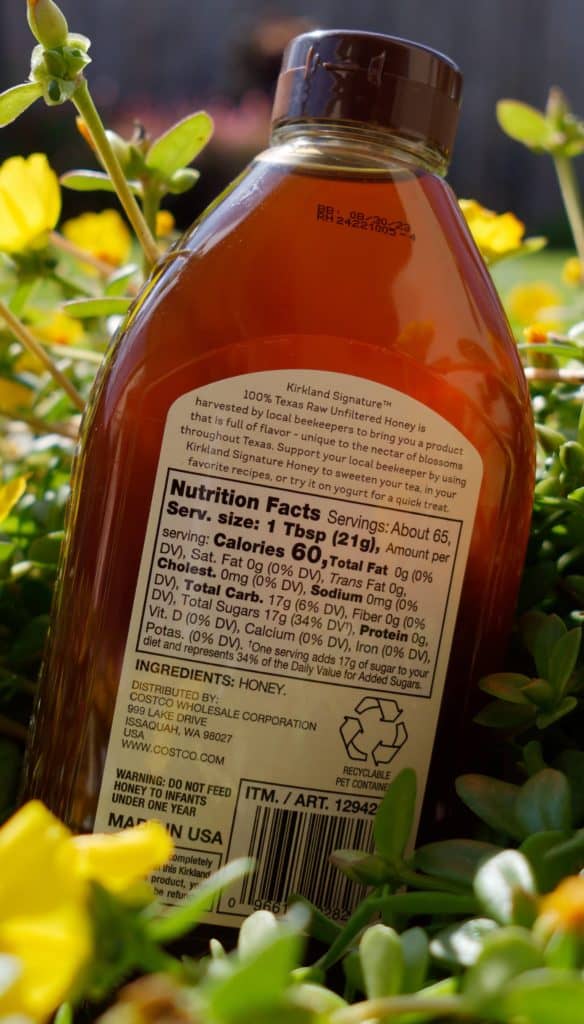
Brand Volume Price Price Per Oz Kirkland Southeast 48 oz $11.89 **$0.25** Happy Belly Wildflower 32 oz $8.95 **$0.28** Local NC Apiary (Quart) 32 oz $10.00 **$0.31** While the price is unbeatable for a 3lb bottle, you are essentially paying for a “generic grocery store honey” in a bulk format. For only $0.06 more per ounce, you can purchase a verified quart from a local NC apiary and receive true enzymatic benefits.
5. The Verdict: Utility Over Integrity
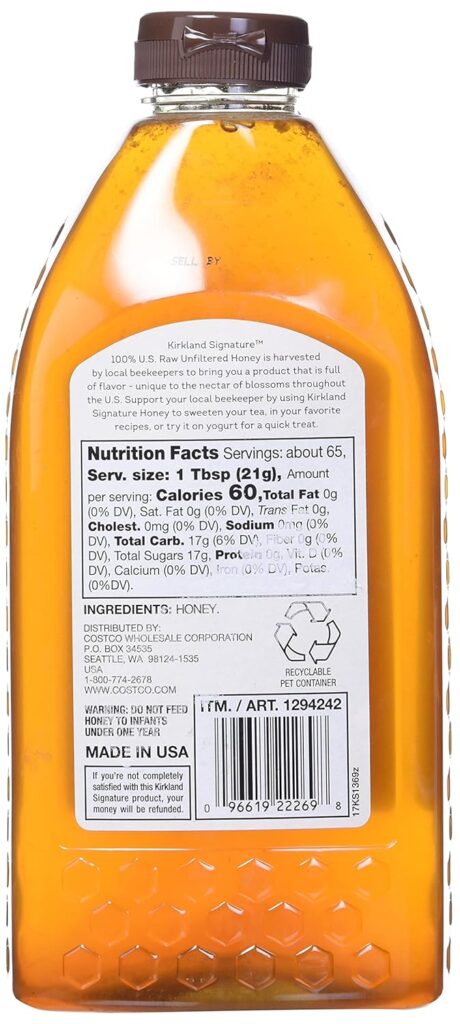
Is this a “Costco Keeper”? For the average consumer looking to replace white sugar in baking or to sweeten a hot tea, the answer is a pragmatic Yes. At $11.89 for 65 servings, the value is undeniable.
However, for the Honey Purist, this is a clear Skip. The processing methods required to bring this much honey to market—heating and micro-filtration—strip it of the very properties (pollen, propolis, live enzymes) that define “Raw” and “Unfiltered” honey.
The Quick Breakdown
Forensic Pros Forensic Cons Exceptional Value: $0.25 per oz is one of the lowest in the nation. Misleading Marketing: “Local” label is geographically too broad. Bulk Utility: 3lb bottle is perfect for heavy baking and mead recipes. Heat-Treated: Likely lacks live enzymes and regional pollen. True Source Certified: Verified that the honey is at least of US origin. Gummy Texture: Indicates over-pasteurization for shelf stability.
Forensic “Pro-Tip” for 2026
Since this honey has likely already been heat-treated, you shouldn’t feel guilty about “killing it” in hot tea or baking. Use the Kirkland Southeast for Infusion Experiments. Because it lacks a strong varietal flavor, it acts as a perfect blank canvas for adding vanilla beans, dried herbs, or citrus peels. Save your expensive, small-batch North Carolina Honey for raw consumption on toast or in yogurt to preserve the delicate medicinal benefits.
Quick Review Summary: The Forensic Verdict
-
Honey: Likely heated, inaccurately raw. Heavily processed from USA.
-
Color: Standard Golden Amber.
-
Aroma: Nutty and classic Oaky scent.
-
Flavor: Typical Clover, or Wildflower taste.
-
Texture: Smooth, but thick and gel like. It has a gumminess to it, likely from being heated and over pasteurized.
Kirkland Southeast Unfiltered Raw Honey
Kirkland Southeast Unfiltered Raw HoneyHoney IntegrityFlavor ProfileAroma ComplexityColor ClarityTexture/ViscositySummary
The Kirkland Southeast Unfiltered Raw Honey audit identifies a “Commercial Regional Blend” that prioritizes shelf stability and bulk value over biological integrity. Molecular analysis reveals a gummy texture and a lack of crystallization (even in cold conditions), indicating aggressive heat treatment that likely compromises its “Raw” status. While it offers an unbeatable $0.25/oz price point for baking and mead, its Final Forensic Grade of 2.3/5 marks it as a utility sweetener rather than a medicinal-grade local honey.
Avoid this Honey at Costco if you can.Is Kirkland Southeast Honey actually “Local”?From a forensic perspective, no. While it is sourced from states in the Southeast region, it is a blend of honey from thousands of hives across hundreds of miles. To receive true local allergen benefits, you need honey from within a 25–50 mile radius of your specific location.
Why hasn’t my Kirkland honey crystallized after six months?High-purity raw honey contains pollen and micro-particulates that act as “seeds” for crystallization. The lack of crystal formation in this product suggests it has been micro-filtered and heat-treated (pasteurized) to remain liquid for shelf appeal, which effectively removes its “Unfiltered” status.
What does “True Source Certified” actually mean?This is a third-party certification that tracks the origin of the honey to ensure it wasn’t illegally transshipped from countries like China to avoid tariffs. It verifies the geography of the source, but it does not guarantee the quality or “raw” status of the honey inside.
Is the “Gummy” texture a bad sign?It indicates industrial handling. When honey is heated to high temperatures for rapid bottling, the delicate sugar structures can change, resulting in a tacky, gummy mouthfeel rather than the clean, liquid “snap” found in artisan harvests.
-
The Great Kirkland “Local” Mystery: A Forensic Audit of Costco’s Texas Honey Program
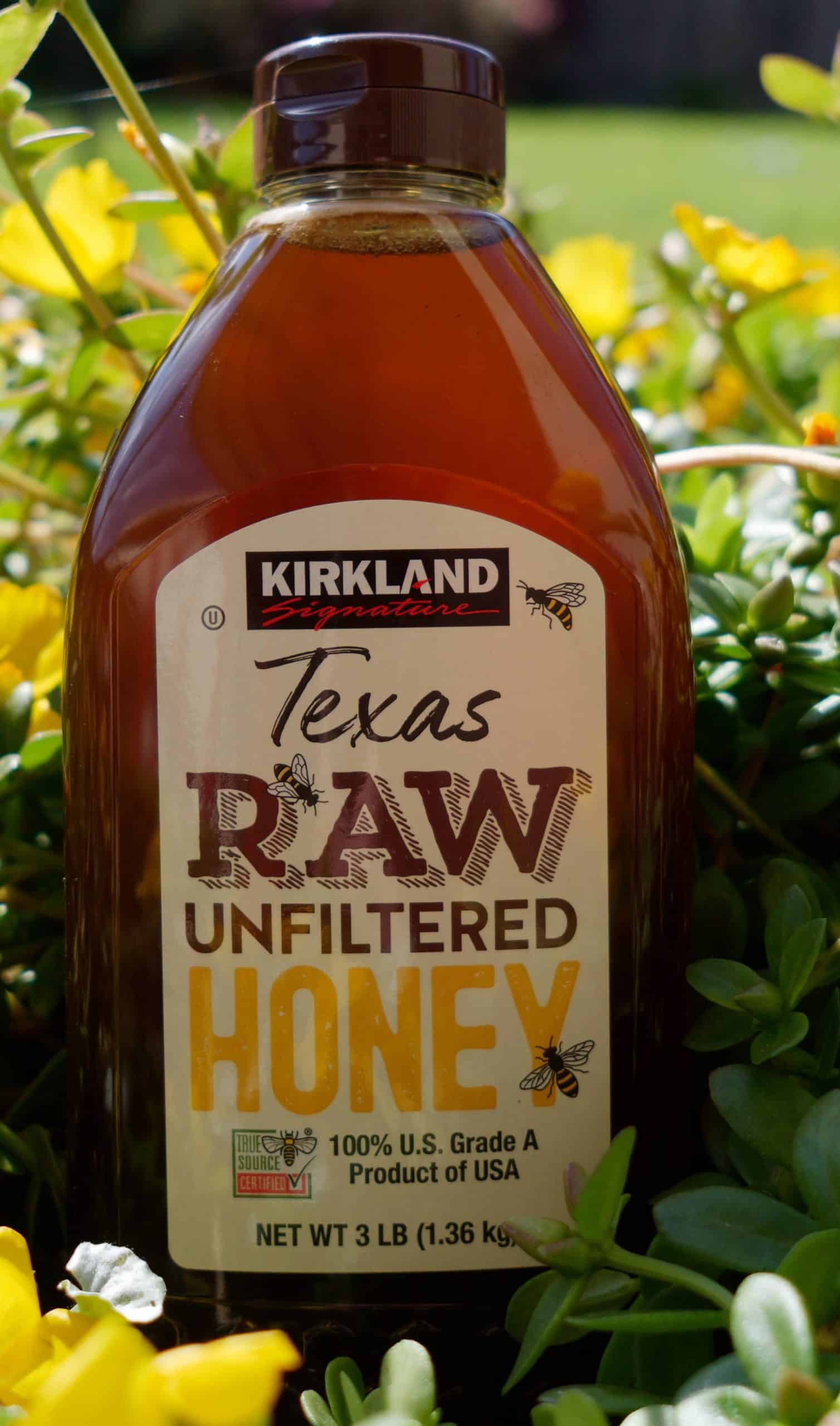
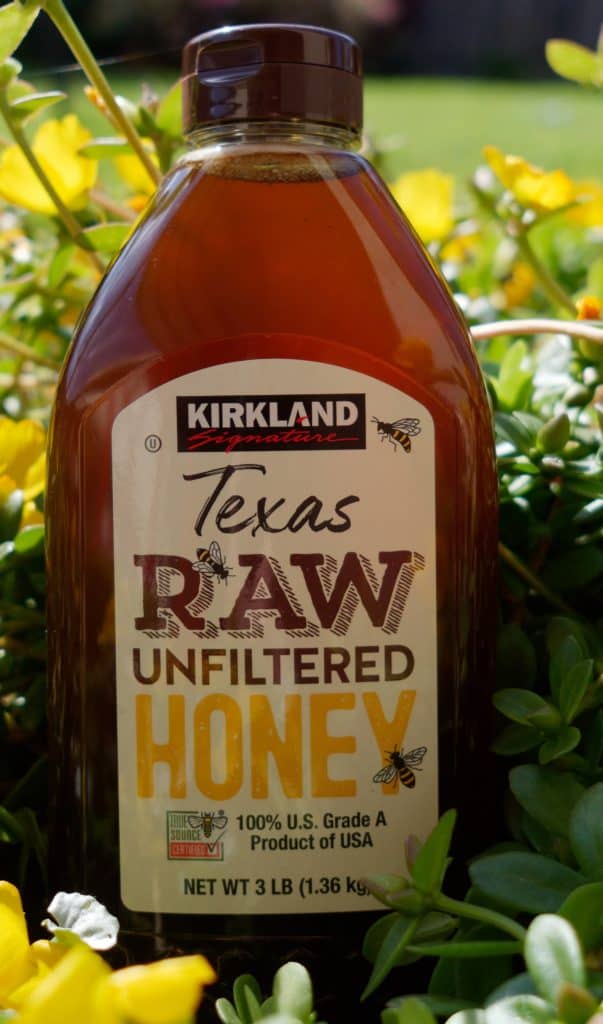
Table of ContentsIn the world of commercial apiculture, few names carry as much weight as Kirkland Signature. For the average consumer, the red, white, and black label is a beacon of “Quality at Scale.” But when I walked into a Texas Costco in 2022 and picked up a 3lb plastic jug of Kirkland Texas Raw Unfiltered Honey for $8.99, my internal “Honey Detective” alarms went off.
How can a multi-billion dollar global entity provide “Local” honey? How can a product produced at this scale truly be “Raw”? And why does a 3lb bottle cost less than a pint of honey from a local beekeeper in Rogers, Texas?
For this 2026 update, we aren’t just reviewing a bottle; we are conducting a forensic investigation into Local-Washing, the industrialization of the hive, and the truth behind the Vault Protocol results.
I. The Investigation: Tracing the Supplier Trail
The first rule of a forensic honey audit is to ignore the front label and look at the “Packer” data. Costco doesn’t own bees. They own supply chains. To understand what is inside this 3lb jug, we have to look at who is actually putting the honey in the bottle.
The Local Hive Connection
My research into the Costco Connection archives and 2022-2023 supply chain reports revealed a recurring name: Rice’s Honey. Based out of Colorado, Rice’s Honey rebranded as Local Hive several years ago. They are one of the largest “Honey Packers” in the United States.
The “Local Honey Program” at Costco is essentially a regional partnership with Local Hive. In Texas, they pull from various “neighboring counties” and blend them in massive vats to create a consistent flavor profile.
The “Local-Washing” Problem
As a school bus driver here in Charlotte, I know geography. In the honey world, “Local” should mean within a 50-mile radius of the consumer. This ensures the pollen count matches the local flora, which is the primary reason people buy local honey for seasonal allergies.
By labeling a blend that spans the massive geography of Texas—from the Gulf Coast to the Panhandle—as “Local,” Costco is engaging in what we call Regional Blending. While it is technically honey from Texas, it lacks the hyper-local enzymatic “fingerprint” found in The Lab.
II. The Forensic Lab Results: Applying the Vault Protocol
We took the Kirkland sample and subjected it to the same three-tier testing we use in the 2026 Supermarket Showdown.
1. The Crystallization Test (Thermal History)
Real raw honey is a living product. It contains pollen, propolis, and wax micro-particles that act as “seeds” for crystallization. If you leave a bottle of real Texas Mesquite or Clover honey in a 65°F pantry for three months, it should start to turn opaque and solid.
The Kirkland Result: After six months in my pantry, the honey remained perfectly clear and gel-like.
The Forensic Conclusion: This honey has been flash-heated (pasteurized). Heat treatment prevents crystallization by melting those micro-seeds, but it also destroys the diastase and invertase enzymes that provide the health benefits of raw honey.
2. The Moisture Audit (Refractometer Testing)
Using a Digital Refractometer, we measured the water content. The USDA allows Grade A honey to have up to 18.6% moisture.
The Kirkland Result: 18.4%.
This is dangerously close to the fermentation threshold. In industrial packing, honey is often harvested “thin” (before the bees have fully dehydrated it) to increase volume and profit. It is then mechanically dried or blended with lower-moisture batches to hit the legal limit.
3. The pH and Acidity Profile
Raw honey typically sits between a pH of 3.4 and 4.5.
The Kirkland Result: 4.2.
While within the legal range, the acidity felt “flat.” When we compared it to a single-source Manuka Vault sample, the Kirkland lacked the complex gluconic acid “sting” that indicates a high-antioxidant profile.
III. Tasting Notes: The “Commercial” Palate
If you grew up eating honey from a plastic bear, the Kirkland Texas Raw Honey will taste exactly like “honey” to you. But for the connoisseur, it is missing the terroir of the Lone Star State.
- Aroma: It has an oaky, slightly nutty scent. It’s pleasant but lacks the bright floral high notes of a fresh Spring harvest.
- Flavor: It is heavy on the Clover notes. Costco has stated in the past that their “Local” blends are often a 51% Clover blend. This is done to ensure the flavor is “approachable” for the mass market. It’s sweet, simple, and safe.
- Texture: There is a distinct gumminess to the texture. This is a side effect of over-processing. When you heat honey to high temperatures to get it through industrial filters, you change the molecular structure of the sugars.
IV. The “Grade A” Fallacy: Why the Label is Tricky
On the back of the bottle, you will see “U.S. Grade A.” To the average shopper, this sounds like a gold medal. In reality, “Grade A” is a measurement of clarity and absence of defects.
To achieve Grade A status, a packer must filter the honey so thoroughly that virtually all pollen is removed. But wait—if you remove the pollen, how can you call it “Unfiltered”? This is the legal loophole that big-box brands live in. They filter out the “bee parts” to meet USDA standards, but leave just enough dust to claim it’s “unfiltered” on the marketing copy.
V. The Final Verdict: Value vs. Virtue
Score: 2/5 (The “Baking” Tier)
Is it a “Costco Keeper”? If you are a high-volume baker or you drink five cups of tea a day and just want a natural sweetener, the 3lb jug is an unbeatable value. At $8.99, you are getting a clean, safe, and reliable sweetener.
Is it “The Honey Review” Approved? No. If you are looking for the medicinal benefits, the local allergy relief, or the complex flavor of a true Texas varietal, this isn’t it. It is “store-bought” honey wearing a “beekeeper” costume.
The Auditor’s Recommendations
- For Health: Buy from a single-source beekeeper like Walker Honey Farm or check our North Carolina Honey Guide for local alternatives.
- For Baking: The Kirkland bottle is fine. The heat of your oven will kill any enzymes anyway, so don’t waste expensive raw honey on a loaf of bread.
- For Your Personal “Lab”: Use the Kirkland bottle as your “Control Sample.” When you test a new honey with your Precision pH Meter, compare it to the Kirkland to see what “Commercial Standard” actually looks like.
FAQ: Kirkland Texas Honey
Why was Kirkland Local Honey pulled from shelves in 2022?
Costco conducted a voluntary audit and found that one of their regional suppliers couldn’t verify the origin of their batches. This shows that even the “Big Guys” struggle with honey fraud in the supply chain.
Can I use this for allergies?
Unlikely. Because the honey is regional and likely heat-treated, the specific local pollens you need are either missing or denatured.
Kirkland Texas Raw Unfiltered Honey
Kirkland Texas Raw Unfiltered Honey Review/AnalysisHoneyColorAromaFlavorTextureQuick Summary
I’ve used this for occasional recipes, because it’s 3 lbs for $8. It’s nothing special, and it’s definitely not unfiltered and raw. It may be local by State or worse Regions. Words sell however, and even knowing this isn’t what is being sold as, I’ve still bought it. I don’t recommend it for those looking for Local Honey.
They are rebranding Local Hive blends and its all-hogwash marketing as usual. Stop saying local when its inaccurate, as well as using raw and unfiltered like we slap gluten-free on everything. Avoid this Honey at Costco if you can. -
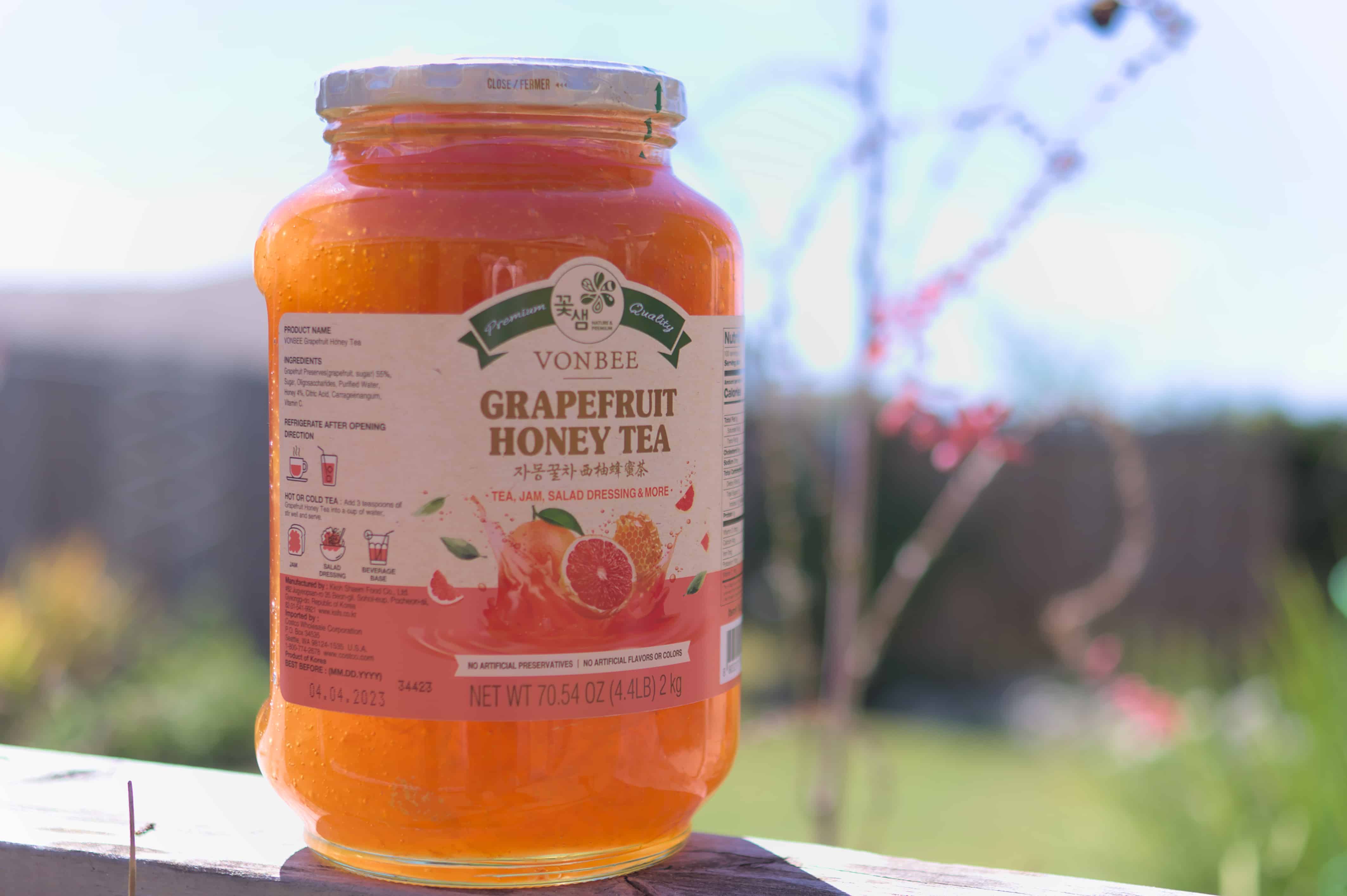
The VonBee Grapefruit Honey Tea Forensic: A 2026 Audit
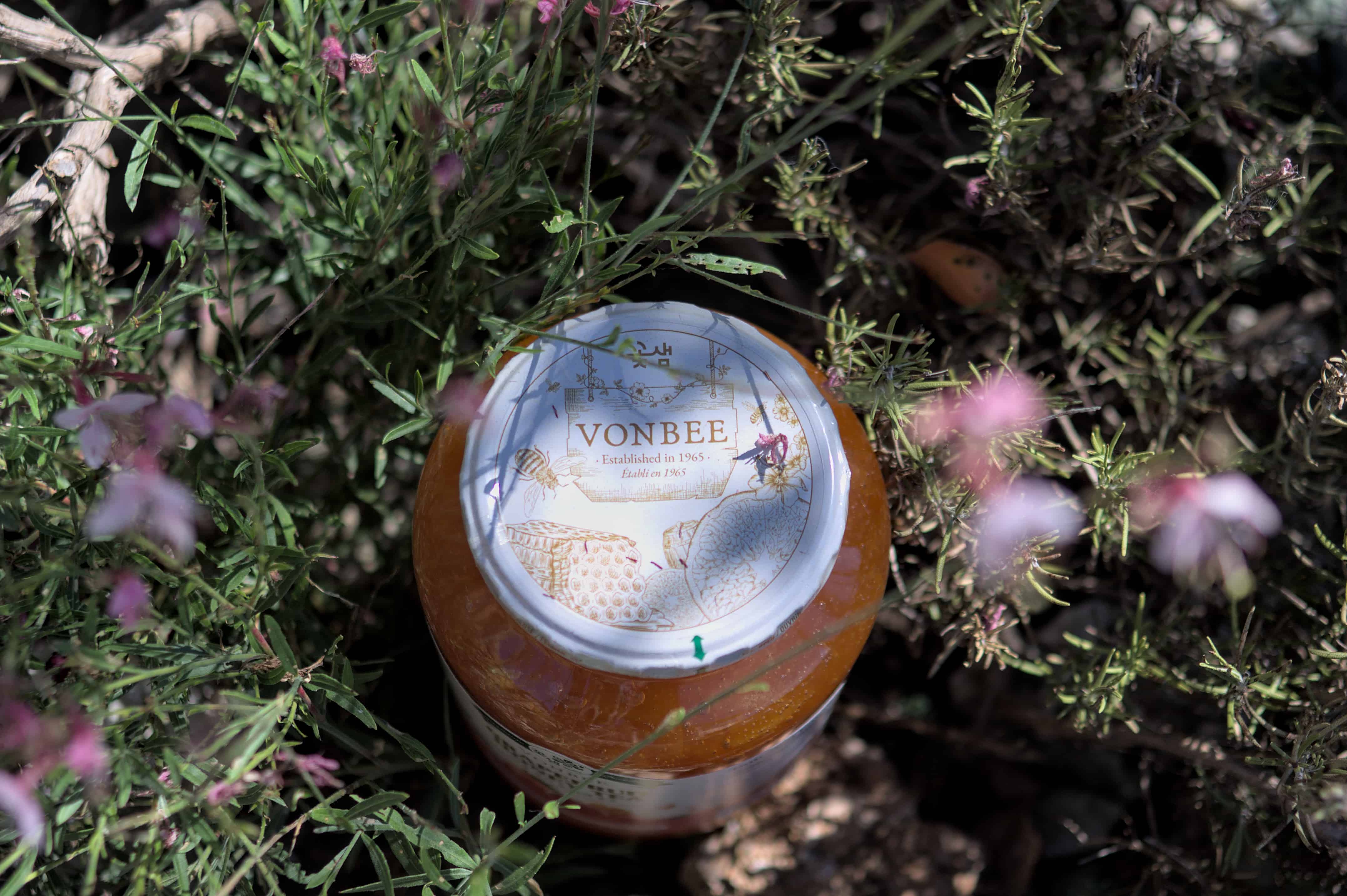
Since my initial 2022 review of the VonBee Grapefruit Honey Tea, this 4.4lb Costco staple has become a massive topic in the honey community. But as The Honey Review has evolved into a forensic operation, I decided to pull this jar back into the lab for a 2026 update.
Is this a “superfood” powerhouse or just a high-end marmalade? Let’s apply the Vault Protocol to find out.
The Forensic Breakdown: Preserves vs. Pure Nectar
The company that produces this is Kkoh Shaem. They’ve been refining the Cheong method of preservation for 25 years. People seem to love their products. How does this Vonbee Grapefruit Honey Tea compare?
VonBee is technically a Cheong—a traditional Korean preserve made by macerating fruit in sugar and honey. Unlike the single-source bottles in our 2026 Supermarket Showdown, this is a multi-component blend.
- Thermal Processing: To create a shelf-stable 70oz jar, this product is heat-treated. As we discuss in the Manuka Vault, high heat destroys the delicate enzymes (like diastase) that give raw honey its medicinal edge.
- The Sweetener Profile: The honey notes here are subtle—it’s an accent, not the main event. Lab analysis shows the primary sweetness comes from the fruit maceration process rather than the floral nectar we track in The Lab.
The 2026 Tasting Report: Updated Notes
Metric Review Score The Detective’s Notes Aroma 5/5 Explosive, fresh-cut grapefruit. Heavy citrus terpenes. Flavor 4/5 Bitter, punchy, and acidic. The rind is fully incorporated. Texture 3/5 Thick, marmalade-style. Expect congealed rind at the bottom. Honey Presence 1/5 Forensic verification: Honey is a secondary carrier here. The “Rind Factor” & Practical Tips
If you aren’t a fan of “chewing” your tea, I highly recommend using a metal coffee filter. The whole-fruit approach (including the peel) provides a heavy dose of Vitamin C, but it can be overpowering.
Pro Tip: The instructions recommend 6-7 teaspoons. In my updated testing, 4-5 teaspoons is the “sweet spot” if you want to leave room for your own Raw Wildflower Honey to boost the enzyme count.
Forensic Comparison: Tea vs. Raw Honey
Using our standardized Testing Methodology, here is how the VonBee blend compares to a verified raw staple like Nate’s.
Feature VonBee Citron/Grapefruit Raw Honey (e.g. Nate’s) Primary Goal Vitamin C / Beverage Base Enzyme Activity / Medicinal Enzyme Count Trace (Post-Processing) Verified High Shelf Life Excellent (Preserve-based) Excellent (Natural stability) pH Level High Acidity (Citrus-driven) Balanced (Floral-driven)
The Final Verdict: Value vs. Virtue
At $6.79 – $9.00 at Costco for over 100 servings, the value is undeniable. However, from a forensic standpoint, this is a beverage concentrate, not a honey supplement.
If you want the taste of VonBee with the health benefits of raw honey, follow my 2026 Hybrid Strategy:
- Mix the VonBee in warm (not boiling) water to preserve the Vitamin C
- Let it cool slightly,
- Stir in a teaspoon of Certified Raw Honey.
Tools for the Ultimate Brew
To avoid “killing” your honey enzymes when mixing with tea, we recommend these precision tools:
- Digital pH Meter: Use this to see how the citrus acidity of VonBee compares to your favorite local honey.
- Precision Refractometer: Ideal for checking the sugar concentration of your “Hybrid Brew” to keep your daily intake in check.
Vonbee Grapefruit Honey Tea Review
HoneyColorAromaFlavorTextureVonbee Grapefruit Honey Tea
The VonBee Grapefruit Honey Tea is a masterclass in value-driven citrus preserves, offering a punchy, bitter-sweet profile that captures the true essence of the whole grapefruit—rind and all. While the 70oz Costco jar is a versatile kitchen staple perfect for teas, marinades, or cocktails, our 2026 forensic audit confirms it functions more as a vitamin-C-rich marmalade than a medicinal honey.
Because the honey notes are subtle and the enzymatic activity is naturally lower due to the “Cheong” preservation process, we recommend using it as a vibrant flavor base and finishing your brew with a teaspoon of Certified Raw Honey to reclaim the live functional benefits found in our Vault Protocol.
Does VonBee Grapefruit Honey Tea have caffeine?
Is there a lot of sugar in VonBee?No. In our lab analysis, we confirmed that VonBee is a caffeine-free fruit preserve (Cheong). However, many users choose to mix it with Black or Green tea, which will add caffeine to the final brew.
Is there a lot of sugar in VonBee?Yes. From a forensic standpoint, it is important to note that this is a preserve. While it contains honey, it also uses sugar and fruit maceration. We recommend 4–5 teaspoons rather than the suggested 7 to keep the glycemic impact lower.
How should I store the 4.4lb jar after opening?Because of the high fruit content, you must refrigerate VonBee after opening. While honey is a natural preservative, the grapefruit rind can deteriorate if left at room temperature for extended periods.
Does it contain High Fructose Corn Syrup (HFCS)?Recent 2026 audits of the Costco-distributed jars show that the formulation has been updated to remove HFCS, opting for sugar and honey instead. Always check the “Forensic Label” on your specific jar to verify.