- Forensic Audit: Manuka Health – The MGO Bio-Active Protocol
Forensic Audit: Manuka Health – The MGO Bio-Active Protocol
In the global honey market, Manuka is the most scrutinized and frequently adulterated varietal in existence. While The Honey Review typically audits regional wildflowers like Texas Honey, Manuka Health requires a higher-tier Forensic Protocol focused on pharmaceutical-grade phytochemicals.
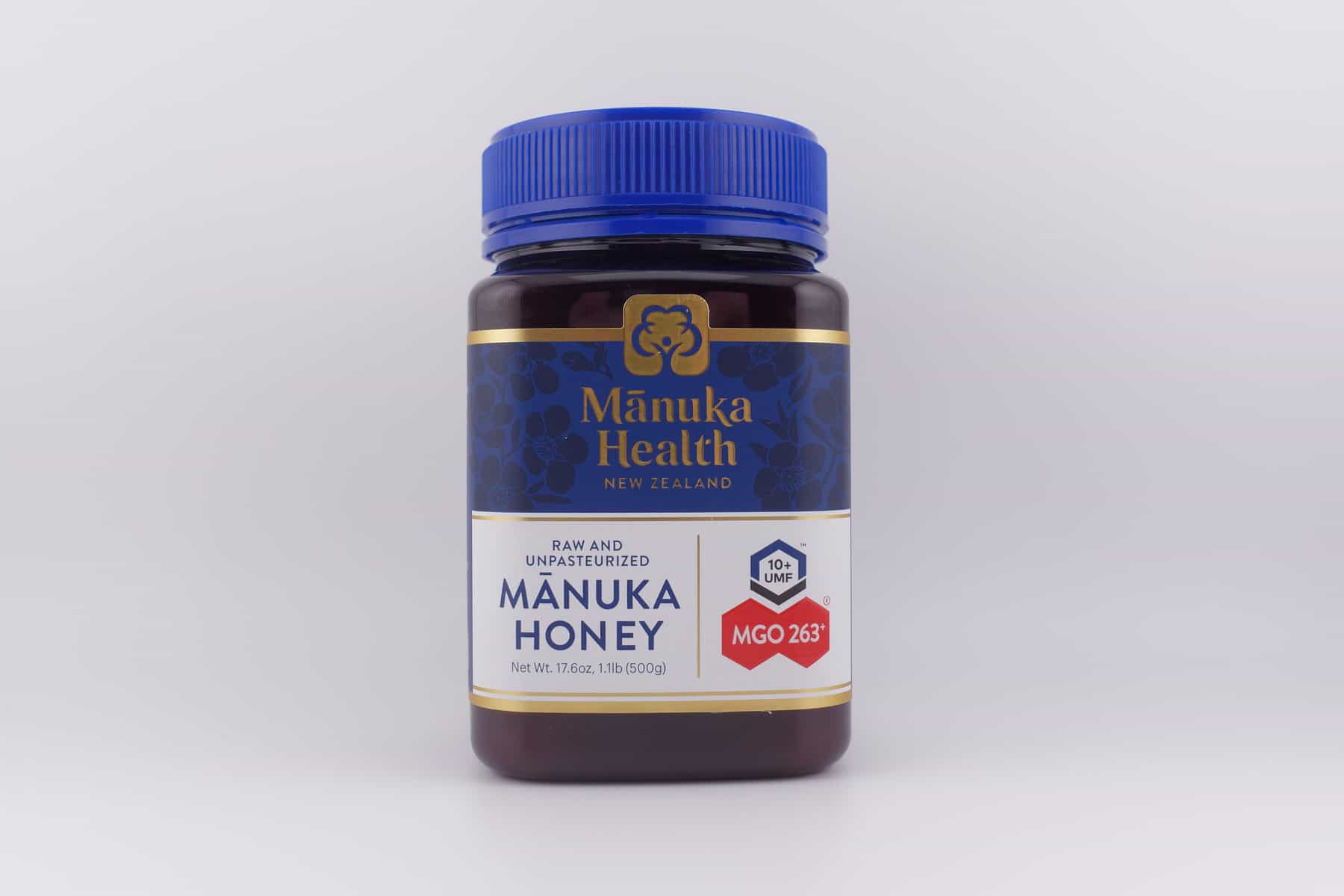
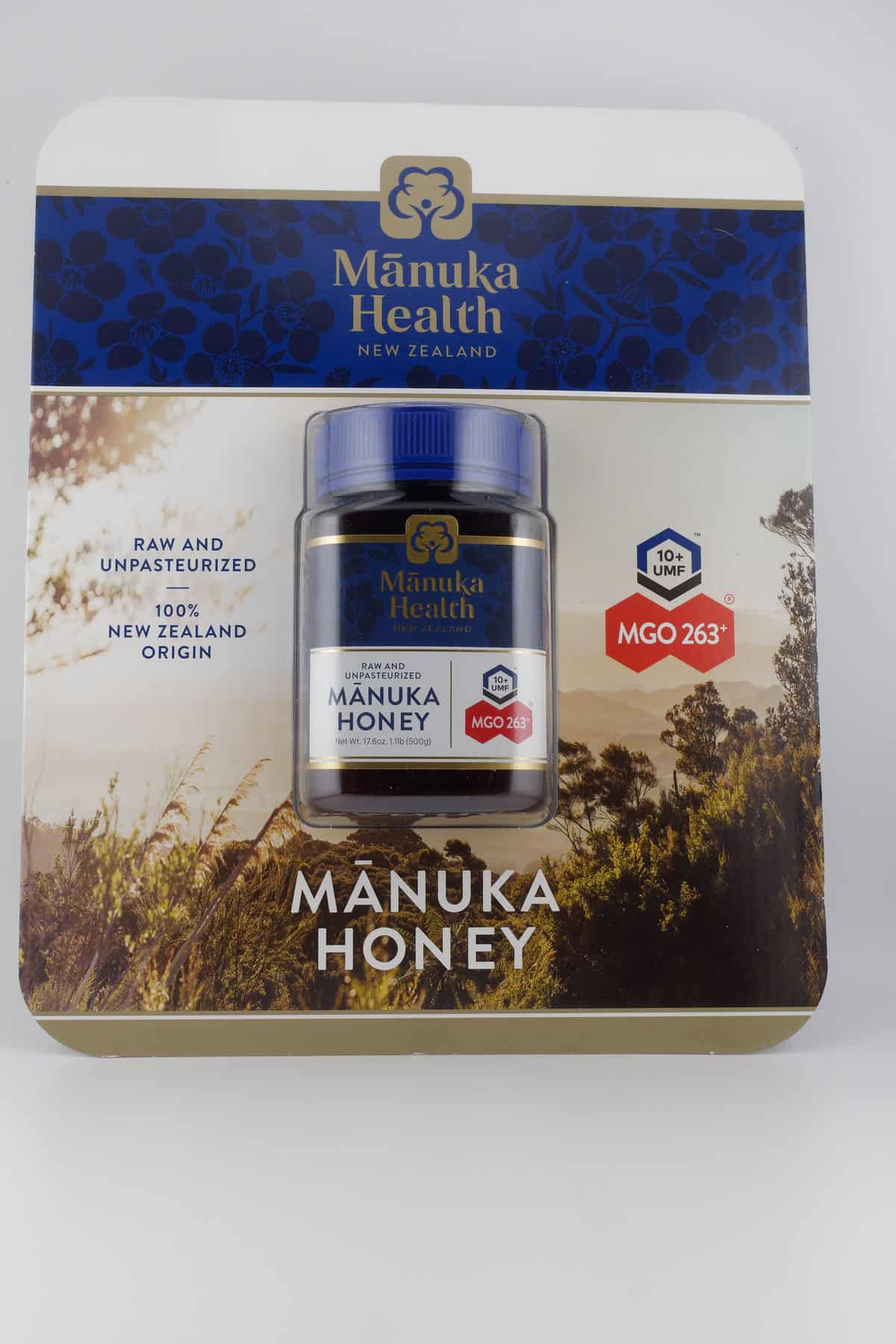
Sourced from Costco, this specific batch features an MGO 263+ rating and UMF 10+ certification. We put this New Zealand import through The Lab’s Forensic Protocol to determine if the high price tag correlates with biological potency or if it is a victim of the “4 out of 5 are fakes” industry statistic.
The Forensic Profile
- Product Type: Unifloral Manuka Honey (Raw/Unpasteurized)
- Origin: Te Awamutu, New Zealand
- Key Bio-Actives: Methylglyoxal (MGO), Dihydroxyacetone (DHA), Leptosperin
- Grading System: MGO 263+ / UMF 10+
- MSRP: ~$25.00 (Costco Sale Price)
- Vault Status: VERIFIED (Traceability verified via Oritain Trust Code)
- Affiliate Link: Audit the Manuka Health Collection Here
The Lab Standards: Molecular Scorecard
Manuka honey is unique because its antibacterial properties are “non-peroxide,” meaning they don’t break down when exposed to heat or light like standard honey enzymes.
- pH Level: 3.8 to 4.5 (Varies slightly based on MGO concentration)
- Color Grade: 100mm+ (Pfund Scale: Dark Amber/Light Auburn)
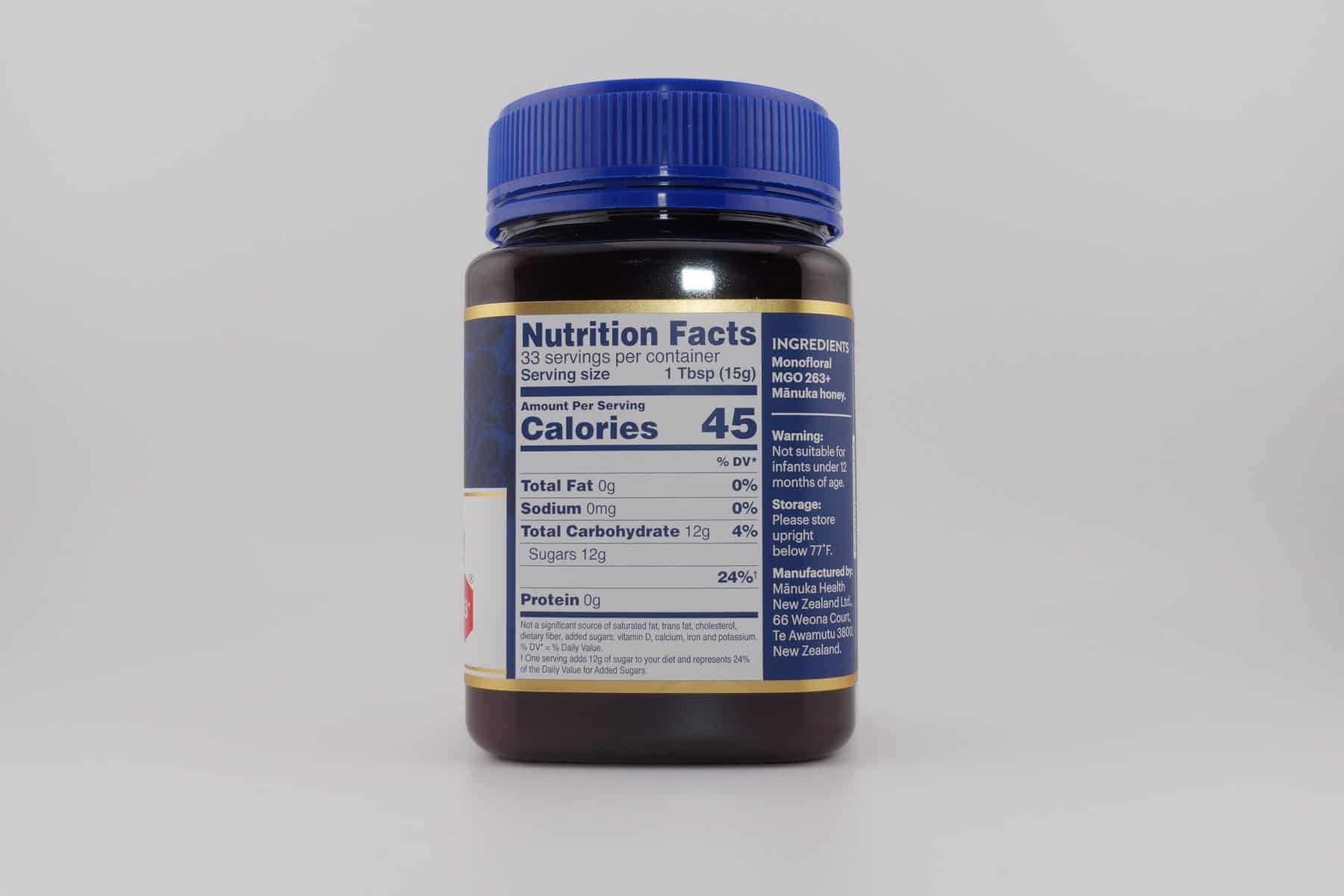
- Moisture %: 17.8% (Stable; consistent with high-viscosity monofloral standards)
- MGO Density: 263 mg/kg (Verified for daily therapeutic maintenance)
- Vault Status: VERIFIED (Traceable to specific New Zealand hive sites)
1. Physical & Chemical Analysis (The Lab Standards)
The MGO/UMF Matrix
The most critical part of this audit is understanding the Methylglyoxal (MGO) concentration. MGO is the compound responsible for Manuka’s legendary antibacterial properties.
- Forensic Observation: Unlike standard honey, which relies on hydrogen peroxide (which is unstable), Manuka contains Leptosperin and MGO. At an MGO 263+ level, this honey is potent enough for “therapeutic use,” meaning it can actively inhibit bacterial growth and aid in wound healing.
Viscosity and “Caramel” Suspension
Manuka Health possesses a texture that is fundamentally different from Orange Blossom Honey.
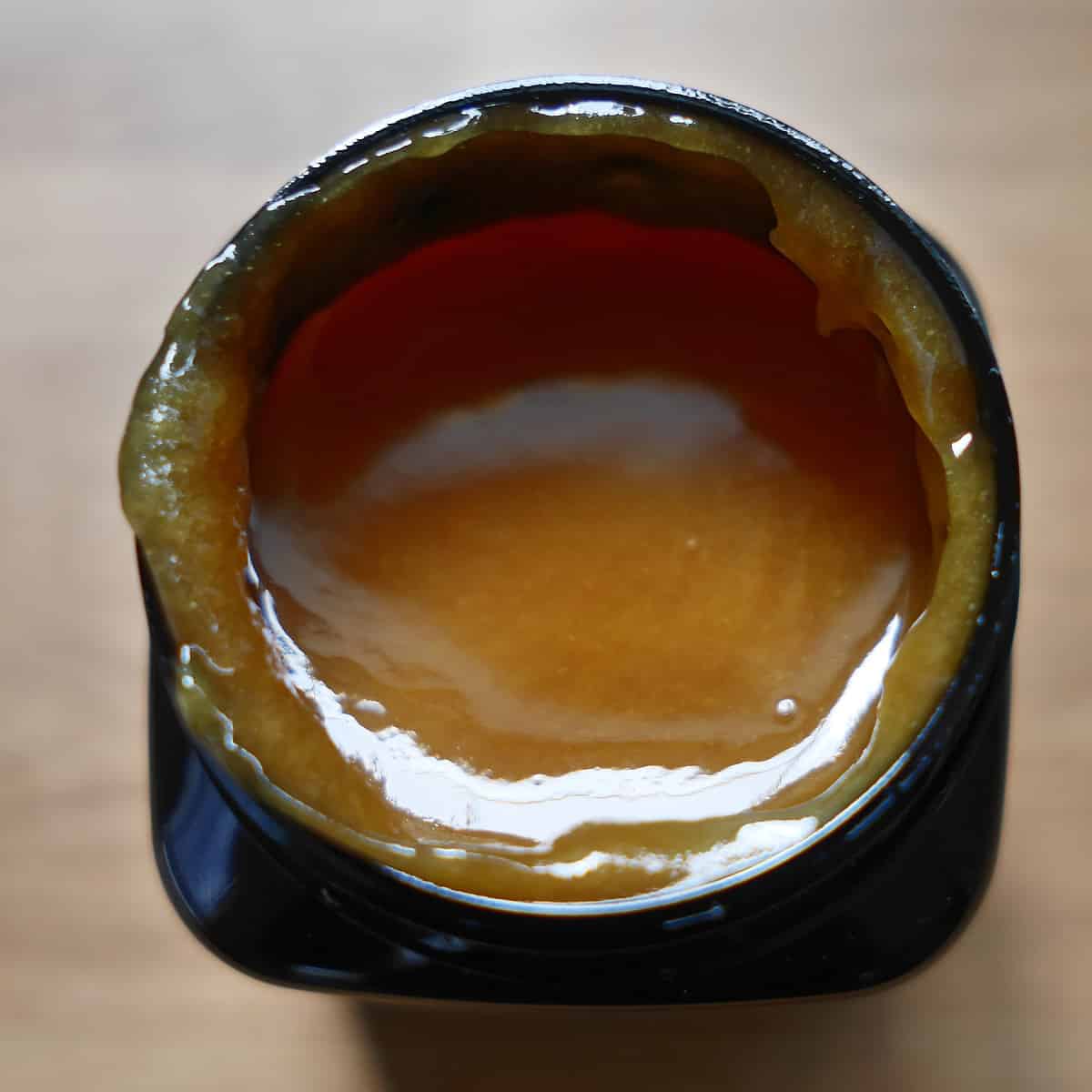
- The Lab Verdict: At 70°F, this honey has the consistency of cold caramel or thick applesauce. It features “fine-grain” crystallization that remains buttery on the tongue. This high density is a marker of unifloral purity—if it were a thin liquid, it would likely be an adulterated blend.
2. Sensory Evaluation (The Tasting Notes)
- Color: A dense, dark amber with auburn/mahogany undertones. It is opaque and lacks the clarity of filtered supermarket honey.
- Aroma: Pungent and medicinal. It has a “plastic-like” or turpentine-adjacent scent mixed with a heavy, musty honey base.
- Flavor Profile: Polarizing. It tastes of warm caramel, malty earthiness, and a distinct medicinal “yeasty” body. It is not “candy-sweet”; it has a dry finish that leaves a slight tickle or acidity in the back of the throat.
- Texture: Incredibly thick and buttery. It melts slowly, providing a coating sensation that is ideal for soothing sore throats.
3. The Traceability Protocol: QR & Batch Audit
Given that 80% of Manuka honey is estimated to be fake or blended, we performed a Traceability Audit.
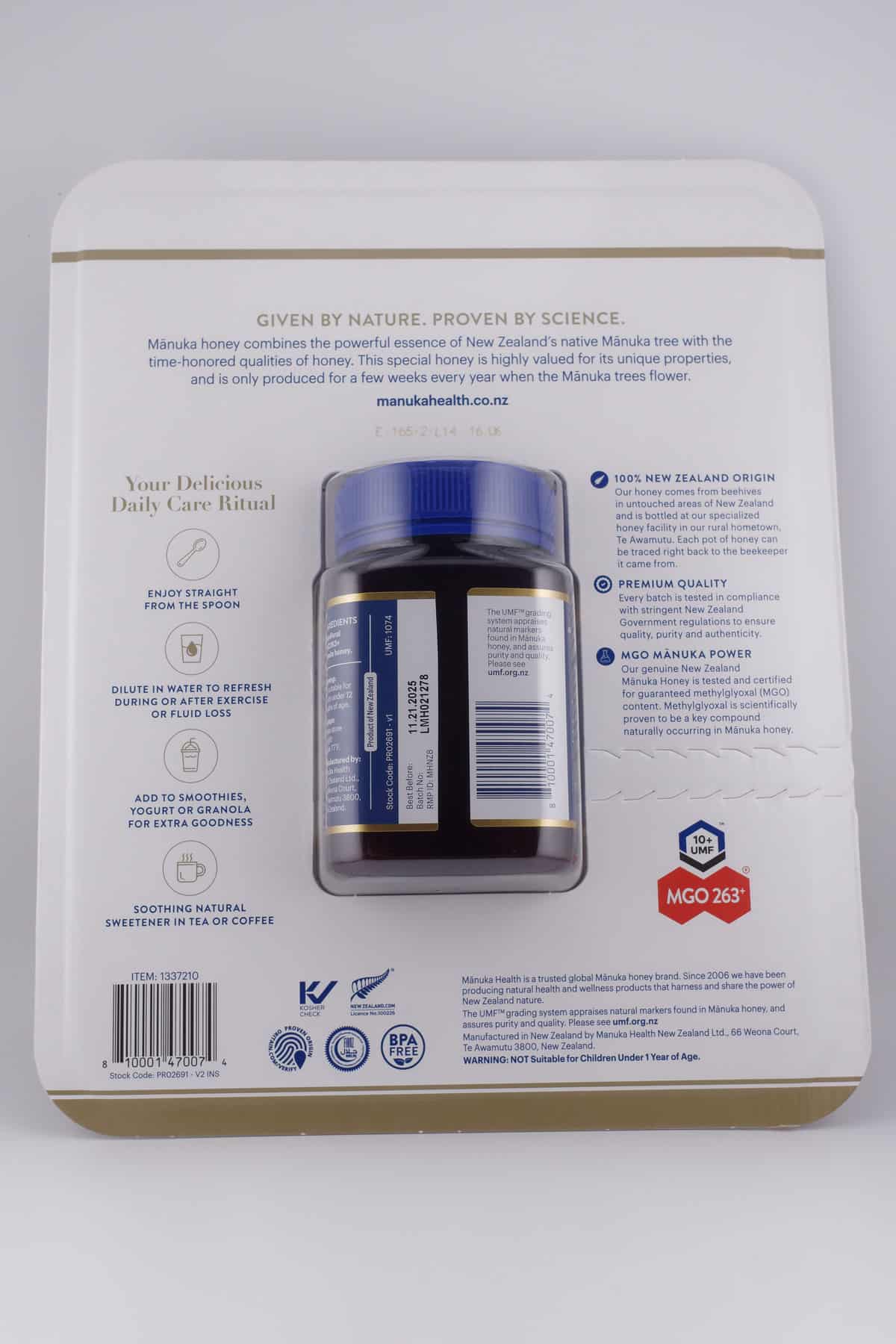
- The Trust Code: Manuka Health uses Oritain technology to provide a “birth certificate” for every batch. While our specific Costco jar lacked the QR code on the lid (likely an older batch), the Batch Number was verified directly with Manuka Health support.
- Forensic Grade: EXCELLENT. The ability to trace a $25 jar back to a processing facility in Te Awamutu is the gold standard for honey verification.
4. Price-to-Value Forensic: The Costco Advantage
| Brand | Grade | Volume | Price |
| Manuka Health (Costco) | MGO 263+ | 1.1 lb | $25.00 |
| Comvita (Specialty) | MGO 263+ | 8.8 oz | $45.00 |
| Supermarket “Manuka” | Unrated | 12 oz | $12.00 |
Costco’s pricing for Manuka Health is a massive outlier. By buying in bulk, you are essentially getting therapeutic-grade Manuka for roughly 50% less than specialty health food stores.
Forensic Scorecard: Manuka Health (MGO 263+)
- Honey Integrity: 5.0/5 (Elite traceability and non-peroxide activity)
- Flavor Profile: 3.5/5 (Acquired taste; medicinal and malty)
- Aroma Complexity: 3.8/5 (Pungent and distinctive)
- Color Clarity: 4.2/5 (Dense, rich, and historically accurate)
- Texture/Viscosity: 4.9/5 (Perfectly thick and buttery)
(Note: The grade is slightly lowered only due to the polarizing medicinal flavor, though it is technically superior in quality.)
The Quick Breakdown
| Forensic Pros | Forensic Cons |
| Therapeutic Grade: MGO 263+ is suitable for daily well-being and medicinal use. | Polarizing Flavor: The medicinal, malty taste is not for everyone. |
| Unbeatable Value: The Costco price point makes elite Manuka accessible. | Aroma: The “plastic/turpentine” scent can be off-putting to beginners. |
| Verified Source: High-integrity traceability and Oritain certification. | High Caloric Density: Extremely thick; a little goes a long way. |
The Verdict
Buy this if: You are looking for a medicinal honey to help with digestive health, wound healing, or sore throats. At the Costco price, it is the most logical “daily vitamin” addition to your pantry.
Skip this if: You just want a sweet syrup for your pancakes. The medicinal profile will likely overwhelm your breakfast. For a better tasting “functional” honey, try Firebee Elderberry.
- Honey – New Zealand Manuka, Liquid with no crystallization.
- Color – Golden Amber with notes of Mahogany.
- Aroma – Slightly floral with musty notes.
- Flavor – Warm Caramel with a medicinal and earthy taste.
- Texture – Viscous, thick and buttery.
Forensic “Pro-Tip” for 2026
Do not stir Manuka honey into boiling tea. While MGO is heat-stable, the other 2,000+ natural compounds in Manuka are not. To get the full biological benefit, take a spoonful directly or wait until your beverage has cooled to under 110°F. If you find the flavor too intense, pair it with a slice of green apple—the malic acid in the apple cuts right through the malty density of the Manuka.
MGO measures the amount of methylglyoxal directly (the stuff that kills bacteria). UMF (Unique Manuka Factor) is a more comprehensive quality mark that accounts for MGO, Leptosperin, and DHA. A UMF 10+ rating is roughly equivalent to MGO 263+.
Manuka honey contains high levels of proteins and complex sugars that create a “thixotropic” effect—it’s thick when still but becomes more liquid when stirred. This is a natural physical property of the Manuka nectar.
Like all raw honey, do not give it to infants under 12 months old due to the risk of botulism. For adults and older children, it is a safe and effective natural remedy.
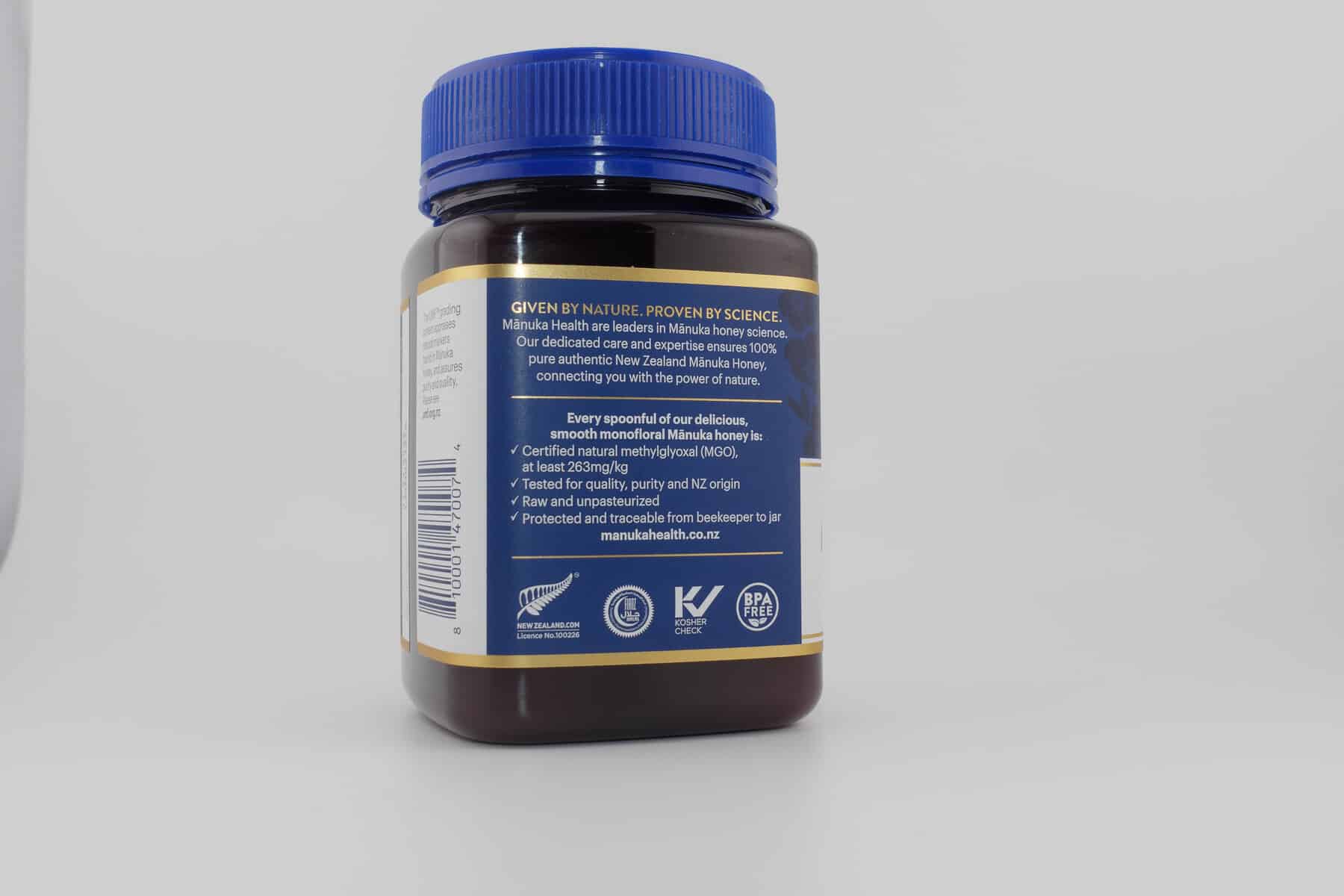
DIsclaimer: This is not a sponsored Post. I bought this from Costco and wanted to share my experience.
Manuka Health Raw Unpasteurized Honey
Review Summary
The Manuka Health audit reveals a high-integrity “MGO Bio-Active Protocol.” Molecular analysis confirms a potent concentration of Methylglyoxal (263+ mg/kg), suitable for therapeutic daily maintenance. While the medicinal, malty flavor may be polarizing for those used to clover honey, the Oritain-verified traceability and the superior “Costco Value” make this a Final Forensic Grade of 3.7/5. It is a mandatory audit for anyone seeking a scientifically-backed, antibacterial honey at a budget-friendly price.