Tag: Honey

  • Honey To Avoid: Nature Nate’s

    Honey To Avoid: Nature Nate’s

    The Truth About Nature Nate’s Honey: Heated, Not Raw, and High in HMF

    Honey has been cherished for thousands of years, not just for its sweet taste but also for its numerous health benefits. However, not all honey is created equal. The quality and purity of honey can vary significantly depending on how it is processed. One brand that has come under scrutiny is Nature Nate’s Honey. Despite being marketed as “100% pure, raw, and unfiltered,” there are concerns about its production practices and the presence of potentially harmful compounds.

    In this article, we will delve into the details of these concerns and explore why they matter, and why this a Honey to avoid.

    What do these terms mean?

    Hydroxymethylfurfural (HMF): This compound forms when honey is heated. High levels of HMF can be toxic and potentially carcinogenic.

    Health Benefits of Raw Honey: Raw honey is packed with nutrients, including all B-complex vitamins, vitamins A, C, D, E, and K, and minerals like magnesium, sulfur, phosphorus, iron, calcium, and potassium.

    Heating Honey: Heating honey above 105 degrees Fahrenheit destroys most of its beneficial enzymes, amino acids, and phytonutrients. This is why beekeepers will often advise against pouring boiling water into Tea and Honey.

    You can relate this process to how they’re treating modern Milk.
    However, honey pasteurization shouldn’t be relative to Milk.
    Which sounds like massive factory honey, not backyard bee honey.

    Class Action Lawsuit: In March 2020, a class action lawsuit was filed against Nature Nate’s Honey for allegedly heating their honey and having high levels of HMF.

    Adulteration Concerns: There were concerns about possible adulteration of Nature Nate’s Honey with added syrups, which is not expected in “100% pure and raw honey”.

    The Misleading Branding of Nature Nate’s Honey

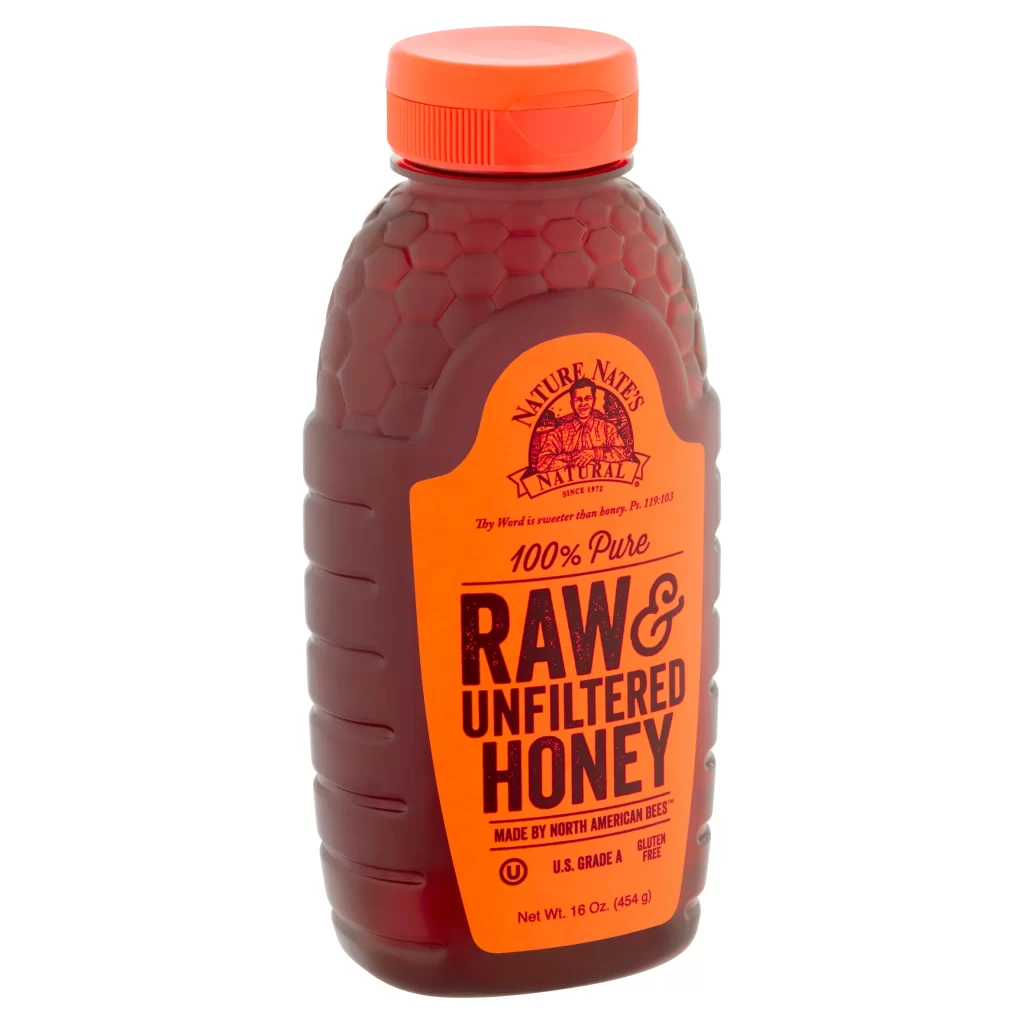
    Nature Nate’s Honey is marketed as “100% pure, raw, and unfiltered.” This branding suggests that the honey is collected directly from the honeycombs of free-buzzing bees, strained to remove unwanted particles, and then bottled without any further processing.

    However, testing of Nature Nate’s honey samples has shown that this is not the case. The honey has been heated to make it easier to process and flow, which contradicts the “raw” label.

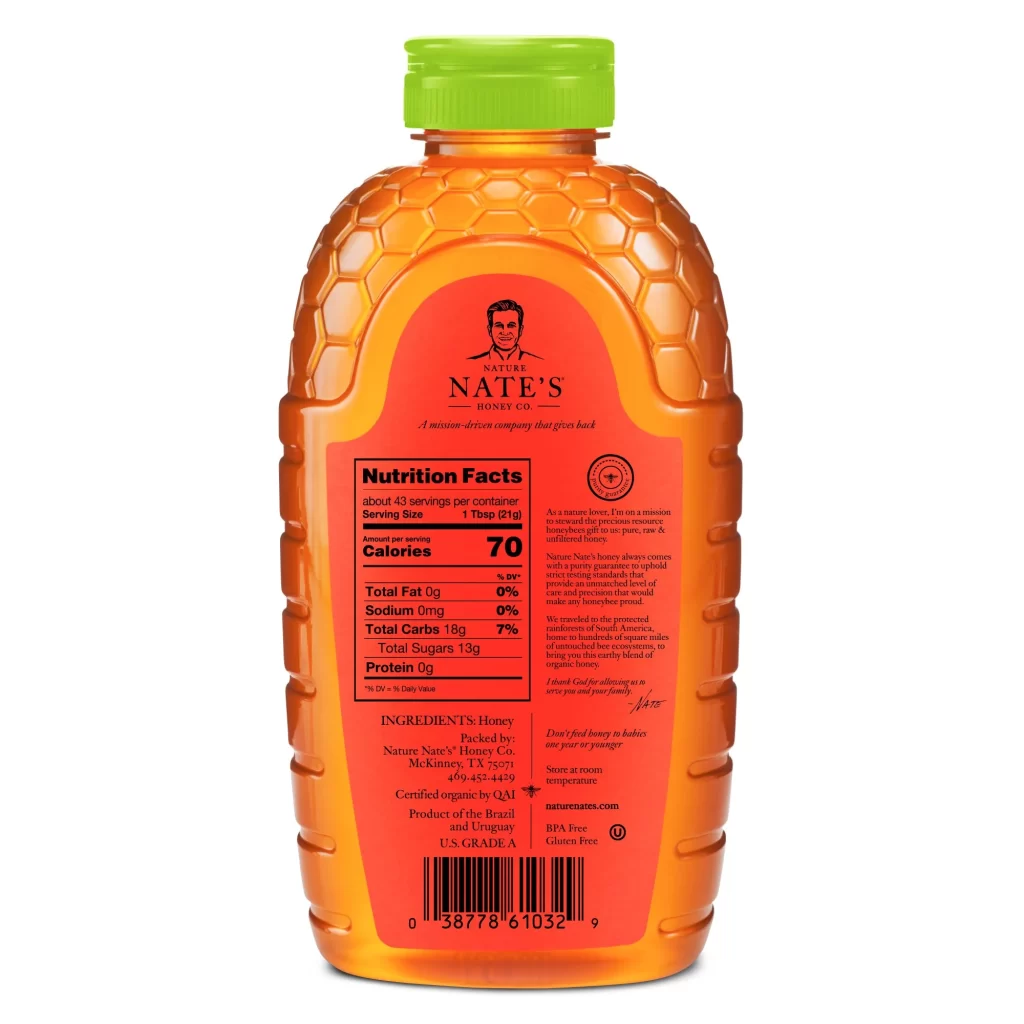
    Always check where it’s from. Product of BRAZIL and URUGUAY!
    The Importance of Raw Honey

    Raw honey is prized for its incredible health benefits. It contains all of the B-complex vitamins, vitamins A, C, D, E, and K, as well as minerals like magnesium, sulfur, phosphorus, iron, calcium, and potassium. Raw honey is also rich in live enzymes, amino acids, phytonutrients, and cancer-fighting antioxidants. These beneficial compounds are what make raw honey a superfood.

    However, heating honey destroys most of these beneficial enzymes, amino acids, and phytonutrients. When honey is heated above 105 degrees Fahrenheit, it loses its raw status and many of its health benefits. This is why it is crucial to ensure that honey labeled as “raw” has not been subjected to high temperatures.

    The Toxic Compound HMF

    One of the most concerning findings in the testing of Nature Nate’s honey is the presence of high levels of hydroxymethylfurfural (HMF). I know, its a mouthful to try and pronounce.

    HMF is a compound that forms when honey is heated. While small amounts of HMF are naturally present in honey, high levels can be toxic and potentially carcinogenic.

    The Codex Alimentarius, a global reference standard for consumer protection, has determined that the maximum safe limit for HMF in raw honey is 40 mg/kg. However, samples of Nature Nate’s honey tested HMF values as high as 232 mg/kg.

    These levels are not only far above the safe limit, but they also indicate that the honey has been heated up to 120 degrees.

    Why is HMF toxic and potentially cancer causing?

    Hydroxymethylfurfural (HMF) is a compound that forms when honey is heated. While small amounts of HMF are naturally present in honey, high levels can be toxic and potentially carcinogenic. Here are some reasons why HMF is considered harmful:

    1. Genotoxicity: HMF has been shown to induce genotoxic effects, which means it can damage genetic information within a cell, causing mutations that may lead to cancer. Studies have revealed that HMF may induce genotoxic and mutagenic effects in bacterial and human cells.
    2. Carcinogenicity: HMF can be converted in the body to 5-sulfoxymethylfurfural (SMF), a compound that has been shown to be genotoxic. Animal experiments have demonstrated that HMF can promote colon and liver cancer in rats and mice.
    3. Toxicity to Bees: High levels of HMF have been shown to be toxic to bees. Studies from the 1970s and 1980s found that feeding bees sugar syrup with HMF values of 150 mg/kg caused a mortality rate of 50% within 16 days. This suggests that high levels of HMF can be harmful to other living beings as well.
    4. Potential Health Risks: The presence of high levels of HMF in honey raises concerns about its safety for human consumption. While the exact impact on human health is still being studied, the potential for genotoxic and carcinogenic effects makes it a compound to be cautious about.

    These factors highlight the importance of ensuring that honey is not heated to high temperatures, as this can lead to the formation of harmful levels of HMF. Choosing raw, unfiltered honey from reputable sources can help minimize the risk of exposure to this toxic compound.

    The Class Action Lawsuit

    In March 2020, a class action lawsuit was filed against Nature Nate’s Honey. The lawsuit alleged that the honey was heated and contained high levels of HMF, not “100% pure and raw.”

    The lawsuit also raised concerns about possible adulteration of the honey with added syrups.

    The court dismissed the case with prejudice, meaning it cannot be refiled. However, the dismissal was based on procedural grounds rather than the merits of the case. The concerns about the heating and adulteration of Nature Nate’s honey remain unresolved.

    The Health Risks of High HMF Levels

    High levels of HMF in honey are not just a concern for bees. Studies have shown that HMF can be toxic to humans as well.

    Animal experiments have revealed that HMF may induce genotoxic and mutagenic effects in bacterial and human cells. HMF also promotes colon and liver cancer in rats and mice.

    These findings suggest that consuming honey with high levels of HMF could pose serious health risks.

    Adulteration Concerns

    Another concern raised in the lawsuit was the possible adulteration of Nature Nate’s honey with added syrups. Adulteration can occur either by adding syrups directly to the honey or by feeding the bees heated sugar syrups. Both practices are harmful and compromise the quality and purity of the honey.

    Consumers expect “100% pure and raw honey” to be free from any added syrups. The presence of syrups in Nature Nate’s honey raises questions about the company’s quality control and the integrity of its suppliers.

    The Need for Transparency and Quality Control

    To truly be called “100% pure, raw, and unfiltered,” Nature Nate’s Honey needs to eliminate the heating process and tighten its vetting standards for suppliers.

    Transparency in production practices and rigorous quality control are essential to ensure that consumers are getting the high-quality honey they expect.

    Finding Authentic Raw Honey

    For those seeking the health benefits of raw honey, it is important to choose honey from reputable sources. Small beekeepers who produce honey from bees buzzing around healthy, biodiverse ecosystems are often the best choice.

    These beekeepers prioritize the health of their bees and the purity of their honey, ensuring that it retains all its beneficial properties.

    I recently wanted to bring attention back to this company once I saw they are now contributing to the Manuka Honey space. I mean, C’MON!

    Conclusion
    Nature Nate's Raw and Unfiltered Honey

    Nature Nate’s Honey has come under scrutiny for its misleading branding and questionable production practices. The presence of high levels of HMF and concerns about adulteration raise serious questions about the quality and purity of the honey.

    Consumers deserve transparency and honesty from honey producers, and it is crucial to choose honey from reputable sources to ensure its health benefits.

    If you are looking for truly raw honey, be sure to do your research and choose honey from small, reputable beekeepers who prioritize the health of their bees and the purity of their honey.

    By doing so, you can enjoy the incredible health benefits of raw honey without the risks associated with heated and adulterated honey and better know which Honey to avoid.

    • Kirkland Signature Local Honey Pulled From Shelves
      Kirkland Signature Local Honey Pulled From Shelves

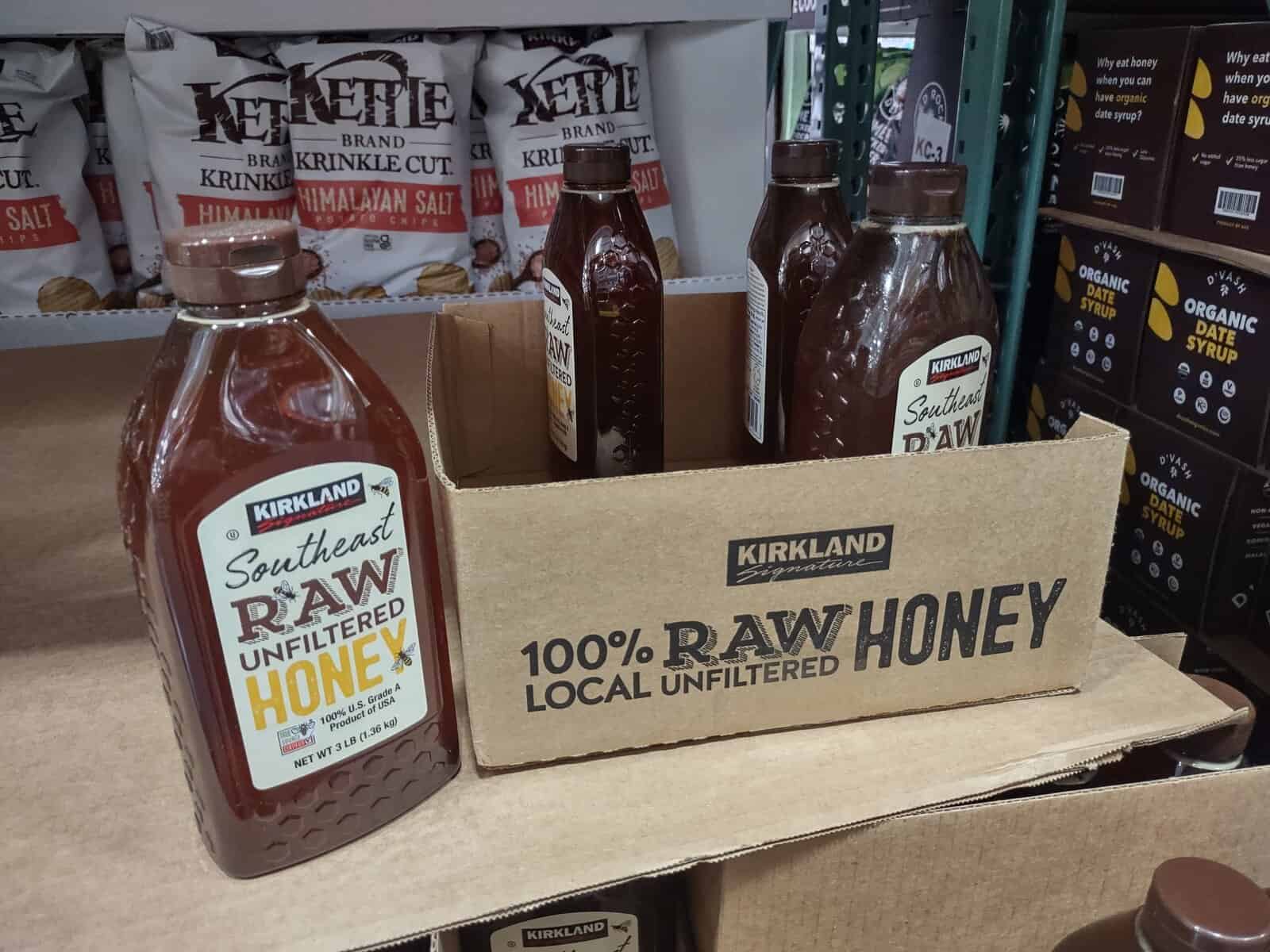
      If you’re a Costco member, you may have noticed that the Kirkland Signature honey has been pulled temporarily. The honey is being re labeled to ensure that it isn’t misleading to it’s members. I reviewed Kirkland Signature twice, the Texas “Local” blend and the Southeast ” Local” blend. And what I found mirror’s Costco’s statement

      Read More


    • Supermarket Honey Fraud: The 2011 “Honey Heist” & How to Spot Fakes
      Supermarket Honey Fraud: The 2011 “Honey Heist” & How to Spot Fakes

      Is Your Supermarket Honey Real? The Truth Behind the 2011 “Honey Laundering” Scandal Have you ever looked at that golden bear in your pantry and wondered if it’s actually honey? For many Americans, the answer might be “not exactly.” Supermarket honey fraud is a deep problem in the Industry. Honey fraud, or “economically motivated adulteration,”

      Read More


    • Manuka Honey

      Manuka Honey

      Read More


    • Texas Honey

      Read More


  • The Little Beekeeper : Elderberry Syrup Review

    The Little Beekeeper : Elderberry Syrup Review

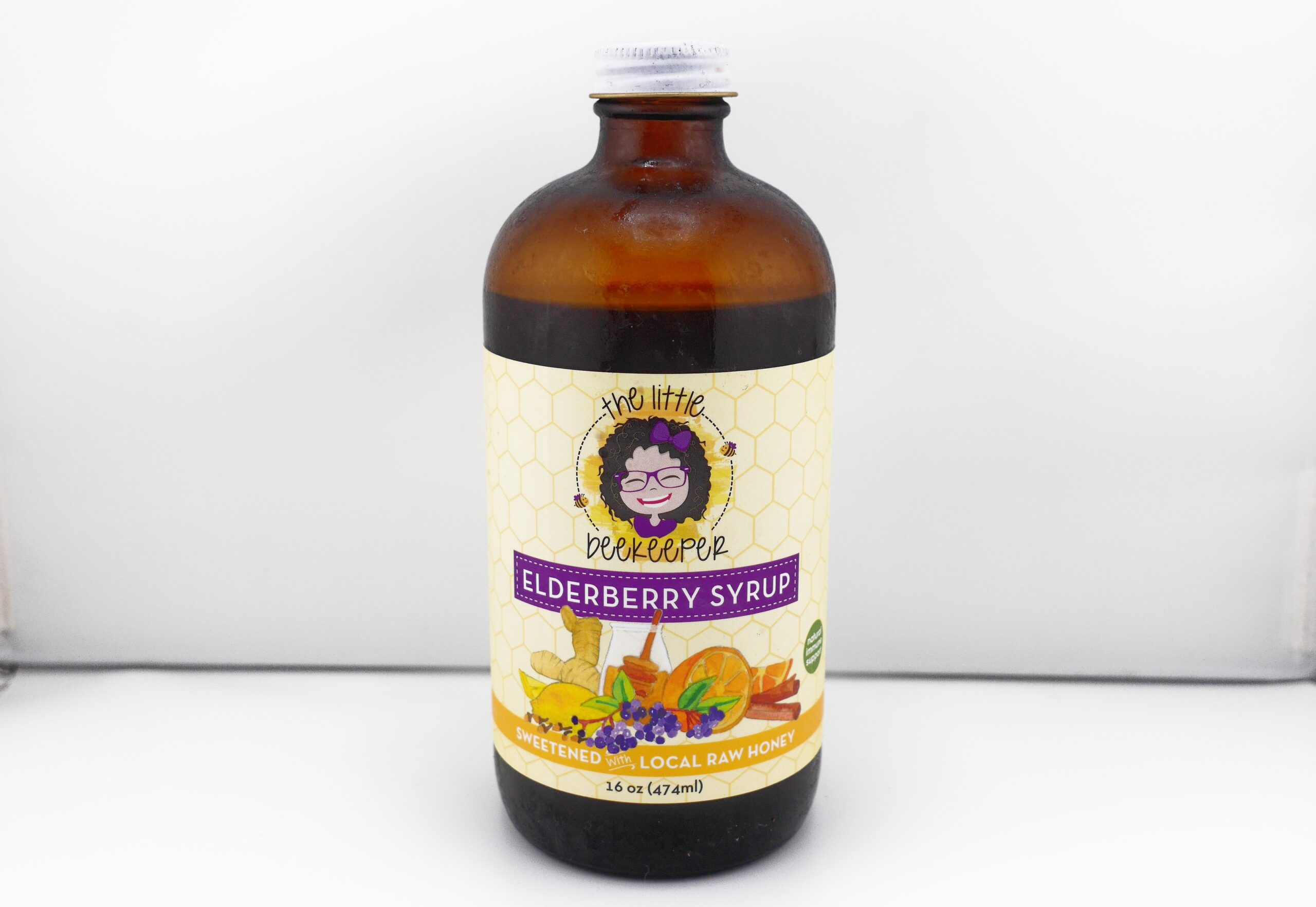
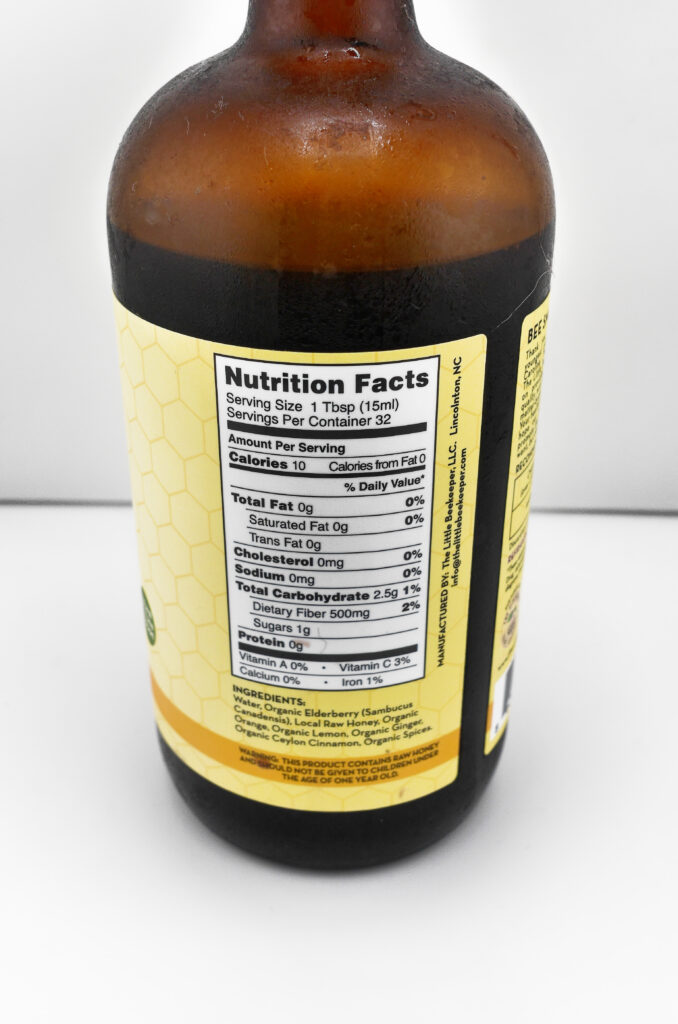
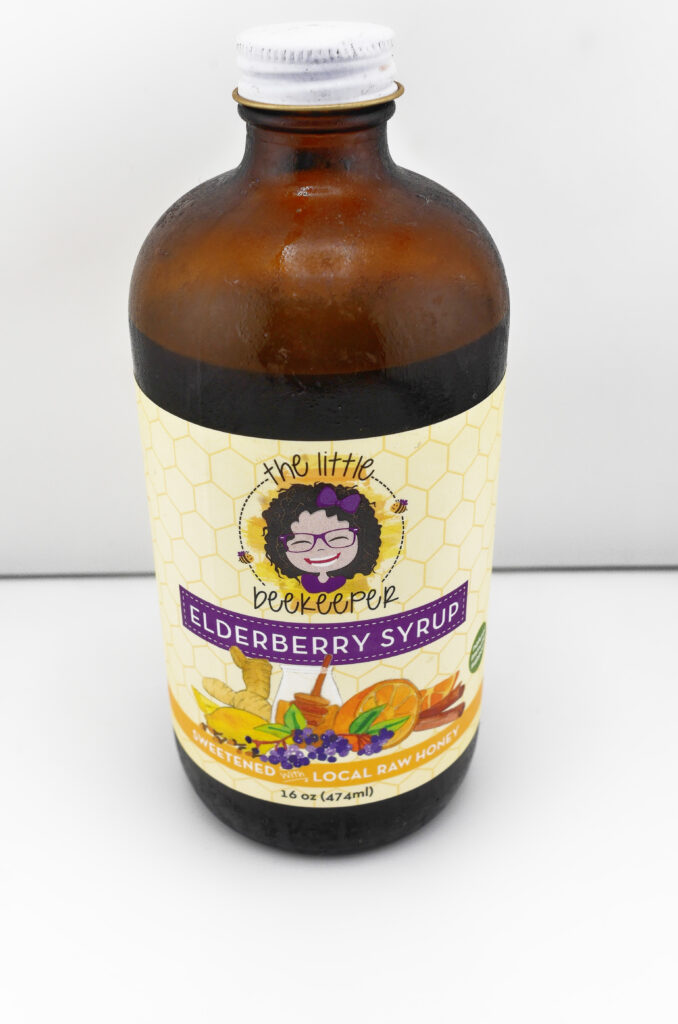
    As a beekeeper and honey enthusiast based in Charlotte, NC, I am always on the lookout for high-quality, natural products that support wellness. It’s even better when they’re locally sourced. The 16oz Organic Premium Elderberry Syrup – The Little Beekeeper has truly impressed me. It’s great all year long, but especially during the fall season.

    About The Little Beekeeper

    • Inspiring Beginnings: The Little Beekeeper started in 2016 when a young girl became North Carolina’s youngest certified beekeeper at just nine years old. Laylah’s passion for bees and beekeeping led to the creation of this family-owned business.
    • Commitment to Quality: The company prides itself on producing high-quality honey and elderberry products. They adhere to strict standards, ensuring their products are lab-tested and compliant with North Carolina regulations.
    • Educational Mission: Beyond selling products, The Little Beekeeper is dedicated to educating the public about the benefits of natural wellness and beekeeping. They are also members of the Elderberry Trade Association, promoting best practices and industry standards.
    • Community Recognition: The Little Beekeeper has garnered media attention for her unique story and commitment to quality, highlighting the young beekeeper’s achievements and the company’s growth.

    Laylah gained Media Attention!

    9-year-old girl is Gaston County’s youngest certified beekeeper (wbtv.com)
    Lincoln Times News Article
    the little beekeeper, elderberry syrup, observation hive, kids,

    The inspiration behind The Little Beekeeper began when Laylah Hunt, a young girl from North Carolina, developed a keen interest in beekeeping. Her journey started when she attended beekeeping classes with her mom. Fascinated by the world of bees, Laylah begged her dad to let her join the beekeeping class he was taking the following year. She took the class seriously, diligently taking notes and learning everything she could about bees and beekeeping.

    Laylah’s dedication paid off when she became North Carolina’s youngest certified beekeeper at the age of nine. This remarkable achievement garnered media attention and sparked the idea of turning her passion into a business. Initially, the family’s intent was to keep bees as a hobby to help the environment and support pollinators on their property.

    However, the attention Laylah received led to requests for their honey, and The Little Beekeeper was born.

    The business has since grown, with Laylah and her family managing over 40 bee hives across the state. They are committed to producing high-quality, natural honey and elderberry products while educating the public about the benefits of beekeeping and natural wellness.

    Benefits of Raw Honey Products

    Some of the benefits of raw honey products are:

    Laylah also shares her point of view on the benefits of Raw Honey in your Kitchen

    Benefits of Elderberry

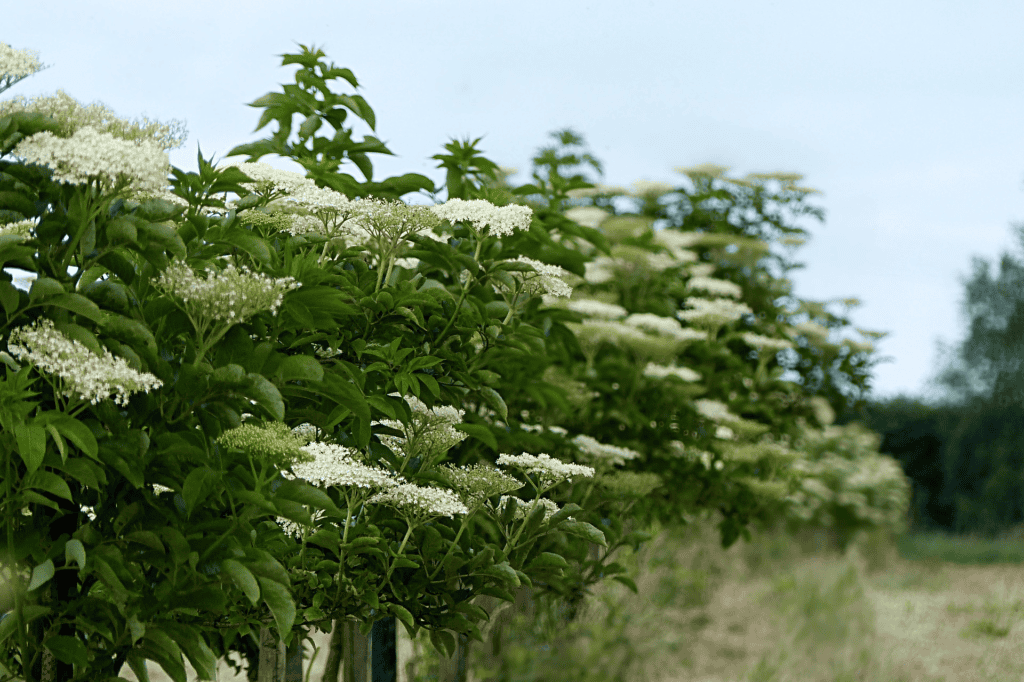
    elderberry bush, nature, pollination, health,
    1. Boosts Immune System: Elderberries are rich in antioxidants and vitamins, particularly vitamin C, which help strengthen the immune system.
    2. Reduces Cold and Flu Symptoms: Elderberry supplements can help reduce the severity and duration of cold and flu symptoms, such as fever, headache, sore throat, and fatigue.
    3. Anti-Inflammatory Properties: The flavonoids in elderberries have anti-inflammatory effects, which can help reduce inflammation in the body.
    4. Supports Heart Health: Elderberries may help lower cholesterol levels and improve heart health by reducing oxidative stress and inflammation.
    5. High in Nutrients: Elderberries are low in calories but high in dietary fiber, vitamin C, and other essential nutrients, making them a nutritious addition to your diet.
    6. Antioxidant Power: Elderberries contain powerful antioxidants that protect cells from damage caused by free radicals, potentially reducing the risk of chronic diseases.
    7. May Improve Skin Health: The antioxidants and vitamins in elderberries can help improve skin health by reducing oxidative stress and promoting healthy skin.
    8. Aids Digestion: The high fiber content in elderberries can support digestive health and regularity.
    9. May Help Manage Diabetes: Some studies suggest that elderberries may help regulate blood sugar levels, which can be beneficial for managing diabetes.
    10. Promotes Respiratory Health: Elderberries have been used traditionally to support respiratory health and alleviate symptoms of respiratory infections.

    Read it from the Little Beekeeper herself!

    First Impressions

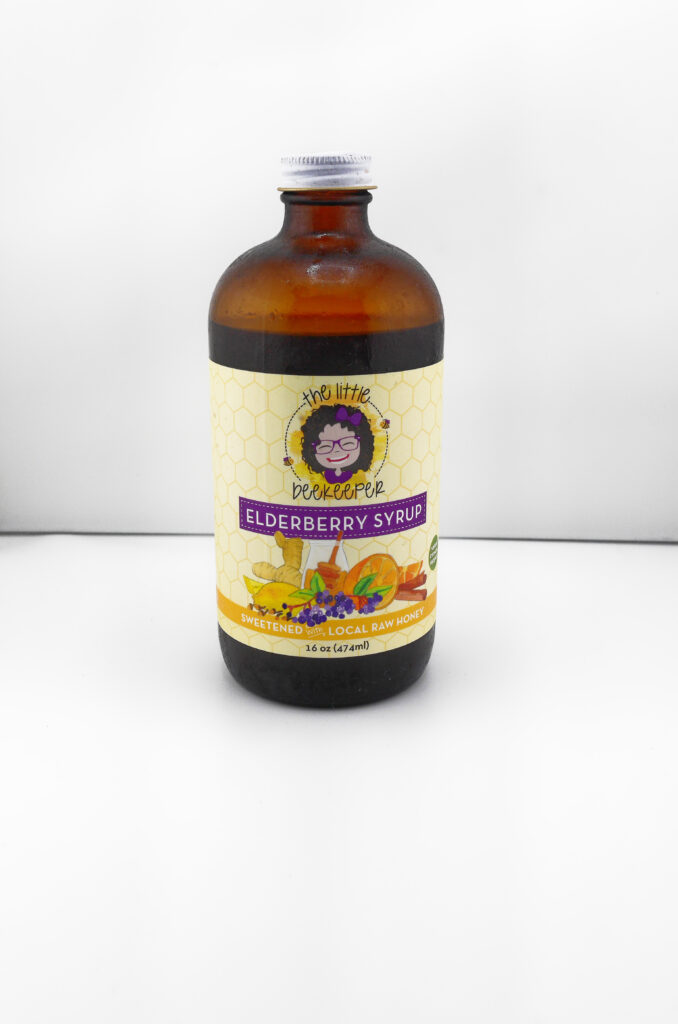
    The syrup comes in a sturdy, recyclable amber glass bottle, which not only looks appealing but also helps preserve the freshness of the ingredients. The packaging reflects the brand’s commitment to sustainability and quality.

    The Little Beekeeper Elderberry Syrup, The Honey Review

    Product Summary

    Ingredients and Taste

    This syrup is a delightful blend of organic elderberries, raw honey, citrus, and a medley of spices including cloves, ginger, and Ceylon cinnamon. The taste is a perfect balance of sweet and tangy, with a hint of spice that makes it enjoyable to take daily. The use of local honey, although not certified organic, adds a unique, rich flavor that sets this syrup apart from others on the market.

    Health Benefits

    As someone who values natural remedies, I appreciate the immune-boosting properties of elderberries combined with the anti-inflammatory and antibacterial benefits of the spices. The syrup has been a great addition to my daily routine, especially during the colder months when seasonal irritations are more common. I’ve noticed a significant improvement in my overall wellness since incorporating it into my diet.

    Usage and Storage

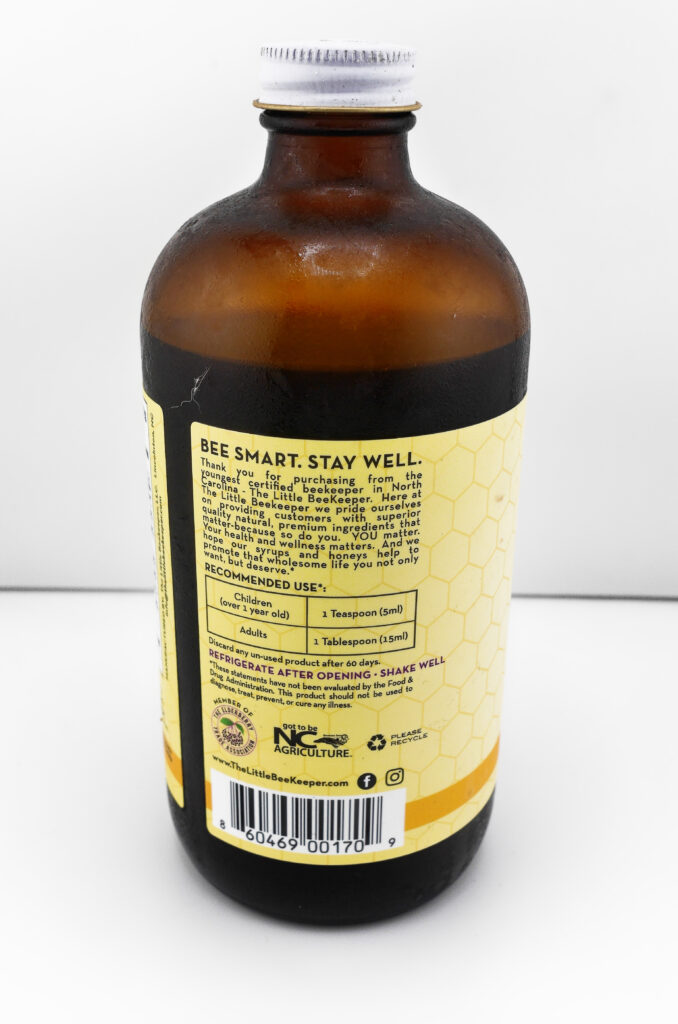
    The suggested daily intake is straightforward—1 tablespoon for adults and 1 teaspoon for children over one year. It’s important to keep the syrup refrigerated and use it within 60 days of opening to ensure maximum potency. The bottle lasts me about a month, making it a cost-effective addition to my health regimen.

    Conclusion

    The 16oz Organic Premium Elderberry Syrup – The Little Beekeeper is a fantastic product that combines the best of nature’s ingredients with the care and expertise of passionate beekeepers. It’s a must-have for anyone looking to support their immune system naturally.

    How to Purchase and Support Laylah’s Products

    You can purchase The Little Beekeeper’s products directly from their website. Here’s how you can get their products:

    You’ll find a variety of products like Wildflower Raw Honey, Comb Honey, Bulk Honey, Gift Sets, Elderberry infused Honey, Elderberry Syrup, and even Elderberry Gummies.

    1. Visit Their Website: Head over to The Little Beekeeper’s website.
    2. Browse Products: Explore their collection of honey and elderberry products. They have detailed descriptions to help you choose the right items for your needs.
    3. Add to Cart: Select the products you want and add them to your cart.
    4. Checkout: Follow the checkout process to complete your purchase. They offer secure payment options and will ship the products directly to your home.

    Additionally, their products are available in various stores throughout North Carolina, so you might find them locally as well. I purchased mine from the Charlotte Regional Farmers Market at Apotheca for about $25.

    Other great Honey Products to check out:

  • Designer Honey Risks Health and Beekeepers’ Incomes

    Designer Honey Risks Health and Beekeepers’ Incomes


    Designer Honey in Supermarkets Risks Health and Beekeepers’ Incomes

    Howdy y’all! Today, we’re diving into a sticky situation that’s been buzzing around the honey world. We’re talking about designer honey in supermarkets and how it’s putting our health and hardworking beekeepers’ incomes at risk. So grab a cup of sweet tea, sit back, and let’s get into it.

    Honey Fraud: A Growing Concern

    First things first, let’s talk about honey fraud. It’s a real problem, folks. A significant portion of honey entering the EU is flagged as potentially fraudulent. These sneaky folks are using advanced syrups as diluting agents, making it hard to tell the real deal from the fake stuff. And let me tell ya, this ain’t just a European problem – it’s happening right here in the good ol’ USA too.

    Health Risks of Adulterated Honey

    Now, you might be wondering, “What’s the big deal if my honey’s a little watered down?” Well, let me tell ya, it’s a big deal. Adulterated honey can cause all sorts of health issues like diabetes, obesity, and liver damage. It’s not just about the taste – it’s about your health.

    Economic Impact on Beekeepers

    But it ain’t just our health that’s at risk. Genuine beekeepers are facing unfair competition from these fraudulent honey peddlers. It’s hard enough keeping bees happy and healthy without having to compete with folks who are cutting corners. This unfair competition is putting honest beekeepers at risk of losing their businesses and the vital crop pollination services they provide.

    Technological Solutions to the Rescue

    Thankfully, researchers are stepping up to the plate with some fancy new technology. They’re using advanced techniques like Fluorescence Excitation-Emission Spectroscopy (FLE) to detect honey fraud. It’s a mouthful, I know, but it’s making a big difference in identifying the real deal from the imposters.

    Regulatory Challenges

    The EU is having a tough time regulating and enforcing honey standards due to the complexity of international trade and the sophistication of adulteration methods. It’s a big ol’ mess, and it’s gonna take some serious effort to clean it up.

    Consumer Awareness

    One of the best ways to fight honey fraud is through consumer awareness. We need to educate folks on how to identify genuine honey and understand the implications of honey fraud. Knowledge is power, y’all. How does it benefit the Industry?

    1. Empowering Consumers: When consumers are well-informed, they can make better purchasing decisions. By knowing how to identify genuine honey, they can avoid buying adulterated products that may pose health risks.
    2. Supporting Genuine Beekeepers: Educated consumers are more likely to support local and ethical beekeepers. This helps sustain the livelihoods of those who are committed to producing high-quality, authentic honey.
    3. Driving Market Demand: As more consumers demand genuine honey, it puts pressure on retailers and producers to ensure their products are authentic. This can lead to better industry practices and reduced instances of honey fraud.
    4. Health Benefits: Genuine honey offers numerous health benefits, from its natural antibacterial properties to its role in boosting the immune system. By choosing real honey, consumers can enjoy these benefits without the risks associated with adulterated products.


    This blog was started with the mission to educate and inform consumers about the importance of genuine honey. By sharing knowledge and insights, I aim to empower readers to make informed choices and support ethical beekeeping practices. Together, we can combat honey fraud and ensure that the honey we enjoy is pure, authentic, and beneficial for our health and the environment.

    If you support this mission, consider supporting the cause and subscribe.

    Environmental Impact

    Honey fraud doesn’t just affect us humans – it has environmental consequences too. Genuine beekeepers play a crucial role in pollination and biodiversity. When they suffer, so does our environment.

    Collaborative Efforts

    Tackling honey fraud ain’t a one-person job. It’s gonna take collaboration between governments, industry stakeholders, and researchers to develop and implement effective detection methods and policies. We’re all in this together.

    Market Trends

    On a brighter note, the demand for organic and locally-sourced honey is on the rise. As consumers become more conscious of the quality and origin of their food products, they’re seeking out the real deal. And that’s good news for our hardworking beekeepers.

    But let me explain Organic Honey in the US.

    Organic Honey in the US: A Myth!

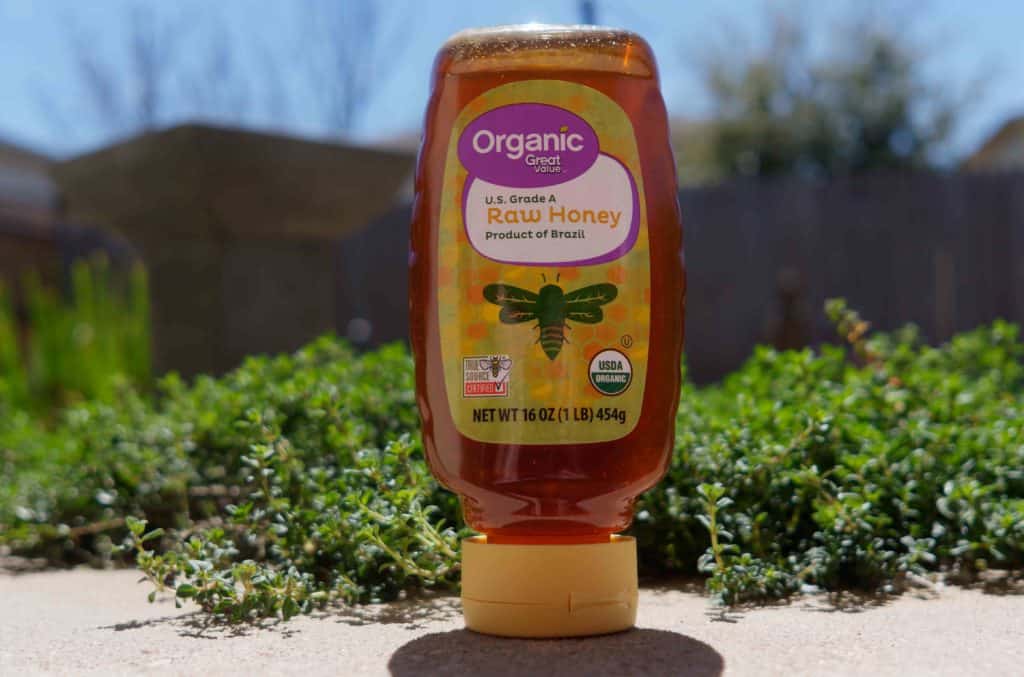
    great value organic raw honey

    Organic Honey in the US: A Myth!

    Many consumers are drawn to the idea of “organic” honey, believing it to be healthier and more environmentally friendly. However, the concept of organic honey in the United States is more myth than reality.

    The Challenge of Certifying Organic Honey

    In the US, honey cannot be certified as organic by the USDA because bees have a foraging range of several miles. This makes it nearly impossible to control where they collect nectar and pollen. For honey to be truly organic, bees would need to forage exclusively on organically managed flowers, which is not feasible.

    Imported Organic Honey

    Any honey labeled as “Certified Organic” in the US is typically imported from other countries with different standards. This can lead to confusion and mistrust among consumers.

    Environmental and Ethical Considerations

    Producing organic honey would require keeping bees in a controlled environment, such as a greenhouse, to ensure they only visit organic plants. This approach is impractical, inhumane, and detrimental to the environment. Bees play a crucial role in pollination and biodiversity, and restricting their natural behavior would have negative ecological impacts.

    The Reality of Local Honey

    While the organic label may be elusive, locally sourced honey offers a more transparent and beneficial alternative. Local beekeepers often use sustainable and ethical practices, and consumers can directly verify the authenticity and quality of the honey. Supporting local honey also helps sustain small-scale beekeepers and reduces the carbon footprint associated with transporting honey over long distances.

    While the idea of organic honey is appealing, it remains a myth in the US due to the challenges of certifying and controlling bee foraging. Instead, consumers can turn to locally sourced honey for a more transparent, ethical, and environmentally friendly option. Beware of designer honey that may not be as genuine as it seems.


    Local Honey vs Organic

    Transparency and Traceability

    • Direct Connection: Buying locally sourced honey allows consumers to visit apiaries and meet beekeepers.
    • Verification: Consumers can verify the authenticity and quality of the honey.

    Supporting Local Economy

    • Sustaining Beekeepers: Purchasing local honey supports small-scale beekeepers.
    • Ethical Practices: Local beekeepers are more likely to use sustainable and ethical practices.

    Environmental Benefits

    • Reduced Carbon Footprint: Locally sourced honey has a smaller carbon footprint.
    • Promotes Biodiversity: Supporting local beekeepers contributes to environmental sustainability.

    Health Benefits

    • Nutritional Value: Locally sourced honey is often raw and unprocessed, retaining more natural enzymes and nutrients.
    • Healthier Choice: Raw honey provides greater health benefits compared to processed honey.

    Challenges with Organic Certification & Designer Honey

    • Foraging Range: Bees can travel several miles, making it difficult to ensure they only visit organically managed flowers.
    • Meaningless Label: The organic label is less meaningful for honey due to the challenges in controlling bee foraging.

    Consumer Trust

    • Direct Interaction: Consumers can interact with local producers and learn about their practices.
    • Building Trust: Trust is easier to establish with local honey compared to distant sources.

    What Can You Do to Help?

    Now that you’re informed, here is what you can do to help:

    1. Educate Yourself: Learn how to identify real raw honey. The Honey Review offers tips and tricks to help you distinguish genuine honey from adulterated products.
    2. Buy Local: Support local beekeepers by purchasing honey directly from them. This not only ensures you’re getting authentic honey but also helps sustain local beekeeping businesses.
    3. Check Labels: Look for certifications like “True Source Certified” or “USDA Organic” on honey labels. These certifications indicate that the honey has been sourced and processed according to specific standards.
    4. Avoid Cheap Honey: Be wary of honey that is significantly cheaper than other brands. Low prices can be an indicator of adulteration.
    5. Spread Awareness: Share information about honey fraud with friends and family. The more people know about the issue, the better equipped they will be to make informed purchasing decisions.
    6. Support Ethical Brands: Choose brands that are transparent about their sourcing and production methods. The Honey Review provides reviews of various honey products, highlighting those that are genuine and high-quality.

    By taking these steps, consumers can help protect their health, support honest beekeepers, and contribute to the fight against designer honey and honey fraud.

    There you have it, folks. Honey fraud is a serious issue that’s affecting our health, our beekeepers, and our environment. But with a little knowledge and a lot of collaboration, we can make a difference. So next time you’re at the store, take a moment to think about where your honey comes from. Support your local beekeepers and enjoy the sweet taste of genuine honey.

    Y’all take care now, and happy honey hunting!

    • Kirkland Signature Local Honey Pulled From Shelves

      Kirkland Signature Local Honey Pulled From Shelves

      If you’re a Costco member, you may have noticed that the Kirkland Signature honey has been pulled temporarily. The honey is being re labeled to ensure that it isn’t misleading to it’s members. I reviewed Kirkland Signature twice, the Texas “Local” blend and the Southeast ” Local” blend. And what I found mirror’s Costco’s statement…


    • Supermarket Honey Fraud: The 2011 “Honey Heist” & How to Spot Fakes

      Supermarket Honey Fraud: The 2011 “Honey Heist” & How to Spot Fakes

      Is Your Supermarket Honey Real? The Truth Behind the 2011 “Honey Laundering” Scandal Have you ever looked at that golden bear in your pantry and wondered if it’s actually honey? For many Americans, the answer might be “not exactly.” Supermarket honey fraud is a deep problem in the Industry. Honey fraud, or “economically motivated adulteration,”…


    • Manuka Honey

      Manuka Honey


    • Texas Honey