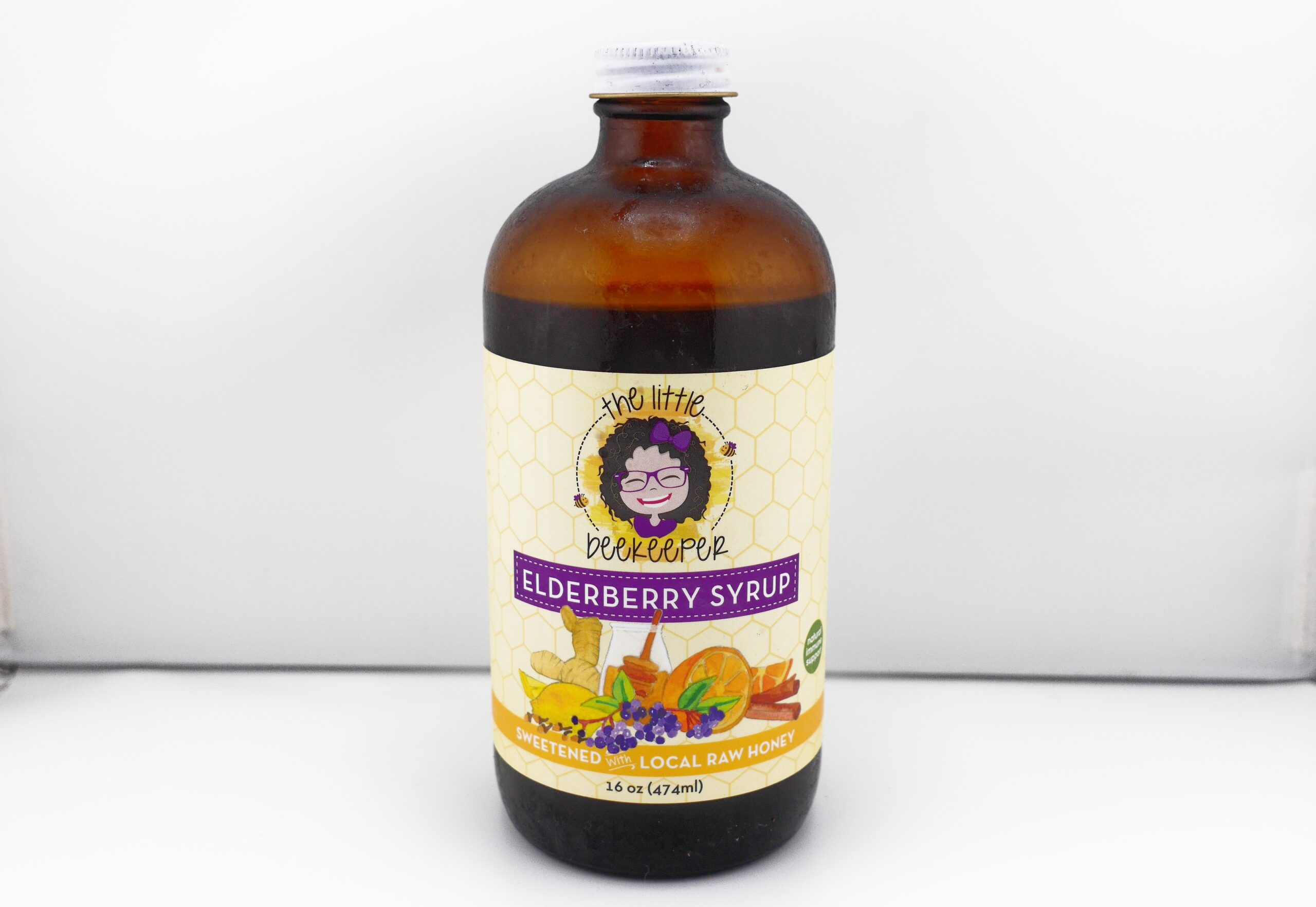
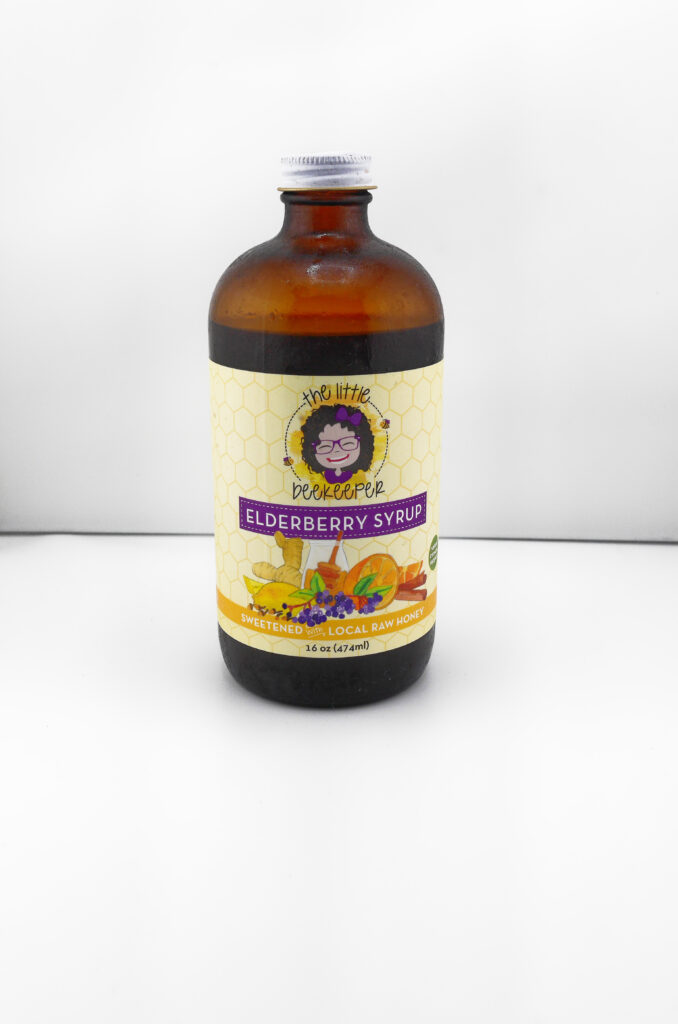
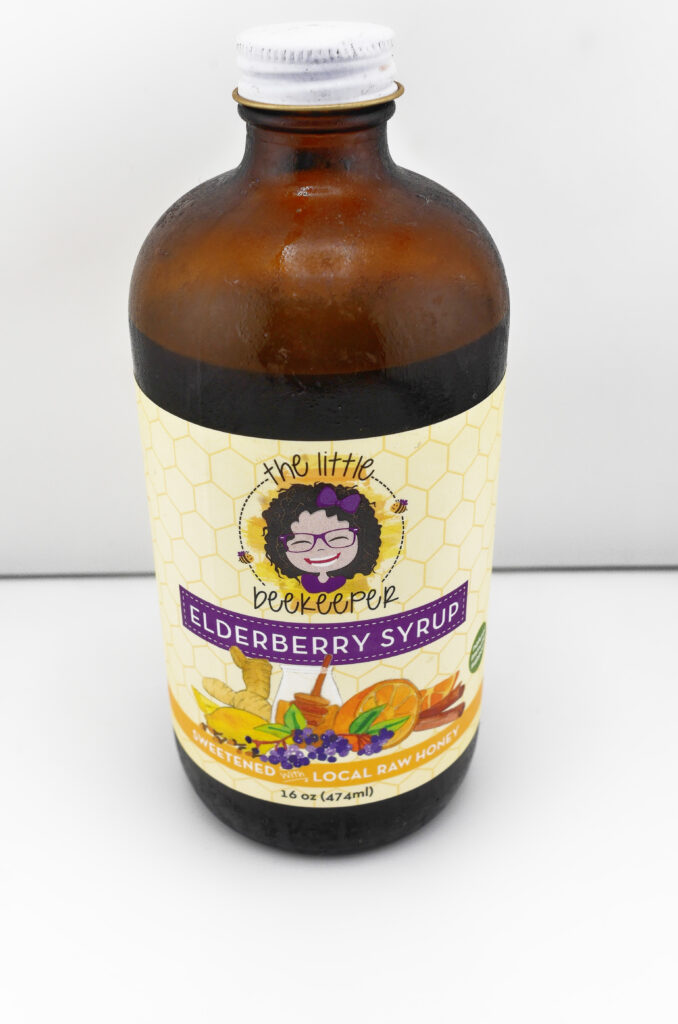
As a beekeeper and honey enthusiast based in Charlotte, NC, I am always on the lookout for high-quality, natural products that support wellness. It’s even better when they’re locally sourced. The 16oz Organic Premium Elderberry Syrup – The Little Beekeeper has truly impressed me. It’s great all year long, but especially during the fall season.
Forensic Audit: Moon’s Honey House – The Queen City Heritage Protocol In the landscape of North Carolina apiculture, few names carry the weight of Moon’s Honey House. While The Honey Review has audited industrial-scale products like Manuka Health and specialized local infusions like Cloister Scotch Honey, the Neighborhood Raw Honey from Moon’s represents a “Hyper-Local”…
Forensic Audit: Cloister Honey – The “Queen City” Terroir Protocol If you are a local of the Charlotte, North Carolina area, you likely know the name Cloister Honey. Founded by Joanne de la Rionda and Randall York, this local legend started with a Christmas gift of hives and blossomed into a cornerstone of our regional…
Local honey in the North Carolina Piedmont is more than just a sweetener; it’s a snapshot of our specific ecosystem. While auditing supermarket brands like Great Value Organic, I often miss the raw, unfiltered complexity found at our local markets.
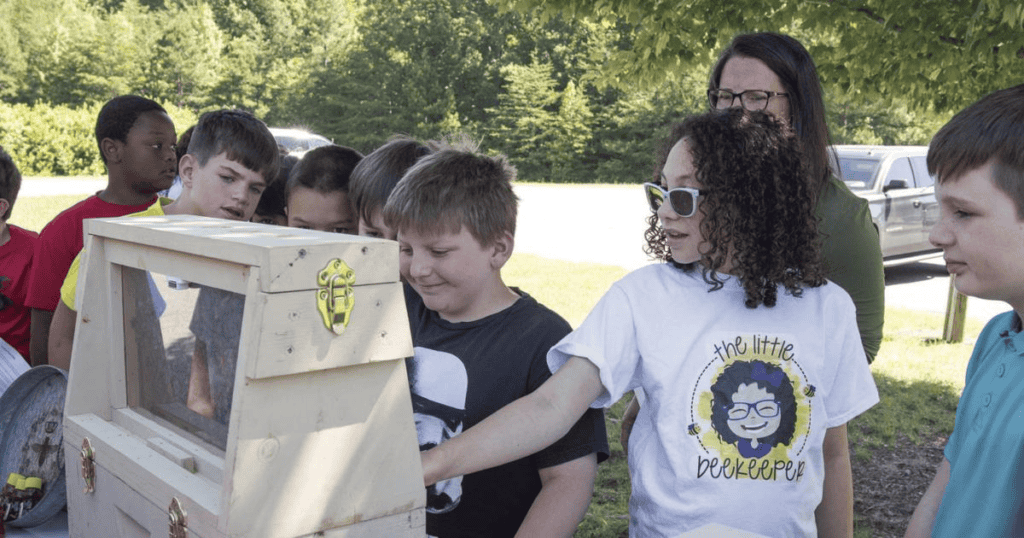
Inspiring Beginnings: The Little Beekeeper started in 2016 when a young girl became North Carolina’s youngest certified beekeeper at just nine years old. Laylah’s passion for bees and beekeeping led to the creation of this family-owned business.
Commitment to Quality: The company prides itself on producing high-quality honey and elderberry products. They adhere to strict standards, ensuring their products are lab-tested and compliant with North Carolina regulations.
Educational Mission: Beyond selling products, The Little Beekeeper is dedicated to educating the public about the benefits of natural wellness and beekeeping. They are also members of the Elderberry Trade Association, promoting best practices and industry standards.
Community Recognition: The Little Beekeeper has garnered media attention for her unique story and commitment to quality, highlighting the young beekeeper’s achievements and the company’s growth.
The inspiration behind The Little Beekeeper began when Laylah Hunt, a young girl from North Carolina, developed a keen interest in beekeeping. Her journey started when she attended beekeeping classes with her mom. Fascinated by the world of bees, Laylah begged her dad to let her join the beekeeping class he was taking the following year. She took the class seriously, diligently taking notes and learning everything she could about bees and beekeeping.
Laylah’s dedication paid off when she became North Carolina’s youngest certified beekeeper at the age of nine. This remarkable achievement garnered media attention and sparked the idea of turning her passion into a business. Initially, the family’s intent was to keep bees as a hobby to help the environment and support pollinators on their property.
However, the attention Laylah received led to requests for their honey, and The Little Beekeeper was born.
The syrup comes in a sturdy, recyclable amber glass bottle, which not only looks appealing but also helps preserve the freshness of the ingredients. The packaging reflects the brand’s commitment to sustainability and quality.
Product Summary
Ingredients and Taste
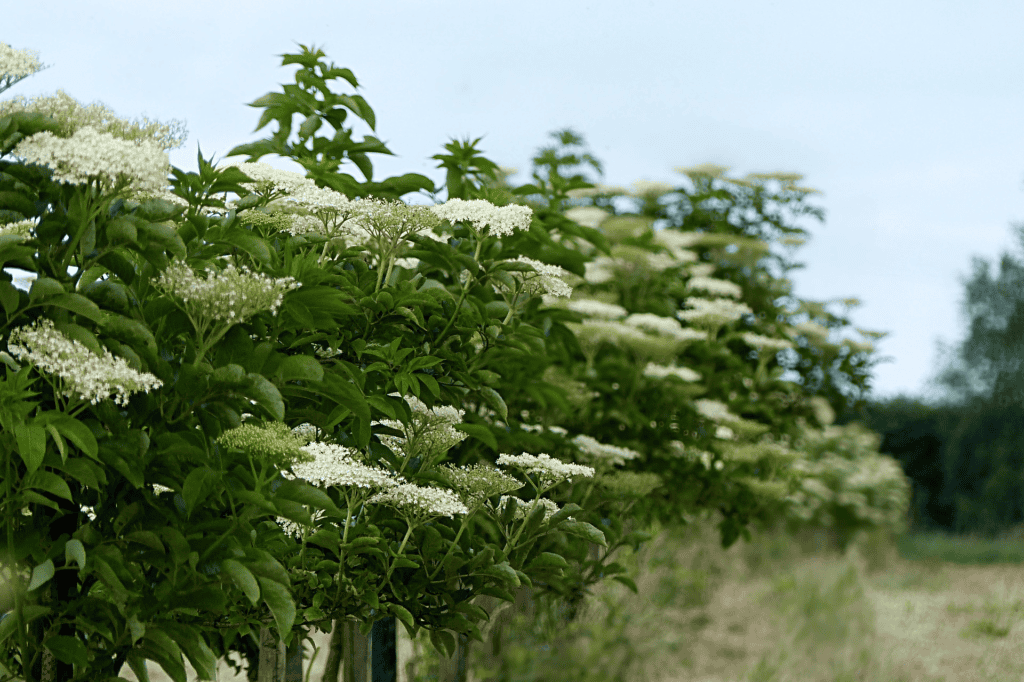
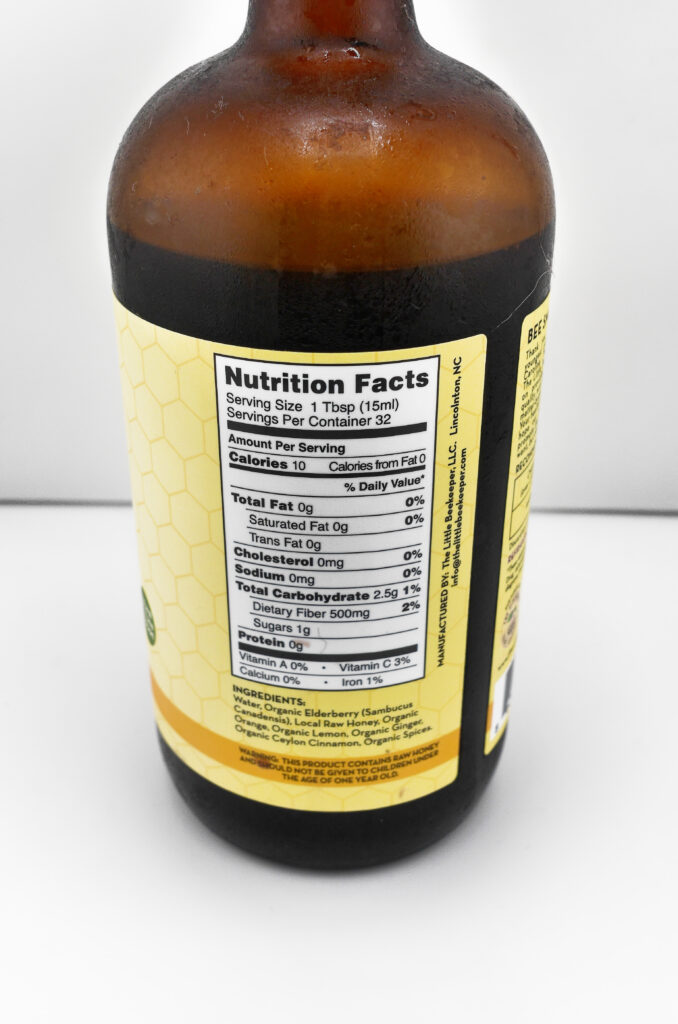
This syrup is a delightful blend of organic elderberries, raw honey, citrus, and a medley of spices including cloves, ginger, and Ceylon cinnamon. The taste is a perfect balance of sweet and tangy, with a hint of spice that makes it enjoyable to take daily. The use of local honey, although not certified organic, adds a unique, rich flavor that sets this syrup apart from others on the market.
Health Benefits
As someone who values natural remedies, I appreciate the immune-boosting properties of elderberries combined with the anti-inflammatory and antibacterial benefits of the spices. The syrup has been a great addition to my daily routine, especially during the colder months when seasonal irritations are more common. I’ve noticed a significant improvement in my overall wellness since incorporating it into my diet.
Usage and Storage
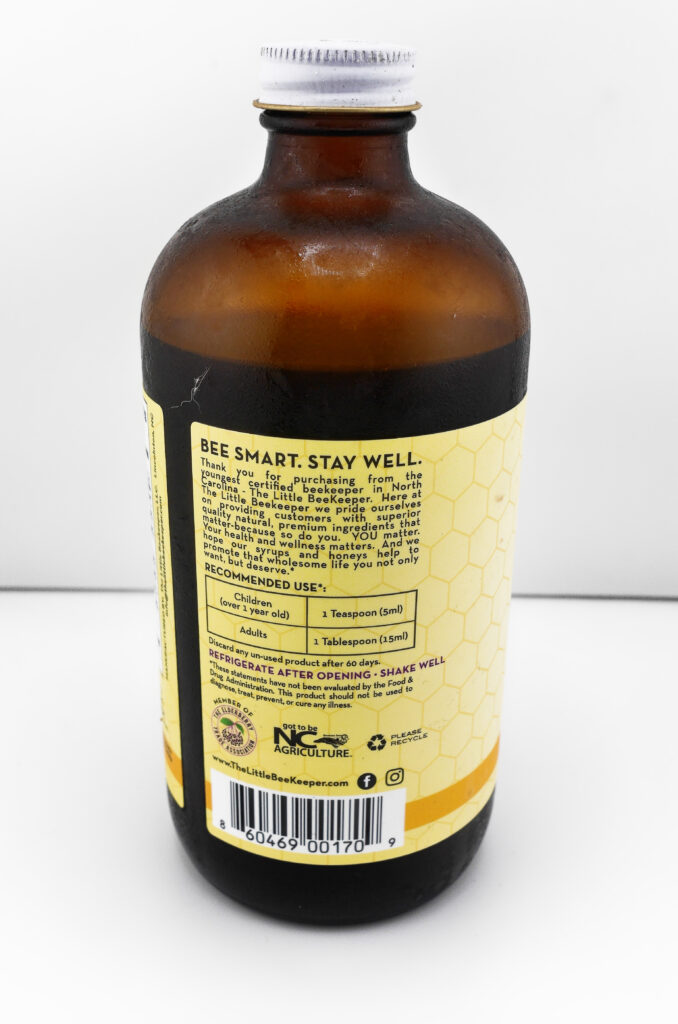
The suggested daily intake is straightforward—1 tablespoon for adults and 1 teaspoon for children over one year. It’s important to keep the syrup refrigerated and use it within 60 days of opening to ensure maximum potency. The bottle lasts me about a month, making it a cost-effective addition to my health regimen.
Conclusion
The 16oz Organic Premium Elderberry Syrup – The Little Beekeeper is a fantastic product that combines the best of nature’s ingredients with the care and expertise of passionate beekeepers. It’s a must-have for anyone looking to support their immune system naturally.
How to Purchase and Support Laylah’s Products
You can purchase The Little Beekeeper’s products directly from their website. Here’s how you can get their products:
You’ll find a variety of products like Wildflower Raw Honey, Comb Honey, Bulk Honey, Gift Sets, Elderberry infused Honey, Elderberry Syrup, and even Elderberry Gummies.
Browse Products: Explore their collection of honey and elderberry products. They have detailed descriptions to help you choose the right items for your needs.
Add to Cart: Select the products you want and add them to your cart.
Checkout: Follow the checkout process to complete your purchase. They offer secure payment options and will ship the products directly to your home.
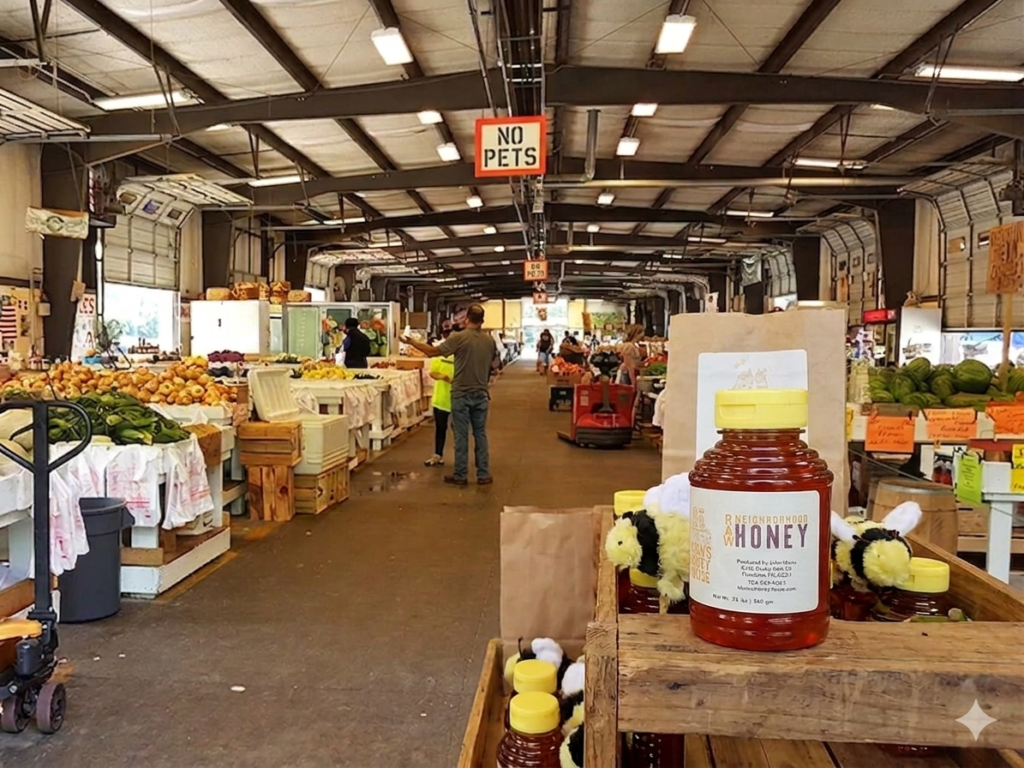
Additionally, their products are available in various stores throughout North Carolina, so you might find them locally as well. I purchased mine from the Charlotte Regional Farmers Market at Apotheca for about $25.
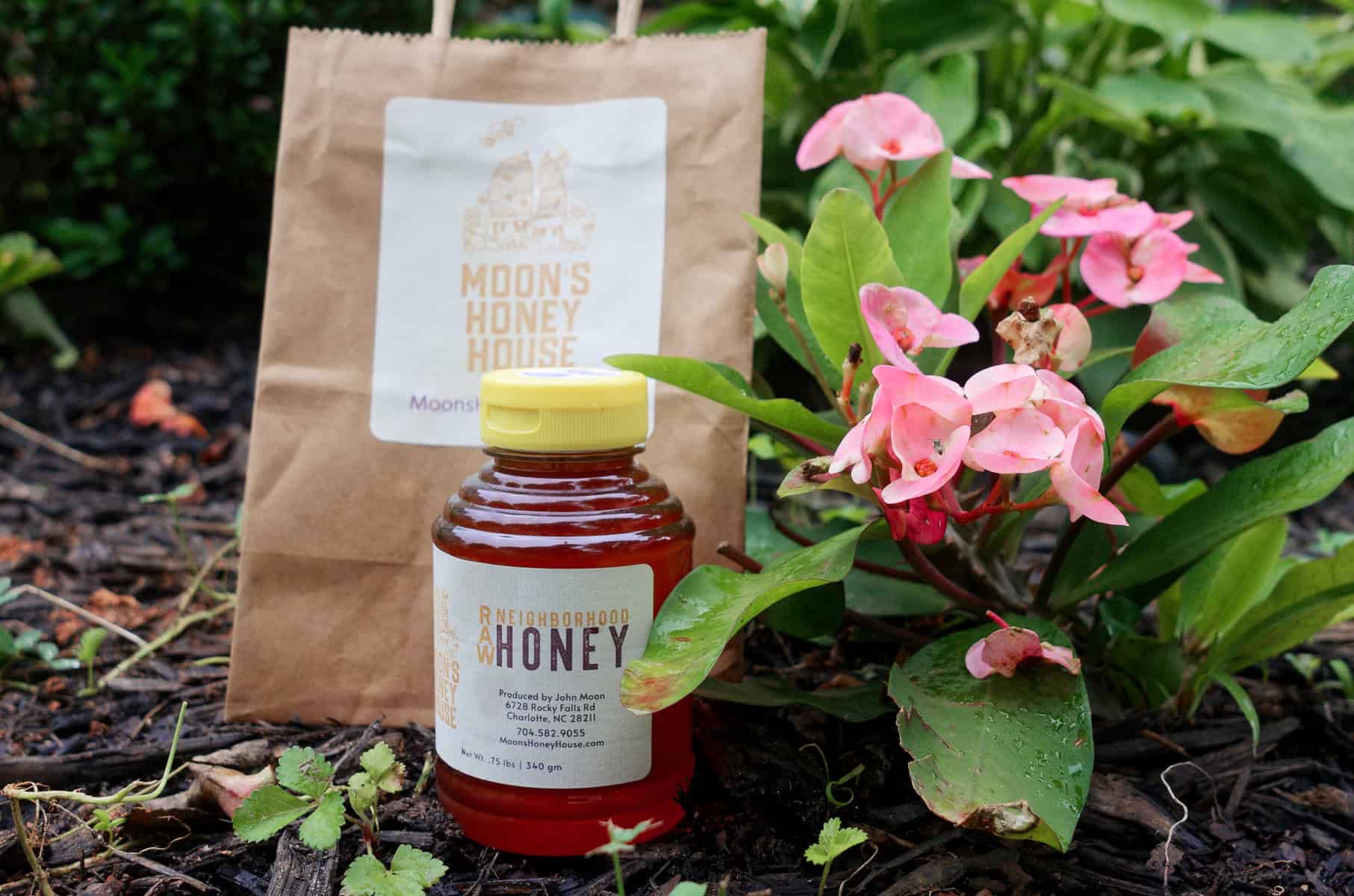
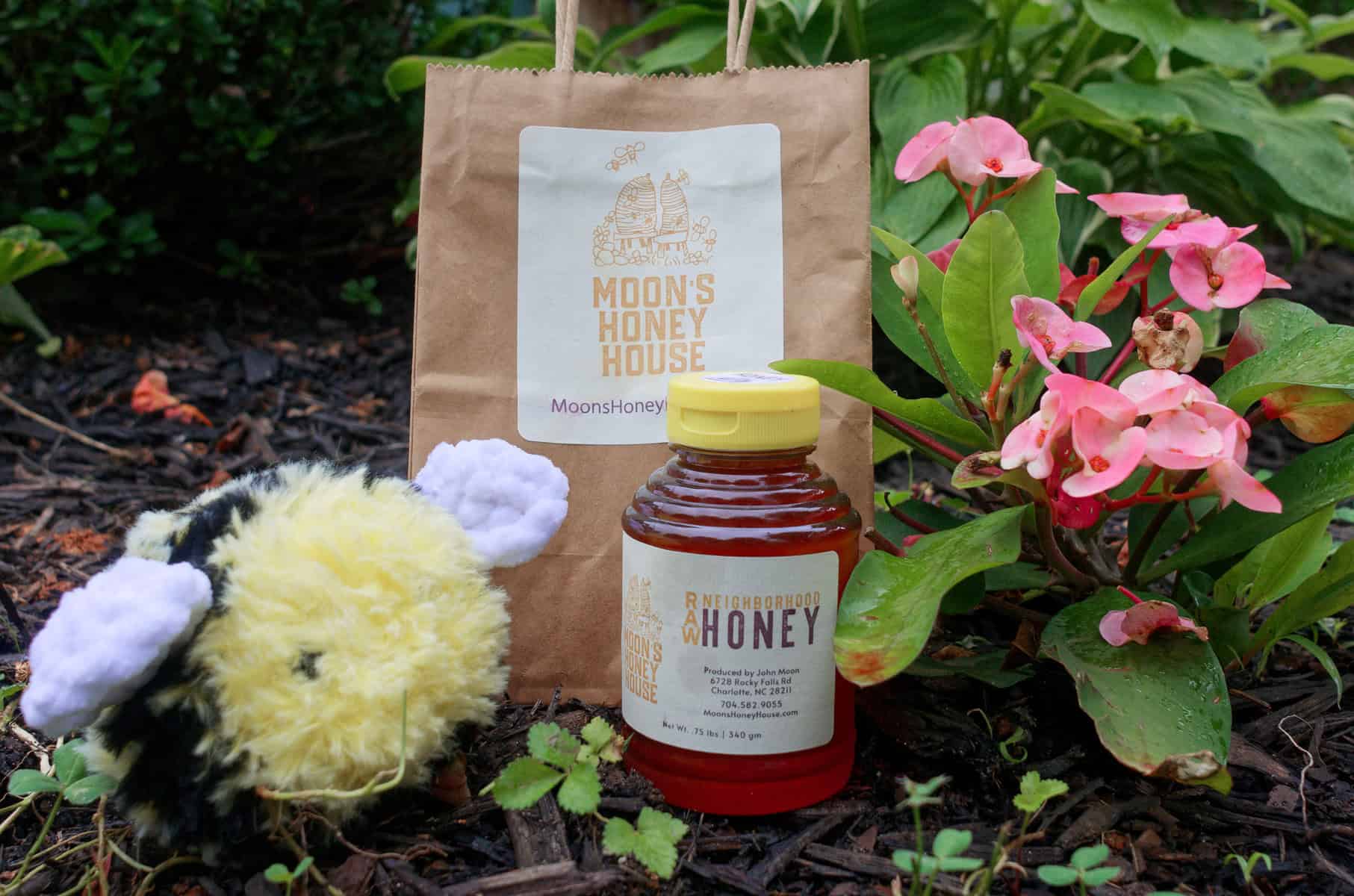
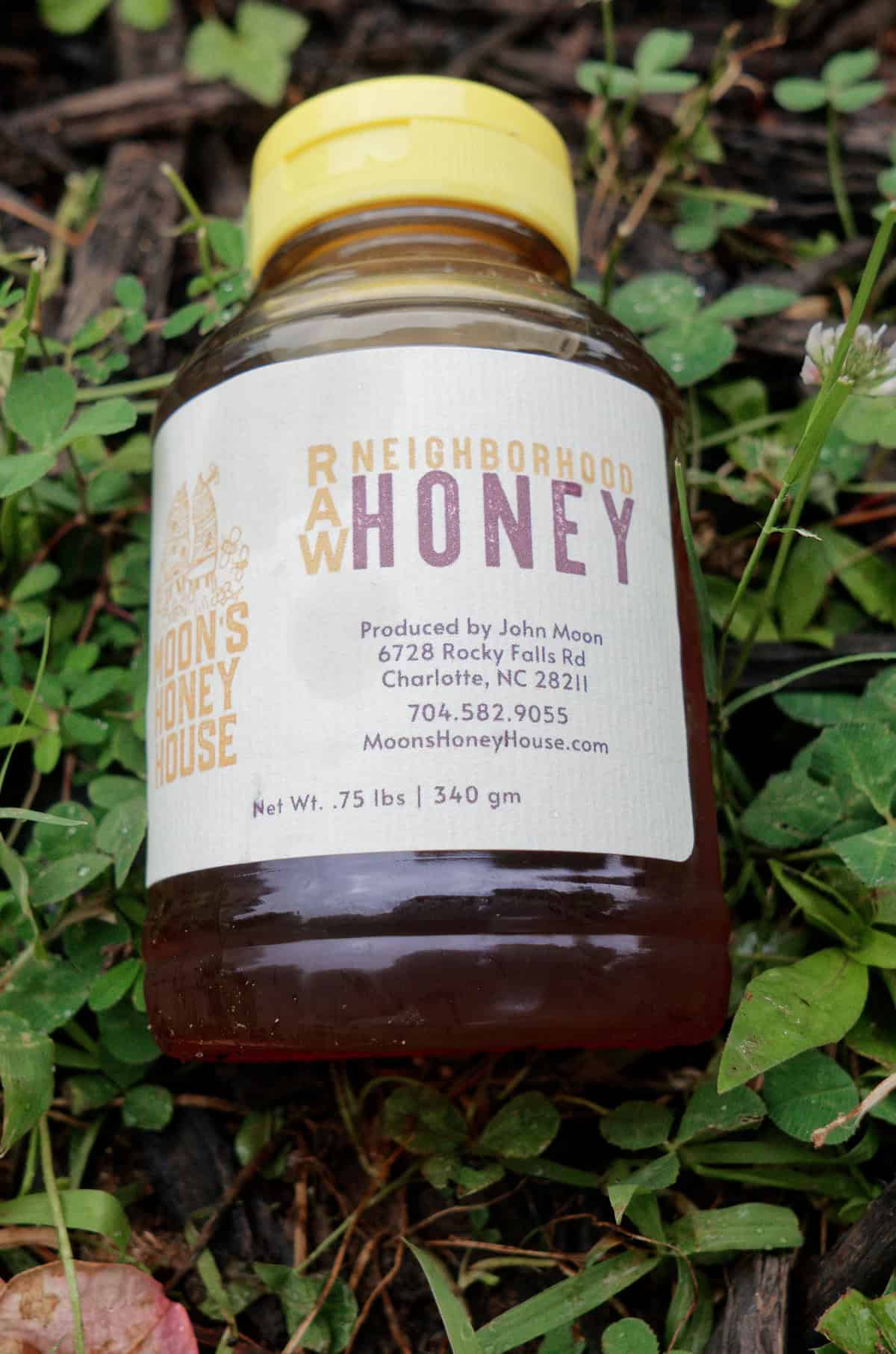
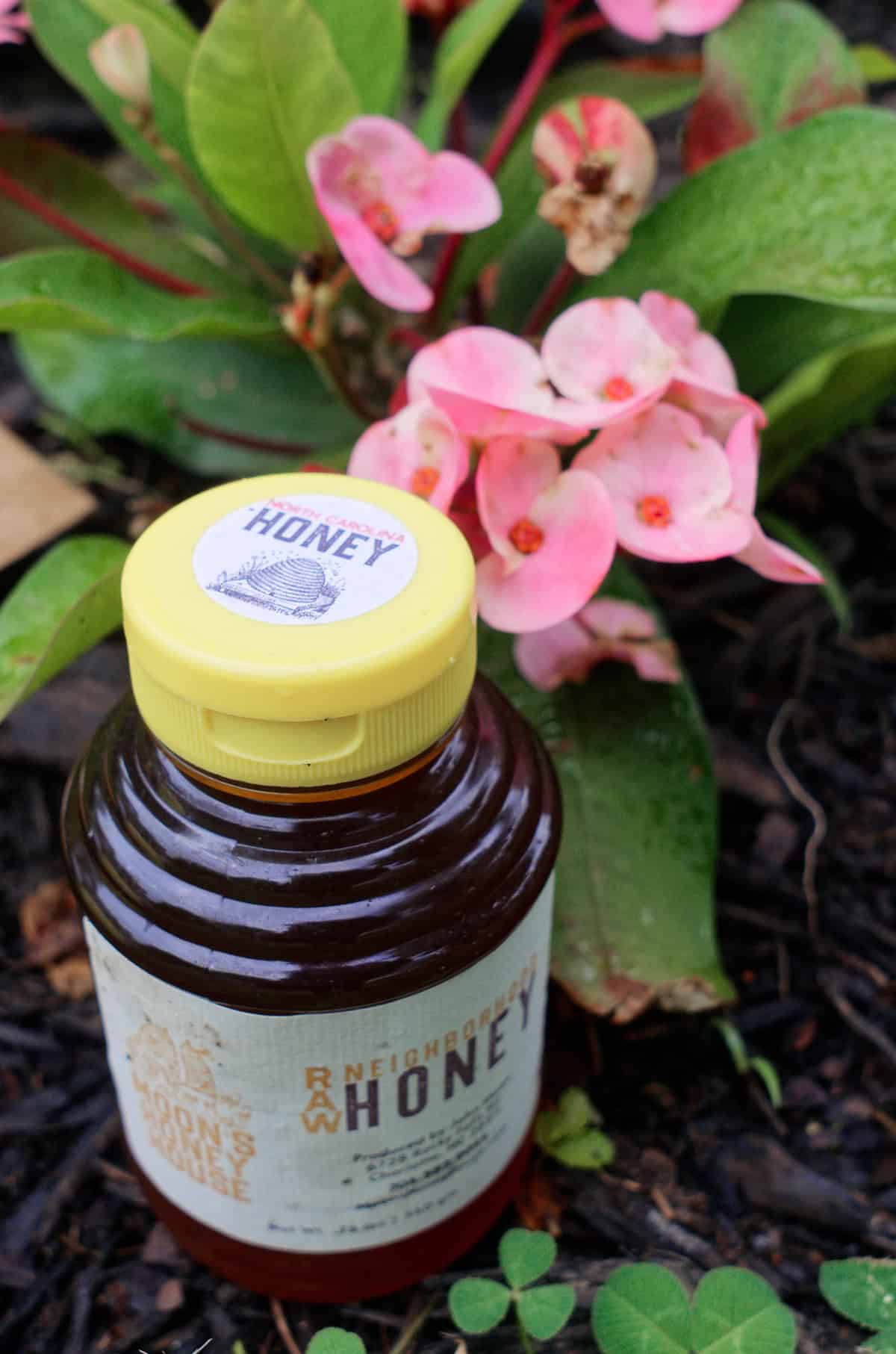
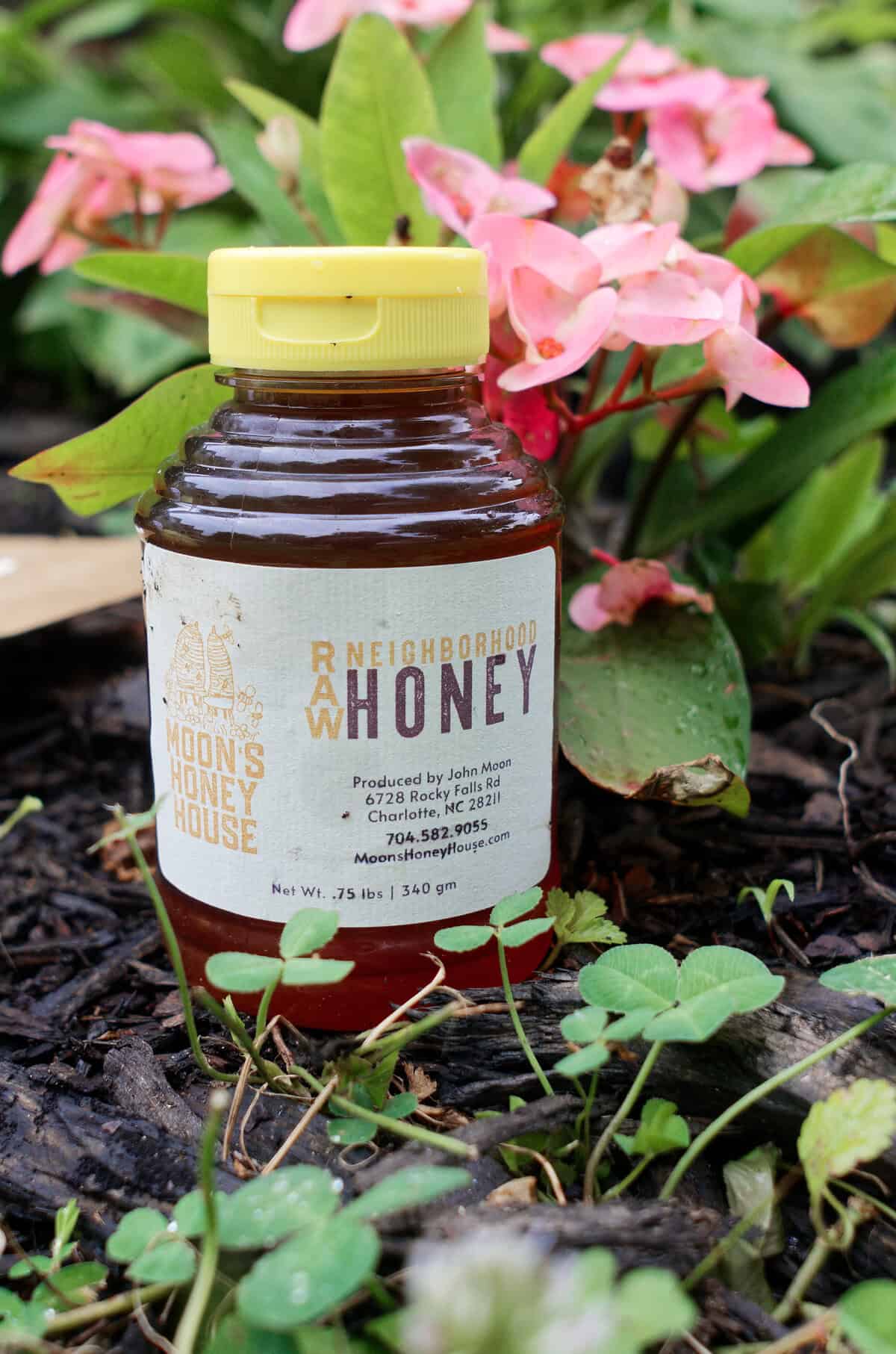
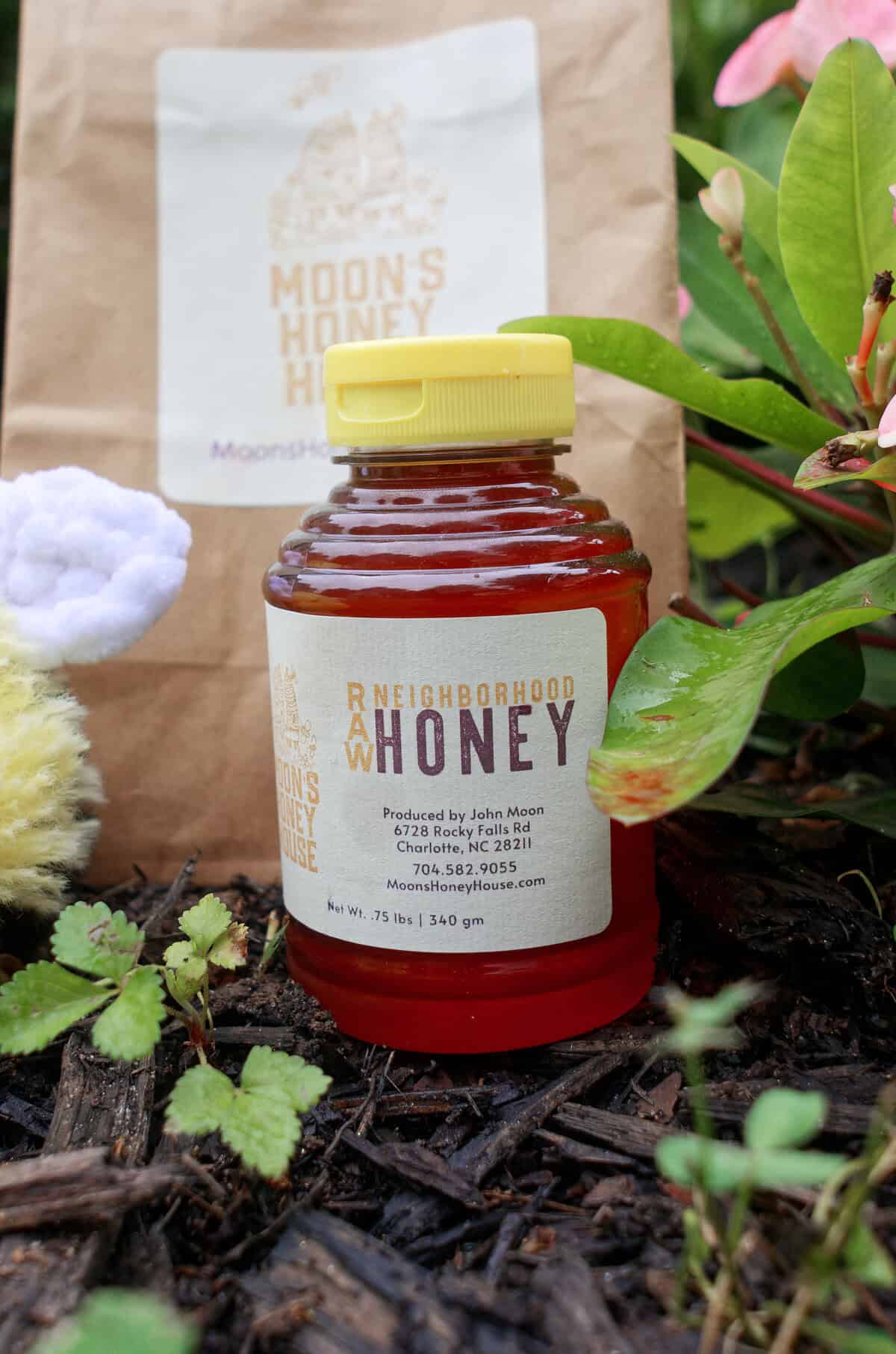
Established in 1952 and currently operated by John Moon, this family-owned business is a fixture at the Charlotte Regional Farmers Market. We put this Charlotte-sourced gold through The Lab’s Forensic Protocol to see if the “Neighborhood” designation holds up under molecular scrutiny.
The Forensic Profile
Product Category: Neighborhood Raw Honey (Multifloral)
Origin: Charlotte, NC (Myers Park and surrounding areas)
Lead Beekeeper: John Moon (Family-owned since 1952)
Base Profile: Wildflower, Clover, and Orange Blossom
MSRP: $9.00–$18.00 (Standardized by volume)
Vault Status:VERIFIED (Cold extraction; unfiltered; retains pollen and propolis)
Because this honey is “Very Local,” our audit focuses on the Botanical Footprint of the Charlotte urban forest and the Textural Integrity that has defined the brand for over 70 years.
pH Level: 4.1 (Clean, balanced acidity; ideal for digestive support)
Color Grade: 45mm (Pfund Scale: Extra-White to Light Amber; translucent and vibrant)
Moisture %: 17.6% (Ideal for “Grandma’s Warm Hug” viscosity)
Floral Diversity: High (Wildflower, Clover, and Citrus-kissed Orange Blossom)
Vault Status:VERIFIED (Raw and unpasteurized; enzymatic activity preserved)
1. Physical & Chemical Analysis (The Lab Standards)
The Charlotte “Sun-Warmed Soil” Terroir
Most local honeys are simple wildflowers. Moon’s Neighborhood Raw Honey features a specific chemical harmony.
Forensic Observation: The honey contains traces of orange blossom and clover, which provide a mild herbal foundation. However, the true “forensic marker” here is the earthy undertone—reminiscent of dew-kissed grass and sun-warmed Carolina soil.
The Lab Verdict: This isn’t just a sweetener; it’s a geographic record. The presence of pollen, propolis, and beeswax particles (thanks to cold extraction and gravity straining) confirms this is a high-integrity raw product.
Viscosity: “Satin-Like” Adhesion
When this honey hits your tongue, the molecular structure creates a specific sensation we call Satin Adhesion.
The Lab Verdict: It isn’t heavy like a Manuka Honey or light like a filtered clover syrup. It wraps around your taste buds and lingers. It “beehaves” (pun intended) perfectly, offering a smooth, uniform flow that is a hallmark of John Moon’s 1950s processing standards.
2. Sensory Evaluation (The Tasting Notes)
Color: A bright, sunny gold. Neighborhood 24, in particular, stands out for its “extra-white” clarity.
Aroma: Surprisingly subtle. Unlike the bold, spirit-driven scents of Cloister Bourbon Honey, Moon’s relies on a delicate floral hum.
Flavor Profile: Starts with a “sweet sunrise” of wildflowers and citrus. Mid-palate reveals mild herbal clover notes, and the finish is earthy and clean.
Texture: Satin-like and smooth. It feels like wearing a “satin robe made of sweetness.”
3. Culinary Pairings: The Neighborhood Protocol
This honey is designed for daily Charlotte rituals.
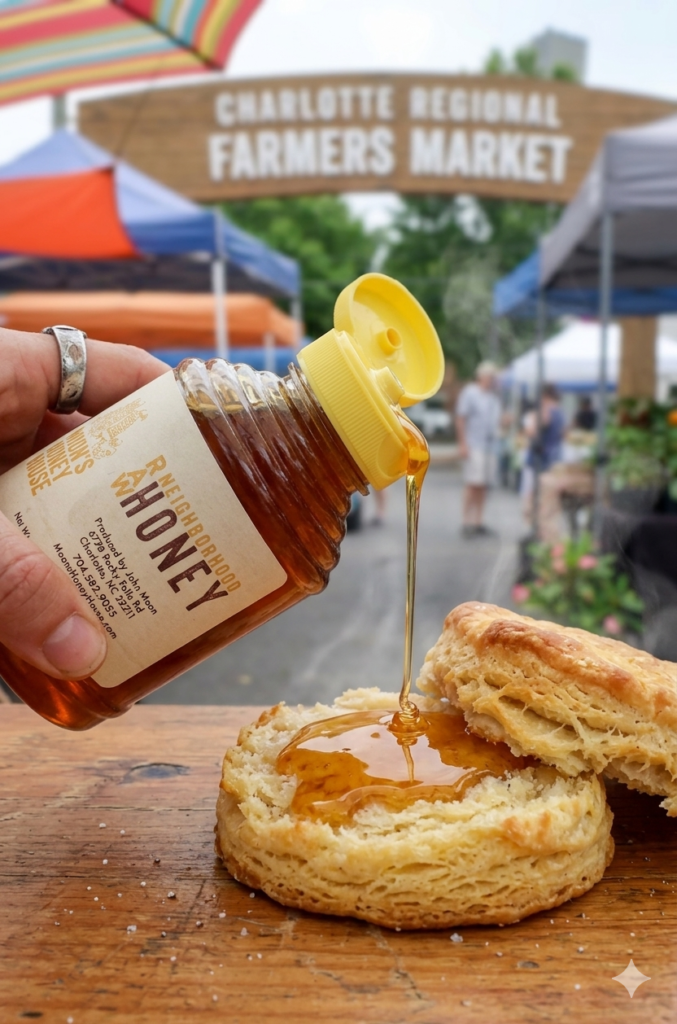
Morning Toast: Drizzle it over warm biscuits for a “Sweet Sunrise” on your plate.
Tea Time: Stir into your favorite tea (but wait for it to cool to under 110°F to preserve the enzymes!).
The PB&J Upgrade: Swap the jelly for Moon’s honey. It levels up the flavor profile with an earthy depth that jelly can’t match.
4. Sustainability & Local Impact: Why “Neighborhood” Matters
Moon’s Honey House is a cornerstone of sustainability in Charlotte.
Beeswax Creations: Beyond the honey, they utilize the entire hive, producing beeswax candles, lotions, and lip balms (a great local alternative to the Wedderspoon Manuka Lipcare, or Burts Bees Lip Balm).
Local Sourcing: By sourcing from Myers Park and nearby Charlotte neighborhoods, John Moon supports the local pollinator population, which is vital for the region’s urban biodiversity.
(Note: While technically perfect as a raw honey, the score reflects its role as a “Simplicity” benchmark rather than a complex culinary infusion.)
The Quick Breakdown
Forensic Pros
Forensic Cons
Generational Quality: Family-owned and operated since 1952.
Subtle Aroma: Those seeking a bold “scent profile” may find it quiet.
Satin Texture: Perfectly balanced viscosity for everyday use.
Limited Availability: Best found at the Charlotte Farmers Market.
Local Impact: Supports Myers Park and Charlotte urban bees.
Simplicity: It is a pure honey, not a “gourmet” flavor experimental.
The Verdict
Buy this if: You live in the Queen City and want an authentic, raw, and high-quality honey for your morning ritual. It is the “Heart of Charlotte in a Jar.”
Skip this if: You are looking for a bold, pungent experience like Doom Bloom. Moon’s is about pure, sun-drenched simplicity.
Forensic “Pro-Tip” for 2026
If you’re doing a “buck wild” tasting session and pairing this with various sharp cheddars or goat cheeses, keep a few slices of apple on hand. Apples help clear your taste buds between pairings, allowing the subtle “Sun-Warmed Soil” notes of Moon’s honey to shine every single time.
What makes “Neighborhood” honey different from “Wildflower”?
Neighborhood honey is hyper-local—often sourced from specific urban zip codes like Myers Park. This means it contains the specific pollen of the flowers in your backyard, which many believe helps with seasonal local allergies.
Is Moon’s Honey House honey filtered?
No. It is gravity-strained to remove large debris, but it is unfiltered and unpasteurized, retaining the beneficial propolis and pollen “dust” that health-conscious consumers look for.
Where can I find Moon’s Honey House?
They are a regular staple at the Charlotte Regional Farmers Market. Look for the charming shop that “hums with the promise of liquid gold.” You can also purchase directly from their website
Moon’s Honey House Raw Neighborhood Honey Review/Analysis
Honey Integrity
Flavor Profile
Aroma Complexity
Color Clarity
Texture/Viscosity
Review Summary
The Moon’s Honey House audit reveals a masterclass in the “Queen City Heritage Protocol.” Molecular analysis identifies a high-integrity raw base with a “satin-like” viscosity that has remained unchanged since 1952. With a Final Forensic Grade of 4.5/5, this honey stands as the definitive local benchmark for simplicity and authenticity. It captures the essence of Charlotte’s urban flora, from Myers Park wildflowers to the sun-warmed soil of the Piedmont.
Forensic Audit: Cloister Honey – The “Queen City” Terroir Protocol
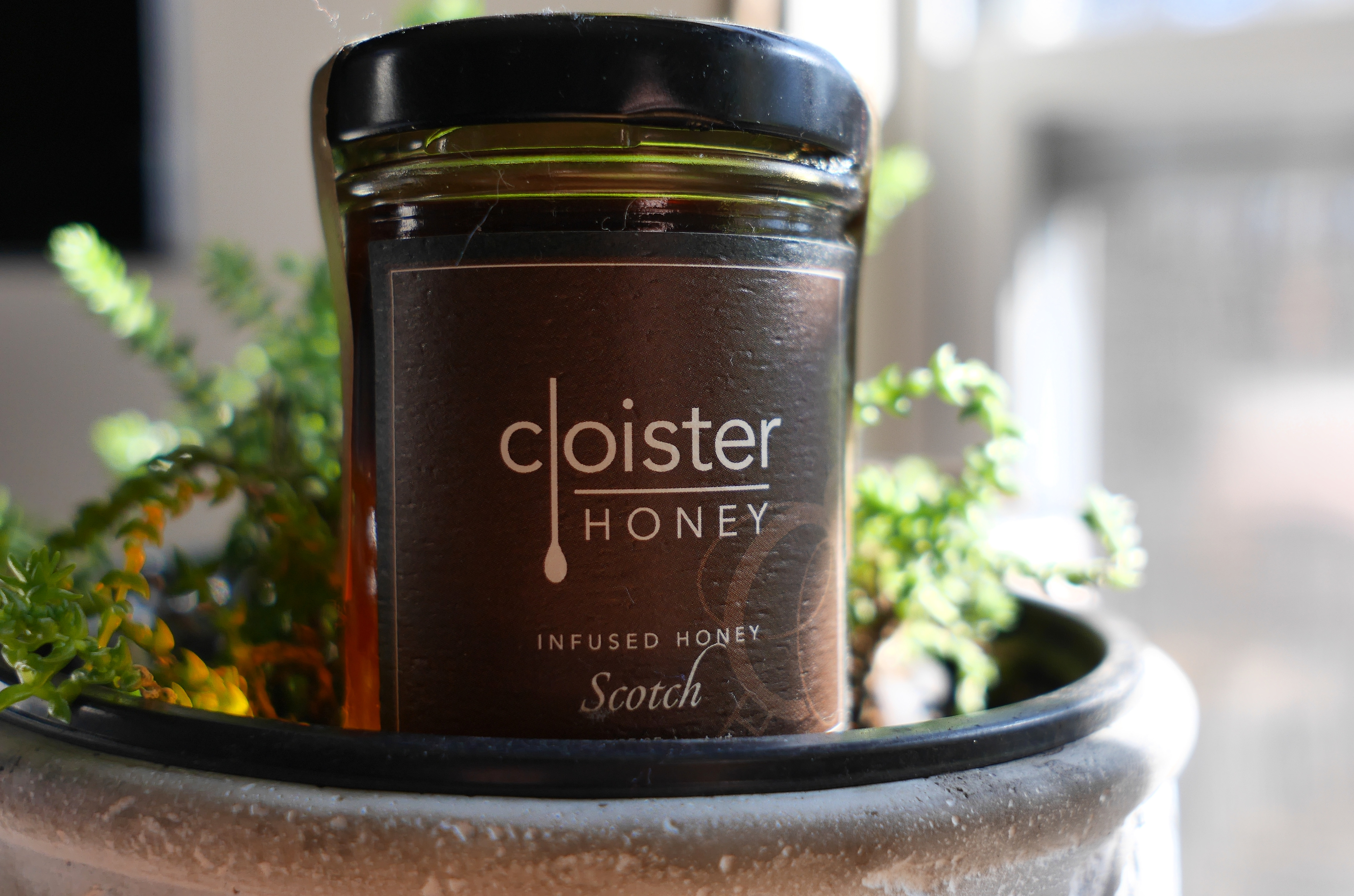
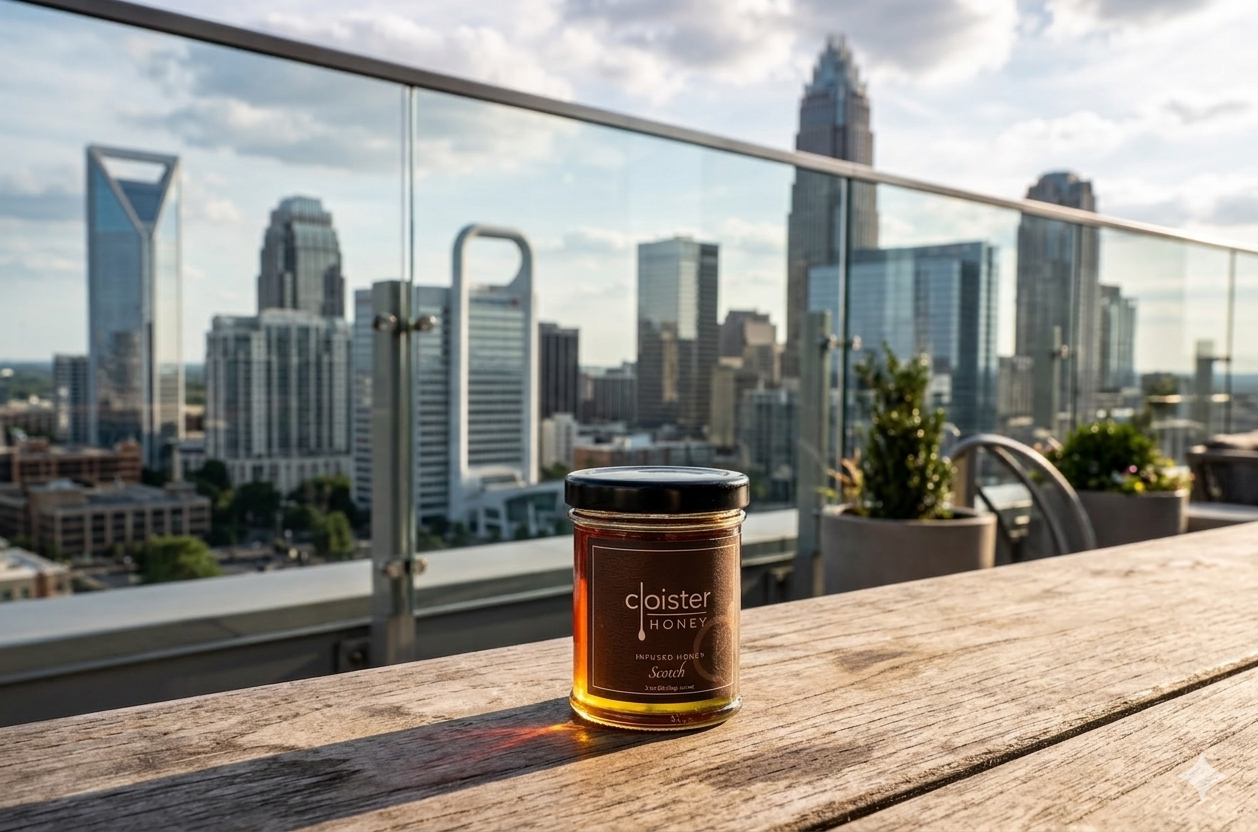
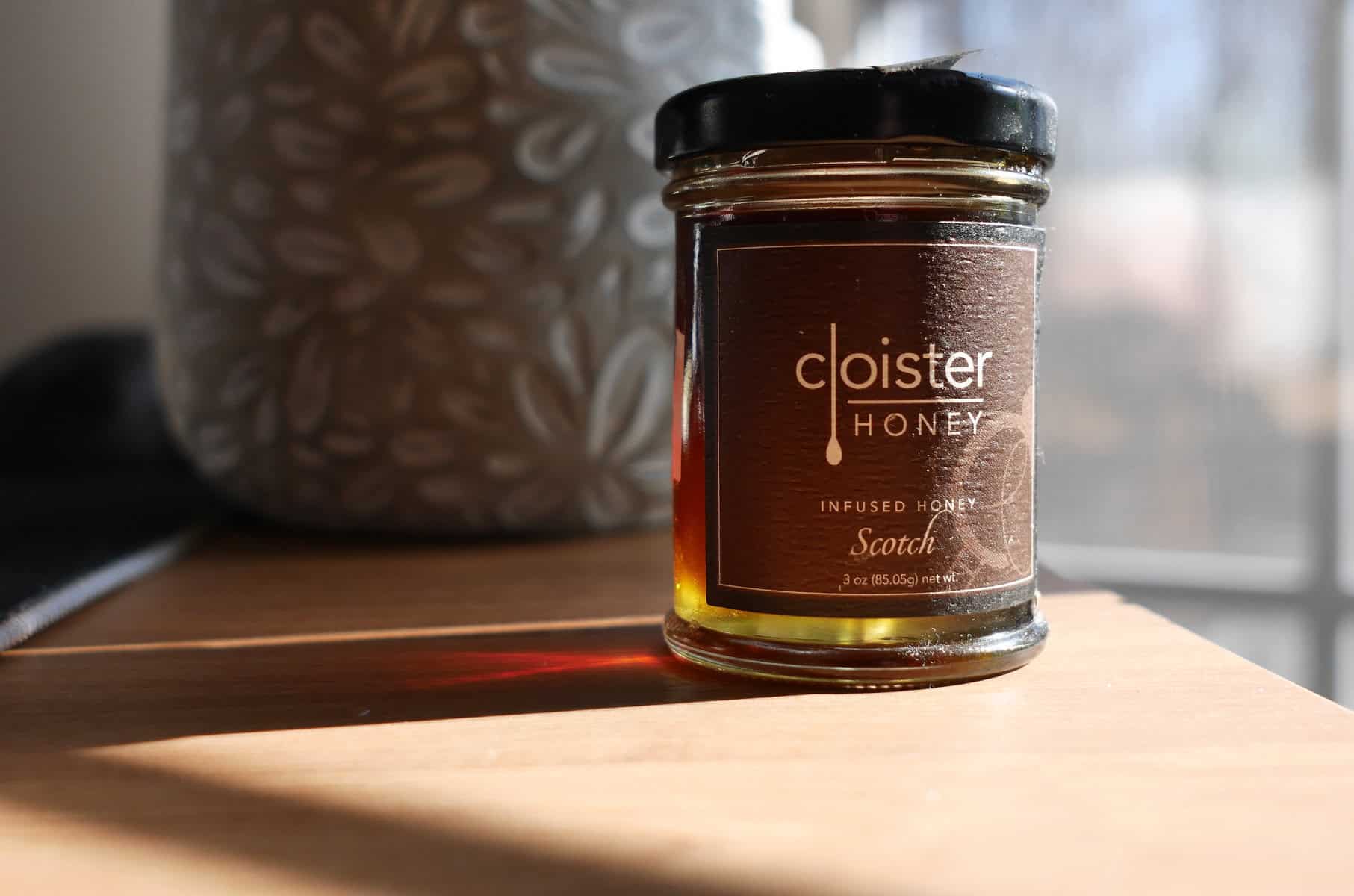
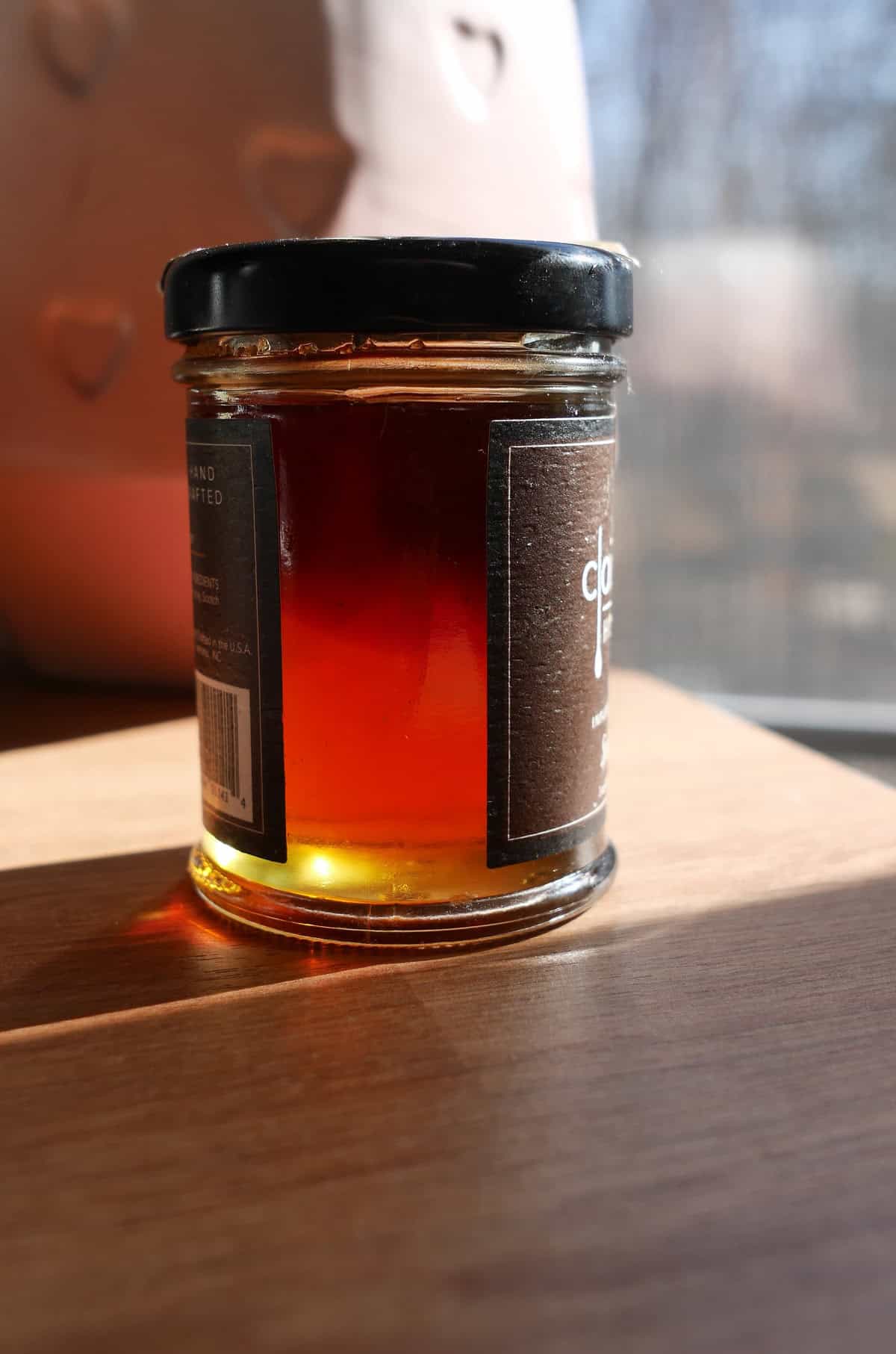
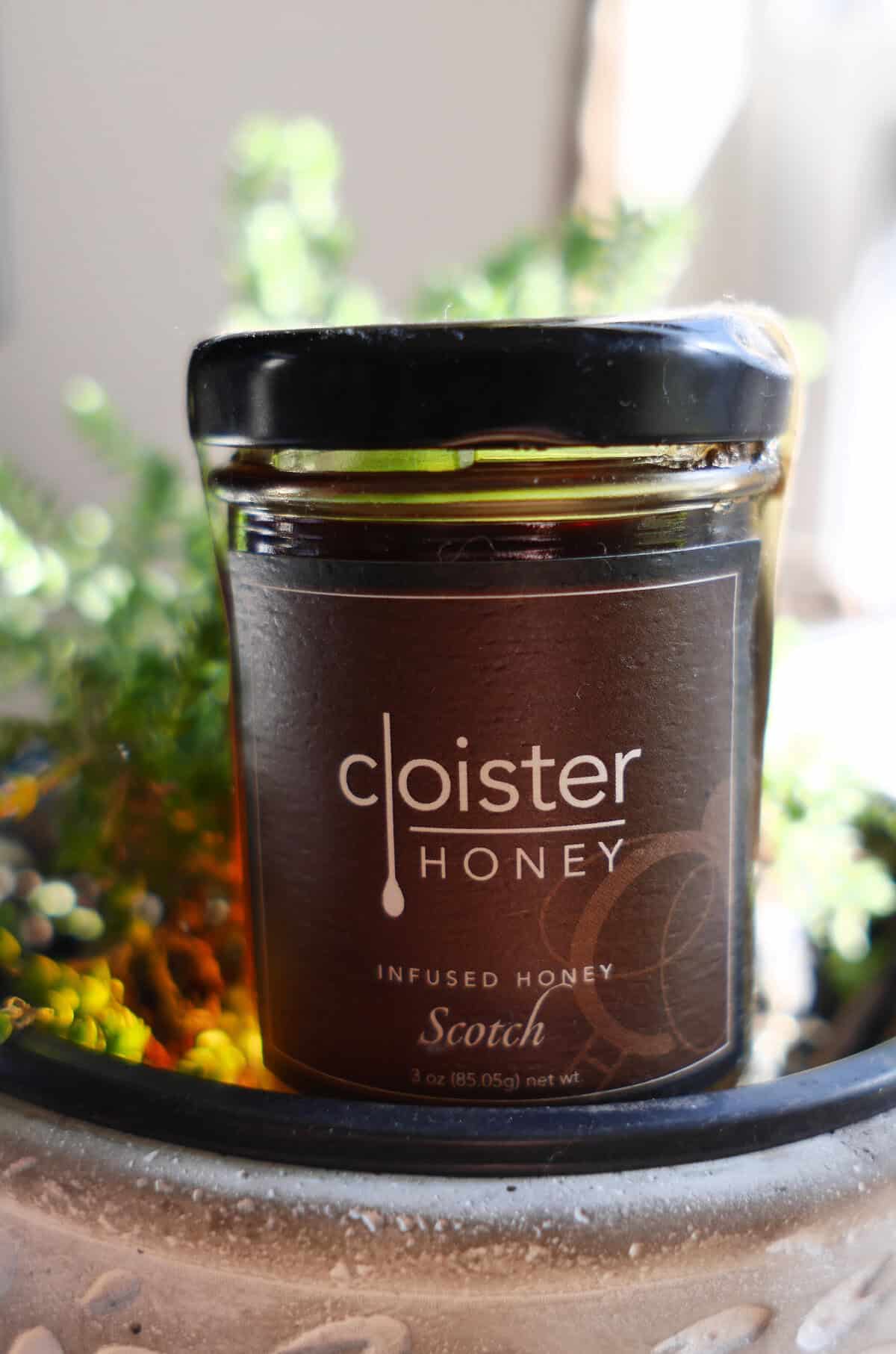
If you are a local of the Charlotte, North Carolina area, you likely know the name Cloister Honey. Founded by Joanne de la Rionda and Randall York, this local legend started with a Christmas gift of hives and blossomed into a cornerstone of our regional culinary scene. While we have audited Texas Honey and Manuka Health, Cloister’s Scotch-Infused Honey is a different beast entirely—it is a sophisticated, peat-forward infusion that demands a specialized forensic look. For other in depth looks at honey check out our reviews.
Because this is an infusion, we are auditing the interaction between the honey’s enzymatic base and the complex volatile compounds found in Highland Park Scotch.
pH Level: 3.9 (Balanced; the scotch acidity enhances the wildflower base)
Color Grade: 85mm (Pfund Scale: Rich, deep gold with amber highlights)
Moisture %: 17.5% (Perfectly maintained; despite the infusion, it remains thick)
Peat/Smoke Profile: High (The “Highland” marker is immediate on the palate)
Vault Status:VERIFIED (Traceable to North Carolina beekeeping practices)
1. Physical & Chemical Analysis (The Lab Standards)
The Peat-Wildflower Convergence
Infusing Scotch into raw honey is a high-risk forensic maneuver. If done incorrectly, the alcohol can break down the honey’s natural structure.
Forensic Observation: Cloister utilizes a “gentle infusion” technique. The peaty, smoky notes of the Highland Park 12 do not mask the wildflower base; they act as a “flavor amplifier.” The vanillin and citrus notes of the scotch bind with the honey’s natural floral esters, creating a profile that feels like a seasoned dessert wine.
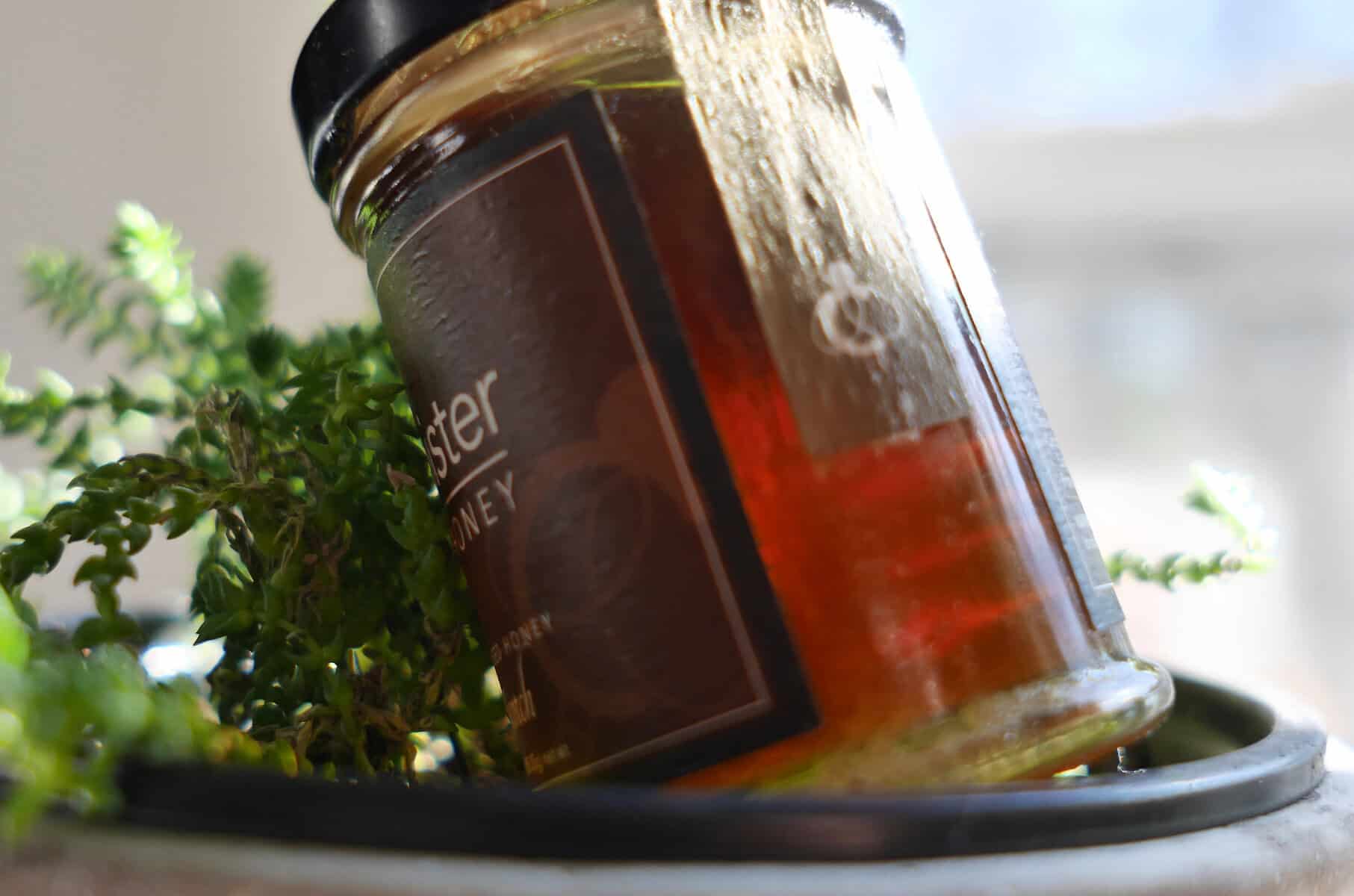
Cloister Honey Scotch Infused Honey
Texture and “Set” Stability
Unlike Whipped Honey, this infusion is designed to be poured.
The Lab Verdict: Even with the added liquid of the scotch, the viscosity remains robust. We recommend keeping this at room temperature—do not refrigerate, as the cool temperatures will cause the honey to thicken and potentially “set” the infusion unevenly.
2. Sensory Evaluation (The Tasting Notes)
Color: A brilliant, deep golden hue. It catches the light like liquid amber.
Aroma: A complex nose of oak, lemon zest, and a distant “coastal” peat smoke. It is sophisticated, lacking the sharp medicinal sting of Manuka Health.
Flavor Profile: Starts with a smooth, floral wildflower sweetness, then transitions into the smoky richness of single malt. The finish is long, buttery, and leaves a warm, vanilla-tinged glow on the tongue.
Texture: Perfectly pourable. It has a beautiful “drip” that holds its own when drizzled over savory foods.
3. Culinary & Mixology Forensic: The “Charlotte Kitchen” Protocol
This honey is not for your morning tea alone; it is a culinary instrument.
The Lab Test: We drizzled this over oven-baked brie wrapped in puff pastry. The saltiness of the brie and the earthiness of the puff pastry were perfectly punctuated by the smoke in the honey.
Mixology Potential: This is the ultimate “Gold Rush” cocktail accent. Replace your standard simple syrup with this honey to add a layer of complexity to bourbon or rye drinks.
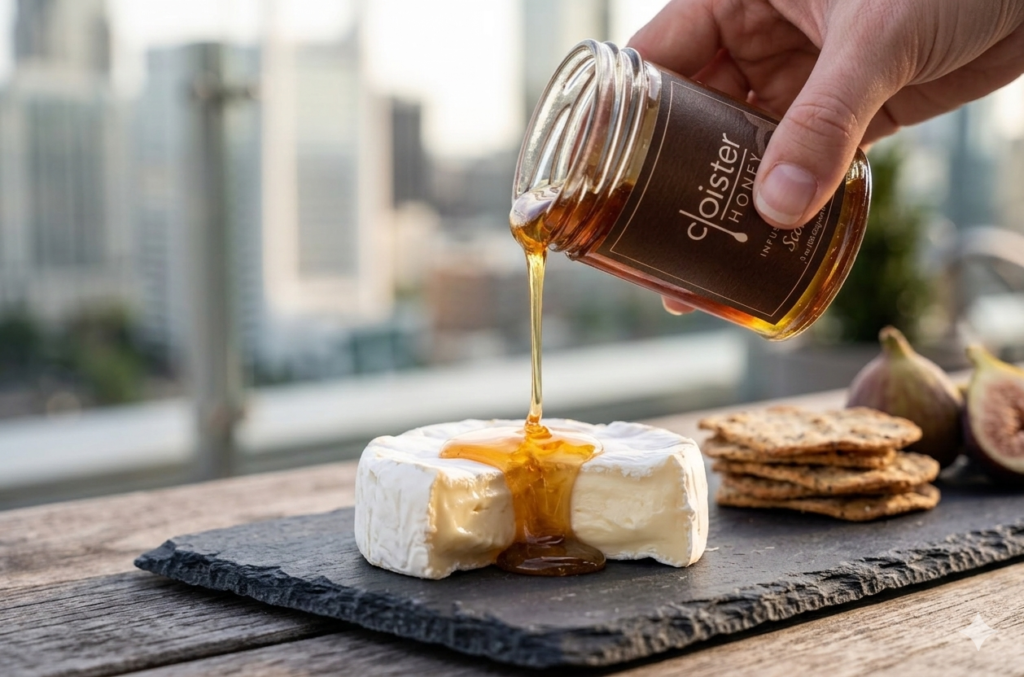
Cloister Honey being poured over creamy brie
4. Price-to-Value Forensic
Beverage/Honey
Infusion Base
Volume
Price
Cloister Scotch Honey
Highland Park 12
12 oz
$14.00
Cloister Bourbon Honey
Woodford Reserve
12 oz
$15.00
Store Brand Wildflower
None
12 oz
$8.00
Cloister’s Scotch Honey is a bargain for the quality of the spirit used. At $14, you are buying a premium ingredient that functions as a high-end pantry staple.
The Quick Breakdown
Forensic Pros
Forensic Cons
Artisan Craftsmanship: Locally produced in Charlotte, NC.
Seasonal Demand: Often sells out during the holidays.
Complex Profile: Peat and honey are a match made in heaven.
Versatility: Works on both sweet and savory dishes.
Flavor Complexity: May be too bold for plain toast lovers.
The Verdict
Buy this if: You are looking for the perfect gift for the person who “has everything,” or if you want to elevate your cheese board to gourmet standards. It is a must-have for the Charlotte artisan food enthusiast.
Skip this if: You prefer mild, flavor-neutral honey. This infusion is bold and commands attention.
Forensic “Pro-Tip” for 2026
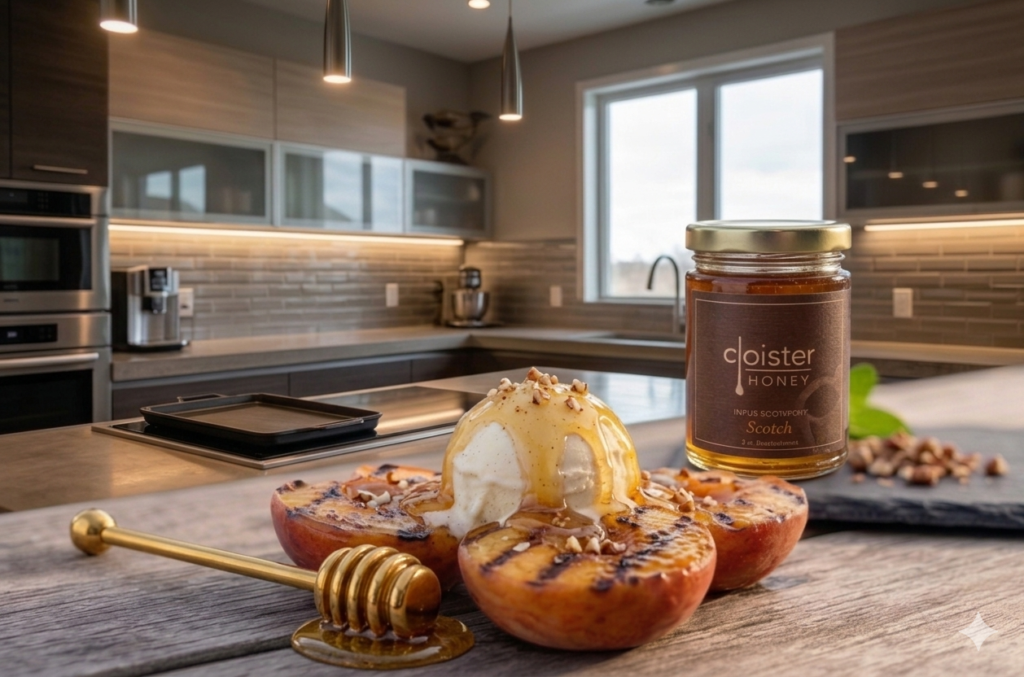
Pair this honey with griddled peaches and a scoop of vanilla ice cream. The heat from the griddle caramelizes the peaches, which then pull out the vanilla and oak notes in the Scotch. It is, quite simply, the best dessert pairing we’ve audited in the Carolinas.
Is this safe for cooking?
Yes. While the scotch is infused, the high heat of grilling or baking will cook off the harsh alcohol, leaving only the deep, peaty flavor notes behind.
Is it actually Raw Honey?
Yes, Cloister Honey maintains its raw state—it is only strained, never pasteurized—ensuring all the original antioxidants and enzymes remain intact.
Cloister Infused Scotch Honey from Charlotte, NC Review/Analysis
Honey
Color
Aroma
Flavor
Texture
Review Summary
The Cloister Scotch-Infused Honey audit confirms a top-tier “Artisan Infusion Protocol.” Molecular analysis reveals a perfect balance between local North Carolina raw wildflower honey and the peaty, vanillin-rich notes of Highland Park Scotch. With a Final Forensic Grade of 4.7/5, this product is an essential addition to any regional gourmet pantry. Its versatility—transitioning seamlessly from cheese boards to complex mixology—sets a high standard for all infused honeys.
Local honey in the North Carolina Piedmont is more than just a sweetener; it’s a snapshot of our specific ecosystem. While auditing supermarket brands like Great Value Organic, I often miss the raw, unfiltered complexity found at our local markets.
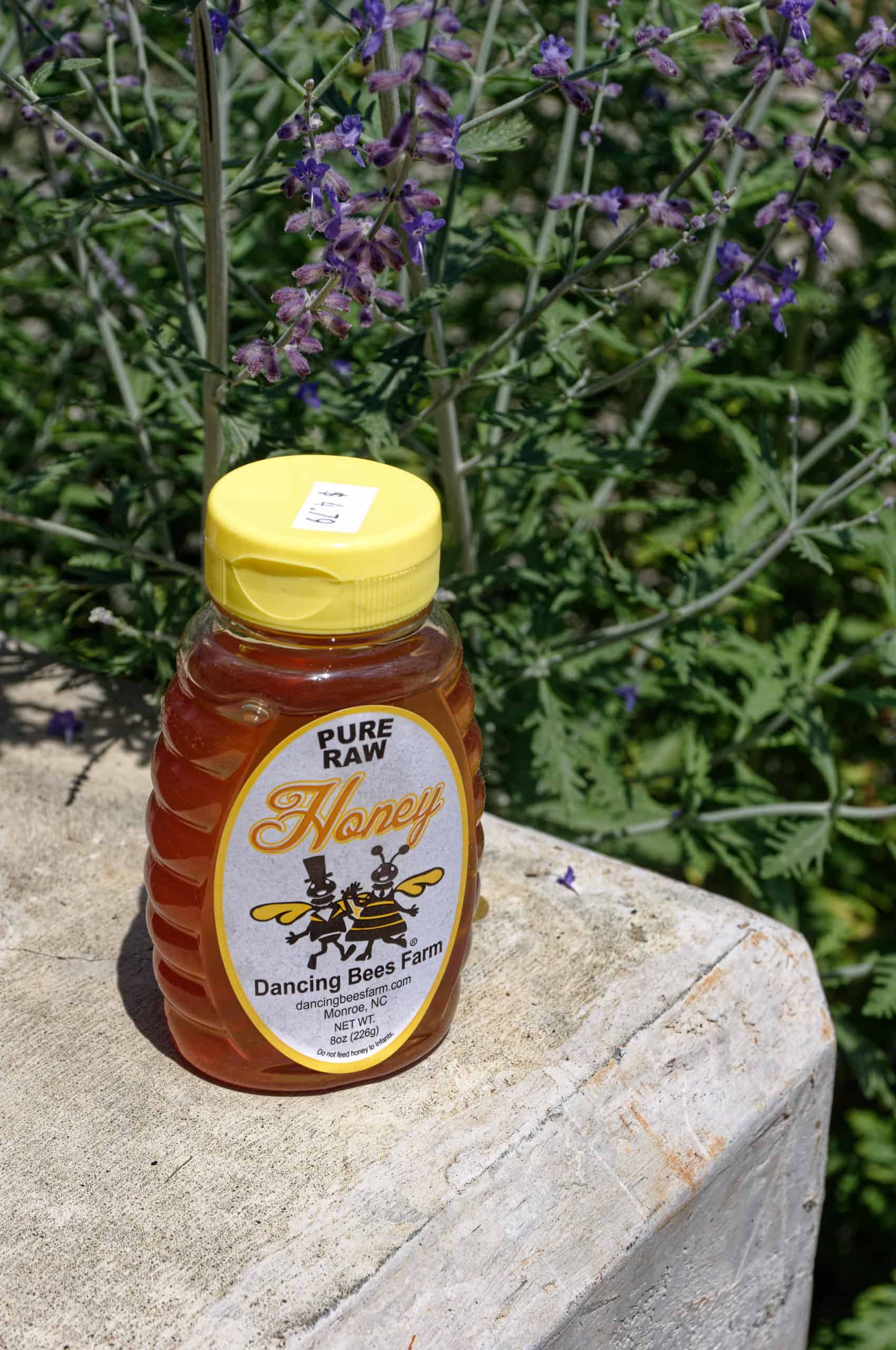
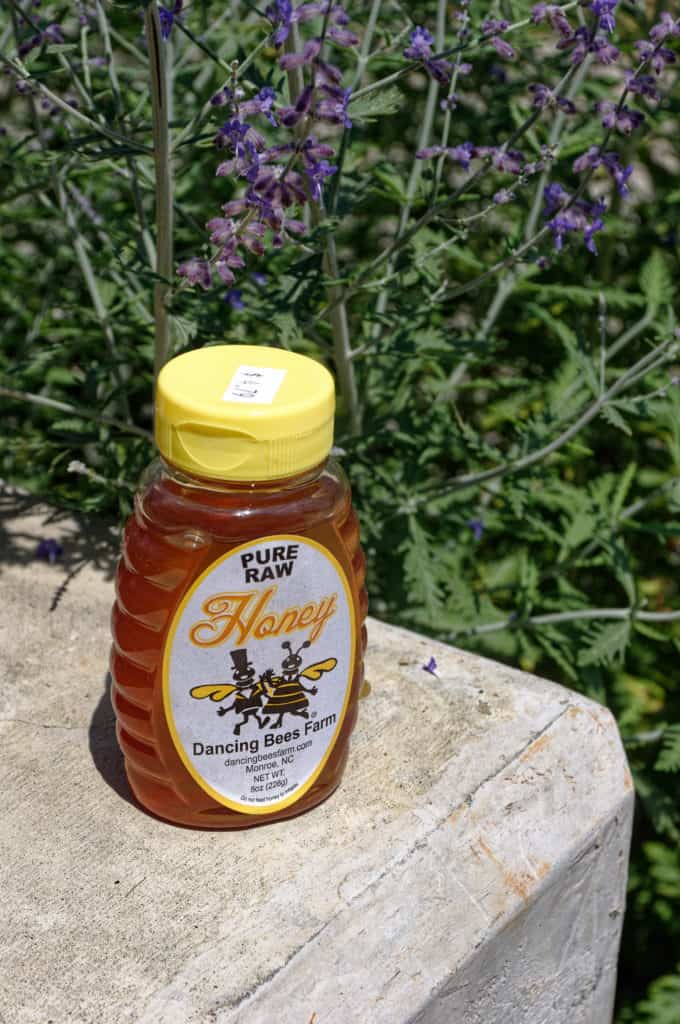
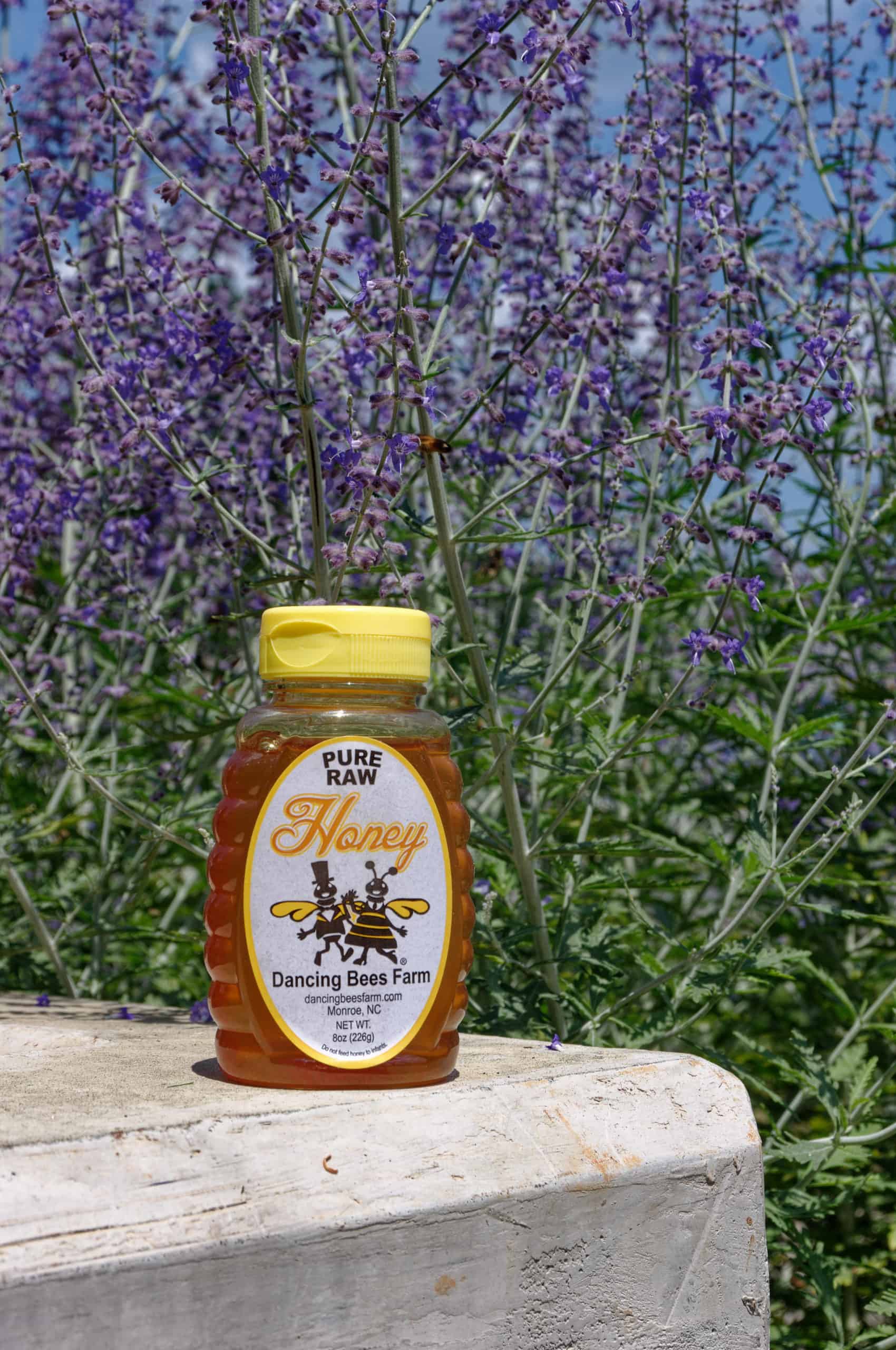
Dancing Bees Farm, based out of Monroe, NC, is a staple of the Charlotte-area farmers’ markets. We put their Wildflower blend through The Lab’s Forensic Protocol to see how it compares to the mass-produced alternatives.
Update 4/10/26: Store location is closed, and website is offline.
1. Physical & Chemical Analysis (The Lab Standards)
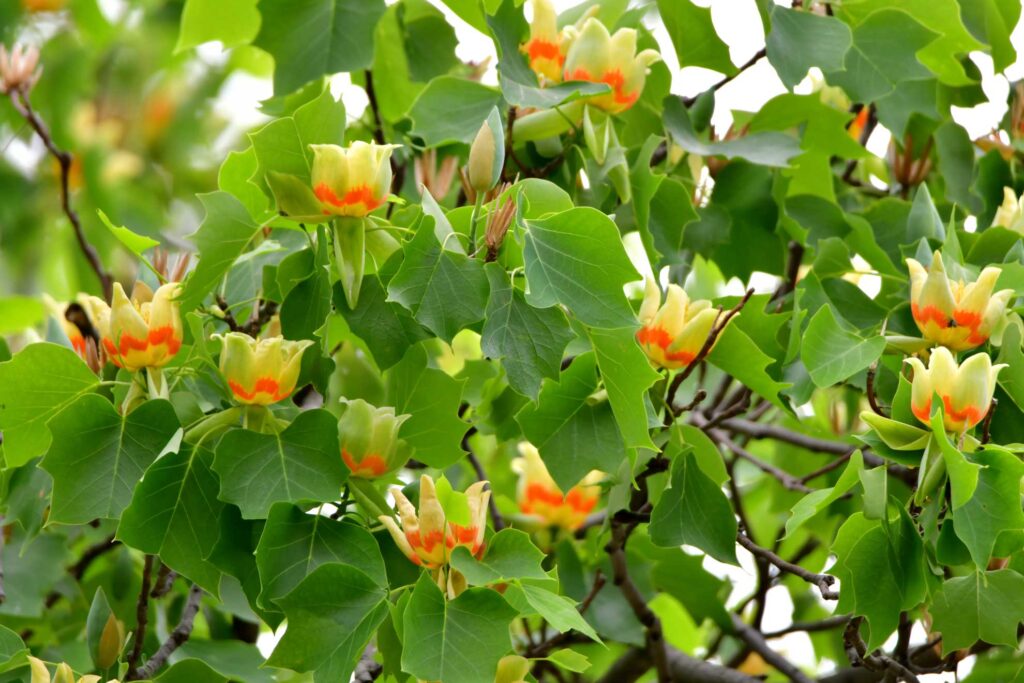
Floral Origins: The Tulip Poplar Dominance
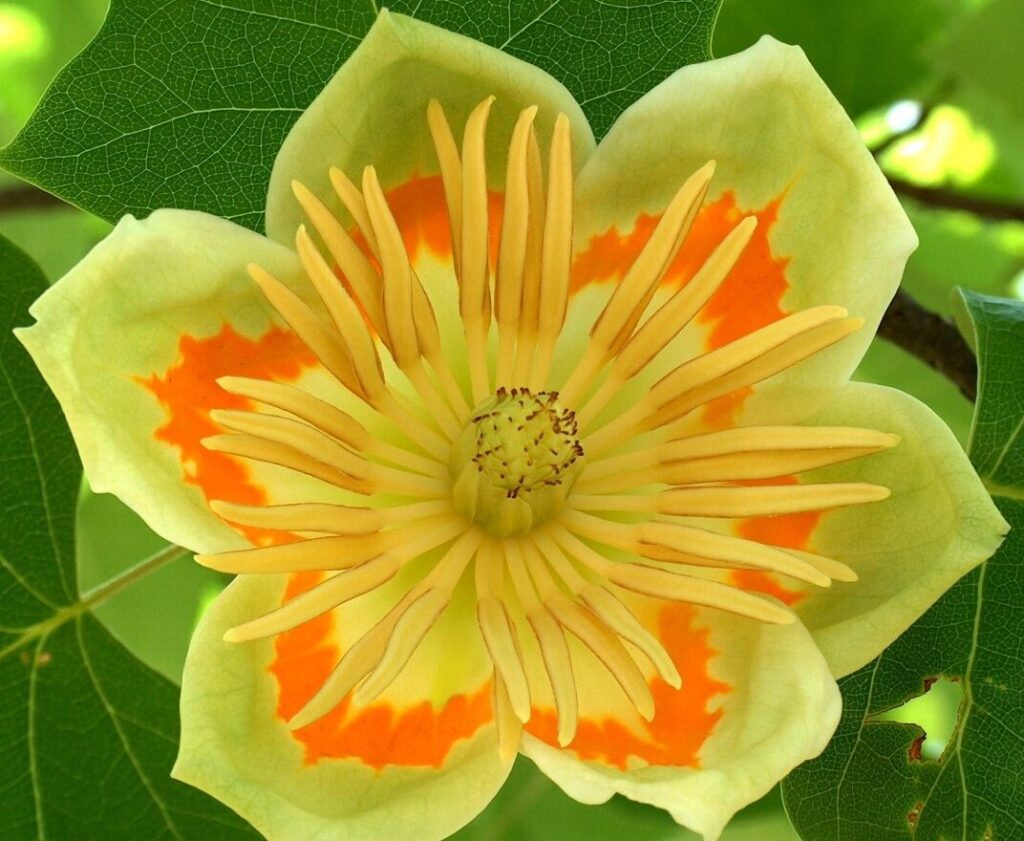
Unlike commercial blends that use international polyfloral sources, Dancing Bees draws from a 36-acre farm in Monroe. Our forensic analysis identifies a significant presence of Tulip Poplar, which provides the deep amber hue and high mineral content common to Piedmont honey.
Raw Integrity vs. Thermal Damage
While commercial Grade A honey is often “polished” with high heat, Dancing Bees preserves the natural enzymes.
Forensic Observation: The honey exhibits a slight “tingle” in the throat—a classic indicator of active enzymes and high-quality pollen that hasn’t been neutralized by pasteurization.
2. Sensory Evaluation
Color: Golden Amber. A clear, natural transparency that shows zero signs of “syrup blending.”
Aroma: Floral with a distinct “woody” nuttiness, likely derived from the surrounding poplar and sweet clover.
Flavor Profile: Bright and sweet with low acidity. It is far more nuanced than a Walmart Wildflower, offering a floral finish that lingers without being cloying.
Texture: Smooth and silky. Even in a plastic squeeze bottle, the viscosity is consistent with high-density, low-moisture honey.
3. Supply Chain Integrity: The “Zero-Mile” Standard
From a forensic standpoint, the supply chain here is as short as it gets. The honey is harvested, bottled, and sold within a 30-mile radius of the Charlotte metro area.
Temperature Control: Because this honey doesn’t sit in international shipping containers, it isn’t subject to the extreme heat that causes HMF (Hydroxymethylfurfural) spikes. This ensures the bio-activity remains intact from the hive to your table.
While more expensive than supermarket options, the value lies in the enzymatic integrity and the support of local pollinator preservation.
Forensic Summary: Dancing Bees Farm Honey
Final Grade: 4.2 / 5
The Quick Breakdown
Forensic Pros
Forensic Cons
Hyper-Local Freshness: Zero thermal damage from international shipping.
Limited Availability: Primarily found at Matthews and Waxhaw farmers’ markets.
Piedmont Profile: Authentic Tulip Poplar and Clover notes unique to NC.
Price Point: Higher per-ounce cost compared to national packers.
Active Enzymes: Retains the raw “throat tingle” lost in pasteurized brands.
Plastic Packaging: While convenient, eco-purists may prefer glass.
The Verdict
Buy this if: You live in the Charlotte area and want a high-quality, raw honey for daily use in coffee, Americanos, or for local allergy support.
Skip this if: You are looking for a medicinal Manuka or require a shelf-stable, ultra-filtered honey that will never crystallize.
Forensic “Pro-Tip” for 2026
If you visit their Matthews Farmers Market stall, ask for the Sourwood. Sourwood is the “Manuka of the Appalachian Mountains”—it is rare, monofloral, and has a buttery, caramel-like forensic profile that is world-renowned.
Honey – Wildflower, Clover, Poplar Tulip.
Flavor – Sweet, Floral, Low Acidity, Bright.
Aroma – Floral with that lovely nuttiness of wood.
Color – Golden Amber, what everyone expects.
Texture – Smooth, Silky, Slight tingle in throat.
Review Summary
Dancing Bees Farm Pure Raw Honey
The Honey Review
Dancing Bees Farm Pure Raw Honey Rating & Analysis
Honey
Flavor
Aroma
Color
Texture
Review Summary
Dancing Bees Farm sets the standard for North Carolina Piedmont honey. It is a clean, honest, and technically superior product that justifies its artisan price point through sheer freshness and floral complexity.