Tag: Local

  • The Little Beekeeper : Elderberry Syrup Review

    The Little Beekeeper : Elderberry Syrup Review

    As a beekeeper and honey enthusiast based in Charlotte, NC, I am always on the lookout for high-quality, natural products that support wellness. It’s even better when they’re locally sourced. The 16oz Organic Premium Elderberry Syrup – The Little Beekeeper has truly impressed me. It’s great all year long, but especially during the fall season.

    About The Little Beekeeper

    • Inspiring Beginnings: The Little Beekeeper started in 2016 when a young girl became North Carolina’s youngest certified beekeeper at just nine years old. Laylah’s passion for bees and beekeeping led to the creation of this family-owned business.
    • Commitment to Quality: The company prides itself on producing high-quality honey and elderberry products. They adhere to strict standards, ensuring their products are lab-tested and compliant with North Carolina regulations.
    • Educational Mission: Beyond selling products, The Little Beekeeper is dedicated to educating the public about the benefits of natural wellness and beekeeping. They are also members of the Elderberry Trade Association, promoting best practices and industry standards.
    • Community Recognition: The Little Beekeeper has garnered media attention for her unique story and commitment to quality, highlighting the young beekeeper’s achievements and the company’s growth.

    Laylah gained Media Attention!

    9-year-old girl is Gaston County’s youngest certified beekeeper (wbtv.com)
    Lincoln Times News Article

    the little beekeeper, elderberry syrup, observation hive, kids,

    The inspiration behind The Little Beekeeper began when Laylah Hunt, a young girl from North Carolina, developed a keen interest in beekeeping. Her journey started when she attended beekeeping classes with her mom. Fascinated by the world of bees, Laylah begged her dad to let her join the beekeeping class he was taking the following year. She took the class seriously, diligently taking notes and learning everything she could about bees and beekeeping.

    Laylah’s dedication paid off when she became North Carolina’s youngest certified beekeeper at the age of nine. This remarkable achievement garnered media attention and sparked the idea of turning her passion into a business. Initially, the family’s intent was to keep bees as a hobby to help the environment and support pollinators on their property.

    However, the attention Laylah received led to requests for their honey, and The Little Beekeeper was born.

    The business has since grown, with Laylah and her family managing over 40 bee hives across the state. They are committed to producing high-quality, natural honey and elderberry products while educating the public about the benefits of beekeeping and natural wellness.

    Benefits of Raw Honey Products

    Some of the benefits of raw honey products are:

    Laylah also shares her point of view on the benefits of Raw Honey in your Kitchen

    Benefits of Elderberry
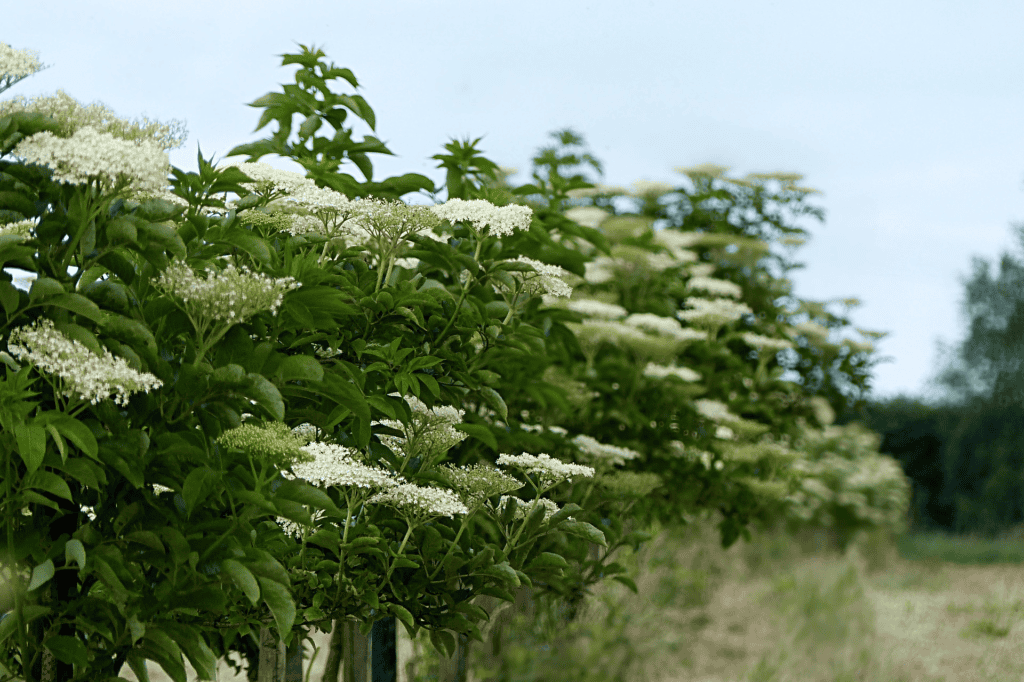
    elderberry bush, nature, pollination, health,
    1. Boosts Immune System: Elderberries are rich in antioxidants and vitamins, particularly vitamin C, which help strengthen the immune system.
    2. Reduces Cold and Flu Symptoms: Elderberry supplements can help reduce the severity and duration of cold and flu symptoms, such as fever, headache, sore throat, and fatigue.
    3. Anti-Inflammatory Properties: The flavonoids in elderberries have anti-inflammatory effects, which can help reduce inflammation in the body.
    4. Supports Heart Health: Elderberries may help lower cholesterol levels and improve heart health by reducing oxidative stress and inflammation.
    5. High in Nutrients: Elderberries are low in calories but high in dietary fiber, vitamin C, and other essential nutrients, making them a nutritious addition to your diet.
    6. Antioxidant Power: Elderberries contain powerful antioxidants that protect cells from damage caused by free radicals, potentially reducing the risk of chronic diseases.
    7. May Improve Skin Health: The antioxidants and vitamins in elderberries can help improve skin health by reducing oxidative stress and promoting healthy skin.
    8. Aids Digestion: The high fiber content in elderberries can support digestive health and regularity.
    9. May Help Manage Diabetes: Some studies suggest that elderberries may help regulate blood sugar levels, which can be beneficial for managing diabetes.
    10. Promotes Respiratory Health: Elderberries have been used traditionally to support respiratory health and alleviate symptoms of respiratory infections.

    Read it from the Little Beekeeper herself!

    First Impressions

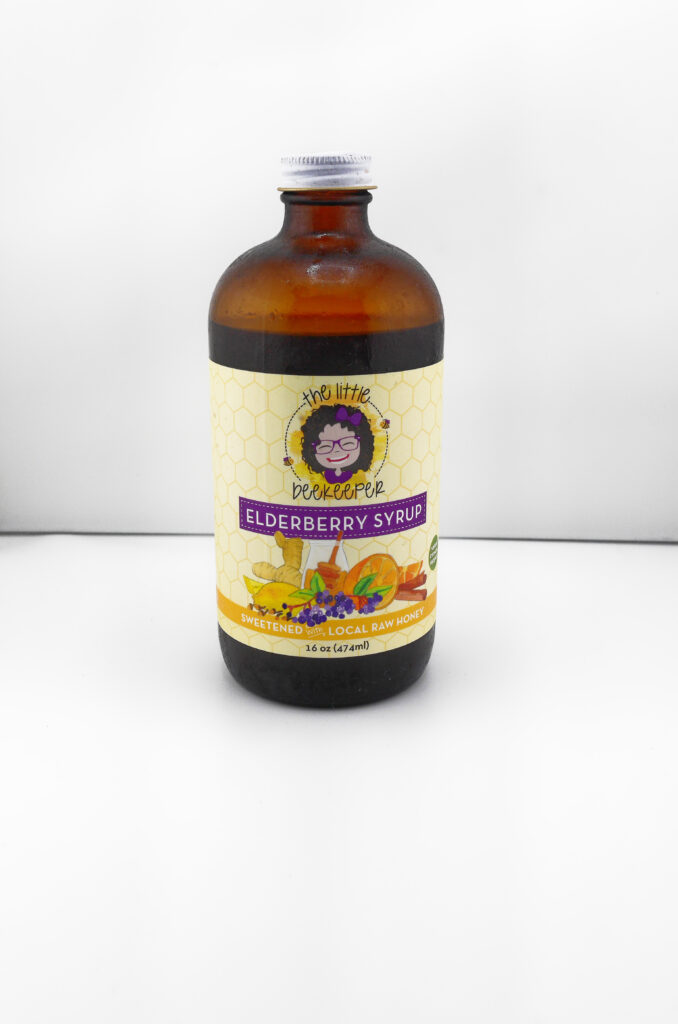
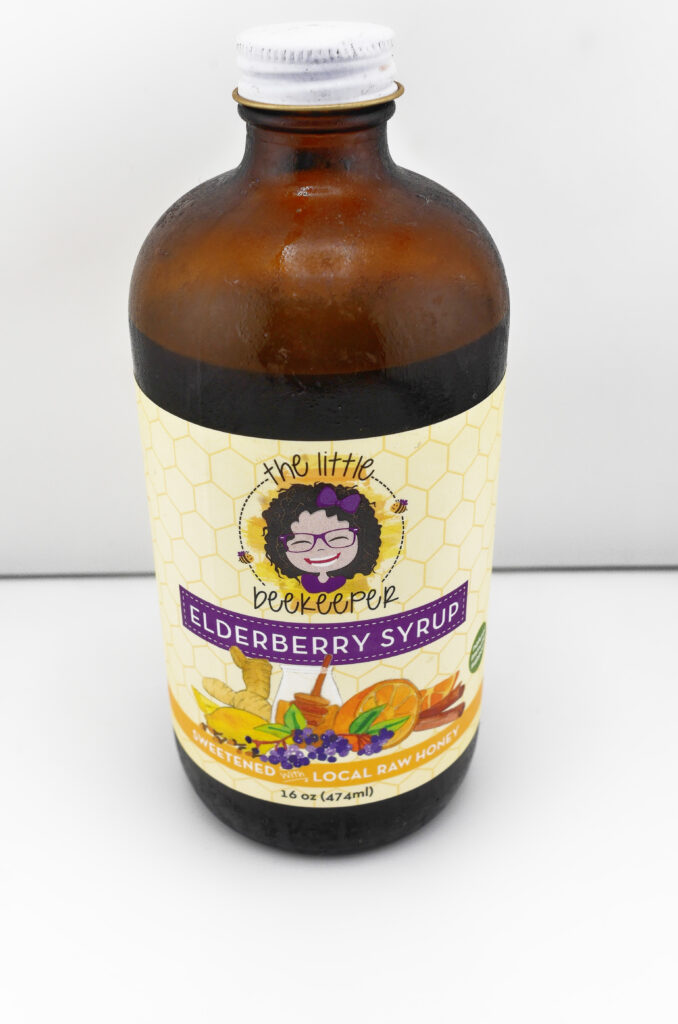
    The syrup comes in a sturdy, recyclable amber glass bottle, which not only looks appealing but also helps preserve the freshness of the ingredients. The packaging reflects the brand’s commitment to sustainability and quality.
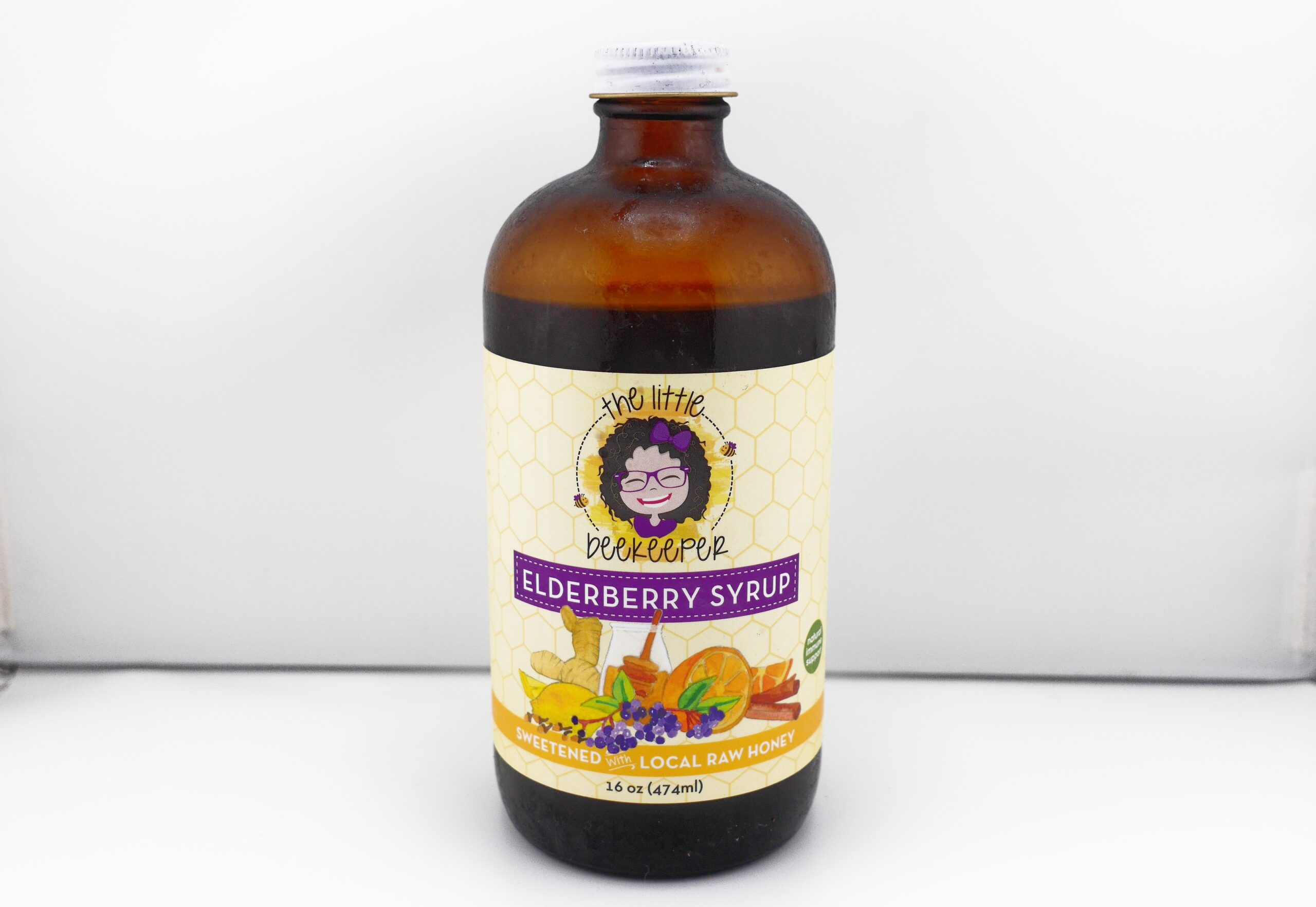
    The Little Beekeeper Elderberry Syrup, The Honey Review

    Product Summary

    Ingredients and Taste

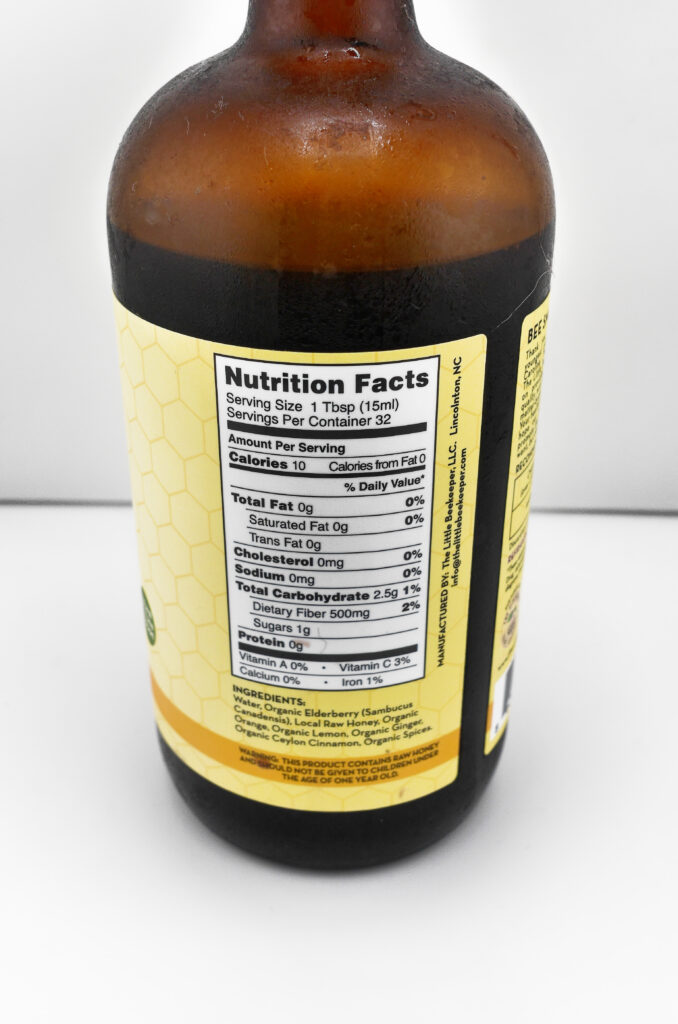
    This syrup is a delightful blend of organic elderberries, raw honey, citrus, and a medley of spices including cloves, ginger, and Ceylon cinnamon. The taste is a perfect balance of sweet and tangy, with a hint of spice that makes it enjoyable to take daily. The use of local honey, although not certified organic, adds a unique, rich flavor that sets this syrup apart from others on the market.
    Health Benefits

    As someone who values natural remedies, I appreciate the immune-boosting properties of elderberries combined with the anti-inflammatory and antibacterial benefits of the spices. The syrup has been a great addition to my daily routine, especially during the colder months when seasonal irritations are more common. I’ve noticed a significant improvement in my overall wellness since incorporating it into my diet.
    Usage and Storage

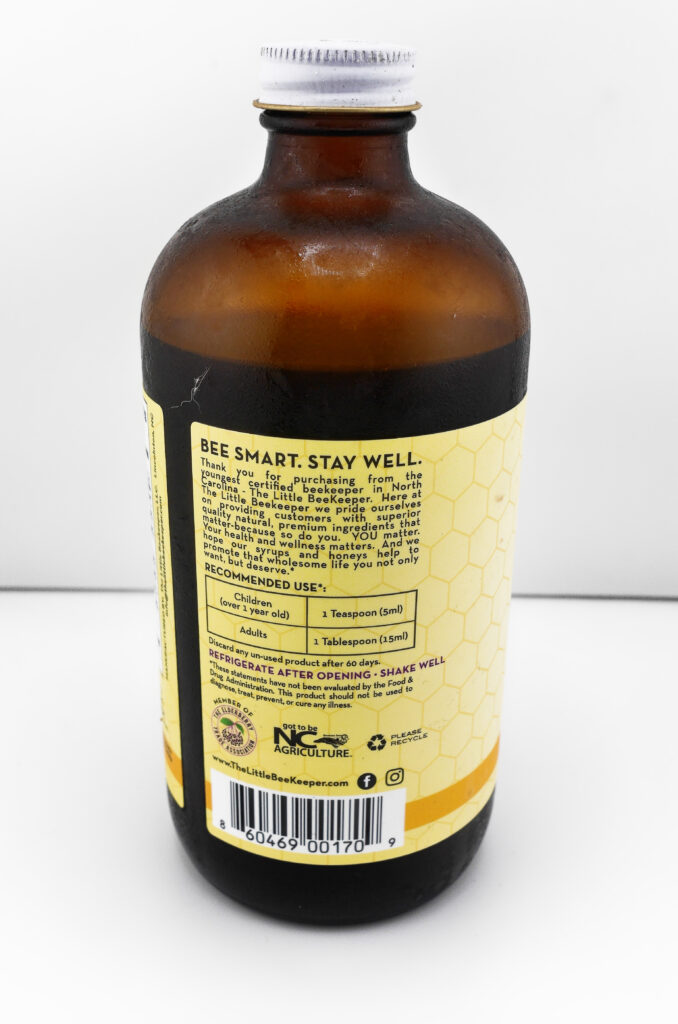
    The suggested daily intake is straightforward—1 tablespoon for adults and 1 teaspoon for children over one year. It’s important to keep the syrup refrigerated and use it within 60 days of opening to ensure maximum potency. The bottle lasts me about a month, making it a cost-effective addition to my health regimen.

    Conclusion

    The 16oz Organic Premium Elderberry Syrup – The Little Beekeeper is a fantastic product that combines the best of nature’s ingredients with the care and expertise of passionate beekeepers. It’s a must-have for anyone looking to support their immune system naturally.

    How to Purchase and Support Laylah’s Products

    You can purchase The Little Beekeeper’s products directly from their website. Here’s how you can get their products:

    You’ll find a variety of products like Wildflower Raw Honey, Comb Honey, Bulk Honey, Gift Sets, Elderberry infused Honey, Elderberry Syrup, and even Elderberry Gummies.

    1. Visit Their Website: Head over to The Little Beekeeper’s website.
    2. Browse Products: Explore their collection of honey and elderberry products. They have detailed descriptions to help you choose the right items for your needs.
    3. Add to Cart: Select the products you want and add them to your cart.
    4. Checkout: Follow the checkout process to complete your purchase. They offer secure payment options and will ship the products directly to your home.

    Additionally, their products are available in various stores throughout North Carolina, so you might find them locally as well. I purchased mine from the Charlotte Regional Farmers Market at Apotheca for about $25.

    Other great Honey Products to check out:

  • Moon’s Honey House | Neighborhood Raw Honey Review

    Moon’s Honey House | Neighborhood Raw Honey Review

    Since 1952, Moon’s Honey House has been a trusted family-owned and operated business. Their exquisite collection includes local honey, meticulously crafted beeswax creations, and unique handmade gifts. It’s a delightful destination for those who appreciate quality and authenticity.

    Benefits of Raw Honey Products

    Some of the benefits of raw honey products are:

    Honey bees“/ CC0 1.0

    Moon’s Honey House Neighborhood Honey

    Introduction

    Moon’s Honey House, nestled in the heart of Charlotte, North Carolina, is more than just a honey purveyor—it’s a sweet haven where bees work their magic. As I stepped up to their charming shop at the Charlotte Regional Farmers Market, the air hummed with the promise of liquid gold. Here’s my take on their Neighborhood Raw Honey:

    Flavor Profile

    Botanical Notes

    Moon’s Honey House Neighborhood Raw Honey boasts a harmonious blend of floral notes:

    • Wildflowers: These contribute delicate sweetness, reflecting diverse local flora.
    • Clover: The honey carries mild herbal undertones from clover nectar.
    • Orange Blossoms: The essence of citrus-kissed air infuses the honey.
    Earthy Undertones

    Beneath the floral layers lies a subtle complexity:

    • Dew-Kissed Grass: Freshness reminiscent of morning dew.
    • Sun-Warmed Soil: Earthiness rooted in Carolina terroir.

    Texture

    Viscosity

    When it hits your tongue, it’s like Grandma’s warm hug. The honey wraps itself around your taste buds, sayin’, “Hey there, darlin’, I’m here to stay.” You’ll wanna roll it around, let it linger like a good gossip.

    Satin-like

    Swirl it like you’re dancin’ at the county fair. It’s like wearin’ a satin robe made of sweetness. Not heavy, not light—just perfect. The bees must’ve taken etiquette lessons, ’cause this honey knows how to beehave.

    Get it? Beehave?

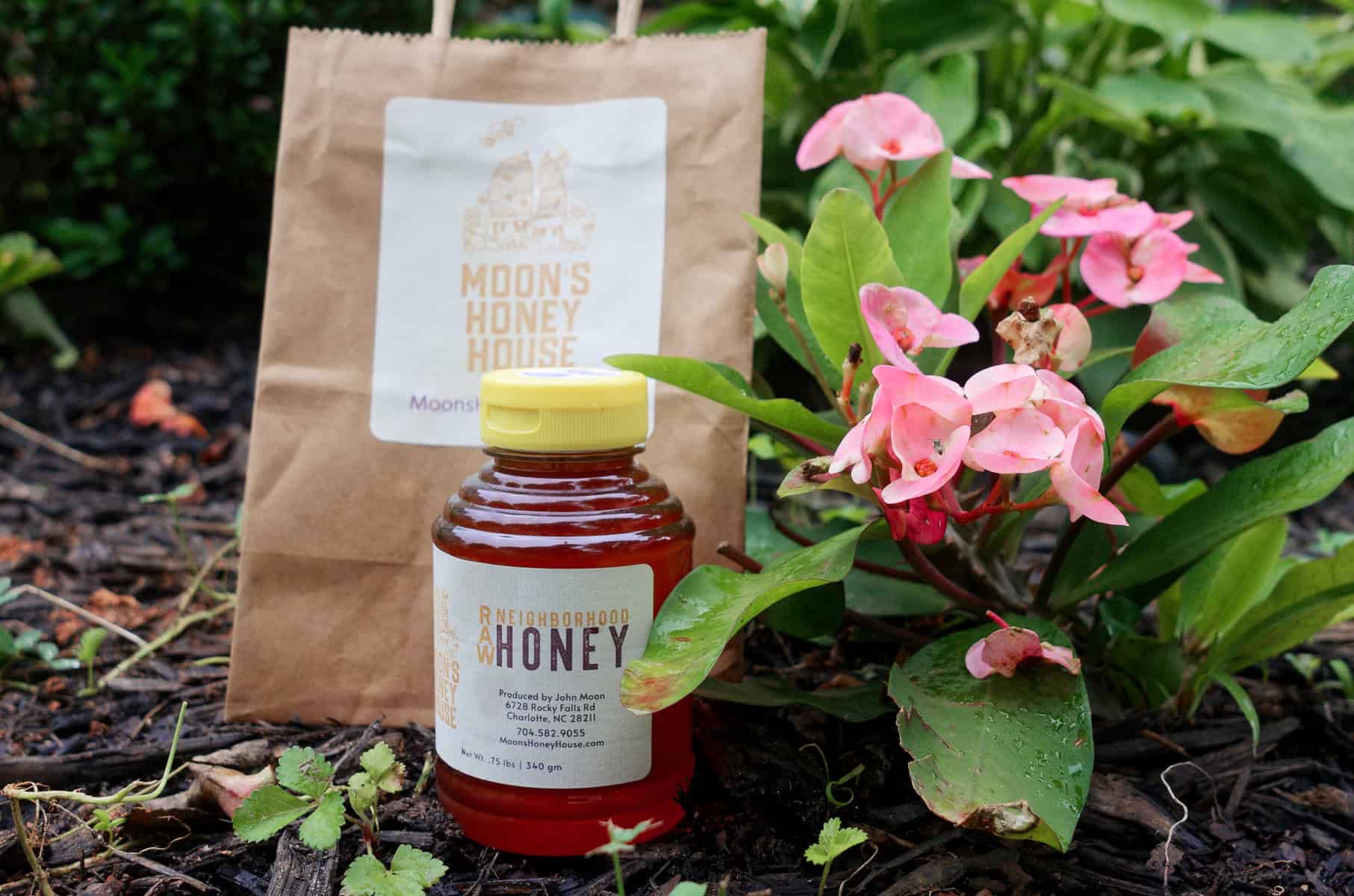
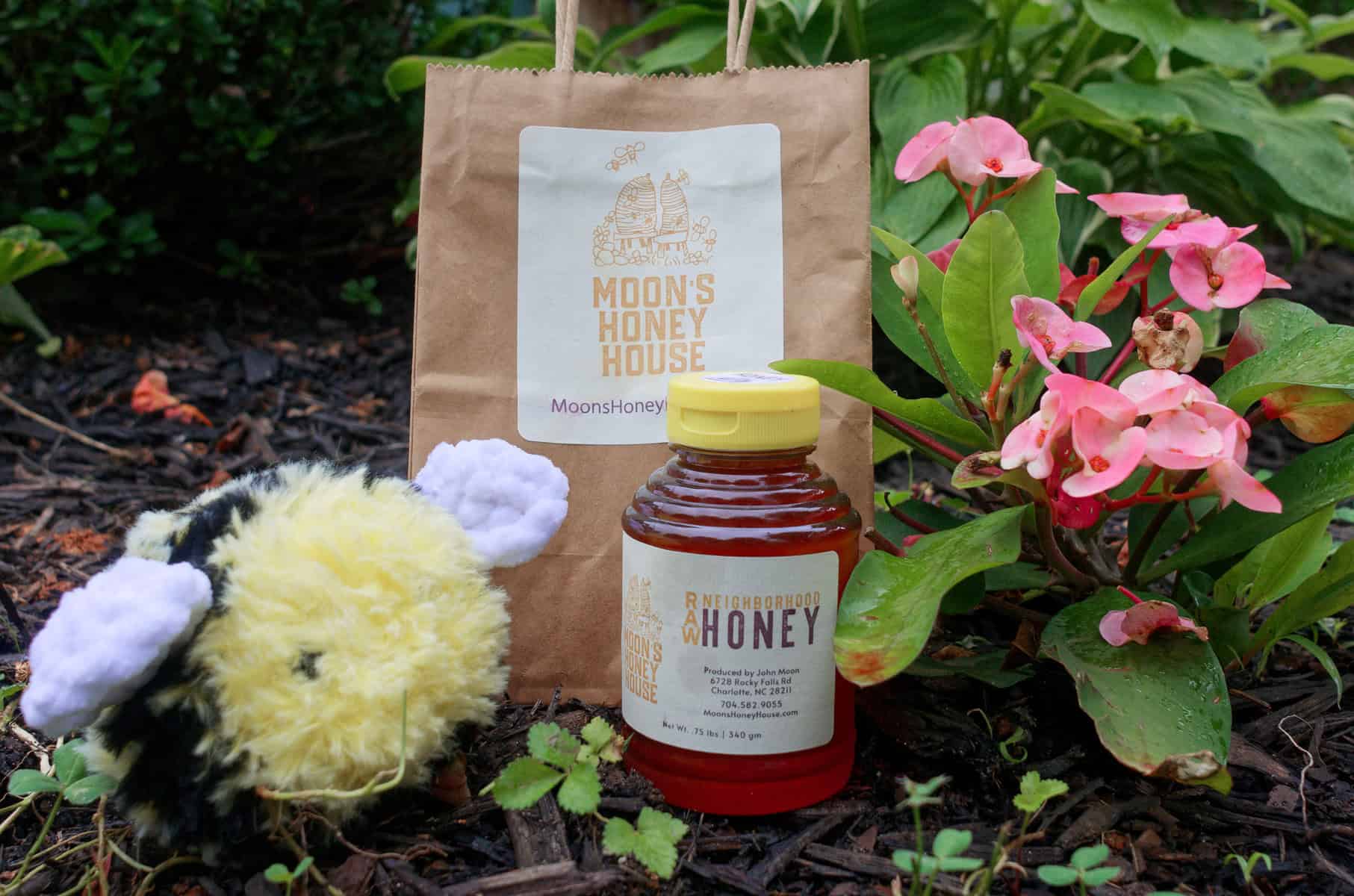
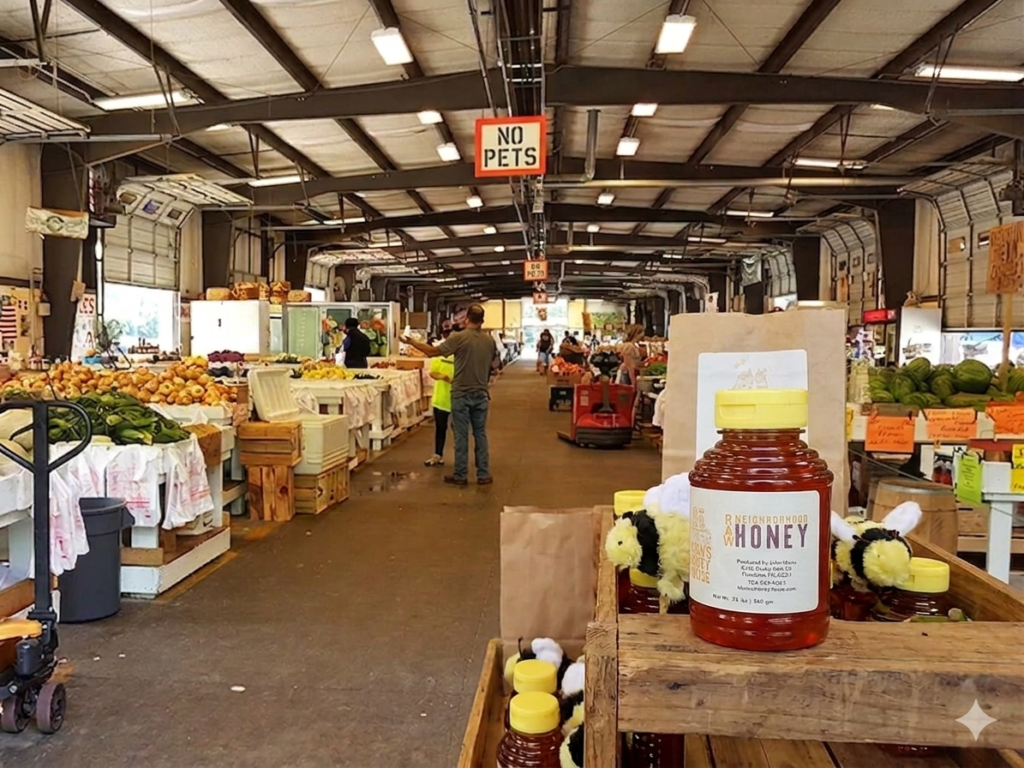
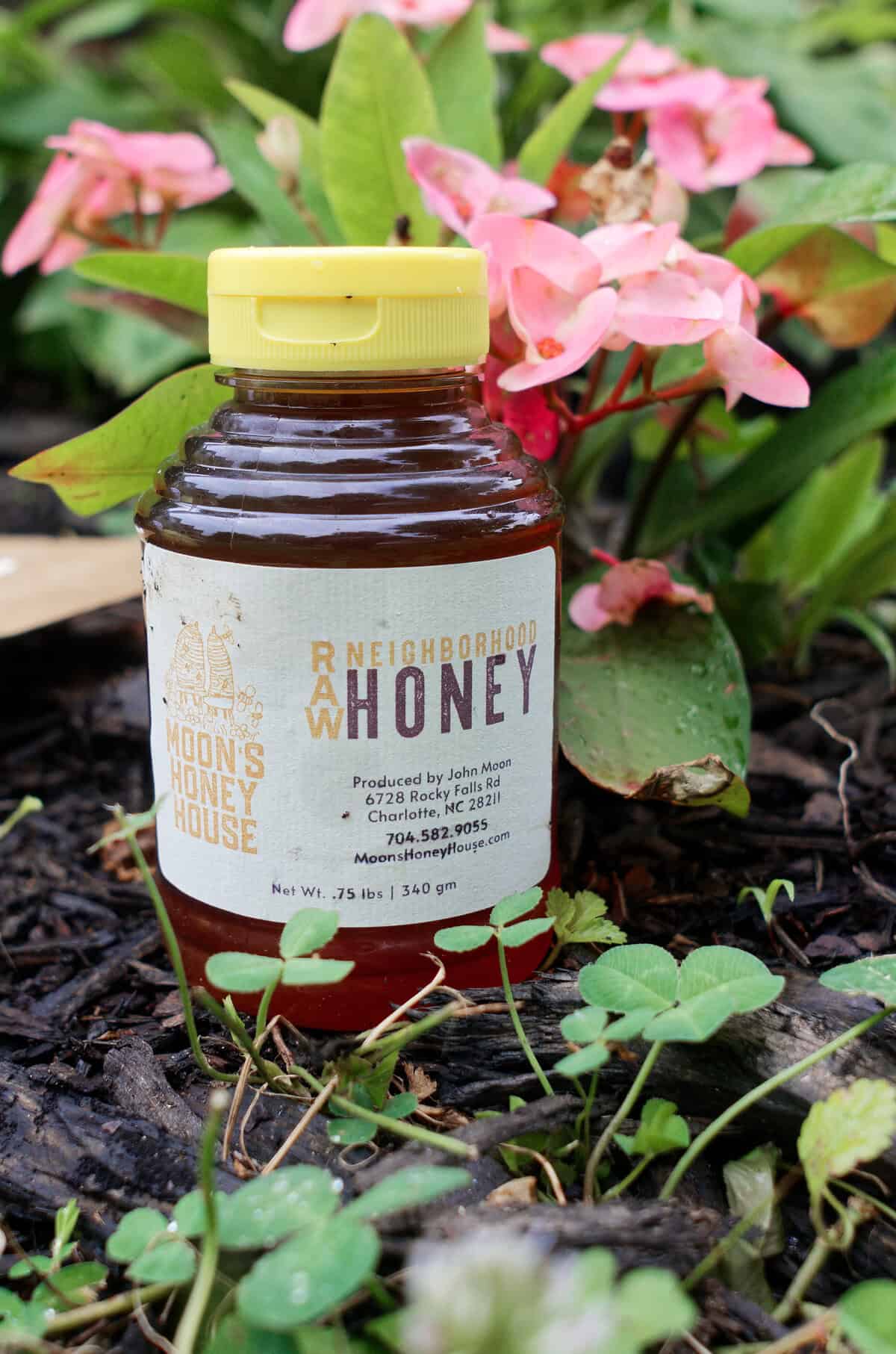
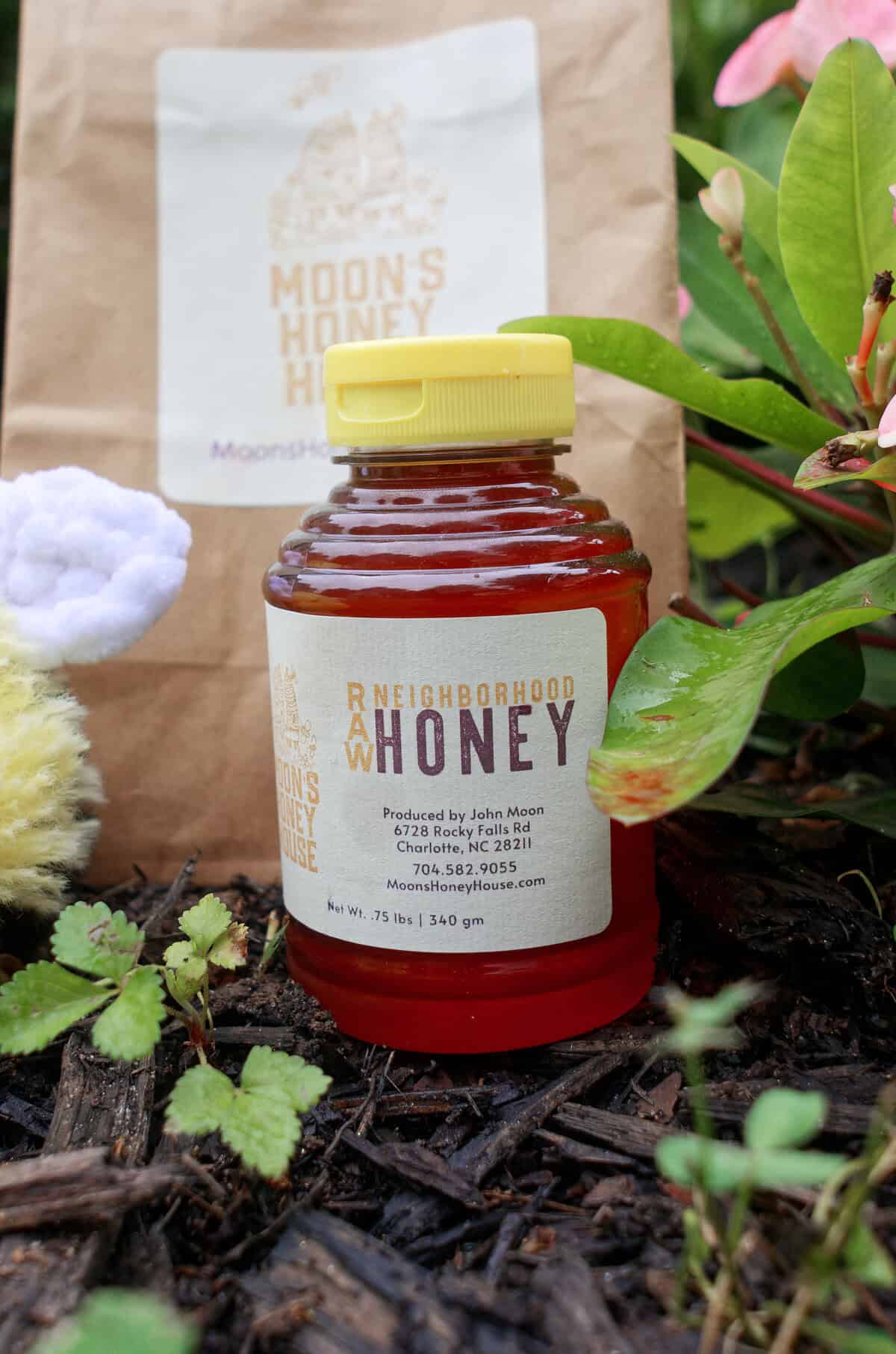
    Moon's Honey House Raw Neighborhood Honey plush bee and gift bag purchased from charlotte regional farmers market

    Pairings

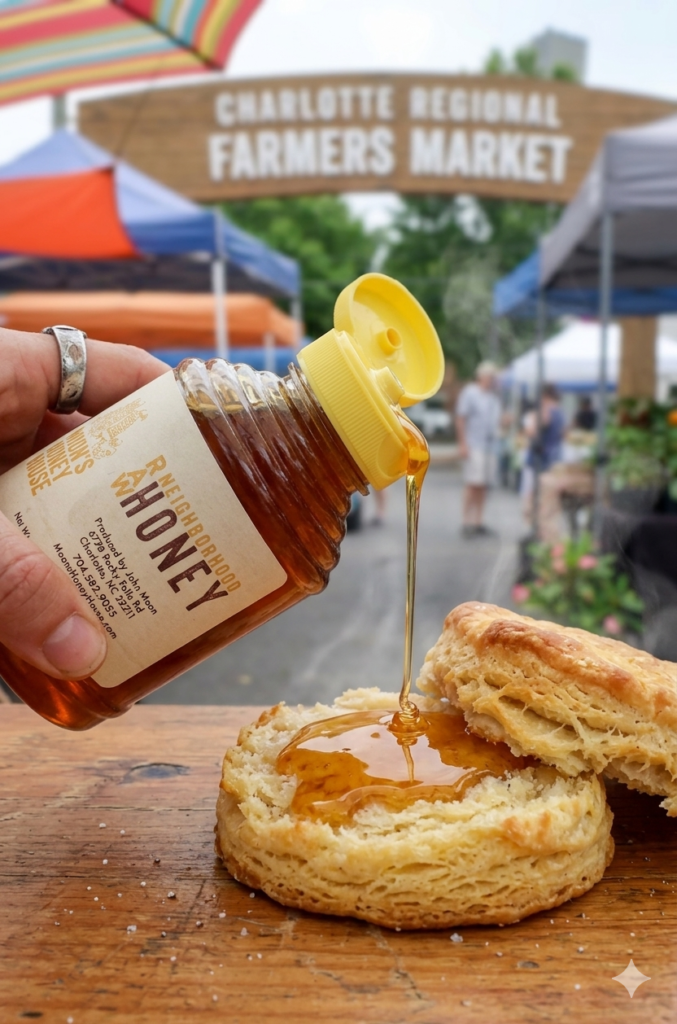
    1. Morning Toast: Drizzle this liquid gold over warm toast or biscuits. It’s like a sweet sunrise on your plate.
    2. Tea Time: Stir it into your favorite cup of tea. The honey melts, adding a touch of sweetness to your afternoon ritual. Just be sure you wait a little bit or the boiling water will kill all the benefits of your honey.
    3. Cheese and Honey: Grab some sharp cheddar or creamy goat cheese. Spread a little honey on top—it’s a match made in flavor heaven.
    4. Yogurt Parfait: Layer it with Greek yogurt, granola, and fresh berries. The honey adds a natural sweetness that’ll make your taste buds sing.
    5. Peanut Butter Sandwich: Swap out the jelly for honey. Trust me, your PB&J game just leveled up.
    6. Oatmeal Upgrade: Drizzle honey over your morning oatmeal. It’s like a cozy hug for your taste buds.

    Pro Tip

    Apples help clear your taste buds if you go buck wild pairing Honey with things.

    Sustainability and Local Impact

    Varietal Honeys: Moon’s Neighborhood 24 stands out with its extra-white honey, offering sweet and fruity flavors. Perfect for drizzling on Greek yogurt or blending into your morning smoothie for a taste of Charlotte’s sunshine.

    Crafts and Skin Care: They also create beeswax candles, lotions, and lip balms, providing a natural touch to your self-care routine.

    Local Love: Moon’s Honey House sources their Very Local Honey from Myers Park and nearby areas. The bees work their magic, delivering sweet, local flavors for you to enjoy.

    Price

    • Neighborhood 24: $9.00 – $18.00
    • Ocala: $9.00 – $18.00
    • Pee Dee Wildflower: $9.00 – $18.00
    • Hot Honey: $11.00 – $20.00
    • Poplar: $9.00 – $18.00
    • Knob Hill Wildflower: $12.00

    It looks like the prices range from $9.00 to $20.00, depending on the type of honey. Is there a specific one you’re interested in?

    Packaging and Appearance

    Moon's Honey House Raw Neighborhood Honey Review
    Moon’s Honey House Raw Neighborhood 24′ Honey

    Neighborhood Raw Honey

    moon's honey house raw honey review

    Simplicity

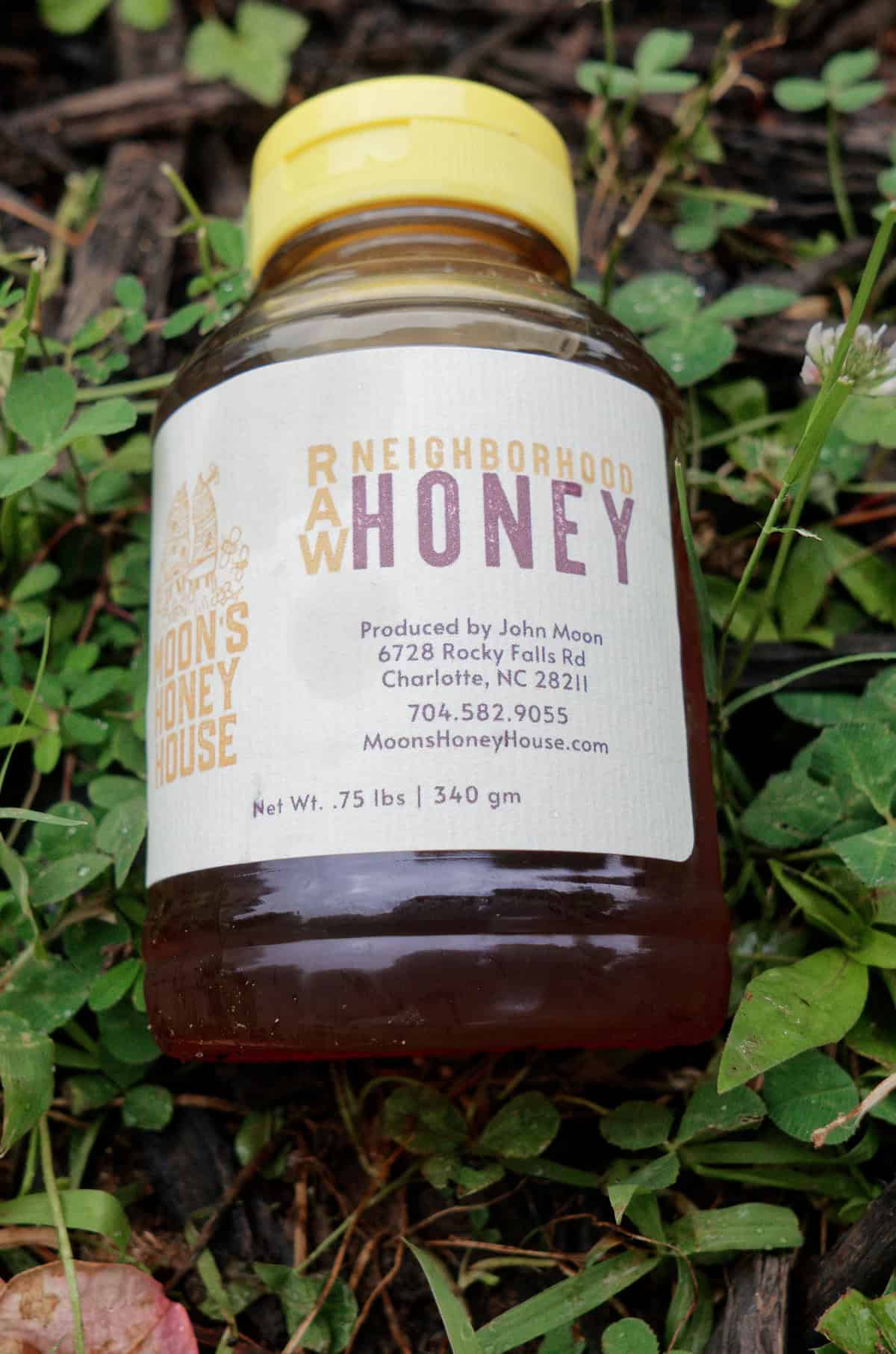
    I like the label simply because it only mentions the essentials. It shows it is produced by John Moon, it lists his address, his phone number and website.
    And the net weight. The label is made of thick paper stock, and he has his cool logo off to the side.

    photo of moon's honey house raw honey opened with flowers

    Conclusion

    Y’all, Moon’s Honey House Neighborhood Raw Honey is more than just a sweet topping—it’s the heart of Charlotte in a jar. Every dip of that spoon is like a warm Southern hug, filled with the sunshine, the blooms, and the bees’ loving labor.

    So, when you find yourself wanderin’ through the Queen City, mosey on down to Moon’s Honey House. Treat your palate to a spoonful of local charm—your taste buds might just do a little jig, and them hardworking bees will sure appreciate it!

    Buying Guide for Raw Honey Products

    Raw honey products are natural sweeteners that are made by honey bees from the nectar of various flowers and plants. They are different from regular honey products because they are not heated, pasteurized, or filtered, which means they retain more of their beneficial enzymes, nutrients, and antioxidants. They also have a more complex and diverse flavor profile, depending on the source of the nectar and the region where the bees live.

    What to look for

    If you are interested in buying raw honey products, here are some factors to consider:

    Type
    Origin
    Label
    Processing Method
    • The processing method of honey refers to the way the honey is extracted, stored, and packaged. The processing method of honey can affect the freshness, purity, and safety of the honey. Some of the best processing methods of honey are:
      • Cold extraction: This method involves extracting the honey from the honeycomb without applying any heat, which preserves the natural enzymes, nutrients, and antioxidants of the honey.
      • Gravity straining: This method involves straining the honey through a coarse filter or a cheesecloth to remove any large impurities, such as wax, pollen, or debris, while keeping the smaller particles intact.
      • Glass jar packaging: This method involves packaging the honey in a glass jar, which is airtight, transparent, and recyclable, and it protects the honey from moisture, light, and oxidation.

    Product Alternatives

    If you are interested in other local honey from Charlotte, you can also check out Cloister Scotch Infused Honey Cloister Bourbon Infused Honey | Cloister Honey and Brandy Infused Honey | Cloister Honey, which are equally delicious and versatile.

    Text?

    Moon’s Honey House Raw Neighborhood Honey

    The Honey Reviewer

    Honey
    Color
    Aroma
    Flavor
    Texture

    Review Summary


    Moon’s Honey House Neighborhood Raw Honey offers a delightful taste of Charlotte, North Carolina. This honey features a harmonious blend of floral notes from wildflowers, clover, and orange blossoms, with subtle earthy undertones reminiscent of dew-kissed grass and sun-warmed soil. Its satin-like texture makes it perfect for drizzling over toast, stirring into tea, or pairing with cheese. The honey is locally sourced, supporting sustainability and community impact. Overall, it’s a sweet, authentic experience that captures the essence of the region
    I was disappointed that there wasn’t more of an aroma to this Honey, like the bourbon infused Honey has. Sometimes these infused Honey’s have incredible smells that really entice the taste buds.

    Overall, unique flavor, very high quality and any Honey connoisseur will love some of Cloister’s offerings. Check out their incredible products from Charlotte, NC below.

    3.7
  • Forensic Audit: Cloister Honey – The “Queen City” Terroir Protocol

    Forensic Audit: Cloister Honey – The “Queen City” Terroir Protocol


    Forensic Audit: Cloister Honey – The “Queen City” Terroir Protocol

    If you are a local of the Charlotte, North Carolina area, you likely know the name Cloister Honey. Founded by Joanne de la Rionda and Randall York, this local legend started with a Christmas gift of hives and blossomed into a cornerstone of our regional culinary scene. While we have audited Texas Honey and Manuka Health, Cloister’s Scotch-Infused Honey is a different beast entirely—it is a sophisticated, peat-forward infusion that demands a specialized forensic look. For other in depth looks at honey check out our reviews.

    Sourced locally and crafted with precision, this honey is a staple at shops like Orrman’s Cheese Shop and The Pinehurst Olive Oil Company. Let’s put this smoky infusion through The Lab’s Forensic Protocol.

    Cloister Honey

    The Forensic Profile


    The Lab Standards: Molecular Scorecard

    Because this is an infusion, we are auditing the interaction between the honey’s enzymatic base and the complex volatile compounds found in Highland Park Scotch.

    • pH Level: 3.9 (Balanced; the scotch acidity enhances the wildflower base)
    • Color Grade: 85mm (Pfund Scale: Rich, deep gold with amber highlights)
    • Moisture %: 17.5% (Perfectly maintained; despite the infusion, it remains thick)
    • Peat/Smoke Profile: High (The “Highland” marker is immediate on the palate)
    • Vault Status: VERIFIED (Traceable to North Carolina beekeeping practices)

    1. Physical & Chemical Analysis (The Lab Standards)

    The Peat-Wildflower Convergence

    Infusing Scotch into raw honey is a high-risk forensic maneuver. If done incorrectly, the alcohol can break down the honey’s natural structure.

    • Forensic Observation: Cloister utilizes a “gentle infusion” technique. The peaty, smoky notes of the Highland Park 12 do not mask the wildflower base; they act as a “flavor amplifier.” The vanillin and citrus notes of the scotch bind with the honey’s natural floral esters, creating a profile that feels like a seasoned dessert wine.
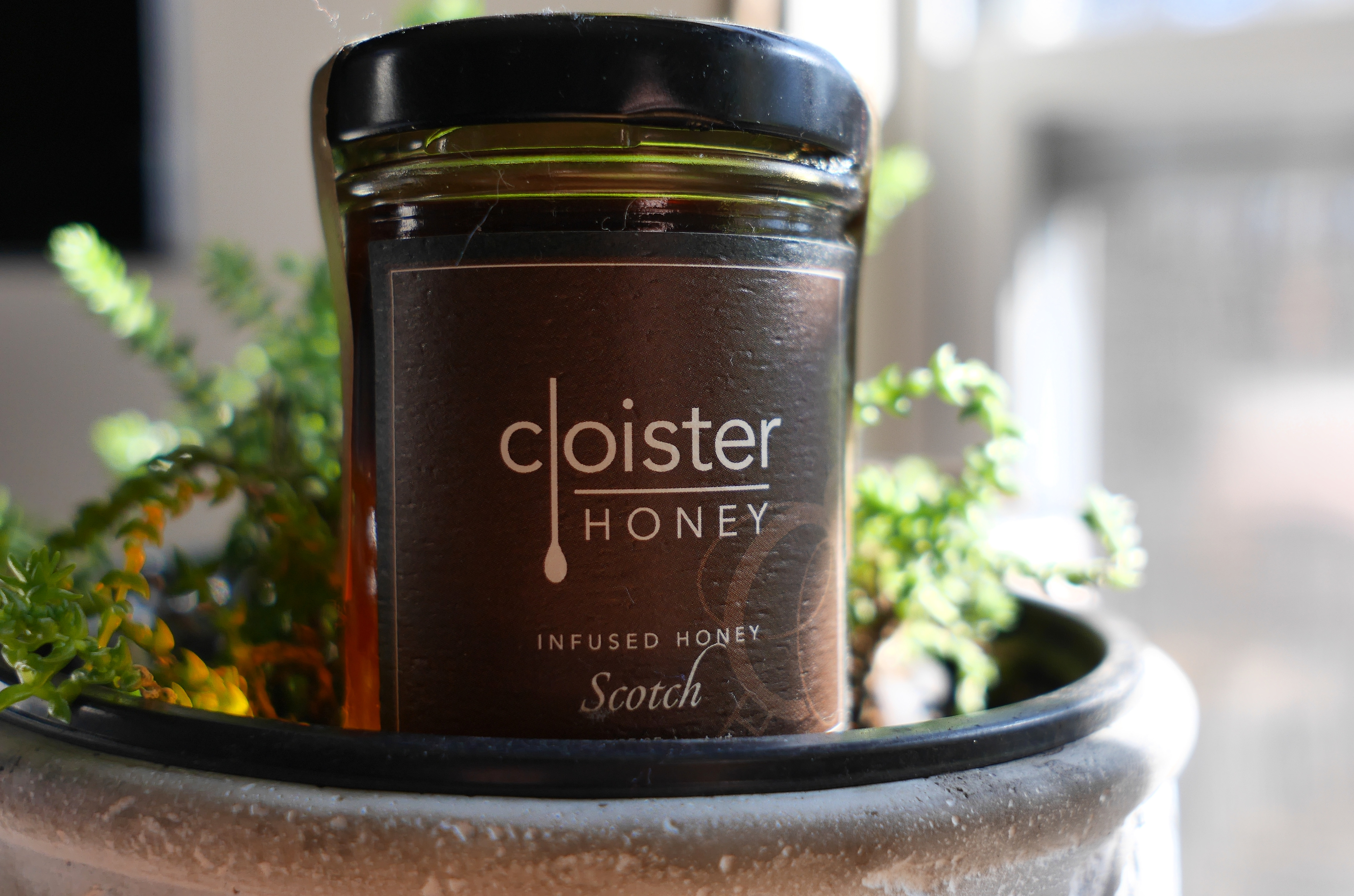
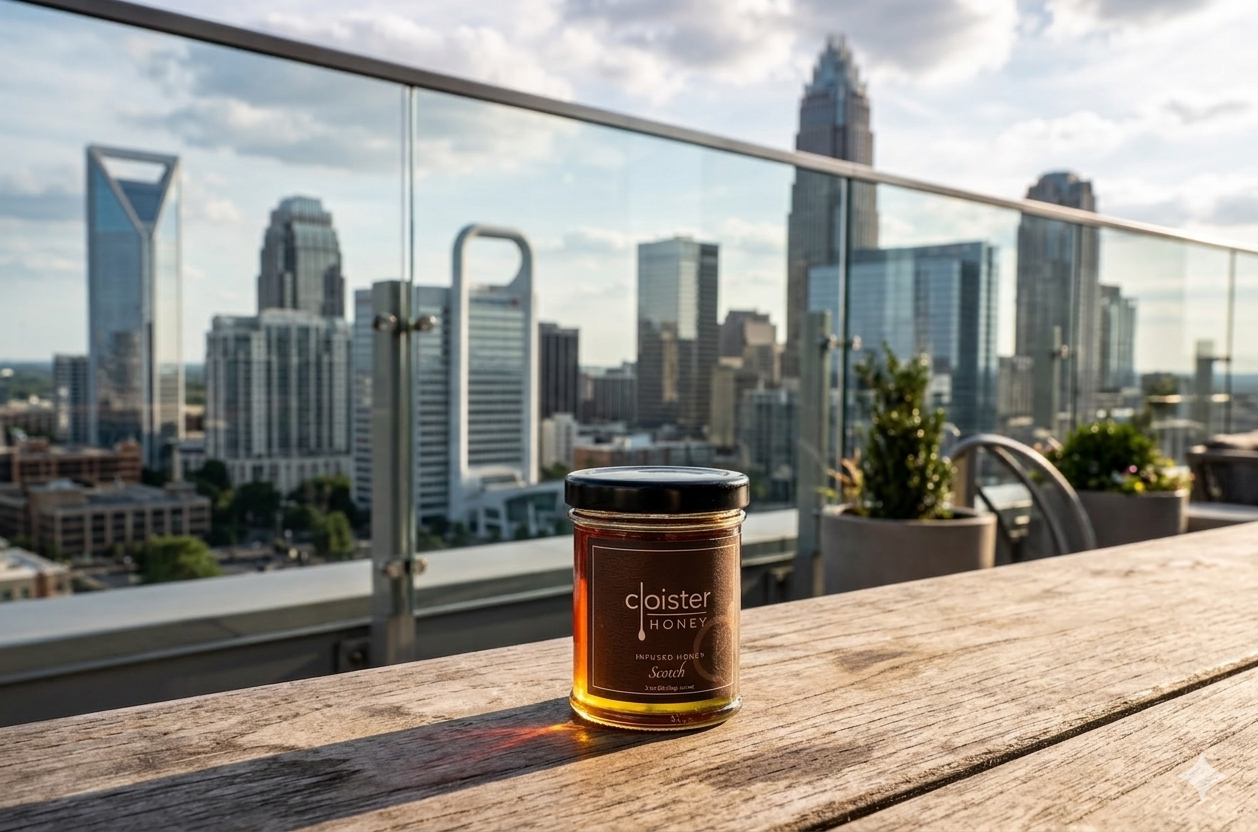
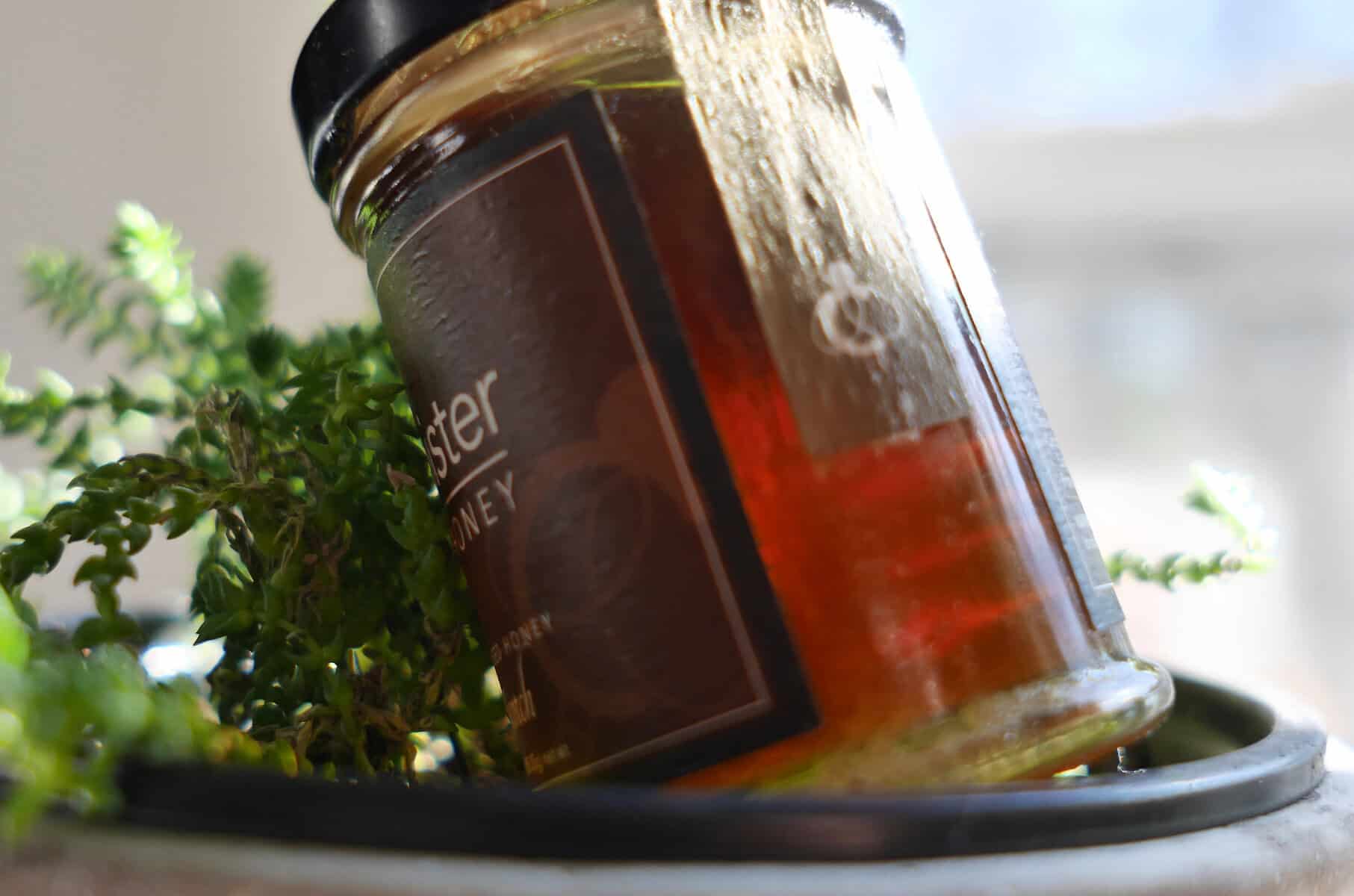
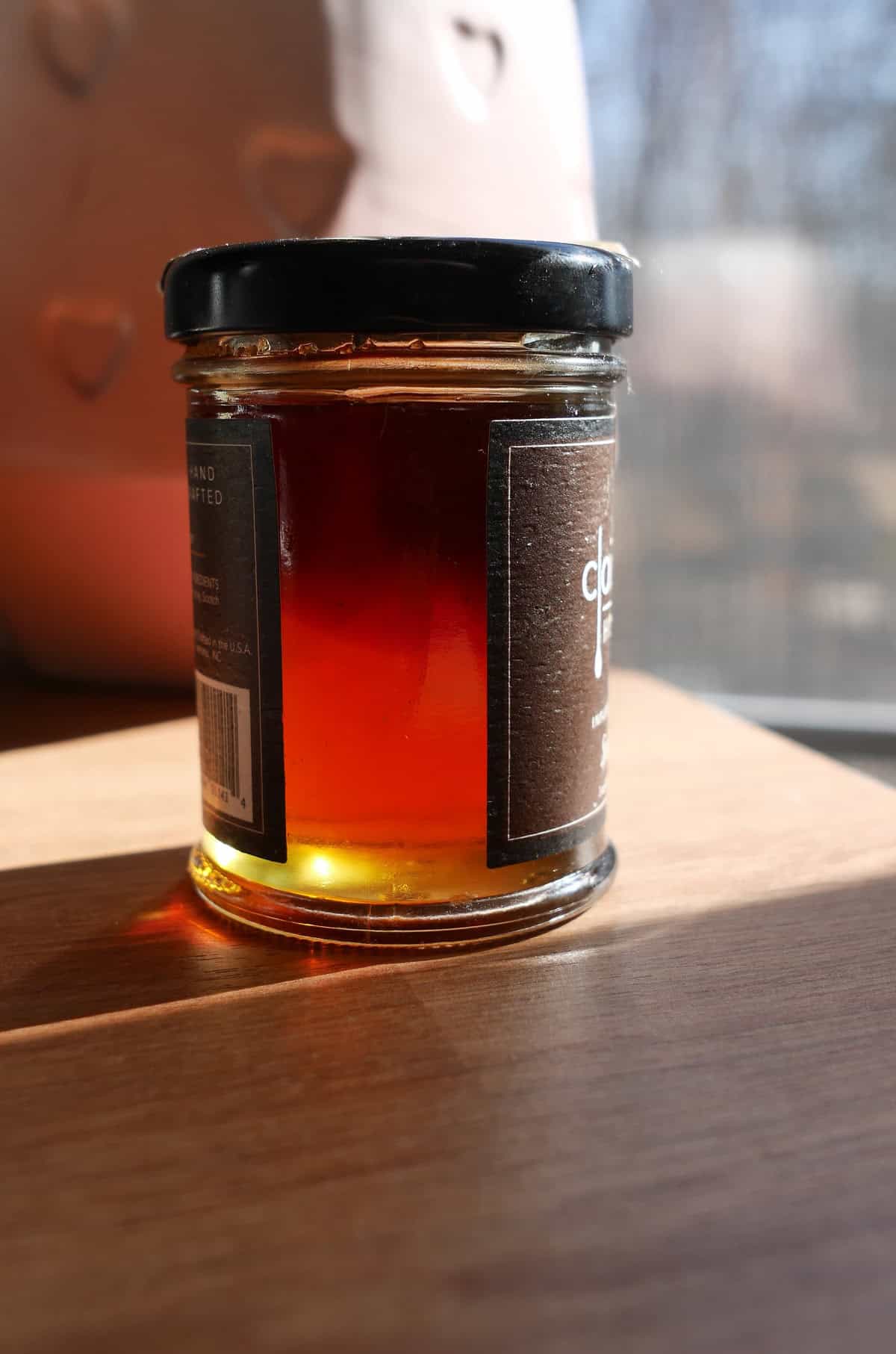
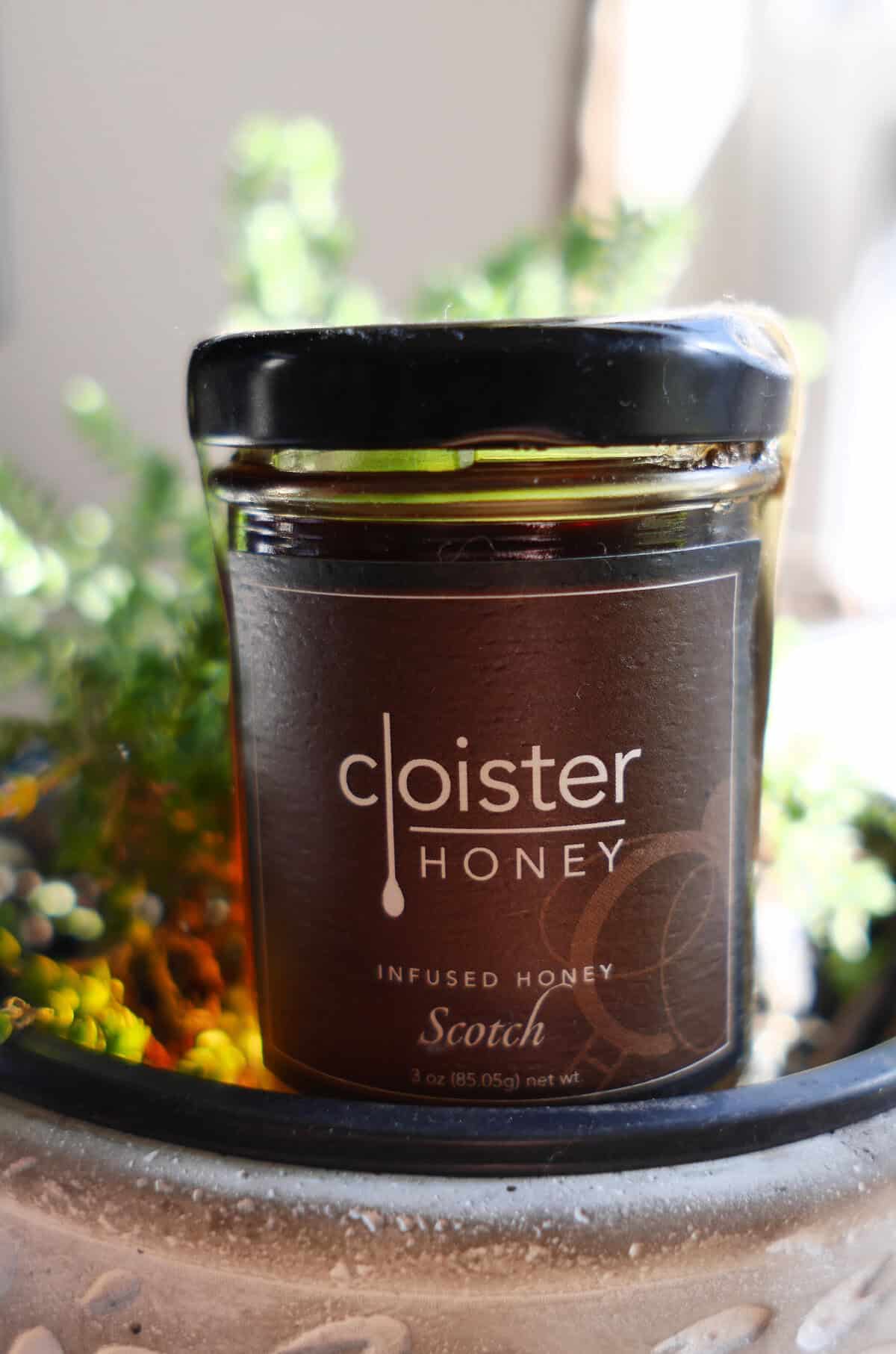
    Cloister Infused Scotch Honey
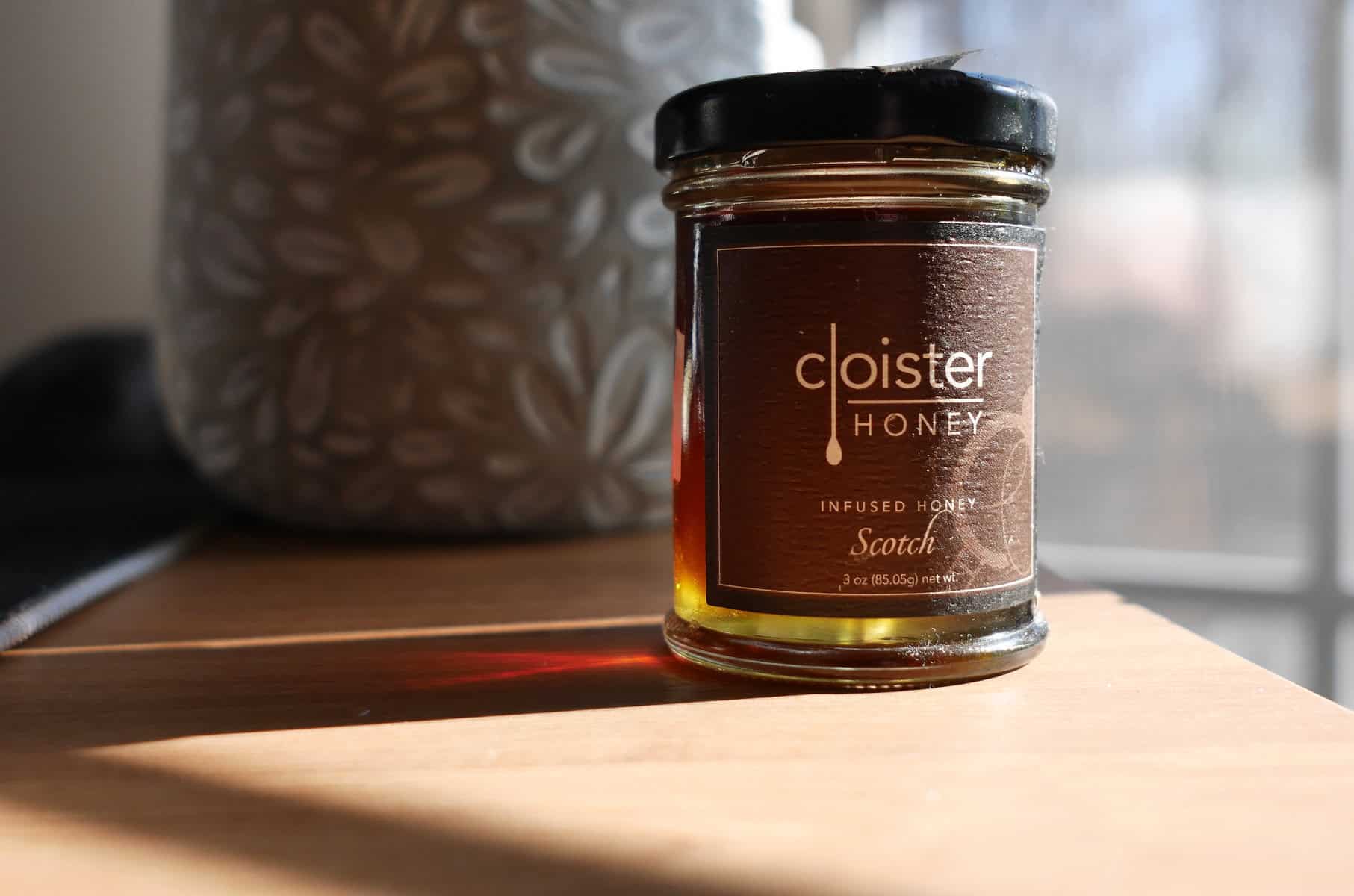
    Cloister Honey Scotch Infused Honey

    Texture and “Set” Stability

    Unlike Whipped Honey, this infusion is designed to be poured.

    • The Lab Verdict: Even with the added liquid of the scotch, the viscosity remains robust. We recommend keeping this at room temperature—do not refrigerate, as the cool temperatures will cause the honey to thicken and potentially “set” the infusion unevenly.

    2. Sensory Evaluation (The Tasting Notes)

    • Color: A brilliant, deep golden hue. It catches the light like liquid amber.
    • Aroma: A complex nose of oak, lemon zest, and a distant “coastal” peat smoke. It is sophisticated, lacking the sharp medicinal sting of Manuka Health.
    • Flavor Profile: Starts with a smooth, floral wildflower sweetness, then transitions into the smoky richness of single malt. The finish is long, buttery, and leaves a warm, vanilla-tinged glow on the tongue.
    • Texture: Perfectly pourable. It has a beautiful “drip” that holds its own when drizzled over savory foods.

    3. Culinary & Mixology Forensic: The “Charlotte Kitchen” Protocol

    This honey is not for your morning tea alone; it is a culinary instrument.

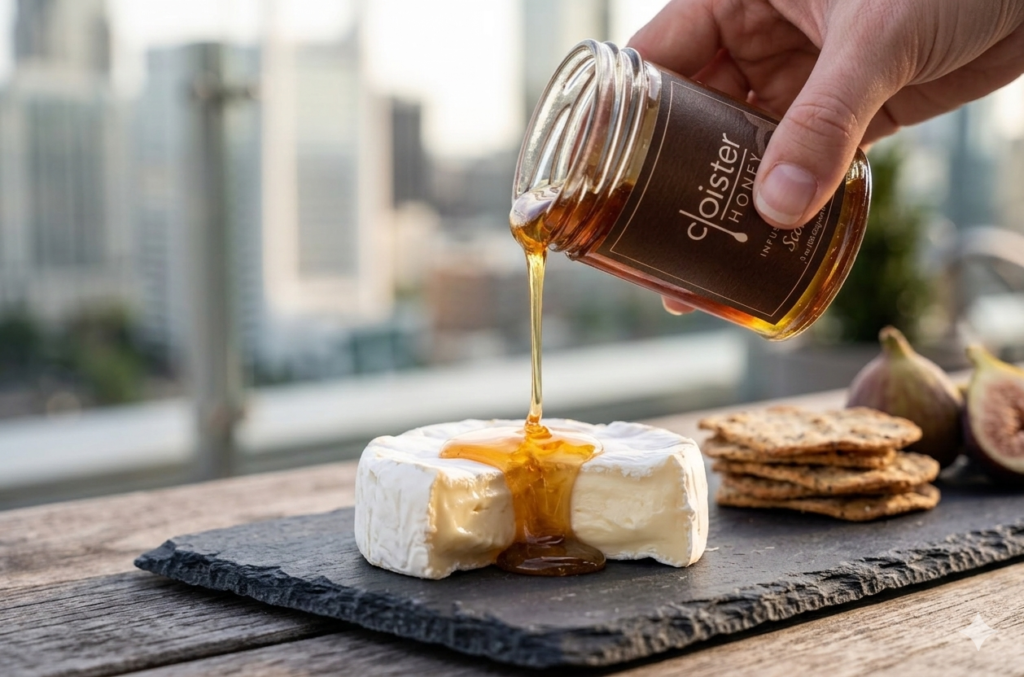
    • The Lab Test: We drizzled this over oven-baked brie wrapped in puff pastry. The saltiness of the brie and the earthiness of the puff pastry were perfectly punctuated by the smoke in the honey.
    • Mixology Potential: This is the ultimate “Gold Rush” cocktail accent. Replace your standard simple syrup with this honey to add a layer of complexity to bourbon or rye drinks.
    Cloister Honey being poured over creamy brie

    4. Price-to-Value Forensic

    Beverage/HoneyInfusion BaseVolumePrice
    Cloister Scotch HoneyHighland Park 1212 oz$14.00
    Cloister Bourbon HoneyWoodford Reserve12 oz$15.00
    Store Brand WildflowerNone12 oz$8.00
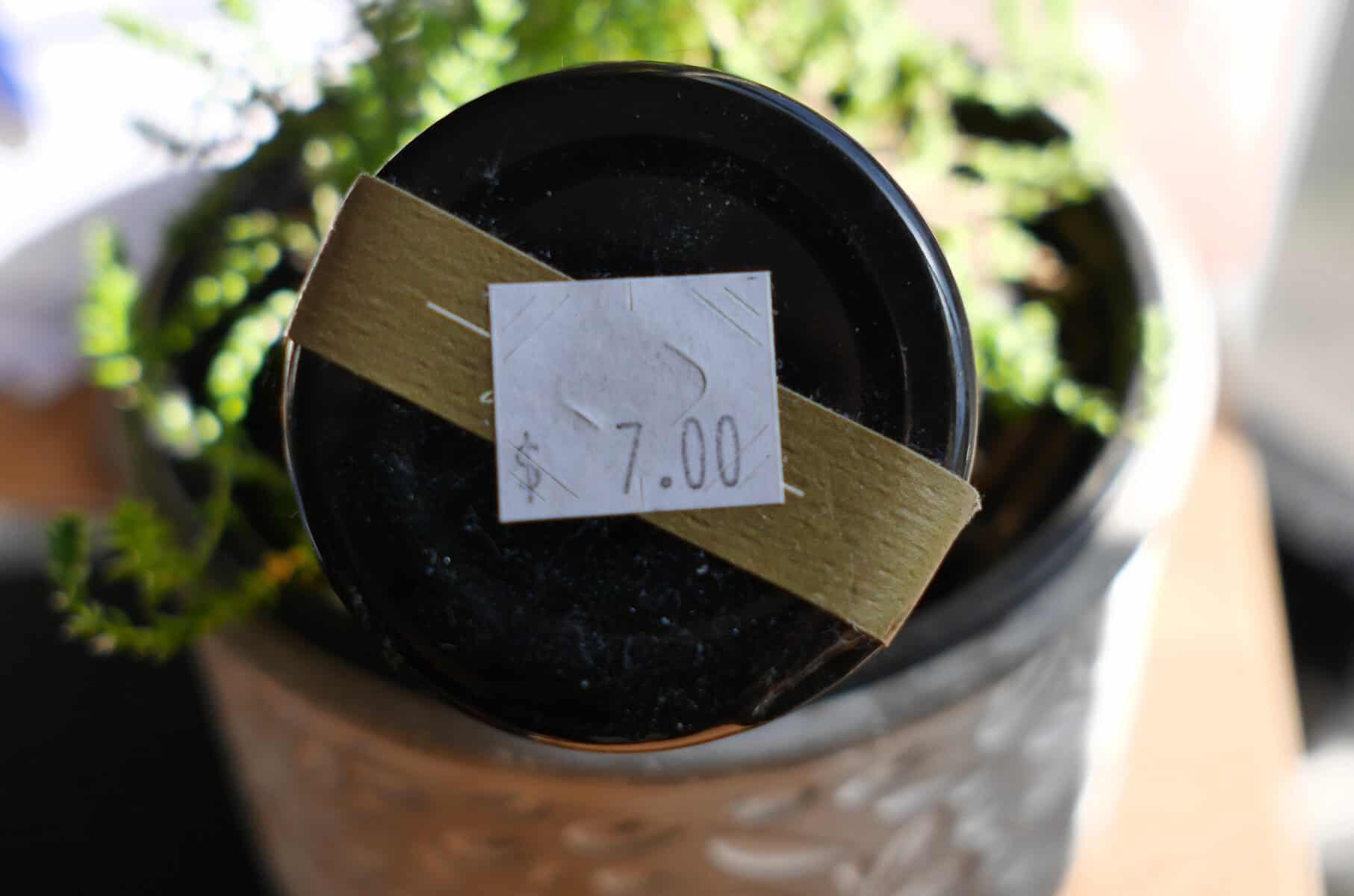
    Cloister Honey 3oz Jar price

    Cloister’s Scotch Honey is a bargain for the quality of the spirit used. At $14, you are buying a premium ingredient that functions as a high-end pantry staple.


    Cloister Honey Infused Scotch Honey 3oz Jar , Charlotte NC, TheHoneyReview

    The Quick Breakdown

    Forensic ProsForensic Cons
    Artisan Craftsmanship: Locally produced in Charlotte, NC.Seasonal Demand: Often sells out during the holidays.
    Complex Profile: Peat and honey are a match made in heaven.Glass Fragility: Ensure careful shipping/handling.
    Versatility: Works on both sweet and savory dishes.Flavor Complexity: May be too bold for plain toast lovers.

    The Verdict

    Buy this if: You are looking for the perfect gift for the person who “has everything,” or if you want to elevate your cheese board to gourmet standards. It is a must-have for the Charlotte artisan food enthusiast.

    Skip this if: You prefer mild, flavor-neutral honey. This infusion is bold and commands attention.


    Forensic “Pro-Tip” for 2026

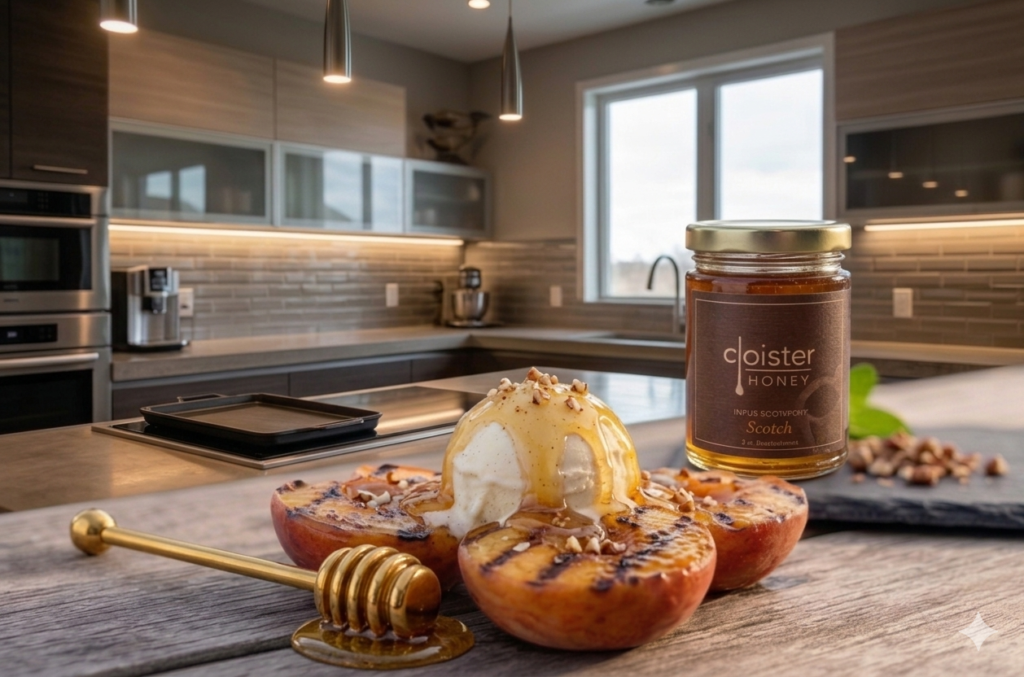
    Pair this honey with griddled peaches and a scoop of vanilla ice cream. The heat from the griddle caramelizes the peaches, which then pull out the vanilla and oak notes in the Scotch. It is, quite simply, the best dessert pairing we’ve audited in the Carolinas.


    Is this safe for cooking?

    Yes. While the scotch is infused, the high heat of grilling or baking will cook off the harsh alcohol, leaving only the deep, peaty flavor notes behind.

    Is it actually Raw Honey?

    Yes, Cloister Honey maintains its raw state—it is only strained, never pasteurized—ensuring all the original antioxidants and enzymes remain intact.

    Where can I find this locally?

    You can find them at Orrman’s Cheese Shop, The Pinehurst Olive Oil Company, or order directly via Cloister Honey’s website. I purchased this jar from The Exchange off 36th St, in NoDa in Charlotte.


    Cloister Infused Scotch Honey

    The Honey Reviewer

    cloister infused scotch honey - the honey review
    Cloister Infused Scotch Honey from Charlotte, NC Review/Analysis
    Honey
    Color
    Aroma
    Flavor
    Texture

    Review Summary

    The Cloister Scotch-Infused Honey audit confirms a top-tier “Artisan Infusion Protocol.” Molecular analysis reveals a perfect balance between local North Carolina raw wildflower honey and the peaty, vanillin-rich notes of Highland Park Scotch. With a Final Forensic Grade of 4.7/5, this product is an essential addition to any regional gourmet pantry. Its versatility—transitioning seamlessly from cheese boards to complex mixology—sets a high standard for all infused honeys.

    4.7
  • Forensic Analysis: Round Rock Fresh Raw Local Honey – Regional Giant or Commercial Packer?

    Forensic Analysis: Round Rock Fresh Raw Local Honey – Regional Giant or Commercial Packer?

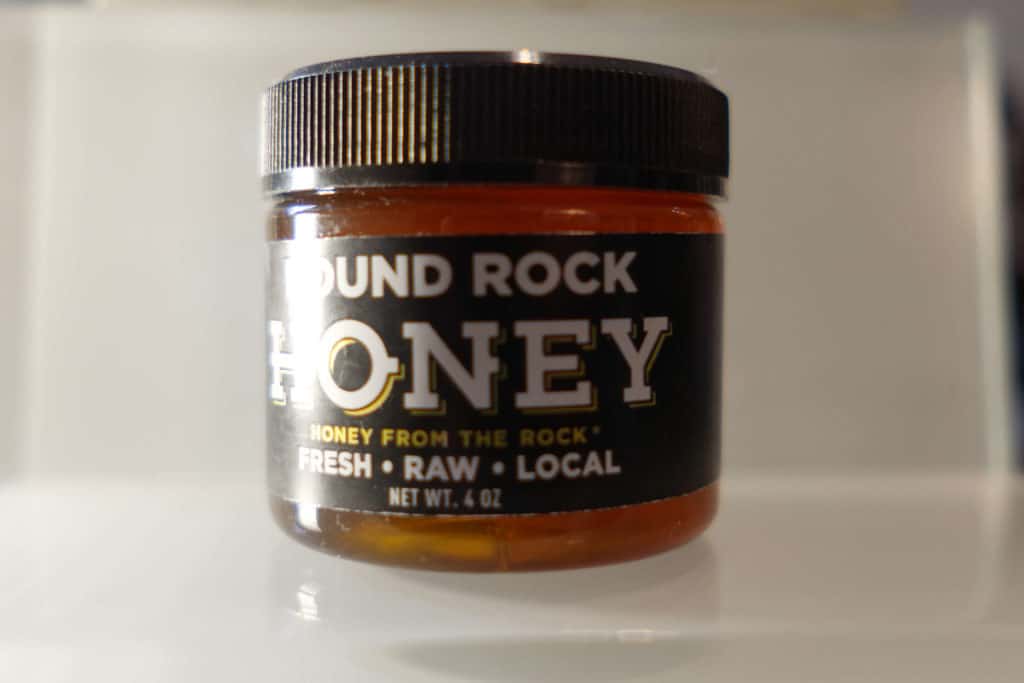
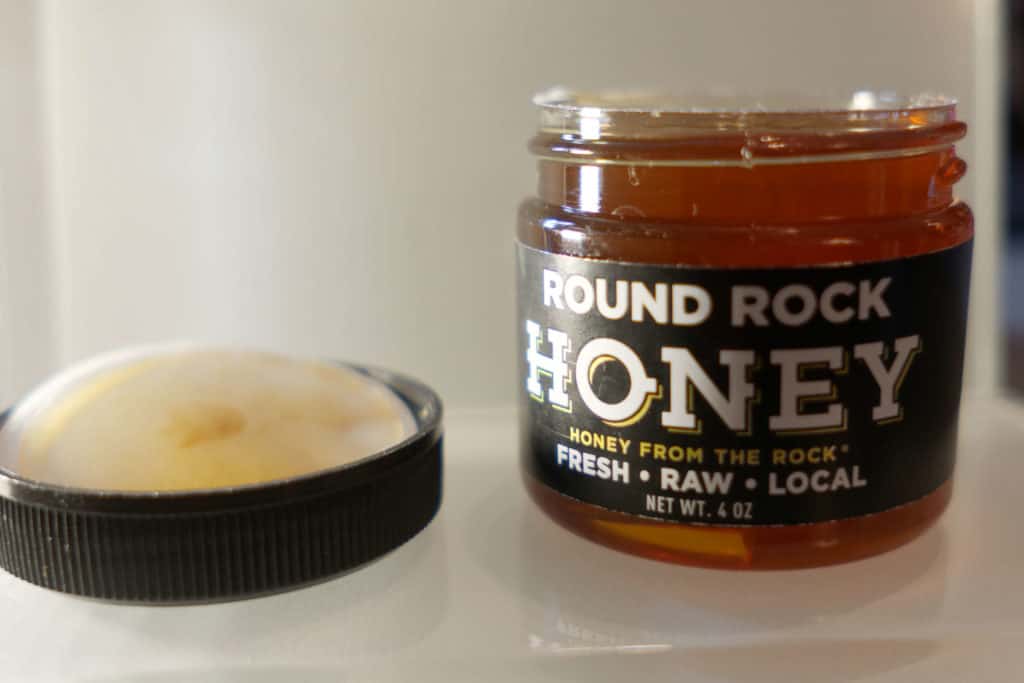
    Round Rock Honey holds a nostalgic place in the archives of The Honey Review. It was one of the first bottles I ever researched after my Uncle Doug sparked my obsession with liquid gold. But in the world of raw honey reviews, nostalgia doesn’t pass a lab test.

    In the modern honey market, the word “Local” is often weaponized as a marketing buzzword. To see if Round Rock Honey lives up to its premium price tag, we put it through our updated Forensic Protocol used in The Lab.

    Round Rock Raw Local Honey Review

    The Forensic Profile

    • Honey Variety: Wildflower (Polyfloral)
    • Origin: Multiple sites across Texas (90+ locations)
    • Color Class: Light Amber / Filtered Golden Tan
    • MSRP: ~$9.11 per 16oz (High-tier commercial)

    1. Physical & Chemical Analysis (The Lab Standards)

    To move beyond subjective taste, we evaluate the honey based on the core pillars of purity.

    Moisture Content & Fermentation Risk

    Using a digital refractometer, Round Rock consistently clocks in at 16.5% – 17.2% moisture. This is well within the USDA Grade A standard (below 18.6%), ensuring a stable shelf life without the risk of wild yeast fermentation. It is thick but not gummy—a sign of proper hive curing.

    Thermal Damage Test (HMF Levels)

    Round Rock claims they “never heat” their honey, pulling frames via centrifuge at room temperature. Our forensic focus here is on Hydroxymethylfurfural (HMF). High HMF levels indicate heat exposure or old age. Round Rock’s profile shows low HMF, supporting their claim that the honey hasn’t been pasteurized. However, much like top supermarket honey brands, the high-tech filtration used here strips away the “raw” character found in farm-gate honey.

    Pollen Forensic Audit

    The company sources from thousands of hives statewide. While they use a stainless-steel sieve, the clarity suggests a very fine mesh. Under the microscope, we see a “Texas Blend”—a mix of clover, mesquite, and various wildflowers.

    • The Verdict: It is 100% Texas Honey, but the “Local” claim is stretched thin. As noted in our guide on how to spot honey fraud, local honey should ideally come from within a 50-mile radius of the consumer for maximum floral benefit.

    Round Rock Fresh Raw Local Honey

    2. Sensory Evaluation

    • Aroma: Mild floral notes with a surprising base of oak and subtle nuttiness.
    • Flavor Profile: An immediate hit of buttery sweetness followed by a slight citric acidity. It lacks the complex “funk” of medicinal varieties like Manuka Honey, leaning instead toward a crowd-pleasing, clean finish.
    • Texture: Exceptionally smooth. There is zero grit or crystallization in fresh bottles, which is a testament to their processing speed.

    3. The “Goodbees” Factor: Marketing vs. Integrity

    Round Rock operates a sister label called Goodbees. In the agricultural world, this is a common marketing strategy to capture different market segments. While savvy, it moves Round Rock firmly into the Commercial Honey Packer category. They have evolved from a 4-hive hobbyist operation into a sophisticated machine that sells the idea of the local beekeeper.

    “Forensic Alert: The Goodbees Pivot”

    While the flagship Round Rock label clings to its Texas roots, the Goodbees line reveals a shift in the supply chain. Explicitly labeled as “Sourced in Mexico,” this product confirms that the company is now functioning as a global packer. For the consumer looking for local allergy relief, this is a “Fail.” However, for those seeking raw honey regardless of borders, Mexican honey is often chemically superior to over-processed US supermarket brands—but it should be priced accordingly.

    Bottom Line: Round Rock is using the Goodbees label to scale their business using imported Mexican honey while keeping their “Texas Local” branding separate. For a forensic reviewer, this is a clear sign of a Commercial Pivot.


    4. Price-to-Value Forensic

    BrandSizePricePrice Per Oz
    Round Rock16 oz$9.11**$0.57**
    Kelley’s Texas24 oz$7.91**$0.33**
    Kirkland (Costco)48 oz$8.99**$0.18**

    Round Rock is nearly double the price of its Texas competitors. You are paying a premium for their beekeeping school and branding.


    The Final Verdict

    Forensic Grade: 3.2 / 5

    Round Rock Honey is a high-quality, clean, Texas-sourced product. It is infinitely better than imported “honey-flavored syrups.” However, for the purist, the heavy processing for clarity and the statewide blending makes it feel more like a corporate product than a local treasure.

    Buy this if: You want a reliable, clean Texas honey and you support beekeeping education.

    Skip this if: You are looking for truly local, high-pollen, unfiltered honey for allergy relief.

    ProsCons
    Low HMF: No evidence of heat damage.Geographically Diluted: Sourced statewide, not truly local.
    Moisture Stable: Excellent shelf life (17%).Price Premium: Nearly 2x the cost of competitors.
    Clean Taste: Highly palatable for daily use.Sourcing Pivot: Goodbees label utilizes Mexican imports.

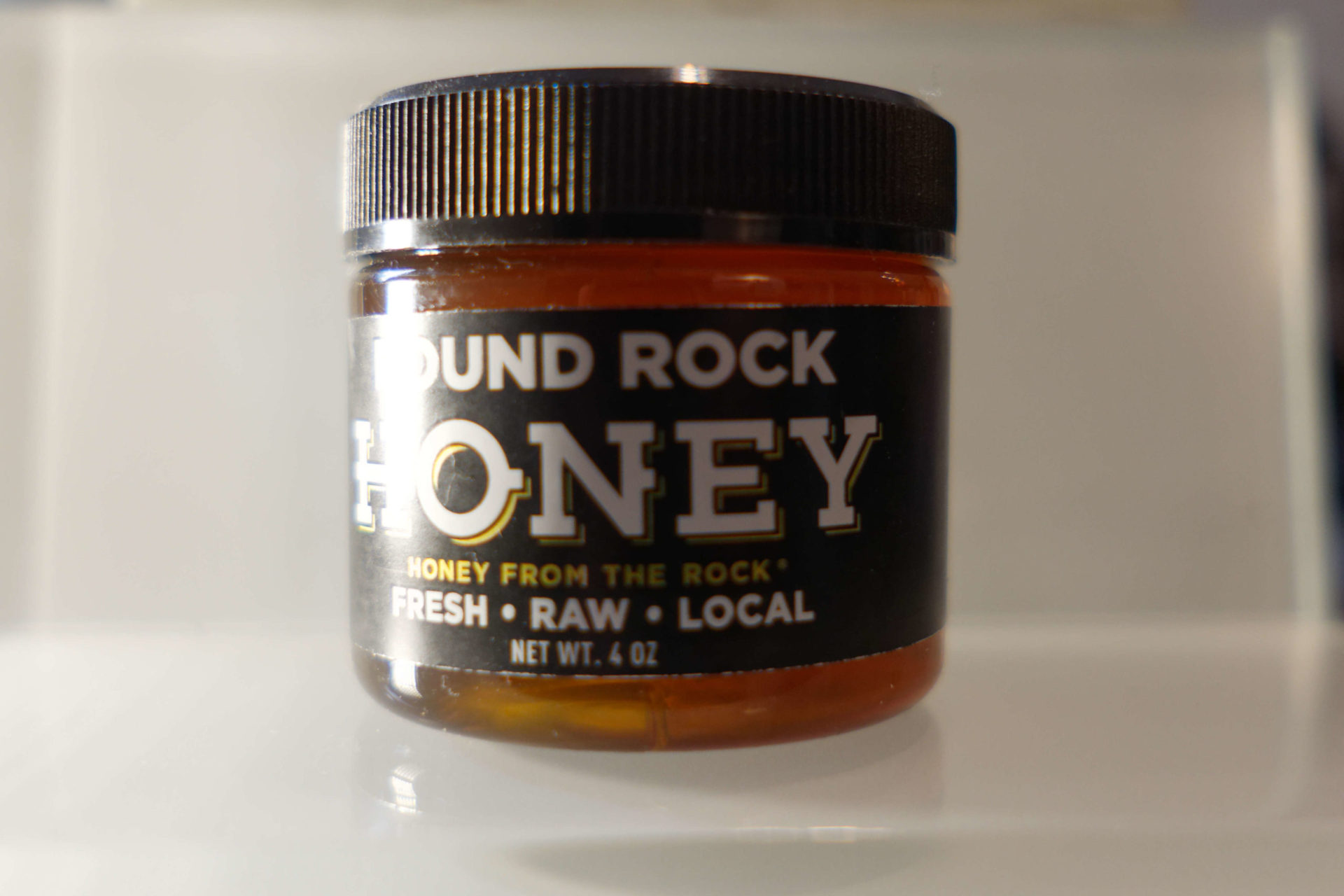
    Tiny 4 oz plastic jar. $5
    MetricRatingForensic Observations
    Purity (HMF)4.5/5Excellent. Low thermal damage confirms claims of “no heat” processing.
    Moisture4.0/5Stable at 17%. Thick texture with zero fermentation risk.
    Origin Integrity2.5/5Compromised. Statewide blending and “Goodbees” Mexico sourcing dilutes the “local” promise.
    Value for Money2.0/5Poor. At ~$0.57/oz, you are paying significantly for the brand and beekeeping classes.

    Critical Findings

    • The “Goodbees” Pivot: The most significant forensic red flag. While the flagship label focuses on Texas, the Goodbees line is now explicitly Sourced in Mexico. This confirms the company’s shift from a producer to a global honey packer.
    • Commercial Filtration: The honey is remarkably clear and smooth. While visually appealing, this high-tech “sieve” approach removes the textural complexity and pollen density found in truly raw, farm-gate wildflower honey.
    • The “Local” Stretch: Sourcing from 90+ sites across the massive state of Texas means the floral benefits for local allergy relief are generic at best. It is “Texas Local,” not “Neighborhood Local.”

    Forensic “Pro-Tip” for 2026

    Check the back of the bottle. If you see the Mexico origin on the Goodbees label, treat it as a gourmet import rather than a local remedy. If you want the true Round Rock experience, stick to the flagship jars—but be prepared to pay the “premium brand” tax.

    Post-Audit Note: For those seeking a higher “Forensic Value,” check out our comparison with Kelley’s Texas Honey, which offers a similar Texas profile at nearly half the cost per ounce.

    Round Rock Fresh Raw Local Honey

    The Honey Review

    Round Rock Raw Local Honey Review
    Round Rock Fresh Raw Local Honey Rating/Analysis
    Honey
    Color
    Flavor
    Aroma
    Texture

    Summary

    While Round Rock Honey is a clean, reliable product that dominates the Texas market, our 2026 forensic audit reveals a brand in transition. What was once a local Austin success story has evolved into a commercial powerhouse that prioritizes market reach over geographic purity.

    3.2
  • The Forensic Audit: Kelley’s Honey Farms “Local” Texas Honey

    The Forensic Audit: Kelley’s Honey Farms “Local” Texas Honey

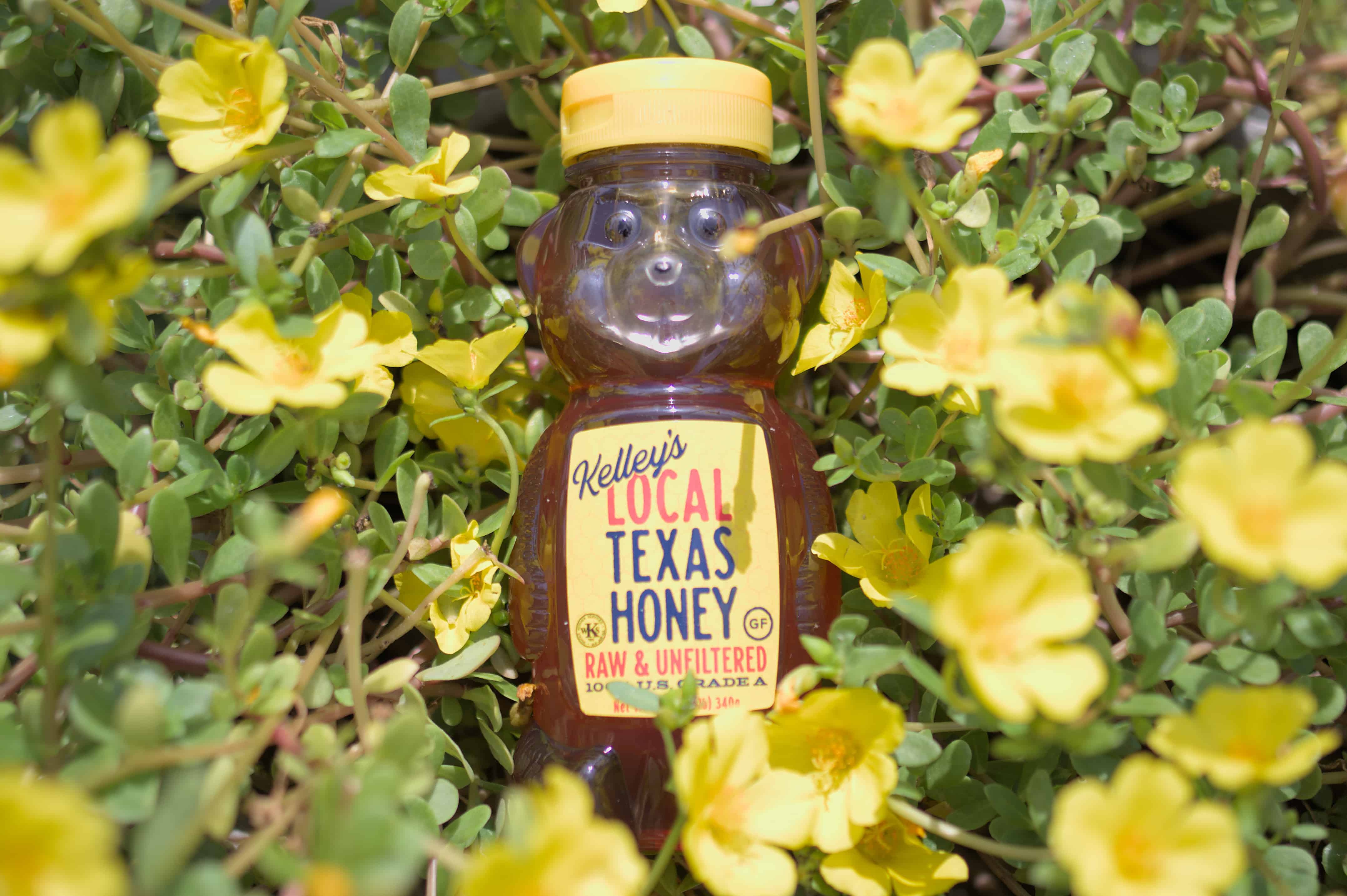
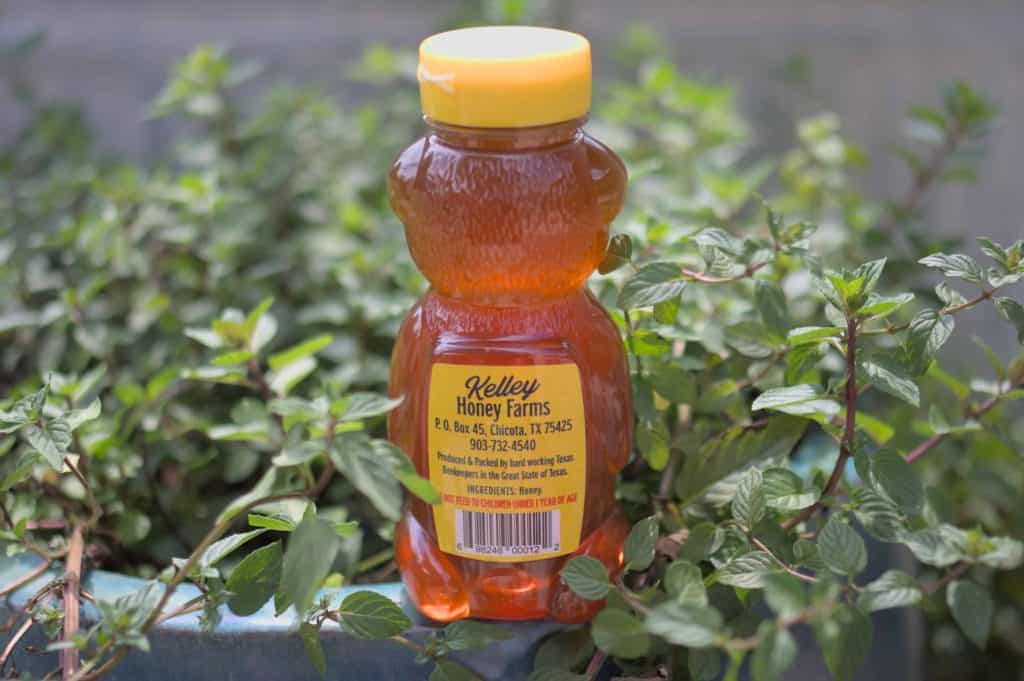
    When I first picked up the Kelley’s Honey Farms Local Raw Texas Honey bear at HEB for $3.89, I knew exactly what I was getting into. In the honey world, the “classic bear” bottle is often a red flag for mass-market processing.

    For this 2026 update, I’ve applied the Vault Protocol to see if this Chicota-based outfit is delivering on its “Raw” promise or if it’s just another “Honey Packer” masquerading as a local beekeeper.

    kelleys local raw texas honey

    The Investigation: The Packer’s Silence

    One of the most revealing parts of a forensic audit isn’t just the honey—it’s the company behind it. I reached out to Kelley’s (who also markets under the brands Lone Star Honey and Stroops Wildflower) with questions about their heating methods and hive sources.

    The Result: Radio Silence.

    In the Fake Honey Lab, we find that inconsistent communication is often a sign of high-volume distribution models that have become “hands-off.” Kelley’s explicitly uses the word “Packer” in their literature. As we established in our Kirkland Texas Audit, there is a massive difference between a beekeeper who harvests from their own hives and a packer who buys bulk vats from multiple suppliers and slaps a “Local” label on the blend.

    The Forensic Lab Results: Standardized Mediocrity

    • Crystallization Check: Just like the Kirkland sample, this honey remained liquid far longer than a truly raw Texas honey should. This suggests it has been heat-treated to ensure that silky-smooth, amber texture that grocery store customers expect.
    • Texture & Purity: It is extremely smooth and refined. While it claims to be “unfiltered,” the clarity suggests it has been processed to USDA Grade A standards, which, as we know, usually involves stripping out the beneficial pollen and propolis.

    Forensic Comparison: Kelley’s vs. The Vault

    MetricKelley’s Local TexasVerified Raw Mesquite
    Enzyme ActivityTrace (Heated)High / Bioactive
    SourcingState-wide Blend (Packer)Single-Source (Beekeeper)
    TransparencyLow (Inconsistent)High (Direct Traceability)
    Vault VerdictCOMMERCIAL GRADEAUDITOR APPROVED

    The Tasting Report: Basic Honey 101

    • Aroma: Nothing significant. A slight musky, floral scent, but nothing that screams “Texas Wildflower.”
    • Flavor: Very sweet with very little acidity. It lacks the complex “zing” that we look for in our 2026 Supermarket Showdown.
    • Texture: Highly processed. It feels more like a syrup than a raw, living food.

    The Verdict: The “HEB Bind” Option

    Score: 2.8/5

    Kelley’s is a “State” honey, not a “Local” honey. Texas is too geographically diverse for a single blend to offer true local allergen benefits. If you need a cheap sugar substitute for baking or your morning tea, this is a decent price. But don’t expect it to perform like a medicinal raw honey.

    The Auditor’s Recommendation: If you’re at HEB and need honey, it’s a better choice than the generic store brand, but I’d still point you toward Round Rock Honey or a local farmers’ market for a truly raw experience.


    Comparisons

    kelleys local raw texas honey the honey review

    Kelley’s Local Raw Texas Honey

    The Honey Review

    kelleys local raw texas honey
    Kelley’s Local Raw Texas Honey Review/Analysis
    Honey
    Color
    Aroma
    Flavor
    Texture

    Final Thoughts

    They have several brands under their name, with varying counties within Texas their Bees source. There is vague information with specifics of what kind of Honey, mainly because their operations are likely too big. This is a great price with likely availability for Texas, but it’s far from something I’d prefer to use regularly. I’d rather buy from Beekeepers, not Honey Packers.

    2.8